Home Blog Page 687

Court approves Imran, Bushra’s 7-day physical remand in Toshakhana case

Court approves Imran, Bushra's 7-day physical remand in Toshakhana case

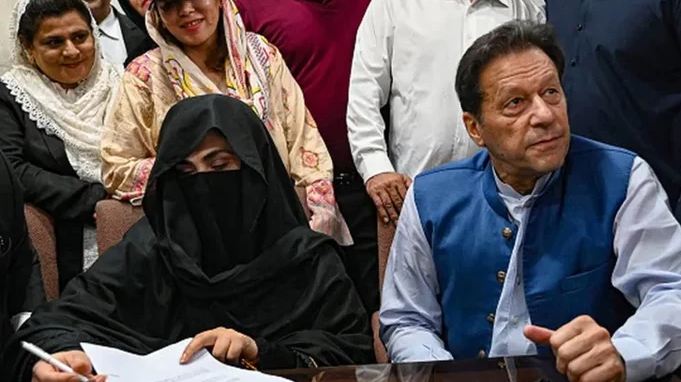
RAWALPINDI: An accountability court has approved a seven-day remand of Pakistan Tehreek-e-Insaf (PTI) founder Imran Khan and his wife, Bushra Bibi, in the newly filed Toshakhana reference.

The National Accountability Bureau (NAB) had sought a 14-day remand of the couple, but the court turned down the request and asked the anti-graft body to produce the suspects on July 29.

The anti-corruption body’s team had presented the couple before the court after the expiry of their previous eight-day remand and also submitted a progress report to the judge.

The 71-year-old cricketer-turned-politician has been in prison for almost a year now in three cases — the Toshakhana case, cipher case, and the un-Islamic marriage case. His wife, Bushra Bibi, has also been behind bars for months.

However, a court suspended his sentence in the Toshakhana case, while other courts overturned his convictions in the cipher and iddat cases, respectively.

While there were hopes for his and Bushra’s release in July, they were dashed when NAB arrested them on fresh charges related to the sale of state gifts.

PML-N has ‘non-serious and incompetent’ people, says Kirmani after quitting party

PML-N has 'non-serious and incompetent' people, says Kirmani after quitting party

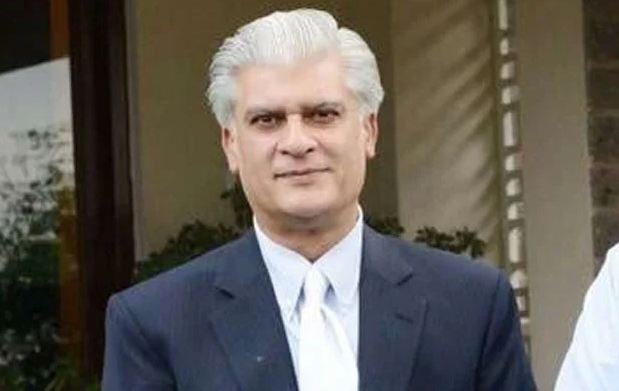
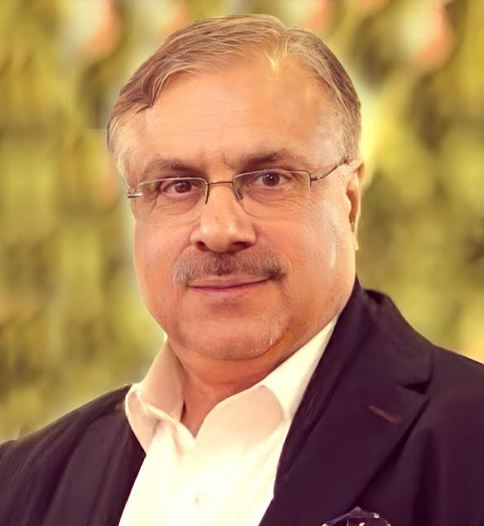
LAHORE, JUL 21: Dr Syed Asif Kirmani, the former political secretary of ex-prime minister Nawaz Sharif, voicing strong opinion about the current state of the party, has said that members of the Pakistan Peoples Party (PPP) and the Jamaat-e-Islami (JI) have infiltrated the ranks of the N-League, adding that these individuals “do not represent the true face of the PML-N”.

Kirmani, in a surprise statement on Saturday, announced quitting the PML-N, criticising the top leadership of the ruling party. He said he had already distanced himself from the political affairs of the Nawaz-led party for a long time.

The former N-League veteran quit the party over differences with the top party leadership’s decision to form a government following the February 8 general election despite rigging allegations.

Pause

Unmute
Current Time
0:27
/
Duration
1:24

Quality Levels
Sharing his insights in an interview with Geo News on Sunday, he expressed concerns about the calibre of current party members holding key positions, also describing them as “non-serious and incompetent”.

“It seems Nawaz Sharif has been rendered helpless,” the former politico claimed. “This is not the same Nawaz Sharif I once knew.”

Despite his departure, the PML-N’s deserter stressed he still maintains his respect for Nawaz, saying: “I respected Nawaz Sharif in the past, and I respect him now as well.”

The former PML-N leader said he gave almost 19 to 20 years to the party and remained a close associate of Nawaz, adding that they have left a “loyal companion behind”.

Reflecting on his decision to part ways with the party, he admitted: “It was painful leaving my home.” He also called on the PML-N supremo to engage with the general public to have an idea of what they are going through. “Mian Sahib, everything is not alright. Come out, [mingle with people] and see for yourself.”

Responding to a query about his future political plans, Dr Kirmani insisted that he was not joining any political party, adding he was a “born PML-N supporter” and wished to die as a member of the PML-N family”.

Kirmani was appointed by then-prime minister Nawaz as his political secretary during his rule in 2013. Being a close aide of the three-time PM, he played an active role during the PML-N’s election campaign before the party rose to power in 2013.

Moreover, Abbas Khan Afridi also called it quits last month, claiming that the party’s president Nawaz was “no longer relevant in the country’s politics”.

Similarly, senior PML-N leader and former Sindh governor Muhammad Zubair, ex-prime minister Shahid Khaqan Abbasi and former finance minister Miftah Ismail had left the ruling party in recent months.

Abbasi and Ismail had launched a new political party, Awaam Pakistan, earlier this month which was joined by several former PML-N leaders including Sardar Mehtab Ahmed Khan Abbasi, Javed Abbasi, Syed Zaeem Hussain Qadri, Rana Zahid Tauseef, Zahid Binnouri, and Sardar Anwar Soomro.

Mohammed Shami breaks silence on rumours about marriage with Sania Mirza

Mohammed Shami breaks silence on rumours about marriage with Sania Mirza

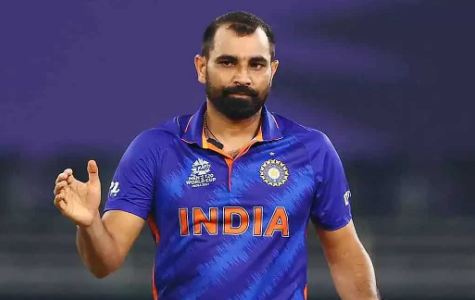
New Delhi, JUL 21: Indian fast bowler Mohammed Shami has finally opened up about the news reports pertaining to his marriage with tennis star Sania Mirza.

Soon after some media outlets reported about their marriage, different posts with doctored images of the sports personalities’ marriage popped up on social media last month.

The reports have already altogether been ruled out by Sania’s father, saying they never even came across once, let alone married. “This is all rubbish. She has not even met him,” Imran Mirza had told media on June 21.

Various Indian websites including Masala, Times Now, and Zoom had reported that Sania and Shami were set to get married on August 20, 2024.

After remaining mum over the rumour for about a month, Shami said it was strange to open the phone and see his own picture with someone.

“I believe that memes are meant for fun, but if it is related to someone’s life, then one should make memes with a lot of consideration. People share such news from unverified pages and get away,” he said in response to a query about rumours regarding the two athletes tying the knot.

In an interview with a YouTuber, the pacer said it was weird and done advertently for some lame fun.

The Indian cricketer warned those spreading fake news, saying: “If you have the guts, then speak from the verified pages, then I will tell you.”

He said it was very easy to pull someone’s leg. “You first work hard, achieve success, raise your level and help someone only then I will believe you are a good person,” he remarked.

Shami urged people to be responsible on social media and refrain from disseminating such unwarranted news.

Competition tribunal affirms penalty

ISLAMABAD, JUL 21 (DNA) —Competition Appellate Tribunal has upheld the decision of the Competition Commission of Pakistan (CCP) against M/s Reliance Paints Pakistan for fixing the retail prices of its products, in violation of Section 4 of the Competition Act, 2010.

The CCP initiated an inquiry after receiving a formal complaint from Akzo Nobel Pakistan Ltd, which alleged that Reliance Paint was fixing the minimum resale price for its products and also monitoring and penalizing the dealers/distributors/retailers for non-compliance with its price directives, said a press release issued here on Sunday.

CCP’s enquiry report concluded that these practices were restricting competition not only between the dealers and retailers but also between Reliance and its competitors as the retail price became inflexible and no discounts could be offered by dealers to consumers for Reliance’s products.

Commission observed that the agreements/arrangements enforced by Reliance Paints restricted intra-brand competition amongst its dealers or distributors/retailers as the same impairs their ability to compete on prices in the sale and distribution of Reliance Paint’s products. Consequently, the CCP imposed a penalty of PKR 5 million on Reliance Paints.

Reliance Paints filed an appeal against the CCP’s order with the Competition Appellate Tribunal. The Tribunal upheld findings of the Commission regarding Reliance Paint’s violations of Section 4 of the Act. However, it reduced the penalty to PKR 2.5 million. — DNA

PCB denies NOC to Babar, Rizwan, Shaheen for Global T20 League Canada

PCB

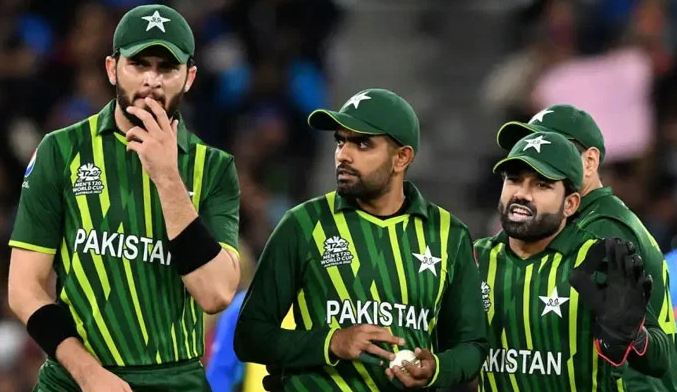
LAHORE, JUL 21: The Pakistan Cricket Board (PCB) denied the No Objection Certificate (NOC) to Babar Azam, Mohammad Rizwan and Shaheen Afridi for participating in the upcoming Global T20 League Canada.

All three of them are considered important pillars of the Pakistan cricket team and the PCB made the decision to give them rest as the Green Shirts have to play a lot of cricket before the commencement of Champions Trophy 2025, which will be hosted in the country.

Pakistan’s schedule till May 2025 is jam-packed due to which the PCB denied the NOCs to players. The main priority for the Mohsin Naqvi-led board is the players’ fitness and making sure they remain injury-free and are well-rested.

“The PCB has provided the following update on the player NOC requests for the Global T20 due to be played in Canada later this month,” the body said in a presser.

“The PCB had received NOC requests from Babar Azam, Mohammad Rizwan and Shaheen Afridi for the Global T20 event, amongst other players. After taking into consideration Pakistan’s busy and packed cricket calendar in the period from August 2024 to March 2025, which includes nine ICC World Test Championship matches and next year’s ICC Champions Trophy 2025, and following consultations with the three players as well as the national selection committee, it has been decided to decline their requests,” it said.

The cricket body added that the three all-format players and their services are expected to be required in the upcoming eight months during which Pakistan will play nine Tests, 14 ODIs, and nine T20Is

“In line with the PCB’s workload management policy, it is in the best interest of Pakistan cricket and the players that they skip the upcoming event in Canada so that they are in their best mental and physical shape for the season, which commences with the two-Test series against Bangladesh,” the statement added.

It is worth mentioning that the PCB’s policy is to allow players to play two franchise cricket leagues alongside the Pakistan Super League (PSL).

Pakistan’s schedule for remainder of 2024
August: Two-match Test series against Bangladesh at home as part of World Test Championship (WTC) 2023-25

October: Three-match Test series against England at home as part of World Test Championship (WTC) 2023-25

November 4-18: Travel to Australia to play three ODIs and three T20s

November 20-December 5: Travel to Zimbabwe to play three ODIs and three T20s

December 10-January 03, 2025: Travel to South Africa to play Three T20Is, three ODIs and two Tests

The New Composition of European Union

The New Composition of European Union

Dr. Muhammad Akram Zaheer

The recent European Union elections have delivered a diverse and multifaceted outcome, reflecting the complex political landscape across the continent. There are total number of seats in the European Parliament, which is 720.The seats are divided among various political groups, each represented by a different color.The largest group is the European People’s Party (EPP), which holds 189 seats.This group has experienced a decline of 13 seats from the previous parliament.The Progressive Alliance of Socialists and Democrats (S&D) holds 135 seats, showing a decrease of nine seats.Renew Europe (RE) has 79 seats, with a gain of 23 seats.The Greens/European Free Alliance (Greens/EFA) has 53 seats, gaining 11 seats.  The European Conservatives and Reformists (ECR) hold 76 seats, with a significant increase of 19 seats.Identity and Democracy (ID) holds 58 seats, losing nine seats.The Left has 37 seats, gaining two seats.Non-Inscrits (NI), a group of non-aligned members, holds 45 seats, with a decrease of 17 seats.There are also 46 seats classified as ‘Others,’ representing various smaller parties and independent candidates.

Germany, the largest country by population, has the most seats with 96. The distribution includes significant representation from EPP, S&D, and Greens/EFA.France has 81 seats, with a notable presence of the National Rally party within the ID group, as well as significant representation from EPP and S&D.Italy holds 76 seats, with a strong showing from ID, EPP, and S&D Spain has 61 seats, with a major presence from S&D and EPP. Poland, with 53 seats, shows a strong performance from ECR and EPP.Other countries such as Romania, Netherlands, Belgium, and Greece have varying distributions, reflecting their unique political landscapes.

The overall voter turnout for the European Union elections stands at 51%, indicating that just over half of the eligible voters participated.Countries with the highest voter turnout include Belgium and Luxembourg, where voting is compulsory, showing nearly 90% participation.Other countries with high turnout include Denmark, Sweden, and Germany, all with over 60% participation.Conversely, some countries such as Slovakia, Slovenia, and Croatia have lower turnout rates, ranging between 20% and 40%.

The European Union election results reveal several important trends and insights into the current political climate across Europe:The Greens/EFA group has seen a notable increase in seats, reflecting growing support for environmental issues and sustainability across Europe.Renew Europe (RE) has also gained seats, indicating a shift towards centrist and pro-European Union policies.The EPP and S&D remain the largest groups in the European Parliament, despite experiencing some losses. Their continued dominance highlights the ongoing support for traditional center-right and center-left ideologies.The ECR and ID groups have made significant gains, particularly in countries like Poland, Italy, and France. This trend reflects the rising influence of right wing, nationalist, and Eurosceptic parties across the continent.Voter turnout varies widely between countries, with some showing strong engagement and others lagging behind. High turnout in countries with compulsory voting laws suggests that such policies may effectively increase participation.

The results of the European Union elections have several implications for the future direction of the EU:With the increased presence of Greens/EFA and Renew Europe, environmental and centrist policies are likely to gain more attention in the European Parliament.The continued strength of traditional parties ensures that issues like economic stability, social welfare, and integration will remain central to the EU’s agenda.The rise of right-wing parties poses challenges to the EU’s unity and its pro-European agenda. Addressing the concerns of nationalist and Eurosceptic voters will be crucial for maintaining cohesion within the union.The varying voter turnout rates highlight the need for strategies to increase political engagement and participation across all member states. This could involve educational campaigns, reforms to make voting more accessible, or considering compulsory voting laws.The changing composition of the European Parliament will affect the balance of power and the formation of coalitions. Collaboration between different political groups will be essential for effective governance and decision-making

The recent European Union elections have underscored the diverse and evolving political landscape across Europe. With significant gains for the Greens, liberals, and right-wing parties, alongside continued support for traditional parties, the results reflect a complex interplay of ideologies and priorities. As the European Parliament moves forward, it will face the challenge of addressing a broad spectrum of issues while navigating the dynamic political environment. The varying voter turnout also emphasizes the importance of fostering greater political engagement among EU citizens to ensure a truly representative and robust democratic process.

The changing composition of the European Parliament will affect the balance of power and coalition formation. Effective governance and decision-making will require collaboration between different political groups. The election results underscore the diverse and evolving political landscape in Europe, with significant gains for Greens, liberals, and right-wing parties, alongside continued support for traditional parties. As the European Parliament moves forward, it will face the challenge of addressing a broad spectrum of issues while navigating a dynamic political environment. The varying voter turnout also emphasizes the importance of fostering greater political engagement among EU citizens to ensure a truly representative and robust democratic process.

Gov’t determined to provide 100% free medical facilities to deserving patients: PM

Shehbaz Sharif

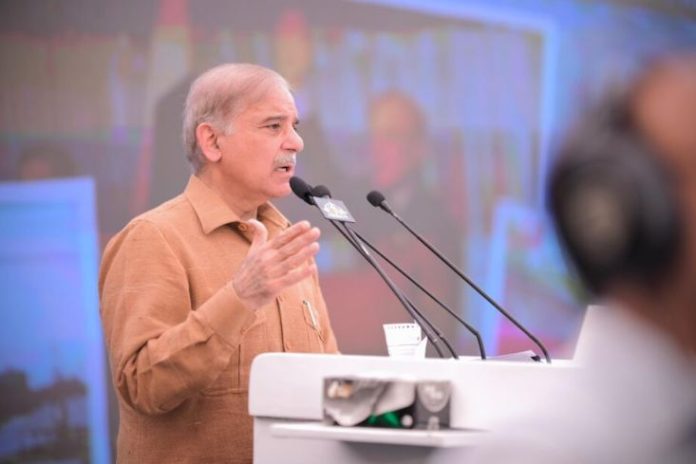
ISLAMABAD, Jul 21 (APP): Prime Minister Muhammad Shehbaz Sharif on Sunday said the government was determined to provide state of the art free healthcare facilities to the deserving patients from across the country.

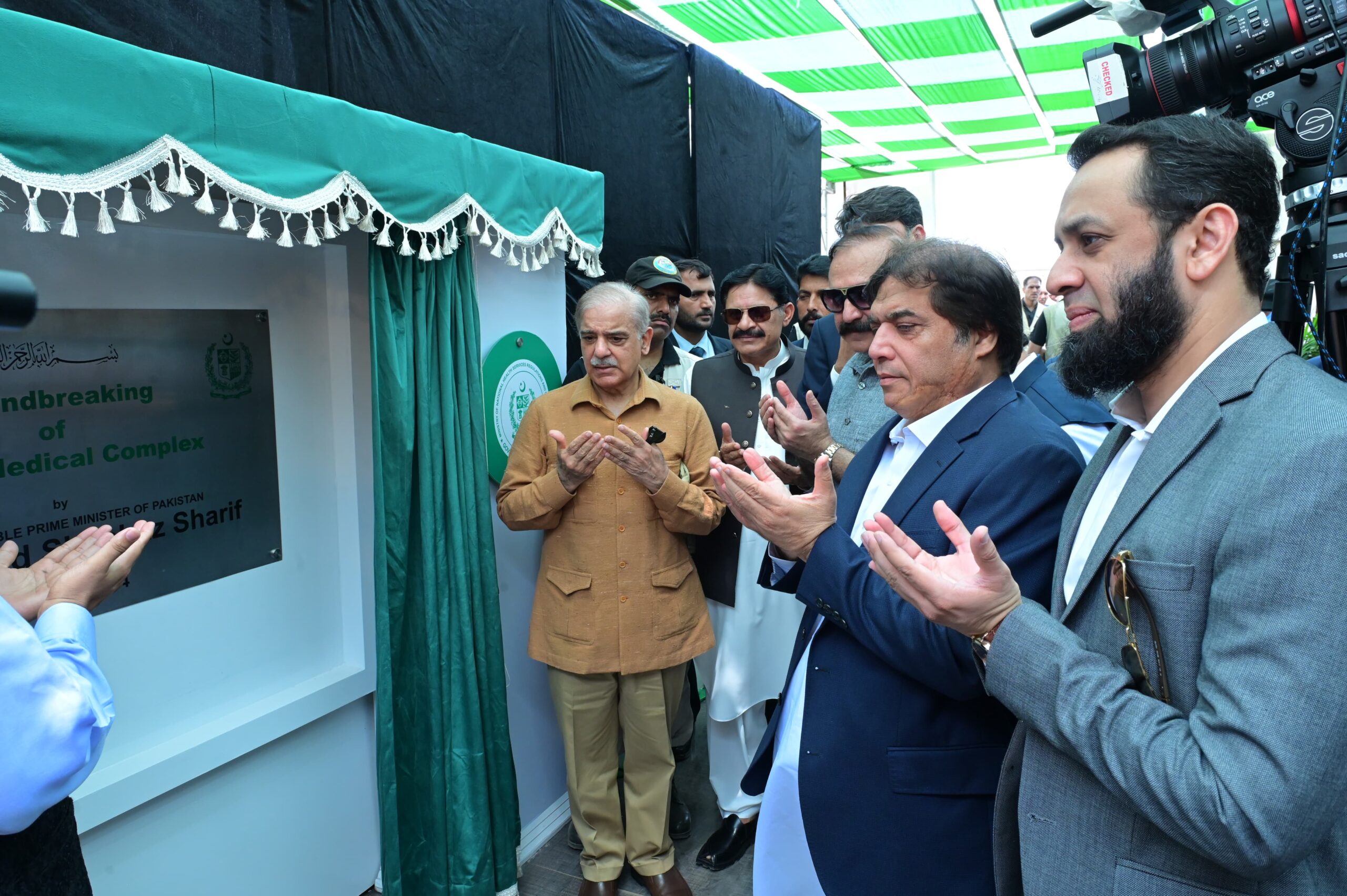
Addressing a groundbreaking ceremony of Jinnah Medical Complex here, the prime minister said the Complex was going to be the region’s one of the best medical center where the deserving people would get 100% free medical treatment.

“This is the gift of the coalition government not only for the residents of the Rawalpindi and Islamabad but for the people from Khyber Pakhtunkhwa, Azad Jammu & Kashmir and Gilgit Baltistan as well,” PM Shehbaz Sharif said.

Gov't determined to provide 100% free medical facilities to deserving patients: PM

He said once completed, the medical complex would offer the world’s best healthcare facilities with various sections of diseases related to heart, kidneys, lungs, cancer and others. Furthermore, he said a modern first aid emergency section would also be established at the hospital with facility of air ambulance service for patients belonging to hard areas.

He said the nursing schools and laboratories would also be established in the hospital and the deserving patients would avail 100% lab tests facility.

The prime minister emphasized that this was the same model envisioned by PML-N President Muhammad Nawaz Sharif to provide free medical facilities only to the poor and on-payment facilities to the well-off people at the same place.

He specifically thanked Chairman HBL Sultan Ali Allana and Prince Rahim Agha Khan for providing technical consultancy support free of cost for the project. He paid tribute the decades-long services of the Agha Khan Foundation for the country.

He directed the authorities concerned to complete the project in one year. “Although one year is a challenging deadline for the huge project but with determination and hard work, it was quite possible. He also issued directives to continue work on the project round the clock to meet the deadline. He assured that there would be no funding problems from the government side.

PM Shehbaz Sharif also express his gratitude to the Islamabad Chief Commissioner Ali Randhawa for providing land for the project.

He also thanked finance minister, finance secretary and planning minister for their support for the project.

As regards compensation to the land affected people, the prime minister directed to provide one window facility to the affected people to resolve their problems without any delay.

Health Coordinator Dr Mukhtar Ahmed, MNAs Dr Tariq Fazal Chaudhry, Hanif Abbasi and Raja Khurrum Nawaz also spoke on the occasion.

Minister for Information and Broadcasting Attaullah Tarar was also present on the occasion.

Law Minister inaugurates projects costing Rs.55.5mn

Law Minister inaugurates projects costing Rs.55.5mn

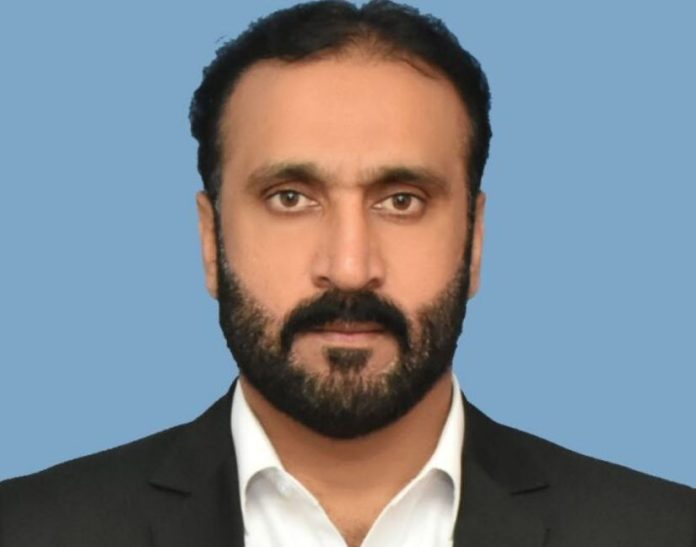
PESHAWAR, Jul 21 (APP): Khyber Pakhtunkhwa Law and Parliamentary Affairs Minister Aftab Alam Afridi Advocate along with senior party stalwart Abid ur Rahman Afridi on Sunday laid the foundation stone of reconstruction of the building of Government Girls Primary School Sunni Khel in Tehsil Dara Adam Khel of Kohat District which will be completed at a cost of Rs.25.5 Million.
Similarly, the Minister along with the local party leadership and elders also inaugurated the Shadikhel-Mandakhel-Kamalkhel Road which has been completed at a cost of Rs.30 Million.

The Law Minister on this occasion said that developmental works are not a favor to anyone but it is the right of the people. He said that we are the custodians of the people’s rights and we will leave no stone unturned to achieve this goal for which the people have voted him to power.
The minister regretted that some rejected elements by are trying to shine their politics on our projects, but the people know very well that who completed this road which was remained damaged for the last many years.
He assured, in the present tenure, not only incomplete projects will be completed but also new projects of public interest will be started with the mutual consultation of the local leadership.
Referring to the education sector, Aftab Alam said that the government of Khyber Pakhtunkhwa is paying special attention to education, especially the women’s education, because development and prosperity cannot be imagined without bringing 52 percent of the country’s women into the national mainstream through education.

He said that we are trying hard to bring hundreds of out-of-school children to schools and equip them with good education. That is why the government runs a special admission campaign every year so that no child weather boy or girl deprived of the basic right of education.
Earlier, the Law Minister Aftab Alam made opening of both the projects from the party workers.

Flawed policies holding back economy: Iftikhar Khan

Flawed policies holding back economy: Iftikhar Khan

ISLAMABAD, JUL 21: Iftikhar Khan, the advisor to the President of FPCCI, said on Sunday that the highest population growth and the lowest GDP growth are the perfect recipe for disaster.

He said that uncontrolled population growth amid low GDP growth is a serious challenge.

Speaking to the business community, he stated that Pakistan’s population is growing at the fastest rate in the region and will double by 2050.

Iftikhar Khan said that with 241.49 million inhabitants, Pakistan is currently the sixth most populated nation in the world, according to the census statistics. Among them, 48.51 percent are women, and 51.48 percent are men.

He warned that if the country’s population continues at its current rate of 2.55 percent, the highest in the region, it will double by 2050, which will be very difficult to manage.

Iftikhar Khan said that in Pakistan, 36.47 million individuals are under five years old, 97.53 million are under fifteen, 62.58 million are between the ages of fifteen and twenty-nine, and 190.27 million are under forty.

According to literacy indices, 61% of Pakistanis who are ten years of age or older are literate, but Bangladesh and India have achieved better than Pakistan in a number of areas, including education.

According to the business leader, Pakistanis are on par with everyone in terms of intelligence and ability, but if we do not broaden our horizons, we will not even be considered in the global competition.

He underlined the necessity of maintaining political stability and peace, as well as the significance of maintaining policy consistency for a minimum of ten years.

Without keeping up with the world, we’ll become irrelevant, he warned. Commenting on the budget, he stated that the recent budget’s controversy stems from its failure to provide any relief to the middle class. Instead, it increased the effective income tax rate for salaried individuals to 39 percent, for associations to 44 percent, and for non-salaried individuals to 50 percent from last year.

At a time when this particular section of society has lost nearly half of its purchasing power in the last five years, the already stressed salaried class is facing an increase in taxes, which is difficult for the masses to accept.

The budget, instead of bringing some respite for the have-nots from the undue inflation for which they are the least responsible, has once again added to their agony by imposing additional levies on electricity, petrol, diesel, grocery items, property, etc.

The major reason behind the surge in taxes is to secure a new deal with the International Monetary Fund to somehow keep the national economy afloat.

The disastrous budget reveals the fault lines in the current power system, as the government consistently refuses to end the exemptions it grants to the bureaucracy.

Similarly, the government excludes the retail and agriculture sectors, which wield significant political sway, from tax imposition.

The IMF’s insistence led to the removal of some exemptions, but the list of protections remains endless. Flawed policies are holding back the economy. We need a change that benefits the people at large, not just the privileged, he said.

Iftikhar Khan said that it is outright irrational to grind impoverished families under the weight of new taxes to secure an IMF package. In order to alleviate the burden on the poor, the government should also bring the rich and powerful into the tax net.

Moreover, the government should reflect on past events and draw lessons from them to understand why it is necessary for every government to seek assistance from the IMF each year to stabilise the struggling economy.

Despite claims that the budget is public-friendly and an attempt to minimise hardships, it has severely impacted the poor and businesses.

The consequences of this skewed system are far-reaching. These unjust taxes further strain the already tight budgets of middle-class families. The government diverts funds intended for groceries, rent, or education, thereby pushing many middle-class families closer to financial ruin. This stifles economic growth as these families have less disposable income to spend, he said.

China’s CPC Meeting and Lessons for Pakistan

Qamar Bashir

By: Qamar Bashir

The greatness of China is primarily due to the farsighted visions of the Chinese leadership which are conceived, evolved and implemented and overseen by the Central Committee Party, the most important policy making machine of the Chinese state. The CPC Central Committee meeting is held at strategic intervals and plays a crucial role in setting China’s policy direction, addressing current challenges, and planning for the future.  These meetings are timed to align with economic conditions, significant political milestones, and strategic planning needs, reinforcing party unity and the central leadership’s authority while shaping China’s development trajectory in various sectors.

The recently held Third Plenary Session of the 20th CPC Central Committee in Beijing from July 15 to 18, 2024, was a significant event marked by several important decisions aimed at further deepening reform and advancing Chinese modernization. The timing of the Third Plenary Session was important because it allowed for a thorough mid-term review, addressed pressing economic and social challenges, reinforced political unity, positioned China strategically in the global context, and set clear milestones aligned with significant future adversaries.

China faces a variety of challenges across multiple sectors that impact its continued rise and multidimensional power. Economically, China is grappling with a slowdown in growth, high levels of corporate and local government debt, and a potentially overvalued real estate market. Trade tensions, particularly with the United States, add to the uncertainty surrounding China’s export-driven economy. Socially, an aging population strains healthcare and pension systems, while growing income inequality and rapid urbanization exacerbate social tensions and infrastructure deficits in both urban and rural areas.

Technologically, China has made significant progress but still faces an innovation gap in high-tech sectors and challenges related to intellectual property protection. Cybersecurity threats are increasing as the country digitizes more aspects of its economy and governance. Environmentally, pollution remains a critical issue, affecting public health and quality of life. Climate change poses a significant challenge as China, one of the largest carbon emitters, seeks to balance economic growth with reducing greenhouse gas emissions and transitioning to renewable energy. Efficient resource management, particularly of water and arable land, is essential for sustainable development.

Geopolitically, China must navigate complex trade relationships and regional tensions, such as territorial disputes in the South China Sea and relations with Taiwan, while promoting its Belt and Road Initiative. Governance challenges include continuing anti-corruption efforts, strengthening the rule of law, ensuring political stability, and improving access to quality healthcare and education. Addressing these multifaceted challenges is crucial for China to maintain its growth trajectory and consolidate its position as a leading global power.

The CPC Central Committee meeting held from July 15 to 18, 2024, comprehensively addressed these multifaceted challenges and proposed several solutions to ensure its continued rise and modernization.

The meeting took stock of the economic slowdown, high debt levels, and real estate market issues and emphasized the need to build a high-standard socialist market economy by leveraging market mechanisms more effectively while maintaining robust regulations to ensure fairness and efficiency.

It proposed reforms in fiscal, tax, and financial sectors aimed at enhancing macroeconomic governance, promoting high-quality development, and fostering new growth drivers besides highlighting the importance of supply-side structural reforms and improving the mechanisms that incentivize and constrain development and continue improving and developing the system of socialism with Chinese characteristics and modernizing China’s system and capacity for governance.

The meeting addressed the social challenges such as an aging population and income inequality and proposed comprehensive reforms in education, healthcare, and social security systems. It laid prime focus on improving income distribution, employment policies, and enhancing population-related services to promote social cohesion and development. It also emphasized  the importance of Urban-rural integration and proposed plans to promote equal exchanges of production factors and narrow disparities between cities and the countryside.

On the environmental front, the meeting underscored the need for coordinated efforts in pollution reduction, green development, and climate change response, with a commitment to improving ecological conservation systems and managing natural resources sustainably.

The committee took stock of the technological, geopolitical, and governance challenges and proposed bridging the innovation gap, counter cyber security threats and bring  deeper reforms in education and talent development by fostering integration between the real economy and the digital economy.  The meeting also stressed the importance of advancing whole-process people’s democracy, strengthening the rule of law, and ensuring full implementation of the Constitution.

Geopolitically, the CPC aims to expand institutional opening-up, deepen foreign trade structural reform, and enhance cooperation under the Belt and Road Initiative and expediting efforts to maintain political stability and continue anti-corruption measures to ensure that governance reforms support China’s long-term strategic goals.

The CPC Central Committee setup timeline for short term, medium term and long term reform. In the short term (2024-2025), the focus will be on economic social reforms,  leveraging market mechanisms, stabilizing the real estate market and improving income distribution, and urban-rural integration coupled with mitigating environmental challenges. By the mid-term (2026-2029), China aims to foster innovation and establish new institutions for education and technology.  Long-term goals (2030-2035) include finalizing the high-standard socialist market economy, maintaining high standards of living through advanced healthcare and social security systems and fully modernizing its governance systems.

Pakistan can benefit from adopting a similar approach by setting defined milestones to guide national development. Like China, Pakistan should focus on leveraging market mechanisms while maintaining effective regulation to balance free-market principles with government oversight, ensuring efficiency and fairness. Emphasizing high-quality development and innovation is crucial, which can be achieved by prioritizing structural reforms in education, technology, and talent development to foster sustainable growth. Additionally, integrating urban and rural development is essential to narrow disparities and promote common prosperity. Lastly, Pakistan must commit to ensuring the supremacy of the Rule of Law, upholding the constitution, and fostering national unity through legal reforms to strengthen its governance systems.

Stay Connected

64FansLike
60FollowersFollow

Latest Reviews

Exchange Rates

USD - United States Dollar
EUR
1.17
GBP
1.35
AUD
0.67
CAD
0.72