Home Blog Page 680

The Unfinished Audit: Trump’s Quest to Solve the Pentagon’s Fiscal Mystery

The Unfinished Audit: Trump’s Quest to Solve the Pentagon’s Fiscal Mystery

by Muhammad Mohsin Iqbal

Before his foray into politics, US President Donald Trump made an unexpected entry into the world of professional wrestling. On April 1, 2007, at WrestleMania 23, he participated in the widely publicized “Battle of the Billionaires,” pitting his chosen wrestler, Bobby Lashley, against WWE Chairman Vince McMahon’s pick, Umaga. The spectacle concluded with Trump emerging victorious, leading to the dramatic shaving of McMahon’s head before a jubilant audience. This theatrical engagement was emblematic of Trump’s signature style—bold, unpredictable, and attention-commanding. Traits that defined his time in the wrestling ring later became hallmarks of his political career, keeping both supporters and critics ever uncertain of his next move.
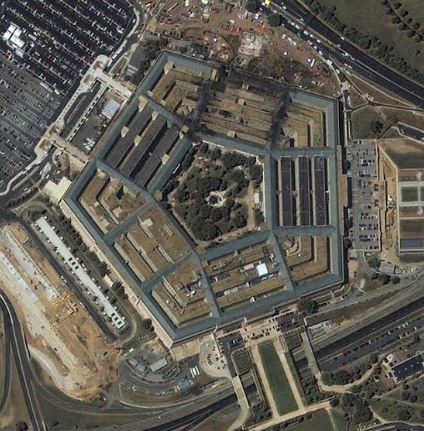
In a recent bid to instill fiscal responsibility within the federal government, Donald Trump, now once again at the helm of the United States, held a press conference at the White House on February 7, 2025, alongside Japanese Prime Minister Shigeru Ishiba. The key announcement of the day was the appointment of Elon Musk and the newly established Department of Government Efficiency (DOGE) to spearhead a comprehensive audit of federal spending, particularly within the Department of Defense (DoD) and the Department of Education.

Trump underscored the necessity of a meticulous review, arguing that significant inefficiencies plagued the governmental framework. “The Pentagon, education, just about everything,” he remarked, suggesting that widespread fiscal mismanagement would likely be uncovered. He further alluded to the gravity of the situation, stating, “Sadly, you’ll find some things that are pretty bad.” With a defense budget surpassing $800 billion annually, the Pentagon has long struggled to pass financial audits. Despite repeated attempts, only the Marine Corps has managed to secure an unqualified audit opinion, leaving other branches and the Pentagon itself grappling with longstanding accountability concerns. This deep-rooted inefficiency renders the DoD a prime target for Trump’s fiscal scrutiny.

Elon Musk’s involvement in this initiative is particularly notable given his extensive governmental affiliations through SpaceX and Starlink, both of which hold substantial federal contracts. Musk has, on numerous occasions, criticized exorbitant defense expenditures, including the cost of the F-35 fighter jet, advocating instead for more cost-effective, technologically advanced alternatives such as unmanned aerial vehicles. Yet, this newly granted authority to oversee government spending is bound to face resistance, particularly from legislators representing districts economically reliant on defense contracts. Concerns also linger over the extent of DOGE’s reach, its access to classified information, and whether its operations might bypass traditional congressional oversight mechanisms.

When pressed about potential exemptions in the auditing process, Trump offered a characteristically vague response, praising Musk’s team as highly competent and capable of identifying financial discrepancies with ease. “They’ll ask questions, and they’ll see immediately… that they’re either crooked or…” he remarked, trailing off ominously. He did, however, assure that Social Security would remain untouched, though he made unsubstantiated claims regarding undocumented immigrants receiving illicit Social Security and Medicare benefits, pledging to rectify the matter.

This initiative represents a broader effort by Trump’s administration to curb federal expenditures and optimize governmental efficiency. While proponents see it as a long-overdue endeavor towards transparency, critics argue that such a sweeping audit could inadvertently compromise national security or hinder critical public services. The eventual outcome remains uncertain, but its implications for both the Pentagon and the broader administrative framework could be profound.

This move also draws stark parallels to a historical revelation made on September 10, 2001, when then-Secretary of Defense Donald Rumsfeld publicly admitted that the Pentagon could not properly account for $2.3 trillion in transactions. The announcement, based on a prior audit from February 25, 2000, detailed extensive unsupported accounting entries in the DoD’s financial records from fiscal year 1999. Contrary to widely propagated conspiracy theories, the money was neither missing nor stolen but rather lacked appropriate documentation due to outdated accounting systems and administrative inefficiencies.

However, this revelation was soon overshadowed by the catastrophic events of September 11, 2001, which redirected national focus toward counterterrorism and military engagements. Consequently, the discourse surrounding Pentagon mismanagement was largely sidelined, with subsequent financial oversight efforts failing to yield substantive reforms. Decades later, the DoD continues to struggle with financial accountability, having never received a clean audit opinion despite various modernization attempts. The persistence of such issues raises significant concerns about whether the defense establishment has the structural capability or the political will to achieve genuine fiscal discipline.

Donald Rumsfeld, former U.S. Navy pilot from 1954 to 1957 and an influential and often controversial figure, held the distinction of being both the youngest and oldest Secretary of Defense, serving under Presidents Gerald Ford and George W. Bush. His tenure was marked by critical historical events, including the Iraq and Afghanistan wars post-9/11. Though his legacy remains divisive, his 2001 pronouncement on Pentagon financial mismanagement remains a stark reminder of the challenges facing government accountability.

Now, over two decades later, Trump’s renewed focus on defense spending reform finds itself at a familiar crossroads. While his efforts might promise newfound financial discipline, they are equally likely to meet entrenched bureaucratic resistance. The Pentagon, historically resistant to external scrutiny, may employ various strategies to dilute or redirect the audit’s scope. Moreover, should unforeseen events or crises emerge, public attention might once again be diverted, as was the case in 2001.

Whether this endeavor proves to be a genuine attempt at enforcing accountability or a mere political maneuver remains to be seen. If history is any indication, challenging the entrenched financial structures of the U.S. government seldom comes without consequence. Yet, if pursued with unwavering resolve, this initiative could redefine the landscape of fiscal oversight in America, setting a precedent for future administrations to follow.
Donald Trump and Abraham Accord

Donald Trump and Abraham Accord

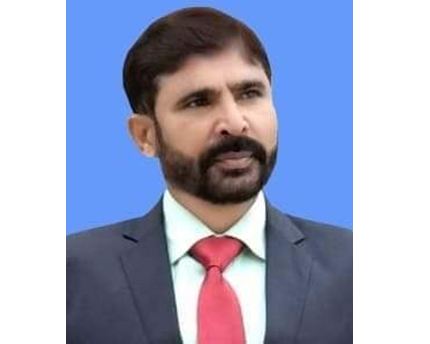
Dr. Muhammad Akram Zaheer

The return of Donald Trump to the political spotlight has reignited discussions about his foreign policy initiatives, particularly the Abraham Accords. These landmark agreements, aimed at normalizing relations between Israel and several Arab nations, represent one of the most significant shifts in Middle Eastern diplomacy in recent decades. Analyzing their potential trajectory under a second Trump administration or another U.S. leader provides insight into the broader geopolitical implications for the region.During his presidency, Donald Trump brokered the normalization of relations between Israel and four Arab nations: the United Arab Emirates (UAE), Bahrain, Sudan and Morocco. The accords aimed to foster peace, economic collaboration and security partnerships in a region historically plagued by conflict and mistrust. Trump heralded these agreements as a cornerstone of his foreign policy success, arguing that they had the potential to transform the Middle East into a zone of stability and cooperation.Economically, the accords have facilitated significant trade and investment opportunities. For instance, Israel and the UAE have engaged in multi-billion-dollar deals across sectors such as technology, tourism and renewable energy. These economic ties have created incentives for other nations to consider normalization, presenting the Abraham Accords as a mutually beneficial framework for regional growth and development.On the strategic front, the accords also serve as a potential counterbalance to Iran’s growing influence in the region. By fostering alliances between Israel and Arab states, the accords provide a platform for coordinated security measures aimed at addressing shared concerns over Iran’s military activities and its nuclear ambitions.If Trump were to return to office, his characteristic approach to diplomacy, heavily reliant on economic incentives and transactional agreements, could breathe new life into the Abraham Accords. Potential candidates for future agreements include Saudi Arabia and Oman, both of which have shown cautious interest in engaging with Israel.Saudi Arabia, in particular, remains a critical player. Although it has not formally joined the accords, recent developments suggest a gradual thaw in its stance toward Israel. Factors such as shared security concerns regarding Iran and the economic opportunities stemming from normalization could encourage Riyadh to align itself with the Abraham Accords. However, domestic political sensitivities and the kingdom’s historical support for the Palestinian cause remain significant hurdles.The Biden administration has expressed support for the Abraham Accords but has not prioritized their expansion. Instead, its foreign policy has focused on strengthening traditional alliances in Europe and Asia, particularly in response to the rising influence of China and Russia. This relative deprioritization of the Middle East has raised questions about the U.S.’s long-term role as a mediator and guarantor of the accords.Under Biden, there has been an attempt to strike a balance between advancing the accords and addressing the Israeli-Palestinian conflict. However, the lack of substantial progress on Palestinian statehood remains a critical point of contention. Critics argue that the Abraham Accords sideline the Palestinian issue, potentially undermining their long-term viability if tensions between Israel and Arab nations over this unresolved conflict escalate.The Middle East’s geopolitical landscape is undergoing significant transformations that could impact the future of the Abraham Accords. One of the most notable developments is the warming relations between Iran and key Arab states like Saudi Arabia, facilitated by Chinese mediation. This rapprochement could weaken the momentum of the Abraham Accords as Arab nations reassess their strategic priorities and alliances.Moreover, the U.S.’s gradual reduction of direct involvement in Middle Eastern conflicts has created a vacuum that other powers, such as China and Russia, are eager to fill. This shifting power dynamic could influence the willingness of Arab nations to deepen their ties with Israel through the Abraham Accords, particularly if they perceive alternative paths to regional stability and economic growth.Despite the political challenges, public opinion in several Arab countries appears to be slowly shifting in favor of normalization with Israel, particularly among younger populations. This generational change, driven by aspirations for economic prosperity and a departure from entrenched ideological divides, could sustain and expand the accords in the long term. However, governments must carefully navigate domestic opposition and the broader regional consensus on the Palestinian issue to ensure lasting support for normalization efforts.

The role of the United States as a guarantor and mediator will remain pivotal. Whether under Trump or another administration, sustained U.S. engagement is essential to maintaining the momentum of the accords and persuading additional nations to join.The neglect of the Israeli-Palestinian conflict poses a significant risk to the long-term success of the Abraham Accords. Without meaningful progress toward Palestinian statehood or improved conditions for Palestinians, the accords may face backlash from both Arab nations and their domestic populations.The evolving dynamics of Middle Eastern geopolitics, including Iran’s growing influence and the involvement of external powers like China and Russia, will shape the strategic calculations of Arab states regarding normalization with Israel.The economic benefits of the Abraham Accords, exemplified by increased trade and investment between Israel and participating Arab nations, could serve as a powerful incentive for other countries to join. Expanding these economic ties will be crucial for sustaining the accords’ momentum.

Pakistan can reduce cornea scarcity with local donations: Global charity

Global charity

ISLAMABAD, FEB 10 /DNA/ – Eversight, a global non-profit eye bank, annually collects 10,000 cornea donations in the US, of which 30 percent are provided to other countries, including Pakistan.

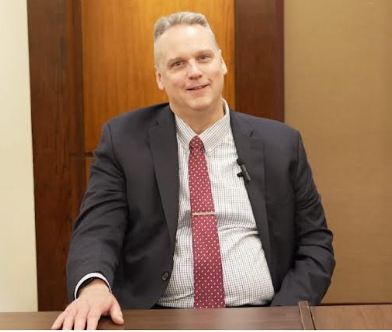
Mr. Collin Ross, vice president of Eversight, said that for over 75 years, Eversight has enabled donors and their families to give the gift of sight to people in need.

Pakistan receives 1,000 donated corneas from Eversight annually, 800 of which are provided to Al-Shifa Trust (AST), the most significant partner of the non-profit in Pakistan, he added. 

Talking to media men, he said AST leadership’s commitment to eradicating blindness, the quality of eye care, competency, the latest equipment, and the largest infrastructure is admirable.

Mr. Collin Ross added that the gap between the demand and supply of corneas worldwide is widening.

He said Eversight is one of the few non-profit eye bank networks with the competence and philanthropic support to help partners in lower and middle-income countries establish their eye banks.

He underlined that our primary purpose is to prepare for the launch of local eye donation programs. Trained donation coordinators will identify, screen, consent to, and coordinate cornea donation cases at one major donor hospital in each metropolitan area of Pakistan.

“Pakistani regulations are helpful in organ donations, and NADRA can play a pivotal role in this regard,” Mr. Collin said.

According to the amended NADRA rules, citizens registering as organ donors will be issued lifetime CNICs with a donor logo.

“American people donate their cornea without any benefit or greed, only on humanitarian grounds,” he explained.

Eversight established a state-of-the-art eye bank at Al Shifa Trust Eye Hospital Rawalpindi in 2019. The bank is managed by local professionals who rely on Eversight’s best practices.

He said that as many as two million people are blind due to a variety of eye diseases in Pakistan, and an estimated 250,000 have corneal blindness. The driving causes are genetic and environmental issues exacerbated by poverty.

He explained that cornea donations require regular efforts through media campaigns and persuasions. AST enjoys the people’s trust and has a comprehensive plan. He particularly praised Dr. Wajid Ali Khan, Chief of Medical Services at AST, for his dedication.

It is pertinent to mention that more than 300,000 individuals are currently on transplant waiting lists, while the demand and supply situation is unfavorable in Pakistan. Only 1 in 70 individuals requiring a transplant can avail of the facility.

He said that Pakistan needs regular cornea donation campaigns and an urgent need to develop a local cornea donation system, as AST always advocates integrated donation campaigns to decrease reliance on imports.

On his closing note, Mr. Collin said that Al-Shifa’s professional values are the same as Eversight’s, so we will continue to enhance cooperation.

Pakistan and Iaea: An enduring partnership

Global Misperceptions

By: Yusra Mushtaq

At the invitation of the Government of Pakistan, Director General of International Atomic Energy Agency (IAEA), Mr. Rafael Mariano Grossi, will undertake his second official visit to Pakistan in the coming week.As part of IAEA’s outreach program, this visit reaffirms Pakistan’s deepening partnership with the IAEA on the peaceful uses of nuclear technology aimed at fostering socio-economic development of the country.


At present, the world is confronting with pressing challenges of its time in terms of climate change, energy security, water scarcity, agriculture and deadly human diseases. IAEA offers us the gateway in formofnuclear energy as the most feasible solution.IAEA has been at the forefront in promoting the peaceful use of nuclear technology by expanding its scientific and technical assistance across the globe sinceits inception in 1957. As a founding member of the IAEA, Pakistan has enjoyed a long-standing, productive, and mutually beneficial relationship with the Agency. Pakistan fully supports the IAEA’s efforts in implementing initiatives aimed at achieving the United Nations’ Sustainable Development Goals (SDGs).This cooperation is further reinforced through the regular visits of IAEA dignitaries to Pakistan, aimed at promoting and enhancing the capabilities of the country’s nuclear facilities. These visits facilitate the exchange of expertise, help ensure adherence to international nuclear safety and security standardsand acquaint with the latest nuclear developments in fields of energy, agriculture and medicine.

The peaceful uses of nuclear energy bring numerous benefits to the States. To unlock the full potential of nuclear technology, IAEA fully supportsthe countries for the optimal utilization of nuclear potentials by providing. Agency extends its support to utilize nuclear energy’s benefits while maintaining the highest standards of safety and security.Agency’s initiatives, such as Atoms 4Food, which uses nuclear technology to enhance agricultural productivity; Rays of Hope, which focuses on improving cancer care; Atoms4NetZero and Atoms4Climate initiatives help countries use nuclear energy to address climate change, which promotes nuclear technology for sustainable development, have not only been crucial but have also earned global recognition. Additionally, nuclear energy is also applied in water desalination and environmental monitoring. These efforts highlight the essential role of nuclear energy in meeting global challenges.

As a member of IAEA Board of Governors, Pakistan regularly contributes to Agency’s decision making. The country has been elected for a two-year term from 2024 to 2026 during the 68th Session of the IAEA’s General Conference in Vienna (2024). This is also an acknowledgement of Pakistan’s long-standing commitment to the IAEA’s Statute of promoting the peaceful uses of nuclear energy.It is Pakistan’s 21st term as a board member.

In the upcoming week, DG IAEA Rafael Grossi will be payinghis second official visit to the country.Such visits are a regular norm of the Pakistan-IAEA interaction. Earlier, Former DG IAEA YukiyaAmano visited Pakistan twice during his tenure in 2014 and 2018. During his visit in 2018, DG Amano lauded Pakistan’s efforts by saying, “IAEA greatly values cooperation with Pakistan in peaceful uses of nuclear technology.” He further added, “Your country is an experienced user of peaceful nuclear technology. You have the knowledge; you have the pool of well-trained people to do their job. We [IAEA and Pakistan] have a fruitful two-way relationship.” Such visits have played a key role in further solidifying the longstanding cooperation between Pakistan and IAEA.

During his maidenvisitin February2023, the incumbent DG IAEA labeledPakistan as having the “world-class and impeccable nuclear safety record,”while addressing a seminar titled, “Climate Change Mitigation and the Role of Nuclear Energy.”This recognition serves as a testament to Pakistan’s flawless nuclear safety standards and underscores the country’s commitment to maintaining high safety protocols in utilizing the nuclear domain.He noted that the country has technical and engineering capacities for building new nuclear power plants including Small Modular Reactors, which indicates a favorable future for nuclear energy and achieving SDGs.

Previously, DG IAEA Grossi had a productive exchange on the country’s comprehensive and cohesive peaceful uses of its nuclear capacity with the country’s leadership and visited several key nuclear facilities across the country.DG IAEA visited Pakistan Institute of Nuclear Science and Technology (PINSTECH), an IAEA partner, highlighted its work in human health, nutritionand water analysis. He also toured the National Institute of Safety and Security, Pakistan Nuclear Regulatory Authority (PNRA) and Pakistan Atomic Energy Commission (PAEC) and expressed his satisfaction over the safety standards of the nuclear facilities.

At the Nuclear Medicine Oncology and Radiotherapy Institute (NORI),an anchor center of IAEA, DG Grossiinaugurated a Cyberknife facility for cancer treatment, calling it a milestone for Pakistan during his two day visit. He highlighted that Pakistan can become a regional center under the IAEA’s Rays of Hope initiative, which aims to improve cancer care access in low and middleincome countries.In Faisalabad, Grossi visited the Nuclear Institute for Agriculture and Biology (NIAB), designating it as an IAEA Anchor Centre in agriculture and biotechnology. Other collaborating centers of IAEA are Pakistan Institute of Engineering and Applied Sciences (PIEAS) and National Institute of Safety and Security (NISAS) which are designated for education, training and technical support in areas of nuclear & radiation safety and security.

There has been a growing collaboration between Pakistan and IAEA in the peaceful applications of nuclear science and technology across various sectors. The upcoming visit aims to explore the latest advancements in nuclear science and technology, offering expertise and multiple opportunities for socio-economic development of the country. It serves as an acknowledgment of the tireless efforts of Pakistani scientists, researchers, technicians and staff members of the country’s nuclear facilities in adhering to international safety protocols during their nuclear endeavors. The upcoming visit further symbolizes Pakistan’s commitment as a responsible nuclear state which is devoted to the peaceful uses of nuclear energy for the uplift of the country.

Portuguese ambassador witnesses antiques’ exhibition in Gujrat

Portuguese ambassador witnesses antiques’ exhibition in Gujrat

Farooq Riaz’s personal collection is a testament to his lifelong passion and dedication to preserving Pakistan’s heritage. Over the course of more than thirty years, Mr. Riaz financed his own expeditions across the country, meticulously collecting artifacts from remote corners and forgotten markets

GUJRAT, FEB 10 /DNA/ – The Ambassador of Portugal Frederico Silva visited Gujrat to witnesses an exhibition of antiques collected by Farooq Riaz. The ambassador took keen interest in the items displayed on the occasion and appreciated the great work of Farooq Riaz.

Former provincial minister Mian Imran Masood was also present on the occasion and briefed the ambassador about the history of Gujrat.

Portuguese ambassador witnesses antiques’ exhibition in Gujrat

The exhibition featured an impressive array of historical artifacts spanning several eras, including rare locks, intricate timepieces, vintage swords, pots, firearms, postcards, stamps, and historical documents. These artifacts serve as tangible links to the past, preserving the essence of local culture and society.

Artifacts like manuscripts, old passports, and postcards are invaluable for documenting the political, social, and economic developments of earlier times. For historians and scholars, these items offer rare insights into the evolution of trade, governance, and legal systems over centuries.

Among the most striking exhibits were weapons like swords, guns, and spears, which offer an essential perspective on military history and the power dynamics of various civilizations.

Locks, pots, and other everyday objects further illustrated the skilled craftsmanship of earlier generations. The locks in particular captured the attention of many visitors, with Farooq Riaz’s collection standing as the largest in Pakistan.

Farooq Riaz’s personal collection is a testament to his lifelong passion and dedication to preserving Pakistan’s heritage. Over the course of more than thirty years, Mr. Riaz financed his own expeditions across the country, meticulously collecting artifacts from remote corners and forgotten markets.

His collection, particularly the impressive assortment of locks, stands as a valuable contribution to the preservation of history and culture in Pakistan. His efforts demonstrate the importance of individual contributions in safeguarding our collective heritage for future generations.=DNA

==============

South Africa put 304 on board against New Zealand

South Africa put 304 on board against New Zealand

LAHORE, FEB 10: Opener Matthew Breetzke scored 150 on Monday — the highest by anyone on ODI debut — as South Africa made 304-6 against New Zealand in the tri-nation series in Pakistan.

The 26-year-old’s brilliant 148-ball knock anchored the South African innings after they were sent in to bat at Lahore’s Gaddafi Stadium.

Breetzke, who smacked 11 fours and five sixes, trumps the 148 made by Desmond Haynes for West Indies on debut against Australia in Antigua in 1978.

Breetzke put on 37 for the opening stand with skipper Temba Bavuma (20) and another 93 for the second wicket with Jason Smith (41) to give South Africa an ideal platform.

The opener hit New Zealand pacer Will O’Rourke for a boundary to reach three figures off 128 balls, becoming the fourth player from his country to hit a century on ODI debut.

Reeza Hendricks, Tony de Zorzi and Colin Ingram are the others.

Breetzke cracked a six off fast bowler Ben Sears to post his 150 before being caught at mid-off by Michael Bracewell off Matt Henry in the 46th over.

Wiaan Mulder scored a 60-ball 64 with five fours and a six to ensure South Africa posted a 300-plus total.

Henry 2-59 and O’Rourke 2-72 were the pick of the New Zealand bowlers.

South Africa were forced to give four debuts in this match as their top players were either active in a Twenty20 league back home or recovering from injuries.

New Zealand brought in opener Devon Conway for Rachin Ravindra, who was injured during their 78-run win over Pakistan, also in Lahore, on Saturday.

Pakistan are the third team in the tri-series, a warm-up event before it hosts the Champions Trophy starting February 19.

British Council’s 8th Women of the World Festival concludes with resounding success

success

Staff Reporter

LAHORE, FEB 9 /DNA/ -The 8th edition of the British Council’s Women of the World Festival (WOW) held in collaboration with the WOW Foundation, UNFPA, and the Entrepreneurship and Community Development Institute (ECDI), concluded successfully at the Alhamra Arts Council, Lahore.

The two-day festival, free and open to the public, attracted an impressive audience of over 12,000 attendees, marking another milestone in Pakistan’s journey towards gender equality and empowerment.

This year’s festival marked the second consecutive WOW Festival in Lahore, following its successful expansion from Karachi and Hunza in previous years. The programme featured an engaging blend of panel discussions, workshops, film screenings, immersive performances, a dynamic marketplace, and children’s activities.

Attendees were enthralled by a female qawali curated by Arieb Azhar, a musical tribute to Haniya Aslam by Rakae Jamil, and an electrifying dance performance by Suhai Abro. Literary enthusiasts enjoyed readings by Attiya Dawood and Zambeel, while families were delighted by an interactive pop-up session with Khaled Anam.

Adding to the visual spectacle, the festival showcased a public mural featuring impactful women, created by Summaiya Jillani, and premiered a film on women in the arts by Destination Media, further cementing WOW’s role as a powerful platform for celebrating and amplifying women’s contributions in Pakistan and beyond.

Maarya Rehman, Deputy Director, British Council Pakistan, emphasized the festival’s role in tackling crucial gender issues. She expressed, “The WOW Festival continues to be a platform for addressing some of the most critical gender issues of our time. It has been inspiring to witness the courage and resilience of women in Pakistan who are leading the charge for change. Empowering women is not just a women’s issue—it is everyone’s issue, and together we can create a more equitable and inclusive world.”

Laila Jamil, Director Arts, British Council Pakistan, highlighted the festival’s mission said “WOW Pakistan celebrates the resilience, talent, and potential of women while offering a powerful platform for dialogue and action. This year’s theme, ‘Surkhaab,’ is a tribute to women’s intrinsic worth and a reminder of the value they bring to our communities, families, and societies. It was great to see such a huge turnout for the festival in Lahore. The British Council remains committed to fostering inclusivity, gender empowerment, and providing platforms for every Pakistani to raise their voice for a better tomorrow.”

The festival hosted thought-provoking discussions on pressing topics including mental health, climate change, education, women in public spaces, the digital divide, patriarchy, and disability, reflecting the multifaceted challenges women face today.

WOW Pakistan is a vital part of the British Council’s long-standing commitment to gender equality, fostering collaboration between civil society, women’s rights organizations, academics, artists, and community leaders to create lasting impact. The 2025 programme was shaped through extensive consultations with diverse stakeholders, ensuring inclusivity and representation across different sectors of society.

As the curtains close on another successful edition of the WOW Festival, the impact of these conversations, performances, and collaborations will continue to inspire and shape the future. With unwavering dedication, the British Council and its partners remain committed to breaking barriers, creating opportunities, and ensuring a more inclusive world for women and girls in Pakistan and beyond.

Prince Karim Aga Khan laid to rest in Egypt’s Aswan

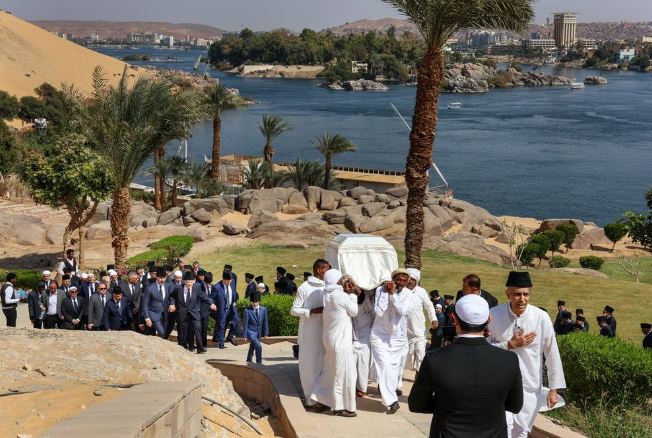
Aswan: Prince Karim Aga Khan IV was laid to rest today, 9th February 2025, at a private burial ceremony in Aswan, Egypt. Prince Rahim Aga Khan V, the 50thIsmaili Imam, and family members were present, together with leaders of the global Ismaili community. The Governor of Aswan, as a mark of respect, facilitated and participated in a dignified procession through the city to the banks of the River Nile. The casket of the late Prince Karim Aga Khan IV was transferred by boat in a ceremonial crossing to the private domain where Villa Nour El Salam and the mausoleum of Aga Khan III are situated. The casket was carried by hand in a procession which was led by family members. His Highness’s body was interred in the existing mausoleum at the top of the hill overlooking the Nile.

The ceremonies were in accordance with Muslim tradition and after they were completed,

the leaders present had the opportunity to express condolences to the family. After the ceremonies, the Governor of Aswan, Major General Dr. Ismail Kamal, presented Prince Rahim Aga Khan V with a symbolic key to the City of Aswan as a mark of respect.

Egypt was the centre of the Fatimid Caliphate, which was governed by Ismaili Imams during the 10th and 11th centuries. The Fatimid Imam-Caliphs founded the city of Cairo, a major centre of learning, culture, and trade. Their support of pluralism, education and the arts led to a series of advancements in science, architecture, and philosophy, and their legacy can be observed today in the rich history and culture of the region.

Aswan is the final resting place of Sir Sultan Mahomed Shah Aga Khan III, and his wife, Mata Salamat. They both enjoyed warm relations with the people of Aswan, which have

been sustained by the late Prince Karim and his family, through the work of the Om Habibeh Foundation and the Aga Khan Foundation.

Global Naval Chiefs gather for first-ever AMAN dialogue in Karachi

Global Naval Chiefs gather for first-ever AMAN dialogue in Karachi

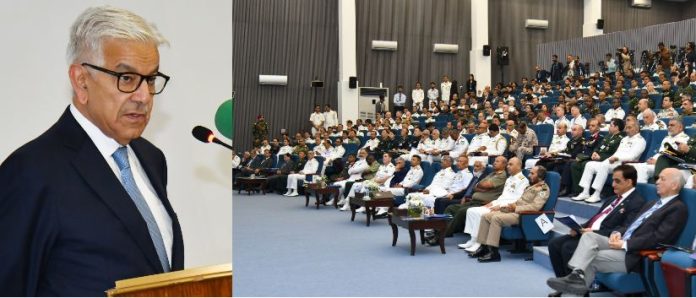
KARACHI, FEB 9 /DNA/ – The two-day AMAN Dialogue, a maiden event conducted as an adjunct to Exercise AMAN 2025, commenced at Pakistan Naval Academy, Karachi. The dialogue, organized under the aegis of the Pakistan Navy, has brought together Chiefs/Heads of Navies, Maritime Organizations, and renowned academicians from around the globe. The inaugural session was attended by the Defence Minister of Pakistan, Khawaja Muhammad Asif, as the Chief Guest.

In his welcome address, Chief of the Naval Staff underscored the significance of the AMAN Dialogue and emphasized the need for sharing experiences among maritime nations to formulate actionable strategies for countering emerging maritime threats.

Delivering the keynote address, Senator Mushahid Hussain Syed applauded Pakistan Navy’s efforts in promoting a collaborative approach to tackle complex maritime security challenges. He also highlighted Navy’s contributions towards raising awareness about Blue Economy and supporting the socio-economic uplift of coastal communities at the national level.

Under the overarching theme, “Secure Seas, Prosperous Future,” the AMAN Dialogue features multiple panel discussions and deliberations by Chiefs of Navies and heads of delegations on a wide range of topics, including maritime security, maritime cooperation, blue economy, and the impact of technology on maritime security. The dialogue provides an exclusive platform for global naval leadership, supported by renowned academia, to devise strategies for a secure maritime future.

On the sidelines of the AMAN Dialogue, Chief of the Naval Staff, Admiral Naveed Ashraf, held interactive meetings with Heads of Navies and Coast Guards attending the event. These meetings focused on contemporary maritime issues, matters of mutual interest, and prospects for enhanced maritime collaboration.

Interior minister lauds security forces

Mohsin Naqvi

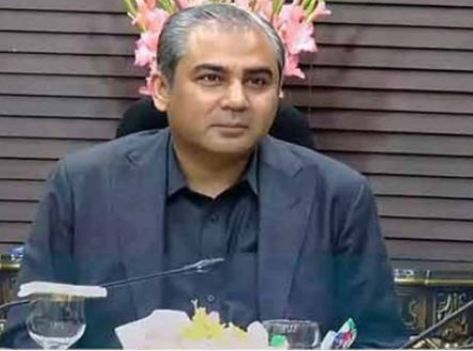
ISLAMABAD, FEB 9 /DNA/ – Federal Interior Minister Mohsin Naqvi has commended the security forces for successfully eliminating 7 Khawarji terrorists in Khyber Pakhtunkhwa. Mohsin Naqvi said that the security forces have once again thwarted the nefarious intentions of Khawarji terrorists in Khyber Pakhtunkhwa. He stated congratulated the security forces for the successful operations against Khawarji terrorists and commended the operations of the security forces for the establishment of peace in Khyber Pakhtunkhwa.

He highlighted that the nation is proud of the bravery of the security forces. He reiterated that the nation is united for the complete elimination of Khawarji terrorists. He further said that the nation appreciates the successful operations of the security forces against Khawarji terrorists.

Stay Connected

64FansLike
60FollowersFollow

Latest Reviews

Exchange Rates

USD - United States Dollar
EUR
1.17
GBP
1.35
AUD
0.72
CAD
0.73