Home Blog Page 679

Bapsi Sidhwa remembered for her literary contributions

Bapsi Sidhwa remembered for her literary contributions

The attendees reflected on her role in bringing Pakistani and Parsi literature to the global stage, emphasizing her ability to weave historical events into deeply personal and engaging narratives. Many highlighted how her writings provided a voice to the marginalized, particularly women, and explored the complexities of historical and social change

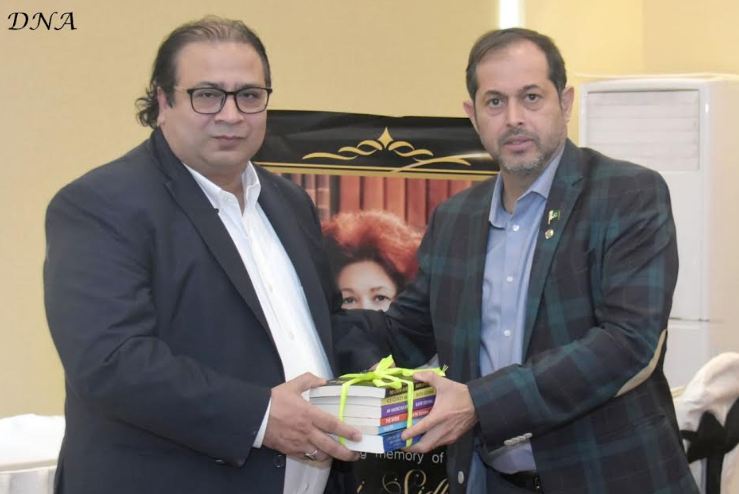
ISLAMABAD, 11 Feb: /DNA/ – An event to pay tribute to renowned Pakistani author Bapsi Sidhwa was held in Islamabad today, organised by her nephew, MNA Isphanyar M. Bhandara. MrBhandara is the only son of Ms Sidhwa’s brother the late Minoo Bhandara (1938-2008), and the CEO of their family business the Murree Brewery founded in 1861.

The event was held at the Multipurpose Hall of the Islamabad Club and was attended by Islamabad’s literary community as well as friends of the family. A panel of esteemed guests spoke at the event.  They included MsPerin Boga, former literature and drama teacher at Kinnaird College for Women in Lahore and a family friend of Bapsi Sidhwa and the Bhandara family; Senator Walid Iqbal, whose parents Justice Javed Iqbal and Nasira Iqbal were also friends of Bapsi Sidhwa: Harris Khalique, Secretary-General/CEO of the Human Rights Commission of Pakistan (HRCP) and also an award-winning poet; and Dr Arif Azad who has written widely on culture, politics, and literature and is also a health and public policy consultant.

The event began with a welcome note by IsphanyarBhandara who remembered his aunt fondly. He recalled her relationship with her brother Minoo and praised her contribution to Pakistani literature in English. The MC of the afternoon’s proceedings Nilofar Afridi Qazi followed and invited the panel to take their seats.

The panel segment was curated by Amna R. Ali, who also moderated the discussion. MsPerin Boga began with a presentation about the milieu that Bapsi Sidhwa grew up in, the Parsi community to which she belonged and how her writing took flight. Pegging her presentation on some of the architectural delights of Lahore she provided a pictorial journey through Bapsi Sidhwa’s beloved Lahore augmented by images taken from FS Aijazuddin’s bookForgotten Images and the painting of Commercial Buildings by Ijaz Anwar. This was the city which nurtured Bapsi Sidhwa to write her first book The Crow Eaters in 1978, followed by The Bride in1982.

Senator Walid Iqbal recalled his parents’ friendship with Bapsi Sidhwa, reminding the audience that it was his father who helped Bapsi self-publish The Crow Eaters in Lahore before it was published in the UK, leading toMs Sidhwa’s international acclaim. Harris Khalique and Dr Arif Azad also shared their views on the themes of Bapsi Sidhwa’s work – the complexity of Partition, pluralism, women’s rights, the lives of minorities – and her rich storytelling that brought to life a wide gamut of characters and places.

Video tributes were sent in by FerozeBhandara, Bapsi Sidhwa’s younger brother who lives in Houston, Texas; Ameena Saiyid (OBE, SI), Publisher and Managing Director of Lightstone Publications and founder of Adab Festival; Muneeza Shamsie, editor and critic and the author of a literary history, Hybrid Tapestries and editor of four anthologies of Pakistani writing in English. And finally, Sadia Uqaili, a Pakistani American artist, and filmmaker, educator and activist, and the producer of Bapsi – a feature-length documentary on the life and work of Bapsi Sidhwa. This was followed by a six-minute clip of the documentary, some of it showing a snippet of Bapsi Sidhwa’s life in Houston, Texas, USA where she lived after leaving Pakistan.

The memorial reference ended with praise for Bapsi Sidhwa’s literary legacy and her impactful life which will inspire future generations for years to come. 

Trump’s Panacea for Palestine: A Recipe for Peace or Destruction?

Qamar Bashir

By: Qamar Bashir

Macomb, Detroit, Michigan

On Monday, February 10, 2025, President Donald Trump signed a series of executive orders aimed at advancing his “Make America Great Again” agenda. These directives, described as fundamental and radical, are intended to reshape various aspects of American policy. While the long-term effects of these measures remain to be seen, one of the most significant actions was the President’s ultimatum to Hamas. He demanded the release of all hostages by 12:00 PM on Saturday, warning that failure to comply would result in severe consequences, stating, “If they’re not here, all hell is going to break out.”

This declaration follows Hamas’s announcement to delay further hostage releases, citing alleged Israeli violations of the ceasefire agreement. Trump emphasized that while the decision to end the ceasefire ultimately rests with Israel, he personally advocates for its cancellation if the hostages are not freed by the specified deadline.

He also expressed concerns that some hostages may already be deceased, referencing the malnourished condition of recently released individuals. This statement underscores the seriousness of the situation, signaling a potential escalation in military or diplomatic actions against Hamas if the deadline is not met.

The President reiterated the threat multiple times, leaving no room for ambiguity about the gravity of the situation. When pressed by reporters to clarify what exactly “all hell breaking out” would entail, the President responded vaguely but with an ominous tone. This deliberate ambiguity suggests that the administration wants to maintain strategic unpredictability, potentially as a psychological tactic against Hamas.

 The President justified his hardline stance by describing the horrific conditions endured by the hostages, comparing them to victims from historical atrocities. He argued that Hamas had likely already sent out the “best-looking” hostages and that the remaining captives might be in even worse condition—or already dead: “I think a lot of them are dead. I think a lot of the hostages are dead. I think it’s a great human tragedy.”

These statements were intended to highlight the urgency of the situation and the moral justification for potential retaliation. Throughout his statements, the President consistently described Hamas in dehumanizing terms to emphasize their brutality: “These are sick people… They’re dealing with very bad people.” “One guy was laughing when a hostage found out his family was dead. That’s the kind of people we’re dealing with.” This language served to justify the administration’s hardline stance and prepare public opinion for potential aggressive actions.

Additionally, Trump has proposed controversial plans to redevelop the Gaza Strip, suggesting the relocation of Palestinians to neighboring countries, aiming to transform it into the “Riviera of the Middle East.” This initiative involves the mass relocation of Gaza’s approximately 2 million Palestinian residents to neighboring countries such as Egypt and Jordan, followed by a comprehensive U.S.-led reconstruction of the area into a luxury coastal destination.

The plan suggests that the United States would finance the development of new, permanent housing for the displaced Palestinians in these neighboring nations. However, both Egyptian and Jordanian officials have rejected the proposal, expressing concerns over its feasibility and the potential for increased regional instability. While Israeli Prime Minister has expressed support for President Trump’s proposal.

The international community has largely condemned the proposal. Critics argue that forcibly relocating Gaza’s residents and denying them the right to return constitutes a violation of international law and could exacerbate tensions in the Middle East. The European Union has reiterated its commitment to a two-state solution, emphasizing that Gaza is an integral part of any future Palestinian state.

The future of Gaza remains a complex and contentious issue. While some proposals focus on redevelopment and economic transformation, they often face significant political, legal, and ethical challenges. The international community continues to debate the best path forward to ensure a peaceful and prosperous future for Gaza and its residents.

The longstanding Israeli-Palestinian conflict has subjected both Israelis and Palestinians to profound suffering, with Gaza and the West Bank often functioning as de facto vassal states under Israeli control. Deep-seated distrust between these communities, as well as among neighboring Middle Eastern nations, has perpetuated a cycle of misery. The current geopolitical framework in the Middle East has inflicted severe hardships on Palestinians, reducing them to pawns in broader regional power struggles. Many stakeholders appear to have abandoned hope for a permanent resolution, instead exploiting the Palestinian issue to advance their own narrow interests. The international community frequently issues calls for restraint, yet lacks the resolve or capability to effect meaningful change. Consequently, Palestinians continue to suffer under the whims of leaders driven by rigid ideologies, such as those who orchestrated the October 7 attacks on Israel without foresight into the devastating repercussions, including Israel’s retaliatory actions that have reportedly resulted in over 60,000 Palestinian deaths.

In this context, President Trump’s proposal to redevelop Gaza offers a potentially practical and lasting solution. If implemented as envisioned, it could usher in an era of sustained peace, providing Palestinians with an unprecedented opportunity to live without the constant threat of violence. Critics may hastily dismiss Trump’s plan, but alternatives are scarce. Hamas seeks the complete destruction of Israel, while Israel aims for the total eradication of Hamas. The international community, composed of transient bureaucrats adept at making grand declarations without genuine investment in the conflict, remains ineffectual. In this volatile situation, Trump’s plan may represent the sole viable path forward. With full commitment from the U.S., there is little that could impede its realization. While it is easy to become emotionally swayed by religious rhetoric, it is essential to remember that all religions advocate for peace and coexistence. Humanity has too often transformed religion into a political weapon, causing immense suffering by adhering to misguided and destructive convictions.

By: Qamar Bashir

Press Secretary to the President (Rtd)

Former Press Minister at Embassy of Pakistan to France

Former MD, SRBC

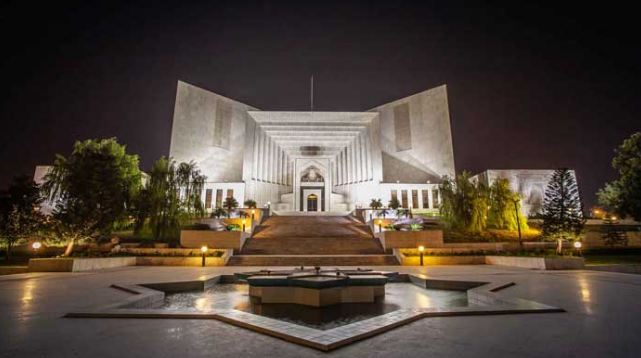
JCP elevates 6 HC judges to Supreme Court

JCP elevates 6 HC judges to Supreme Court

Mahnoor Ansar/DNA

ISLAMABAD: The Judicial Commission of Pakistan (JCP) approved on Monday the appointment of six new judges to the Supreme Court amid a boycott by Pakistan Tehreek-e-Insaf (PTI) lawmakers and two senior SC judges.

According to a press release issued by the JCP today, a meeting was held under the chairmanship of Chief Justice of Pakistan (CJP) Yahya Afridi to consider the nominations for appointment of high court judges in the SC and, by a majority of its total membership, nominated six judges.

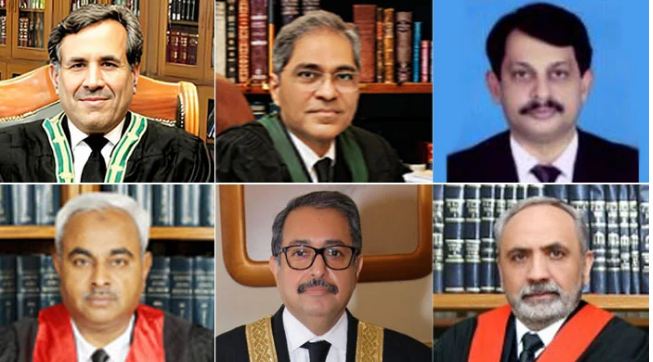
The chief justices of all high courts, except the Lahore High Court (LHC) were among the six judges nominated. These included Justice Muhammad Hashim Khan Kakar, Justice Muhammad Shafi Siddiqui, Justice Salahuddin Panhwar, Justice Ishtiaq Ibrahim, Justice Shakeel Ahmad and Justice Aamer Farooq.

The Commission, also by majority of its total membership, nominated IHC’s Justice Miangul Hassan Aurangzeb for appointment as the Acting Judge of the Supreme Court.

Last month, the judicial commission rescheduled its meeting to Feb 10 from Feb 11 to consider filling eight vacant posts of judges at the apex court.

The JCP, which approves judicial appointments, was reconstituted to include four parliamentarians under the 26th Constitutional Amendment, bringing numerous changes to the judiciary.

Today’s meeting was boycotted by PTI’s Barrister Gohar Ali Khan and Senator Ali Zafar, and two SC judges, Justice Mansoor Ali Shah and Justice Munib Akhtar. The PTI chairman said that the meeting should have been postponed until the cases against the 26th Amendment were decided.

Earlier, four apex court judges, including two commission members, Justices Shah and Justice Akhtar, had requested the postponement of the session. Moreover, in his letter, Zafar had also asked CJP Yahya Afridi to put off the meeting.

Speaking to journalists today, Barrister Gohar said that the PTI had filed petitions against the 26th Amendment, which were still pending. However, since the meeting was not postponed, PTI chose not to participate, Barrister Gohar said.

Barrister Zafar, for his part, also maintained that the meeting should have been delayed until the seniority issue was resolved. He further said that the matter of seniority was also pending, but their concerns were not addressed.

“PTI has already outlined its future course of action,” Barrister Gohar said, adding that they fully supported the lawyers’ protest.

“Our objection was that the meeting should be postponed until a decision on the 26th Constitutional Amendment is made,” he reiterated. However, a vote was held on this objection, and the majority decided to proceed with the meeting, he lamented.

False promise of prosperity: Trump’s plan of forced displacement of Gazans

False promise of prosperity: Trump’s plan of forced displacement of Gazans

Khayam Abbasi

Throughout history, colonial powers have justified dispossession and displacement through the language of economic progress. The Zionist movement, supported by Western allies, has long propagated the myth that its presence in Palestine would bring prosperity and modernization. Today, this narrative persists in the rhetoric of political leaders such as U.S. President Donald Trump. In an unprecedented announcement, Trump, during a joint press conference with Israeli Prime Minister and wanted war criminal Benjamin Netanyahu, declared that the United States would “take over” and “own” Gaza after forcibly displacing its Palestinian population. He suggested that Palestinians in Gaza should be forcibly removed and resettled elsewhere under the guise of humanitarian aid and development.

Trump’s statements—framing Gaza as “uninhabitable” and suggesting its people “have no choice but to leave”—echo the same colonial justification that has been used for over a century. His proposal to “clean out” Gaza and turn it into the “Riviera of the Middle East” reflects the persistent use of economic promises to whitewash ethnic cleansing. However, history has shown that these promises are nothing more than a tool for justifying displacement and reinforcing domination.

The myth of Zionist prosperity began in the early 20th century, when leaders of the movement claimed that Jewish settlement would uplift Palestine’s economy. They argued that Jewish immigration, foreign investment, and agricultural modernization would benefit all inhabitants of the land. However, as historian Rashid Khalidi explains in The Hundred Years’ War on Palestine, these economic promises were designed to secure Jewish control, not to integrate or uplift the indigenous Palestinian population.

Zionist institutions such as the Jewish National Fund (JNF) systematically acquired land and prohibited its use by non-Jews, while the Histadrut labor federation worked to replace Palestinian workers with Jewish laborers. Palestinians were gradually excluded from economic development, their lands confiscated, and their livelihoods undermined. Instead of prosperity, Zionist policies led to growing Palestinian dispossession, culminating in the Nakba of 1948, when more than 750,000 Palestinians were expelled from their homes.

Trump’s recent comments reveal a similar logic. By portraying Gaza as a “pile of rubble” and arguing that Palestinians should be relocated to a “fresh, beautiful piece of land,” he attempts to frame forced displacement as an act of benevolence. This mirrors the language of past colonial projects, where indigenous peoples were told they would benefit from their own removal.

Furthermore, Trump’s call for neighboring Arab countries to absorb Palestinians reflects long-standing Zionist and Western attempts to erase Palestinian identity and political rights. The idea that Palestinians should simply “leave” and be replaced by luxury real estate developments—what Jared Kushner calls Gaza’s “valuable waterfront property”—demonstrates how economic incentives are being used to justify ethnic cleansing.

Trump presented an extraordinary redevelopment plan, claiming that once Palestinians were removed, Gaza could be transformed into “the Riviera of the Middle East”. He stated that his administration would lead reconstruction efforts in the enclave to “supply unlimited numbers of jobs and housing for the people of the area.”

“The US will take over the Gaza Strip, and we will do a job with it, too. We’ll own it,” Trump said at the White House after his meeting with Netanyahu. He added that the US would assume responsibility for clearing destroyed buildings and dismantling unexploded bombs and other weapons.

This statement marks a dangerous escalation, as it not only endorses forced displacement but also positions the US as a colonial administrator of Palestinian land, disregarding Palestinian sovereignty and self-determination.

Trump’s proposal to forcibly displace Palestinians from Gaza and have the U.S. “take over” the enclave blatantly violates international law, including the UN Charter, the Fourth Geneva Convention, and numerous United Nations Security Council (UNSC) and General Assembly (UNGA) resolutions. The forced transfer of a civilian population constitutes a war crime under the Rome Statute of the International Criminal Court (ICC) and is classified as ethnic cleansing under international law. Additionally, UNSC resolutions, including Resolutions 242, 338, and 2334, explicitly affirm the illegality of Israel’s occupation and settlements, calling for a just and lasting solution that ensures Palestinian sovereignty. The UNGA has repeatedly condemned forced displacement and reaffirmed Palestinians’ right to self-determination. Trump’s statements, which frame ethnic cleansing as a path to “redevelopment,” not only violate these binding international commitments but also embolden Israel’s ongoing war crimes. His plan mirrors historical colonial tactics where indigenous populations were expelled under the guise of “progress,” reinforcing the need for urgent global action to hold those responsible accountable.

Trump’s comments were met with strong opposition from Palestinian leaders and officials, who condemned his proposal as an outright call for ethnic cleansing.

Hamas swiftly condemned the proposal as a “recipe for creating chaos and tension in the region.” The group stated, “Our people in the Gaza Strip will not allow these plans to pass.” Hamas further emphasized that “what is required is an end to the occupation and aggression against our people, not their expulsion from their land. Our people in Gaza have thwarted displacement and deportation plans under bombardment for more than 15 months.”Hamas senior official Izzat El-Reshiq called the proposal “dangerous,” arguing that it demonstrated deep ignorance about Palestine and the region. He emphasized that Gaza is not a commodity to be bought and sold and called for an urgent Arab-Islamic summit to address the threat. Hamas spokesman Abdel Latif al-Qanou criticized Trump’s stance as aligning with the Israeli far-right’s efforts to displace Palestinians and erase their national cause.

Palestinian Liberation Organization (PLO) Secretary-General Hussein al-Sheikh firmly rejected all calls for the forced displacement of Palestinians, reiterating that the two-state solution based on international law is the only path to peace. Palestinian Authority President Mahmoud Abbas strongly opposed any plans to remove Palestinians from Gaza, vowing to protect their rights, which have been fought for through decades of struggle and sacrifice.

These reactions reflect a broader Palestinian consensus that forced displacement is not only unacceptable but also a continuation of a long history of colonization and ethnic cleansing.

Trump and Netanyahu’s vision of Gaza’s future is not about economic development for Palestinians—it is about profit and control. Israel’s occupation of Palestinian territories has long been accompanied by economic policies that exploit Palestinian resources while restricting their ability to develop independently. The blockade of Gaza has devastated its economy, with unemployment rates among the highest in the world. Israeli policies have ensured that Gaza remains dependent on external aid while preventing meaningful economic growth.

Even when economic deals have been promoted as a path to peace—such as Trump’s so-called “Peace to Prosperity” plan in 2020—these initiatives have ignored the fundamental issue of Palestinian self-determination. They treat Palestinians as an economic problem to be managed rather than a people with rights, history, and sovereignty.

Trump’s argument that Gaza is “uninhabitable” deliberately ignores the fact that Israel’s relentless bombardment and blockade have caused this crisis. Before the latest war, Gaza was home to a resilient population, artists, intellectuals, and entrepreneurs who built a thriving, though restricted, society. The destruction of Gaza is not a natural disaster—it is a deliberate policy of war and blockade aimed at making life unbearable for its residents.

To now suggest that Palestinians must leave because their land has been destroyed is the height of hypocrisy. It is akin to a colonial power bombing a city to ruins and then claiming that its residents should leave because it is no longer livable. This is not a plan for economic prosperity—it is a blueprint for ethnic cleansing.

Trump’s vision for Gaza follows the same pattern that Zionist and Western leaders have used for over a century: framing displacement as development, destruction as opportunity, and ethnic cleansing as humanitarian aid. But Palestinians have consistently resisted these narratives, recognizing them for what they are—attempts to erase their presence from their homeland.

Palestinian prosperity cannot come through forced removal or economic projects that serve only the occupiers. True prosperity can only exist when Palestinians have the right to live freely on their land, rebuild their communities on their terms, and determine their own economic future without foreign-imposed solutions. The international community must reject Trump’s rhetoric for what it is—an attempt to justify a crime under the cover of economic promises—and instead support the Palestinian people’s right to self-determination, justice, and return.

RCCI Hosts Workshop on “Breaking Barriers – The Journey of an Entrepreneur”

RCCI Hosts Workshop on

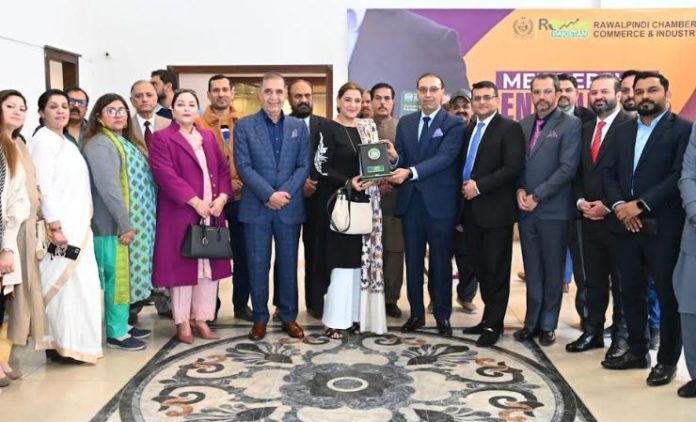
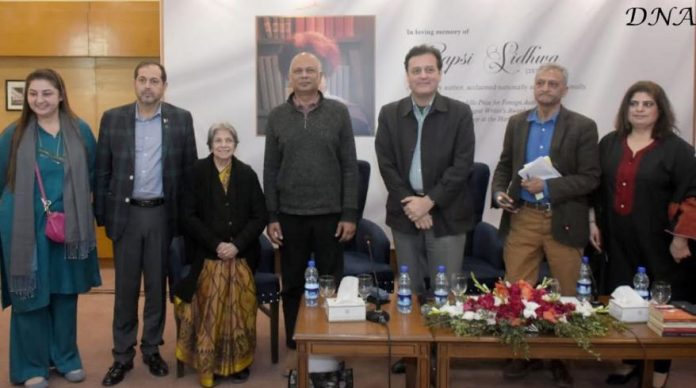
RAWALPINDI, FEB 10 /DNA/ – The Rawalpindi Chamber of Commerce & Industry (RCCI) organized a thought-provoking workshop titled “Breaking Barriers – The Journey of an Entrepreneur” under its Coffee Morning series. The session featured Yasmin Dadabhoy, President of Entrepreneurs’ Organization Karachi, as the guest speaker, who shared valuable insights on overcoming societal and professional challenges in entrepreneurship.

 The event was graced by Group Leader Sohail Altaf, Senior Vice President Khalid Farooq Qazi, Vice President Fahad Barlas, Executive Committee members, women entrepreneurs, and a large number of business leaders. Participants engaged in an interactive discussion on strategies to navigate obstacles and achieve business success.

 Speaking on the occasion, Yasmin Dadabhoy emphasized the importance of resilience, adaptability, and innovation in entrepreneurship. She encouraged aspiring business owners to break traditional barriers and seize new opportunities in the evolving economic landscape.

 RCCI President Usman Shaukat highlighted the Chamber’s commitment to empowering entrepreneurs, especially women, through such initiatives. He reiterated RCCI’s role in fostering a supportive business ecosystem.

 The workshop concluded with a networking session, allowing attendees to exchange ideas and experiences, reinforcing RCCI’s efforts in promoting entrepreneurship.

Second Round of Pakistan-Turkiye Counter Terrorism Consultations

Second Round of Pakistan-Turkiye Counter Terrorism Consultations

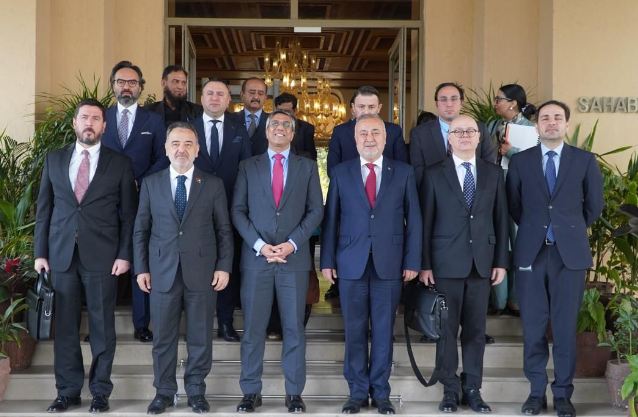
ISLAMABAD, FEB 10 /DNA/ – The second round of Pakistan-Turkiye Counter-Terrorism Consultations was held in Islamabad on 10 February 2025. The Pakistan delegation was led by Director General for Counter Terrorism,Ministry of Foreign Affairs, Abdul Hameed, and the Turkish side was headed by Director General for Intelligence and Security, Ministry of Foreign Affairs of Turkiye, Ambassador Kenan Yilmaz.

Both sides reviewed the global and regional terrorism landscape and exchanged views on threats posed by terrorist entities in the region and beyond. They shared their best practices and reviewed the ongoing Pakistan-Turkiye cooperation in the field of counter-terrorism.

It was highlighted that the international community needs to address the root causes of terrorism by resolving long protracted conflicts. Both sides vowed to continue the ongoing collaboration and mutual learning from each other’s experiences.

It was agreed to further strengthen the bilateral cooperation in areas of the countering financing of terrorism, preventing the use of Internet for terrorist purposes and the prevention of radicalization. 

The next round of the consultations would take place in Ankara on mutually convenient dates.

Bulls Wins Islamabad Cup 3×3 Basketball Final

Bulls Wins Islamabad Cup 3x3 Basketball Final

By our correspondent 

ISLAMABAD: The Islamabad Bulls clinched the title of the Islamabad Cup 3×3 Basketball Tournament after defeating the Timberwolves 19-15 in the final at the outdoor basketball courts of the Pakistan Sports Complex Islamabad.

In an exhilarating final, Islamabad Bulls triumphed over Islamabad Timberwolves with a close 19-15 scoreline, securing the tournament by a four-point margin. Ahmed Raza led the winning side, scoring 10 points, while Ali Hamza Kazmi scored 7 points for the Timberwolves.

Rizwan Ul Haq Razi, Secretary General of the Islamabad Olympic Association (IOA), graced the closing ceremony as the chief guest. Ouj E Zahoor, General Secretary of the Federal Basketball Association (FBBA), Muhammad Azam Dar, and other dignitaries also attended the final.

The tournament successfully brought together the best local talent for an intense two-day competition, with 20 teams participating under the banner of the Federal Basketball Association (FBBA).

Rizwan Ul Haq Razi commended the efforts of the Federal Basketball Association in promoting 3×3 basketball and providing a competitive platform for Islamabad’s players.

During the closing ceremony, FBBA General Secretary Ouj E Zahoor announced the All Pakistan 3×3 Basketball Night Tournament, scheduled for Ramzan 2025. This prestigious event will feature three categories: Inter-Club, Inter-Departmental, and Girls’ competitions.

As a FIBA-endorsed event, the tournament will contribute to Pakistan’s official FIBA 3×3 world ranking, offering a unique opportunity for local players to gain international recognition.

The Federal Basketball Association remains committed to promoting basketball in Islamabad and beyond, providing opportunities for players to showcase their talent at both national and international levels.

HEC issues revised curricula for BS and MS microbiology programmes

HEC issues revised curricula for BS and MS microbiology programmes

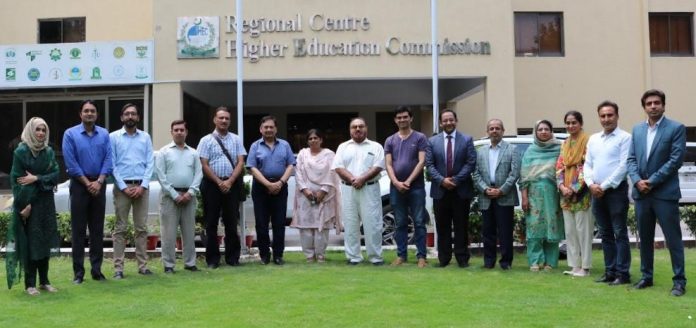
ISLAMABAD, FEB 10 /DNA/ – The Higher Education Commission (HEC) of Pakistan has issued revised curricula for BS and MS degree programmes in Microbiology, incorporating modern advancements to align with evolving academic and industry needs.

The initiative was a joint effort of HEC and the Pakistan Academy of Sciences, and the curricula were developed by the National Curriculum Review Committee (NCRC), comprising senior academics from leading universities across Pakistan including Balochistan University of Information Technology, Engineering and Management Sciences, Quetta; COMSATS University Islamabad; Government College University, Faisalabad; Government College University, Lahore; Kohat University of Science and Technology, Kohat; Quaid-i-Azam University, Islamabad; University of Karachi, Karachi; University of Management and Technology, Lahore; and the University of the Punjab, Lahore.

The NCRC was chaired by Prof. Dr. Anjum Nasim Sabri of the University of the Punjab, Lahore, and co-chaired by Prof. Dr. Naeem Ali of Quaid-i-Azam University, Islamabad, with Mr. Muhammad Ali Baig, Deputy Director at HEC, serving as its secretary.

The revised BS Microbiology curriculum now requires a minimum of 134 credit hours, introducing new and contemporary courses such as Microbial Diversity & Systematics, Microbial Genetics, Soil & Agriculture Microbiology, Scientific Writing & Research Methods, Clinical & Diagnostic Microbiology, Microbial Biotechnology, Antimicrobial Agents & Resistance, and Recombinant DNA Technology.

To keep pace with emerging scientific and technological advancements, Sustainable Development and Artificial Intelligence in Microbiology have also been included. The model scheme of study for BS Microbiology further allows for four elective courses, which universities may offer based on scholarly progress and industry demands.

Emphasizing experiential learning, the revised curriculum mandates a supervised internship and a capstone project, each carrying three credit hours. While the committee did not recommend a standalone Associate Degree in Microbiology, students may exit the BS programme with an Associate Degree under special circumstances, as per HEC regulations. For MS Microbiology, the revised framework includes six elective courses and a mandatory research requirement, with universities given the flexibility to offer electives based on faculty expertise and institutional resources.

The revised curricula for BS and MS degrees in Microbiology set broad academic standards, including eligibility criteria, programme learning outcomes, model scheme of studies, course learning outcomes, and degree award requirements, allowing universities to develop detailed syllabi and course content tailored to industry and research needs.

HEC has advised all universities to align their BS and MS Microbiology degree programmes with these revised standards at the earliest. The updated curricula are available on HEC’s official website.

Pakistan Embassy in Beijing marks Kashmir Solidarity Day

Pakistan Embassy in Beijing marks Kashmir Solidarity Day

BEIJING, FEB 10 /DNA/ -Today, the Pakistan Embassy, Beijing organized a special event to commemorate Kashmir Solidarity Day. The event reaffirmed Pakistan’s steadfast political, diplomatic and moral support for the resolution of Jammu and Kashmir dispute in accordance with the United Nations Security Council resolutions. Messages from the President, Prime Minister, and Deputy Prime Minister & Foreign Minister of Pakistan were read on the occasion.

These messages strongly condemned Indian atrocities in Indian Illegally Occupied Jammu & Kashmir (IIOJK), reiterated Pakistan’s unwavering commitment to the Kashmiri people’s right to self-determination and urged the United Nations to ensure the long-awaited implementation of its resolutions on Jammu & Kashmir. The messages also invited the attention of the international community to India’s illegal and unilateral actions of 5 August 2019, which had unleashed a series of measures by India to force a demographic change in the occupied territory.

In his remarks, Ambassador Khalil Hashmi underscored that resolution of Jammu & Kashmir dispute was a pre-requisite for sustainable peace and stability in South Asia and called on the international community to play its rightful role for a just, peaceful and lasting solution of this longstanding dispute.

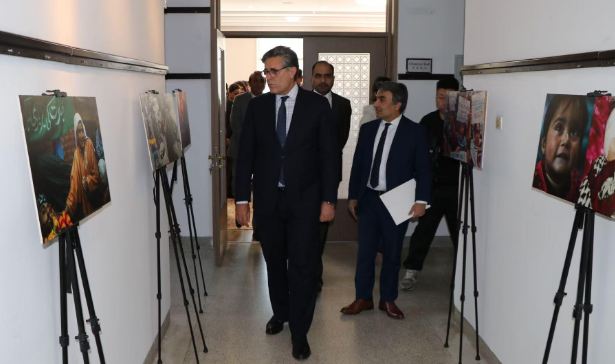
A documentary on IIOJK was also screened at the event, followed by a photo exhibition, to highlight the sufferings and human rights violations faced by the Kashmiri people at the hands of Indian occupation forces. The visual presentation paid rich tribute to the indomitable courage, resilience and struggle for the right to self-determination of the oppressed Kashmiri people in IIOJK.

JCP appoints six SC judges amid PTI MPs, jurists boycott

JCP appoints six SC judges amid PTI MPs

ISLAMABAD, FEB 10: The Judicial Commission of Pakistan (JCP) approved on Monday the appointment of six new judges to the Supreme Court amid a boycott by Pakistan Tehreek-e-Insaf (PTI) lawmakers and two senior SC judges.

A meeting of the JCP, presided over by Chief Justice of Pakistan (CJP) Yahya Afridi, appointed Sindh High Court (SHC) judges Justice Salahuddin Panhwar and Justice Shafi Siddiqui, Balochistan High Court’s (BHC) Hashim Khan Kakar and Peshawar High Court (PHC) judges Justice Shakeel Ahmed and Justice Ishtiaq Ibrahim. Islamabad High Court (IHC) Chief Justice Aamer Farooq was also elevated to the apex court.

Last month, the judicial commission rescheduled its meeting to Feb 10 from Feb 11 to consider filling eight vacant posts of judges at the apex court.

The JCP, which approves judicial appointments, was reconstituted to include four parliamentarians under the 26th Constitutional Amendment, bringing numerous changes to the judiciary.

Today’s meeting was boycotted by PTI’s Barrister Gohar Ali Khan and Senator Ali Zafar, and two SC judges, Justice Mansoor Ali Shah and Justice Munib Akhtar. The PTI chairman said that the meeting should have been postponed until the cases against the 26th Amendment were decided.

Earlier, four apex court judges, including two commission members, Justices Shah and Justice Akhtar, had requested the postponement of the session. Moreover, in his letter, Zafar had also asked CJP Yahya Afridi to put off the meeting.

Speaking to journalists today, Barrister Gohar said that the PTI had filed petitions against the 26th Amendment, which were still pending. However, since the meeting was not postponed, PTI chose not to participate, Barrister Gohar said.

Barrister Zafar, for his part, also maintained that the meeting should have been delayed until the seniority issue was resolved. He further said that the matter of seniority was also pending, but their concerns were not addressed.

“PTI has already outlined its future course of action,” Barrister Gohar said, adding that they fully supported the lawyers’ protest.

“Our objection was that the meeting should be postponed until a decision on the 26th Constitutional Amendment is made,” he reiterated. However, a vote was held on this objection, and the majority decided to proceed with the meeting, he lamented.

Judges’ transfer saga
Earlier this month, the judicial commission sought nominations from all high courts, requesting a list of five senior judges from each.

The Islamabad High Court (IHC) initially forwarded the names of three judges — Chief Justice Aamer Farooq, Justice Mohsin Akhtar Kayani and Justice Miangul Hassan Aurangzeb — because the other two judges, Justice Tariq Mehmood Jahangiri and Justice Babar Sattar, did not meet the minimum requirement of five years of service.

However, Lahore High Court’s Justice Sarfraz Dogar, along with two judges from the SHC and BHC, was recently transferred to the IHC. Following his transfer, the IHC administration revised its seniority list and designated him as the senior puisne judge. Therefore, his name was also sent to the JCP.

Following this transfer saga, five IHC judges raised the issue of seniority of judges and sent a representation to the IHC chief justice against the new seniority list and also sent a copy to CJP Afridi.

The judges argued that any transferred judge must take a fresh oath under Article 194 of the Constitution, which would place them at the bottom of the IHC’s seniority list. This would render them ineligible for immediate consideration for the position of IHC chief justice.

Stay Connected

64FansLike
60FollowersFollow

Latest Reviews

Exchange Rates

USD - United States Dollar
EUR
1.17
GBP
1.35
AUD
0.72
CAD
0.73