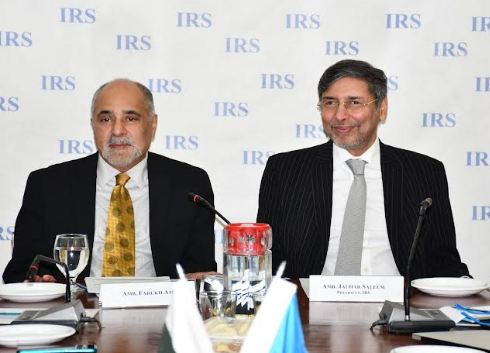
ISLAMABAD, FEB 19: /DNA/ – At a discussion hosted by the Institute of Regional Studies (IRS), Amb Farukh Amil, Chairman of Intellectual Property Rights Organization-Pakistan, emphasized that cultivating a culture of Intellectual Property Rights (IPR) was essential for transforming Pakistan from a consumer nation into a startup nation. He also stressed the urgent need for increased awareness of IPR among the youth in Pakistan to facilitate this significant transformation.
In his keynote address, Amb Amil highlighted IPO-Pakistan’s initiatives to join international IP treaties and to promote the use of IP tools, including trademarks, copyrights, patents, and geographical indications.
Speaking on the occasion, Amb Jauhar Saleem, President of IRS, noted that this was an “ age of branding” where Pakistan had been not been able to adopt and brand its products resulting in economic stagnation. He underscored the importance of incentivizing innovation and creativity through fostering a culture of intellectual property rights, as there was a general lack of motivation among people to innovate or invent without adequate safequard of their intellectual property rights. He lauded the efforts of IPO in this regard and expressed willingness to collaborate on promoting awareness, research, and advocacy.
Amb Amil also explained how intellectual property rights (IPR) and national economic security were intertwined, as inadequate IPR can jeopardize food security and economic growth. He noted that countries gain recognition through their brands, and lamented that Pakistan is falling behind in this area. He emphasized the necessity of including IPR in the national curriculum to help students recognize the importance of protecting their rights early on, warning that its exclusion would make the IPR an elitist topic.
The event was well attended by students and researchers and the interactive session underscored a strong desire for deeper knowledge on the subject.
The decision came as PM will pay an official visit to Uzbekistan in the last week of February
Saifullah Ansar
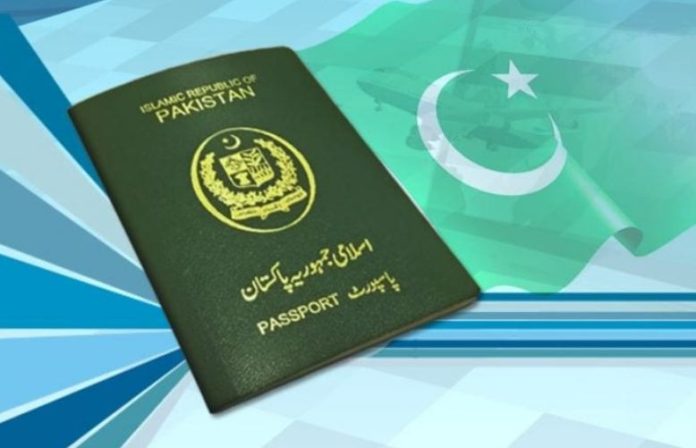
ISLAMABAD: Work opportunities in Uzbekistan have resumed for Pakistani citizens following a brief hiatus. The federal government has lifted the ban on Pakistani workers, allowing them to seek employment in Uzbekistan, after the Pakistan Embassy in Tashkent recommended the removal of the restriction.
The Bureau of Emigration and Overseas Employment (BEOE) has issued a circular in this regard, confirming that the Pakistan Embassy in Tashkent has proposed the registration of workers to facilitate their foreign employment in Uzbekistan.
In light of this, the BEOE has directed all Protectorates of Emigrants to register workers for Uzbekistan, ensuring the protection of the interests of intending emigrants.
The decision came as Prime Minister Shehbaz Sharif will pay an official visit to Uzbekistan in the last week of February 2025. The prime minister will stay in Uzbekistan for two days.
Pakistani citizens planning to work in Uzbekistan are legally required to obtain visa protection from the concerned department to ensure legal protection in the host country.
Visa protection provides several key benefits to holders, including complete legal protection and entitlement to full assistance from Pakistan’s mission.
Protector Fee in Pakistan for Uzbekistan Work Visa
Each Pakistani worker must pay the following fees:
Fee Structure of Emigrants through Direct Employment
Life Insurance Fee: Rs2,500 (covers life risk for up to Rs1 million for five years)
OPF Welfare Fund Fee: Rs4,000
Registration Fee: Rs2,500
OEC Fee: Rs200
Total Fee: Rs9,200
Fee Structure of Emigrants through Overseas Employment Promoter (OEP)
Life Insurance Fee: Rs2,500
OEP Service Charges: Rs15,000 (additional Rs6,000 for processing cases)
The meeting between the two leaders was marked by traditional warmth and cordiality
DNA
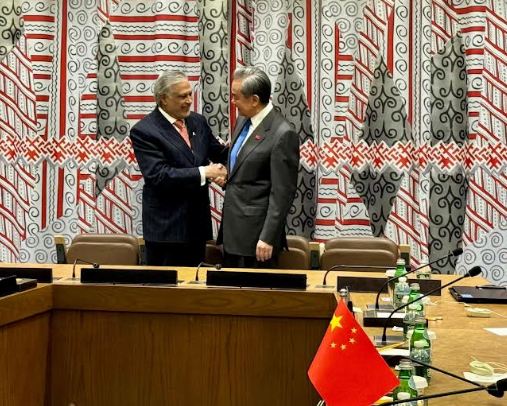
NEW YORK: Deputy Prime Minister and Foreign Minister Senator Mohammad Ishaq Dar met Member of the Political Bureau of the CPC Central Committee and Minister of Foreign Affairs Wang Yi in the New York at the sidelines of Ministerial Meeting of the United Nations Security Council.
The meeting between the two leaders was marked by traditional warmth and cordiality, as is the hallmark of Pakistan-China friendship. During the meeting, both sides exchanged views on the entire range of bilateral relations including CPEC. Global and regional issues of shared interest were also discussed.
Expressing satisfaction at the positive trajectory of bilateral relations, the Deputy Prime Minister/Foreign Minister said that friendship with China is the cornerstone of Pakistan’s foreign policy. There is unanimous support in Pakistan for further enhancement of bilateral ties. Reaffirming Pakistan’s support to China on its core issues, the Deputy Prime Minister/Foreign Minister underscored that Pakistan-China cooperation is pivotal for regional peace and stability and prosperity.
Thanking China for its steadfast and continued support to Pakistan’s integrity, sovereignty and core issues including Jammu and Kashmir dispute, the Deputy Prime Minister/Foreign Minister reaffirmed Pakistan’s firm resolve to further elevate bilateral relations with China to a higher levels of cooperation and collaboration.
In his remarks, Foreign Minister Wang Yi said that China accorded a special significance to Pakistan in its foreign policy, including its role as a non-permanent member of the Security Council. China would continue to firmly support Pakistan on its core issues and socio-economic development. He emphasized that guided by the vision of the leadership and aspirations of the people of two countries, China would continue to enhance its ironclad ties with Pakistan for safeguarding the shared interests of the two counties.
The two sides also discussed speedy implementation of phase-II of CPEC and expressed satisfaction at the steady development of CPEC. The two sides agreed to further expand cooperation under CPEC for harnessing its shared benefits.
Both leaders also agreed to maintain close strategic communication and coordination on important issues, and enhance their cooperation at the multilateral forums.
Pakistan Emerging Hub of regional Connectivity: President Zardari Sees Gwadar as key to future prosperity. Mushahid hails Trump’s Economic Vision as it’s not driven by cold war
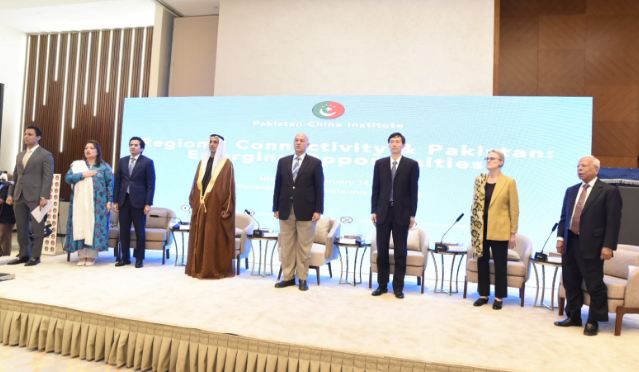
ISLAMABAD, FEB 18: /DNA/ – The International Conference on “Regional Connectivity & Pakistan: Emerging Opportunities”, organized by Pakistan-China Institute (PCI), Islamabad Think Tank brought together high-level government officials, diplomats, business leaders, and experts to discuss Pakistan’s pivotal role in fostering regional connectivity, trade expansion, and investment opportunities. The conference, structured into three sessions, provided a platform for open discussions reaffirming Pakistan’s strategic importance in linking South Asia, Central Asia, the Gulf, and China.
The event was moderated by Mustafa Hyder Sayed, Executive Director, Pakistan-China Institute, who highlighted Pakistan’s resilience in a turbulent neighborhood. He emphasized that despite enduring significant economic erosion, key indicators suggest the country is steadily regaining its trajectory toward progress. He underscored Pakistan’s strategic position on the world map and its demographic dividend, noting that with 60% of the population under 35 years old, the nation holds immense potential for growth and development.
Senator Mushahid Hussain Sayed, Chairman of the Pakistan-China Institute, in his introductory remarks, underscored Pakistan’s pivotal role as a regional connectivity hub, linking South Asia, China, Central Asia, and the Gulf. He highlighted the success of CPEC, which has attracted $26 billion in investments, transforming Pakistan’s economic landscape while positioning Gwadar Port and the newly developed Gwadar International Airport as key regional transit hubs. He emphasized Pakistan’s strategic importance, citing Quaid-i-Azam’s vision of the country as the “pivot of the world.” While acknowledging challenges such as lingering disputes like Jammu & Kashmir and population growth which could result in Pakistan’s population of 350 million by 2050. He cited trade, transportation, tourism, and technology as key areas of connectivity.
The inaugural Session featured Ali Pervez Malik, Minister of State for Finance, as the Keynote Speaker. Addressing the distinguished gathering, the emphasized the need for deeper economic integration, the transformative impact of the China-Pakistan Economic Corridor (CPEC), and Pakistan’s role as a trade and investment bridge between East and West. Reflecting on the success of CPEC, he noted: “CPEC is more than an infrastructure project—it is a blueprint for economic prosperity, industrial growth, and regional stability. It has revitalized our energy sector, modernized logistics, and created thousands of jobs, ensuring that Pakistan stands at the forefront of regional connectivity.”
Following the minister’s address, the Main Session brought together an esteemed panel of global experts and policymakers. Speakers included Dr. Rafiq Dossani, Director of the RAND Center for Asia Pacific Policy, Ms. Yan Rui, Secretary General of the Europe-Asia Centre, Ambassador Sohail Mahmood, Director General of the Institute of Strategic Studies Islamabad (ISSI), and Ambassador Yerzhan Kistafin of Kazakhstan, among others.
Ms. Yan Rui, Secretary General of the Europe-Asia Centre based in Xinjiang, China emphasized the significance of cultural and ecological cooperation in reshaping regional connections between Europe and Asia. As a Brussels-based organization in the heart of the European Union, the Europe-Asia Centre is committed to strengthening political, economic, and cultural ties through academic forums, business engagements, and cultural initiatives.
Ambassador of Kazakhstan, Yerzhan Kistafin emphasized that connectivity remains a top priority for regional prosperity. Presenting a world map, he highlighted Central Asia as a land of opportunities, stressing the need for enhanced regional connectivity. He outlined three key opportunities: first, deepening connectivity between Kazakhstan, Pakistan, and other Central Asian Republics (CARs); second, leveraging Pakistan as a gateway for trade with India; and third, fostering intercontinental linkages. Underscoring a commitment to practical steps, he highlighted several initiatives already launched to realize these goals.
Ambassador Robin Raphel, Former US Assistant Secretary of State for South and Central Asian Affairs, highlighted America’s interest in strengthening and securing supply chains across Asia and Europe, emphasizing Pakistan’s strategic location as a key asset on the world map. She referred to her role as Assistant Secretary of State in promoting regional connectivity.
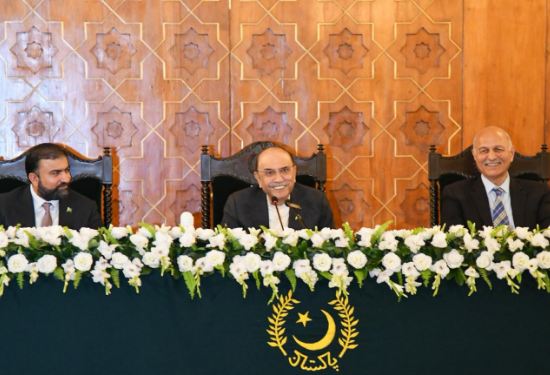
In the concluding session session at Aiwan-e-Sadr, Senator Mushahid Hussain welcomed the President of Pakistan and other distinguished guests. He highlighted the significance of the China-Pakistan Economic Corridor (CPEC) and appreciated President Asif Ali Zardari’s contribution to reviving Gwadar Port in 2013, now the centerpiece of CPEC. Senator Mushahid Hussain referred to three new realities which are providing a conducive environment for Pakistan’s regional connectivity. First, the role of Gwadar Port as the hub of regional connectivity by making Central Asian Republics like Tajikistan, Turkmenistan, Uzbekistan, Kyrgyzstan and Kazakhstan from land locked countries to land linked countries. Second, the changing landscape of South Asia after the student revolution in Bangladesh and the elections in Sri Lanka, Maldives and Nepal which have resulted in governments that are key for close collaboration with Pakistan on regional economic connectivity. Third, a new administration in the United States under President Donald Trump that seeks to end all wars and even opposing any new cold war and which has primarily an economic vision. Senator Mushahid Hussain added that underlining this regional connectivity are the people-to-people ties that bind countries and the region. He said 5000 oil tankers and 50,000 cargo ships pass through Pakistan’s international waterways every year. 132,000 Pakistani tourists went to Turkey and 72,000 tourists from Pakistan went to Azerbaijan in 2024.
President Asif Ali Zardari, in his keynote address, reaffirmed Pakistan’s unwavering commitment to regional connectivity, outlining a three-pronged vision: transforming landlocked Central Asian nations into land-linked economies through Gwadar, positioning Pakistan as a strategic trade bridge between East and West, and leveraging Pakistan’s deep-sea ports—Gwadar, Karachi, and Port Qasim—to propel the blue economy and maritime trade. Highlighting Gwadar’s transformation into a regional trade hub, he stated: “Gwadar is no longer a promise—it is a reality, and the port city is set to become the beating heart of regional trade, investment, and logistics.”
The Chief Minister of Balochistan, Mir Sarfraz Bugti, further emphasized Baluchistan’s central role in regional connectivity and economic growth, particularly in Gwadar’s rise as a trade and logistics hub. Speaking on CPEC’s long-term impact, he remarked: “CPEC is not just an economic corridor; it is a lifeline for Balochistan. It has created unprecedented opportunities for trade, investment, and industrialization in our province, transforming the livelihoods of our people.” He called upon regional and international stakeholders to invest in Gwadar’s logistics, energy, and industrial zones, reinforcing the province’s commitment to inclusive economic progress and sustainable development.
H.E. Mr. Ahmed bin Muhammad Al Jarwan, Former Speaker of the Arab Parliament & President of the Global Council of Tolerance & Peace, United Arab Emirates (UAE), expressed concern over the escalating hate in the world and emphasized the need for collective efforts to promote peace and tolerance. He highlighted that the Global Council of Tolerance & Peace, with its 120 partners worldwide, is actively working toward fostering harmony among nations promoting the universal peace charter which continents cultures, countries and continents around peace.
A major highlight of the conference was the launch of the book “Karot Hydropower Project – Insights & Success,” documenting Pakistan’s first large-scale CPEC hydropower project. Zhou Qiang, CEO of CSAIL, emphasized that Karot, partially financed by the World Bank’s IFC, was completed ahead of schedule despite COVID-19 challenges, setting a benchmark for future energy projects. The project has contributed 10 billion rupees in taxes, PKR 675 million annually in Water Use Charges (WUC), and thousands of jobs. It also supports community development through scholarships, infrastructure, and clean water initiatives. Zhou Qiang reiterated Pakistan-China cooperation in advancing sustainable energy and attracting global investment in renewables.
The Pakistan-China Institute (PCI) unveiled two groundbreaking reports that reshape discourse and highlight new economic frontiers: CPEC: Fact vs. Fiction and The Religious Tourism Supply Chain Along the Sukkur–Multan Motorway in Pakistan: A Case Study. The former debunks misinformation surrounding CPEC, reinforcing its strategic and economic importance with fact-based analysis. The latter, authored by researchers from PCI i.e., Mustafa Hyder Sayed and Umar Farooq and RAND Corporation i.e., Dr Rafiq Dossani and Zohan Tariq and will be published by RAND, the premier U.S. think tank, presents a comprehensive study on Pakistan’s religious tourism sector, identifying key opportunities along the Sukkur–Multan Motorway. The publication of this report by RAND underscores the global recognition of Pakistan’s economic potential beyond traditional sectors. These reports reaffirm Pakistan’s commitment to countering disinformation, expanding economic opportunities, and leveraging CPEC for long-term prosperity.
Ambassador AKAMATSU hosts a reception to celebrate the 65th Birthday of His Majesty the Emperor of Japan
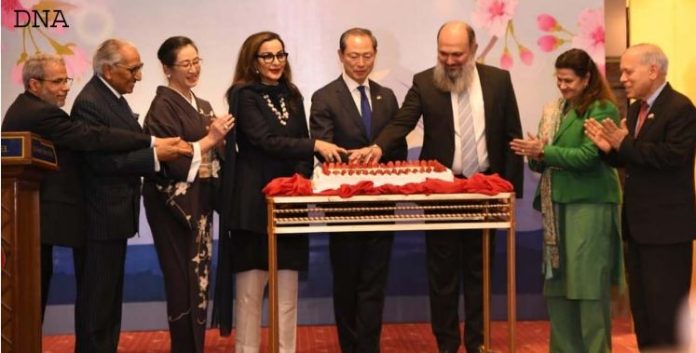
ISLAMABAD: FEB 18 /DNA/ – To celebrate the 65th Birthday of His Majesty the Emperor Naruhito, H.E. Mr. AKAMATSU Shuichi, Ambassador of Japan to Pakistan, hosted a reception at Serena Hotel in Islamabad on the evening of 18th February. The chief guest, Jam Kamal Khan, Federal Minister for Commerce, along with other dignitaries graced the occasion.
After welcoming the guests and cerebrating the 7th birthday since His Majesty’s enthronement, Ambassador AKAMATSU, since his arrival in Pakistan in the late November 2024, had met hundreds of Pakistani people and said he was encouraged by many favourable remarks about Japan and the expectation to strengthen the ties with Japan, and realised that “there still lies an unlimited space for cooperation between our two countries.”
On the international stage, mentioning that “currently it is our urgent task to restore the peace and stability of the international society, as the rule of law is being challenged in many ways,” and emphasized that ”Japan is committed to cooperating with Pakistan in order to bring harmony and cooperation to this divided international society.”
In terms of bilateral relations, Ambassador AKAMATSU reiterated Japan’s unwavering commitment to supporting Pakistan based on its over 70 years of experience in providing Official Development Assistance (ODA) to Pakistan. Such assistance is in accordance with Japan’s “assistance philosophy of ‘not only providing fish, but also teaching how to fish,’ based on mutual respect and collaboration,” he said.
Ambassador AKAMATSU also expressed his hope for more human resource exchanges and cultural interaction between the two countries. On the occasion of the Expo 2025, Osaka, Kansai from April till October this year, he encouraged more Pakistani people to visit Japan with referring the saying ‘seeing is believing.’
Ambassador Akamatsu concluded his remarks by wishing that more active exchanges between Japan and Pakistan lead to a friendship that meets the demand of this new age.
The reception was joined by the students of the Islamabad Japanese School, who performed traditional Japanese drums and a folk dance called ‘So-ran bushi’. It also featured the exhibitions of Ikebana and Bonsai arts, contributed by Lahore Sogetsu Study Group and Lahore Bonsai Society, and the displays by Japan International Cooperation Agency (JICA) and Japanese companies.
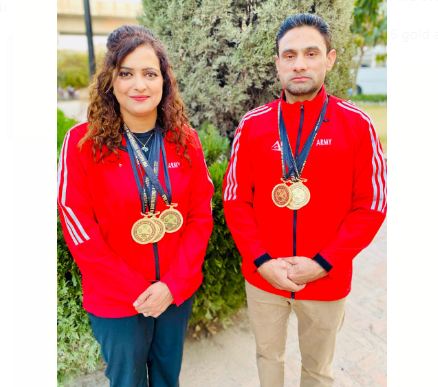
ISLAMABAD: Olympian Sadaf Siddiqui and Havaldar Maqbool Ahmad led the Pakistan Army to victory, securing six gold medals and helping the Army claim the top position in the third edition of the Fitness Challenge Pakistan, organized by the Pakistan Bodybuilding and Fitness Federation.
The two-day event, held at the Arena Hall, Qayyum Stadium in Peshawar, followed the guidelines of the International Fitness and Bodybuilding Federation (IFBB). Teams from Pakistan Army, Police, Railways, Higher Education Commission (HEC), and provincial teams from Punjab, Khyber Pakhtunkhwa, Sindh, and Islamabad competed in the event.
The Army dominated the competition, winning 16 gold and six silver medals. Khyber Pakhtunkhwa finished second with two gold and five silver medals, while the Police secured third place with two gold and one silver medal.
Olympian Sadaf Siddiqui, competing in the masters category, clinched three gold medals in the singles, mixed doubles, and team fitness events. Meanwhile, Havaldar Maqbool Ahmad, who also represents Pakistan at international events, won three gold medals in the men’s doubles, team fitness, and mixed doubles categories.
Tariq Pervez, President of the Pakistan Bodybuilding and Fitness Federation, congratulated all the winning athletes, praising their fitness achievements. He emphasized that their success is a true testament to the power of physical fitness, which not only builds individual resilience but also contributes to fostering a healthier, stronger nation.
Zen Asia offers a curated selection of exquisite dishes from China, Japan, and Thailand, blending authenticity with innovation. Each dish is crafted with precision, served in an ambiance that seamlessly fuses elegance with breathtaking natural and urban vistas
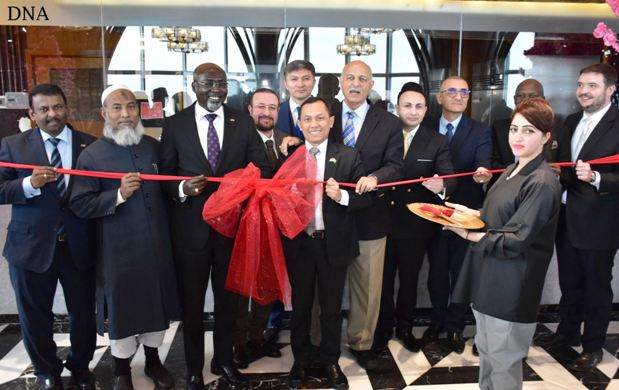
ISLAMABAD: FEB 18 /DNA/ – D Mövenpick Hotel Centaurus Islamabad, the city’s premier high-rise hotel, welcomed ambassadors, dignitaries, and esteemed guests to celebrate the grand opening of Zen Asia, an extraordinary Pan-Asian restaurant on the 21st floor.
The event was graced by Senator Mushahid Hussain as the Chief Guest, who commended Mövenpick’s dedication to elevating Islamabad’s hospitality landscape with world-class dining experiences.
Zen Asia offers a curated selection of exquisite dishes from China, Japan, and Thailand, blending authenticity with innovation. Each dish is crafted with precision, served in an ambiance that seamlessly fuses elegance with breathtaking natural and urban vistas. Leading the culinary team is Chinese Executive Chef Liang Rui, whose extensive global experience positions Zen Asia as a game-changer in Islamabad’s dynamic food and beverage scene.
Speaking at the inauguration, Nicolas Verdun, General Manager of Mövenpick Hotel Centaurus Islamabad, expressed his excitement:
“We are thrilled to introduce this exceptional dining experience to Islamabad. Our teams have worked tirelessly to create a premium journey for our guests, ensuring excellence at every step. We invite food lovers and connoisseurs to explore the extraordinary flavors of Zen Asia—it’s truly worth it.”
Strategically located in the heart of Islamabad, Zen Asia offers an unrivaled setting with sweeping views of the Margalla Hills and the city’s picturesque skyline. With its fusion of world-class service, culinary artistry, and a captivating ambiance, this new restaurant is set to become a landmark destination for fine dining in the capital.
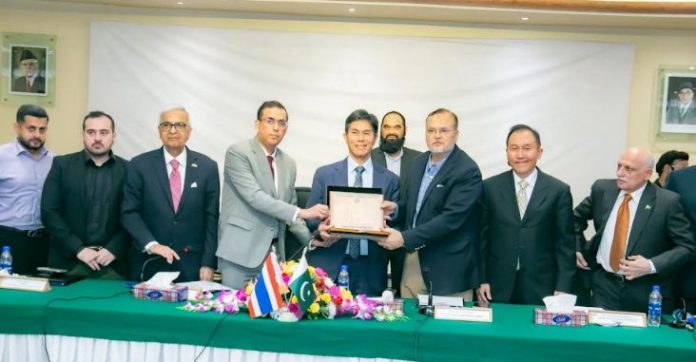
KARACHI, FEB 18 /DNA/ – The Ambassador of Thailand to Pakistan, Rongvudhi Virabutr, while underscoring the need to conclude the Free Trade Agreement (FTA) between Thailand and Pakistan, urged the Karachi Chamber to push the government to finalize the FTA as soon as possible which would certainly help in further improving the existing trade ties between the two countries.
Expressing the intent to accelerate discussion on FTA at a meeting during his visit to the Karachi Chamber of Commerce and Industry (KCCI), Thai Ambassador said that although negotiations have been suspended for some time, finalizing the FTA was his top priority. “We urge the business community in Karachi, particularly KCCI, to advocate for the timely conclusion of the FTA. While Pakistan has faced challenges with trade deficits in previous FTAs, it is important to recognize that these agreements extend beyond goods trading and include services and investment—key areas where both nations can benefit”, he added.
Consul General of Thailand Surashete Boontinand, Senior Vice President Zia ul Arfeen, Vice President Faisal Khalil Ahmed, Chairman Diplomatic Missions & Embassies Liaison Subcommittee Ahsan Arshad Sheikh, Former President Majyd Aziz, KCCI Managing Committee Members as well as representatives from the Thai Embassy in Islamabad and Consulate in Karachi were also present on the occasion.
The Ambassador also shared his ambition to increase the Thailand-Pakistan trade volume from its current value of US$1.1 billion to US$2 billion. He pointed out that trade between the two countries had previously reached US$1.8 billion before the COVID-19 pandemic, making a target of US$2 billion achievable with concerted effort. “We can identify new sectors for cooperation and stimulate activities that will boost bilateral trade”, he added.
On the topic of bilateral trade, the Ambassador mentioned that Pakistan’s exports to Thailand currently stood at around US$150 million, with trade balance in favor of Thailand. However, he emphasized that there is potential to increase exports to Thailand, particularly in the pharmaceutical, seafood, chemicals, and cement sectors etc.
He noted that approximately 60 percent of Pakistan’s economy is driven by the services sector, which presents a wealth of opportunities for collaboration. “While manufacturing is a critical aspect of trade, we must also look towards the services sector when seeking to expand our trade relationship.”
Furthermore, Thai Envoy emphasized Thailand’s support for electric vehicles (EVs), which are becoming increasingly popular in the Thai automotive market. He suggested that Thailand could assist Pakistan in developing its EV industry by sharing expertise and technology.
Highlighting Karachi’s pivotal role in bilateral trade, he said, “Karachi serves as the primary hub for trade between our two nations, with many of the businesspeople engaged in trade with Thailand also being members of this esteemed Chamber. This underscores our strong desire to engage with KCCI, which represents a significant segment of Karachi’s business community.”
The Ambassador also touched on the importance of reducing the cost of doing business, particularly through innovations like the ASEAN Single Window system—a paperless platform for customs clearance within ASEAN countries. “We believe this system could be extended to trade partners of ASEAN, including Pakistan, to reduce business costs. Pakistan’s FTA with Malaysia makes you people eligible to benefit from the ASEAN single window paperless clearance system.”
He proposed organizing an ASEAN Trade Fair in Karachi, where buyers and sellers from Pakistan and ASEAN countries could meet to explore business opportunities. “Karachi is an ideal location for such an event, given its central position and strategic importance.”
Speaking on the occasion, Consul General of Thailand in Karachi Surashete Boontinand announced the introduction of an e-visa facility that allows applicants to apply for visas to Thailand online, eliminating the need to visit the Consulate in person. “This new facility aims to make it easier for Pakistani citizens to visit Thailand, and we are committed to providing full support to facilitate trade and bilateral relations”, he added.
Earlier, Senior Vice President KCCI Zia ul Arfeen, in his remarks, stated that Pakistan and Thailand share a long-standing relationship based on mutual respect, shared principles, and common interests, which have steadily strengthened over the years. “Pakistan can benefit greatly by expanding its trade footprint in Thailand’s key sectors such as the automotive industry, seafood, rubber, and tourism. Strengthening collaboration in these areas will not only boost bilateral trade but also enhance Pakistan’s presence in the broader ASEAN market.”
He noted that despite the significant trade potential between our two nations, Pakistan’s exports to Thailand remain relatively low at around $149 million, while imports from Thailand reached $719 million in FY24. “There is a strong need to address this trade imbalance by exploring new avenues for collaboration. Both countries have expressed a strong commitment to concluding the Thailand-Pakistan Free Trade Agreement”, he said, adding that finalizing this agreement will open new doors for trade expansion and deeper bilateral economic ties.
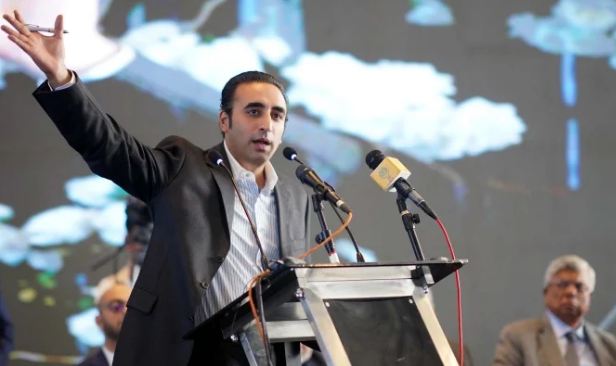
ISLAMABAD, FEB 18: Pakistan has the potential to act as a bridge between the United States and China, said Pakistan People’s Party (PPP) Chairman Bilawal Bhutto Zardari during an interview with German television on the sidelines of the Munich Security Conference.
“Going forward we’d like to see ourselves as a country that can bridge that gap rather than sort of increase that division,” the PPP chairman said.
Bilawal highlighted Pakistan’s long-standing role in fostering diplomatic ties between nations and stressed that some nations were taking advantage of the competitive situation between Washington and Beijing.
“There are some countries who are profiting or benefiting from the fact that these two countries, the United States and China increasingly competitive but Pakistan has been in a different position,” he said.
Play Video He also expressed optimism about the prospect of improving ties with India, stating that peace with the rival country, or at the very least trade, was possible.
Speaking about US President Donald Trump, Bilawal described him as a “dealmaker” and suggested that Pakistan could successfully engage with him.
Last week the former foreign minister also addressed Pakistan’s internal political landscape, attributing the youth’s disillusionment with politics to former Prime Minister Imran Khan. He was talking to the media in Munich on Saturday.
He said while generations struggled for democracy, Khan had damaged the system for personal gains.
Speaking about Pakistan’s security situation, Bilawal stressed the need for national consensus to combat terrorism, particularly following the new government in Kabul, which he claimed has led to a rise in terrorist incidents in Pakistan.
He called for political stability and strategic policymaking to address the country’s growing challenges.
Bilawal reaffirmed the PPP’s stance that all institutions must operate within their constitutional limits.
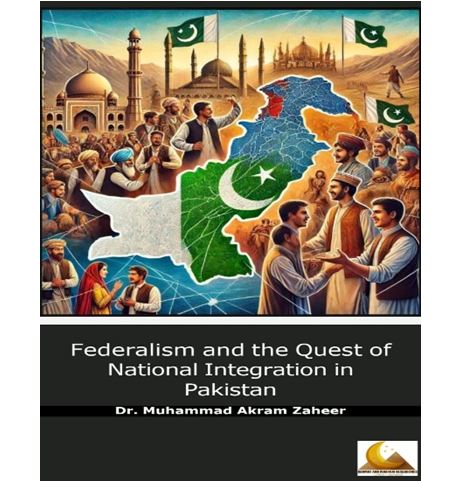
The book Federalism and the Quest for National Integration in Pakistan is another significant contribution by Dr. Muhammad Akram Zaheer, addressing the complex issues of federalism and national integration in Pakistan.The book explores into the theoretical underpinnings of federalism, its historical trajectory and its role in fostering national unity. With a particular focus on constitutional reforms, especially the 18th Amendment, the author, Dr. Zaheer, explores the intricate relationship between federal structures and regional identities. This work serves as an essential resource for scholars, policymakers and students of political science seeking to understand the complexities of federalism in Pakistan.
One of the book’s standout features is its robust theoretical framework. Dr. Zaheer begins by tracing the historical and philosophical roots of federalism, defining it as a system of governance that balances power between a central authority and regional entities. In its ideal form, federalism promotes cooperation and national cohesion while safeguarding regional autonomy. However, in Pakistan, centralization, political instability and ethnic divisions have often weakened federalism. The author provides a balanced discussion of the strengths and weaknesses of federalism, connecting these theoretical aspects to Pakistan’s unique context.Dr. Zaheer argues that federalism in Pakistan has largely remained a theoretical concept rather than a fully operational political system. While constitutional frameworks have enshrined federal principles, their implementation has been inconsistent. This inconsistency has fueled tensions between the central government and the provinces, particularly in regions like Balochistan and Sindh, where demands for greater autonomy have often been met with resistance from the federal authority.
The book offers a detailed historical analysis of federalism in Pakistan, tracing its development from the early years following independence to the present day. Dr. Zaheer examines key constitutional milestones, including the 1956, 1962 and 1973 constitutions and their impact on federalism. He critiques the 1956 and 1962 constitutions for their centralizing tendencies, which he argues contributed to regional alienation and political instability.The discussion of the 1973 Constitution is particularly insightful. While this constitution laid the groundwork for a federal structure, successive governments failed to fully implement its provisions, resulting in a persistent imbalance between the center and the provinces. The book also critically assesses the role of military regimes, particularly those of General Ayub Khan, General Zia-ul-Haq and General Pervez Musharraf, in shaping Pakistan’s federal landscape. Dr. Zaheer contends that the military’s preference for centralized governance has often undermined provincial autonomy and democratic governance.
A significant portion of the book is devoted to case studies of Pakistan’s four provinces Punjab, Sindh, Khyber Pakhtunkhwa andBalochistan. These case studies provide a detailed exploration of regional grievances, historical injustices and the ongoing struggle for greater autonomy.
Punjab: Dr. Zaheer highlights Punjab’s dominant role in Pakistan’s political and economic landscape, arguing that its disproportionate influence has fueled resentment among smaller provinces. While Punjab serves as the economic and political hub of the country, its perceived preferential treatment in resource allocation and governance decisions has exacerbated tensions with other regions.
Sindh: The book delves into the ethnic and political complexities of Sindh, particularly the divide between the urban Muhajir population and the rural Sindhi populace. Dr. Zaheer examines the rise of the MuttahidaQaumi Movement (MQM) and its demands for greater representation, as well as broader issues such as economic grievances and water distribution conflicts.
Khyber Pakhtunkhwa: The analysis of Khyber Pakhtunkhwa focuses on its historical struggle for provincial rights and its role in Pakistan’s broader security dynamics. The book discusses the impact of the war on terror on the region and how federal policies have influenced local governance.
Balochistan: Perhaps the most compelling section of the book is its discussion of Balochistan, which has long been a flashpoint for conflict between federal authorities and regional nationalist movements. Dr. Zaheer examines the historical roots of Balochistan’s grievances, including economic marginalization, resource exploitation and human rights violations. The book underscores the need for meaningful dialogue and political accommodation to address the province’s concerns and foster national integration.
A central focus of the book is the 18th Amendment to the Constitution of Pakistan, which Dr. Zaheer describes as a landmark in the country’s federal evolution. Enacted in 2010, the amendment aimed to decentralize power and grant greater autonomy to provinces. Dr. Zaheer provides a critical analysis of the amendment’s impact, noting both its successes and limitations. While the amendment represented a significant step toward strengthening federalism, challenges remain in its implementation, particularly regarding fiscal federalism and administrative capacity at the provincial level.
Dr. Zaheer convincingly argues that a functional federal system is essential for national integration in Pakistan. The book highlights how the failure to address provincial grievances has led to political instability, ethnic conflicts and, in some cases, separatist movements. The author calls for a more inclusive and participatory federal model that recognizes Pakistan’s ethnic and regional diversity while maintaining national unity. The book also explores the role of political institutions, the judiciary and political parties in shaping federalism. Dr. Zaheeranalyzes the politicization of federal institutions and the judiciary’s inconsistent role in resolving federal disputes. He emphasizes the need for democratic consolidation and institutional reforms to strengthen federalism and promote national cohesion. In the concluding chapters, Dr. Zaheer offers several recommendations for strengthening federalism in Pakistan. These include:
Genuine devolution of power to provinces beyond constitutional provisions.
Strengthening fiscal federalism to ensure equitable resource distribution.
Enhancing inter-provincial coordination and cooperation.
Addressing regional grievances through inclusive governance and economic policies.
Implementing institutional reforms to depoliticize federal institutions and ensure their effective functioning.
The book concludes with a call for a more pragmatic and adaptive approach to federalism, one that balances regional aspirations with national unity. Dr. Zaheer’s analysis is both comprehensive and thought-provoking, making the book an essential read for anyone interested in Pakistan’s federalism and governance challenges.Federalism and the Quest for National Integration in Pakistan is anexactly researched and well-structured work that makes a significant contribution to the study of federalism in Pakistan. Dr. Zaheer’s work is commendable for its depth, clarity and balanced analysis. While the book is highly academic in nature, its accessible language and structured arguments make it suitable for both scholars and general readers interested in Pakistan’s political scene. The whole, the book presents a compelling case for strengthening federalism as a means to achieve national integration. By addressing historical grievances, promoting equitable governance and promotion regional inclusivity, Pakistan can move toward a more stable and cohesive federal system. Dr. Zaheer’s insights and recommendations offer a valuable roadmap for policymakers seeking to sail across the complexities of federalism in Pakistan.
Maimoona Rasool
Assistant professor, National University of Computer & Emerging Sciences, Islamabad