Home Blog Page 67

Petroleum levy hike to deepen industrial crisis, fuel inflation: PIAF

Petroleum levy hike to deepen industrial crisis, fuel inflation: PIAF

DNA

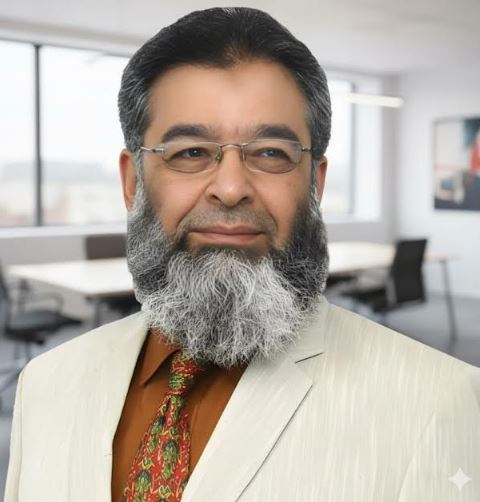
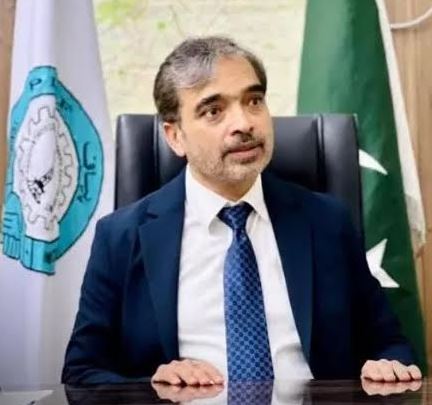
LAHORE: Pakistan Industrial and Traders Associations Front (PIAF) Chairman Faheemur Rehman Saigol, who is also President of the Lahore Chamber of Commerce and Industry (LCCI), has strongly criticised the government’s decision to increase the petroleum levy on petrol and high-speed diesel while maintaining existing fuel prices, warning that the move will further increase the cost of doing business, intensify inflationary pressures and undermine the competitiveness of Pakistan’s industrial and trade sectors.

In a joint statement with PIAF Senior Vice Chairman Nasrullah Mughal and Vice Chairman Tahir Manzoor Chaudhry, he said the decision has disappointed the business community because it comes at a time when international crude oil prices have eased, creating an opportunity for the government to provide meaningful relief to industries, transporters, farmers and consumers. Instead, the authorities have chosen to increase the petroleum levy, effectively retaining the financial burden on productive sectors of the economy.

Faheemur Rehman Saigol said petroleum products constitute one of the most important cost components for manufacturing, transportation, agriculture, construction and commercial activities. Every increase in fuel-related taxation directly raises freight charges, distribution expenses and production costs, eventually making locally manufactured goods more expensive in both domestic and export markets.

He said the country’s industrial sector is already facing multiple economic challenges, including high electricity tariffs, elevated financing costs, expensive raw materials, liquidity constraints and subdued domestic demand. Under these circumstances, additional taxation on petroleum products will further squeeze industrial margins and discourage fresh investment at a time when economic expansion should be the government’s foremost priority.

The PIAF chairman observed that industries were expecting some reduction in domestic fuel prices after the decline in international oil markets. Lower fuel costs could have helped businesses reduce operational expenses, improve productivity and restore some competitiveness in export-oriented sectors. However, by increasing the petroleum levy, the government has effectively neutralised the potential benefit arising from softer global oil prices.

He said transport costs influence the prices of virtually every commodity, including food items, industrial inputs, construction materials and consumer goods. As transportation becomes more expensive, inflationary pressures spread across the entire economy, reducing consumers’ purchasing power and increasing the financial burden on businesses as well as ordinary households.

Nasrullah Mughal said frequent reliance on petroleum levies to generate government revenues is not a sustainable fiscal strategy. While the business community understands the government’s financial constraints, increasing indirect taxation on essential fuels ultimately weakens productive sectors that contribute to employment generation, exports and long-term revenue growth. A stronger industrial base, he added, would generate more sustainable tax revenues than higher levies on petroleum products.

Tahir Manzoor Chaudhry said exporters are already competing in an increasingly challenging international environment where production costs determine market competitiveness. Additional fuel-related costs make Pakistani products less attractive in global markets by increasing logistics and manufacturing expenses. He added that small and medium-sized enterprises, which form the backbone of the country’s industrial structure, will be among the worst affected because of their limited financial capacity to absorb rising operational costs.

The PIAF leaders said agriculture, which relies heavily on diesel for irrigation, transportation and farm machinery, would also face higher operational expenses. Increased agricultural costs eventually translate into higher food prices, adding another source of inflation at a time when consumers are already struggling with rising living expenses.
Earthquakes in Venezuela: Destruction, Human Tragedy, and Recovery

Earthquakes in Venezuela: Destruction, Human Tragedy, and Recovery

By Mansoor Nizamani

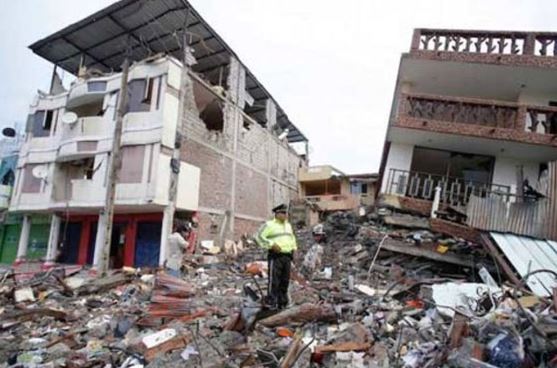
On 24 June 2026, Venezuela experienced one of the darkest days in its modern history when two powerful earthquakes, measuring 7.1 and 7.5 on the Richter scale, struck several parts of the country, causing widespread devastation. Within seconds, panic and chaos spread as people rushed out of their homes, offices, and commercial buildings in a desperate attempt to save their lives. In many cities, daily life came to a standstill, while the government immediately activated emergency measures and mobilized all relevant institutions. This natural disaster has become a new and formidable challenge for Venezuela, a nation already struggling with severe economic and social crises. Its consequences are expected to affect the country for many years to come.

Geographically, Venezuela is situated along the boundary of the Caribbean and South American tectonic plates, making it one of the earthquake-prone countries in the region. The continuous movement of these tectonic plates generates enormous pressure beneath the Earth’s surface, which is suddenly released in the form of powerful earthquakes. History shows that Venezuela has experienced several devastating seismic disasters. The 1812 earthquake remains one of the deadliest in the country’s history, while the 1967 Caracas earthquake also resulted in significant loss of life and widespread destruction. Consequently, seismologists and disaster management experts have consistently classified the region as highly vulnerable and have stressed the importance of enforcing earthquake-resistant building standards.

According to reports, the epicenter of both earthquakes was located near Morón, while strong tremors were also felt in the capital city of Caracas, as well as La Guaira, Miranda, Carabobo, and Yaracuy. More than 138 aftershocks were recorded following the main earthquakes, prolonging fear and uncertainty among residents. Thousands of families evacuated their homes and sought refuge in parks, open grounds, and other safe locations. Schools, colleges, and government offices in several affected areas were temporarily closed, while engineers and structural experts began inspecting buildings to determine their safety. Fear and uncertainty continue to grip residents, preventing life from returning to normal.

According to the latest reports, the death toll has risen to 1,430, while more than 3,238 people have been injured. Many individuals remain missing, and authorities fear that numerous victims are still trapped beneath the rubble of collapsed buildings, raising concerns that the number of fatalities may continue to increase. Search and rescue teams are working around the clock using heavy machinery, trained personnel, rescue dogs, and advanced equipment to locate and save survivors. A state of emergency has been declared in many hospitals, where doctors, nurses, and medical staff are working under immense pressure to treat the growing number of injured people. Temporary field hospitals have also been established, while nationwide blood donation campaigns have been launched to meet the urgent medical needs.

The disaster has also dealt a severe blow to Venezuela’s fragile economy. According to preliminary estimates by the United Nations, the country has suffered approximately US$6.7 billion in economic losses, placing an enormous burden on an economy that was already facing significant challenges. Roads, bridges, residential buildings, hospitals, schools, electricity grids, water supply systems, and communication networks have been extensively damaged or destroyed. Many factories, commercial centers, and industrial facilities have suspended operations, directly affecting employment, trade, and economic activity. Economists believe that rebuilding damaged infrastructure, restoring essential public services, and reviving economic stability will require long-term planning and sustained international cooperation.

Following the disaster, the Venezuelan government mobilized the military, police, civil defense authorities, and other emergency response agencies on an urgent basis. Search and rescue teams have been working tirelessly to pull survivors from the rubble, transport the injured to hospitals, and distribute food, clean drinking water, medicines, tents, and other essential supplies to affected communities. Emergency shelters have also been established for families who lost their homes or were forced to evacuate due to safety concerns.

The international community has expressed solidarity with Venezuela by actively supporting relief and rescue operations. The United States, Spain, the Netherlands, Türkiye, Brazil, and several other countries have announced humanitarian assistance, including rescue specialists, medical teams, emergency equipment, and relief supplies. Meanwhile, the United Nations, UNICEF, and other international organizations are focusing on child protection, access to clean water, healthcare services, sanitation, and psychological support for survivors. Experts emphasize that, following major natural disasters, emotional and mental recovery is just as important as physical rehabilitation.

Natural disasters do not only cause immense human suffering and economic losses; they also test a nation’s preparedness, emergency response systems, construction standards, and institutional capacity. The earthquakes in Venezuela once again demonstrate that while humanity cannot prevent the forces of nature, the impact of such disasters can be significantly reduced through scientific planning, resilient infrastructure, strict enforcement of earthquake-resistant building codes, effective emergency response mechanisms, and greater public awareness.

This tragedy also serves as an important reminder to the international community that natural disasters recognize no national boundaries. In times of crisis, compassion, solidarity, humanitarian values, and international cooperation become humanity’s greatest strengths. The willingness of nations to help one another during emergencies reflects the shared responsibility of protecting human life regardless of borders or political differences.

Although the road to recovery will undoubtedly be long and challenging, there is hope that sustained relief efforts, well-planned reconstruction programs, and continued international cooperation will help Venezuela rebuild its damaged infrastructure and restore essential public services. Above all, it is hoped that the affected families will find the strength, resilience, and determination to rebuild their lives and look toward the future with renewed hope.

Leaked draft reveals Trump’s Gaza Board of Peace seeks total legal immunity, free property – report

Leaked draft reveals Trump's Gaza Board of Peace seeks total legal immunity, free property - report

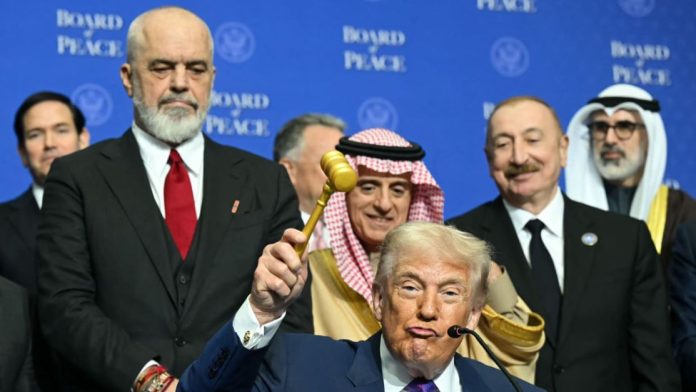
WASHINGTON, JUN 28: US President Donald Trump’s Board of Peace (BoP) is planning to grant itself total legal immunity for actions undertaken in the Gaza Strip, according to a leaked resolution draft published by The Guardian on Saturday.

The four-page draft extends protections to all members of the BoP, which is sanctioned by the United Nations as a transitional governance body aimed at securing, disarming, and rebuilding Gaza, according to the report.

Those protected under the resolution include members of the office of the High Representative (OHR), Palestinian technocrats, and international military forces and contractors that are preparing to take action in the strip.

According to the Guardian, immunities listed in the “sensitive but unclassified” draft extend to “any arrest, detention or legal proceedings in the courts or other entities in Gaza.”

In addition, Trump, as board chair, would reserve the right to waive any board member’s immunity, assuming majority support for the move.

Legal specialists who reviewed the draft leaked by the Guardian determined that the resolution lacked clarity regarding accountability for actions committed in Gaza.

International humanitarian law expert Emily Schaeffer Omer-Man told the Guardian that the draft “looks like an attempt to exempt the board, and all of its personnel, from accountability for potential legal violations.”

‘A legal system unto itself’
Of particular concern is a draft section titled “Third Party Liability/Claims,” which Rutgers University professor Noura Erakat described as “creating a legal system unto itself.”

“They are basically saying there’s no external oversight, including applicable international law regarding occupation,” said Erakat.

According to legal experts cited by the Guardian, the resolution further empowers the BoP to occupy and utilize any Gaza public property “needed for the accomplishment of the missions in Gaza,” noting that such facilities must be provided without compensation.

The experts fear that such language could result in Palestinian property being illegally confiscated by board members.

Center for Constitutional Rights Associate Policy Director Brad Parker noted the draft’s unclear wording regarding the BoP’s legal authority, noting that the problem also stems from the lack of a “status of forces agreement with Israel.”

BoP disputes draft content
The Guardian reached out to the BoP for comment, with a board official denying any “immunity framework of the kind described.”

“Any suggestion that this process is designed to create lawlessness or impunity is wrong, misleading, and gets the issue entirely backward,” the official said.

The official described the concept of Trump having the power to waive immunity as “categorically false,” saying the BoP “will ensure all personnel, contractors, and participating entities follow applicable law and operate under clear rules, oversight, and accountability mechanisms.”

FM Dar, EU envoy review rapidly evolving regional situation

FM Dar, EU envoy review rapidly evolving regional situation

ISLAMABAD, Jun 28: Deputy Prime Minister / Foreign Minister Senator Mohammad Ishaq Dar and European Union High Representative/Vice President (EU HRVP) Kaja Kallas, Sunday, reviewed the rapidly evolving regional situation.

The DPM/FM spoke with the EU HRVP.

European Union High Representative/Vice President Kaja Kallas appreciated Pakistan’s sincere efforts culminating in signing of the Islamabad MOU, however she expressed serious concerns at the recent ceasefire violations and stressed that channels of communication must remain open, the Foreign Office Spokesperson said in a press release.

The DPM/FM apprised the HRVP about Pakistan’s continued diplomatic efforts towards a comprehensive framework for peace and stability in the Middle East.

He further emphasized the necessity for all parties to abide by the ceasefire agreement.

The two sides agreed to maintain close contact.

Interior minister condemns terrorist attack on Pakistan Rangers camp in Karachi, pays tribute to three brave

Interior minister condemns terrorist attack on Pakistan Rangers camp in Karachi

ISLAMABAD, Jun 28: Interior Minister Mohsin Naqvi has strongly condemned the attack carried out by Indian proxy terrorists on the Pakistan Rangers (Sindh) camp in Karachi.

The Interior Minister paid tribute to the three brave sons of the nation who embraced martyrdom while courageously confronting the terrorists. He said that the valiant personnel of Pakistan Rangers (Sindh) acted promptly and effectively, eliminating three Indian proxy terrorists and foiling their nefarious designs.

Mohsin Naqvi stated that the brave personnel who embraced martyrdom while thwarting the attack are heroes of the entire nation. Their unmatched sacrifice further strengthens the nation’s unwavering resolve. The sacrifices of the martyrs will always be remembered.

Interior minister also expressed his heartfelt condolences to the families of the martyrs and prayed for the speedy recovery of the injured personnel.

Iran FM warns any challenge to Hormuz routes will ‘increase tensions’

Iran FM warns any challenge to Hormuz routes will ‘increase tensions’

DNA

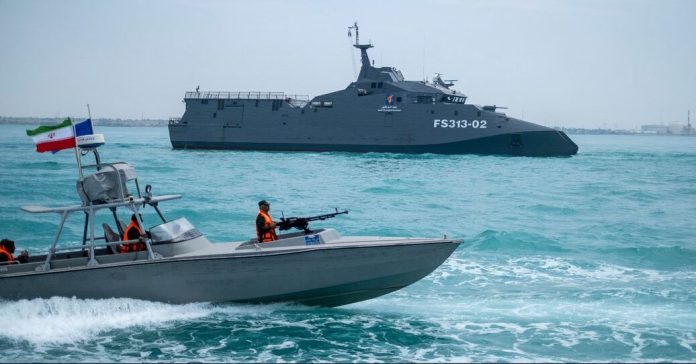
BAGHDAD: Iran’s top diplomat warned Sunday that any attempt to bypass the Strait of Hormuz routes agreed with the United States would “increase tensions” in the Middle East, as the countries traded attacks and accusations of violating a fragile ceasefire in the region.

During a visit to Iraqi capital Baghdad, Abbas Araghchi also called for the establishment of a security framework with Gulf countries, with Tehran and Washington accusing each other of violating the fragile truce that was meant to end the Middle East war.

“Any attempt to adopt new or separate arrangements compared to what is underway by the Islamic Republic of Iran, will only lead to more complicated situations and delays in the reopening of the Strait of Hormuz, and will increase the tensions, as we witnessed in the past two nights,” Araghchi told a press conference.

Vessels have continued to use a non-Iranian-approved passage in the strategic waterway, tracking platforms showed Friday.

The Islamic Revolutionary Guard Corps (IRGC) said a day earlier that Oman and the International Maritime Organization (IMO) announced the new corridor without consulting Tehran, and warned vessels against using it.

Araghchi’s warning came after the US military said it carried out new strikes Saturday on multiple targets in Iran, in response to a fresh attack on a ship transiting the Strait of Hormuz.

Tehran responded with launching strikes against US bases in the Gulf.

The recent clashes have tested the negotiating process meant to end a war launched by the United States and Israel against Iran on February 28.

Araghchi called on all parties to “adhere to the memorandum of understanding and not to allow this MoU to deviate from its course.”

Iran’s top diplomat said that “we should reach a new framework that includes all countries in the region and without the presence or interference of any country from outside the region.”

He welcomed Iraq’s call to hold a meeting between the Gulf States, Iran and Iraq, which was drawn into the Middle East war from the beginning.

Iraq is expected to hold on July 8 funeral processions for Iran’s late supreme leader Ayatollah Ali Khamenei, who was killed during attacks by the US and Israel on the first day of the war.

Pakistan in UN Peacekeeping Missions

Pakistan in UN Peacekeeping Missions

Laiba Bashir

The maintenance of international peace and security remains one of the most challenging responsibilities of the United Nations in an increasingly turbulent world. Civil wars, ethnic conflicts, humanitarian crises and state fragility continue to test the capacity of the international community to prevent violence and restore stability. Within this framework, United Nations peacekeeping operations have emerged as one of the organisation’s most visible and effective instruments. Among the countries that have consistently supported these efforts, Pakistan occupies a distinguished position.

Since joining the United Nations in 1947, Pakistan has remained committed to the principles of collective security and international cooperation. Over the past six decades, Pakistani military personnel, police officers and civilian experts have participated in numerous peacekeeping missions across Africa, Asia and the Caribbean. According to UN statistics, more than 230,000 Pakistanis have served under the UN flag since 1960, making Pakistan one of the world’s leading troop-contributing countries. Pakistan’s peacekeeping journey began during the Congo Crisis in the early 1960s when the newly independent African state descended into political turmoil and armed conflict. Under the United Nations Operation in the Congo (ONUC), Pakistani troops played a vital role in restoring order, enforcing ceasefire arrangements and protecting civilian populations. Their professionalism and courage earned international recognition and laid the foundation for Pakistan’s long-standing reputation as a reliable peacekeeping partner.

Over the years, Pakistani peacekeepers have served in some of the most difficult and volatile regions of the world. Their presence has been felt in Somalia, Sierra Leone, Liberia, Sudan, Haiti and the Democratic Republic of Congo (DRC), among other conflict-affected states. These missions have often required troops to operate under extremely dangerous conditions, where armed militias, political instability and humanitarian emergencies posed constant challenges. Somalia remains one of the most significant chapters in Pakistan’s peacekeeping history. During the 1990s, thousands of Pakistani soldiers were deployed to assist international efforts aimed at addressing civil war and widespread famine. They secured humanitarian corridors, protected aid convoys and helped create conditions for relief operations. The mission came at a heavy cost. In 1993, twenty-four Pakistani soldiers lost their lives in one of the deadliest attacks against UN peacekeepers. Their sacrifice remains a powerful reminder of the risks associated with peacekeeping responsibilities.

In Sierra Leone, Pakistani contingents played a crucial role in post-conflict reconstruction. Beyond their military duties, they participated in disarmament programmes, supported electoral processes and contributed to rebuilding damaged infrastructure. Their humanitarian engagement earned them considerable goodwill among local communities, many of whom regarded them as symbols of hope during a difficult period of national recovery.

Similarly, in the Democratic Republic of Congo, Pakistani peacekeepers have undertaken a broad range of responsibilities extending far beyond traditional military functions. They have assisted in protecting civilians, supporting humanitarian operations and facilitating local peace initiatives. Pakistani engineers and medical teams have also contributed to the construction of schools, healthcare facilities and community infrastructure. Such efforts demonstrate that modern peacekeeping is not solely about maintaining security but also about fostering conditions necessary for sustainable peace.

A notable feature of Pakistan’s contribution has been its growing emphasis on women’s participation in peacekeeping. In recent years, female officers have played an increasingly visible role in UN missions. The deployment of an all-female engagement team to the Democratic Republic of Congo marked an important milestone. These officers worked closely with local communities, promoted healthcare awareness and encouraged greater social participation among women. Their presence reflected broader international efforts to strengthen the role of women in peace and security initiatives. The effectiveness of Pakistani peacekeepers is closely linked to the rigorous training they receive before deployment. The Centre for International Peace and Stability (CIPS) at the National University of Sciences and Technology has become a recognised institution for preparing peacekeepers according to international standards. Training programmes cover humanitarian law, conflict resolution, human rights, negotiation skills and cultural awareness. Such preparation enables personnel to operate effectively in complex environments where military professionalism must be balanced with diplomatic sensitivity.

Despite these achievements, peacekeeping missions continue to face significant challenges. Many operations are conducted in remote areas characterised by poor infrastructure, difficult terrain and persistent insecurity. Peacekeepers often encounter armed groups that reject peace agreements and challenge UN authority. In addition, cultural differences, language barriers and competing political interests can complicate efforts to build trust among local populations. Modern peacekeeping has also evolved considerably from its original conception. Contemporary missions frequently involve state-building, governance support, election monitoring and humanitarian assistance alongside traditional security responsibilities. This expansion of mandates has increased operational demands while often stretching available resources. Peacekeepers are now expected to address a wider range of threats, including terrorism, organised crime and communal violence.

Pakistan has responded to these challenges by adopting a comprehensive approach that combines security objectives with community engagement. Pakistani contingents have consistently invested in development projects designed to improve the daily lives of local populations. Medical camps, water supply schemes, educational initiatives and infrastructure rehabilitation projects have become important components of their peacekeeping activities. These efforts help strengthen public confidence and contribute to long-term stability. Beyond the operational sphere, Pakistan has emerged as an important voice in discussions on the future of UN peacekeeping. Pakistani diplomats and military officials have repeatedly called for clearer mandates, improved logistical support and enhanced training standards for peacekeeping forces. They have argued that successful missions require not only military capability but also strong political backing and realistic objectives. Such contributions reflect Pakistan’s broader commitment to strengthening multilateral institutions and improving the effectiveness of international peace efforts.

The diplomatic benefits of peacekeeping have also been considerable. Pakistan’s sustained contribution has enhanced its international standing and strengthened relations with many developing countries, particularly in Africa. Peacekeeping has served as an effective instrument of defence diplomacy, projecting an image of professionalism, responsibility and commitment to humanitarian values. In an era when international perceptions carry increasing significance, these contributions have helped reinforce Pakistan’s credibility on the global stage. More than 170 Pakistani peacekeepers have laid down their lives in service of international peace. Their sacrifices represent a profound commitment to the ideals upon which the United Nations was founded. As conflicts continue to evolve and new security challenges emerge, the demand for effective peacekeeping is unlikely to diminish.

Pakistan’s future role in UN peacekeeping is expected to remain substantial. By investing in training, encouraging greater female participation and supporting institutional reforms, the country is positioning itself to meet the demands of a changing security environment. Its long record of service demonstrates that peacekeeping is not merely a military responsibility but also a reflection of a nation’s commitment to international cooperation, human dignity and global stability. In a world increasingly marked by uncertainty and conflict, Pakistan’s contribution to United Nations peacekeeping stands as a testament to the enduring value of collective action in the pursuit of peace.

Laiba Bashir

Student of IR University of Okara

Pakistan ‘considers’ buying cheap oil and gas from Iran

Pakistan 'considers' buying cheap oil and gas from Iran

LAHORE, JUN 28: Federal Minister for Petroleum Ali Pervez Malik said on Sunday that Pakistan was considering purchasing cheap oil and gas from Iran following the end of the Iran-US war and the end of restrictions on Tehran.

Speaking to the media in Lahore, the minister said that petroleum product prices had touched Rs460 per litre in April at the height of the Iran-US conflict, but global prices had since come down significantly.

Washington and Tehran signed the “Islamabad Memorandum of Understanding” in Switzerland’s Burgenstock on June 17, largely mediated by Pakistan.

Under the deal, the United States undertook to immediately issue sanctions waivers through the Treasury Department for the export of Iranian crude oil, petroleum products and derivatives, along with all related services, including banking transactions, insurance and transportation, until sanctions are terminated.

Malik said Prime Minister Shehbaz Sharif had immediately passed on the benefit to the public, adding that the relief provided to consumers was even greater than the reduction seen in global markets. “We gave the people more benefits than what the international market offered,” he said.

The minister said the government had made significant reductions in petrol and diesel prices, adding that every single Pakistani had gone through a difficult period. “Difficult times last only for a little while — thank God, that time has passed and better days are coming,” he said.

He said the government remained active on further reductions in petroleum prices and would bring them down further as global markets normalised, while staying within the framework of existing international agreements.

He dismissed reports of misleading information being spread about petroleum prices, saying certain elements were trying to confuse the public on the matter.

On oil companies, he said no formal letter had been received from them but that their representatives had met him and shared their concerns, which he said he had listened to.

Malik said he had installed cameras at his own textile mills with the aim of bringing transparency and addressing concerns of the Federal Board of Revenue. He called for cameras to be installed at ginning factories as well on the same grounds.

He also announced that RLNG connections, which had been suspended, would be restored soon.

CDA vows stronger support for women entrepreneurs

CDA vows stronger support for women entrepreneurs

ISLAMABAD, JUN 28 /DNA/ – Capital Development Authority (CDA) Chairman Lt. (Retd.) Sohail Ashraf has reaffirmed the authority’s commitment to promoting women’s economic participation and announced plans for additional initiatives in collaboration with the Islamabad Women Chamber of Commerce and Industry (IWCCI).

The assurance came during a meeting with an IWCCI delegation led by President Samina Fazil, which called on the CDA chairman to discuss the successful launch of Islamabad’s first dedicated marketplace for women entrepreneurs and explore future areas of cooperation.

Businesswomen attending the meeting credited the support of CDA Chairman Sohail Ashraf and Metropolitan Corporation Islamabad (MCI) Director Dr. Anam Fatima for helping establish the Women Enterprise Market. They said the allocation of dedicated commercial space was instrumental in turning the project into reality.

Samina Fazil thanked the CDA, MCI, the State Bank of Pakistan and JazzCash for supporting the initiative, describing the market as a significant step toward expanding economic opportunities for women.

Speaking on the occasion, Sohail Ashraf praised IWCCI’s efforts and assured the delegation that CDA would further strengthen its partnership with the chamber. He said greater participation of women in business was essential for Islamabad’s economic development and that more structured programmes for women entrepreneurs would be pursued in the coming months.

Dr. Anam Fatima said city authorities were committed to creating safe and accessible business spaces for women and supporting low-cost enterprise models that could be replicated across the capital.

Fazil termed the Women Enterprise Market in G-11 a landmark initiative, noting that Islamabad had never before offered a dedicated commercial space designed specifically for women-led businesses.

Naima Ansari highlighted some of the challenges faced by women entrepreneurs. Women own only about 8 percent of the country’s more than five million small and medium enterprises, while just 3.2 percent of SME financing reaches women-led businesses. Female entrepreneurship remains significantly lower than male participation, limiting women’s contribution to economic growth.

The delegation also discussed and explored new opportunities for collaboration between civic authorities and the private sector. Fazil said IWCCI would continue working with public institutions to expand similar initiatives and encouraged municipal authorities and chambers of commerce across the country to support women-led enterprises through practical measures and dedicated business spaces.

Water Aggression Against Pakistan

Water Aggression Against Pakistan

by Muhammad Mohsin Iqbal

In the shifting currents of international affairs, Pakistan has emerged as a beacon of mediation and restraint, a metaphor for peace in a world often fractured by discord. Where once global perceptions painted the nation in hues of suspicion and instability, today a profound transformation commands respect from capitals across continents. The United States, the nations of Europe, the Gulf states, Russia, and China alike now regard Pakistan as a trusted partner, their interests converging in recognition of its diplomatic maturity and strategic significance.

This elevated standing found vivid expression when Pakistan stepped forward to mediate between the United States and Iran, demonstrating a capacity for bridge-building that few could have anticipated. The achievement was not merely tactical but symbolic, affirming Pakistan’s evolution into a responsible actor on the global stage. Allies that once viewed the country with guarded caution now extend cooperation, drawn by its stability, its growing influence, and its willingness to foster dialogue amid tension.

Yet this era of heightened esteem has not shielded Pakistan from persistent challenges closer to home. In May 2025, the nation delivered a measured yet resolute response to Indian aggression, a necessary assertion of sovereignty that restored balance along a historically volatile frontier. Rather than accept the verdict of that encounter, India has since pursued a campaign of indirect hostilities, orchestrating proxy disturbances in various parts of Pakistan. Pakistani authorities have monitored these machinations with vigilance and replied with proportionate firmness, preserving internal security without descending into needless escalation.

More insidious still has been India’s campaign of water aggression, a systematic violation of the Indus Waters Treaty that threatens the very lifeblood of Pakistan’s agriculture and the sustenance of its people. Signed in 1960 under the good offices of the World Bank, the treaty stands as a landmark of reasoned compromise. It allocates the three western rivers—the Indus, Jhelum, and Chenab—to Pakistan for unrestricted use, while permitting India limited non-consumptive rights, chiefly for run-of-the-river hydroelectric projects that must not materially alter the natural flow or timing of waters reaching downstream. The eastern rivers, by contrast, fall to India. This division was intended to secure Pakistan’s agricultural heartland, which depends profoundly on the western rivers for irrigation across vast tracts of Punjab and Sindh.

India, however, has pressed against these boundaries. It has constructed and advanced projects such as the Kishanganga hydroelectric plant on the Jhelum River system—which diverts waters through tunnels, reducing flows into Pakistani territory and affecting downstream power generation and irrigation. Similarly, the Ratle project on the Chenab has raised grave concerns over pondage levels, sediment management, and design features that Pakistan maintains could enable greater storage and control than the treaty permits. Other initiatives, including expansions at Baglihar and the revival of the Tulbul Navigation Project (or Wullar Barrage) on the Jhelum, compound these anxieties. Through such works, India has effectively sought to impound and divert waters rightfully destined for Pakistan, building dams and infrastructure that risk altering seasonal flows, diminishing supplies during critical sowing periods, and even unleashing sudden releases that threaten flooding.

These actions strike at the core of the treaty’s spirit and letter. Pakistan has secured favourable judgments in international arbitration and courts, rulings that underscore the legal merit of its objections and affirm the need for India to adhere strictly to design limitations and notification requirements. Yet Indian obduracy persists, a stubborn refusal to honour obligations that not only imperils Pakistan’s agriculture—potentially paralysing fertile lands that feed millions—but also erodes the foundations of regional stability and international law. By weaponising water in this manner, India pursues a form of coercion more silent than artillery yet no less devastating in its long-term consequences.

Parallelly achievements of Pakistan regarding mediation between US and Iran have not gone unnoticed by the enemies of concord. Israel, long a foe of regional tranquillity, has been deeply offended by these developments, in which Pakistan’s hard work played a visible part. In this regard, the US President and Vice President have roundly criticised and humiliated Netanyahu, exposing the fault lines within old alliances. It is therefore scarcely surprising that Israel should seek to incite India, urging it to intensify its campaign of water terrorism as a means of avenging Pakistan’s earlier victories and undermining the hard-won momentum toward stability.

In light of its strengthened diplomatic posture, Pakistan now possesses the means and the platform to bring this grave matter before the conscience of the world. With measured eloquence and persistent advocacy, it must illuminate India’s transgressions in every relevant forum, from the chambers of the United Nations to the corridors of power in Washington, Moscow, Beijing, Brussels, and the Gulf. Lobbying rooted not in rancour but in justice and self-preservation should urge these influential partners to press India toward compliance. The message must be clear: continued violations not only undermine regional stability but erode the foundations of international law itself. Pakistan’s friends abroad have every reason to support such efforts. A prosperous and secure Pakistan serves broader interests, from trade routes to counter-terrorism cooperation and the delicate balance of power in South Asia.

Should diplomatic avenues prove insufficient, however, and should India remain intransigent in its attempt to weaponise water, Pakistan would retain the sovereign right to defend its people and its future. No nation can be expected to watch passively as its agricultural heartland is deliberately starved. The path ahead calls for wisdom as much as resolve. Pakistan must continue to project the same composure that earned it global respect, transforming legitimate grievances into a compelling international narrative. By leveraging its alliances without compromising its independence, it can uphold the sanctity of treaties and the imperatives of peace. In doing so, the nation not only safeguards its own vital interests but reinforces the principle that even in an age of power politics, law and equity must ultimately prevail. The world, which has begun to see Pakistan anew, will be watching closely to see whether that respect continues to deepen through principled conduct in the face of adversity.

Stay Connected

64FansLike
60FollowersFollow

Latest Reviews

Exchange Rates

USD - United States Dollar
EUR
1.15
GBP
1.35
AUD
0.71
CAD
0.71