Home Blog Page 665

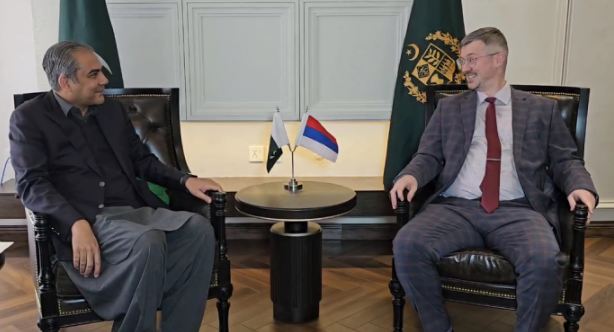
Federal Interior Minister Mohsin Naqvi meets Russian Ambassador Albert P. Khorev

Federal Interior Minister Mohsin Naqvi meets Russian Ambassador Albert P. Khorev

DNA

ISLAMABAD: Federal Interior Minister Mohsin Naqvi met with Russian Ambassador Albert P. Khorev in Islamabad. During the meeting, bilateral relations and matters of mutual interest were discussed in detail. Both sides also discussed enhancing cooperation in counter-terrorism and anti-narcotics efforts and agreed to activate the counter-terrorism dialogue between the two countries. They also agreed to increase the exchange of delegations to strengthen mutual ties.

The Russian ambassador invited Pakistani officials to participate in anti-narcotics training programs in Moscow and Siberia. Interior Minister stated that terrorism is an international challenge and collective efforts are required to overcome it. He reaffirmed Pakistan’s commitment to strengthening relations with Russia and emphasized that there are vast opportunities for bilateral cooperation in various sectors.

41ST National Day of Brunei celebrated

41ST National Day of Brunei celebrated

DNA

ISLAMABAD: The High Commissioner of Brunei High Commissioner of Brunei Darussalam Colonel ® Pengiran Hj Kamal Bashah Pengiran HJ Ahmad has said Brunei and Pakistan share a warm and cordial friendship, founded on shared values and mutual respect.

‘ Last year, we celebrated the 40th anniversary of the establishment of diplomatic relations between Brunei and Pakistan; a significant milestone showing our longstanding relations. Our bilateral relations have been rooted in many areas, particularly in defense, education and people-to-people exchanges’.

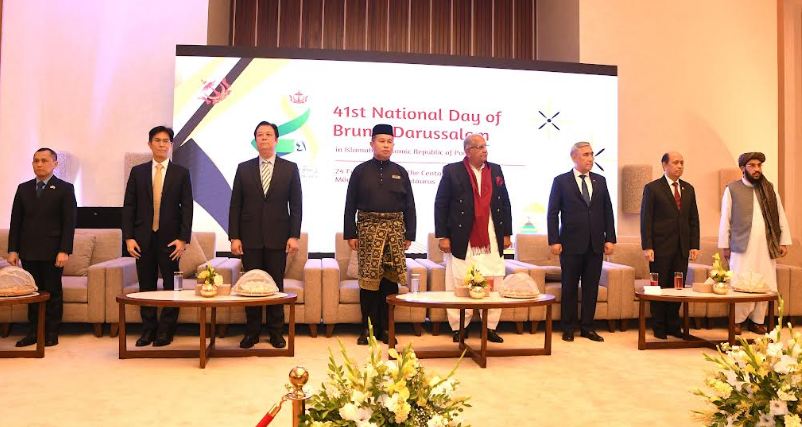
He expressed these views on the occasion of the 41st National Day of Brunei Darussalam. Riaz Hussain Pirzada Federal Minister for Housing and Works was the chief guest.

The high commissioner further said, ‘on this auspicious occasion, we reflect on our journey as a sovereign and independent nation, guided by the vision and leadership of His Majesty Sultan Haji Hassanal Bolkiah Mu’izzaddin Waddaulah, Sultan and Yang Di-Pertuan of Brunei Darussalam’.

This year’s theme, “Bersatu Mencapai Cita Negara”, which can be translated as “unified in achieving the country’s aspirations” reaffirms our belief that national unity is crucial in achieving sustainable development, particularly towards our Brunei Vision 2035 he added.

He said the well-performing Pak-Brunei Investment Company has also joined the event, a joint venture between Brunei and Pakistan based in Karachi, as well as Mr. Waheed a young entrepreneur from this country, who has successfully established a business in Brunei and has now called Brunei his second home.

‘Tonight, as we celebrate our 41st National Day, we also reaffirm our commitment to working with our friends and partners in the world stage for a peaceful and prosperous future. I take this opportunity to express my deepest gratitude to all of you for joining us in this celebration’.

The high commissioner thanked Mian Riaz Hussain Pirzada for his presence and gracing this event.’ Let us continue to uphold the spirit of unity, resilience, and progress. May Allah al-Mighty continues to bless both of our nations with continued peace and prosperity’, he concluded.

PM Shehbaz Sharif to visit Uzbekistan for strategic partnership talks

PM Shehbaz Sharif to visit Uzbekistan for strategic partnership talks

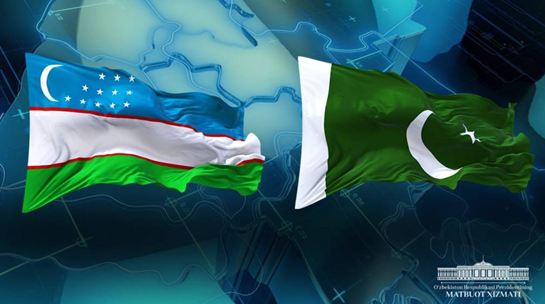
ISLAMABAD, FEB 24: /DNA/ – At the invitation of the President of the Republic of Uzbekistan Shavkat Mirziyoyev the Prime Minister of the Islamic Republic of Pakistan Muhammad Shehbaz Sharif will pay an official visit to Uzbekistan on February 25-26, 2025.

The agenda for the upcoming high-level negotiations includes further developing and expanding the strategic partnership and multifaceted cooperation between Uzbekistan and Pakistan.

The focus will be on joint plans to increase the volume of bilateral trade, strengthen transport connectivity, tap into transit potential, and promote cooperation projects in the light and leather industry, agriculture, pharmaceuticals, electrical engineering, and other sectors of the economy.

Questions regarding the intensification of cultural, humanitarian, and tourism ties will also be considered. Views will be exchanged on the current international and regional agenda.

Following the summit, a Joint Declaration and several bilateral documents will be adopted.

As part of the visit’s business program, leaders will also participate in a joint Uzbekistan – Pakistan Business Forum.

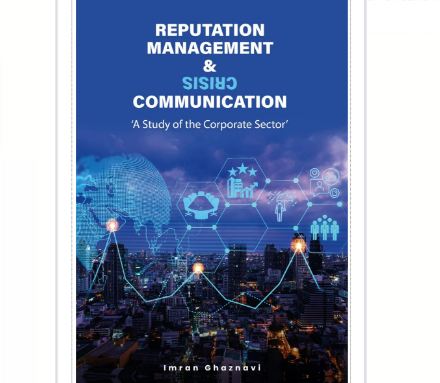
Imran Gahznavi book ‘Reputation Management and Crisis Communication’ ready to go to printing

Imran Gahznavi book ‘Reputation Management and Crisis Communication’ ready to go to printing

DNA

ISLAMABAD: “Reputation Management and Crisis Communication by Imran Ghaznavi” is almost ready to go for printing. In today’s fast paced digital world, a single misstep can shatter a brand’s reputation in seconds. “Reputation Management and Crisis Communication: A study of the corporate sector” is a must read for professionals navigating the high stakes world of corporate reputation, crisis response, and strategic communication.

This book provides real world insights, proven strategies, and a deep dive into how organizations can safeguard their credibility in a multicultural, interconnected landscape.

Whether you’re a business leader, PR professional, or policymaker, this book equips you with the tools to anticipate, manage, and recover from crises effectively.

Portuguese Author Teresa Nicolau to visit Islamabad tomorrow

Portuguese Author Teresa Nicolau to visit Islamabad on tomorrow

ISLAMABAD, FEB 24 /DNA/ – Portuguese author and journalist, Teresa Nicolau, will be in Islamabad from 25th to 27th February, engaging in several cultural and literary activities. On Tuesday, 25th, Teresa Nicolau will visit the NUST University, with the Portuguese Ambassador Frederico Silva, holding an interactive session with students and professors, discussing arts, society, literature, journalism, and cross-cultural narratives.

On Wednesday, 26th, she will have a session at the Pakistan Academy of Letters, where she will interact with intellectuals, media, and cultural figures for discussions on heritage, culture, language, communication, society, and artistic expression.

Finally, on Thursday, 27th, Teresa Nicolau and Portuguese Ambassador Frederico Silva will attend an event hosted by the Roots Millennium Schools at Pakistan National Council of Arts, Islamabad, where she will engage with students and their parents on the significance of literature and culture in shaping perspectives and societies.

All those events and session are managed by the Embassy of Portugal in Islamabad in cooperation with Islamabad entities and universities with the support of Camões Instituto da Cooperação e da Língua, I. P, underscoring Portugal’s commitment to cultural exchange and literary collaborations.

Brunei Darussalam celebrates 41st National Day in Islamabad

Brunei Darussalam celebrates 41st National Day in Islamabad

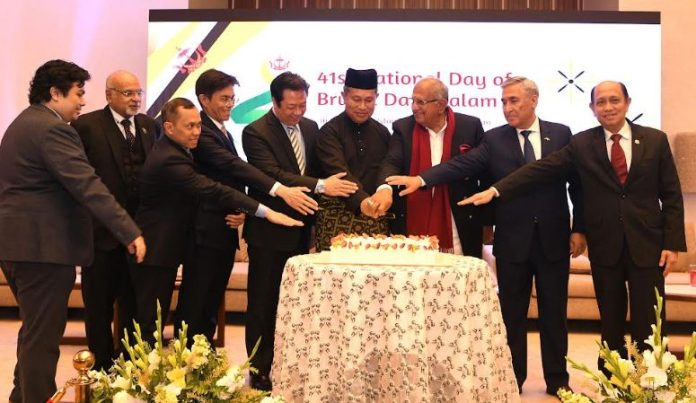
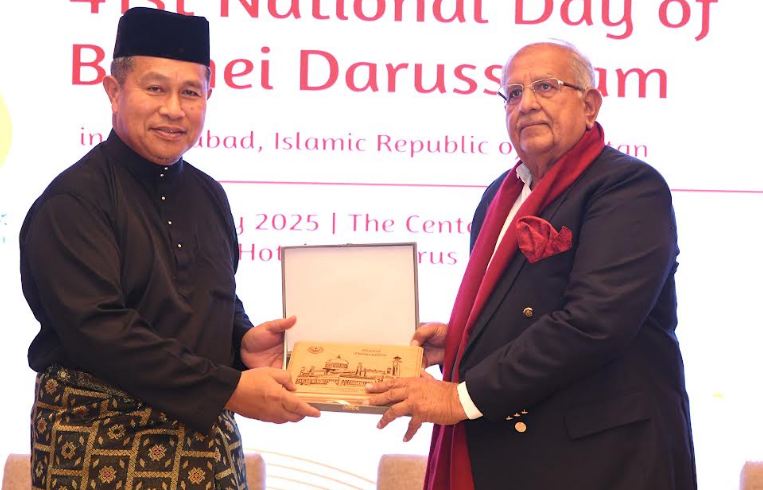
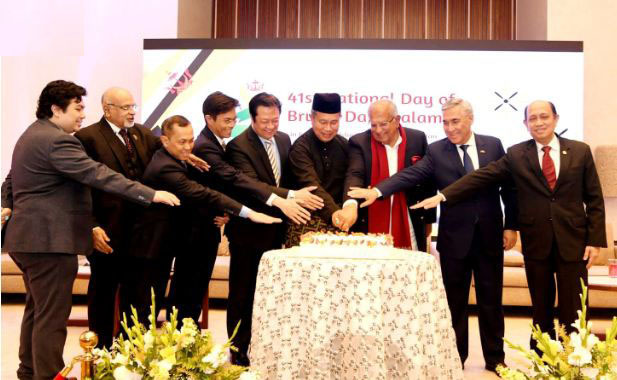
ISLAMABAD, FEB 24 /DNA/ – The Embassy of Brunei Darussalam in Pakistan hosted a grand celebration to mark the 41st National Day of Brunei Darussalam at a ceremony held in Islamabad. The event was graced by the presence of Riaz Hussain Pirzada, Federal Minister for Housing and Works, alongside the Ambassador of Brunei Darussalam to Pakistan Colonel (Rtd) Pengiran Hj Kamal Bashah Pengiran Hj Ahmad, dignitaries, diplomats, and esteemed guests.

The celebration commenced with the cutting of a ceremonial cake by the Federal Minister and the Ambassador, symbolizing the strong bilateral ties and mutual respect between Brunei Darussalam and Pakistan. The event highlighted the rich cultural heritage and achievements of Brunei Darussalam, showcasing its journey of progress and development over the past four decades.

Federal Minister Riaz Hussain Pirzada congratulated the Government and people of Brunei Darussalam on their National Day and reaffirmed Pakistan’s commitment to deepening bilateral cooperation. He praised Brunei’s remarkable achievements and its role in promoting regional and global peace.

ISSI hosts seminar on “Navigating the Cyber Frontier”

ISSI hosts seminar on “Navigating the Cyber Frontier”

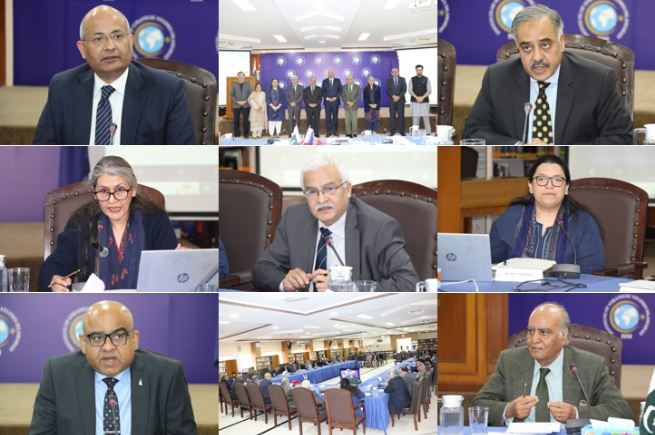
ISLAMABAD, Feb 24 /DNA/ – The Arms Control and Disarmament Centre (ACDC) at the Institute of Strategic Studies Islamabad (ISSI), hosted a seminar on “Navigating the Cyber Frontier: Governance and Security in a Global Digital Commons” to underscore the commonalities and differences between cyberspace and other global commons by exploring potential threats to national and international security arising from or through cyberspace. Mr. Zarrar Hasham Khan, Secretary, IT & Telecommunication, Government of Pakistan, was the keynote speaker. Other distinguished speakers included: Air Marshal Zahid Mahmood (Retd.), Director, Centre for Aerospace & Security Studies; Dr. Mehreen Afzal, Director GRC, National Cyber Emergency Response Team (nCERT); Dr. Saadia Zahoor, Lawyer and Policy Expert; and Mr. Javaid Iqbal, Member of the Authority, Special Technology Zones Authority. The seminar was moderated by Malik Qasim Mustafa, Director, ACDC-ISSI.

Mr. Zarrar Hasham Khan, in his keynote address, underscored the transformative impact of industrial revolutions on global power dynamics, highlighting the emergence of data sovereignty as a critical aspect of national security. He emphasized the evolving nature of threats in an increasingly globalized world, necessitating robust digital governance frameworks. He further stressed the need for economic protection, advocating a shift from conventional strategic alliances to a comprehensive framework centered on data security. He highlighted that safeguarding national digital assets is imperative for long-term stability and resilience. While discussing critical infrastructure, he cautioned against the vulnerabilities posed by large-scale internet disruptions and emphasized the importance of proactive measures to enhance cybersecurity, ensuring national resilience in an era where digital connectivity is integral to governance, economic security, and strategic stability.

DG ISSI Ambassador Sohail Mahmood, in his welcome remarks, emphasized the strategic significance of cyberspace as a global common, akin to maritime and outer space, serving as the backbone of communication, trade, governance, and security. He underscored the growing cyber threats, including cyber warfare, espionage, and cybercrime, highlighting the urgent need for robust governance structures. Citing the Global Cybersecurity Outlook 2025, he noted that 72% of organizations reported increased cyber risks, with ransomware remaining a top concern and geopolitical tensions shaping cybersecurity strategies worldwide. He stressed that cyber governance is no longer a technical matter but a national security imperative, requiring comprehensive policies, legal frameworks, and international cooperation. He advocated for a holistic cybersecurity strategy crafted through multi-stakeholder consultations and envisaging collaborative action – aligned with Pakistan’s national security objectives. He also called for national capacity-building as well as multilateral engagement.

Earlier, in his introductory remarks, Malik Qasim Mustafa, Director ACDC, underscored the growing reliance on cyberspace and its profound impact on national security. However, this dependency has heightened vulnerabilities, exposing nations to cyber threats, cybercrimes, and cyber warfare, posing significant risks to critical infrastructure and strategic stability. He emphasized that Pakistan must strengthen its cybersecurity framework through robust governance, data protection, and resilience-building measures. 

Air Marshal Zahid Mahmood elaborated on “Cybersecurity and National Security.” He outlined the shift from traditional to non-traditional security threats, emphasizing cybersecurity as a critical component of modern national security. He highlighted the role of cyber sovereignty, referencing China’s “Great Firewall” and Iran’s “Halal Internet” as examples of measures regarding digital infrastructure. He explained that cyber threats are driven by nation-states, cybercriminals, terrorist groups, and insider threats, each with distinct motivations, including financial gain, ideological warfare, and political dissatisfaction. He emphasized the need for robust cybersecurity policies, digital sovereignty, and enhanced cyber resilience to mitigate these evolving threats and safeguard national interests.

Dr. Mehreen Afzal shared her insights on “Cybersecurity as a Global Common” and underscored the escalating cyber challenges confronting the nation. She highlighted the surge in cyberattacks, including hacking, identity theft, and financial fraud, which pose significant threats to national security and economic stability. She emphasized the necessity for robust cybersecurity policies and regulations, comprehensive awareness programs, and the adoption of advanced technologies to fortify Pakistan’s digital infrastructure. She concluded by asserting that securing cyberspace is a collective responsibility, requiring coordinated efforts from all stakeholders to ensure a safe and resilient digital environment.

Dr. Saadia Zahoor exploring “Cyber Governance and International Law” emphasized that cyberspace, as a global domain, challenges traditional notions of state sovereignty, with cyber threats transcending borders and impacting national security, critical infrastructure, and economic stability. This borderless nature renders conventional security paradigms less effective, as cyber threats can originate from diverse actors including nation-states, cybercriminals, and terrorist groups with motivations ranging from financial gain to ideological agendas. She underscored the urgent need for robust cybersecurity policies, stronger international cooperation, and the development of binding legal norms to regulate cyber activities.

Mr. Javaid Iqbal while discussing “Cyber Threat Landscape & Readiness Imperatives for Pakistan” emphasized that AI has become a double-edged sword, amplifying cyber threats through sophisticated phishing attacks, AI-driven disinformation campaigns, and advanced hacking techniques. He highlighted major cyber incidents, such as attacks on the National Bank of Pakistan, FBR, and NADRA. He stressed the need for a National Cyber Security Strategy, AI capacity-building, and enhanced early warning systems to safeguard critical infrastructure, including telecommunications and nuclear facilities. He underscored that cybersecurity must be treated as a national emergency, requiring proactive measures to combat cyber threats and disinformation both domestically and internationally, ensuring the security and resilience of Pakistan’s digital infrastructure.

Chairman BOG Ambassador Khalid Mahmood, in his vote of thanks, highlighted the unprecedented pace of technological advancements. He stressed the need for proactive actions at the policy, legal, and technical levels, along with capacity building. While appreciating the government’s efforts despite limited resources, he underscored that collaboration with the private sector, regional states, and international organizations is essential.

Ukraine marks three years of resilience against Russian aggression in Islamabad

Ukraine marks three years of resilience against Russian aggression in Islamabad

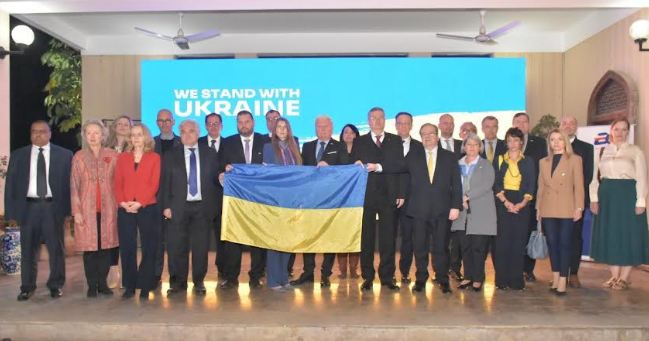
ISLAMABAD, FEB 24: /DNA/ – The Embassy of Ukraine in the Islamic Republic of Pakistan solemnly marked the third anniversary of Ukraine’s courageous fight for freedom and sovereignty against Russia’s unprovoked and illegal aggression. The event, hosted with the generous support of the Embassy of Poland, brought together dignitaries, diplomats, and guests to honor the resilience and sacrifices of the Ukrainian people.

In his poignant address, Markian Chuchuk, Ambassador of Ukraine to Pakistan, reflected on the three-year-long struggle that has tested the spirit of Ukraine but failed to break its resolve. “Today, we gather with heavy hearts to remember the sacrifices made by our brave men and women in the face of a brutal and unjust war. Ukraine’s fight is not just for our land but for the principles of freedom, sovereignty, and international law,” stated Ambassador Chuchuk.

Today, we come together with heavy hearts to mark a somber milestone. Three years have passed since Russia launched its unprovoked and illegal war against Ukraine—a brutal, bloody conflict that has tested the resilience of the Ukrainian people but has failed to break them. 

On behalf of Ukraine and all who stand in solidarity with our nation, I extend my deepest gratitude to the Embassy of Poland for its generous hospitality in hosting this significant event. 

I also express my sincere appreciation to our esteemed co-sponsors—the Embassies of the Czech Republic, France, Germany, and the Delegation of the European Union—for their steadfast commitment to ensuring this gathering takes place. 

To each of you present here today, your attendance reflects a powerful statement of support, and I am profoundly thankful for your dedication. 

These three years have brought immense hardship to Ukraine. Countless lives have been lost or shattered—soldiers, civilians, women, and children alike. Families have been separated, communities destroyed, and approximately 15 million Ukrainians have been displaced as refugees or IDPs. 

Estimates suggest over one million military personnel from both sides of the frontline have been killed or wounded, though precise figures remain uncertain. 

Despite all this, Ukraine has stood strong. We’ve fought back against a powerful nation with huge resources, including nuclear weapons. We retain control over 82% of our territory—a testament to the courage of our citizens and the invaluable support of the international community. 

The toll, however, has been staggering. Russian forces bombard our cities daily with drones and missiles. Air raid alerts are our constant reality. Civilian infrastructure—residential buildings, schools, hospitals, and power facilities—is deliberately attacked by Russian forces. Millions of our people face frequent electricity shortages. Thousands of public and private buildings, urban infrastructure, and energy facilities are just rubble now. 

In regions under Russian occupation, terror prevails. Civilians are coerced into accepting Russian citizenship, subjected to persecution, torture, or forcible removal. Unlawful killings, arbitrary detentions, and documented war crimes characterize their administration. These actions are deliberate, aimed at erasing Ukrainian identity, culture, and heritage. 

Our children bear the heaviest burden. Hundreds have been killed or injured. Many others have suffered abduction, abuse, or forced relocation to Russia. These grave offenses demand accountability. In response, Ukraine, alongside 41 nations and the Council of Europe, has established the International Coalition for the Return of Ukrainian Children. Together, we have successfully brought back home over 1,000 children—a small but meaningful step forward. 

This war is not fought with weapons alone. It is also a battle of truth against lies. Russia floods the world with propaganda and disinformation using modern technologies and sophisticated tools. 

They blur the line between fact and fiction, manipulate public opinion, and destabilize societies without firing a shot. Too often, it works. 

Some ordinary people—and even leaders—fall for these falsehoods, wrongly putting blame on Ukraine, the victim, rather than Russia, the aggressor. They fail to distinguish Russia’s unlawful aggression from Ukraine’s legitimate self-defense, as permitted under Article 51 of the United Nations Charter. 

Russia propagates two primary falsehoods to justify this war. First, it claims the invasion was necessary to prevent Ukraine from joining NATO. This assertion is baseless. 

Ukraine has never been invited to join NATO. It has never had candidate status or implemented any plans for membership. 

Until 2014, the majority of Ukrainians did not support NATO membership. In fact, Russian aggression has brought us—and countries like Finland and Sweden—closer to the Alliance. Not the other way round. 

Second, Russia claims it aims to protect Russian-speaking Ukrainians from alleged discrimination, which has never occurred. In fact, its devastating attacks have killed thousands of Russian-speaking Ukrainians and displaced millions more. If Russia genuinely cared about their lives and well-being, would it inflict such immense suffering? Its actions sharply contradict its political rhetoric, exposing the inconsistency with its stated intentions. 

The real reason for the war is simple: Russian imperialism. Moscow has consistently aimed to erase any sense of Ukrainian national identity. In other words, Russia’s historic goal has always been Ukraine without Ukrainians. It is trying to do the same thing now.  

Russia’s aggression extends far beyond our borders, resonating across the globe. 

Approximately 400 million people depend on Ukrainian food exports. By disrupting these supplies, Russia has endangered at least 70 million with hunger. Despite this, Ukraine remains a steadfast contributor to global food security. 

Through President VolodymyrZelenskyy’s “Grain from Ukraine” initiative, we have delivered over 286,000 tons of agricultural goods to 13 nations in Africa and Asia, supporting 20 million people. Additionally, we have provided 1,000 tons of wheat flour to Palestine and 500 tons to Syria, demonstrating our commitment to assisting those in need. 

Initiating a war is simple; achieving peace is far more challenging. We call upon our partners to remain resolute. Abandoning Ukraine will not yield peace—it will only embolden Russia, prolong suffering, and extend instability worldwide. 

Ukraine yearns for peace more than any party. President Zelenskyy’s Peace Formula offers a credible framework to conclude this conflict. 

It is the only substantive proposal currently available. We urge all who cherish peace to unite with us in realizing it. Global and transatlantic solidarity is essential to compel Russia to engage in genuine negotiations. 

Trust is fundamental to peace. Since 2014, Russia has violated over 400 bilateral agreements with Ukraine and 80 international accords, including the U.N. Charter, the Helsinki Accords, and the Budapest Memorandum. Lasting peace requires firm international guarantees, which Ukraine is diligently pursuing with our allies. 

We are committed to making 2025 a year of just and enduring peace. Today, we stand closer to this objective than at any point in the past three years. In our opinion, a lasting and sustainable peace must uphold Ukraine’s sovereignty, territorial integrity, and security, underpinned by international guarantees. 

We welcome any constructive peace initiative, provided they adhere to two principles: 

1. No decisions regarding Ukraine shall be made without Ukraine’s involvement. 

2. Full adherence to the U.N. Charter, respecting Ukraine’s sovereignty and territorial integrity. 

Thus far, Russia has shown no willingness to pursue peace based on international law. Consequently, a just peace cannot arise from concessions to the aggressor but from compelling the aggressor to relent to collective strength. 

Three years of war have passed. Today, we express our heartfelt gratitude to every nation and individual who has supported us. We ask our allies to remain steadfast and united until completion of this hard journey to peace. 

We also look forward to Pakistan’s support. Its voice matters! Dear Pakistani friends, your support for peace in Ukraine is in line with your obligations under international standards and your national interest. 

The outcome of this war will shape global security, defining the boundary between the power of law and the right of force. United, we can secure peace—not just for Ukraine, but for all nations striving for a safer, more stable world. 

Dear friends, 

The Embassy of Ukraine in the Islamic Republic of Pakistan would like to present to your attention the cultural project “Culture vs. War,” dedicated to the third year of Russia’s war against Ukraine. 

The documentary “Culture vs. War: Kostiantyn and VladaLiberov” and a photo exhibition by photographers Kostiantyn and VladaLiberov and SerhiiMykhalchuk. 

These are real stories that give you more insight into the cultural aspects of the war. I see no need to comment on them in detail. They speak for themselves. 

I sincerely wish all of you and your countries peace and prosperity based on the rule of law, truth, and respect for human life. 

Bahawalpur’s Tiger Club clinches victory in thrilling Hockey final

Bahawalpur’s Tiger Club clinches victory in thrilling Hockey final

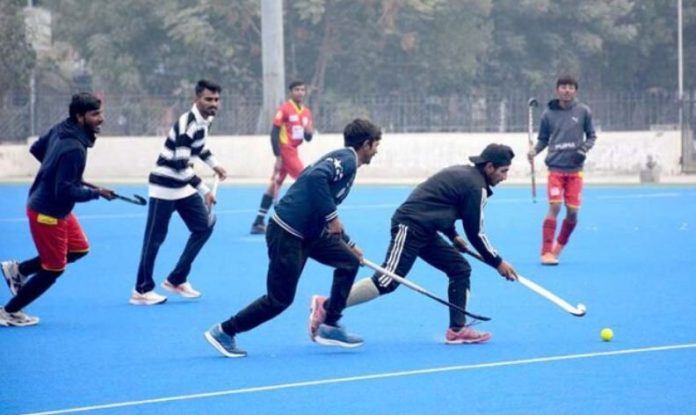
BAHAWALPUR, FEB 24: /DNA/ – In an exhilarating display of skill and determination, Tiger Club Bahawalpur emerged victorious in a fiercely contested hockey final, securing the trophy after a nail-biting match decided by penalty shootouts. The thrilling encounter showcased exceptional talent and sportsmanship, bringing immense pride to the historic city of Bahawalpur.

The Chief of Army Staff (COAS) extended heartfelt congratulations to the players, team management, and all stakeholders for their remarkable achievement. The COAS also lauded the efforts of the Pakistan Hockey Federation (PHF), the Pakistan Army, and the Defence Housing Authority (DHA) management for their unwavering support in promoting sports and nurturing talent.

The final was witnessed by Army veteran and former hockey player, who expressed immense pride as a native of Bahawalpur. “Being from Bahawalpur, I felt a profound sense of honor and joy witnessing this historic victory. The team’s performance was a testament to their hard work and dedication,” he remarked.

Key players Arshad, Mukhtar, and Arshad Junior were instrumental in the team’s success, delivering outstanding performances throughout the tournament. Their efforts, coupled with the collective resolve of the entire team, ensured a memorable victory for Tiger Club Bahawalpur.

This triumph not only highlights the resurgence of hockey in the region but also serves as an inspiration for aspiring athletes across the country. The Pakistan Army and PHF remain committed to fostering a culture of sports excellence, ensuring that Pakistan continues to shine on national and international platforms.

Tiger Club Bahawalpur’s victory is a proud moment for the city and the nation, symbolizing the spirit of resilience and teamwork. Congratulations to all involved in this remarkable achievement!

Up to Rs8 per unit cut in power tariff likely in two months, say power division officials

Up to Rs8 per unit cut in power tariff likely in two months, say power division officials

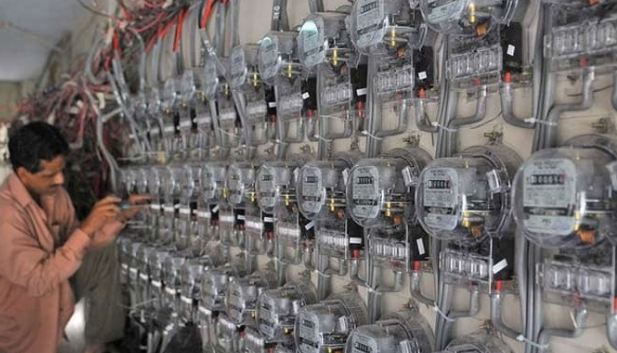
ISLAMABAD, FEB 24: The federal government is pushing to slash electricity prices by Rs6-8 per unit within the next two months in a bid to provide much-needed relief to consumers, Power Division officials said on Monday.

To tackle the growing circular debt in the power sector — currently estimated at around Rs2.3 trillion — the government is in talks with banks to secure a Rs1.24 trillion loan at a fixed rate for a specific period, officials revealed.

According to top officials privy to the development, the central bank’s policy rate has retreated to 12% from a whopping 22 % in line with expectations, as inflation eased and growth is set to pick up after 1,000 basis points (bps) of rate cuts over the last six months.

State Bank of Pakistan (SBP) has slashed rates from an all-time high of 22% last June, one of the most aggressive moves among central banks in emerging markets and exceeding its 625bps of rate cuts in 2020 during the COVID-19 pandemic.

“The discount rate may drop further, and authorities aim to capitalise by borrowing Rs1.242 trillion,” an official said, adding that talks with banks were ongoing to finalise the term sheet before the International Monetary Fund (IMF) mission’s arrival.

The development comes as one of the two IMF missions has already arrived in Pakistan for climate finance discussions, while the second mission is set to visit next month for the first review of the country’s progress under the $7 billion Extended Fund Facility (EFF).

Earlier, Finance Minister Muhammad Aurangzeb also confirmed that an IMF delegation would visit next month to discuss key matters related to the EFF.

Furthermore, as part of cost-cutting measures, negotiations with Independent Power Producers (IPPs) have resulted in savings of Rs700 billion for the government, including removing Rs300 billion in interest payments.

So far, agreements with six IPPs have been terminated, while discussions with 25 others on a “take-and-pay” model have been completed.

The government is also in talks with a task force overseeing state-owned power plants to streamline operations and further reduce costs.

Officials stressed that the ultimate goal is to bring the circular debt to zero as soon as possible.

Meanwhile, Federal Minister for Energy (Power Division) Sardar Awais Ahmad Khan Leghari on Monday told the Senate Standing Committee on Power that ongoing negotiations with IPPs were expected to create a fiscal space worth Rs1,400 billion.

He assured that discussions with IPPs were conducted without any discrimination.

During the meeting, Federal Secretary Energy (Power Division) Dr Muhammad Fakhre Alam Irfan said the government is working on reducing taxes on electricity bills but noted that any such move would require approval from the IMF.

Talks with the IMF on this matter are expected to take place in the first or second week of March, he added.

The high cost of electricity has become a contentious political issue, with opposition parties leveraging public dissatisfaction to criticise the incumbent government’s handling of the energy sector and agreements with independent power producers (IPPs).

The burden of high electricity tariffs falls disproportionately on the middle and lower-income segments of society, fueling public outrage and eroding trust in the government’s ability to manage the economy.

Analysts noted that a successful renegotiation with both local and international IPPs would drastically reduce tariffs, boost industrial competitiveness, and increase public trust in the government’s ability to effectively manage the economy.

Stay Connected

64FansLike
60FollowersFollow

Latest Reviews

Exchange Rates

USD - United States Dollar
EUR
1.17
GBP
1.35
AUD
0.72
CAD
0.73