Home Blog Page 659

Madbouly vows Egypt’s continued support for Palestinian self-determination

Madbouly vows Egypt’s continued support for Palestinian self-determination

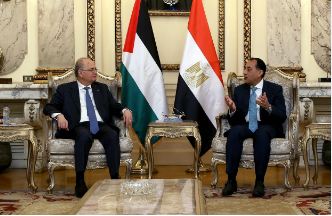
CAIRO, MAR 1 /DNA/ – Prime Minister’s Office – Prime Minister, Minister of Foreign Affairs Dr. Mohammad Mustafa met with his Egyptian counterpart, Dr. Mostafa Madbouly, in Cairo on Saturday at the Egyptian Cabinet headquarters to discuss the Early Recovery and Reconstruction Plan for Gaza, which is set to be presented at the upcoming Arab Summit.

During the meeting, Mustafa stressed that the joint reconstruction plan with Egypt ensures that Gaza’s residents will not be displaced and that it’s ready for implementation.

He further highlighted that the ongoing Israeli aggression on the northern West Bank is equally as alarming as the situation in Gaza, underscoring the urgent need to end the occupation and realize Palestinian statehood.

Mustafa also expressed deep appreciation for Egypt’s unwavering support for the Palestinian people, commending President Abdel Fattah el-Sisi’s efforts in upholding Palestinian legitimate rights, facilitating Gaza’s reconstruction, and mobilizing Egypt’s institutions to assist in these efforts.

For his part, Egyptian Prime Minister Madbouly reaffirmed Egypt’s steadfast commitment to supporting the Palestinian people and their legitimate rights, particularly the right to self-determination and the establishment of an independent Palestinian state based on the June 4, 1967 borders, with East Jerusalem as its capital.

He also emphasized that Egypt is exerting maximum efforts to support the Palestinian cause and people, whether through continued efforts to implement the ceasefire agreement in all its phases or through efforts to rebuild Gaza.

The meeting was attended by Palestinian Minister of Planning and International Cooperation, Dr. Wael Zakout, Palestinian Ambassador to Egypt Diab al-Louh, and Egyptian Minister of Foreign Affairs and Immigration, Dr. Badr Abdel Aty.

COAS General Syed Asim Munir visits Bahawalpur Cantonment

COAS General Syed Asim Munir visits Bahawalpur Cantonment

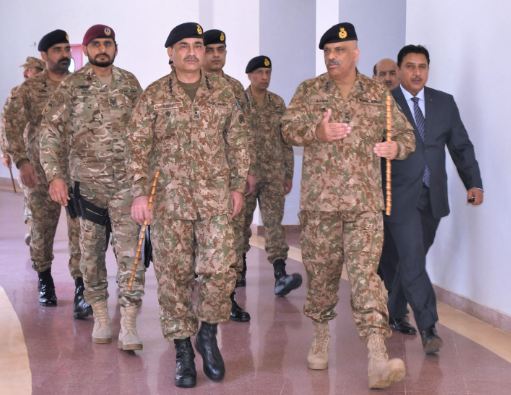
RAWALPINDI: /DNA/ – Chief of Army Staff (COAS) General Syed Asim Munir, NI (M), visited Bahawalpur Cantonment where he was apprised about operational preparedness and training aspects of Bahawalpur Corps. While addressing officers and troops, he commended their unwavering dedication, high morale, and combat readiness. He reiterated that rigorous training remains the cornerstone of a soldier’s professional development and must continue to be the defining attribute of the Pakistan Army in overcoming the challenges of modern warfare.

COAS inaugurated the CMH Institute of Medical Sciences (CIMS), Innovista Cholistan and Integrated Combat Simulator Arena; pioneering initiatives aimed at advancing medical education, Information Technology and combat readiness.

While at CIMS, he engaged with students from various universities across Bahawalpur, underscoring the Army’s commitment to nurturing the nation’s youth. COAS encouraged students to pursue academic excellence with dedication and equip themselves with the skills necessary to contribute meaningfully to national development. He lauded the pivotal role of the youth in shaping Pakistan’s future and reaffirmed the Army’s support for initiatives that empower young talent.

Earlier, upon his arrival, the COAS was received by the Commander Bahawalpur Corps.

Saqlain Mushtaq set to become Pakistan’s new head coach?

Uzbek Envoy sees PM Shehbaz's visit as strengthening bilateral ties

LAHORE: According to sources within the Pakistan Cricket Board (PCB), Saqlain Mushtaq has accepted the coaching role following a meeting with PCB Chairman Mohsin Naqvi.

He is likely to assume duties ahead of Pakistan’s upcoming tour of New Zealand.

Saqlain, who has previously served as the team’s head coach, was reportedly approached by the board before the ICC Champions Trophy 2025.

However, he had declined the offer at the time due to concerns related to all-rounder Shadab Khan.

His return comes at a crucial time for Pakistan cricket, with the team seeking stability ahead of major international tournaments.

Palestine submits written plea to ICJ on Israel’s obligations

Palestine submits written plea to ICJ on Israel’s obligations

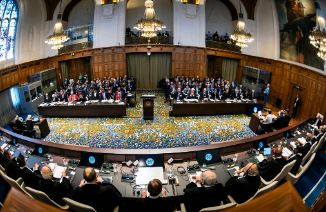
RAMALLAH, MAR 1: The State of Palestine Friday submitted a written plea to the International Court of Justice (ICJ) regarding the request for an advisory opinion on the obligations of Israel, as the occupying power, in relation to the presence and activities of the UN, other international organizations, and third states in and in relation to the occupied Palestinian territories.

The State of Palestine submitted the written plea to the ICJ for issuance of an advisory opinion by the Court in realization of UN General Assembly Resolution A/RES/79/232 of 19 December 2024.

The State of Palestine affirmed the responsibility of Israel, as the illegitimate occupying power, to respect the fundamental inalienable rights of the Palestinian people, including their right to self-determination, right to return, and basic human rights as guaranteed by international treaties and conventions, including the UN Charter, the Geneva Conventions, and their Additional Protocols.

It stressed that Israel, as the illegitimate occupying power, has the obligation to not obstruct the work of the UN, international organizations, and third states in the occupied territories, so that they would provide essential services, humanitarian aid, and development assistance to the Palestinian people and enable them to exercise their right to self-determination.

In its plea, Palestine highlighted that Israel’s systematic and widespread violations of the Palestinian people’s rights as well as its obstruction of the efforts of UN agencies and specialized bodies in the occupied territories violate the obligations of Israel under international humanitarian law and human rights law.

Palestine added that such violations also violate the terms of Israel’s UN membership, which include adherence to UN Resolutions 181 and 194.

The written plea also underscored the critical role of the United Nations Agency for Palestine Refugees (UNRWA) to Palestinians and highlighted Israel’s ongoing assaults on the agency and its staff. The latest of such assaults was the illegal Israeli law banning the agency from operating in the occupied territories and preventing it from delivering essential services to Palestinian refugees.

The State of Palestine called for bringing an end to the illegitimate occupation of Palestinian territories, and obliging the occupying power to comply without delay with all of its legal obligations toward the Palestinian people. It also demanded that the UN, international organizations, and third states be enabled to carry out their relief and development activities in the occupied territories.

The State of Palestine pledged to continue defending the inalienable rights of the Palestinian people, including their rights to self-determination, right to return, and independence. It also pledged to proceed with its quest to hold Israel accountable for its crimes against the Palestinian people.

The State of Palestine also emphasized the vital role of the ICJ and other international institutions in maintaining the international legal order, particularly during this time of unprecedented onslaught on multilateral international institutions. It pledged to continue working with like-minded states to protect and reinforce the role of international legal bodies during this time characterized by unprecedented global threats against rule of law-based international order.

Many states, including Arab and Islamic states, as well as international groups, such as the League of Arab States, the Organization of Islamic Cooperation, and the African Union, have submitted their written pleas to the ICJ within the designated timeframe. The ICJ is scheduled to begin oral proceedings on April 28, 2025.

PM Shehbaz announces Rs20bn Ramazan relief package for 4m families

PM Shehbaz announces Rs20bn Ramazan relief package for 4m families

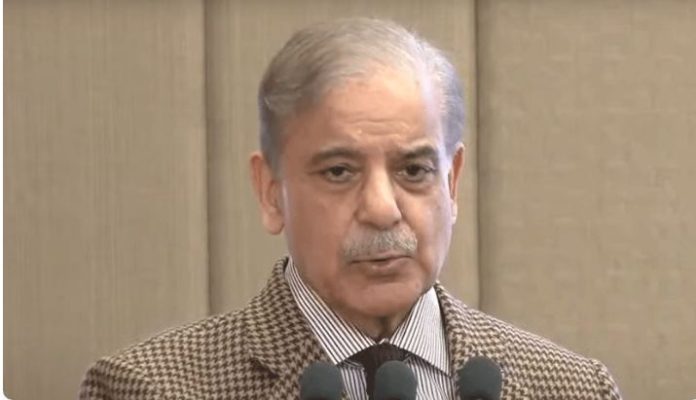
ISLAMABAD, MAR 1: Prime Minister Shehbaz Sharif on Saturday announced a Ramazan relief package worth Rs 20 billion, under which financial assistance of Rs5,000 per household will be provided to four million families across the country.

Speaking at the launch ceremony in the federal capital, the premier said the initiative aims to support around 20 million people during the holy month.

“The government has increased the Ramazan package by 200 percent compared to last year, raising the allocation from Rs 7 billion to Rs 20 billion,” he said.

He further stated that the relief will be distributed via digital wallets to ensure transparency, with the collaboration of the State Bank, technology institutions, and the National Database and Registration Authority (NADRA).

“This package will be implemented nationwide without any discrimination, benefiting deserving families from Karachi to Gilgit,” he added.

‘Inflation lower this Ramazan’

The prime minister expressed gratitude that inflation levels were lower this year compared to previous years. However, he did not provide specific figures to support the claim.

He assured the public that the government is committed to providing maximum relief, despite economic constraints.

Vows to eliminate terrorism

During his speech, PM Shehbaz also addressed the recent surge in terrorist attacks, stating that the government remains resolute in its efforts to eradicate militancy.

“We will not rest until terrorism is completely uprooted,” he asserted.

Referring to Thursday’s suicide bombing in Akora Khattak, which claimed the lives of Jamiat Ulema-e-Islam leader Maulana Hamidul Haq and others, the premier said the entire nation was mourning the tragic incident.

He condemned the attack and expressed hope that the Khyber Pakhtunkhwa government would ensure the perpetrators were brought to justice.

The prime minister recalled that Pakistan had successfully tackled terrorism by 2018, but recent incidents showed a resurgence of the threat.

“Everyone knows the reasons behind this resurgence, but I will not go into details at this time,” he remarked.

Diabetologist warns patients to be cautious during Ramadan fasting

Diabetologist warns patients to be cautious during Ramadan fasting

ISLAMABAD, MAR 1 (APP/DNA): On Saturday, experts warned diabetic patients to exercise extra caution during Ramadan, as fasting can lead to health complications, but with proper planning, nutrition and care, a safe and healthy Ramadan spirit can be achieved.

Associate Professor of Diabetology, Dr. Aqiba Sarfraz in her exclusive talk with a private news channel cautioned diabetic patients to be vigilant about their health during Ramadan, emphasizing that while fasting presents significant health risks, meticulous planning and proper management can guarantee a safe and healthy holy month.

   She stressed the importance of a balanced diet during Ramadan, advising diabetic patients to focus on complex carbohydrates, fiber-rich foods and lean protein sources.

“It is essential to break the fast with dates and water, followed by a balanced meal that includes foods like whole grains, fruits, and vegetables,” she recommended.

Dr. Sarfraz explained that diabetic patients should consult their doctors before starting the fast to discuss any necessary adjustments to their medication or diet.

“It is crucial to monitor blood sugar levels regularly, especially before and after fasting,” she added.

Dr. Sarfraz also advised diabetic patients to break their fast immediately if they experience any symptoms of low blood sugar, such as dizziness, confusion, or shaking.

In addition to monitoring blood sugar levels, Dr. Sarfraz recommended that diabetic patients focus on healthy eating habits during Ramadan.

“Avoid sugary and fried foods and opt for complex carbohydrates, fruits, and vegetables instead,” she advised. Dr. Sarfraz also emphasized the importance of staying hydrated by drinking plenty of water throughout the day.

Her advice served as a timely reminder for diabetic patients to prioritize their health during Ramadan.

By taking the necessary precautions and being mindful of their diet and blood sugar levels, diabetic patients can ensure a safe and healthy fasting experience, she added.

Dr. Sarfraz also warned against overindulging in traditional Ramadan foods that are high in sugar, salt, and unhealthy fats. “Foods like samosas, pakoras, and fried desserts can cause a spike in blood sugar levels and worsen diabetes management,” she cautioned.

Furthermore, Dr. Sarfraz emphasized the need for diabetic patients to stay hydrated during Ramadan. “Drinking plenty of water throughout the day, especially during non-fasting hours, is crucial to prevent dehydration and manage blood sugar levels,” she advised.

Franklin D. Roosevelt to Donald Trump

Franklin D. Roosevelt to Donald Trump

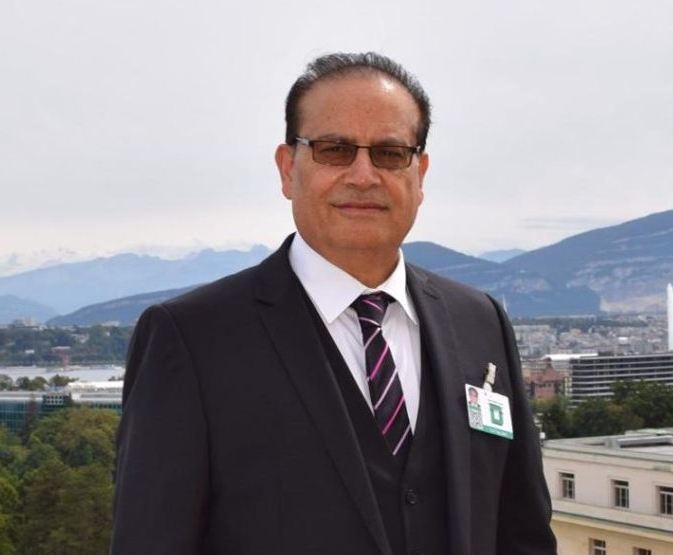
Dr. Muhammad Akram Zaheer

Donald Trump’s presidency has been a transformative period in the history of U.S. foreign policy. His return to the White House solidifies his role as a pivotal figure, much like Franklin D. Roosevelt and Ronald Reagan, who redefined the role of the United States on the global stage. While Roosevelt’s multilateral approach shaped “The American Century” and Reagan championed “peace through strength,” Trump embodies a new era: the age of nationalism. This shift reflects a broader global trend that began in the wake of the 2008 financial crisis, characterized by protectionism, hardened borders, and economic nationalism.Trump’s foreign policy approach raises significant questions about the future of U.S. relations with China, Russia, India, and emerging global powers. Under both Trump and his successor, President Joe Biden, Washington has focused on consolidating U.S. power, particularly by countering China’s economic and military rise. This emphasis on great-power competition has led to an aggressive economic strategy, marked by tariffs and export controls designed to weaken China’s economic influence. Instead of fostering global economic growth, U.S. policies have prioritized supply-chain resilience and economic security, leading to a more insular and protectionist stance.The resurgence of nationalism has influenced not only the United States but also other nations across the world. Figures such as Hungarian Prime Minister Viktor Orban, French far-right leader Marine Le Pen, and Trump himself have capitalized on nationalist sentiments, advocating policies that prioritize national sovereignty over global cooperation. Washington has played a role in reinforcing this trend rather than challenging it. The shift from economic interdependence to protectionist policies reflects a global retreat from the liberal order that defined much of the post-World War II era.The pivot to great-power competition underscores this nationalist shift. Rather than fostering a new internationalist order in the tradition of Roosevelt’s multilateralism, the United States has sustained an outdated model based on U.S. primacy. This approach has limited the ability of policymakers to envision a world order that prioritizes peace and stability over geopolitical rivalry. The framing of China as an existential threat, akin to the Soviet Union during the Cold War, has exacerbated tensions and deepened the global divide between democratic and authoritarian regimes.If the United States aims to restore its leadership in addressing global challenges such as climate change, democratic backsliding, economic inequality, and sovereign debt crises, it must move beyond the age of nationalism. Roosevelt’s vision of a multilateral order sought to maintain peace and global justice by leveraging U.S. economic and military power in collaboration with international partners. The post-World War II order, though imperfect, created space for emerging economies to assert their interests through institutions such as the United Nations and the General Agreement on Tariffs and Trade (GATT). This period of international cooperation enabled economic growth and political stability, despite ongoing disparities between developed and developing nations.Following the Cold War, the United States shifted from fostering multilateralism to pursuing unilateral primacy. The dissolution of the Soviet Union in 1991 left the United States as the dominant global power, leading to the assumption that liberal democracy would spread worldwide without significant opposition. However, the post-9/11 “war on terror” further eroded internationalism, as Washington used its influence to pressure nations into supporting military campaigns without considering the long-term consequences for global relations.The global financial crisis of 2008 marked a turning point in the trajectory of international relations. As economic growth stagnated, governments prioritized domestic economic stability over global cooperation. The United States focused on bailing out financial institutions and protecting domestic markets, while China pursued large-scale infrastructure projects to sustain economic growth. The growing debt burdens of developing nations further fueled nationalist sentiments, as governments sought to reclaim economic control from international financial institutions. Beijing emerged as a key lender to many nations, providing an alternative to Western-controlled financial institutions such as the International Monetary Fund (IMF) and the World Bank.Economic nationalism gained traction in the 2010s, with populist leaders advocating protectionist policies to shield their economies from globalization. In Europe, leaders like Orban criticized international institutions, blaming them for economic instability and declining national sovereignty. In the United States, Trump capitalized on these sentiments, framing his “America First” policy as a means to reclaim economic independence and protect American jobs.

During his first term, Trump embraced nationalism and great-power competition as central tenets of U.S. foreign policy. While President Barack Obama had sought cooperative engagement with China, Trump’s 2017 National Security Strategy emphasized economic and military competition over global collaboration. The administration withdrew from key international agreements, including the Intermediate-Range Nuclear Forces Treaty and the Paris Climate Agreement, signaling a retreat from multilateral commitments.Trump’s trade policies, particularly the imposition of tariffs on Chinese imports, escalated tensions between Washington and Beijing. While these measures aimed to reduce U.S. dependence on Chinese goods, they also increased consumer prices and disrupted global supply chains. Despite his rhetoric, Trump’s nationalist policies did not fundamentally alter global economic dynamics but instead contributed to a climate of uncertainty and instability.

Although Biden initially promised a departure from Trump’s “America First” approach, his administration has largely maintained key aspects of economic nationalism. While emphasizing alliances and partnerships, Biden has continued protectionist policies designed to counter China’s rise. Legislation such as the Inflation Reduction Act and the CHIPS and Science Act reflect a broader trend toward state-led industrial policies, mirroring strategies employed by nationalist governments worldwide.The emergence of economic nationalism and great-power competition has reshaped the landscape of U.S. foreign policy. The transition from Roosevelt’s multilateralism to Trump’s nationalist agenda represents a fundamental shift in how the United States engages with the world. While Roosevelt sought to build an international order based on cooperation and collective security, the contemporary era prioritizes national interests over global stability.To reinvigorate its role as a leader in international affairs, the United States must reconsider its approach to foreign policy. Addressing transnational challenges such as climate change, economic inequality, and democratic backsliding requires a commitment to global cooperation rather than nationalist isolation. The lessons of history suggest that sustainable peace and prosperity depend on inclusive multilateralism rather than unilateral dominance. By broadening its strategic vision and embracing international collaboration, the United States can help shape a more stable and just world order in the 21st century.

Trump Expels Zelensky from the White House

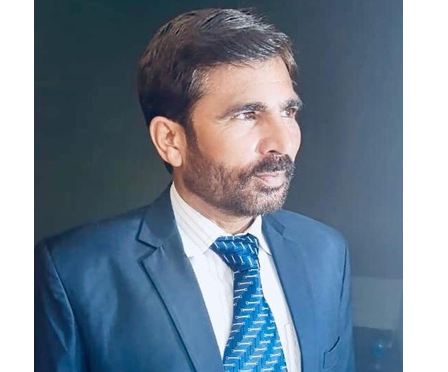
Qamar Bashir

By: Qamar Bashir

Donald Trump has redefined diplomatic norms by shifting high-level discussions from closed-door negotiations to public confrontations. His treatment of Ukrainian President Volodymyr Zelensky in the White House—inviting him as a guest only to dismiss him gracelessly—was a stark departure from traditional diplomacy.

Diplomacy thrives on negotiation, compromise, and conflict resolution, with disagreements handled professionally and follow-up discussions scheduled if needed. However, in an unprecedented public spectacle, diplomacy was replaced with an open display of hostility, where accusations and counter-accusations were aired before the global audience, undermining the dignity of both leaders and their respective nations.

Trump’s conduct toward Zelensky was less about diplomacy and more about coercion. While he and his Vice President claimed to advocate for diplomatic solutions, their actions contradicted diplomatic norms by humiliating a sovereign leader.

Trump’s demand that Ukraine cede control of its natural resources and accept Russia’s terms to end the war—without addressing Ukraine’s security concerns or considering Europe’s stakes—was not a negotiation but an ultimatum.

This approach disregarded the fact that the U.S. itself played a key role in Ukraine’s resistance by providing military, economic, and diplomatic support to counter Russian aggression. It also ignored the reality that the Russia-Ukraine war was largely influenced by NATO’s expansion with the USA in charge, which Moscow viewed as a direct threat to its security.

This pattern of shifting U.S. foreign policy is not new. Successive American administrations have started wars, supported allies, and then reversed their positions based on changing political priorities.

Pakistan experienced this firsthand when the U.S. backed it during the Cold War, only to abandon it during critical conflicts with India. The same happened after Pakistan played a frontline role in pushing back the Soviet Union from Afghanistan in the 1980s, only to be left in economic and political turmoil once U.S. interests were fulfilled. A similar pattern unfolded after 9/11, where Pakistan faced the consequences of America’s shifting counterterrorism strategy. Many other countries have also suffered due to the transactional nature of U.S. foreign policy, which prioritizes immediate strategic gains over long-term commitments.

Ukraine has now become the latest example of this shifting U.S. approach. Under the banner of “America First,” Washington’s demands for access to Ukraine’s rare earth resources and its sudden disengagement from Kyiv reflect a self-serving agenda.

The public humiliation of Zelensky was not just an insult to Ukraine but to Europe as a whole. European leaders now find themselves in an awkward position, having invested years in shaping a pro-Ukraine narrative with U.S. backing, only for the new American administration to discard it overnight.

This has left Europe feeling exposed, powerless, and forced to reassess its dependency on U.S. security assurances. By undermining Zelensky in such a public manner, Trump has effectively diminished the collective influence of European powers, reducing their strategic clout in the ongoing conflict.

Europe’s core narrative on the Russia-Ukraine war revolves around defending Ukraine’s sovereignty, upholding international law, and ensuring European security. The war is seen as an unprovoked act of aggression by Russia, violating Ukraine’s territorial integrity and challenging the post-World War II order that forbids changing borders by force.

European leaders argue that if Russia is not stopped in Ukraine, it could embolden further territorial expansion, particularly toward NATO’s eastern members like the Baltic states and Poland.

The conflict is framed as a battle between democracy and authoritarianism, with Ukraine representing European values of self-determination, democracy, and human rights.

As a result, Europe has provided military, economic, and humanitarian aid to Ukraine while imposing severe sanctions on Russia to weaken its war efforts. The invasion has also forced Europe to rethink its energy security, accelerating efforts to reduce reliance on Russian oil and gas and diversify energy sources.

At the same time, European leaders recognize the risks of escalation and have been cautious about direct military involvement to prevent a broader NATO-Russia war. While countries like Poland and the Baltic states advocate for maximum support to Ukraine, others like Germany and France have pushed for a balance between military aid and diplomatic efforts to seek an eventual resolution.

The war has also prompted major geopolitical shifts, with Sweden and Finland abandoning neutrality to join NATO and European nations increasing their defense budgets. Europe views its support for Ukraine as not only a necessity for regional stability but also a test of its strategic autonomy and long-term security framework.

However, as U.S. priorities shift under new leadership, European leaders now face the challenge of maintaining a unified stance without guaranteed American backing, raising concerns about the continent’s future security landscape.

There are three likely outcomes for Europe in the Russia-Ukraine conflict. The first is to yield to U.S. pressure and abandon its efforts to bring Ukraine into NATO, withdraw from Ukraine’s internal affairs, allow Zelensky to step down, and accept Russian-installed leadership in Kyiv.

This would also require Europe to stop pushing the narrative that Russia poses a direct threat to other Eastern European states. In return for its past support of Ukraine, the U.S. would gain control over Ukraine’s valuable mineral resources.

This approach would effectively acknowledge Russia’s dominance over Ukraine, reshape the geopolitical balance in Eastern Europe, and shift the focus of Western nations away from prolonged conflict. However, this would come at the cost of Ukraine’s sovereignty and European credibility, as it would signal that Western security commitments are conditional and subject to political convenience.

The second option for Europe is to break away from U.S. influence and adopt an independent and unified stance on the Russia-Ukraine war. This would require European nations to fill the strategic gap left by U.S. disengagement, significantly increase defense spending, and enforce even harsher sanctions on Russia.

To maintain Ukraine’s resistance, Europe would have to consider direct military involvement, ramping up arms production, and converting civilian industries to support the war effort, effectively committing to a long-term military confrontation. However, such a course of action would be financially and politically costly, leading to economic decline, inflation, and potential social unrest across European nations.

Another alternative would be to persuade Trump to modify his stance and work toward ending the war in a way that secures Ukraine’s sovereignty and ensures Europe’s security. Yet, given Trump’s “America First” policy, convincing him to re-engage without tangible benefits for the U.S. would be a difficult challenge.

By: Qamar Bashir

 Press Secretary to the President (Rtd)

 Former Press Minister at Embassy of Pakistan to France

 Former MD, SRBC

 Macomb, Detroit,

ICCI-BSI join hands for adoption of int’l standards to unlock global market

ICCI-BSI join hands for adoption of int'l standards to unlock global market

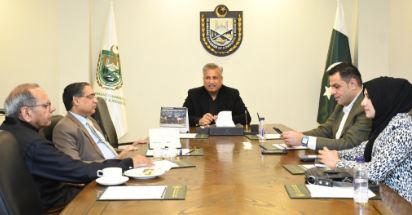
ISLAMABAD, MAR 1 /DNA/ – The President of the Islamabad Chamber of Commerce & Industry (ICCI), Nasir Mansoor Qureshi, hosted Mohammad Shohaieb, Principal Consultant at the British Standards Institution (BSI), to explore potential avenues for collaboration in quality standards, certification processes, and capacity building for Pakistani businesses.

Nasir Mansoor Qureshi underscored the pivotal role of international standards in enhancing product quality, safety, and global competitiveness. He commended BSI’s initiatives in supporting businesses through expertise in standards development, certification, and sector-specific training.

During the discussion, the BSI representative provided an in-depth overview of BSI’s global expertise, emphasizing how strategic collaboration with ICCI could enable Pakistani enterprises to achieve greater compliance with internationally recognized standards. This, in turn, would enhance export potential and attract foreign investment.

The ICCI President reaffirmed his commitment to fostering such partnerships, noting that BSI’s technical proficiency could be instrumental in equipping local businesses with the requisite knowledge and tools to meet global quality benchmarks. Both sides agreed to jointly organize awareness seminars, training programs, and advisory sessions tailored to the specific needs of various industries.

Discussions also encompassed the development of sector-specific guidelines for key industries, including textiles, food processing, construction, and information technology sectors with significant export potential for Pakistan.

Senior Advisor to the ICCI President, Naeem Siddiqui, inquired about the tangible benefits such collaboration could offer the local business community. In response, the BSI Consultant outlined how adherence to international standards not only enhances product quality and safety but also improves market access, facilitates exports, and strengthens confidence among international buyers.

The meeting concluded with a shared commitment to establishing a long-term strategic alliance between ICCI and BSI, laying the foundation for a collaborative framework aimed at embedding a robust quality culture within Pakistan’s business ecosystem.

ICCI Secretary General, Ghulam Murtaza, also shared his insights on the transformative potential of this collaboration in driving business growth and economic sustainability.

Stay Connected

64FansLike
60FollowersFollow

Latest Reviews

Exchange Rates

USD - United States Dollar
EUR
1.17
GBP
1.35
AUD
0.72
CAD
0.73