Home Blog Page 642

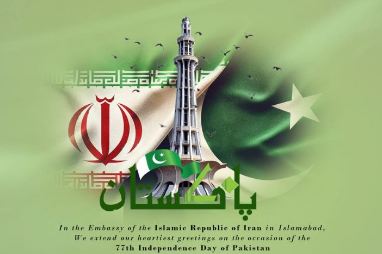
Iran Embassy greets Pakistan on 86th National Day celebration

Iran Embassy greets Pakistan on 86th National Day celebration

DNA

ISLAMABAD, MAR 22: The Embassy of the Islamic Republic of Iran extends its heartfelt congratulations to the Government and the People of Pakistan on the auspicious occasion of Pakistan National Day. On this significant day, as the Great Nation of Pakistan proudly commemorates its journey towards independence, the Embassy and its staff express their profound solidarity and best wishes for the continued peace, progress, and prosperity of Pakistan.

We take this opportunity to pay tribute to Quaid-i-Azam Muhammad Ali Jinnah, the visionary leader and Founding Father of Pakistan, along with the great philosopher and poet, Allama Iqbal, whose ideals continue to inspire generations. Over the decades, Pakistan has demonstrated unwavering resilience, courage, and faith, overcoming challenges with determination and unity.

Iran and Pakistan share historic and exemplary relations, rooted in Islamic brotherhood, good neighborliness, mutual respect, and cooperation. These strong ties reflect the shared vision of the leadership of both nations to further strengthen bilateral cooperation across various domains.

On this 86th Pakistan Day, the Embassy of the Islamic Republic of Iran extends its profound wishes for enduring peace, security, and prosperity for Pakistan and its people.

Two-Nation Theory – The Foundation of Pakistan

Two-Nation Theory – The Foundation of Pakistan

Written by: M. Rashid Tabassum

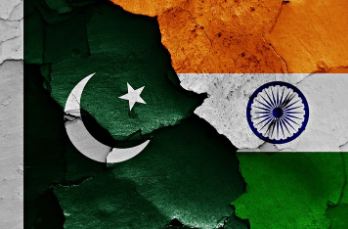
Ideology is a complete set of beliefs and principles that shape the consciousness of individuals, groups, or societies. Pakistan was founded on a unique ideological basis known as the Two-Nation Theory, which asserts that Muslims and Hindus are two distinct nations with different religions, cultures, traditions, and ways of life. Despite coexisting for centuries in the Indian subcontinent, they never assimilated into one society.   

The foundation of the Islamic State in the subcontinent was laid in 1206 by Qutb-ud-Din Aibak, a former slave of Shahab-ud-Din Ghori. Muslims ruled the region until 1857 and maintained a just and inclusive governance system. However, Hindus never fully accepted Muslims and their rule. When the British took control of India, Hindus aligned with them, conspiring against Muslims. 

During Muslims’ rule, Urdu was the dominant language, but in 1867, Hindus launched a linguistic movement demanding the replacement of Urdu with Hindi and its Persian script with Devanagari. This move was motivated purely by hostility towards Muslims, as Urdu’s script closely resembled that of Arabic, the language of the Quran. 

The British also devised strategies to weaken Muslims politically, religiously, socially, and economically. One such measure was the formation of the Indian National Congress (INC) in 1885 by a retired British officer, Allan Octavian Hume. The Congress primarily worked in favor of Hindus while sidelining Muslims. It promoted the idea of nationalism to blur religious differences and advocated the concept of one nation, one country. 

The Partition of Bengal in 1905 by Lord Curzon was a significant event. It was welcomed by Muslims but strongly opposed by Hindus. This opposition further disheartened Muslims, prompting them to organize as a separate community. Consequently, the All India Muslim League (AIML) was founded on December 30, 1906, in Dhaka during the Muhammadan Educational Conference. Its primary objective was to safeguard Muslim rights. Recognizing the growing hostility from both the British and Hindus, Allama Iqbal envisioned an independent Muslim state. On December 29, 1930, during the 25th annual session of AIML in Allahabad, he proposed: “I am not despaired of Islam as a living force. I would like to see the Punjab, North-West Frontier Province, Sind and Baluchistan amalgamated into a single State.”

The first provincial elections of 1937, held under the Government of India Act 1935, further exposed the Congress’ anti-Muslim stance. Congress secured power in seven out of eleven provinces and took systematic measures to suppress Muslims. Hindi was declared the national language, Vande Mataram was adopted as the national anthem, and Muslims were deprived of government jobs. In response, Quaid-e-Azam Muhammad Ali Jinnah urged Muslims to unite and resist Congress’ dominance. Upon the resignation of Congress ministries in 1939, Muslims observed December 22, 1939, as the Day of Deliverance, to celebrate their freedom from oppressive rule. 

The 27th annual session of AIML, held in Lahore from March 22–24, 1940, was a turning point in the struggle for Pakistan. In his speech, Quaid-e-Azam declared:“The Hindus and the Muslims belong to two different religions, philosophies, social customs, and literature. They neither inter-marry, nor inter-dine together. Their aspects of life are different.”

On March 24, 1940, the Lahore Resolution (later known as the Pakistan Resolution) was passed. It demanded that Muslim-majority areas in the North-Western and Eastern zones of India should be grouped into independent states. Hindus and Congress strongly opposed this resolution, unaware that within seven years, it would become a reality. 

Despite immense opposition and conspiracies, Pakistan was created on August 14, 1947, by the grace of Allah. 

Pakistan was created in the name of Allah, and its enemies continue to conspire against its stability. Today, it is crucial to revive the spirit of Pakistan’s independence movement and work towards peace, security, and national unity. Political and religious organizations, along with the entire nation, must come together to protect Pakistan’s sovereignty from external threats and conspiracies. 

Pakistan Zindabad!

Note: The writer is a freelance journalist based in Lahore, can be reached at [email protected]

Malaysia’s Vision for ASEAN 2025: Strengthening Regional Unity and Sustainability

Malaysia’s Vision for ASEAN 2025: Strengthening Regional Unity and Sustainability

Highlighting the economic ties between ASEAN and Pakistan, the High Commissioner noted that bilateral trade reached an all-time high of USD 11.8 billion in recent years. With Pakistan’s ongoing economic diplomacy efforts, he expressed confidence in further increasing trade and investment between ASEAN and Pakistan

Ansar M Bhatti/DNA

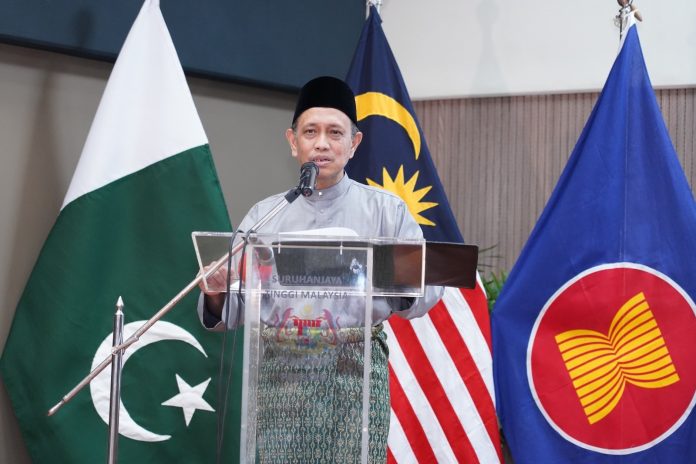
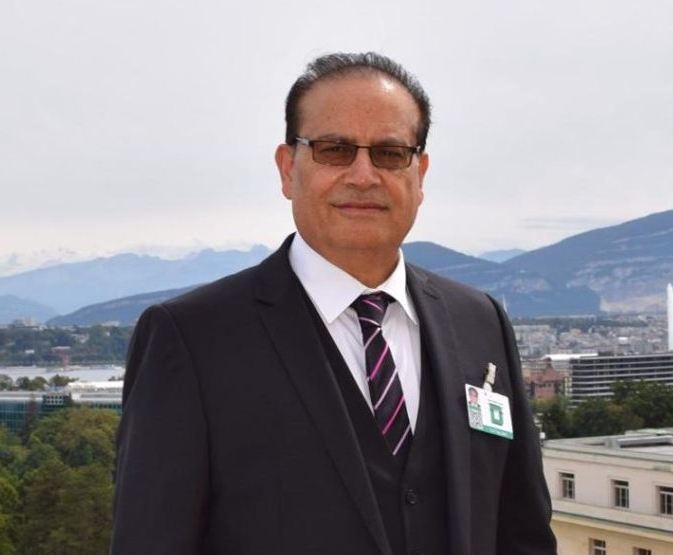
ISLAMABAD: The High Commissioner of Malaysia, Dato Azhar bin Mazlan, has reaffirmed Malaysia’s commitment to ASEAN as the cornerstone of its foreign policy. Addressing an audience in Islamabad, he emphasized Malaysia’s responsibility in leading ASEAN in 2025 as its Chair, marking a significant milestone in regional cooperation.

Highlighting the economic ties between ASEAN and Pakistan, the High Commissioner noted that bilateral trade reached an all-time high of USD 11.8 billion in recent years. With Pakistan’s ongoing economic diplomacy efforts, he expressed confidence in further increasing trade and investment between ASEAN and Pakistan.

To a question about the Pakistan’s status as full dialogue partner, the high commissioner said that there was an ASEAN moratorium therefore until and unless that moratorium is lifted Pakistan may not be able to become a full dialogue partner.

He said, Malaysia is committed to expediting the admission of Timor-Leste as the 11th member of ASEAN, further strengthening the unity and inclusiveness of our community.

‘At the same time, we will also prioritize regional peace and stability, including efforts to progress the implementation of the Five-Point Consensus towards facilitating a peaceful resolution to the conflict in Myanmar’.

Malaysia is committed to advancing negotiations on the Code of Conduct of Parties in the South China Sea, ensuring stability and mutual understanding in the region.

Malaysia is dedicated to ensuring that ASEAN remains an inclusive, forward-looking, and resilient organization,” said High Commissioner Dato Azhar bin Mazlan.

Malaysia’s leadership will be guided by the ASEAN Community Vision 2025 and its Blueprints, as well as the Master Plan on ASEAN Connectivity (MPAC) 2025. These frameworks have contributed to ASEAN’s achievements in fostering regional peace, stability, and prosperity. Looking ahead, the ASEAN Community Vision 2045 will be adopted at the 46th ASEAN Summit in Kuala Lumpur, charting the course for the next two decades.

Key Priorities Under Malaysia’s Chairmanship include Strengthening ASEAN Centrality by promoting strategic trust through sustained dialogue, diplomacy, and goodwill among nations.

Expanding ASEAN’s partnerships beyond the region, including strengthening ties with Pakistan. Enhancing intra-ASEAN trade and investment with a focus on inclusivity, sustainability, and regional economic growth.

Promoting digital resilience, green finance, market integration, and supply chain development.

Addressing development gaps and inequalities to improve living standards while mitigating climate change impacts.

“As Malaysia assumes ASEAN’s Chairmanship in 2025, it is not just about regional diplomacy but about building a future together—one of shared prosperity, peace, and mutual respect,” said Dato Azhar bin Mazlan. He invited media representatives and stakeholders to play a role in fostering greater understanding and awareness of ASEAN’s vision.

“As we break our fast together this evening, let us be reminded that unity and cooperation are the bedrock of progress. Let us work together to ensure that ASEAN remains strong, united, and inclusive for generations to come,” he concluded.

Uzbekistan embassy celebrates Spirit of Navruz in Islamabad

In a heartfelt gesture, the Ambassador extended congratulations to the people of Pakistan on the upcoming Pakistan Day (March 23), conveying his best wishes for the country’s continued progress and long-term prosperity

Ansar M Bhatti/DNA

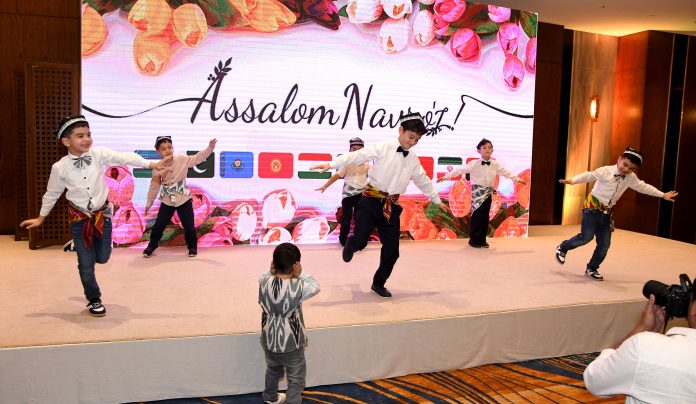
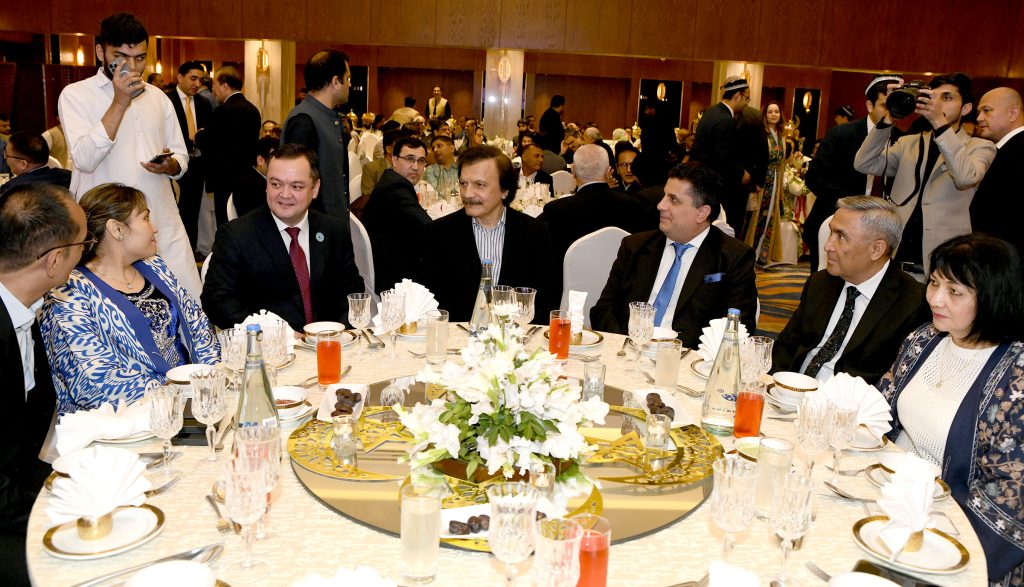
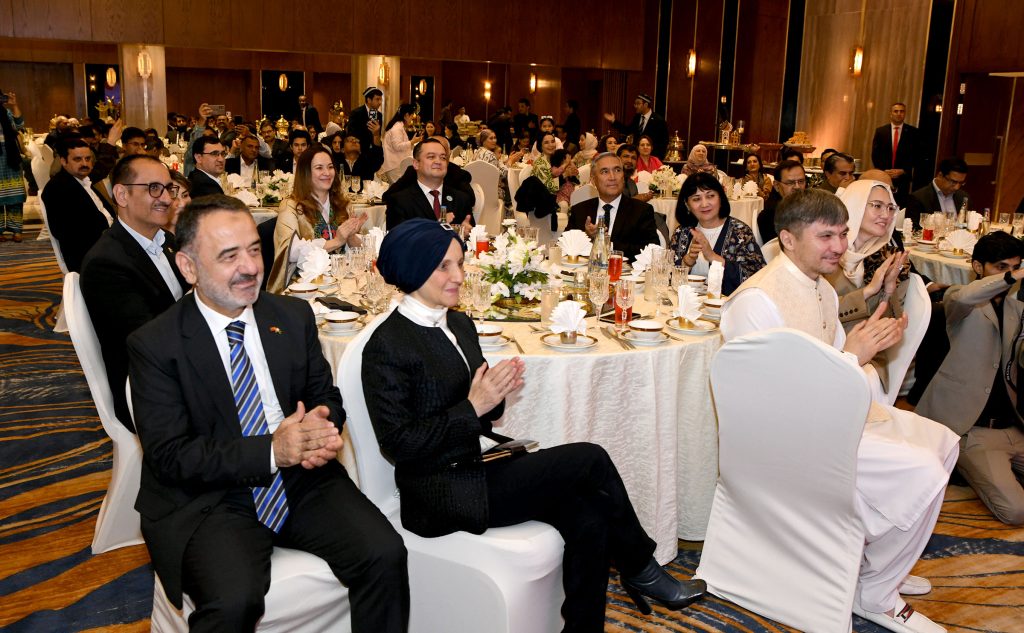
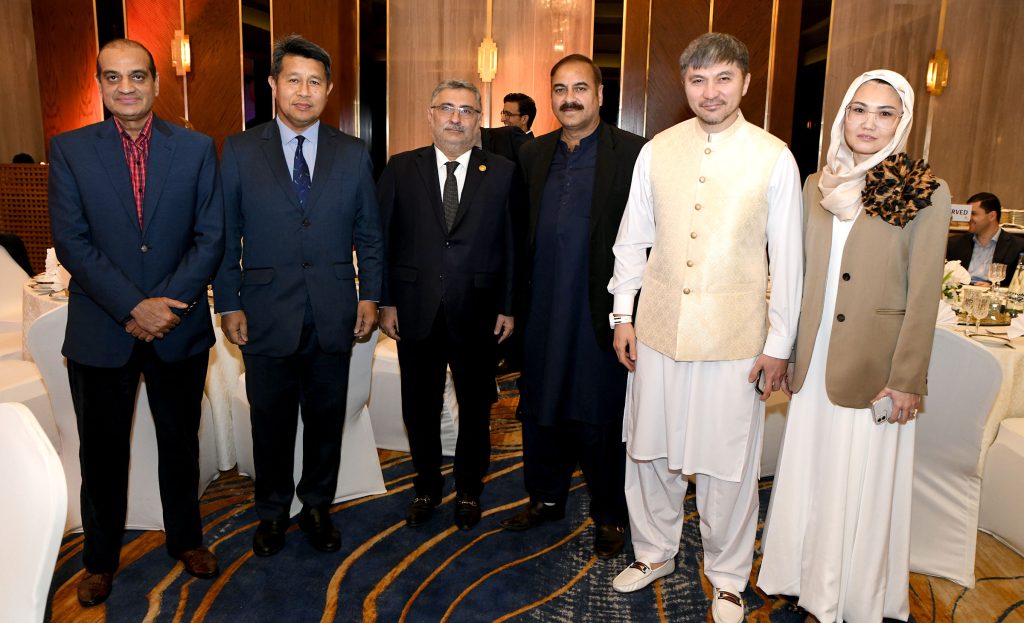
ISLAMABAD – The Embassy of Uzbekistan in Pakistan hosted a grand celebration to mark the occasion of Navruz, a festival that signifies new beginnings, renewal, and the beauty of nature. The event, held in Islamabad, brought together distinguished guests, diplomats, and members of the Pakistani community to share the joy of this ancient and cherished tradition.

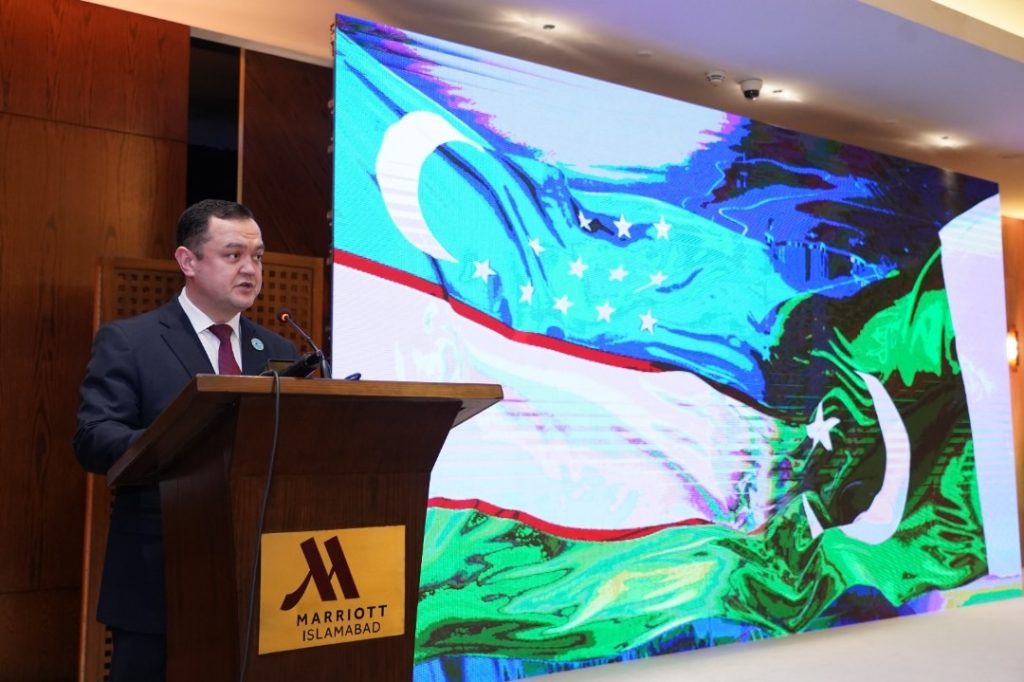
In his address, the Ambassador of Uzbekistan Alisher Tukhtaev warmly welcomed the esteemed guests, emphasizing the deep cultural and historical significance of Navruz. The festival, celebrated for over 3,000 years, unites diverse nations and symbolizes the triumph of light over darkness, harmony between humanity and nature, and the universal values of peace, unity, and gratitude.

This year’s Navruz held special significance as it coincided with the holy month of Ramadan, a period of spiritual reflection, generosity, and togetherness. The occasion provided an opportunity to celebrate not only the renewal of nature but also the values of kindness, gratitude, and community bonding that both Navruz and Ramadan promote.

The Ambassador highlighted that Navruz is more than just a national festival; it is a shared cultural heritage that transcends borders, languages, and ethnic backgrounds.

From Central Asia to the Middle East, the Caucasus to South Asia, millions of people come together to embrace the spirit of the festival. The event in Islamabad served as a reminder of the historical and cultural ties between Uzbekistan and Pakistan, which continue to strengthen through mutual cooperation and people-to-people connections.

A central feature of the celebration was the sharing of sumalak, a traditional dish made from sprouted wheat, symbolizing patience, prosperity, and renewal. The Uzbek Embassy took pride in offering this delicacy to guests as a gesture of friendship, unity, and goodwill.

The Ambassador underscored the special bond between Uzbekistan and Pakistan, built on a shared history, cultural affinities, and a commitment to regional development. Both nations are dedicated to preserving their traditions while embracing modern progress. The celebration of Navruz served as a reaffirmation of the strong bilateral relations and the ongoing efforts to enhance cooperation in various fields.

As the world faces numerous challenges, the Ambassador expressed hope that Navruz would inspire people to work towards harmony, mutual respect, and global peace. He concluded his speech with warm wishes for prosperity, good health, and happiness for all.

In a heartfelt gesture, the Ambassador extended congratulations to the people of Pakistan on the upcoming Pakistan Day (March 23), conveying his best wishes for the country’s continued progress and long-term prosperity.

The event concluded with a resounding cheer: “Uzbekistan-Pakistan Dosti Zindabad!” – reaffirming the enduring friendship between the two brotherly nations.

Trump Dismantles Education Department

Qamar Bashir

Byl Qamar Bashir

In a stunning policy shift that has sent shockwaves through the education sector, President Donald J. Trump has dismantled the U.S. Department of Education. Framing the move as an overdue return of control to the states, Trump described it as a step toward “freedom of choice,” empowering families and communities to decide what’s best for their children’s education without interference from Washington.

The now-defunct Department, which oversaw national education standards, civil rights protections, and billions in federal funding, has been stripped of its authority. In its place, states are being asked to take full ownership of their education systems—designing their own curricula, setting standards, managing teacher certification, and overseeing accountability.

While advocates of decentralization celebrate this as a chance to innovate, critics warn that it is a recipe for chaos. Wealthier states with robust education infrastructure may thrive under local control, continuing to produce competitive students. But under-resourced states—especially in the South and rural Midwest—may struggle to sustain even basic levels of quality without federal funding or guidance. The result could be an educational patchwork where opportunity and excellence depend not on merit, but on geography.

The immediate fallout includes the layoff of over 4,400 federal employees and the withdrawal of more than $82 billion in federal funding that supported everything from early education to college access. Among the most affected are programs like Title I Grants, which provided over $16 billion annually to schools serving low-income communities, and Pell Grants, which enabled well over 7 million students from working-class families to attend college. Federal assistance for children with disabilities under IDEA, school meal programs, and support for English language learners and STEM education have also been impacted.

These programs once served as lifelines to marginalized and disadvantaged communities. With their funding now uncertain and their management delegated to state governments, the concern is that racial and socioeconomic gaps will widen. Families with means—predominantly white and affluent—can pivot to well-funded private schools and benefit from increased local investment. But millions of low-income students may be left behind, attending increasingly under-resourced public schools with shrinking support systems.

Many experts fear that a two-tier education system is emerging, one that privileges the rich while further marginalizing the poor. In such a system, the quality of a child’s education will depend more than ever on ZIP code, race, and economic status. Over time, this could entrench inequality and fuel societal divisions.

At the same time, Trump’s move raises concerns about the rise of private influence. As state budgets tighten and federal support fades, education may become increasingly dependent on private foundations, corporate partnerships, and philanthropic donors. While this could open doors for innovation, it also risks allowing private interests to shape public education according to market demands rather than democratic values. There is a growing worry that public schools may become politically sidelined and financially starved while elite private institutions thrive.

Trump’s decision is not without precedent or rationale. For years, critics have argued that the Department of Education had grown bloated, inefficient, and overbearing—more focused on compliance and paperwork than actual outcomes. They say returning control to local authorities can foster accountability, responsiveness, and creativity in tackling challenges specific to each region.

But the scale and speed of the change have left little time for adaptation. Education is not a short-term enterprise. It is a long-term investment whose results unfold over generations. A shift this drastic, without a safety net or transition plan, risks undermining the very students it seeks to empower.

To better understand the potential consequences, it’s important to recall how the federal role in education evolved. For much of U.S. history, education was left to states and local school districts. But this decentralized approach produced huge inequalities—between urban and rural districts, between the North and South, and especially between white and Black communities.

The federal government stepped in gradually but decisively. The GI Bill in 1944 opened college doors to returning veterans. The landmark Brown v. Board of Education ruling in 1954 declared school segregation unconstitutional. In 1965, the Elementary and Secondary Education Act brought large-scale federal funding to disadvantaged districts as part of President Lyndon B. Johnson’s War on Poverty. The Individuals with Disabilities Education Act in 1975 ensured that children with disabilities had equal access to public education. Finally, in 1979, the Department of Education was created under President Jimmy Carter to centralize these efforts and ensure consistent national standards.

Since then, federal oversight has helped enforce civil rights, improve data collection, expand access to higher education, and provide targeted funding to the schools and students who need it most. Dismantling this legacy means reverting to a pre-1960s model—a time when disparities in access and quality went largely unaddressed.

Whether Trump’s bold restructuring will yield success remains to be seen. Supporters believe it will lead to innovation and efficiency, but critics argue it will exacerbate inequality and undercut the nation’s competitiveness. If the next four years do not produce measurable improvements, the political winds could shift. A future Democratic administration, or a new Republican president, could potentially restore the Department and reinstate federal programs. But undoing such a sweeping reform will take time—and by then, state systems may have fully adapted to a decentralized model.

What is certain is that this decision represents a defining moment in American education. It challenges long-held assumptions about the role of government, the purpose of public schools, and the meaning of equal opportunity. It forces the nation to ask: Should education be a shared national priority—or a local experiment shaped by wealth, race, and regional politics?

Trump’s education revolution is underway. Whether it becomes a model for the future or a cautionary tale remains an open question.

Byl Qamar Bashir

 Press Secretary to the President (Rtd)

 Former Press Minister at Embassy of Pakistan to France

 Former MD, SRBC

 Macomb, Detroit, Michigan

IIUI President stresses research reforms; ORIC reviews progress of working groups

IIUI President Stresses Research Reforms; ORIC Reviews Progress of Working Groups

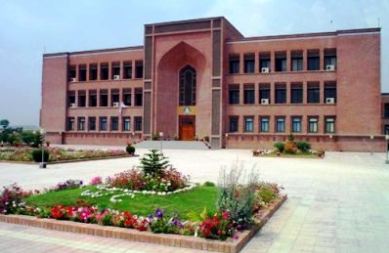
ISLAMABAD, MAR 21: /DNA/ – The International Islamic University Islamabad (IIUI) is advancing its research agenda with a renewed focus on innovation, collaboration, and societal impact. Under the leadership of President IIUI, Prof. Dr. Ahmed Shuja Syed, a follow-up meeting was convened to assess the progress of three newly established research working groups, initiated to enhance research quality and bridge gaps between academia and industry.

Presiding over the meeting, Prof. Dr. Ahmed Shuja Syed emphasized the importance of research as the core function of academia. He highlighted the need to address trust deficits, engage stakeholders, and reform research strategies to ensure IIUI’s contributions align with national and global challenges. He stressed that research must move beyond traditional academic work and evolve into interdisciplinary and policy-driven initiatives.

The meeting, organized by the Office of Research, Innovation, and Commercialization (ORIC), was attended by Director ORIC, Prof. Dr. Muhammad Amir, along with the heads and members of the working groups.

The three groups include:

SDGs for Research and Innovation Group, led by Dr. Noor Fatima, focusing on aligning research with sustainable development goals.
Social Sciences and Humanities Research Group, chaired by Dr. Munazza Yaqoob, addressing interdisciplinary societal issues.
Industrial Linkages and Commercialization Group, headed by Dr. Bashir Ahmad, strengthening ties between academia and industry.
Director ORIC provided an overview of each group’s mandate, highlighting their role in promoting research collaborations, securing funding, and developing actionable strategies. The session featured brainstorming discussions, where participants exchanged insights on research efficiency, administrative challenges, and pathways for effective academia-industry partnerships.

Prof. Dr. Ahmed Shuja Syed lauded the contributions of the participants and emphasized the need for ongoing dialogue and structured decision-making. He reiterated that these working groups will function as think tanks, ensuring stakeholder-driven policymaking and practical research outcomes.

The role of ORIC remains central in facilitating this transformation, serving as a bridge between researchers, industry, and funding agencies. Through collaborative initiatives and commercialization efforts, ORIC continues to strengthen IIUI’s research ecosystem.

The meeting concluded with a reaffirmation of the university’s commitment to research excellence and impactful academic contributions.

Earth Hour 2025: Pakistan stands united for climate action and sustainability: PM

Shehbaz Sharif

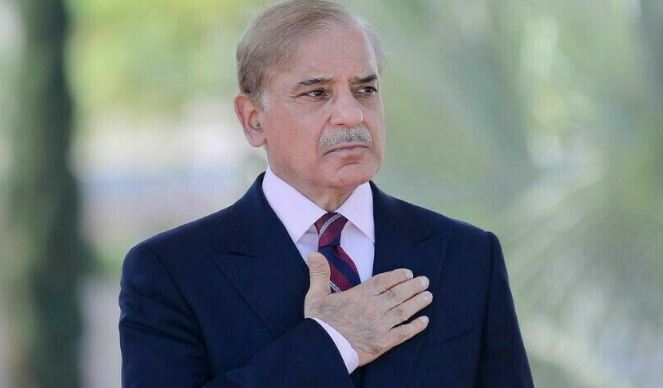
ISLAMABAD, MAR 21 /DNA/ – Every year during Earth Hour, millions around the world switch off their lights—a symbolic gesture to inspire action, raise awareness, and empower individuals, businesses, and communities to adopt sustainable practices.

Despite contributing less than 1% to global greenhouse gas emissions, Pakistan is among the most climate-vulnerable countries. We have witnessed devastating floods, scorching heatwaves, and prolonged droughts—events that threaten millions of lives, food security, water resources, and urban infrastructure.

Our government is actively pursuing policies that integrate climate action across all sectors, with initiatives designed to build resilience and sustainability. Programs like Recharge Pakistan are restoring ecosystems, while policies such as the National Adaptation Plan (2023) and National Clean Air Policy (2023) provide a strategic roadmap for a cleaner, more sustainable future.

Our commitment to renewable energy expansion, plastic waste reduction, and green job creation is laying the foundation for long-term environmental stewardship. However, policies alone are not enough—true change begins at home. Every action, no matter how small, strengthens the collective momentum toward a sustainable tomorrow.

This Earth Hour beginning 8:30 pm tonight, let us unplug to reconnect—with our families, our communities, and the Earth itself—for a brighter and more sustainable tomorrow.

Acting US Ambassador calls on Finance Minister

Acting US Ambassador calls on Finance Minister

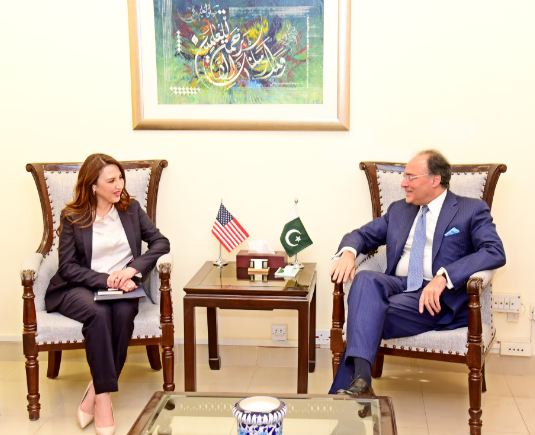
ISLAMABAD, MAR 21 /DNA/ – Federal Minister for Finance and Revenue, Senator Muhammad Aurangzeb, held a meeting today with Ms. Natalie Baker, Charge d’Affaires and Acting US Ambassador to Pakistan, who called on the Minister at the Finance Division.

The meeting focused on matters of mutual interest, including avenues for enhancing economic cooperation and increasing US investment in Pakistan’s priority sectors.

During the discussion, the Finance Minister briefed Ms. Baker on the government’s macroeconomic reform agenda, in line with Prime Minister Shehbaz Sharif’s vision for structural reforms and export-led economic growth. He highlighted key initiatives being undertaken to improve economic efficiency and ensure sustainable and inclusive growth, including privatization, tax reforms, energy sector restructuring, and rightsizing of the federal government.

Ms. Natalie Baker commended Pakistan’s economic progress and its commitment to implementing necessary but challenging structural reforms. She acknowledged the country’s resilience and the measures taken to strengthen the foundation for long-term economic stability. She reiterated the US Administration’s commitment to fostering a strong bilateral relationship with Pakistan, with a particular emphasis on deepening economic cooperation and expanding investment opportunities.

Both sides reaffirmed their commitment to further strengthening economic ties and exploring new areas of collaboration to advance shared economic goals.

Pakistan Sports Board DDG suspended

Pakistan Sports Board DDG Suspended

By our correspondent

ISLAMABAD, MAR 21: The Federal Government has suspended Pakistan Sports Board (PSB) Deputy Director General Mohammad Shahid Islam for allegedly misleading senior officials regarding the credentials of a kabaddi player. The player in question, Heera Butt, was never a part of the national team and had no significant achievements at the international level.

The Intelligence Bureau (IB) has been directed to investigate the matter after the Pakistan Kabaddi Federation (PKF) denied recognizing Heera Butt as a national player. Despite this, his name was reportedly forwarded to the federal government for a medal nomination.

Following directives from top government authorities, the Ministry of Inter-Provincial Coordination (IPC) issued Shahid Islam’s suspension letter. “The Secretary IPC is pleased to place Muhammad Shahid Islam, Deputy Director General PSB Islamabad, under suspension with immediate effect,” the official notification stated.

Notably, Shahid Islam’s promotion to Deputy Director General is also under scrutiny, as the matter remains pending in the Islamabad High Court. In 2020, a single bench demoted him, but he later filed an appeal. Recently, the Islamabad High Court ordered the Pakistan Sports Board’s Director of HR to appear at the next hearing.

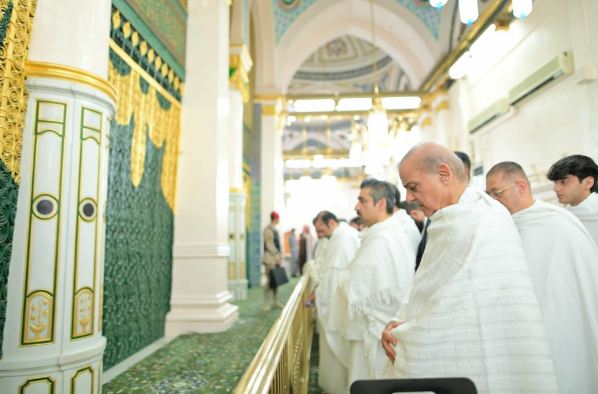
PM Shehbaz offers Friday prayers at Masjid e Nabvi ‘P.B.U.H’

PM Shehbaz offers Friday prayers at Masjid e Nabvi 'P.B.U.H'

MADINA MUNAWARA, MAR 21 /DNA/ – Prime Minister Muhammad Shehbaz Sharif offered Friday prayers at the revered Masjid-e-Nabvi ‘P.B.U.H’ in Madina Munawara today, seeking blessings and spiritual solace. The Prime Minister, accompanied by a delegation, visited the holy city as part of his official trip to the Kingdom of Saudi Arabia.

During his visit, Prime Minister Shehbaz Sharif paid his respects at the Roza-e-Rasool (P.B.U.H) and offered prayers for the prosperity, unity, and well-being of the Pakistani nation. He also prayed for peace and stability in the region and across the Muslim world.

Stay Connected

64FansLike
60FollowersFollow

Latest Reviews

Exchange Rates

USD - United States Dollar
EUR
1.17
GBP
1.35
AUD
0.72
CAD
0.73