Home Blog Page 639

No morning papers on Sept 18 as APNS publications observe Eid Milad un Nabi “P.B.U.H” holiday

No morning papers on Sept 18 as APNS publications observe Eid Milad un Nabi “P.B.U.H” holiday

KARACHI, SEPT 13 (DNA) – The All Pakistan Newspapers Society has announced that member publications of the All Pakistan Newspapers Society will observe one closed holiday on Tuesday, September 17, 2024 on account of Eid Milad un Nabi “P.B.U.H”.

Consequently, there will be no morning newspapers on Wednesday, September 18, 2024  whereas the evening newspapers not appearing on Tuesday, September 17, 2024 may bring out their editions on Wednesday, September 18, 2024, if they so desire.

EU Special Envoy on freedom of religion or belief concludes official visit to Pakistan

EU Special Envoy on freedom of religion or belief concludes official visit to Pakistan

ISLAMABAD, Sept 13: /DNA/ – Ambassador Frans van Daele, Special Envoy for the promotion of freedom of religion or belief (FoRB) outside the European Union, has concluded his week-long visit to Pakistan. FoRB is a key priority for the EU, including in the context of the strategic engagement with Pakistan.

During the visit, he met Federal and Provincial Government officials, the Parliament, religious leaders, Non-Government and Civil Society Organisations, human rights defenders and local communities, to engage and exchange on the state of freedom of religion and belief in Pakistan and to foster the respect for diversity of religions and beliefs.   

In his meeting with Chairman Senate Syed Yousuf Raza Gillani; National Assembly Speaker Sardar Ayaz Sadiq; Senator Azam Nazeer Tarar, Minister for Law and Justice, Human Rights and Parliamentary Affairs; Federal Minister for Religious Affairs Chaudhry Salik Hussain; the Special Envoy enquired about the challenges of freedom of religion or belief in Pakistan and mentioned areas of concern, in line with the last GSP+ monitoring report of November 2023.

The Special Envoy noted that the next GSP+ monitoring mission is expected in early 2025. He encouraged Pakistani authorities to continue implementing the relevant international conventions to facilitate Pakistan’s reapplication for the trade scheme once the new Regulation on GSP is in force. In his interactions with interlocutors, Ambassador van Daele underlined the EU’s continued support for and interest in enhanced cooperation with Pakistan. 

Ambassador van Daele began his visit in Punjab, where he engaged with local communities in Jaranwala and Rabwah. In Lahore, he held meetings with Sardar Ramesh Singh Arora, Minister for Minorities Affairs, Government of Punjab; and Dr. Usman Anwar, Inspector General of Police Punjab.

He also expressed his appreciation for the Ministry of Foreign Affairs’ facilitation of his visit during a meeting with Pakistan’s newly appointed Foreign Secretary, Ms. Amna Baloch.

The mandate of the Special Envoy involves raising awareness and engaging with state and non-state actors, civil society, churches, faith-based and religious organisations, as well as non-confessional organisations in order to prevent and address violations of the freedom of religion and belief.

KfW and AKF strengthen partnership to support Pakistani entrepreneurs

KfW and AKF strengthen partnership to support Pakistani entrepreneurs

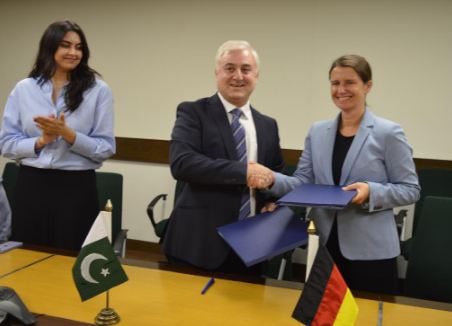
ISLAMABAD, SEPT 13 (DNA) – KfW Development Bank and the Aga Khan Foundation (AKF), in collaboration with Aga Khan Rural Support Programme (AKRSP), and Accelerate Prosperity (AP) have formalized their partnership to support entrepreneurial culture in Pakistan.

The agreement, signed today at the AKF office, marks the official launch of the “Start-up Pakistan” initiative. This groundbreaking project is expected to lead to improved job creation, innovation and economic resilience with a transformative impact on the entrepreneurial landscape of Pakistan.

Earlier in the day, KfW mission, including Mr. StephanOpitz – Member Management Committee,Dr. Bianca Clausen – Director Afghanistan, Pakistan, Iraq Cluster and Mr. Sebastian Jacobi – Director KfW Pakistan, visited the National Science and Technology Park (NSTP) housed at National University of Science and Technology (NUST) to gain insights into Pakistan’s burgeoning start-up ecosystem. The delegation met with various green and technology-driven start-ups to understand the entrepreneurial landscape and identify areas where the collaboration could make the most significant impact.

Start-up Pakistan, a €10 million initiativefunded by the German Government through KfW, aims to support start-up entrepreneurs by building capacities and models, developing business networks and secured tailored capital for businesses with a special focus on youth and women entrepreneurs. Over the next five years, the project will support start-ups in diverse sectors such as education, health technology, sustainable tourism, and green building, prioritizing businesses that promote digitization and environmental sustainability.

Speaking on the occasion, Dr. Clausen emphasized the importance of this collaboration: “We are thrilled to work alongside AKF and other key partners to strengthen Pakistan’s start-up ecosystem. This initiative will create opportunities for youth and women to innovate and build sustainable businesses, contributing to the economic well-being of communities across the country.”

Akhtar Iqbal, CEO AKF, Pakistanadded that, “With Pakistan’s economic challenges and climate vulnerabilities, we are thrilled to embark on this flagship initiative to create an enabling environment for start-ups and businessesto grow and scale.AKF is excited to strengthen its decades long partnership with Germany whichremains amongst our top partners in the country.”

Theagreement signed today cements the commitment of both KfW and AKF to foster job creation, innovation, and sustainable growth in Pakistan. By targeting pre-revenue and post-revenue start-ups, this project aims to create over 2,500 direct jobs and support 1,500 entrepreneurs, 50% of whom will be women and youth. It also contributes to Pakistan’s alignment with the United Nations’ Sustainable Development Goals (SDGs), particularly SDG 8 for Decent Work and Economic Growth and SDG 5 for Gender Equality.

Parliamentary Secretary Shazia Rizwan visits Public Relations Department in Rawalpindi

Parliamentary Secretary Shazia Rizwan visits Public Relations Department in Rawalpindi

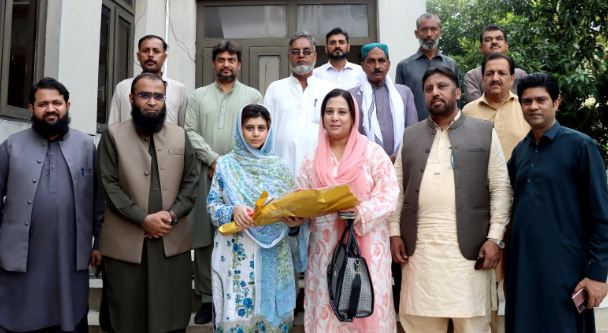
RAWALPINDI, Sept 13 (DNA) – Parliamentary Secretary Information and Culture Punjab Shazia Rizwan visited Public Relations Department Rawalpindi during which she was given a detailed briefing about the performance of the department and under construction the Information Complex Rawalpindi.


Director Information Rawalpindi Syed Iftikhar Ali Shah and officers of the department were also present on this occasion. Speaking on the occasion, Shazia Rizwan said that it is the vision of Chief Minister Maryam Nawaz to align information and culture with modern demands and a comprehensive strategy has been made to strengthen DGPR, its field offices and arts councils across the province.

She said that the protection and promotion of the great and historical culture of Punjab is the main priority of Chief Minister Maryam Nawaz and ‘we will preserve the rich culture of Punjab and make people aware of it’.


Shazia Rizwan said that a comprehensive policy is being prepared for the promotion of culture under which religious tourism and culture will be promoted so as to strengthen the environment of tolerance, inter-faith harmony and brotherhood. She said that she is getting awareness of the problems by visiting all the arts councils of Punjab.


Shazia Rizwan made a detailed inspection of the under-construction Information Complex Rawalpindi and expressed her satisfaction over the quality of work. She directed the timely completion of the project. On arrival at the DPR Rawalpindi office, officers and staff welcomed the Provincial Parliamentary Secretary and presented a bouquet.

The Complexity of China-North Korea Relations

The Complexity of China-North Korea Relations

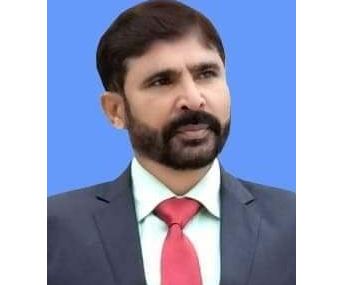
Dr. Muhammad Akram zaheer

The relationship between China and North Korea is deeply intricate, shaped by a combination of historical ties, shared ideological foundations and strategic imperatives. The stability of the Korean Peninsula is a critical concern for Beijing, given its geographical proximity and the far-reaching security implications of any instability in the region. For China, the Korean Peninsula’s stability is not only about maintaining regional peace but also about preserving its influence in Northeast Asia.At the heart of China’s policy towards North Korea is the imperative to prevent a nuclear conflict. A nuclear war on the peninsula would have catastrophic consequences for all parties involved, including China. Such a conflict could lead to massive destruction, severe regional destabilization and a humanitarian disaster, all of which would be detrimental to Beijing’s economic and security interests. A nuclear exchange would likely draw in other powers, particularly the United States and its allies, heightening tensions between China and the West and further complicating the global security landscape.However, Beijing faces the additional challenge of ensuring that North Korea, despite its belligerence and defiance of international norms, does not collapse. The implosion of the North Korean regime would likely result in a flood of refugees crossing the Chinese border, creating significant economic and humanitarian challenges for China. Such a scenario would also risk the unification of the Korean Peninsula under a government aligned with the United States, potentially bringing American military forces closer to China’s borders. For these reasons, regime collapse in Pyongyang is viewed as a threat to China’s strategic interests.

China’s approach to North Korea is thus one of delicate balancing. On one hand, Beijing must curb Pyongyang’s provocative actions, particularly its nuclear ambitions, which have drawn widespread international condemnation and sanctions. On the other hand, China must continue to offer substantial economic and diplomatic support to ensure the regime’s survival. This support comes in the form of trade, food aid and energy supplies, all of which help sustain the North Korean economy and prevent the humanitarian crisis that could follow regime collapse.Diplomatically, China has often acted as a mediator between North Korea and the international community, particularly in the Six-Party Talks aimed at denuclearizing the peninsula. Although Beijing has supported some international sanctions against Pyongyang, it has also advocated for dialogue and engagement, wary of isolating North Korea entirely. This underscores China’s preference for stability over confrontation.At present, the divergent needs of North Korea and China shape their respective strategies and foreign policy agendas, revealing a complex and occasionally conflicting relationship between the two countries. North Korea, economically isolated and severely strained by international sanctions, finds itself in dire need of financial assistance, economic relief and humanitarian aid. The regime in Pyongyang remains heavily dependent on external support to sustain its economy, manage food shortages and provide essential services to its population. Given its geopolitical isolation, China remains one of North Korea’s few avenues for economic and diplomatic assistance.On the other hand, China’s current strategic priorities lie beyond simply supporting its North Korean neighbor. Beijing’s foremost concern is to revitalize its own faltering economy, which has encountered significant challenges in recent years. To this end, China is keen to attract U.S. investment and strengthen economic relations with major global players, particularly the United States. This economic cooperation is vital for ensuring China’s long-term growth and stability, especially as it navigates complex trade tensions and a shifting global economic landscape. Additionally, China recognizes the importance of cultivating stronger ties with South Korea, a key U.S. ally in the region. Beijing views improved relations with Seoul as a stepping stone towards stabilizing its relationship with Washington and reducing tensions on the Korean Peninsula.A more stable relationship with South Korea, in China’s view, could pave the way for progress on the broader issue of denuclearizing the Korean Peninsula. Beijing has long held a vested interest in preventing the proliferation of nuclear weapons in its immediate neighborhood, understanding that North Korea’s nuclear ambitions pose a direct threat to regional stability. A peaceful and denuclearized Korean Peninsula better serves China’s geopolitical interests, as continued tensions only heighten the risk of military conflict and destabilization.However, North Korea’s actions present a significant challenge to China’s strategic goals. Pyongyang’s frequent threats, missile tests and provocative behavior fuel regional insecurity and contribute to an arms race, prompting both South Korea and Japan to bolster their defense capabilities. Furthermore, these actions trigger a stronger U.S. military presence in the region, as Washington intensifies its security commitments to its East Asian allies. For China, this increased U.S. military presence is undesirable, as it threatens to undermine Beijing’s influence and security in the region.

In this context, Beijing finds itself in a delicate balancing act. While it seeks to maintain its historical ties with North Korea, it must also navigate the complexities of its broader strategic interests, which include stabilizing its relationship with the United States and ensuring regional security. What China does not need is for North Korea to exacerbate tensions by making threats, conducting missile tests, or escalating the regional arms race. Such actions are counterproductive to Beijing’s objectives and complicate its efforts to foster a more stable and cooperative regional environment.

Govt’s IPP capacity expansion plan likely to worsen circular debt crisis: IPS’ study

Govt’s IPP capacity expansion plan likely to worsen circular debt crisis: IPS’ study

ISLAMABAD, SEPT 13: /DNA/ – The government aims to expand power generation capacity by adding 7,500 MW by 2034 and extending independent power producer (IPP) licenses, potentially worsening the circular debt crisis in the sector. In FY 2022-2023, capacity payments to 17 of the 100 IPPs with a combined capacity of 12,847 MW reached Rs472.12 billion, while heavy interest payments to nine notable IPPs amounted to Rs133.5 billion. In some cases, interest payments exceed both capacity and electricity purchase prices.

With the current installed capacity of 45,000 MW surpassing peak demand of around 30,000 MW, further expansion and license renewals risk increasing financial obligations. Therefore, the government should adopt a balanced energy strategy, focusing on fiscal sustainability and reassessing both capacity expansion and IPP license renewals.

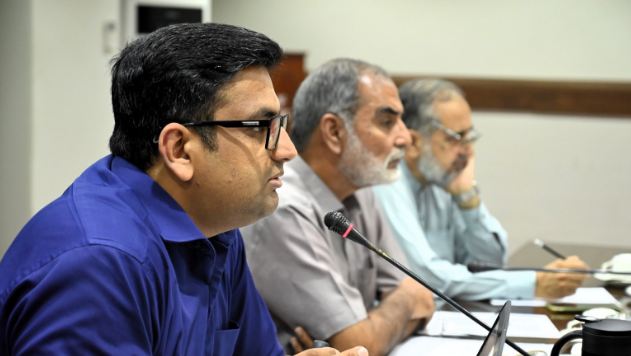
These findings were part of a major research study by the Institute of Policy Studies (IPS) on IPPs presented during a session titled “Landscaping IPPs in Pakistan” held at IPS, Islamabad. The findings were presented by Muhammad Wali Farooqi, research officer IPS, while the session was addressed by Khalid Rahman, chairman IPS, Ameena Sohail, energy advocate and senior research associate IPS, Asad Mahmood, renewable energy and energy efficiency expert, and Mirza Hamid Hasan, former federal secretary water and power.

The study noted that the National Electric Power Regulatory Authority (NEPRA) has issued a total of 232 generation licenses to IPPs, with only 100 of these commissioned by the Private Power & Infrastructure Board (PPIB) contributing 24,958 MW to the national grid. Notably, 53% of this capacity, i.e., 13,106 MW, is provided by just ten IPPs, representing 30% of Pakistan’s total capacity.

Two major IPPs, KAPCO and HUBCO, will see their licenses expire in 2024 and 2025 respectively, potentially reducing capacity by 2,930 MW. These IPPs have aged infrastructure and rely on fossil fuels. Given the previous trend of renewing licenses, the study recommended that no new negotiations be conducted with IPPs once the current power purchase agreements expire.

The government is planning to add 7,500 MW by 2034, as indicated by PPIB, out of which 916 MW will be introduced in the system by the end of 2024 through two newly constructed mega projects Suki Kinari Hydel Power Project on River Kunhar with a capacity of 884 MW and a bagasse power plant by Shah Taj Sugar Mills with a capacity of 32 MW.

The findings suggest that the focus should shift to upgrading transmission systems, broadening the consumer base, and renegotiating terms for government-owned plants to reduce capacity payments and regulate interest payments. Moreover, there is a need for a balanced approach to energy strategy, emphasizing fiscal sustainability and a reconsideration of capacity expansion plans.

Endorsing this, Ameena Sohail emphasized that peak demand does not fully exhaust the available power. She recommended optimizing this capacity by releasing excess and reducing capacity payments. For IPPs with expiring agreements, she suggested encouraging them to find their own buyers instead of renewing licenses, which could streamline the sector and reduce financial strain on the government.

Asad Mahmood highlighted the absence of audits for IPPs and called for implementing rational profit structures for the private sector. He stressed that improved oversight and a well-structured incentive system are essential for ensuring transparency and efficiency in the energy industry.

Khalid Rahman noted that, despite widespread polarization, there is a strong consensus on the challenges and financial issues related to IPPs. This underscores the need for a coordinated approach to address these concerns effectively and the significance of the research study.

The speakers criticized outdated market analysis, ineffective law enforcement, exaggerated capital investment, and the adverse effects of privatization. They stressed the importance of developing restorative justice, managing interest payments, addressing profit exploitation, and reforming tax and banking systems for a sustainable energy sector. The experts also highlighted the need for the government to develop a plan to stimulate demand, which could help broaden the consumption base.

In his closing remarks, Hamid Hassan emphasized the necessity for a multi-step approach to resolve the issue of IPPs. This will require a complete system overhaul, including the establishment of effective scrutiny and monitoring mechanisms, which are currently lacking. He pinpointed flawed planning, poor policy implementation, and other systemic issues as core problems and called for the formation of an expert commission to tackle these challenges.


COAS General Syed Asim Munir visits troops in Orakzai

COAS General Syed Asim Munir visits troops in Orakzai

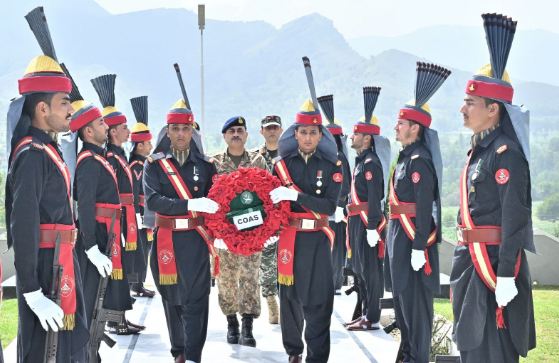
RAWALPINDI, SEPT 13: /DNA/ – General Syed Asim Munir, NI(M), Chief of Army Staff (COAS), visited troops in Orakzai District who had participated in the recently conducted counter-terrorism actions in Tirah Valley and surroundings.

COAS was given a comprehensive briefing on overall security situation, ongoing Intelligence Based counter-terrorism actions and multi-prong measures being undertaken to ensure stability in Merged Districts.

In his interaction with officers and troops, COAS appreciated their high morale and readiness to give effective response against all types of threat.
COAS reiterated the resolve to comprehensively defeat hostile terrorist nexus and eliminate activities in illegal spectrum.

Paying rich tribute to Shuhada and Ghazis of Army, and LEAs, COAS said that the hard earned peace achieved with nation’s great sacrifice would be maintained at all costs. Sacrifice of our martyrs strengthen our resolve to fight with utmost dedication and spirit of sacrifice.

COAS lauded the contributions being made by Police and LEAs in KPK. “Pak Army will continue to provide all out support to KPK Police and other LEAs in enabling them to perform their duties in newly merged districts”. COAS emphasised the need of continued capacity building of LEAs.

COAS also appreciated the support of local population in assisting security forces, noting that their positive role is essential in sustaining peace in the area.

Earlier upon arrival, COAS laid the wreath at Yadgar e Shuhada and was received by Corps Commander Peshawar.

Junaid Chatta leads efforts to revive hockey in Pakistan

Junaid Chatta leads efforts to revive hockey in Pakistan

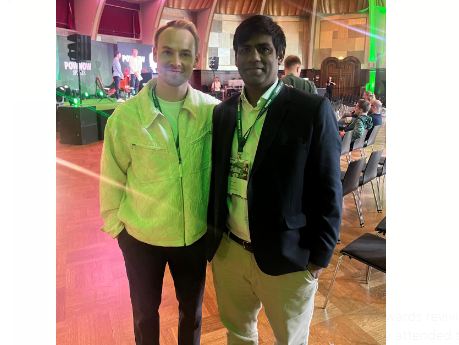
ISLAMABAD, SEPT 13: /DNA/ – Junaid Chatta, a dedicated individual working towards reviving hockey and international sports activities in Pakistan, recently attended the International Sports Conference in Dusseldorf, Germany. As the Chief Executive of What’s Goal Pakistan, Junaid Chatta aimed to engage in detailed discussions with German football and hockey professionals to seek their support and collaboration.

During the conference, Junaid Chatta had the opportunity to meet with Moritz Forste, the CEO of Powwow Germany and a renowned hockey world champion and Olympic gold medalist. Moritz Forste expressed his full support for Junaid Chatta and What’s Goal Pakistan, which was greatly appreciated by Junaid Chatta.

Junaid Chatta is optimistic about the future of hockey in Pakistan, as he believes that European clubs are beginning to show interest in collaborating with Pakistani teams. He anticipates the arrival of European hockey clubs and junior teams in Pakistan, and envisions European players participating in games within the country in the near future.

In addition to focusing on hockey, Junaid Chatta is also committed to supporting national players in various sports by providing coaching and training facilities both domestically and internationally. He is determined to enhance the opportunities available to Pakistani athletes and elevate the standard of sports in the country.

In a first, Quaid-i-Azam’s death anniversary commemorated in Bangladesh

In a first, Quaid-i-Azam's death anniversary commemorated in Bangladesh

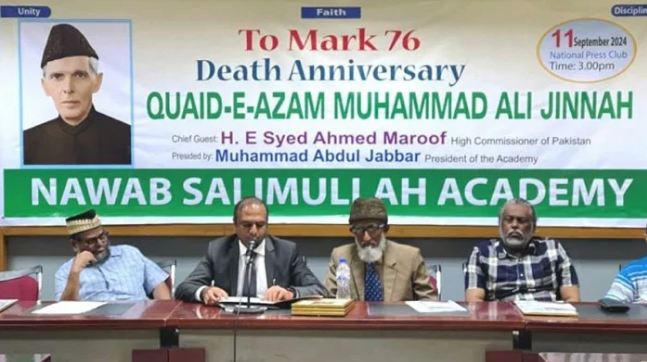
DHAKA: For the first time in Bangladesh’s history, Quaid-i-Azam Muhammad Ali Jinnah’s death anniversary was commemorated in Dhaka.

The commemoration marked the 76th anniversary of Jinnah, and Urdu songs and poetry were played and recited in the country’s capital city, Dhaka Tribune reported on Thursday.

The publication stated that the event was organised by the Nawab Salimullah Academy at the Tofazzal Hossain Manik Miah Hall at the National Press Club in Dhaka.

Play Video
The event was also expecting the arrival of the Pakistani high commissioner to Bangladesh as the chief guest, however, he was unable to mark his presence. Deputy High Commissioner Kamran Dhangal, meanwhile, was in attendance.

A keynote paper, outlining the trajectory of Jinnah’s life, was also presented at the event by Prof Dr Mostafizur Rahman. The academy’s president Muhammad Abdul Jabbar and journalist Mostafa Kamal Mojumder were also present to mark the death anniversary.

A poet, Jafarul Haq Jafar, recited an Urdu poem at the event, while the songs in Urdu were performed by two Pakistani students studying in Bangladesh.

“If Bangladesh had not been part of Pakistan in 1947, we would have been in the same position as Kashmir today, with the Indian junta holding weapons to our necks. Bangladesh gained independence because of Pakistan, which Jinnah helped create,” said Nagorik Parishad Md Samsuddin, the convener of the event.

“Why should we change the name of Allama Iqbal Hall or Jinnah Avenue? These changes were made because Delhi wanted them, but we did not. Bangladesh must foster strong relations with China and Pakistan,” he added.

The speakers attending the commemoration event spoke highly of the Quaid, stating that Pakistan would not have been created without Jinnah and that had that not happened then “Bangladesh too would not exist”.

“Jinnah is the father of our nation, but we do not acknowledge it. We must preserve our brotherhood, and I hope that both Jinnah’s birth and death anniversaries will continue to be observed here every year,” said Nazrul Islam, one of the speakers at the event.

He added that regardless of the circumstances, Bangladesh also gained independence, stressing that Dhaka must now maintain its relationship with Pakistan.

Showering praises on Jinnah, another attendee at the occasion maintained that the “political incompetence and strife” facing the Indian continent after 1857 were ended by him.

“Had Jinnah not taken responsibility for Bangladesh in 1947, we would have been in the same situation as West Bengal, remaining a part of India. It was because of his leadership that East Pakistan remained united with West Pakistan,” he said, advising the new set-up in Bangladesh to assess the country’s friendship.

Deputy High Commissioner Kamran Dhangal, who also attended the commemoration ceremony, termed Quaid-i-Azam’s leadership on the Muslim League’s platform “outstanding”.

He added: “His vision for the new nation was clear. He advocated for a progressive and inclusive state, reflecting a commitment to freedom and tolerance. His contributions were not only revered in Pakistan but also across the world.”

Climate compatible education is the need of the hour: Romina

Climate compatible education is the need of the hour: Romina

Ambassador Khazar Farhadov, Azerbaijan’s envoy to Pakistan, emphasized his country’s dedication to fostering global collaboration in the fight against climate change as the host of this year’s COP. He expressed Azerbaijan’s aspiration to set an example, emphasizing the establishment of climate-smart cities nationwide as part of their development plan

DNA

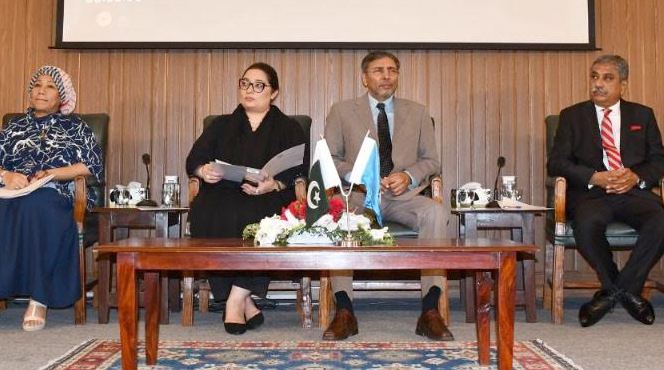
ISLAMABAD: At a seminar on ‘Climate-Compatible Education’ hosted by the Institute of Regional Studies, Islamabad (IRS), Ms. Romina Khurshid Alam, Coordinator to the Prime Minister on Climate Change, emphasized the crucial role of early education in shaping lifelong habits that could foster climate compatible lifestyles. She shared an inspiring anecdote about a four-year-old girl who, after hearing a speech on World Environment Day, pledged to avoid using plastic and pushed her entire family to do so as well. Ms. Alam emphasized the importance of advocacy campaigns, carbon credits, and integrating climate education from the Montessori level. She pointed out that, “If we plant the right seeds, we will reap the right fruit.”

Ambassador Jauhar Saleem, President IRS, highlighted the pressing issue of climate change for the most vulnerable countries such as Pakistan, drawing attention to a World Bank and UNICEF studies indicating that elevated temperatures in classrooms can diminish student learning outcomes by as much as 25%. ‘This can also have adverse effects on heart and respiratory rates, as well as cognitive responses’, he asserted. Ambassador Saleem also underscored the significance of imparting knowledge to the youth about the impact of climate change on their lives and future so they could help in the fight against environment degradation.

The IRS’s pre-COP29 seminar brought together key national and international leaders and experts  to discuss the crucial role of education in addressing the challenges of climate change. Punjul Nugraha, Director of the D-8 Organisation for Economic Cooperation, emphasized the significance of COP29 as a pivotal platform for incorporating climate education into the global agenda, highlighting the potential impact of climate change on 1.2 billion children worldwide by 2050. He also urged integration of sustainability practices, climate science, and critical thinking across all educational levels.

Ambassador Khazar Farhadov, Azerbaijan’s envoy to Pakistan, emphasized his country’s dedication to fostering global collaboration in the fight against climate change as the host of this year’s COP. He expressed Azerbaijan’s aspiration to set an example, emphasizing the establishment of climate-smart cities nationwide as part of their development plan. The ambassador also underscored the importance of well-educated populations in building resilience and effectively addressing climate-related challenges.

Dr. Abid Qayium Suleri, Executive Director at the Sustainable Development Policy Institute (SDPI) and a member of the Advisory Body to the COP29 Presidency, put forward a comprehensive strategy for climate-compatible education. His proposal encompassed three key elements: curriculum reforms, the implementation of renewable technologies for mitigation, and the development of adaptation strategies. This approach aims to address the challenges posed by climate change and foster a more sustainable future.

Sharmeela Rasool, the UNICEF Deputy Country Representative, shared that UNICEF’s research  revealed the alarming reality that over 1 billion children worldwide were currently living in countries that were at “extremely high risk” from climate-related disasters. She outlined specific action points to tackle these pressing challenges, with a strong emphasis on integrating climate resilience into education systems.

Shakeel Ahmed Ramay, CEO of the Asian Institute of Eco-civilization, Research, and Development (AIERD), also emphasized the crucial role of education in addressing climate change and proposed  integration of green schooling into carbon credit markets as a potential solution.

Mr Zahid Latif Khan, Chairman AIERD, proposed collaboration between the Ministry of Climate Change and the Ministry of Education to promote climate-compatible education in Pakistan.

Stay Connected

64FansLike
60FollowersFollow

Latest Reviews

Exchange Rates

USD - United States Dollar
EUR
1.17
GBP
1.35
AUD
0.67
CAD
0.72