Home Blog Page 637

Pakistan expresses grief over devastating earthquake in Myanmar, Thailand

Pakistan expresses grief over devastating earthquake in Myanmar, Thailand

ISLAMABAD, MAR 28 /DNA/ – Pakistan deeply saddened by the heartbreaking news of the devastating earthquake that has struck Myanmar, Thailand, and neighboring countries. Our thoughts are with everyone impacted by this tragedy, and we are praying for all those affected as well as for the speedy recovery of the injured.

We applaud the courageous individuals and emergency responders who are working diligently on the ground to deliver rescue and relief efforts. Their bravery and commitment during this urgent time are truly admirable.

We express our solidarity with the governments and communities affected during this challenging period. May strength and resilience lead those impacted towards healing and recovery.

Powerful quake in Southeast Asia kills several, Myanmar declares state of emergency

Powerful quake in Southeast Asia kills several, Myanmar declares state of emergency

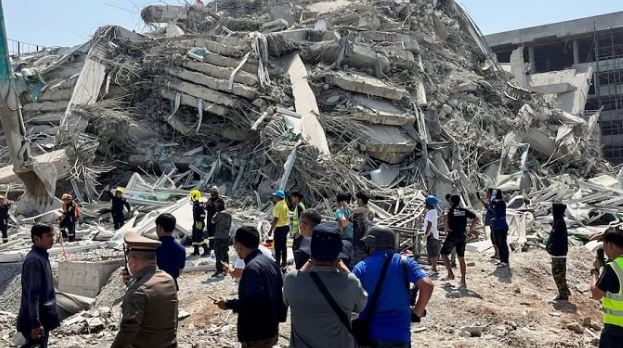
A powerful earthquake rocked Southeast Asia on Friday, killing several people, bringing down a skyscraper under construction in Bangkok and toppling buildings and bridges in neighbouring Myanmar, where the ruling junta declared a state of emergency in some areas.

At least three people were killed in the town of Taungoo in Myanmar when a mosque partially collapsed, witnesses said, while local media reported that at least two people died and 20 were injured after a hotel collapsed in Aung Ban.

In Thailand, Bangkok Governor Chadchart Sittipunt said there had been three deaths from the quake. He warned of possible aftershocks but urged people to be calm and said the situation was largely under control.

At least one person was killed and dozens of workers were rescued from under the rubble of the skyscraper that had been under construction in Bangkok, Thailand’s National Institute of Emergency Medicine said.

People ran out onto the streets of the Thai capital in panic, many of them hotel guests in bathrobes and swimming costumes as water cascaded down from an elevated pool at a luxury hotel, witnesses said.

The United States Geological Survey (USGS) said the quake, which struck at lunchtime, was of 7.7 magnitude and at a depth of 10 km (6.2 miles). The epicentre was about 17.2 km from the Myanmar city of Mandalay, which has a population of about 1.5 million.

The quake was followed by a powerful aftershock and several more moderate ones.

In Myanmar, the quake caused the collapse of buildings in five cities and towns, as well as a railway bridge and a road bridge on the Yangon-Mandalay Expressway, state media said.

“We all ran out of the house as everything started shaking,” a resident in Mandalay told Reuters. “I witnessed a five-storey building collapse in front of my eyes. Everyone in my town is out on the road and no one dares to go back inside buildings.”

Myanmar’s ruling military declared a state of emergency in multiple regions.

“The state will make inquiries on the situation quickly and conduct rescue operations along with providing humanitarian aid,” it said on the Telegram messaging app.

The junta seized power in a 2021 coup that led to a civil war, and has been isolated internationally.

Mandalay is Myanmar’s ancient royal capital and at the centre of the country’s Buddhist heartland.

Social media posts showed collapsed buildings and debris strewn across streets in the city. Reuters could not immediately verify the posts.

Local media outlet Myanmar Now posted images showing a clock tower had collapsed and part of the wall by Mandalay Palace was in ruins.A witness in the city, Htet Naing Oo, told Reuters that a tea shop had collapsed with several people trapped inside. “We couldn’t go in,” she said. “The situation is very bad.”

At least three people died after a mosque in Taungoo partially collapsed, two eyewitnesses told Reuters.

“We were saying prayers when the shaking started… Three died on the spot,” said one of two people who spoke to Reuters.

Local media reported a hotel in Aung Ban, in Shan state, crumbled into rubble, with one outlet, the Democratic Voice of Burma, reporting two people had died and 20 were trapped.

Video and images posted by Myanmar Now showed a roof cratered at a market in the capital, Naypyitaw. Witnesses contacted in Yangon, Myanmar’s largest city, said many people ran out of buildings.

Office tower shakes in Bangkok
The Stock Exchange of Thailand suspended all trading activities for the Friday afternoon session.

One office tower in downtown Bangkok swayed from side to side for at least two minutes, with doors and windows creaking loudly, witnesses said.

Hundreds of employees filed out via emergency stairs as some shocked and panicked workers froze. Loud shrieks could be heard as the building continued to sway.

“At first, I didn’t realise (it was an earthquake),” office worker on Varunyou Armarttayakul told Reuters.”But then I saw the table shaking, and the chair and computer started swaying, too. I only knew for sure when I heard the noise of the cracking walls and cracking glass. Part of the ceiling even collapsed — that’s when I had to run out.”Outside, hundreds gathered in the afternoon sun, while staff with medical kits found office chairs for the elderly and people in shock.

China’s Xinhua news agency said strong tremors were felt in southwestern Yunnan province, which borders Myanmar, but there were no reports of casualties.

Pakistan grieves deadly quake
Pakistan expressed deep grief over the devastating earthquake that struck Myanmar, Thailand and neighboring countries.

“Our thoughts are with everyone impacted by this tragedy, and we are praying for all those affected as well as for the speedy recovery of the injured,” the foreign office spokesperson said in a press statement.

Pakistan also applauded the courageous individuals and emergency responders who were working diligently on the ground to deliver rescue and relief efforts. “Their bravery and commitment during this urgent time are truly admirable.”

“We express our solidarity with the governments and communities affected during this challenging period. May strength and resilience lead those impacted towards healing and recovery,” the statement added.

Special Eid trains begin operations to facilitate passengers

Special Eid trains

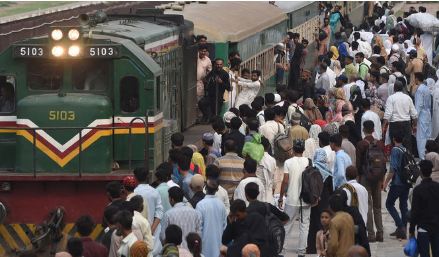
ISLAMABAD, MAR 28 (DNA) — The government has launched special Eid trains on key routes during Eid-ul-Fitr to help people reach their hometowns safely and on time.According to the schedule, the first special train departed from Karachi Cantonment to Lahore on March 26 (Wednesday).

 It has 16 coaches and will pass through Hyderabad, Rohri, Multan, and Sahiwal.The second train also left on March 26 from Quetta to Peshawar Cantonment with 11 coaches, traveling via Multan and Sahiwal. On March 27, the third special train will depart from Lahore to Karachi with 16 coaches, stopping at Khanewal, Multan, Sahiwal, and Rohri.

To further assist passengers, Pakistan Railways has announced a 20 percent discount on train fares across all classes.This discount will be available for the first three days of Eid and will apply to mail, express, passenger, and intercity trains.

The initiative, introduced on the directives of Prime Minister Shehbaz Sharif, aims to reduce travel costs and help people celebrate with their families. The government remains committed to providing affordable, safe, and comfortable train services for all citizens. —DNA

ICCI, Chinese delegation agree to boost trade ties

ICCI

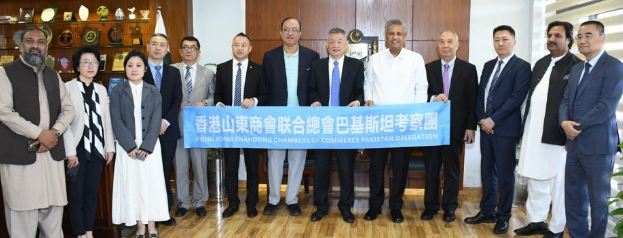
ISLAMABAD, MAR 28 /DNA/ – A high-level 10-member delegation from the Hong Kong Shandong Chamber of Commerce Pakistan visited the Islamabad Chamber of Commerce and Industry (ICCI) on Friday to explore avenues for trade and investment cooperation in Pakistan.

During its meeting with ICCI President Nasir Mansoor Qureshi, Senior Vice President Abdul Rehman Siddiqui, and Vice President Nasir Mehmood Chaudhry, the Chinese delegation expressed strong interest in fostering business collaboration, particularly in the medical equipment sector.

The Chinese representatives described Pakistan as a promising market and expressed their intention to introduce their products for mutual benefit. They praised the hospitality and cooperation extended by their Pakistani counterparts, emphasizing their commitment to strengthening business ties.

Welcoming the delegation, ICCI President Nasir Mansoor Qureshi briefed the visitors about ICCI’s role as the apex chamber of the capital, representing 15,000 entrepreneurs from the industry, trade, and services sectors. He highlighted Pakistan’s rich export potential, including resources such as mines and minerals, gemstones, marble, pink salt, and pharmaceuticals.

President Qureshi encouraged the Chinese investors to invest in upgrading Pakistan’s industrial infrastructure, stressing the benefits of manufacturing export-quality goods and providing technical training to enhance local skills, which would also create employment opportunities.

“Chinese investors can utilize Pakistan as a strategic hub for manufacturing and exporting their products to global markets,” Mr. Qureshi stated. “By collaborating through joint ventures, we can unlock immense growth potential for both sides.”

Both parties agreed to strengthen ties through enhanced communication, delegation exchanges, and virtual meetings. Plans were also discussed to organize exhibitions showcasing their respective products to further promote trade and investment opportunities.

The visit concluded on a positive note, with both sides committed to fostering deeper economic collaboration for mutual prosperity.

Tashkent chosen for landmark 150th Inter-Parliamentary Union meeting

Tashkent chosen for landmark 150th Inter-Parliamentary Union meeting

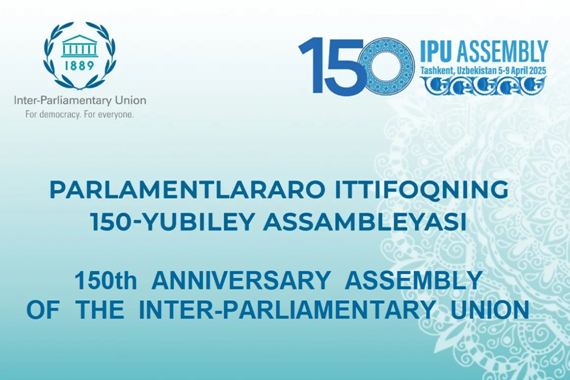
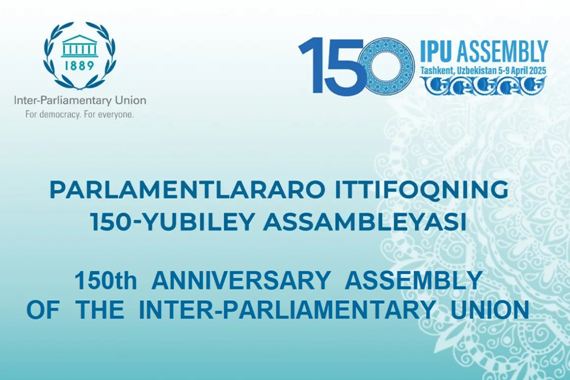
TASHKENT, MAR 28 /DNA/ – In April 2025, Tashkent will host the 150th anniversary Assembly of the Inter-Parliamentary Union (IPU) for the first time in the history of Central Asia. This event brings together over 2000 parliamentarians from more than 100 national parliaments, providing a unique opportunity to discuss key global issues. The selection of Tashkent as the venue for this important event underscores the growing influence of New Uzbekistan in international parliamentary diplomacy and its commitment to democratic reforms, and also confirms the country’s status as a center for constructive political dialogue in the region.

The Inter-Parliamentary Union (IPU) is one of the most important international organizations uniting national parliaments. Its work is based on the principle outlined by UN Secretary-General António Guterres, who emphasized, “Parliaments must not only enact laws but also oversee their implementation on behalf of the people.”


The President of Uzbekistan Shavkat Mirziyoyev also emphasizes: “The Parliament should become a genuine school of democracy, an initiator and a decisive force in the implementation of reforms.”


These words reflect Uzbekistan’s efforts to strengthen parliamentary oversight, expand the powers of the deputy corps, and increase the transparency of the legislative process. Hosting the 150th IPU Assembly in Tashkent is not only a historic event for the country but also a new milestone in the development of parliamentary diplomacy in Central Asia.


Birth of parliamentary diplomacy
The Inter-Parliamentary Union was founded in 1889 by prominent parliamentarians – Frenchman Frédéric Passy and Briton William Randal Cremer. Initially, the Inter-Parliamentary Union was a consultative association created to use parliamentary diplomacy as a means of preventing wars and resolving international conflicts through dialogue.


On May 22, 1889, the first international conference of the IPU was held in Paris, marking the beginning of the history of parliamentary diplomacy at the global level.
One of the significant stages was the IPU’s cooperation with the League of Nations, and later with the United Nations, where parliamentary experience was used to democratize international institutions.


After the Second World War, the IPU expanded its activities, focusing on issues of decolonization, human rights protection, and peacekeeping. During this period, the organization played a key role in shaping international law, promoting the principles of democratic governance, and ensuring the inclusive participation of various countries in global processes.


Founded in 1889, the IPU became the first multilateral political platform aimed at strengthening parliamentary diplomacy and the peaceful resolution of international conflicts. Over its more than 135-year history, the organization has evolved from a small group of parliamentarians into a global institution uniting 181 national parliaments and 15 inter-parliamentary organizations, representing 6.5 billion people. In the 21st century, the organization not only maintains its relevance but also plays an increasingly significant role in addressing global challenges.


The IPU’s evolution from a narrow circle of experts to a global institution reflects the aspiration of the world community for closer cooperation in a changing geopolitical environment.


On May 22, 2018, the UN General Assembly officially established June 30 as the International Day of Parliamentarism.
Modern Role of the IPU Today, the IPU is the largest global inter-parliamentary organization, representing the interests of over 46,000 parliamentarians, making it a crucial platform for dialogue, parliamentary diplomacy, and international cooperation. The organization integrates the experience and practices of national legislatures, promoting the development of common strategies to address modern challenges.


The IPU plays a key role in fostering international cooperation and promoting democratic principles. The main areas of the organization’s activities include:


First. Development of parliamentary diplomacy.The IPU creates a platform for dialogue between parliaments of different countries, discussion of global challenges, and the search for solutions. The organization provides support to parliaments in developing and implementing legislative initiatives aimed at strengthening democratic principles, transparency, and accountability of power.


Second. Support for peace and security.In the face of growing geopolitical challenges, the IPU is strengthening its role in facilitating conflict resolution, the development of international law, and peacekeeping activities. The organization advocates for parliamentary engagement as a tool for preventing crises and strengthening trust between countries. Special attention is paid to the protection of human rights in conflict zones, the prevention of violence, and the provision of humanitarian assistance.


Third. Promotion of democracy and human rights. Democracy cannot be sustainable without the protection of human rights and the rule of law. The IPU actively supports free and fair elections, protects the rights of parliamentarians, and. An important task remains the fight against the restriction of political freedoms, the persecution of opposition leaders, and threats against deputies. The organization also develops recommendations for ensuring the transparency of electoral processes and increasing trust in state institutions.


Fourth. Gender equality in politics. Promoting the participation of women in legislative activities remains a priority. Since 1997, the Target Program for Gender Equality has been in place, which monitors the proportion of women in parliaments worldwide. In 2024, this figure was about 26.7%, but a significant gap remains between countries. The IPU calls on parliaments to implement effective mechanisms to increase women’s representation, including quotas, mentoring programs, and the creation of favorable conditions for women’s participation in politics.


Fifth. Strengthening youth participation. Young politicians remain underrepresented in the parliaments of most countries. Today, the share of deputies under 40 years of age averages only 17.5%. The “I Say Yes to Youth in Parliament!” campaign aims to attract young leaders, develop initiatives focused on supporting the new generation of politicians, and ensure their active participation in legislative activities.


Tulia Ackson (Tanzania) – President of the IPU
Tulia Acksonwas elected President of the Inter-Parliamentary Union in 2023, becoming the first woman from Africa in this position. She has extensive political and legal experience and holds a leading position in promoting gender equality and human rights at the international level.
In 2020, she made history as the first female Speaker of the Parliament of Tanzania, where she actively worked to strengthen parliamentary oversight, increase government transparency, and protect vulnerable populations.
Martin Chungong (Cameroon) – Secretary-General of the IPU
Martin Chungong is one of the most experienced specialists in the field of parliamentarism, having worked in the Inter-Parliamentary Union system for over 30 years.
In 2014, he became the first African to hold the position of Secretary-General of the IPU, which was a significant event in the organization’s history. Prior to this, he worked for over two decades in the National Assembly of Cameroon, where he specialized in the legislative process, parliamentary oversight, and issues of public administration.
Uzbekistan and the IPU: Strengthening Parliamentary Diplomacy
In recent years, Uzbekistan has been actively integrating into the mechanisms of international parliamentary cooperation, participating in the activities of the IPU, the OSCE Parliamentary Assembly, the European Parliament, TurkPA, and the CIS Inter-Parliamentary Assembly.
“The true power of a parliament lies in its ability to represent the interests of every citizen,” noted Thomas Jefferson. That is why Uzbekistan is implementing initiatives to strengthen parliamentary diplomacy and integrate the SDGs into the national development strategy. In particular, at the initiative of Uzbekistan, the UN General Assembly adopted the resolution “On the role of parliaments in accelerating the achievement of the SDGs,” which received the support of 80 countries. This document emphasized the importance of parliamentary oversight of the implementation of the SDGs and strengthened the role of national legislatures in international processes.
Uzbekistan’s cooperation with the IPU is practical and institutional in nature: representatives of the chambers of the Oliy Majlis actively worked in the Executive Committee, various committees, and also participated in the IPU’s women’s and youth forums.
Tashkent – Capital of the 150th IPU Assembly: Recognition of Uzbekistan’s Parliamentary Reforms
The Secretary-General of the Inter-Parliamentary Union, Martin Chungong, highly praised the democratic transformations in Uzbekistan, emphasizing their importance for ensuring government transparency and increasing the effectiveness of parliamentary work.
The selection of Tashkent as the capital of the anniversary 150th Assembly of the Inter-Parliamentary Union (IPU) is not only a testament to the trust of the international parliamentary community but also a recognition of the large-scale reforms of parliamentarism being carried out in Uzbekistan. In recent years, the country has demonstrated significant progress in strengthening the role of parliament, expanding its powers, and introducing democratic mechanisms.
Former UN Secretary-General Kofi Annan said: “When parliament is strong, democracy flourishes.” This thought most vividly reflects the reforms being carried out in Uzbekistan, aimed at strengthening the role of the chambers of the Oliy Majlis as the country’s main democratic institution.
Key achievements of parliamentary reforms in Uzbekistan:
• adoption of the Constitution in a new edition (2023) following a national referendum. The fundamental law significantly expanded the powers of parliament – the chambers of the Oliy Majlis, strengthening their role in the system of checks and balances;
• development and adoption of more than 20 new laws aimed at increasing the effectiveness of parliamentary institutions, developing the rule of law, and protecting the rights of citizens;
• introduction of mechanisms for parliamentary oversight of the activities of the government and the judicial system, which has increased the accountability and transparency of state processes;
• creation of new parliamentary commissions on key issues – the fight against corruption, gender equality, protection of the rights of women and youth. These initiatives have made it possible to respond more effectively to current challenges;
• increased representation of women and youth in parliament. Today, 38% of the deputies of the Legislative Chamber of the Oliy Majlis are women, making Uzbekistan one of the leaders in the region in this indicator. The active participation of youth in the legislative process contributes to the modernization of the governance system and the formation of a more inclusive policy.
As Winston Churchill noted, “Parliament is the heart of democracy, and its voice is the voice of the people.” This very principle underlies the reform of the Parliament of Uzbekistan, where deputies and senators not only pass laws but also actively work with the population and the Government to improve the quality of life of the country’s citizens. The selection of the capital of Uzbekistan to host the anniversary forum confirms the country’s growing role in international politics, its commitment to democratic values, and its aspiration to deepen parliamentary diplomacy at the global level.
Main Themes of the 150th IPU Assembly in Tashkent
Parliaments can and should play a decisive role in addressing global challenges – from ensuring peace and security to protecting the environment and sustainable development. In these conditions, Uzbekistan strives not only to participate in international initiatives but also to become one of the key centers of parliamentary diplomacy, offering new approaches to solving global problems.
The 150th Assembly of the Inter-Parliamentary Union (IPU) in Tashkent, themed “Parliamentary action for social development and justice,” covers a wide range of issues relevant to the entire global community. Among the key themes are:

  1. Parliamentary diplomacy as a tool for conflict prevention. In the context of global instability, parliaments play a key role in peacekeeping processes, promoting dialogue, diplomatic negotiations, and the resolution of international crises.
  2. The role of parliaments in ensuring sustainable development and environmental security. Parliamentary oversight of the implementation of the Sustainable Development Goals (SDGs), legislative regulation of environmental initiatives, and the transition to a “green” economy will be at the center of discussions.
  3. Gender equality and the empowerment of women in parliamentary activities. Increasing women’s representation in legislative bodies, overcoming barriers for women in politics, and implementing strategies for gender equality.
    4.The use of digital technologies to improve the efficiency of parliaments. The introduction of digital solutions in legislative activities, the development of e-parliament, and data protection in the context of cyber threats.
    5.Measures to combat international terrorism, organized crime, and cyber threats. Strengthening inter-parliamentary cooperation in the field of security, developing legislative initiatives to combat global threats, and protecting human rights in cyberspace.
    In addition, the Global Forum of Young Parliamentarians and the International Women’s Parliamentary Forum will be held on the sidelines of the Assembly, demonstrating the IPU’s commitment to inclusivity and the involvement of youth and women in decision-making processes.
    Tashkent IPU Assembly: A new page in the history of parliamentary diplomacy
    Uzbekistan is rapidly strengthening its position in the international parliamentary arena. The holding of the Anniversary IPU Assembly in Tashkent from April 5 to 9, 2025, is a recognition of the country’s successes in reforming parliamentarism and developing democratic institutions. As António Guterres noted, “Parliamentarians, through laws, can make a significant contribution to achieving sustainable development.” Uzbekistan’s active participation in the work of the IPU, the holding of key international forums, and the introduction of advanced legislative practices confirm the country’s commitment to the principles of openness, sustainable development, and parliamentarism.
    The holding of the 150th IPU Assembly in Tashkent will be an important recognition of Uzbekistan’s contribution to the development of international parliamentary diplomacy. This not only strengthens the country’s position in the international arena and opens up new opportunities for cooperation with the global community but will also outline new vectors for the development of parliamentary diplomacy.

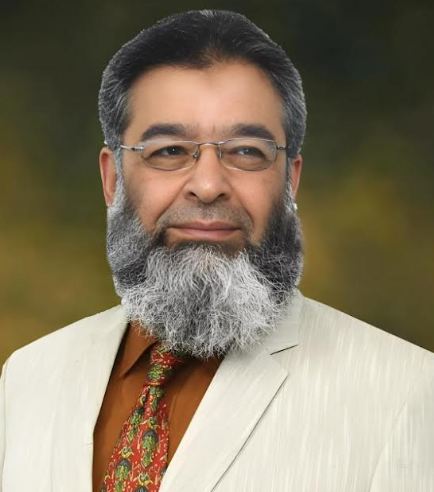
Academician Prof. Akmal Saidov,
Deputy of the Legislative Chamber
of the Oliy Majlis (Parliament) of the Republic of Uzbekistan,
Vice-President of the Inter-Parliamentary Union (2020-2023)

Interior Minister chairs a meeting on the repatriation of Afghan citizen card holders

Interior Minister chairs a meeting on the repatriation of Afghan citizen card holders

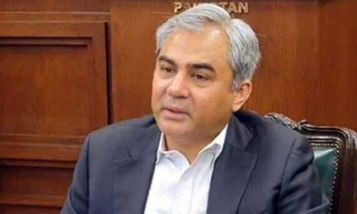
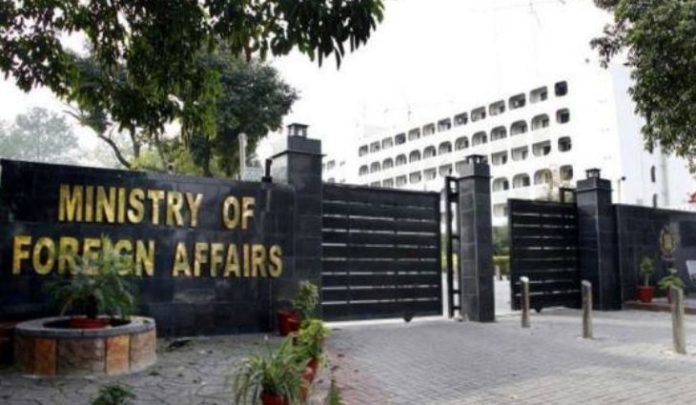
ISLAMABAD, MAR 28 /DNA/ – Federal Interior Minister Mohsin Naqv chaired a high-level meeting to review the repatriation process of Afghan Citizen Card holders. The Illegal Foreigners Repatriation Program (IFRP) has been in effect since November 2023, and in its second phase. Afghan Citizen Card holders have been given a deadline of March 31 to voluntarily leave Pakistan. 

Interior Minister stated that continuous coordination is being maintained between the federal and provincial governments regarding the repatriation process, and the federal government will provide full support to the provinces. Additionally, a committee has been formed based on the recommendations of the Chief Minister of Khyber Pakhtunkhwa. 

Minister of State for Interior Tallal Chaudhry will visit the provinces to resolve any issues arising during the repatriation process. Mohsin Naqvi also directed authorities to ensure respectful treatment of foreign nationals. 

The meeting was attended by Minister of State for Interior Tallal Chaudhry, the Federal Secretary for Interior, the Secretary for Kashmir Affairs & SAFRON, Chief Secretaries and Inspectors General (IGs) of all provinces, the Director General of FIA, the IG of Islamabad Police, the Deputy Commissioner of Islamabad, the Coordinator of the National Action Plan, and representatives from the Ministry of Foreign Affairs, the Ministry of Law, and security agencies. 

During the briefing, it was informed that all arrangements for the repatriation of Afghan Citizen Card holders have been completed. A door-to-door awareness campaign is underway, and the mapping of Afghan Citizen Card holders has been finalized. Furthermore, holding centers, food provisions, and healthcare facilities have also been arranged for those returning.

Deputy PM Dar vows to regulate sugar prices, monitor supply: report

Ishaq Dar

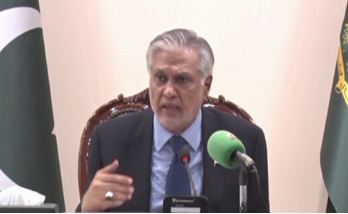
ISLAMABAD, MAR 28: Deputy Prime Minister Ishaq Dar on Friday said that the government was committed to regulating sugar prices and monitoring its supply to ensure market stability, state-owned Radio Pakistan reported.

Contrary to the rates announced by the prime minister as well as several attempts by the government to maintain retail sales at Rs130 per kilogramme, sugar prices in the markets continue to soar above Rs180 per kg in various markets across the country.

Previously, the deputy prime minister had cautioned that retail sugar prices should not exceed Rs164.

However, despite Dar’s warning, consumers continued to pay high prices for sugar — with the average national price of sugar in various cities hovering between Rs164-180 per kg.

While chairing a meeting in Islamabad, he expressed his resolve on the prevailing sugar crisis in the country, according to the report.

During the meeting, he reviewed compliance with the committee’s agreement reached earlier, expressing his “satisfaction with the downward trend in prices of sugar”, according to Radio Pak.

Dar directed the Pakistan Sugar Mills Association (PSMA) to ensure full compliance with the agreement for retail prices of sugar at or below Rs164 per kg throughout the country.

Sugar consumption is forecast to increase slightly to 6.7 million tonnes as it has continuously grown due to the population growth and demand from the food processing sector.

During the last season, Pakistan produced more than 6.84m tonnes of sugar, which is expected to rise in 2024-25.

Given this alleged massive siphoning from the consumers, the Competition Commission of Pakistan (CCP) had stated that it was closely monitoring the ongoing sugar crisis and warned that strict enforcement and policy actions will be taken if any anti-competitive activities are found.

The CCP has been working to curb cartelisation in the sugar industry, promoting fair competition and protecting consumers.

The CCP inquiry launched in 2020 revealed that sugar mills were prima facie engaged in price-fixing and controlling supply through coordinated actions facilitated by the PSMA.

As part of the investigation, the CCP also conducted raids and imposed Rs44 billion in penalties on sugar mills and the PSMA in August 2021, one of the highest fines in its history.

Eid Without Loved Ones: The Silent Grief of Martyrs’ Families

Eid Without Loved Ones: The Silent Grief of Martyrs' Families

by Muhammad Mohsin Iqbal

Eid is undoubtedly a festival of happiness, a day of celebration and gratitude after a month of fasting. It is a time for families to come together, for laughter to echo in homes, and for loved ones to exchange warm greetings.However, amid the joyous atmosphere, there are countless homes where silence replaces laughter, where memories fill the space left by those who once celebrated with them. These are the families of martyrs—those who sacrificed their lives to protect this nation, leaving behind parents, spouses, and children who now experience Eid with a deep void in their hearts.

Eid Without Loved Ones: The Silent Grief of Martyrs' Families

In the homes of these martyrs, the festive spirit is overshadowed by the painful absence of their loved ones. Their uniforms, medals, and cherished belongings remain in their rooms as silent reminders of their sacrifice. Every Eid, these items stir emotions too deep to be expressed in words. Mothers, who once prepared special dishes for their sons, now prepare meals with tears in their eyes. Fathers, who once embraced their sons in pride, now sit in quiet remembrance. Wives, who once looked forward to celebrating Eid with their husbands, now struggle with an emptiness that no words can fill. Children, too young to understand the full depth of their loss, still wait at the door, hoping their father will return with gifts, unaware that he has given the greatest gift of all—his life for the nation.

A striking example of this sacrifice is the story of Captain Karnal Sher Khan Shaheed (Nishan-e-Haider). He embraced martyrdom during the Kargil conflict, fighting with unmatched bravery. His mother, despite her immense grief, always expressed pride in his sacrifice. She once said, “My son was not just mine; he belonged to the entire nation. His sacrifice was not a loss; it was an honor.” This sentiment echoes in the hearts of many families who have lost their loved ones in service to Pakistan.

Similarly, the family of Aitzaz Hasan, the young boy who sacrificed his life in January 6, 2014 to stop a suicide bomber from attacking his school, spends each Eid in reflection. His father, Mujahid Ali, has often stated, “My son saved hundreds of lives, but he left a void in our home that can never be filled.” These are not just stories; they are living examples of the price paid for our peace and security.

Islam teaches us to honor those who sacrifice their lives for a just cause. The Holy Quran states

“Think not of those who are slain in the way of Allah as dead. Nay, they are alive, finding their sustenance in the presence of their Lord.” (Surah Aal-e-Imran 3:169)

This verse assures us that martyrs are not truly gone; they have attained an eternal life in the hereafter. However, for their families, the separation is a daily struggle. The pain intensifies on occasions like Eid when their absence is most deeply felt.

The Prophet Muhammad (peace be upon him) emphasized the honor of martyrdom in many Hadiths. He said

“A martyr is given six special blessings: he is forgiven with the first drop of his blood, he is shown his place in Jannah, he is saved from the punishment of the grave, he is kept safe from the Great Terror (Day of Judgment), he is crowned with honor, and he will be allowed to intercede for seventy of his relatives.” (Tirmidhi)

This Hadith not only highlights the high status of martyrs in Islam but also reminds us of our responsibility to support their families. Their sacrifice is not just the ultimate test for them but also a challenge for those they leave behind.

We have nothing to repay for these unparalleled emotions.The selflessness of their sacrifice is priceless, but we as a society must ensure that their families are not left alone in their grief. True celebration of Eid is not just in personal joy but in sharing happiness with others, especially those who struggle with sorrow.

The Prophet Muhammad (peace be upon him) taught us that the best among us are those who help others. He said

“The most beloved people to Allah are those who are most beneficial to others. And the most beloved deed to Allah is to make a Muslim happy, to remove his troubles, to pay off his debt, or to remove his hunger.” (Tabarani)

This Hadith serves as a guiding principle for how we should approach Eid. We must reach out to the families of martyrs, visit them, include them in our celebrations, and remind them that they are not alone. Even a simple gesture, a heartfelt Eid greeting, or a small act of kindness can make a difference.

As we celebrate Eid with our loved ones, let us take a moment to reflect on the sacrifices that allow us to live in peace. Let us honor the memory of those who have laid down their lives and extend our hands in solidarity to their families. Their loss is our loss, and their pain should be our concern. May Allah grant the martyrs the highest ranks in Jannah and give their families patience and strength. Let us ensure that this Eid is not just a festival of happiness but also a reminder of our responsibility towards those who have given everything for our nation.

Saudi Arabia likely to celebrate Eid ul Fitr on March 30

Eid ul Fitr

RIYADH, MAR 28: Astronomers in Saudi Arabia on Thursday predicted that the Shawwal moon would be visible in the kingdom on Saturday evening, Ramadan 29, 1446 Hijri, corresponding to March 29, 2025, indicating that Eid ul Fitr will likely fall on March 30.

In Saudi Arabia, the new moon is expected to be born at 2:00 PM on March 29, and it would be visible for eight minutes after sunset, according to Arab media.

However, the Space and Upper Atmosphere Research Commission (Suparco) said that the chances of moon sighting on March 29 in Saudi Arabia were minimal, saying that the age of the new moon at sunset in Makkah would be just five hours.

In a statement, Suparco predicted that the Shawwal moon would be visible in Saudi Arabia and the Middle East on March 30.

Meanwhile, the kingdom’s Supreme Court called on Muslims across the country to sight the Shawwal moon on the evening of Saturday.

The sighting of the Shawwal moon will mark the end of Ramadan and the beginning of Eid ul Fitr.

In a statement, the top court urged anyone who sights the crescent moon—whether with the naked eye or through binoculars—to report their observation to the nearest court and register their testimony.

This year, Ramadan began on March 1 in the kingdom.

If the moon is not sighted on Saturday, Ramadan will extend to 30 days, and Eid ul Fitr will commence on Monday, March 31.

If the Shawwal moon is sighted on Saturday, then Sunday, March 30, will be the first day of Eid ul Fitr in the kingdom.

— With additional input from Gulf News.

Govt seeks Rs1.71 per unit cut in electricity price

electricity price

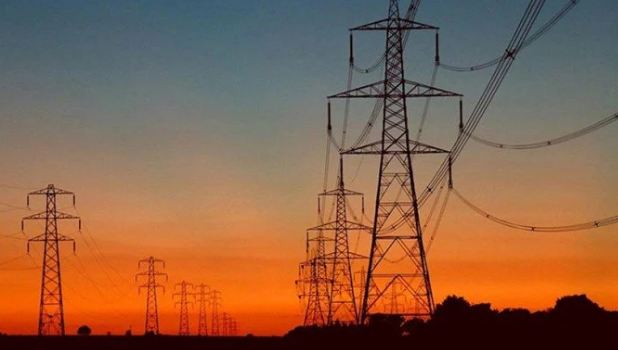
ISLAMABAD: The federal government has formally submitted a request to the National Electric Power Regulatory Authority (Nepra) seeking a reduction of Rs1.71 per unit in electricity prices.

According to the petition, the proposed cut in power tariff will be implemented through an increase in the tariff differential subsidy.

The request recommends that the reduction apply to all distribution companies, including K-Electric, for the period from April to June 2025. However, lifeline domestic consumers will not be covered under this adjustment.

Nepra has scheduled a hearing on the government’s petition for April 4. If approved, the federal government will provide a subsidy of Rs1.71 per unit to electricity consumers for April to June.

As per a document available to Geo News, the government has sought the subsidy for three months to improve the electricity demand. The national average rate for FY 2024-25 determined by Nepra was Rs35.50/kWh, against which the government notified national average tariff is Rs32.99/kWh for October 2024 and onwards to bridge the gap through tariff differential subsidy.

It may be noted that the International Monetary Fund (IMF) approved a reduction of Re1 per unit in electricity tariffs, providing relief to all consumers on Thursday.

The tariff relief, as per IMF officials, will be extended to all electricity users and will be financed through revenue generated from the levy imposed on captive power plants using gas.

The development follows the staff-level agreement (SLA) reached between the Washington-based lender and Pakistani authorities concerning the first review of the ongoing 37-month bailout programme.

the lender has clarified that this measure aims to offset financial pressures while maintaining fiscal stability.

It is pertinent to know that even independent power producers (IPPs) have offered to cut electricity tariffs by up to Re0.50 per unit and waive over Rs11 billion in late payment surcharges — on the condition that the government withdraw all ongoing legal proceedings and investigations into alleged excessive profits.

Meanwhile, the government is also working on finalising negotiations with 75 more power producers — mostly solar and wind — by the end of April or May after concluding talks with 29 IPPs that would save Rs3.498 trillion in future payments, despite facing international resistance in some cases.

Stay Connected

64FansLike
60FollowersFollow

Latest Reviews

Exchange Rates

USD - United States Dollar
EUR
1.17
GBP
1.35
AUD
0.72
CAD
0.73