Home Blog Page 634

US, Pakistan discuss energy collaboration

US, Pakistan discuss energy collaboration

ISLAMABAD, APR 4 /DNA/ – Charges d’Affairs US Embassy Natalie Baker met today with Federal Minister for Petroleum Ali Pervaiz Malik to discuss bilateral energy collaboration, sustainable development, and opportunities for enhancing Pak-US relations.

The meeting, held at the Ministry of Petroleum, focused on strengthening U.S.-Pakistan partnerships in the energy sector, including renewable energy initiatives, minerals, hydrocarbons and infrastructure investments. Natalie Baker and Minister Malik exchanged views on critical energy challenges, technological innovation, and policy measures to support Pakistan’s growing energy demands, future roadmap for mutually beneficial partnership and sustainability of energy sector.

Minister Ali Pervaiz Malik welcomed the U.S Government’s continued partnership . “Pakistan values its strategic relationship with the United States, and aims US to be looked at as a partner in progress,” he said. “We are keen to explore joint ventures in oil, gas, and renewable energy to ensure sustainable development and energy affordability for our citizens.” The Federal Minister extended his gratitude to the Chargé d’Affaires for personally assuring United States high level delegation’s participation in the Pakistan Minerals Investment Forum happening next week. Mr Eric Meyer, acting Assistant Secretary for South and Central Asia will be attending the Minerals forum, this marks an important visit by a US Assistant Secretary level from state department after a long time.

H.E. Natalie Baker commended Pakistan’s economic recovery and successful implementation of critical reforms. She congratulated Prime Minister Shahbaz sharif and his cabinet for this success. She emphasized that United States has positive engagement on security with Pakistan. President Trump recognized contributions of Pakistan under PM Shahbaz Sharif in his first address. Now its time for expanding and transforming this relationship. She assured full support to Pakistan on the path of reforms under Prime Minister shehbaz Sharif.

The meeting concluded with a shared commitment to advancing mutual energy goals and exploring new avenues for U.S.-Pakistan cooperation in the sector.

Israel’s provocative statements expose aggressive, expansionist policies

Israel’s provocative statements expose aggressive, expansionist policies

ISLAMABAD, APR 4 /DNA/ – The provocative statements made by Israeli Ministers against Türkiye reflect their current state of mind as well as the aggressive and expansionist policies of the fundamentalist and racist Israeli government.

It is worth questioning why the developments in Syria and Lebanon, which hold great promise for peace, stability and prosperity in our region and enjoy the support of the international community, appear to disturb Israel.

Israel’s simultaneous air and ground attacks on several locations last night (2 April), despite the absence of any provocation or attack against it from Syrian territory, can only be explained by Israel’s foreign policy approach that feeds on conflict.

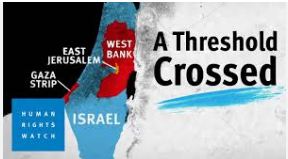
Israeli Ministers cannot conceal the genocide committed in Gaza, the total war against the Palestinian people, settler terrorism, the intention to annex the West Bank and the expansionist ambitions behind Israel’s attacks on Syria and Lebanon by targeting Türkiye.

Israel has become the foremost threat to the security of our region through its attacks on the territorial integrity and national unity of the regional countries. As a strategic destabilizer in the region, Israel causes turmoil and fuels terrorism.

In order to restore security across the entire region, Israel must first and foremost abandon its expansionist policies, withdraw from the territories it occupies and cease undermining the efforts to stabilize Syria

It is important that the international community assume its responsibility to curb Israel’s increasingly brazen aggression.

PM Shehbaz Sharif visits the embassy of Myanmar

PM Shehbaz Sharif visits the embassy of Myanmar

DNA

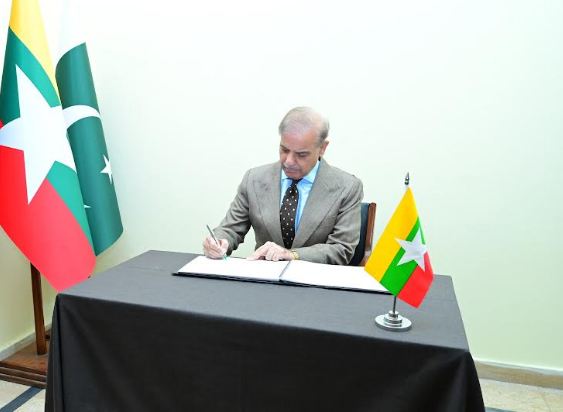
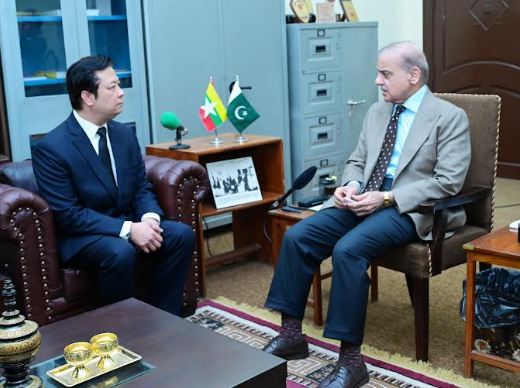
ISLAMABAD, APR 4: The Prime Minister visited the Embassy of Myanmar in Islamabad today and signed the Condolence Book, opened by the Embassy in the wake of the devastating earthquake that struck Myanmar on 28 March 2025.

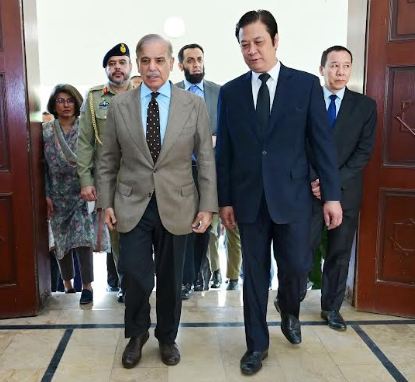
The Prime Minister was warmly received by the Ambassador of Myanmar H.E. Wunna Han, who thanked the Prime Minister for his visit and also for the relief goods provided by Pakistan for those affected by the earth quake in Myanmar.

The Prime Minister conveyed deepest condolences on behalf of the Government and people of Pakistan to the Government and people of Myanmar on the tragic loss of precious lives and widespread destruction caused by the earthquake.

The Prime Minister also emphasized that in this hour of grief, Pakistan stood with Myanmar in a spirit of friendship and compassion. He admired the courage and resilience of the people of Myanmar in the face of adversity and expressed solidarity for their swift recovery and rebuilding in the days to come.

The Ambassador of Myanmar, while appreciating the Prime Minister’s gracious gesture, conveyed best wishes for him and the people of Pakistan, from the Myanmar leadership.

Ambassador Asim Iftikhar Ahmad presents credentials to UN Secretary-General

Ambassador Asim Iftikhar Ahmad presents credentials to UN Secretary-General

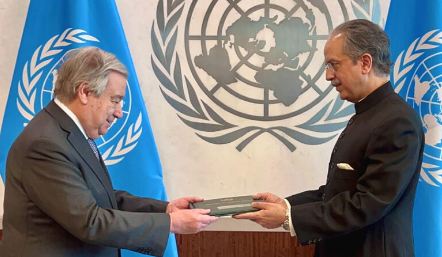
UNITED NATIONS, Apr 03 (DNA): The new Permanent Representative of Pakistan to the United Nations, Ambassador Asim Iftikhar Ahmad, presented his credentials to UN Secretary-General Antonio Guterres on Wednesday.

Speaking on the occasion, Ambassador Asim reaffirmed Pakistan’s steadfast commitment to multilateralism and the principles of the UN Charter.

The UN chief congratulated him on his new role and extended his best wishes for a successful tenure.

Ambassador Asim has replaced Ambassador Munir Akram, who left his position as Pakistan’s permanent representative to the UN after completing his tenure on March 31, 2025.

Prior to his appointment, Ambassador Asim served as his country’s ambassador to France and Monaco and as Permanent Delegate to the United Nations Educational, Scientific and Cultural Organization (UNESCO) from November 2022 to December 2024.

Before holding several positions in the Ministry of Foreign Affairs, including as the spokesperson,  in Islamabad, he served as Pakistan’s ambassador to Thailand and Permanent Representative to the United Nations Economic and Social Commission for Asia and the Pacific (ESCAP) from 2017 to 2021.

His work with the United Nations in New York and Geneva includes serving as a member of the country’s delegation to the Security Council in 2003-2004 and in 2012-2013, when he also served as Pakistan’s political coordinator in the Council.  

He has represented Pakistan at the Human Rights Council and the review of Pakistan’s reports to the Committee on the Rights of the Child and the Committee against Torture.  He also served as the Deputy Chef de Cabinet to the General Assembly President from 2009-2010.

Ambassador Asim joined the Foreign Service of Pakistan in 1993. In a diplomatic career spanning three decades, he has made his mark working across regions from Europe and Africa to Asia and the United Nations at various positions in the Ministry of Foreign Affairs and Pakistan’s Missions abroad.

He is a graduate of the University of Engineering and Technology, Lahore (1991, Electrical Engineering, Gold Medal), and the University of the Punjab, Lahore (1988, Bachelor of Arts, Gold Medal).

Born on 27 November 1966 in Lahore, Ambassador Asim is married and has three daughters.

Imran Khan nomination For noble peace prize

Imran Khan nomination For noble peace prize

Critics accuse Norway’s Partiet Sentrum party of “using a possible Peace Prize nomination to win votes”

OSLO/Mubashar Bhatti

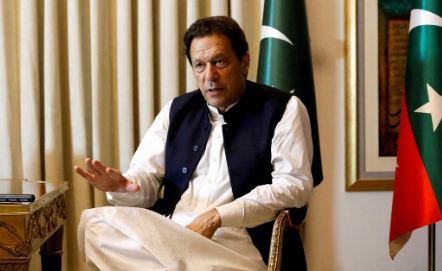
The Partiet Sentrum, a Norwegian political party, has come under fire for nominating former prime minister and Pakistan Tehreek-e-Insaf (PTI) founding chairman Imran Khan for the Nobel Peace Prize for services related to human rights and democracy — a move that has ignited a wave of criticism against the party in the Scandinavian country.

The Norwegian party announced via social media that they, in collaboration with an unnamed individual possessing nomination rights, had put forward the name of the ousted premier, Anadoulu Agency reported.

“We are pleased to announce on behalf of Partiet Sentrum that in alliance with somebody with the right to nominate, have nominated [Imran] Khan the former prime minister of Pakistan to the Nobel Peace Prize for his work with human rights and democracy in Pakistan,” the party said on X.

The Nobel Peace Prize is one of five Nobel Prizes established by the will of Swedish industrialist, inventor, and armaments manufacturer Alfred Nobel, along with the prizes in Chemistry, Physics, Physiology or Medicine, and Literature.

The prize aims to recognise and encourage efforts towards peace, international cooperation, and the reduction of conflict.

Every year, the Norwegian Nobel Committee receives hundreds of nominations, after which they select the winner through a lengthy eight-month process.

The nomination period for this year’s prize concluded on January 31, and the committee registered 338 candidates for the 2025 Peace Prize, of which 244 are individuals and 94 are organisations.

However, the committee does not disclose the names of the nominators or nominees for the prize.

The party refrained from disclosing the identity of the intermediary who facilitated the nomination, adding to the growing controversy. However, former PTI leader Shabaz Gill also took to X to announce Khan’s Nobel nomination.

“Nobel For Khan! Thank you to the Centre Party, Norway @partiet_sentrum Geir Lippestad for keeping his promise from our Oslo meeting to support former PM [Imran] Khan’s Nobel Peace Prize nomination. Grateful to him, Miss Samina T and party officials for their efforts,” Gill wrote on X, along with two videos featuring his meeting with Geir Lippestad, the leader of Partiet Sentrum and the Khan’s nomination announcement.

Norwegian party faces backlash for nominating Imran Khan for Nobel Peace Prize

The jailed founder of the PTI lost power following a no-confidence vote in April 2022 and has been incarcerated at Rawalpindi’s Adiala jail since September 2023, owing to his legal woes comprising around 100 cases.

RCCI welcomes reduction in electricity prices

RCCI welcomes reduction in electricity prices

RAWALPINDI – APR 3 /DNA/ – The Rawalpindi Chamber of Commerce and Industry (RCCI) has welcomed Prime Minister Shehbaz Sharif’s decision to reduce electricity tariffs for domestic and industrial consumers, calling it a much-needed relief for businesses and households.

The RCCI and the business community had long demanded a reduction in power tariffs to lower the cost of doing business, and this decision marks a significant step in addressing their concerns.

RCCI President Usman Shaukat commended the initiative, highlighting that the reduction of Rs. 7.41 per unit for domestic consumers and Rs. 7.59 per unit for industries will lower operational costs, promote industrial growth, and boost exports. He emphasized that this measure will restore investor confidence, improve market competitiveness, and help Pakistani exporters meet global challenges.

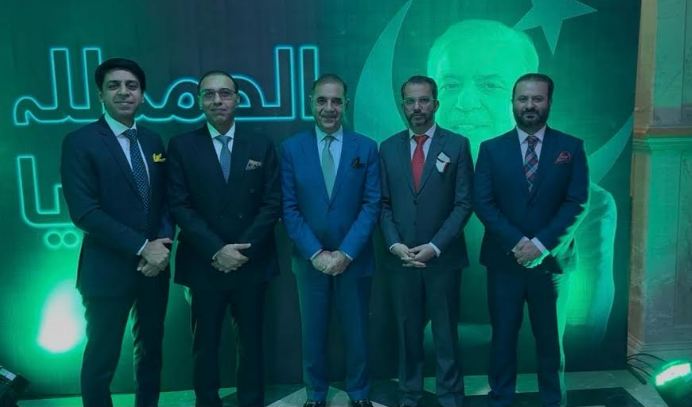
The announcement was made at a ceremony held at the Prime Minister’s Secretariat, attended by prominent stakeholders from the business and industrial sectors. RCCI President Usman Shaukat, along with Group Leader Sohail Altaf, Senior Vice President Khalid Farooq Qazi, Vice President Fahad Barlas, and Immediate Past President Saqib Rafiq, represented the Chamber at the event. The gathering also included industrialists, business leaders, federal ministers, Power Ministry officials, and representatives from various chambers of commerce.

 RCCI applauds this business-friendly initiative and looks forward to further policies that foster economic growth, industrial development, and investor confidence in Pakistan.

Sigh of relief for masses as govt announces Rs7.41 per unit cut in electricity tariff

Sigh of relief for masses as govt announces Rs7.41 per unit cut in electricity tariff

ISLAMABAD, APR 3: Prime Minister Shehbaz Sharif on Thursday announced a Rs7.41 per unit reduction in electricity prices for domestic consumers, vowing further relief for Pakistanis as his government seeks to strengthen the economy.

With the electricity rate reduced to Rs34 per unit for domestic users, the PM also revealed that the commodity’s prices for industrial units have also been slashed by Rs7.59.

The premier’s announcement, made during a special event attended by cabinet members, leading business figures and others, comes a month after the government’s request to the National Electric Power Regulatory Authority (Nepra) for a reduction of electricity prices — following the approval of the International Monetary Fund (IMF) which has given its go-ahead for Re1 per kilowatt cut in utility rates.

Speaking at the event, PM Shehbaz emphasised the need to reflect on past challenges while moving forward. He said that his government had faced numerous obstacles and worked tirelessly to prevent Pakistan from defaulting.

“When we took office, the country was on the brink of default, and the IMF was unwilling to negotiate,” he said, adding that the time had come to fulfil the promises made in the party’s manifesto.

Shehbaz acknowledged the strong support of Chief of Army Staff General Asim Munir and his team in stabilising the economy.

However, he pointed out that the path to economic recovery had been blocked by significant hurdles. Despite these challenges, he noted that Pakistan continues to have the lowest petroleum prices in the region.

Highlighting economic progress, the prime minister mentioned that interest rates had dropped from 22% to 12%, while inflation had fallen from 38% to single digits.

He announced plans to soon hold meetings with industrialists to further improve the economic situation. “To strengthen the economy, structural reforms will be necessary,” he said.

The premier asserted that Pakistan’s economy was now moving from darkness to light. “Economic stability has been achieved, and now it’s time for Pakistan to rise,” he said. However, he stressed that under the IMF programme, subsidies could not be granted.

He linked economic growth directly to electricity prices, saying that without a reduction in power costs, progress in industry, trade, and agriculture would not be possible.

“The IMF initially refused to allow a reduction in electricity prices, but we insisted that instead of lowering petrol prices, relief should be provided through electricity,” he explained.

Addressing independent power producers (IPPs), the prime minister said he had no complaints against them but had engaged in discussions to ensure public benefit.

“IPPs have made massive profits, and now it’s time for them to give back to the nation,” he remarked.

Shehbaz further announced that a permanent solution had been devised for a circular debt amounting to Rs2,393 billion. “This debt will no longer keep circulating — it will be eliminated once and for all,” he declared, adding that it would be completely eradicated within the next five years.

It is pertinent to know that Nepra has scheduled a hearing on the government’s petition for April 4. If approved, the federal government will subsidise electricity consumers by Rs1.71 per unit during the specified period.

The government aims to introduce this subsidy for three months to boost electricity demand.

Nepra had determined a national average rate of Rs35.50 per kWh for FY2024-25, while the government notified a lower national average tariff of Rs32.99 per kWh from October 2024 onwards, bridging the gap through the tariff differential subsidy.

Natural Disasters and Divine Will

Natural Disasters and Divine Will

By Muhammad Mohsin Iqbal

A few days ago, a powerful 7.7 magnitude earthquake struck Myanmar on March 28, 2025, with its epicenter near Mandalay. This catastrophic event caused significant casualties, injuries, and destruction in Myanmar, Thailand, and surrounding areas. The devastation was so severe that it seemed as if doomsday had arrived. People from all walks of life, irrespective of their religion, were left helpless, struggling to save themselves. In such dire moments, the reality of human frailty became evident. The fear of death was visible on every face, and in that fear, the recognition of an absolute, undeniable truth emerged; that Almighty Allah alone is the Supreme Power.

The earthquake caused massive devastation, claiming over 2,700 lives in Myanmar, with thousands injured and missing. Hospitals were overwhelmed, treating patients outdoors. In Thailand, at least 22 died, mostly from a collapsed Bangkok high-rise, with 76 still missing. The quake also damaged homes in China’s Yunnan and Sichuan provinces and over 300 apartments in Vietnam’s Ho Chi Minh City, though major casualties were avoided. Infrastructure losses are severe, with over 10,000 buildings, including hospitals and bridges, destroyed in Myanmar. Roads, power lines, and communication networks were crippled, hindering rescue efforts, while Thailand’s older, pre-2007 buildings proved highly vulnerable. Over 236 aftershocks, including a 6.7 magnitude tremor, have triggered further collapses.

The Quran repeatedly reminds mankind that all natural calamities, whether earthquakes, storms, or plagues, occur by the will of Allah. He controls the heavens and the earth, and nothing happens without His command. In Surah Al-Zalzalah (99:1-2), Allah says: “When the earth is shaken with its [final] earthquake, and the earth discharges its burdens.” This verse signifies that the power to move the very foundation of the earth rests solely with the Creator. No technological advancement, military might, or worldly authority can prevent His decree from unfolding.

Throughout history, mighty empires have risen and fallen, yet none could escape the will of Allah. Nations that considered themselves invincible have crumbled into dust. The Quran warns in Surah Al-An’am (6:65): “Say, ‘He is the [one] able to send upon you affliction from above you or from beneath your feet or to confuse you [so you become] sects and make you taste the violence of one another.'” This verse reminds us that Allah’s punishment can come in various forms, whether through natural disasters or human conflicts, and that none can defy His judgment.

The belief that any country, nation, or individual possesses ultimate power is nothing but a delusion. In Surah Al-Mulk (67:16-17), Allah questions: “Do you feel secure that He who [holds authority] in the heaven would not cause the earth to swallow you and suddenly it would sway? Or do you feel secure that He who [holds authority] in the heaven would not send against you a storm of stones? Then you would know how [severe] was My warning.” These verses make it clear that no worldly power can withstand the punishment of Allah when it descends.

The hadiths of the Prophet Muhammad (peace be upon him) further reinforce this reality. He said: “The strongest believer is the one who puts his trust in Allah and recognizes that everything happens by His will.” (Sahih Muslim) True strength lies not in worldly possessions or military might, but in submission to the Almighty.

Oppression and tyranny, no matter how dominant they appear, are short-lived in the grand scheme of Allah’s justice. The Quran reassures in Surah Ash-Shura (42:42-43): “Indeed, the way [of blame] is only against those who wrong the people and tyrannize upon the earth without right. Those will have a painful punishment. And whoever is patient and forgives – indeed, that is of the matters [requiring] determination.” This serves as a reminder that those who wield their power unjustly will face divine retribution, while those who remain steadfast in faith will be rewarded.

Many throughout history have attempted to challenge divine authority, believing themselves to be invincible. Pharaoh, who declared himself a god, was drowned along with his army. Nimrod, who defied Prophet Ibrahim (peace be upon him), was destroyed by the smallest of Allah’s creations—a mosquito. These examples testify that arrogance and defiance against Allah always lead to downfall.

The recent earthquake is yet another sign of Allah’s supremacy. It is a warning for humanity to reflect, repent, and recognize that no individual or nation holds absolute control. Power and authority belong to Allah alone. He grants it to whom He wills and takes it away when He wills. In Surah Aal-e-Imran (3:26), Allah states: “Say, ‘O Allah, Owner of Sovereignty, You give sovereignty to whom You will and You take sovereignty away from whom You will. You honor whom You will and You humble whom You will. In Your hand is [all] good. Indeed, You are over all things competent.'”

Thus, no one should live under the illusion that they are immune to Allah’s decree. The true superpower is not a country or an individual but the Creator of the heavens and the earth. He alone governs life and death, prosperity and hardship, and none can stand before Him when His command is issued. The recent calamity is a reminder for all of humanity to turn towards Him, seek His mercy, and acknowledge His ultimate authority over all creation.

Malaysian High Commission hosts sumptuous Eid Milan Open House

DNA

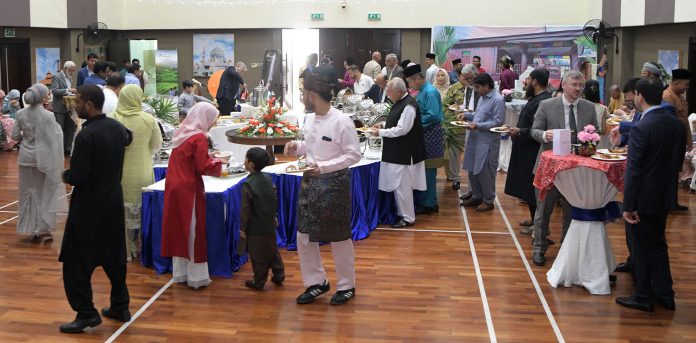
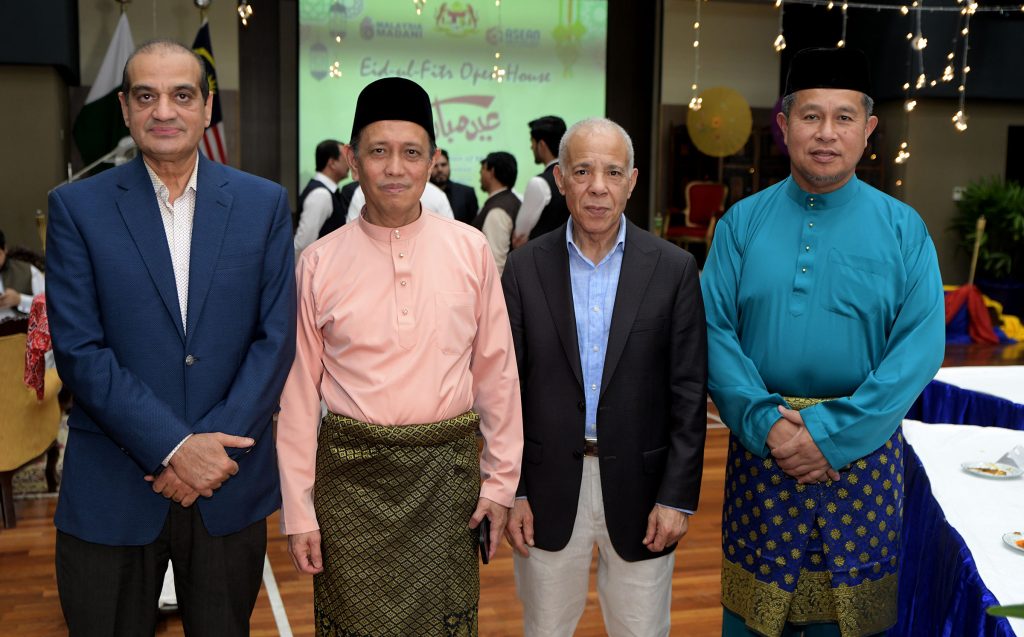
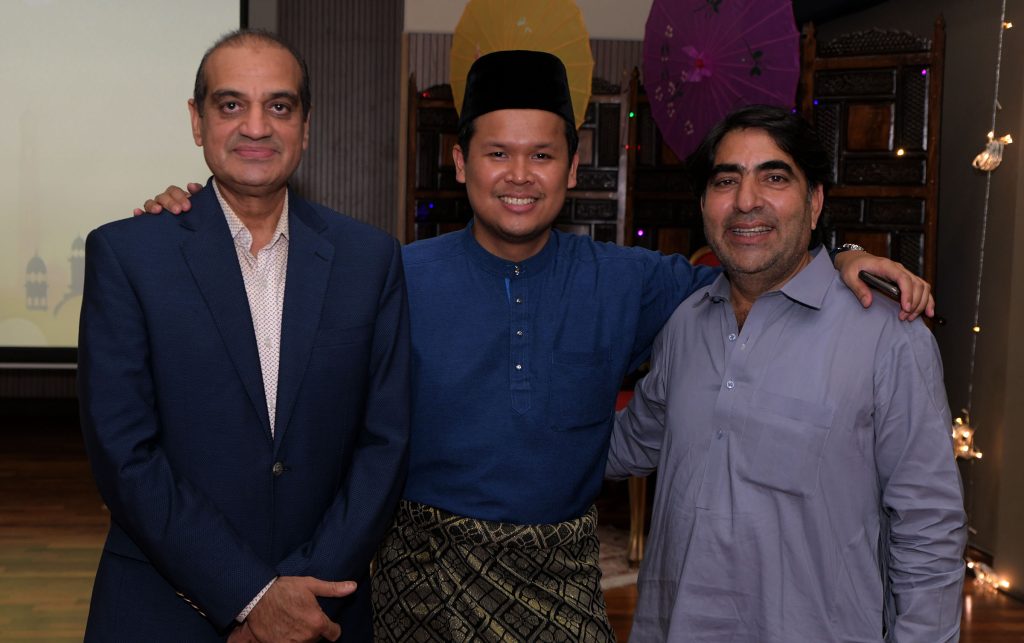
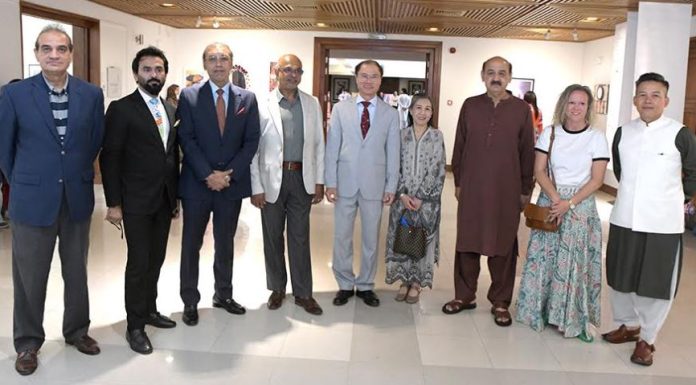
ISLAMABAD – The Malaysian High Commission in Islamabad warmly welcomed the families of Pakistanis and Malaysians to its annual Eid Milan Open House, a vibrant celebration of unity, culture, and the spirit of Eid. The event, held at the High Commission’s premises, was attended by diplomats, community members, and distinguished guests who gathered to mark the joyous occasion together.

The High Commissioner of Malaysia Dato Azhar bin Mazlan and Puan Amelia Amani Lee Abdullah greeted the guests upon arrival. Heads of Missions of the ASEAN countries and Dean of the African Group Mohammad Karmoune Ambassador of Morocco, Russian ambassador, Charge d Affaires of the Australian High Commission, Ambassador of Kazakhstan, Ambassador of Nepal, diplomats from Tajik and Kyrgyz embassies also attended the event.

The Eid Milan Open House is a cherished tradition that fosters harmony between the Malaysian and Pakistani communities in Pakistan. This year’s event featured a warm reception by His Excellency the Malaysian High Commissioner, along with senior diplomats and officials from the High Commission. Attendees were treated to an array of traditional Malaysian and Pakistani delicacies, symbolizing the deep-rooted culinary and cultural ties between the two nations. The traditional KP dish, Nameekn Ghost (salted meat), was also served to the guests, who thoroughly enjoyed it.

A variety of engaging activities and performances enriched the celebration. Guests enjoyed the lively atmosphere, exchanging greetings and strengthening friendships that transcend borders.

In his address, the Malaysian High Commissioner expressed his gratitude to the attendees for their participation and emphasized the significance of such gatherings in reinforcing bilateral relations. “Eid is a time of togetherness, reflection, and gratitude. Today, as Malaysians and Pakistanis come together under one roof, we celebrate not only our shared values but also the strong and enduring bond between our two nations,” he remarked.

The event also provided an opportunity for attendees to network and discuss cultural and economic collaborations between Malaysia and Pakistan. Many participants expressed their appreciation for the Malaysian High Commission’s efforts in bringing communities together and looked forward to more such events in the future.

The Eid Milan Open House concluded on a high note, leaving guests with cherished memories of a delightful evening filled with laughter, joy, and the true essence of Eid. This annual celebration continues to serve as a beacon of friendship and goodwill between Malaysia and Pakistan, strengthening the cultural bridge that unites their people.

China urges US to immediately lift tariffs, vows retaliation

China urges US to immediately lift tariffs, vows retaliation

Beijing, APR 3: China on Thursday urged the United States to immediately cancel its latest tariffs and vowed countermeasures to safeguard its own interests, after President Donald Trump declared sweeping levies on all U.S. trading partners around the world.

The U.S. move disregards the balance of interests reached in multilateral trade negotiations over the years and the fact that it has long benefited greatly from international trade, the Chinese Commerce Ministry said in a statement.

“China firmly opposes this and will take countermeasures to safeguard its own rights and interests,” the ministry said, as the world’s largest economies look set to spiral deeper into a trade war that stands to upend global supply chains.

Trump on Wednesday announced China would be hit with a 34% tariff, on top of the 20% he previously imposed earlier this year, bringing the total new levies to 54% and close to the 60% figure he had threatened while on the campaign trail.

Chinese exporters, as with those from every other economy, will face a 10% baseline tariff, as part of the new 34% levy, on almost all goods shipped to the world’s largest consumer economy from Saturday before the remaining, higher “reciprocal tariffs” take effect from April 9.

Trump also signed an executive order closing a trade loophole known as “de minimis” that has allowed low-value packages from China and Hong Kong to enter the U.S. duty free.

Trump had ordered the U.S. Trade Representative to determine whether China was living up to its commitments under the 2020 “Phase 1” U.S.-China trade agreement by April 1.

The deal had required China to increase purchases of U.S. exports by $200 billion over a two-year period, but Beijing failed to meet its targets when the COVID-19 pandemic struck.

China bought $153 billion in U.S. goods in 2017, before the trade war began, Chinese customs data shows, and that figure rose to $164 billion last year.

U.S. stock indexes rebounded to close higher on Wednesday,

WORLDWIDE TARIFFS

“Arguably, President Trump’s tariffs elsewhere will cause the most headaches,” said Ruby Osman, a China expert at the Tony Blair Institute for Global Change.

“Chinese firms have been rerouting trade through places like Vietnam and Mexico to avoid U.S. sanctions, but these markets are now being hit with significant tariffs of their own.”

“China+1” strategies caught on among Chinese exporters and multinational companies that had made the production powerhouse central to their supply chains during Trump’s first term.

But with India, Mexico, Vietnam and Malaysia – the countries that benefited most from this shift – facing tariffs of between 24% to 46%, the cost advantage of relocating manufacturing out of China is significantly diminished.

Trump’s tariffs could encourage China to step up its trade with alternative markets, but no other country currently comes even close to U.S. consumption power, where Chinese producers sell more than $400 billion worth of goods annually.

“Trump’s tariffs certainly won’t help Chinese firms and will cause some real pain in some sectors, but they don’t make any definitive mark on the Chinese economy,” said William Hurst, Chong Hua Professor of Chinese Development at the University of Cambridge.

“U.S. exports are of declining importance to China. The American tariffs will spur more Chinese trade with other places, from Europe to Southeast Asia and Africa,” he added.

But Chinese producers have described shifting to alternative markets as a “rat race”, resulting in price wars among exporters that risk fanning deflationary forces in the world’s second-largest economy as firms continue to squeeze shrinking margins.

China has kept its economic target for this year unchanged at “around 5%” despite Trump’s tariff salvos which could halt a largely export-led recovery underway since the end of the COVID-19 pandemic.

The government has pledged more fiscal stimulus, increased debt issuance, further monetary easing and put an even greater emphasis on boosting domestic demand to cushion the impact of the trade war.

“China knew this day was coming well in advance, the relatively restrained stimulus announcements at March’s Two Sessions were a calculation, not an oversight,” Osman said, referring to China’s annual parliamentary meetings.

“Beijing has purposefully kept more in reserve, both in terms of domestic stimulus and retaliatory measures, in case it needs to respond more forcefully,” she added.

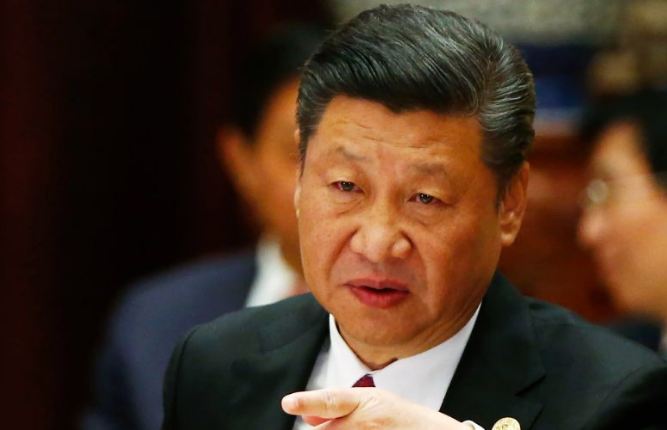
China’s President Xi Jinping might also enter the fray, following reports the two leaders could meet in June in the United States.

“Trump and Xi are locked in a paradox of pressure and pride,” said Craig Singleton, senior fellow at Washington-based research institute Foundation for Defense of Democracies.

“Trump’s strategy mixes maximum pressure with sudden diplomatic overtures — he sees leverage and engagement as complementary. Xi, by contrast, is methodical and risk-averse, relying on delay and discipline. But here’s the dilemma: if he refuses to engage, the pressure escalates; if he engages too soon, he risks looking weak,” he added.

“Neither wants to be seen as folding first, but delay could deepen the standoff.”

Stay Connected

64FansLike
60FollowersFollow

Latest Reviews

Exchange Rates

USD - United States Dollar
EUR
1.17
GBP
1.35
AUD
0.72
CAD
0.73