Home Blog Page 631

Security forces thwart terrorist infiltration in North Waziristan, 8 killed: ISPR

Security forces kill four terrorists in D.I.Khan

RAWALPINDI, APR 6 /DNA/ – Movement of a group of khwarij, trying to infiltrate through Pakistan-Afghanistan border, was picked up by the security forces in general area Hassan Khel, North Waziristan District.

Own troops effectively engaged and thwarted their attempt to infiltrate. After an intense exchange of fire, eight Khwarij were sent to hell, while four khwarij got injured.

Pakistan has consistently been asking Interim Afghan Government to ensure effective border management on their side of the border. Interim Afghan Government is expected to fulfil its obligations and deny the use of Afghan soil by Khwarij for perpetuating acts of terrorism against Pakistan.

Sanitization operation is being conducted to eliminate any other Kharji found in the area as security forces of Pakistan are determined
and remain committed to secure its borders and wipe out the menace of terrorism from the country.

Ethiopian ambassador opens women journalists’ sports gala in Islamabad

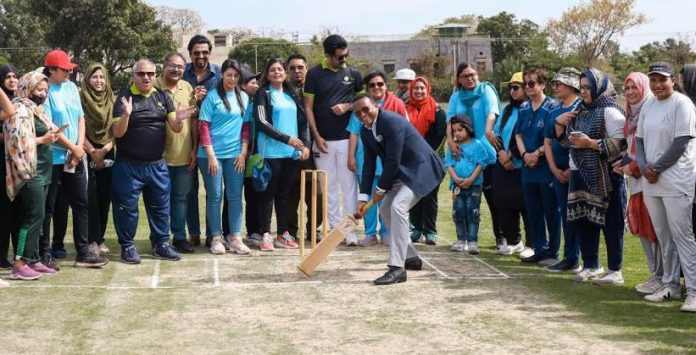
Ethiopian ambassador

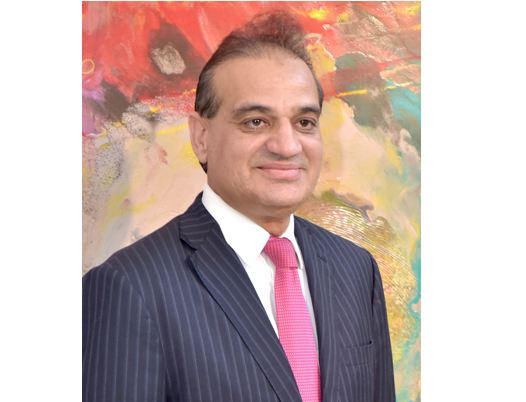
ISLAMABAD, APR 6 /DNA/ – Jemal Beker Abdula, Special Envoy and Ambassador Extraordinary of the Federal Democratic Republic of Ethiopia (FDRE) to the Islamic Republic of Pakistan, inaugurated the Women Journalists’ Sports Gala 2025 here in Islamabad at Marghzar Cricket Ground on Sunday.

The event was jointly organized by the National Press Club (NPC), the Women Journalists Caucus, Capital Premium League, and other partners.

Upon his arrival, the Ambassador was warmly welcomed by Pakistan Federal Union of Journalists (PFUJ) President Mr. Afzal Butt, NPC President Mr. Azhar Jatoi, NPC General Secretary and Chairperson of the Women Journalists Caucus Ms. Nayyer Ali, and Chairman Pakistan Africa Friendship Association (PAFA) Mr. Zafar Bakhtawari.

Ambassador Dr Jemal played the ceremonial first ball to commence the match and addressed the media, highlighting the importance of sports and women’s empowerment for Pakistan’s prosperity and development.

He expressed his passion for sports, noting its significance in ensuring social cohesion, national unity, building a healthy nation, and facilitating cultural exchanges among nations.

The Ambassador praised Pakistanis as a sports-loving nation and reiterated his commitment to strengthening people-to-people relations between Pakistan and Ethiopia, which is known for success in athletics, particularly long-distance running games.

He extended his best wishes to the women journalists participating in the match, and also in their professional endeavors.

Saffron Success: Herat Sees 15% Growth in Production This Year

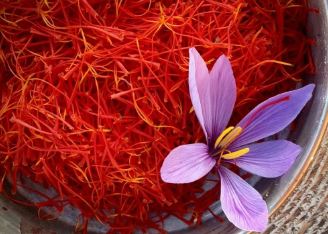
Saffron

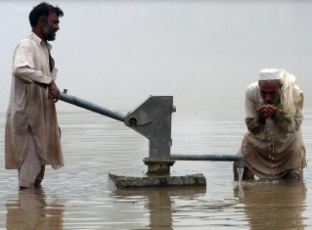
HERAT, APR 6: The Herat Directorate of Agriculture, Irrigation and livestock says that saffron cultivation in the province has increased this year, and farmers are fully satisfied with its production and income.

According to officials from the department, the high price of saffron and its growing export to other countries have boosted farmers’ interest in cultivating this crop.

Saffron, also known as “red gold,” attracts more and more farmers each year.

Bashir Ahmad Ahmadi, Head of Promotion at Herat’s Directorate of Agriculture, said: “This year, the saffron situation is very good. Compared to last year, we’ve seen a 15% increase in production. Our dear farmers have earned good income, and saffron cultivation in Herat is expanding day by day.”

According to statistics from the Directorate of Agriculture of Herat, the price of one kilogram of saffron in local markets has reached up to 100,000 Afghanis, which shows a significant increase compared to previous years.

Export companies also report a growing interest from global markets in Afghan saffron.

Abdul Khaliq Khudadadi, the head of one of the saffron processing companies, said: “Afghan saffron is exported to more than 20 countries, including the United States, Germany, Denmark, Sweden, Spain, and India.”

During the saffron harvest season, thousands of women and girls work in picking flowers and separating the saffron threads. Additionally, hundreds of women and men are employed in saffron packaging and processing companies.

Amina Haidari, an employee at one such company, said: “15 people work permanently, and around 400 women are employed seasonally during the saffron harvest.”

Aaliya, an employee at a saffron processing company, added: “I’ve been working here for three years, and I’m very happy to be employed.”

The Herat Directorate of Agriculture states that nearly 10,000 hectares of land in the province have been allocated to saffron cultivation this year. Last year, more than 40 tons of saffron were harvested in the province, and the yield is expected to increase this year.

Inaugural U23 World Squash Championships kick off in Karachi

U23 World Squash Championships

KARACHI, APR 6: The inaugural edition of the Under-23 World Squash Championships kicked off on Sunday with six Pakistani players looking to wow the home crowd at Karachi’s Creek Club.

The newly introduced championships from April 6 to 10 feature a men’s individual championship draw of 32 players and a women’s individual championship draw of 22 players. The winner receives automatic qualification through to the PSA World Championships as well as the lion’s share of a $60,000USD prize pot, according to World Squash.

Mariam Malik was the first Pakistani player in action this morning. The 21-year-old was thrashed by Spain’s Noa Romero Blazquez 11-3, 11-2, 11-4 in the opening match.

Next up for Pakistan was Noor Zaman. The second seed stormed to victory against Kuwait’s Hussain Alzaatari with 6-11, 11-5, 4-11, 3-11.

Former world junior squash champion Hamza Khan cruised to victory in three straight sets over Romania’s Radu Stefan Pena 3-11, 1-11, 5-11.

Khan made history in 2023 when he won the World Junior Squash Championship 2023 on Sunday after beating Egypt’s Mohamed Zakaria, becoming the country’s first champion since 1986.

The remaining three Pakistani players will also play their matches today, with Amna Fayyaz taking on Japan’s Kurumi Takahashi, Muhammad Ammad facing Malaysia’s Ameeshenraj Chandaran, and Sana Bahadar going up against Czechia’s Tamara Holzbauerova.

A total of 22 matches across five courts at Creek Club are set to place take today.

Pakistan Squash Federation (PSF) Vice President and Sindh Squash President Adnan Asad made no secret of his and his colleagues’ goal to return Pakistan to the summit of the game.

“My vision is to create a few Jahangir Khans in the next five years,” Asad told World Squash earlier this week.

He adds that hosting the championships forms part of a two pronged strategy that will see Pakistan host more high profile events in the future to give local players more opportunities to compete with the world’s best talents, coupled with an increased PSF and private investment in facilities, equipment and grassroots programmes.

“We have very high hopes,” Asad admits. “By hosting this championship, I expect a large number of Pakistani players to get serious and work hard for the next few years and hopefully get Pakistan back as a world beater.

While speaking to the global governing body last month, Zaman told World Squash it was a huge honour to represent Pakistan.

“There’s an incredible sense of pride and responsibility when you step onto the court in front of your own people. The energy and support from the crowd is electric, and it pushes you to perform at your absolute best.

“It’s a chance to show the world the talent we have in Pakistan and to inspire the next generation of squash players,” he said.

Akhtar Mengal to be arrested if BNP-M march enters Quetta, Balochistan govt warns

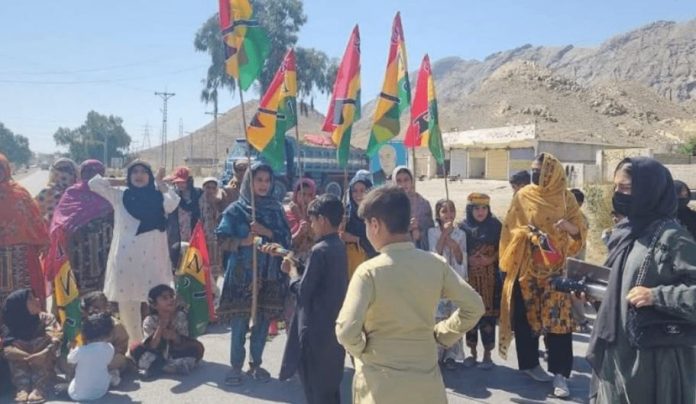
Akhtar Mengal to be arrested if BNP-M march enters Quetta, Balochistan govt warns

QUETTA, APR 6: The Balochistan government on Sunday warned Sardar Akhtar Mengal, chief of his faction of the Balochistan National Party-Mengal (BNP-M), that he would be arrested under the Maintenance of Public Order (MPO) if his party’s march against the jailing of Baloch activists entered Quetta.

The BNP-M had begun a “long march” from Wadh to Quetta on March 28 to protest the arrests of Baloch Yakjehti Committee (BYC) leaders and activists, including Dr Mahrang Baloch and Sammi Deen Baloch, as well as a crackdown on their sit-in in Quetta. Sammi was released on Tuesday.

The BNP-M’s sit-in at the Lakpass area of Mastung entered its 10th day today. The party is set on heading to Quetta as a deadlock persisted over its demands — including Mahrang’s release — while the Balochistan government warned to limit the march to Quetta’s Sariab Road.

However, that offer seemed to be no longer on the table as Balochistan government spokesperson Shahid Rind asserted today that Mengal would be arrested if he “moves towards Quetta”.

Responding to a post on X by Mengal, who claimed his party was “completely encircled by security forces” at Lakpass, Rind said the BNP-M president had been alerted at 6am about the orders to arrest him under the MPO.

MPO orders are usually issued to maintain public order and cite a “threat to the public safety” along with a possible “breach of peace and tranquility”.

Rind wrote: “Mengal refused to give his arrest. The administration and the police have clearly told him that if he moves towards Quetta, he will be arrested, and this is why law enforcement agencies (LEAs) are present there.

“BNP’s calls to block national highways right now is adding to the difficulties faced by the citizens. The administrations of all districts have been instructed that national highways will not be shut.”

The government spokesperson, without specifying the other party, quipped: “There is one thing common in the beneficiary groups of 2018 [elections]: crafting a narrative, which is why both are doing the same thing.”

The provincial government has blocked roads by placing containers around the protest site at Lakpass. It has also suspended internet services in Quetta, Mastung, Kalat and Khuzdar.

Following Rind’s statement, the BNP-M quoted Mengal as saying: “The state has decided to crush us, but we won’t bow down. This sit-in will continue under all circumstances and now, we will make the entire Balochistan the centre of resistance.”

In another post, the BNP-M shared a video, claiming that LEAs had started shelling on party workers at Quetta’s Sona Khan Chowk gathering to welcome the march. White fumes could be seen billowing in the distance in the purported video.

Mengal, in a post on X earlier in the morning to which Rind had directly replied, stated: “We are currently stationed at Lakpass, completely encircled by security forces. A major operation against us is imminent.

“I call upon all districts to immediately shut down all national highways in protest. Let the world witness this injustice. We remain peaceful, but resolute.

“Whatever unfolds today — the consequences, the blood, the fallout — will rest solely on the shoulders of the government and the local administration,” Mengal added.

A post on X by the BNP-M shortly after also said security forces had surrounded Mengal and the people at the sit-in, adding that it was “deeply concerned” about the situation at Lakpass.

“This is open aggression that will not be tolerated under any circumstances. BNP announces that all national highways should be closed immediately in protest.”

BNP-M calls for province-wide strike
Meanwhile, the BNP-M called for roadblocks and a shutter-down strike across Balochistan tomorrow against obstructions placed for its march to Quetta.

Former BNP-M Senator Sanaullah Baloch told Dawn.com the party has called for “Balochistan-wise roadblocks and strike against government brutalities, firing and shelling against unarmed protesters”.

BNP-M’s Sajid Tareen addresses a press conference at the Quetta Press Club on April 6, 2025. — via Abdullah Zehri
Addressing a press conference in Quetta — attended by leaders of the Awami National Party (ANP) and the Jamhoori Watan Party (JWP) — BNP-M Senior Vice President Sajid Tareen also reiterated the strike call.

Tareen said the plan of action for “further protests” would also be announced tomorrow after consultation with other political parties.

“The rulers want to put the people on the path of hatred under a conspiracy,” Tareen alleged, saying that police, Frontier Corps and security forces have been deployed to prevent the protesters from entering Quetta.

Insisting that “not a single pot” was broken so far as the sit-in remained peaceful, the BNP-M leader condemned the “use of force against a democratic action”.

Tareen also expressed the apprehension that he may be arrested: “I have reports that I may be arrested. I am in Quetta but we will keep raising our voices against oppression.”

‘Red Zone off-limits’
According to Mengal, the previous two rounds of negotiations were not successful as the government delegations did not enjoy any authority to make decisions on the demands tabled by the BNP during the talks.

A day earlier, Balochistan government spokesperson Shahid Rind offered the BNP-M to march till Quetta’s Shahwani Stadium on Sariab Road and warned the party of action if the city’s Red Zone is breached.

Addressing a press conference, Rind denied any government official’s meeting with Mahrang in the district jail on Friday night.

He said that the BNP leadership had been offered an alternative venue in Sariab during negotiations but they did not accept the government’s offer and insisted that they would stage their sit-in in the Red Zone despite Section 144.

Rind, while referring to the talks with the BNP, said that two rounds of negotiations had been held with the BNP leaders, with inputs from BNP-Awami, the National Party, and Jamiat Ulema-i-Islam, but all in vain.

He further asserted that Mengal will not be allowed entry in the Red Zone, the Balochistan Assembly, or the Balochistan High Court premises.

Meanwhile, BNP responded strongly to the government’s position. “Here, laws are crafted to suit the whims and interests of the ruling elite. Such bluster is not new — dictators like Musharraf also made similar threats, which were ignored then and will be ignored now,” the statement said.

Gaza Under Fire, Humanity Under Trial

Gaza

by Muhammad Mohsin Iqbal

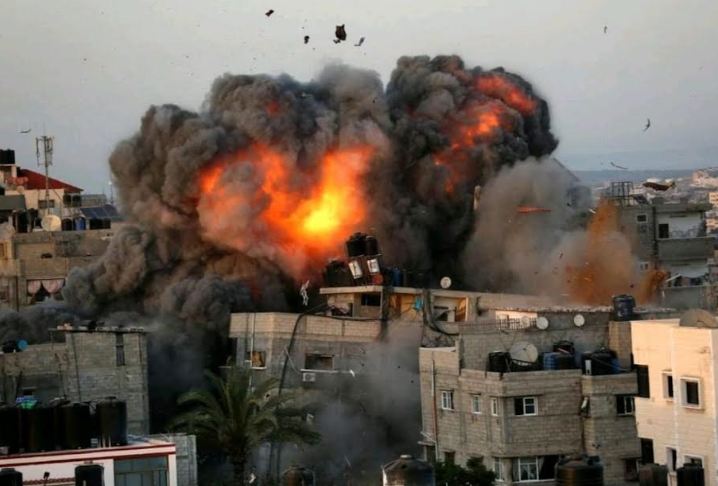
The tragedy of Gaza has once again exposed the deep cracks in the conscience of the global community and the paralyzing inertia of the Muslim Ummah. As the tiny strip of land continues to burn under Israel’s relentless bombardment, the world watches in silence, save for a few customary condemnations and hollow resolutions. The screams of innocent civilians, the wailing of mothers, and the crushed bodies of children buried under rubble have failed to stir any meaningful action from either the so-called champions of human rights or the Muslim countries that surround Gaza.

“And what is [the matter] with you that you fight not in the cause of Allah and [for] the oppressed among men, women, and children who say, ‘Our Lord, take us out of this city of oppressive people and appoint for us from Yourself a protector and appoint for us from Yourself a helper?” (Qur’an, Surah An-Nisa 4:75)

Gaza is not just another battlefield. It is a densely populated area home to over two million people, more than half of them children. Since the most recent aggression began, over 32,000 Palestinians have lost their lives, the majority of them women and children. Tens of thousands more are injured, displaced, or missing. The infrastructure of Gaza has been turned into dust. Hospitals, schools, residential buildings, water pipelines, electricity grids—nothing has been spared. The United Nations has estimated that over 70% of Gaza’s infrastructure has been completely or partially destroyed, making it unlivable for its residents.

In the face of such devastation, the reaction of the world has been shamefully muted. The self-proclaimed torchbearers of human rights and international law have done little beyond issuing carefully worded statements and non-binding resolutions. These gestures, no matter how loud, do not stop bombs. They do not heal the wounded or feed the hungry. They do not bring back the dead children pulled from the rubble of their homes.

But perhaps even more heartbreaking is the role—or the lack thereof—played by the Muslim world. There are 57 Muslim-majority countries on this planet. Together, they possess tremendous wealth and military capacity. Collectively, Muslim countries control trillions of dollars in sovereign wealth, vast energy resources, and hold significant shares in global trade and finance. In terms of military strength, the Muslim world commands more than five million active and reserve personnel, thousands of tanks and fighter jets, and even nuclear capabilities. Some Muslim countries like Turkey, Iran, Saudi Arabia, and Egypt have advanced defense industries and modernized weapon systems, yet when it comes to Gaza, all this power remains unused, locked behind closed borders and political calculations.

The Prophet Muhammad (peace be upon him) said:”The example of the believers in their mutual love, mercy, and compassion is like that of a body; when any limb aches, the whole body responds with sleeplessness and fever.”(Sahih al-Bukhari and Sahih Muslim)

Why, despite this enormous potential, do Muslim countries keep silent in the face of Israel’s brutality? The answer lies in a complex web of fear, division, and dependency. Many Muslim states are entangled in economic, political, or military partnerships with Western powers that support Israel. Others are afraid of diplomatic isolation or sanctions. Some are too divided among themselves—embroiled in regional rivalries and internal crises—to unite for a collective response. The spirit of the Ummah has been weakened by decades of fragmentation, and Gaza is paying the price for that disunity.

Gaza shares borders with several Muslim countries—most notably Egypt, and nearby lie Jordan, Lebanon, and Syria—all Muslim-majority nations. Yet, none have opened their borders to offer significant refuge or medical assistance at scale. None have taken steps to halt the bloodshed or protect the people of Gaza from the wrath of Israel’s military machine. Political hesitation and self-interest have overtaken the principles of Islamic brotherhood and humanitarian obligation.

This silence is not neutrality—it is complicity. When the world does nothing while war crimes are committed in plain view, it sends a message that the lives of Palestinians are expendable. That the destruction of their homes, hospitals, and futures is tolerable. That their suffering is not worth more than a few sound bites in the news cycle.

The Prophet (peace be upon him) said:”Whoever sees an evil, let him change it with his hand; if he cannot, then with his tongue; and if he cannot, then with his heart—and that is the weakest of faith.”(Sahih Muslim)

How many more bodies must fall before the world decides that enough is enough? How many more children must be buried under collapsed buildings before the Muslim world realizes that its strength lies not in numbers, but in unity and action? The crisis in Gaza is not just a humanitarian tragedy—it is a moral test. And so far, the world is failing.

The time for statements is over. What Gaza needs is immediate humanitarian aid, diplomatic pressure, and sustained political support. Muslim countries must rise above their divisions and come together, not just in sorrow, but in strategy and solidarity. They must leverage their influence at the United Nations, in global forums, and with their Western allies to demand a ceasefire and the lifting of the siege. They must provide material support to rebuild what has been destroyed, and most importantly, they must protect the dignity and rights of the Palestinian people.

“Indeed, Allah will not change the condition of a people until they change what is in themselves.”(Qur’an, Surah Ar-Ra’d 13:11)

History will remember this moment. It will remember the innocent lives lost and the silence that followed. It will remember the countries that stood by and did nothing. And it will ask:When Gaza was burning, where were you?

PCB announces illustrious commentary panel for PSL X

PCB announces illustrious commentary panel for PSL X

LAHORE, APR 06 (DNA): Former England Test captain Sir Alastair Cook is all set to make his HBL PSL debut behind the mic as Pakistan Cricket Board (PCB) announced a star-studded commentary panel for HBL PSL X here on sunday.

The six-team tournament is scheduled to commence from 11 April at the Rawalpindi Cricket Stadium and will conclude on 18 May, with the final taking place at the Gaddafi Stadium in Lahore.

The 34 matches will be played in Karachi, Lahore, Multan and Rawalpindi.

Cook will be joined by former MCC President Mark Nicholas – a renowned voice in cricket commentary since retiring from competitive cricket in 1995. Nicholas also remained associated with SKY Sports in England and Channel 9 in Australia. Joining Cook and Nicholas are fellow countrymen Dominic Cork and Mark Butcher, while South Africa’s Jean-Paul Duminy and Mike Haysman will also be part of the panel.

From Bangladesh, it will be Athar Ali Khan, and he will be joined by New Zealand’s former Test cricketer Martin Guptill. Australia’s two-time ICC Women’s World Cup winner Lisa Sthalekar will also lend her voice to the tournament.

Commentators from Pakistan:

Four former Test captains – Aamir Sohail, Ramiz Raja, Waqar Younis and Wasim Akram will lead the commentary team from Pakistan. Waqar and Wasim are both ICC and PCB Hall of Famers as well. They will be joined by former Test cricketer Bazid Khan, former Pakistan women’s team captain Urooj Mumtaz and cricket analyst Sikander Bakht.

In a historic move, this edition of the HBL PSL will also feature a full match broadcast in Urdu commentary for the first time. The Urdu commentary panel includes Ali Younis, Aqeel Samar*, Marina Iqbal*, Salman Butt and Tariq Saeed, who will be joined by the above Pakistan’s commentators for selected segments.

Erin Holland and Zainab Abbas will be the presenters during the league matches.

HBL PSL Chief Executive Officer Salman Naseer: “We are excited to welcome a star-studded commentary team, featuring some of the most iconic names in the cricketing world — including legendary former Test captains and top-tier broadcasters. Their involvement not only enhances the quality of our coverage but also highlights the global stature of the HBL PSL.

“This year, for the first time in HBL PSL history, we will be broadcasting a full match entirely in Urdu commentary – a move that brings us even closer to our passionate fanbase across Pakistan. We are confident that the combination of iconic voices and fresh innovations will enhance the viewing experience for fans at home and around the world.”

Relief measures: govt needs to do more

Relief measures: govt needs to do more

In recent developments, reports indicate that negotiations between the Establishment and Pakistan Tehreek-e-Insaf (PTI) have made significant headway—a move that many see as a step toward de-escalating long-standing political tensions. Moreover, the recent decision allowing PML-N leader Nawaz Sharif to travel abroad has further fueled speculation that behind-the-scenes consensus-building efforts are in motion

Opinion

Ansar M Bhatti

Prime Minister Shehbaz Sharif has announced a much-anticipated relief package for both domestic and industrial electricity consumers, aiming to provide financial respite amid rising inflation and economic pressures. The move has been welcomed by both business communities and the general public, as it is expected to lower operational costs for industries and ease the burden on household budgets.

While the initiative is being largely appreciated, some experts and economic analysts argue that there was considerable room for a more substantial reduction in electricity tariffs. They contend that the government could have utilized available financial buffers and reforms to provide even greater relief. However, given the challenges in the power sector—such as inefficiencies, circular debt, and distribution losses—policymakers have adopted a cautious approach to ensure sustainability.

While unveiling the package, Prime Minister Shehbaz Sharif emphasized the urgent need to address systemic issues in the power sector, particularly electricity theft, which contributes significantly to revenue losses and inefficiencies. He reiterated that eliminating power pilferage and enforcing stricter controls would not only reduce losses but also create the fiscal space necessary for further reductions in tariffs.

The prime minister further assured consumers that the government is committed to making energy more affordable and sustainable. He hinted at the possibility of additional tariff reductions in the near future, subject to improvements in power sector management and economic conditions. With this announcement, the government aims to strike a balance between providing relief to consumers and maintaining financial stability in the energy sector. As implementation unfolds, all eyes will be on the impact of this initiative on businesses, households, and Pakistan’s broader economic landscape.

Despite recent developments, several pressing questions remain unanswered. The relief came only after the government decided to do away with the dormant power plants. Additionally, the government announced the cessation of capacity payments, primarily targeting state-owned power plants. However, it remains unclear whether this policy will extend to private power producers, particularly those operated by Chinese companies. At first glance, it appears that the measure will impact only government-owned independent power producers (IPPs).

The issue of so-called “ghost power plants” that have not generated a single kilowatt of electricity yet received billions of rupees is a serious one. It raises fundamental concerns about accountability, governance, and the misuse of public funds. The critical questions remain: Will there be any action against these plants? Will an independent audit be conducted to determine the extent of financial losses and identify those responsible?

It is evident that the burden does not lie solely with the Independent Power Producers (IPPs). The government machinery that facilitated these transactions must also be scrutinized. This situation suggests a deeper network of systemic failures, possibly involving regulatory bodies, policymakers, and oversight agencies that allowed such arrangements to persist.

To move forward, there needs to be a transparent and independent audit to trace where the funds went and how much was extracted from the public exchequer. If wrongdoing is confirmed, legal consequences should follow—not just for the IPPs but also for those within the government who enabled these transactions. Without meaningful action, public confidence in the power sector and government oversight will continue to erode.

Beyond the power sector, several other areas require immediate government attention. The continuous depreciation of Pakistan’s currency against the US dollar is severely impacting imports of raw materials, affecting industries such as the newspaper sector. One does not need to be an Aristotle to recognize that the currency will only strengthen when exports increase. However, there appears to be no serious effort from the government to encourage businesses to boost exports. While high electricity tariffs have been a major obstacle, the recent rate cuts are unlikely to provide significant relief or drive export growth. A comprehensive strategy is needed to address the root causes and create a more export-friendly environment.

Pakistan’s most pressing challenge arguably stems from its meagre foreign exchange reserves. In realistic terms, these reserves hold little weight without the financial support extended by Saudi Arabia and the United Arab Emirates. Political and economic analysts believe that both Riyadh and Abu Dhabi deliberately maintain their deposits in Pakistan’s central bank to retain strategic leverage over Islamabad — a tool they can deploy whenever their regional interests demand it. This external financial dependence is expected to play a pivotal role in shaping Pakistan’s foreign policy decisions in the future, particularly when the sensitive issue of recognizing Israel inevitably surfaces.

Quite recently, a major UAE airline sought to commence operations in Pakistan. However, in a familiar pattern, bureaucratic red tape and administrative delays on our end hindered the timely granting of necessary permissions. It wasn’t until the UAE halted the operations of all its airlines to Pakistan for several hours—a move that underscored the depth of our economic reliance—that the required approvals were promptly granted. This incident is a stark reminder that true national independence is intrinsically tied to economic sovereignty. The sooner our decision-makers and power-wielders internalize this reality, the better it will be for the country’s long-term stability and global standing.

There is no doubt that internal political stability serves as a cornerstone for sustained economic progress. Without a predictable and coherent political environment, economic planning, investment, and public confidence remain under constant threat. In recent developments, reports indicate that negotiations between the Establishment and Pakistan Tehreek-e-Insaf (PTI) have made significant headway—a move that many see as a step toward de-escalating long-standing political tensions. Moreover, the recent decision allowing PML-N leader Nawaz Sharif to travel abroad has further fueled speculation that behind-the-scenes consensus-building efforts are in motion.

If these trends continue and lead to a broader political settlement or at least a temporary détente, the effects on the economy could be profound. Political calm encourages investor confidence, improves market sentiment, and enhances the government’s ability to focus on policy rather than firefighting crises. Ultimately, Pakistan’s economic well-being is inextricably linked to its political stability. The sooner the political stakeholders agree on a path forward, the better positioned the country will be to tackle pressing economic challenges, attract foreign investment, and improve the lives of its citizens.

Iran top diplomat rejects direct negotiations with US

Iran top diplomat rejects direct negotiations with US

TEHRAN, APR 6 (AFP/APP/DNA): Iranian Foreign Minister Abbas Araghchi on Sunday rejected direct negotiations with the United States as “meaningless”, after US President Donald Trump said he would prefer direct talks with the Islamic republic.

Trump had called last month on Tehran to hold negotiations on its nuclear programme with Washington, but threatened to bomb Iran if diplomacy fails.

On Thursday, the US president said he would prefer to hold “direct talks” with Iran.

“I think it goes faster and you understand the other side a lot better than if you go through intermediaries,” he argued.

But on Sunday, Araghchi said “direct negotiations would be meaningless with a party that constantly threatens to resort to force in violation of the UN Charter and that expresses contradictory positions from its various officials”.

                  “We remain committed to diplomacy and are ready to try the path of indirect negotiations,” he added, according to a foreign ministry statement.

                  “Iran keeps itself prepared for all possible or probable events, and just as it is serious in diplomacy and negotiations, it will also be decisive and serious in defending its national interests and sovereignty,” Araghchi said.

                  On Saturday, Iranian President Masoud Pezeshkian said his country was willing to engage in dialogue with the US “on equal footing”.

                  He also questioned Washington’s sincerity in calling for negotiations, saying “if you want negotiations, then what is the point of threatening?”

                  – Nuclear programme –

                  Western countries, led by the United States, have for decades accused Tehran of seeking to acquire nuclear weapons.

                  Iran rejects the allegation and maintains that its nuclear activities exist solely for civilian purposes.

                  On Saturday Hossein Salami, the head of the Islamic Revolutionary Guard Corps, said the country was “ready” for war.

                  “We are not worried about war at all. We will not be the initiators of war, but we are ready for any war,” the official IRNA news agency reported him as saying.

                  In 2015, Iran reached a landmark deal with the permanent members of the UN Security Council, namely the United States, France, China, Russia, and the United Kingdom, as well as Germany, to regulate its nuclear activities.

                  The 2015 agreement formally known as the Joint Comprehensive Plan of Action (JCPOA)gave Iran sanctions relief in exchange for curbs on its nuclear programme to guarantee that Tehran could not develop a nuclear weapon.

                  In 2018, during Trump’s first term in office, the United States withdrew from the agreement and reinstated biting sanctions on Iran.

                  A year later, Iran began rolling back on its commitments under the agreement and accelerated its nuclear programme.

                  On Monday, Ali Larijani, a close adviser to supreme leader Ayatollah Ali Khamenei, warned that while Iran was not seeking nuclear weapons, it would “have no choice but to do so” in the event of an attack against it.

US Congressional delegation to visit Pakistan next week

US Congressional delegation to visit Pakistan next week

Ali Furqan

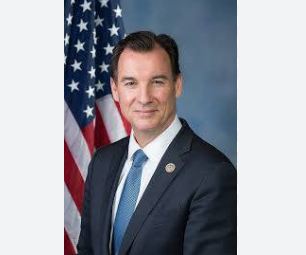
Islamabad – A United States congressional delegation will visit Pakistan from April 10 to 15, 2025 to strengthen the bilateral relations. The delegation will be led by Congressmen General Jack Bergman (Republican) and Tom Suozzi (Democrat).

During their visit, members of the US Congress will hold meetings with Pakistan’s top political and military leadership. The delegation is scheduled to meet Prime Minister Shehbaz Sharif, Foreign Minister Senator Ishaq Dar, and leaders of various political parties.

The US delegation will also visit Azad Jammu and Kashmir, where they will be briefed on the latest situation in Indian-occupied Kashmir and the security conditions along the Line of Control (LoC).

In addition, the congressional delegation will tour the Kartarpur Corridor, where they will pay respects at the shrine of Baba Guru Nanak.

Imran Igra, the organizer of the visit and president Pakistan Overseas Society, the purpose of this visit is to strengthen bilateral relations between Pakistan and the United States. The agenda includes key issues such as economy, trade, defense and military cooperation, and education.

Imran Igra clarified that the delegation will not meet former Prime Minister and PTI Chairman Imran Khan, nor will his release be discussed. He stated that the delegation has no interest in Pakistan’s internal politics, and rumors suggesting otherwise are unfounded.

Stay Connected

64FansLike
60FollowersFollow

Latest Reviews

Exchange Rates

USD - United States Dollar
EUR
1.17
GBP
1.35
AUD
0.72
CAD
0.73