Home Blog Page 630

Uzbek-Pakistani parliamentary talks focus on $2B trade target

Uzbek-Pakistani parliamentary talks focus on $2B trade target

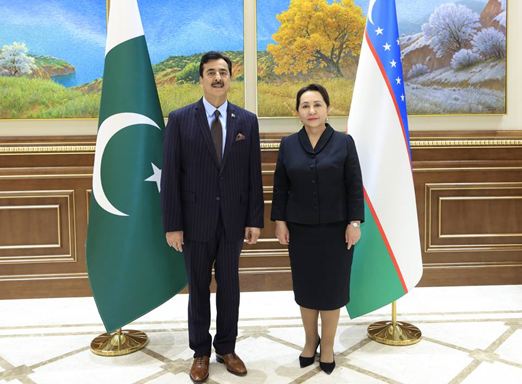
TASHKENT, APR 7 /DNA/ – A parliamentary delegation led by the Chairman of the Senate of the Islamic Republic of Pakistan, Syed Yousaf Raza Gilani, is on a visit to Uzbekistan. This distinguished delegation arrived in Tashkent to participate in the 150th Anniversary Assembly of the Inter-Parliamentary Union, which will be held from 5th to 9th April.

As part of the visit’s program, a meeting between the Chairperson of the Senate of the Oliy Majlis of Uzbekistan, Tanzila Narbayeva, and the Chairman of the Senate of Pakistan, Syed Yousaf Raza Gilani took place on April 4.

During the meeting, the parties discussed the further development of inter-parliamentary cooperation between Uzbekistan and Pakistan, strengthening the legal framework of bilateral relations, and expanding interaction in mutually beneficial areas.

Both sides expressed satisfaction that the traditional brotherly and friendly ties between the two countries continue to develop in the spirit of strategic partnership.

Particular attention was paid to further deepening the strategic partnership between the two nations, enhancing cooperation in trade and economic relations, investment, transport and logistics, as well as in the fields of communications and information technology.

The importance of increasing bilateral trade turnover to $2 billion was emphasized, along with the implementation of joint projects in the fields of pharmaceuticals, agricultural sector, agricultural machinery, geology, and other areas.

The parties also exchanged views on the development of inter-parliamentary relations, the expansion of cooperation within the framework of the Asian Parliamentary Assembly, the activation of friendship groups, and the establishment of joint parliamentary oversight to ensure the timely and high-quality implementation of agreements reached at the highest level.

The Senate Chairpersons of the two countries agreed to develop and implement Joint Action Plan aimed at strengthening cooperation between the parliaments, including their upper chambers.

Uzbekistan hosts historic 150th IPU Assembly in Tashkent for first time

Uzbekistan hosts historic 150th IPU Assembly in Tashkent for first time

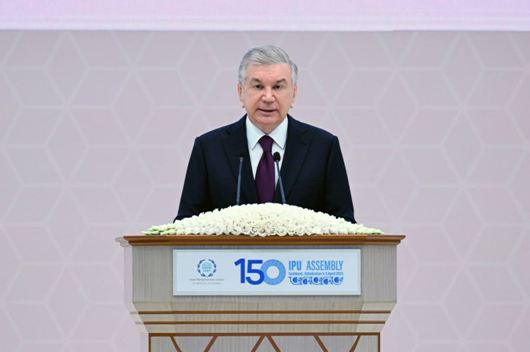
“We are immensely proud to host this historic IPU Assembly in Tashkent. This event underscores Uzbekistan’s commitment to democratic values, international dialogue, and inclusive governance. We look forward to fruitful discussions that will shape the future of global parliamentary cooperation.”

TASHKENT, APR 7 /DNA/ – Uzbekistan is honored to welcome distinguished parliamentary delegations from across the globe for the landmark 150th Anniversary Assembly of the Inter-Parliamentary Union (IPU). This prestigious gathering, uniting 181 national parliaments and 15 regional associations, marks the first time the IPU Assembly is being held in Central Asia, with the vibrant city of Tashkent serving as the host.

The hosting of this high-level assembly reflects the international community’s trust and recognition of Uzbekistan’s significant progress in democratic reforms, parliamentary development, and representative governance

I was also a member of the parliament for 15 years. I know and understand the responsibility of your noble mission aimed at making the world more peaceful and societies more prosperous.

You act as a strong bridge of friendship connecting peoples. You are a powerful force capable of taking care of people’s concerns and problems, and elevating them from the lowest levels of the system to the regional and, if necessary, to international level, and offering effective solutions.

You are indeed playing a key role in expressing the will of your people, elaborating national development models, and adequately responding to modern threats.

Taking this opportunity, I would like to express my sincere gratitude to the leadership of the Inter-Parliamentary Union, representatives of the legislative bodies of the member and observer states of the organization, as well as international parliamentary associations.

It is no secret that in recent years, armed conflicts, environmental and technogenic disasters, economic crises, trade wars, threats of terrorism and extremism have been increasing in various regions of the world.

In such extremely complex conditions, the time itself demands that parliaments increase their involvement and influence in maintaining peace, ensuring social development and justice in the world.

I would like to emphasize that the Inter-Parliamentary Union has become the most prestigious and largest multilateral institution in implementing parliamentary diplomacy and systemically addressing urgent issues based on the common interests of the peoples and states.

Its contribution to global stability and cohesion is reflected in the Union’s permanent observer status at the United Nations. The fact that more than 2,000 participants from almost 140 countries are taking part in today’s Forum clearly attests to this.

There is undoubtedly a profound symbolic meaning behind the fact that, at our initiative, the Assembly is being held under the slogan “Parliamentary Action for Social Development and Justice”.

According to analyses, over the past thirty years, the volume of world GDP has increased by 4.5 times. However, unfortunately, the incomes of poor layers of global population have not changed much.

If this trend persists, 575 million people in the world will live in poverty by 2030. Meanwhile, 84 million children will be deprived of the opportunity to attain education.

It is obvious that this situation causes great harm to the economy and society, weakens the functioning of socio-economic institutions, and ultimately limits people’s opportunities.

Certainly, identifying the root causes of such inequality and mitigating its consequences is a primary task for all of us.

I believe that the establishment and further expansion of multifaceted cooperation between the representative bodies of states in this direction will make a significant contribution to our common development.

I hope that parliaments will mobilize their full intellectual capacity and opportunities, utilize and exchange the best traditions and advanced practices, while uniting their efforts.

I wish you all every success and best of luck in such an honorable mission.

Today, the New Uzbekistan is taking bold steps towards irreversible democratic reforms and pragmatic foreign policy, conducting an open and active dialogue with the world community.

We are creating favorable conditions for building a strong and responsible parliament in our country and implementing effective parliamentary diplomacy.

We specifically defined the development of the parliamentary institution in the “Uzbekistan – 2030” Strategy as an important objective. In recent years, more than 20 laws aimed at enhancing the role of the legislative branch in the life of society and the state have been adopted.

The new Constitution adopted at a national referendum in 2023 has significantly increased the powers of parliament. The absolute powers of the Legislative Chamber of the Oliy Majlis were increased from 5 to 12, and the powers of the Senate – from 14 to 18. A number of presidential powers to form judicial, anti-corruption and anti-monopoly bodies have been transferred to the legislature. Parliament’s participation in the formation of the government has been further strengthened, as well as mechanisms of control over law enforcement agencies.

In alignment with these changes, the powers of the local Kengashes (councils) of people’s deputies in our regions were also expanded. In particular, more than 30 powers were transferred to the local Kengashes, and these processes are continuing steadily.

Currently, the share of women in our national parliament has reached 38 percent. We are particularly pleased that this indicator has been recognized by the Inter-Parliamentary Union and ranked the highest growth in the Asian region in the last thirty years.

Additionally, in 2021, youth parliaments were established for the first time ever under the chambers of the Oliy Majlis.

Currently, our national parliament has established close relations with nearly 100 foreign partners. Eighty joint friendship groups and commissions are functioning effectively.

Uzbekistan is advancing a number of international initiatives of global importance in the parliamentary sphere. In particular, the United Nations General Assembly adopted a resolution on “Enhancing the role of parliaments in accelerating the achievement of the Sustainable Development Goals”.

In cooperation with the Union, the Inter-Parliamentary Global Cooperation Forum is held every two years to achieve the Sustainable Development Goals.

Representatives of Uzbekistan actively participate in the Assembly of Asian Parliaments, the Forum of Central Asian Parliaments, the Parliamentary Assembly of the Organization for Security and Cooperation in Europe, the Parliamentary Assembly of the Commonwealth of Independent States, and other platforms.

In general, today our representative bodies have assumed significant responsibility in achieving sustainable development goals, supporting civil society institutions, social protection and poverty reduction, ensuring gender equality, fighting corruption.

In pursuit of these noble goals, our parliament is composed of people’s elected representatives who have won the trust of the electorate, are dedicated to the cause, have great potential, advanced thinking and rich experience.

Today, global changes in the world are presenting new challenges for the Inter-Parliamentary Union and our national parliaments.

Uzbekistan, as a full member of the Organization, is currently actively participating in the work of all its structures and forums. We have established productive practical cooperation on the priority areas of the global agenda.

Allow me to focus separately on the following issues.

First. Conflicts in various parts of the world pose a serious threat to global and regional peace and security.

I would like to once again emphasize that Uzbekistan strongly believes in resolving conflicts and tensions solely through diplomacy and peaceful negotiations.

We hope that the started negotiation process concerning the situation around Ukraine will ultimately bring to a positive outcome.

We believe it is crucial to find solutions to the most pressing issues based on the universal principles of international law, as well as the UN Charter and resolutions.

This includes the resolution of the Palestine-Israeli conflict through “Two state solution” principle, which we believe is the only fair way.

We cannot but mention Afghanistan – our neighboring country.

We must not forget our neighbor – Afghanistan. We believe it is important to prevent the isolation of this country on the international stage, to establish a constructive dialogue with the current authorities, and to view it as an integral part of the Central Asian region that offers new opportunities. We count on the support of parliaments on this matter.

Uzbekistan recognizes the United Nations as the only universal and global structure which has no alternatives. We fully support the systemic efforts undertaken by Secretary-General António Guterres to deeply reform this international organization and enhance its capacity.

At the same time, we wholeheartedly welcome the statement made by the Eurasian Group dedicated to the 80th anniversary of the Victory in the Second World War.

Second. Climate change, which has become a key challenge of our time and a serious obstacle to the development of our planet, must remain in our focus.

Its devastating consequences are, first and foremost, having the most profound impact on developing countries.

Now, it is more important than ever to fully meet our commitments undertaken under the Paris Agreement and in pursuit of carbon neutrality.

We also thoroughly discussed these issues at the recent International Climate Forum held in Samarkand.

We will achieve substantial progress only if parliaments make it a key priority to support forward-looking initiatives in national climate policies, facilitate the transition to renewable energy sources and “green” technologies.

We believe that climate change must hold a permanent place among the core items on the Assembly’s agenda.

Third. Women’s empowerment is one of the key prerequisites for social development.

According to analysis, if women equally participate in all sectors of the economy, global GDP would increase by 26 percent.

It is certainly encouraging that the share of women parliamentarians worldwide has risen from 11.3 percent in 1995 to 27.2 percent this year.

There is no doubt that through impactful measures to support women’s active role in public governance, we will achieve new heights.

I would like to specifically highlight that in recent years, our country has successfully hosted the Asian Women’s Forum and the 14th Summit of Women Speakers of Parliament in partnership with United Nations institutions and the Inter-Parliamentary Union.

Taking this opportunity, I hope that you will support our initiative to adopt the United Nations General Assembly resolution “Expanding the socio-economic, political, legal, and cultural-humanitarian activities of Asian women.”

Fourth. Youth empowerment to ensure their full participation not only in parliamentary activities but also in all spheres of public life is a highly urgent matter.

Raising a new generation for parliaments and establishing effective international cooperation in this area is a key factor for our future.

Therefore, I believe it is necessary to actively involve young people in the work of national parliaments and the Union, and to strengthen ongoing dialogue.

In this regard, I propose to establish a Global Platform of Youth Parliaments as part of IPU system, and hold its inaugural forum in Uzbekistan.

Fifth. Ensuring every individual’s right to social protection and providing high-quality services in accordance with international standards and norms is more relevant than ever.

By declaring Uzbekistan a social state, we have made comprehensive protection of the population a top priority of our policy. We are currently implementing the “From Poverty to Prosperity” program.

Over the past eight years, 7 million people have been lifted out of poverty, reducing its rate from 35 percent to 8.9 percent. This year, we aim to bring it down further to 6 percent.

We invite representatives of your national parliaments to actively participate in the upcoming international conference on poverty reduction, which will be held in our country this September.

Yet another important issue. The time itself is demanding that we strengthen systemic cooperation in the field of artificial intelligence, which is now rapidly penetrating all spheres of life.

If a model law on the ethics of AI use is developed, this innovative legal framework would offer a valuable template for all countries in effectively regulating this rapidly-evolving domain.

It is important to note that all our proposals and initiatives are fully aligned with the goals of the Inter-Parliamentary Union’s strategy.

At the same time, I believe our approaches will also be reflected in the Tashkent Declaration, which will be adopted based on the outcomes of this historic Assembly.

Certainly, no state or society can develop solely through the adoption of numerous laws or resolutions.

We can achieve our shared objectives by uniting on this path, strengthening the spirit of law-making, and mobilizing all our knowledge and experience towards this common goal.

I believe that during the nearly 70 events and debates held within the framework of the Assembly, there will be a comprehensive exchange of views on the most important tasks facing parliaments, and promising plans will be outlined.

All decisions adopted will open a new chapter in the history of our multi-faceted and long-term cooperation.

I wish you all strong health unwavering energy in your noble efforts to achieve the international community’s sustainable development goals, to ensure social justice and equality and promote high democratic values!

I wish every success and great achievements to the Assembly.

Journalist Farhan Mallick granted bail in anti-state content, fraud cases

Journalist Farhan Mallick granted bail

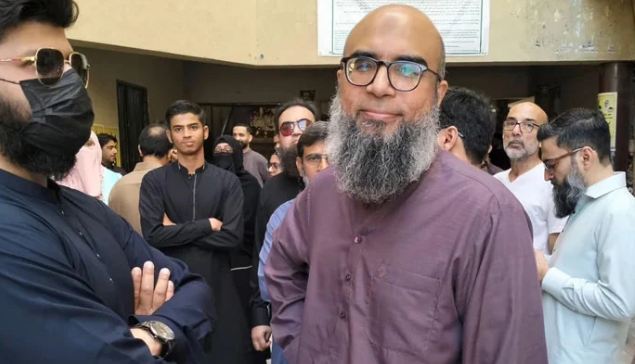
KARACHI: A local court approved the bail request of journalist Farhan Mallick on Monday who has been in judicial custody pertaining to a case registered under the Prevention of Electronic Crimes Act (Peca) for allegedly spreading anti-state content.

The court, granting bail to Mallick, directed him to submit a surety bond worth Rs100,000.

The journalist, a former news director of a private TV channel, was initially taken into custody by the Federal Investigation Agency (FIA) on March 20 for allegedly violating Peca and involvement in defamation.

Apart from the Peca case, the court also approved Mallick’s bail in a case related to his alleged involvement in operating an illegal call centre responsible for stealing data from foreigners and defrauding them.

The court ordered him to furnish a surety of Rs100,000 for his bail in this case as well.

The contentious Peca law was recently amended, and journalist bodies across the country have been protesting against the law, dubbing it an attempt to gag freedom of speech and intimidate news persons and their media outlets.

A FIR was lodged against him under multiple sections of Peca, read with Pakistan Penal Code’s Section 190 (punishment of abetment if the act abetted committed in consequence and where no express provision is made for its punishment) and 500 (punishment for defamation).

“During the course of inquiry, initial technical analysis of the alleged YouTube Channel was received, which revealed that the alleged person is involved in generating and disseminating posts and videos related to anti-state, consisting of fake news and public incitement agenda,” the FIR stated.

“He has [been] continuously disseminating and uploading posts and videos related to anti-state, consist of fake news and public incitement agenda, thereby causing harm to the reputation of public institutes on an international level which acts on his part constitute the commission of the offence.”

Previously in the case, a local court dismissed his bail plea on March 28, which was then challenged in a district and sessions court.

Mallick was sent to jail on judicial remand on March 25 after a court rejected the FIA’s request for an extension in physical remand.

After the expiry of his four-day physical remand, the FIA presented the senior journalist before the judicial magistrate (East), seeking an extension to the remand.

However, the court rejected the FIA’s request for his physical remand and instead sent Mallick to jail on judicial remand.

President, PM laud security forces for eliminating nine Khawarij in DI Khan

President

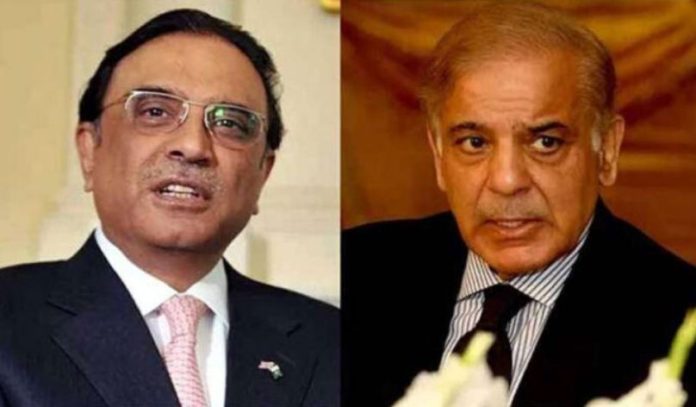
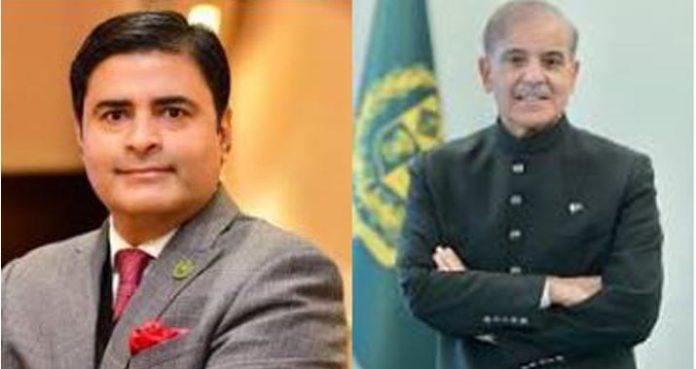
ISLAMABAD, APR 7 (DNA): President Asif Ali Zardari and Prime Minister Muhammad Shehbaz Sharif on Monday lauded the security forces for sending nine Khwarij to hell in a successful operation in Takwara area of District Dera Ismail Khan, Khyber Pakhtunkhwa.

The president and the prime minister appreciated the valour of security forces for eliminating nine terrorists of Fitna-al-Khwarij, including a high-value target, during the intelligence-based operations.

 The president praised the security forces for killing the leader of the terrorists during the operation and said that killing leader of terrorists was a major success of the security forces.

He further reiterated that operations carried out by the security forces would continue till complete elimination of terrorists, President Secretariat Press Wing, said in a press release.

The president observed that Pakistan’s security forces were conducting successful operations to eradicate terrorism which was commendable.

The president said that their resolve for complete elimination of terrorist elements and the defence of country would remain unwavering and reaffirmed the national resolve for the complete eradication of Fitna-al-Khawarij.

The prime minister also appreciated the successful operation conducted by the security forces against the terrorists of Fitna-al-Khwarij in DIKhan.

 “The entire nation stands firmly with the security forces in the fight against terrorism,” PM Office Media Wing, quoted the prime minister as saying.

The prime minister also expressed determination to completely eliminate all forms of terrorism from the country.=DNA

Azerbaijan, Morocco discuss inter-parliamentary ties

Azerbaijan

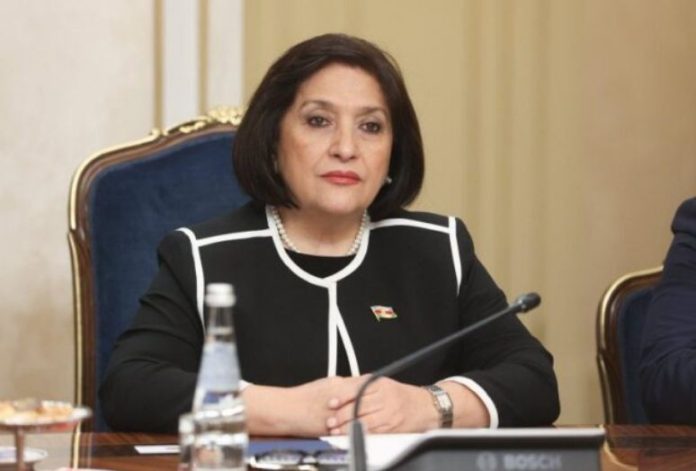
BAKU, APR 7 (APP/DNA): As part of her working visit to the Republic of Uzbekistan, Speaker of the Milli Majlis of Azerbaijan Sahiba Gafarova met with Speaker of the House of Councillors of the Kingdom of Morocco, Sidi Mohamed Ould Errachid.

According to AZERTAC news agency, during the meeting, the two speakers exchanged views on the current state and future of relations between their respective countries and parliaments.

It was noted that Azerbaijan-Morocco ties are founded on mutual respect, with steady progress observed in their political dialogue. They also discussed bilateral cooperation within international organizations and emphasized the mutual support extended by both the nations at various multilateral platforms.

The importance of reciprocal visits and high-level exchanges in strengthening bilateral relations was highlighted. Both the speakers stressed the valuable role of inter-parliamentary cooperation in further deepening ties between the two countries.

Speaker Sahiba Gafarova recalled with appreciation her official visit to Morocco, noting that such visits significantly contribute to advancing bilateral relations. She and her Moroccan counterpart also explored opportunities to expand collaboration between members of the parliament and parliamentary committees.

From New Zealand with just one T20 win it’s not Pakistan cricket

From New Zealand with just one T20 win it’s not Pakistan cricket

Sarib Ijaz

The Recent Tour of Pakistan Cricket Team to New Zealand creates an huge embarrassment as a whole in the entire country especially for Cricket lovers, the lack of professionalism and game awareness was clearly been seen inside Pakistan Cricket Team. Pakistan Cricket Team White Ball Captain Muhammad Rizwan didn’t shy away from admitting that after his side was beaten 4-1 in T20s and whitewashed 3-0 in OneDays by New Zealand B-Team. New Zealand have proved their recent status as strong contender for Green Shirts as they had punctured Pakistan Cricket Team happens twice in the Tri-Nation Series, before comprehensively beating them in the opener of the Champions Trophy the first ever international event held in the country in 29 Years where Green Shirts went out without any performance.

The T20 and ODI series in New Zealand offered a chance for Green Shirts to reset themselves, but once again they fell short due to poor batting, bowling and fielding. Muhammad Rizwan admitted in the presentation ceremonies that they failed to capitalize and ended up losing their grip on the matches, he also highlights by admitting that his side death over’s problem are continuing to haunt them in the entire series. This thing raises questions regarding Pakistan Cricket Team evolution in today modern day cricket with side only false promises to change their approach buy they kept on failing as cricket great legend Sunil Gavaskar once said during Champions Trophy 2025 that India B Team can easily beat this Pakistan Cricket Team. 

New Zealand Cricket Board adopted this tactic and they selected their B-Team i-e unsold IPL Players to play against Pakistan and all of them perform outstanding well in all three departments i-e Batting, Bowling and Fielding and our white ball cricket captain was saying during Presentation Ceremony without any shame that “We will go back and discuss whatever we have learned from here. We are going to enjoy PSL, it’s a big tournament for us. We couldn’t do well in Champions trophy (and the series here) hopefully we will do well in PSL” a shameful statement by Muhammad Rizwan after worst performance in New Zealand.

The loss in Tri-Series, Champions Trophy & New Zealand also likely marks the end of the road for Head Coach Mr. Aqib Javed and Assistant Coach Mr. Azhar Mehmood under whom Pakistan Cricket Team performance is going towards downfall. PCB must sacked both coaches for betterment of Pakistan Cricket and appoint Professional Coach as Pakistan Cricket Team needs fresher’s ideas and better execution otherwise just like Hockey the future of Pakistan Cricket is also in great danger. Therefore PCB needs to take immediate steps for betterment in order to save the future of Pakistan Cricket. Let’s hope for the best.

Power outage paralyses Sector G-8: IESCO’s silence adds to residents’ misery

Pakistan: A Pivotal Bridge Aligning Economic Interests Between China and the Middle East

When contacted, the local IESCO (Islamabad Electric Supply Company) officials informed that the transformer servicing our area had gone out of order. Surprisingly, they insisted that all residents must contribute financially to arrange a replacement. This demand appears not only unreasonable but also contrary to the standard operational and billing procedures expected from a public utility service provider like IESCO

ISLAMABAD, APR 7 /DNA/ – In the heart of Pakistan’s capital, Sector G-8 is facing persistent electricity outages that have thrown daily life into disarray. Despite repeated complaints and pleas from residents and business owners, the Islamabad Electric Supply Company (IESCO) has shown little to no response—raising serious concerns about governance, infrastructure, and accountability in one of the city’s most central and populous areas.

The frustration extends beyond the home. Shopkeepers and small business owners in G-8 Markaz Awan Plaza —the commercial heartbeat of the area—are reeling from the economic impact. “We’ve had to shut down our shop early multiple times this week,” says Imran Khan, who runs a small electronics repair store. “Without electricity, we can’t work. Every hour we’re closed, we’re losing money—and our customers’ trust.”

Perhaps most concerning is the complete lack of communication from IESCO. Despite the frequency and severity of the outages, no official explanation has been offered, nor has a restoration timeline been shared. Residents allege that their complaints go unanswered and field staff are either unavailable or unwilling to engage.

When contacted, the local IESCO (Islamabad Electric Supply Company) G 8 Circle, officials informed that the transformer servicing our area had gone out of order. Surprisingly, they insisted that all residents must contribute financially to arrange a replacement. This demand appears not only unreasonable but also contrary to the standard operational and billing procedures expected from a public utility service provider like IESCO.

Transformers and other infrastructure components are the responsibility of the utility company, which is tasked with maintaining, repairing, and replacing them as part of their mandate to ensure uninterrupted power supply. IESCO, being a government-regulated entity, collects monthly bills from consumers, which include service charges intended to cover such maintenance and repair work. Therefore, expecting residents to pool money for a new transformer raises serious concerns regarding accountability and transparency.

Furthermore, if there truly are financial constraints or delays in procurement, IESCO has the authority and infrastructure to recover repair or replacement costs through future billing—spreading the expense across the affected consumers in an equitable and officially documented manner. This would not only be more ethical and lawful but would also ensure proper record-keeping and avoid exploitation.

This silence has led to growing speculation about the causes—ranging from outdated infrastructure and maintenance failures to possible load management missteps. However, without transparency, accountability, or even basic updates, the public is left in the dark both literally and figuratively.

What Sector G-8 needs is not just electricity—it needs answers, accountability, and action. IESCO must immediately engage with the public, provide clear communication, and outline a timeline for permanent resolution. The city administration should also intervene to ensure such basic services are not held hostage to bureaucratic neglect.

In conclusion, the request for direct contributions from residents bypasses official channels and raises questions about the legitimacy of such a practice. It is essential for IESCO to adhere to its own protocols and uphold public trust by managing infrastructure issues transparently and professionally, without burdening residents beyond what is already collected through their electricity bills.=DNA

=============

China’s Angry Rebuttal to Trump’s Tariff Tsunami

Qamar Bashir

Qamar Bashir

 My reading of China has always been of a country that is sagacious, forgiving and accomodating—an entity flowing naturally through history, shaped by the burden and blessing of over 5,000 years of civilizational legacy. China has long carried the unique distinction of never being an occupying force in the historical sense, never driven by the imperial ambition to rule the world. Despite holding immense power at different junctures in history, China refrained from conquest. Its Great Wall was built not as a launchpad for outward domination, but as a safeguard for inward integration. This tradition of strategic restraint and internal focus has morphed into the philosophical foundation of President Xi Jinping’s economic and diplomatic agenda in the 21st century.

China’s foreign policy, even amid rising global tensions, has maintained its emphasis on win-win cooperation, mutual growth, and infrastructural diplomacy. It does not promote regime change, nor does it meddle in the internal politics of other nations. China’s strength lies in its ability to uplift weaker economies through massive infrastructure projects, energy support, port development, and institutional capacity-building. These efforts are not intended to dominate but to elevate. That is the spirit of China’s Belt and Road Initiative (BRI), offering struggling nations an alternative model of growth without conditionalities that mirror neo-colonialism.

In contrast, the Trump administration’s aggressive “America First” policy has been marked by an unrelenting tariff war, often in violation of international norms, bilateral treaties, and the principles of the World Trade Organization (WTO). These tariffs were not just protectionist; they were unilateral assaults on the interconnected architecture of the global economy. By weaponizing tariffs, Trump sought to coerce trading partners and reconfigure supply chains through brute economic power. However, in doing so, the administration not only antagonized allies and adversaries alike but also disrupted global trade balances, supply chains, and investor confidence.

The global economy is an ecosystem. If one part of it is harmed, the ripple effects are felt across continents. In this context, the Trump tariffs didn’t just target China—they undermined the very structure of global trade and collaboration. The United States, which once championed free trade, suddenly became its greatest disruptor. This led to global uncertainty, inflation in various sectors, and rising consumer prices within the United States itself.

In response to this unprecedented tariff regime, China issued its strongest economic and diplomatic rebuttal to date. Breaking from its traditional quiet diplomacy, Beijing made it unequivocally clear that it would not succumb to unilateral economic bullying. For the first time, Chinese officials accused the United States of distorting international trade norms and harming global economic recovery.

China argued that the United States had, in fact, been the largest beneficiary of globalization. With a massive 25% share in world trade, the U.S. economic dominance was built on the very trade practices it was now dismantling. China emphasized that it did not initiate the trade war but would not hesitate to defend its interests. It pledged to open up its economy further, reduce tariffs, and increase imports—not out of compulsion, but to demonstrate its commitment to global cooperation. This stands in sharp contrast to the inward-looking, protectionist tendencies of the Trump administration.

China’s response was calm but resolute. It promised to uphold the principles of extensive consultation, joint contribution, and shared benefits. It reaffirmed its belief in genuine multilateralism, rejecting all forms of unilateralism and economic coercion. China stood firmly in support of the international system with the United Nations at its core and the multilateral trading system with the WTO at its foundation.

China’s declaration also emphasized that the vast majority of nations still believed in fairness, justice, and the rule of international law. These countries, it argued, would eventually stand on the right side of history—not because of allegiance to any one superpower, but because equity must triumph over hegemony.

Trump, meanwhile, sought to justify the economic fallout from his tariff blitzkrieg by promising future investments totaling $7 trillion. However, even he admitted that the U.S. stock market had lost nearly $6 trillion in value within days. While the theoretical future investment may or may not materialize over four to five years, the immediate damage was undeniable. The American consumer bore the brunt of the tariffs, with increased prices on everything from electronics to household goods.

What Trump failed to recognize—or perhaps chose to ignore—is that tariffs on imports function as a hidden tax on American citizens. When tariffs are levied on goods from China or any other country, U.S. importers pass those costs onto retailers, who in turn pass them onto consumers. So, while the U.S. Treasury may gain in the short term from tariff revenues, it is ultimately the American people who pay the price.

This disconnect between political rhetoric and economic reality triggered public backlash. Demonstrations erupted across the United States, not just from ideological opponents of Trump but from ordinary citizens suffering from inflation and job insecurity. The symbols associated with Trump’s protectionist agenda—banners, flags, and campaign props—became the targets of public outrage, a visible expression of disillusionment with failed promises and mounting hardship.

The damage was not just economic; it was reputational. America’s standing as a leader of the free world, a promoter of open markets and democratic values, was called into question. The aggressive imposition of tariffs on allies and adversaries alike sent a message that America was retreating from the world stage, abandoning its commitments, and undermining its credibility.

What is the via media in this escalating trade conflict? The answer lies in dialogue, cooperation, and mutual respect. Instead of unilaterally imposing tariffs, the United States must return to the table and engage its partners through negotiation, evidence-based studies, and inclusive policy-making. Any trade policy that causes disproportionate harm to a segment of the global population—be it American or foreign—is inherently flawed.

Tariffs should be the last resort, not the first weapon of choice. They must be evaluated based on who truly benefits and who bears the cost. If the people of both nations stand to gain, then policy adjustments may be justified. But if tariffs disproportionately hurt consumers, strain diplomatic ties, and fracture global supply chains, then they are not only counterproductive but dangerous.

The world today demands cooperation over confrontation. It requires strategic empathy rather than economic nationalism. China’s model of infrastructure-led diplomacy and economic integration may not be perfect, but it offers an alternative vision to brute-force protectionism. A world driven by consultation and shared prosperity is far more stable than one governed by unilateral decrees and economic coercion.

The battle between tariff wars and trade cooperation is not just a contest of policies—it is a contest of visions. The world must choose between retreating into silos or building bridges across continents. In this defining moment, China’s calm and strategic response to Trump’s aggressive tariffs may well mark a turning point in the global order.

It is a call for equity—not hegemony.

Qamar Bashir

 Press Secretary to the President (Rtd)

 Former Press Minister at Embassy of Pakistan to France

 Former MD, SRBC

 Macomb, Detroit, Michigan

CM stresses role of sports in promoting peace, development

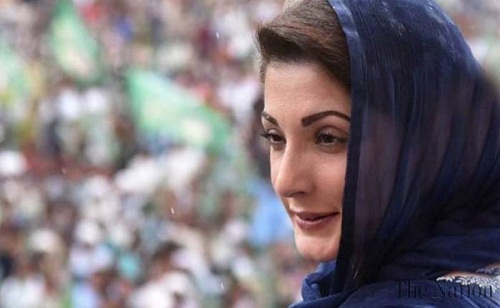
LAHORE, APR 06 (APP/DNA): Punjab Chief Minister Maryam Nawaz Sharif has emphasized the crucial role of sports in fostering peace, development, and social progress.

In her message on International Day of Sport for Development and Peace, the CM highlighted that the day serves to promote the positive impact of sports in society.

The CM stated, “International Day of Sport for Development and Peace aims to raise awareness about the importance of sports in our communities and its contribution to peace.” The chief minister emphasized the government’s commitment to providing equal sports opportunities to all individuals, including youth, senior citizens, differently-abled people, and those from underdeveloped areas. “Sports events pave the way for peace and development within society,” she said, adding that promoting social development and peace within communities was the core essence of celebrating this day.

She further noted that peace and sports are inseparable. Where there is peace, there will be sports, and where there is sports, there will be peace. Highlighting the role of sports in youth development, she mentioned, “Sports play a vital role in nurturing teamwork, competition, and resilience among youth.”

The CM pointed out the steps taken by the Punjab government to promote sports in the province, including the launch of the “Khailta Punjab” program, aimed at increasing participation in sports. “The Pink Games in Punjab symbolize peace and equal development,” she added.

CM Maryam Nawaz assured that the government was constructing new sports grounds and gyms to facilitate the youth. “We are working on the creation of 300 new sports grounds and sports complexes across Punjab,” she said, emphasizing that these projects would provide opportunities for all.

In addition, the CM pledged to further increase the Sports Endowment Funds to ensure that all necessary resources are available for sports development. “Every possible resource will be provided for the promotion of sports in Punjab,” she added.

Ahsan Bakhtawari praises PM Shehbaz for power price reduction, seeks more reforms

Ahsan Bakhtawari

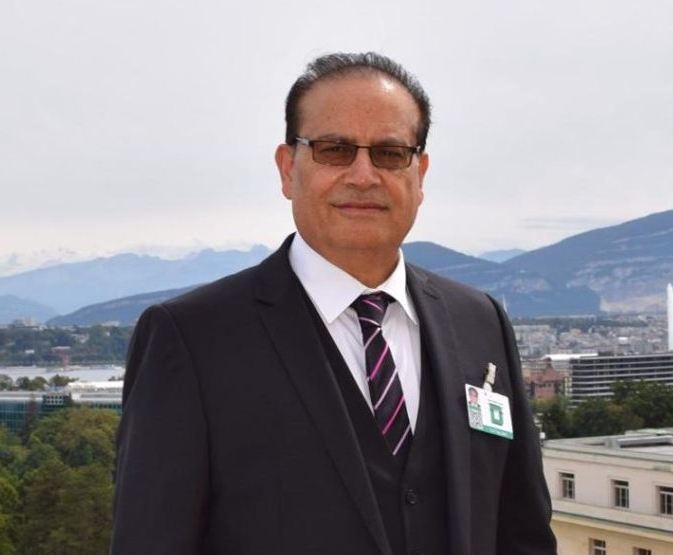
ISLAMABAD, APR 6 /DNA/ – Member of the Central Core Committee of United Business Group (FPCCI) and former President of the Islamabad Chamber of Commerce and Industry, Ahsan Zafar Bakhtawari, has welcomed the decision to reduce electricity prices, stating that Prime Minister Mian Shahbaz Sharif has fulfilled the promise he made to the nation and the business community. However, he emphasized that peak hours should be abolished immediately and a uniform system should be introduced so that people can truly benefit from the relief.

He expressed these views during a conversation with a high-level delegation of the business community today. Ahsan Bakhtawari praised the efforts of United Business Group (UBG) leader Gohar Ejaz and Patron-in-Chief S.M. Tanveer in achieving this reduction in electricity prices, stating that under their leadership, UBG made strong efforts on this crucial issue and raised the voice of the business community. Their continued dedication and determination brought the issue to the attention of Prime Minister Shahbaz Sharif, resulting in this welcome decision.

Ahsan Bakhtawari stressed that if no changes are made to the current peak hours system, the actual benefits of this relief will not reach the business sector and industries. He emphasized the immediate abolition of peak hours and the implementation of a uniform system.

He noted that peak hours are currently set from 5 PM to 11 PM, which is exactly when business activities are at their peak—especially in the commercial centers of Islamabad. Declaring these hours as peak hours and setting the highest electricity rates during this time is outright injustice.

Ahsan Bakhtawari appealed to Prime Minister Shahbaz Sharif to instruct the relevant authorities to review this policy so that the business community can receive genuine relief. He further stated that nowhere in the world are peak hours applied during business and industrial operating hours. On the contrary, governments ensure electricity supply and offer special concessions in tariffs during these times to facilitate businesses and keep the wheels of the economy moving efficiently.

Stay Connected

64FansLike
60FollowersFollow

Latest Reviews

Exchange Rates

USD - United States Dollar
EUR
1.17
GBP
1.35
AUD
0.72
CAD
0.73