Home Blog Page 628

MoU signed to improve coordination against drugs

MoU signed to improve coordination against drugs

               RAWALPINDI, Apr 08 (DNA): A Memorandum of Understanding (MoU) was signed Tuesday between the Anti-Narcotics Force(ANF) & Excise & Taxation and Anti-Narcotics(E&T-AN), Balochistan, to synergize efforts against drug abuse at Regional Directorate ANF Balochistan/Coastal.

The ceremony was attended by the Secretary (E&T-AN), Balochistan Zafar Ali Bhukhari, Regional Directorate ANF Balochistan/Coastal Commander Brig Adnan Danish Khan and Director General ANF Maj Gen Abdul Moeed.

The ANF, being the leading CN LEA at the federal level, will work in union with the province to curtail the menace of drugs and save future generations.

SC adjourns military courts case till tomorrow

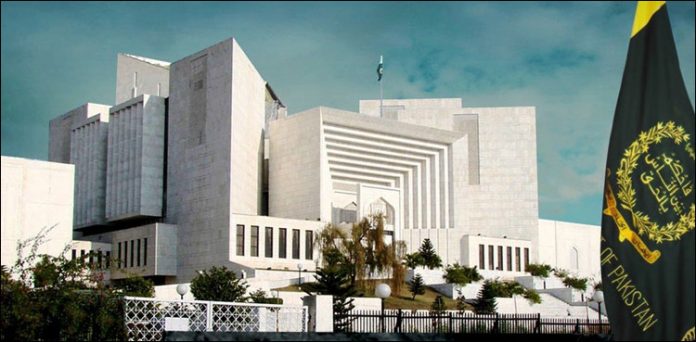
ISLAMABAD, APR 8 (DNA): The Supreme Court on Tuesday adjourned hearing till tomorrow in appeals regarding the civilians’ trial in military courts in connection of May 9, riots.

A seven-member constitutional bench headed by Justice Aminuddin Khan heard the case. The court adjourned further hearing till tomorrow.

During the hearing, Justice Muhammad Ali Mazhar said that as far as the appeal is concerned, the Attorney General had submitted reports to the court, the Attorney General’s reports are present in the court proceedings orders.

Justice Amin Ud Din Khan directed that the Attorney General himself should appear after completing the arguments of the Defense Ministry’s lawyer.

Justice Muhammad Ali Mazhar said that the issue of whether or not fundamental rights are granted or the issue of appeal is not before us.

Justice Jamal Khan Mandokhail remarked that when the matter cannot come to court under Clause 3A of Article 8, then the matter is over, then what kind of appeal is there. Justice Muhammad Ali Mazhar said that I am not giving anyone the right to appeal, the argument was made to give the right to appeal internationally.

Defense Ministry lawyer Khawaja Haris said that the crimes of May 9, were against the state interest. Justice Jamal Mandokhail remarked that any violation of the law is against the state interest, all crimes are against the state interest.

Washington, Moscow and Kyiv

Washington

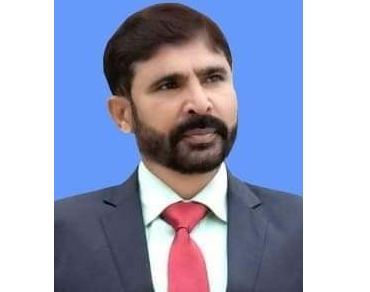
Dr. Muhammad Akram Zaheer

The discourse surrounding former U.S. President Donald Trump and his policy shift concerning Ukraine has been met with measured responses from Russian President Vladimir Putin, who has strategically avoided overt displays of triumph. Following Trump’s reinstatement to the White House, his interactions with Putin have underscored an attempt at recalibrating U.S.-Russia relations, with the Kremlin emphasizing the importance of trust building. During their first officially acknowledged conversation on February 12, Putin articulated that the primary objective of diplomatic engagements was to foster trust between both states. This sentiment was reiterated in a subsequent two-hour discussion on March 18, during which the Kremlin’s official communication indicated that both leaders affirmed their commitment to pursuing a bilateral resolution to the ongoing conflict in Ukraine. However, despite Putin’s reserved demeanor, subtle indications of Moscow’s satisfaction with Trump’s policy shift are discernible. Kremlin spokesperson Dmitry Peskov, in February, described the United States as adopting a “more balanced position”a stance that Moscow openly welcomed. Additionally, the Kremlin later expressed gratitude to Trump for his purported commitment to facilitating an end to hostilities, acknowledging the significant diplomatic and strategic benefits accrued by Russia in a relatively short period.Trump’s engagement with Russia has resulted in a series of symbolic and material concessions favorable to Moscow. Notably, following an intense discussion in the Oval Office on February 28 involving Trump, U.S. Vice President J.D. Vance and Ukrainian President VolodymyrZelensky, Trump temporarily suspended U.S. military assistance to Kyiv. Moreover, Washington disengaged from an international investigative body dedicated to examining Russian war crimes, opposed a United Nations resolution condemning Russia’s role in the conflict and echoed Russian narratives regarding the origins of the war, attributing blame to Kyiv. These developments have provided Russia with a significant diplomatic advantage, reinforcing its strategic objectives.Despite these apparent gains, Russia remains cognizant of the unpredictability of Trump’s foreign policy approach. Given his history of abrupt policy shifts and his fluctuating positions on international issues, the Kremlin recognizes that his warmth towards Moscow may not be enduring. The precedent set during his first term, wherein initial hopes for improved U.S.-Russia relations were thwarted by congressional sanctions and the provision of lethal aid to Ukraine, serves as a cautionary reminder for Moscow. Consequently, while the Kremlin seeks to maximize its gains under the current U.S. administration, it remains wary of potential policy reversals.

Moscow’s strategy involves leveraging Trump’s diplomatic openness to secure a direct bilateral agreement that would ostensibly bring an end to the war in Ukraine. This envisioned agreement, from the Kremlin’s perspective, would impose substantial restrictions on Kyiv and grant Russia a decisive influence over Ukraine’s political landscape. While an ideal scenario for Putin would involve comprehensive limitations on Western military assistance to Ukraine, Moscow may also settle for partial measures that weaken Kyiv’s strategic position over time. Even in the event of Ukrainian and European rejection of such an accord, the Kremlin anticipates that Trump’s administration may use this as a pretext to withdraw U.S. support entirely, thereby facilitating Moscow’s long-term objectives.Beyond the Ukrainian conflict, Russia aims to leverage its relationship with Trump to recalibrate broader U.S.-Russia diplomatic and economic relations. The Kremlin seeks a reduction in economic sanctions and an overall improvement in bilateral ties. However, should these aspirations remain unfulfilled, Moscow appears prepared to persist with its current strategic trajectory. While the Russian economy faces significant challenges due to sustained Western sanctions, its leadership maintains a degree of stability and has capitalized on work force advantages over Ukraine to sustain military operations. In this context, the Kremlin’s overarching objective remains the strategic defeat of Ukraine, with or without direct U.S. support.Russia’s diplomatic overtures toward the Trump administration commenced shortly after the 2024 U.S. presidential election. The Kremlin sought engagement through official intelligence channels, informal networks linked to Trump is political and business associates. One notable figure in this diplomatic maneuvering was Kirill Dmitriev, CEO of the Russian Direct Investment Fund, who utilized his connections with Jared Kushner and other members of Trump’s inner circle to facilitate discussions with Steve Witkoff, Trump’s special envoy for the Middle East. These backchannel negotiations culminated in a high-profile meeting in Riyadh on February 18, attended by key Russian and U.S. officials, including Secretary of State Marco Rubio and National Security Adviser Mike Waltz. This engagement laid the groundwork for subsequent diplomatic interactions between Trump and Putin, shaping the U.S. administration’sevolving stance on Ukraine.Putin’s strategy has been multifaceted, incorporating psychological and ideological appeals to Trump’s worldview. Following their February 12 conversation, Trump’s rhetoric increasingly aligned with Kremlin talking points, including characterizing Zelensky as a “dictator” and raising concerns about corruption in Ukraine. Simultaneously, Putin propagated the narrative that the 2020 U.S. presidential election had been “stolen,” suggesting that had Trump remained in power, Moscow would not have initiated military action against Kyiv. This manipulation underscores Putin’s calculated efforts to appeal to Trump’s personal and political biases to advance Russia’s strategic objectives.Beyond personal persuasion, Moscow has positioned itself as a valuable partner in advancing Trump’s global agenda. Russia has expressed willingness to assist in U.S. negotiations with Iran, endorsed proposals to reduce military expenditures and subtly suggested a willingness to reconfigure its strategic partnership with China. These overtures, coupled with the rhetoric of U.S. officials such as Rubio and Vance regarding a potential “reverse Nixon” strategy—aimed at driving a wedge between Beijing and Moscow—have further ingratiated Russia with the Trump administration. While such a geopolitical shift remains unlikely, Moscow has skillfully exploited these discussions to create the impression that closer U.S.-Russia relations could yield significant strategic dividends for Washington.

Additionally, Russia has employed cultural and ideological arguments to strengthen its ties with the Trump administration. The Kremlin has highlighted historical U.S.-Soviet cooperation during World War II, emphasized shared opposition to progressive social policies and positioned itself as an ally in challenging Western liberal elites. Furthermore, Moscow has suggested that economic normalization could result in lucrative business opportunities, a prospect underscored in Riyadh, where Dmitriev presented an analysis (albeit flawed) suggesting that U.S. companies had suffered significant financial losses due to sanctions on Russia.Amid these diplomatic overtures, Russia has reframed the Ukrainian conflict as an impediment to a broader U.S.-Russia strategic partnership. The Kremlin has played into Trump’s frustrations with Kyiv’s insistence on strong security guarantees, portraying Zelensky as a primary obstacle to peace. Additionally, Moscow has propagated the narrative that Ukraine lacks a legitimate democratic mandate, suggesting that elections should precede any diplomatic resolution—a perspective that Trump has seemingly embraced.Zelensky’s reluctance to engage in negotiations stems from the existential nature of the conflict and his profound distrust of the Kremlin’s intentions. Putin’s demands remain maximalist, including territorial concessions, the recognition of Russian sovereignty over occupied regions, Ukrainian military reductions and limitations on Ukraine’s security partnerships with the West. While Trump may not immediately endorse all of these conditions, Russia anticipates a gradual shift in U.S. policy toward positions favorable to Moscow.The Kremlin views a potential one-on-one summit between Putin and Trump as a critical opportunity to cement a favorable agreement. Moscow recalls Trump’s 2018 Helsinki summit with Putin, during which Trump expressed greater trust in the Russian leader than in U.S. intelligence agencies. Should such a meeting occur, Russia hopes to secure Trump’s commitment to policies that undermine Ukraine’s security while advancing Moscow’s long-term geopolitical interests.Even if Trump is unable to fully implement Russia’s preferred policies, Moscow believes that diplomatic engagement can still yield meaningful gains. The Kremlin is optimistic that Trump’s pressure on European states could erode their support for Ukraine, thereby weakening Kyiv’s defensive capabilities. Additionally, Russia views Trump’s potential cessation of U.S. military aid as a significant strategic victory, given Ukraine’s continued reliance on Western assistance. Simultaneously, Russia continues its efforts to reestablish full diplomatic ties with the United States and secure incremental sanctions relief.

IESCO says private transformer repair customers’ responsibility

IESCO says private transformer repair customers’ responsibility

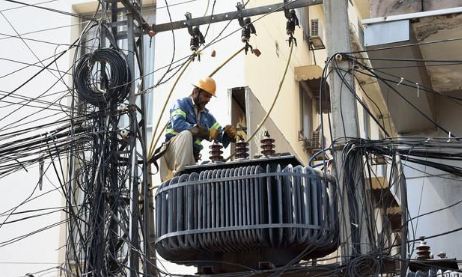
ISLAMABAD, APR 8 /DNA/ – With reference to news published in national newspapers regarding electricity issue in the Sector G 8 Markaz. IESCO management has clarified that no load management is being carried out in entire IESCO region. Due to fault rectification or for system up gradation work approved shutdowns are taken and the prior intimation to valuable customers has been provided through Print and social media.

IESCO further clarified that installation or repair of Public Transformers is IESCO responsibility while installation/repair of independent transformer installed on plaza or other places is customer responsibility as per approved SOPs.

For timely registration and rectification of customer’s complaints relevant SDO complaints offices numbers, Help line 118 and CCMC numbers 051-9252933 and 051-9252934 are available round the clock.

“The news agency suggested that, although the repair of the plazas transformer is typically the customer’s responsibility, IESCO should facilitate the early repair or replacement of the transformer for the sake of better customer service. The cost of repair or replacement could then be billed to the customers who are receiving power from that specific transformer, because the said area is still without electricity for the third consecutive day.

Pakistan, Azerbaijan vow to boost trade, economic ties

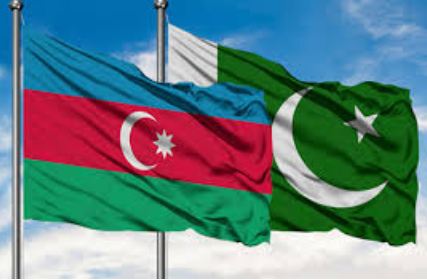
ISLAMABAD, APR 8 /DNA/ – A high-level meeting was held today between the Deputy Prime Minister and Foreign Minister of Pakistan and the Minister for Economy of Azerbaijan, Mikayil Jabbarov, to accelerate ongoing efforts to strengthen bilateral economic cooperation. The discussion reaffirmed the shared commitment of both sides to enhancing trade, investment, and long-term economic collaboration between the two brotherly nations.

The Pakistani delegation conveyed its gratitude and appreciation to Minister Jabbarov for his leadership and dedication to deepening Pak-Azerbaijan economic ties, which have the potential of high growth. The personal interest and guidance of the President of Azerbaijan and the Prime Minister of Pakistan, continue to serve as a driving force in translating the strong political will between the two countries into tangible economic partnerships.

It was noted that both sides have been working diligently since the recent visit of Pakistan’s Prime Minister to Azerbaijan, which catalyzed a renewed focus on critical investment projects. This momentum has been sustained through consistent engagement between the relevant authorities of both countries, including through platforms such as the Special Investment Facilitation Council (SIFC), with a particular emphasis on Government-to-Government (G2G) and Business-to-Business (B2B) collaboration.

The meeting underscored the mutual ambition to fast-track priority projects that can serve as catalysts for broader economic initiatives—especially in sectors such as infrastructure, energy, and IT. Discussions also touched upon emerging opportunities in green energy, with both sides exploring potential joint ventures and strategic investments.

Pakistan’s Ministry of Commerce has also prepared a comprehensive roadmap aimed at elevating bilateral trade volumes and diversifying the areas of cooperation. This includes actionable measures to create a more conducive environment for businesses and investors from both countries.

Moreover, a number of agreements and MoUs will be signed during the upcoming visit of the President of Azerbaijan to Pakistan, marking a significant milestone in advancing bilateral cooperation.

Both parties reaffirmed their resolve to continue working closely to unlock the full potential of their bilateral relationship and to promote sustainable economic growth and prosperity for both nations.=DNA

===========

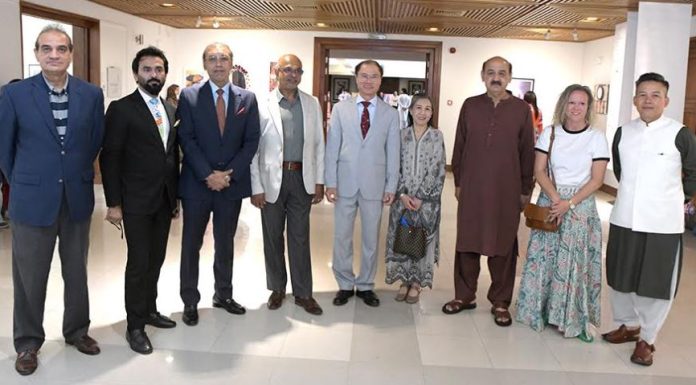
Ethiopian PM’s Book ‘Medemer Generation’ Added to Pakistan National Library’s Collection

Ethiopian PM’s Book

ISLAMABAD, APR 8 /DNA/ – The book “Medemer Generation”, authored by H.E. Dr. Abiy Ahmed, Prime Minister of the Federal Democratic Republic of Ethiopia (FDRE), has been formally added to the diverse collection of the National Library of Pakistan (NLP) under the “African Corner Initiative” of the Government of the Islamic Republic of Pakistan.

H.E. Dr. Jemal Beker, Special Envoy and Ambassador Extraordinary of the FDR Ethiopia to Pakistan, formally presented multiple copies of the book to Mr. Raja Javed Iqbal, Director General of the National Library, during a formal handing over ceremony held here in Islamabad at the NLP.

The book is the third edition of the “Medemer” series authored by Prime Minister Abiy Ahmed, elucidating his “Medemer” philosophy, which signifies togetherness, inter-generational collaboration, and synergy.

Speaking on the occasion, the Ambassador expressed his gratitude to the government of Pakistan for taking such a significant initiative, which will eventually forge a strong bond and connection between the nations through cultural exchanges.

The Ambassador also highlighted the core message of the book and the Medemer philosophy, which embodies a practical approach of inter-generational connectivity, unity and togetherness.

He said, “‘Medemer Generation” stresses our collective duty to nurture a responsible and capable generation that can carry forward a positive legacy from the previous generations. “We believe sharing these ideas contributes to the bridge of understanding between Ethiopia and Pakistan.”

He added that this philosophy serves as a guiding principle for Ethiopia’s contemporary reforms and development strategy, emphasizing collaboration, inter-generational responsibility, and building a prosperous future.

The Ambassador cited landmark Ethiopian initiatives guided by the ‘Medemer’ philosophy, including the Green Legacy Initiative, the Grand Ethiopian Renaissance Dam, and agricultural self-sufficiency programs (like ‘Ye Lemat Tirufat,’ often translated as ‘Bounty of the Basket’), as examples reflecting Ethiopia’s commitment to development, regional integration, and pan-Africanism.

The Director General of the National Library, Mr. Raja Jave, said it was an honor for the National Library to add the book of H.E. Dr. Abiy Ahmed to our collection, making it available to scholars, students, and the public.

“This initiative will not only offer valuable insights to the youth of Pakistan into modern Ethiopia’s political and social philosophy but also facilitate the cultural exchanges between the two nations,” he added.

National Budget: Tone for the year

National Budget: Tone for the year

Dr. M Ali Hamza

In a developing country like Pakistan, the national budget plays a crucial role in economic stability and growth. A well-planned budget fosters sustainable development, economic resilience, and improved living standards.In multiple search results, the two consistent top priorities when drafting the national budget of a developing country like Pakistan were education and healthcare funding, ahead of other considerations such as infrastructure investment, fiscal deficits, external debt, inflation management, currency stabilization, and tax reforms.

To assure healthcare funding in a national budget, mostly disease burden, medical Infrastructure, healthcare workforce availability, and cost-effectiveness of medical programs are considered as main factors. The neglected part is nutrition: a fundamental pillar of a country’s healthcare system that directly impacts public health and economic productivity. Poor nutrition leads to malnutrition, weakened immunity, stunting and increased susceptibility to diseases, placing a heavy burden on healthcare services.

In developing countries undernutrition and deficiencies in essential nutrients contribute to maternal and child mortality. On the other hand, unhealthy diets cause obesity, diabetes, and cardiovascular diseases, escalating healthcare costs. A well-nourished population is more productive and requires fewer medical interventions. Investing in nutrition through public health programs, food security initiatives, strict safe food regulations, and awareness campaigns strengthens a nation’s overall healthcare system and economic growth.

In Pakistan, human nutrition statistics reveal a complex picture marked by both progress and persistent challenges. Recent surveys indicate that chronic undernutrition remains widespread, with nearly 40 percent of children under five years of age affected by stunting. Wasting, which signifies acute malnutrition, is also prevalent, impacting many children and increasing their susceptibility to infections. Malnutrition is also contributing to impaired cognitive development.

Governments of developing countries have implemented various budget policies to address malnutrition by boosting access to nutritious food and healthcare services. For example, India’s budget has supported initiatives like subsidized food distribution under the National Food Security Act, which provides vulnerable populations with essential staples. Brazil’s Zero Hunger Program, backed by significant budget allocations, combines cash transfers, school feeding programs, and nutrition education to improve diet quality and food access. In Bangladesh, considerable public spending on health and nutrition has facilitated widespread distribution of micronutrient supplements and fortified foods.

Additionally, many countries have reformed their trade policies to reduce import tariffs on nutrient-rich foods, incentivizing local production, exempting sales taxes, and lowering market prices. Investments in rural infrastructure, agricultural subsidies for fruits, vegetables, and dairy products, as well as enhanced water and sanitation facilities, further contribute to improved nutritional outcomes. Besides government initiatives the international organizations like WHO, FAO, GAIN (Global Alliance for Improved Nutrition), Scaling Up Nutrition (SUN) Movement etc. aim to address these issues through nutrition funding, nutrition education, and fortification programs.

Is the government using a nutrition-focused approach to assess and plan the health landscape of Pakistan?Perhaps in some cases, yes, but in many others, no. For instance, in a food bucket, milk is one of the most nutritionally complete foods, providing essential proteins, calcium, vitamins A and D, and other micronutrients crucial for bone health, muscle development, and overall growth. Regular milk consumption has been linked to better immunity, reduced risk of osteoporosis, improved cognitive development in children, and less burden on healthcare facilities.

Is all type of milk good? Raw milk is unpasteurized and untreated, meaning it contains natural nutrients but also potential harmful bacteria like Salmonella, E. coli, and Listeria, which can cause serious health risks. In contrast, processed milk undergoes pasteurization, eliminating harmful microbes while maintaining nutritional value. Developed countries transitioned to processed milk due to public health concerns. In the early 20th century, the United States and Europe experienced frequent outbreaks of milk-borne diseases, leading to mandatory pasteurization laws.

Governments worldwide have facilitated the transition from raw to processed milk byenforcing strict food safety laws, such as the FDA pasteurization mandate (US) and EU milk hygiene regulations, supporting dairy cooperatives, exemption from taxes, and running public awareness campaigns to educate consumers about the dangers of raw milk and the benefits of processed alternatives.

In Pakistan, packaged milk was historically zero-rated under the Sales Tax Act, 1990, but national budget of Pakistan 2024-25 imposed 18% sales tax on packaged milk. The decision pushed many consumers toward raw milk that is indeed an unsafe alternative, and goes against the government priorities to improveaccess to safe nutrition, advancement in health index and support farmer livelihoods.

Malaysia, Saudi Arabia, UAE, South Africa, Canada, USA, Australia, India and several other countries have 0% sales tax on packaged milk and other countries have 10% or less. Why these countries do not compromise? The reason is simple “nourishing healthy societies”.

A nutrition-focused approach is essential for ensuring long-term improvements in the overall health status of Pakistan’s diverse population. Targeted interventions, robust policy measures, long sightedness are vital for sustainable progress. Budget 2025-26 is just around the corner. It is ging to set the tone for the year. We hope the tone is set for nourished Pakistan.


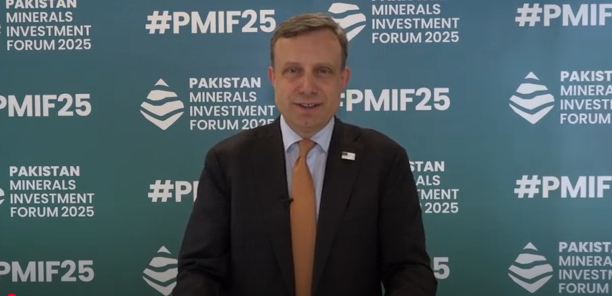
Eric Meyer highlights U.S.-Pakistan partnership at Islamabad Minerals Forum

Eric Meyer highlights U.S.-Pakistan partnership at Islamabad Minerals Forum

ISLAMABAD, APR 8 /DNA/ – Eric Meyer, the senior official at the U.S. Department of State for South and Central Asian Affairs.  I’m thrilled to be here in Islamabad to experience Pakistan’s wonderful hospitality, attend the Minerals Investment Forum, and to strengthen and promote our important partnership.

I commend Pakistan for convening the Minerals Investment Forum here in Islamabad and for taking steps to ensure a level playing field for investors.  Critical minerals are the raw materials for our most important technologies, and President Trump has underscored the importance of securing America’s minerals future.

Although we’re in Islamabad to focus on minerals, I also want to highlight other recent successes in our economic partnership.  We recently celebrated the return of U.S. soybean exports to Pakistan.  Four vessels carrying more than 260,000 tons of soybeans have arrived over the last few weeks.  It’s a win-win for U.S. exporters and for Pakistanis alike, and we look forward to more such wins in the future.

What makes me most optimistic about the U.S.-Pakistan partnership is that our cooperation is based on the close and enduring ties between our peoples.  So many of you have studied in the United States, participated in our exchange programs, have family, friends and business partners in the U.S.  I’m looking forward to working with each of you as we work together to lead the charge in deepening the partnership between the U.S. and Pakistan.

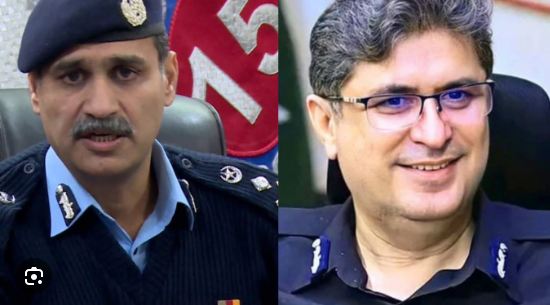
Newly appointed DG FIA, DG NCCIA call on Interior Minister

ISLAMABAD, APR 8 /DNA/ – Federal Interior Minister Mohsin Naqvi met with the newly appointed Director General of the Federal Investigation Agency (FIA), Riffat Mukhtar Raja, and Director General of the National Cyber Crime Investigation Agency (NCCIA), Waqaruddin Syed. Minister of State for Interior Tallal Chaudhry and Federal Secretary for Interior Muhammad Khurram Agha were also present on the occasion.

The Interior Minister assigned DG FIA the task of formulating an effective strategy against illegal immigration and ordered a nationwide crackdown on human trafficking networks. He emphasized that those involved in this heinous crime are playing with innocent lives and must be dealt with with an iron hand. He stressed that the FIA and all law enforcement agencies must work together to eliminate illegal spectrums and organized crime from the country. Minister of State Tallal Chaudhry remarked that human traffickers deserve no leniency.

Mohsin Naqvi also issued directives to the DG NCCIA for curbing cybercrimes, stating that cybersecurity is an emerging challenge. He said the capacity of the NCCIA would be enhanced, and officers would be sent abroad for specialized training.

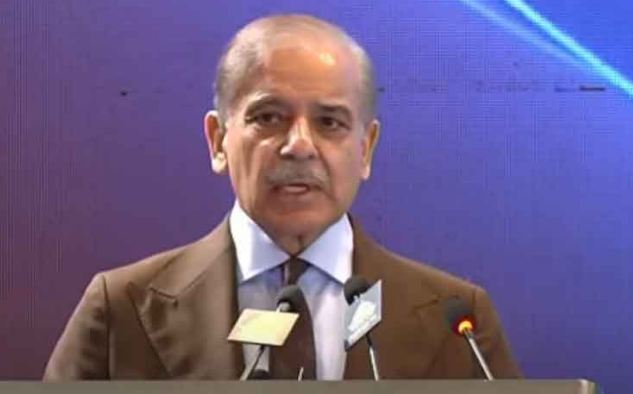
PM Shehbaz hints at further decrease in electricity prices soon

PM Shehbaz

ISLAMABAD, APR 7: Prime Minister Shehbaz Sharif on Monday chaired a high-level meeting focused on reforms in Pakistan’s maritime sector, underscoring the government’s commitment to reviving port operations, improving trade efficiency, and reducing energy costs for the public.

During the meeting, PM Shehbaz highlighted the recent success of the energy sector task force, which has enabled a reduction in electricity prices. He added that a similar task force has now been established to address stagnation in the maritime economy — an area rich with untapped potential.

“Allah Almighty has blessed Pakistan with a long coastline and vast marine resources,” the PM said. “We must leverage these assets to connect with global trade routes and drive economic growth.”

Reforms in maritime sector underway
The premier emphasized the need to reform trade tariffs to bring Pakistan’s ports up to international competitive standards. He directed officials to accelerate customs clearance processes and reduce the duration of container stay at the ports.

“The customs process must be streamlined on the model of the green channel,” he said. “A strategy should also be developed to shorten clearance times in the red and yellow channels. The development of the global economy is linked to maritime resources and access to them.”

The PM also instructed authorities to expedite the auction of containers held at ports and fast-track the installation of modern scanners at all key locations.

Power sector relief and petroleum prices
PM Shehbaz also addressed recent developments in the power sector, saying that the reduction in electricity prices was made possible through collective national efforts.

“We’ve worked tirelessly to bring down electricity costs and are continuing reforms to provide even more relief to the people,” he said.

He expressed hope that further reductions will be possible in the coming months and stressed the importance of capitalizing on the decline in global oil prices.

“We have already passed on the benefit of reduced petroleum prices to the public,” he noted, adding that new options regarding fuel pricing would be announced soon.

Macroeconomic stability
Shehbaz Sharif reiterated that Pakistan’s economy has begun to stabilise at the macro level, attributing this progress to strategic reforms and prudent policy decisions.

“It is now time to transform this macroeconomic stability into real benefits for industries, businesses, and the common man,” he concluded.

Stay Connected

64FansLike
60FollowersFollow

Latest Reviews

Exchange Rates

USD - United States Dollar
EUR
1.17
GBP
1.35
AUD
0.72
CAD
0.73