Home Blog Page 627

Egypt welcomes Pakistan-India ceasefire in call with FM Dar

ISLAMABAD, MAY 10: /DNA/ – Deputy Prime Minister/Foreign Minister, Senator Mohammad Ishaq Dar @MIshaqDar50, received a phone call from Egypt’s Foreign Minister, Dr. Badr Abdelatty, who welcomed the ceasefire understanding between Pakistan and India.

DPM reaffirmed Pakistan’s commitment to promoting regional peace & security.

India, Pakistan agree to full and immediate ceasefire following U.S.-Mediated talks

India, Pakistan agree to full and immediate ceasefire following U.S.-Mediated talks

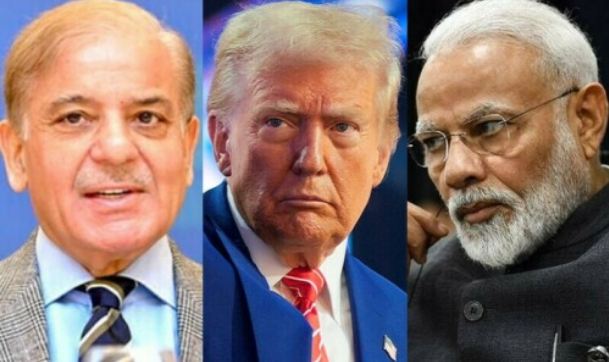
WASHINGTON | ISLAMABAD, MAY 10: /DNA/ – After intensive overnight negotiations facilitated by the United States, India and Pakistan have reached a historic agreement for a full and immediate ceasefire, effectively de-escalating heightened tensions between the two nuclear-armed neighbors.

The breakthrough follows a series of diplomatic engagements aimed at preventing further military confrontation. Both nations have demonstrated common sense and statesmanship in agreeing to halt hostilities, paving the way for stability in South Asia.

Key Points:

  • Ceasefire takes effect immediately across the Line of Control (LoC) and all disputed zones.
  • U.S. mediation played a pivotal role in bridging differences between the two sides.
  • Diplomatic channels to remain open to ensure compliance and discuss long-term peace measures.

Statement:
“We commend the leadership of both India and Pakistan for prioritizing peace and regional security. This agreement marks a crucial step toward reducing tensions and fostering dialogue. The world welcomes this decision, and we remain committed to supporting further diplomatic efforts.”

The international community has lauded the development, urging continued restraint and constructive engagement between the two nations.

Background Points on the recent developments in Pakistan-India Relations 
(Non-attributable basis)
 

  • Pakistan and India have agreed to a ceasefire till 12 May 2025, noon. Several foreign ministers of friendly countries conveyed India’s messages of strong interest in deescalation and ceasefire to the Deputy Prime Minister/Foreign Minister. It is important to put this development in the right perspective. Pakistan agreed to the ceasefire in the interest of regional peace and stability.
     
  • India has been violating Pakistan’s sovereignty since 7 May 2025. Its actions endangered regional peace and stability. However, Pakistan was showing maximum restraint.
     
  • India’s drone and missile incursions added to the volatility of an already unstable security environment.  
     
  • In the intervening night of 9 and 10 May 2025, India launched missile attacks on many Pakistan Air Force bases and airports.
     
  • In view of India’s unabated aggression, Pakistan had to exercise its right to self-defence, as enshrined in Article 51 of the UN Charter.
     
  • No country could compromise on its sovereignty and territorial integrity.
     
  • The purpose of our action was to demonstrate our right, will, and capability to defend our territory and people.
     
  • Pakistan has achieved its objectives. It has successfully defended its territory and restored deterrence.
     
  • India’s efforts to establish a “new normal” in bilateral relations have been successfully thwarted by Pakistan. Pakistan shall not allow India to impose its hegemony and jeopardise regional peace.  
     
  • Pakistan unequivocally condemns India’s illegal actions. Under international law, the Indian actions since 7 May 2025 manifestly constituted acts of war.
     
  • The Indian actions were a flagrant violation of the UN Charter, international law, and established norms of governing inter-state relations.
     
  • It is most unfortunate that India’s reckless conduct has brought the two nuclear-armed states closer to a major conflict. India’s jingoism and war hysteria should be a source of serious concern for the world.
     
  • South Asia is home to over one-fifth of the world population. It could ill-afford the irresponsible actions like the ones being carried out by India.
     
  • India blamed Pakistan for the Pahalgam Attack, without any verifiable evidence or credible investigations. On 26 April 2025, the Prime Minister of Pakistan proposed a transparent and independent probe into this tragic incident through neutral investigators. However, India chose the path of belligerence and aggression.
     
  • A number of countries had called for the exercise of restraint during the last few weeks. The international organisations like the United Nations and the Organization of Islamic Cooperation had also counseled the same. It is highly deplorable that India did not pay heed to these calls.
     
  • We have been apprising our international partners of India’s mal-intentions since the beginning of the crisis. The Indian actions demonstrate that our concerns were genuine.  
     
  • We remain committed to defending our sovereignty and territorial integrity with full vigour.
     
  • The international community should hold India accountable for its irresponsible, unlawful and belligerent conduct.
     
  • Pakistan desires a lasting peace in the region. However, it takes two to tango. India would have to stop its aggressive actions. We shall never allow India to impose its hegemony in the region. Any aggression against Pakistan will meet a matching response.  

Pakistan’s airspace ‘fully restored’ for all types of flights: PAA

Pakistan's airspace 'fully restored' for all types of flights: PAA

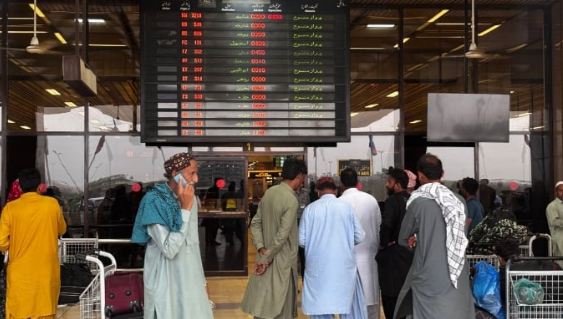
KARACHI: Pakistan’s airspace has been fully restored for all types of flights, a Pakistan Airports Authority (PAA) spokesperson said on Saturday.

This development comes after United States President Donald Trump announced that India and Pakistan have agreed to a ceasefire after Islamabad’s offensive against New Delhi earlier today.

All airports in the country are available for normal flight operations, the airport authority spokesperson said.

He also said that passengers were requested to contact the relevant airline for the latest schedule of their flights.

The restoration of Pakistan’s airspace comes hours after its closure was extended till 12pm tomorrow, May 11, for all types of flights, earlier.

The authority said that the airspace had been previously closed amid tensions between Pakistan and India at the Line of Control (LoC).

In the wee hours of Saturday, India had fired missiles at three air bases inside Pakistan, however, all assets of the Pakistan Air Force (PAF) remained safe, a military spokesperson said.

Director General Inter Service Public Relations (ISPR) Lieutenant General Ahmed Sharif Chaudhry at a press conference confirmed that India fired the air-to-ground missiles at the Nur Khan base (Rawalpindi), Murid base (Chakwal) and Shorkot air base.

Later, Pakistan launched Operation ‘Bunyan-u,-Marsoos’, targeting multiple Indian military installations. In the wake of the escalation, global powers intensified diplomatic efforts, ultimately leading to a mutually agreed ceasefire.

Speaking to Geo News, Deputy Prime Minister and Foreign Minister Ishaq Dar confirmed a US-backed ceasefire ceasefire and said that both sides agreed to halt hostilities starting 4:30pm today.

Dar, a seasoned politician, said Pakistan had always been open to a ceasefire but made it clear that any future aggression by India would be met with a firm response.

He extended gratitude to all countries that played a role in brokering the ceasefire, especially acknowledging efforts by US Secretary of State Marco Rubio.

Dar added that diplomatic efforts had been ongoing throughout the day, which eventually led to the agreement today morning. “Pakistan has always worked for regional peace without compromising its sovereignty,” he remarked.

On the Indian side, Foreign Secretary Vikram Misri also confirmed the ceasefire, reported Indian media. He said all military actions would be suspended and that Directors General of Military Operations (DGMOs) from both sides would hold talks on May 12.

Nuclear rivals step back from brink with temporary ceasefire

Deadly crash near Athal chowk Islamabad leaves four dead, four injured

Background Points on the recent developments in Pakistan-India Relations 
(Non-attributable basis)

ISLAMABAD, MAY 10 /DNA/ – Pakistan and India have agreed to a  ceasefire till 12 May 2025, noon. Several foreign ministers of friendly countries conveyed India’s messages of strong interest in deescalation and ceasefire to the Deputy Prime Minister/Foreign Minister. It is important to put this development in the right perspective. Pakistan agreed to the ceasefire in the interest of regional peace and stability.

* India has been violating Pakistan’s sovereignty since 7 May 2025. Its actions endangered regional peace and stability. However, Pakistan was showing maximum restraint.

* India’s drone and missile incursions added to the volatility of an already unstable security environment.  

* In the intervening night of 9 and 10 May 2025, India launched missile attacks on many Pakistan Air Force bases and airports.

* In view of India’s unabated aggression, Pakistan had to exercise its right to self-defence, as enshrined in Article 51 of the UN Charter.

* No country could compromise on its sovereignty and territorial integrity.

* The purpose of our action was to demonstrate our right, will, and capability to defend our territory and people.

* Pakistan has achieved its objectives. It has successfully defended its territory and restored deterrence.

* India’s efforts to establish a “new normal” in bilateral relations have been successfully thwarted by Pakistan. Pakistan shall not allow India to impose its hegemony and jeopardise regional peace.  

* Pakistan unequivocally condemns India’s illegal actions. Under international law, the Indian actions since 7 May 2025 manifestly constituted acts of war.

* The Indian actions were a flagrant violation of the UN Charter, international law, and established norms of governing inter-state relations.

* It is most unfortunate that India’s reckless conduct has brought the two nuclear-armed states closer to a major conflict. India’s jingoism and war hysteria should be a source of serious concern for the world.

* South Asia is home to over one-fifth of the world population. It could ill-afford the irresponsible actions like the ones being carried out by India.

* India blamed Pakistan for the Pahalgam Attack, without any verifiable evidence or credible investigations. On 26 April 2025, the Prime Minister of Pakistan proposed a transparent and independent probe into this tragic incident through neutral investigators. However, India chose the path of belligerence and aggression.

* A number of countries had called for the exercise of restraint during the last few weeks. The international organisations like the United Nations and the Organization of Islamic Cooperation had also counseled the same. It is highly deplorable that India did not pay heed to these calls.

* We have been apprising our international partners of India’s mal-intentions since the beginning of the crisis. The Indian actions demonstrate that our concerns were genuine.  

* We remain committed to defending our sovereignty and territorial integrity with full vigour.

* The international community should hold India accountable for its irresponsible, unlawful and belligerent conduct.

* Pakistan desires a lasting peace in the region. However, it takes two to tango. India would have to stop its aggressive actions. We shall never allow India to impose its hegemony in the region. Any aggression against Pakistan will meet a matching response.  

Jaishankar responds to India-Pakistan agreement to halt military action

Jaishankar responds to India-Pakistan agreement to halt military action

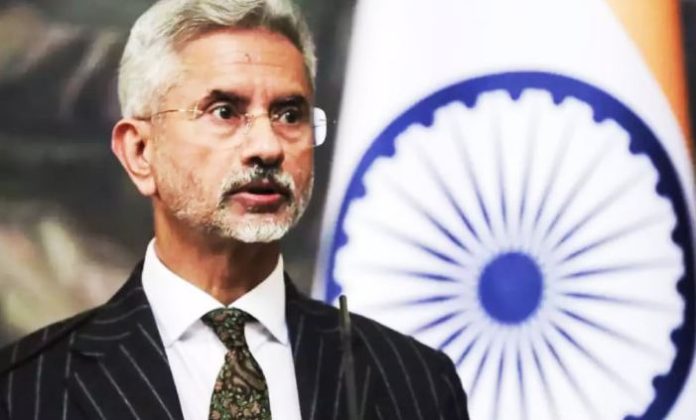
ISLAMABAD, MAY 10: India’s External Affairs Minister S. Jaishankar announced that India and Pakistan have reached an understanding to stop firing and military operations, marking a significant step towards reducing tensions between the two countries.

“India and Pakistan have today worked out an understanding on stoppage of firing and military action,’ Jaishankar said in a statement.

He stated, “India has consistently maintained a firm and uncompromising stance against terrorism in all its forms and manifestations. It will continue to do so.”

Saudi Arabia announces post-Hajj Umrah visa resumption date

Saudi Arabia announces post-Hajj Umrah visa resumption date

ISLAMABAD, MAY 10: The Saudi Ministry of Hajj and Umrah has announced the resumption of Umrah visas for international pilgrims following the conclusion of Hajj.

According to Arab media, Umrah visa issuance will begin on 14 Dhul-Hijjah 1447 AH, corresponding to June 11, 2025.

The ministry stated that Umrah visas will be available until the end of Ramadan. After the suspension of new visa issuance on 1 Shawwal, only pilgrims holding previously issued visas will be allowed to enter the Kingdom until 15 Shawwal 1447 AH.

Additionally, international Umrah pilgrims must return to their home countries by 15 Dhul-Qi’dah 1447 AH, prior to the start of the next Hajj season.

Earlier this year, the ministry, in collaboration with the Ministry of Interior and other relevant departments, temporarily suspended the issuance of Umrah and visit visas during the second half of Ramadan.

The temporary halt aimed to ensure smooth and crowd-free Hajj operations in Makkah and other holy sites, allowing pilgrims to perform Hajj with ease and comfort.

Immediate ceasefire announced after high-level US diplomacy

Immediate ceasefire announced after high-level US diplomacy

Modi, Shehbaz agree to neutral-site talks amid tensions

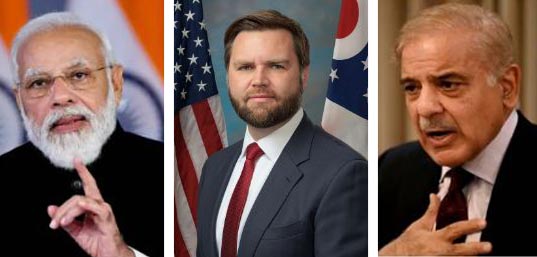
ISLAMABAD, MAY 10 /DNA/ – Over the past 48 hours, Vice President Vance and I have engaged with senior Indian and Pakistani officials, including Prime Ministers Narendra Modi and Shehbaz Sharif, External Affairs Minister Subrahmanyam Jaishankar, Chief of Army Staff Asim Munir, and National Security Advisors Ajit Doval and Asim Malik.

I am pleased to announce the Governments of India and Pakistan have agreed to an immediate ceasefire and to start talks on a broad set of issues at a neutral site.

We commend Prime Ministers Modi and Sharif on their wisdom, prudence, and statesmanship in choosing the path of peace.

Pakistan must rethink its economic priorities

Pakistan must rethink its economic priorities

The International Monetary Fund (IMF) has approved a release of one billion dollars for Pakistan, a move that has been welcomed by the government as a much-needed boost to a faltering economy. But amidst official optimism and public relief, the uncomfortable truth remains: this is not a moment to celebrate, but one for serious introspection.

At best, the IMF disbursement is a band-aid over a gaping economic wound. Yes, it may help stabilize the rupee temporarily, ease balance of payments concerns, and signal some international confidence. But we must ask: what are we really celebrating? This is borrowed money, not earned capital. Pakistan’s foreign reserves remain heavily reliant on external deposits and loans — whether from Saudi Arabia, the United Arab Emirates, or the IMF. In contrast, neighboring India has built a robust foreign exchange reserve base of over $640 billion as of 2024, most of which is sourced from strong exports, remittances, and a diversified economy. Pakistan, on the other hand, barely scrapes together reserves that can cover a few weeks of imports.

This situation is not just dire — it is humiliating. As a nation, we have become accustomed to rejoicing over bailouts, celebrating loans as if they were achievements. It reflects a deeper malaise in our political and economic culture. Borrowing is not inherently shameful — every country does it. But perpetual reliance on external help, with no signs of internal structural reform or self-reliance, certainly is.

It is high time we changed course. Pakistan must prioritize increasing its exports by investing in value-added industries, supporting small and medium enterprises, and improving trade facilitation. Simultaneously, we need to curb unnecessary imports, especially luxury goods that drain precious foreign exchange. A comprehensive strategy for import substitution is long overdue.

This economic stagnation is particularly dangerous given the current geopolitical tensions, especially with India. A war-ridden country cannot afford to have an economy this fragile. Economic strength is as much a tool of national defense as military capability. Instead of investing in sustainable growth, innovation, and education, we are stuck in a cycle of political instability, administrative incompetence, and short-term fixes.

To reverse this trend, we must accept some hard truths. Political instability is poison for economic development. Investors — both foreign and domestic — shy away from uncertainty. The constant infighting, polarization, and frequent changes in policy direction deter long-term investment and destroy any chance of continuity in economic planning. A national consensus on economic priorities, shielded from political fluctuations, is essential.

The release of one billion dollars may keep Pakistan afloat for a while, but unless we address the root causes of our economic fragility, we will continue to lurch from one bailout to the next. Let this not be a moment of celebration, but a wake-up call. We must change our mindset, our policies, and most importantly, our priorities — from surviving on loans to thriving through self-reliance.

By Ansar M Bhatti/daily Islamabad Post

Time for Dialogue — Before It’s Too Late

Time for Dialogue — Before It’s Too Late

The Pakistan-India conflict has reached an extremely dangerous juncture, with both nuclear-armed nations launching direct strikes that have pushed the region to the brink of catastrophe. Following India’s unprovoked attacks that left over two dozen Pakistani civilians dead, Pakistan responded with precision strikes on May 10, targeting military installations across the border. While both sides claim to have “settled scores,” the reality is that nothing has been resolved — and both countries now stand at the edge of an abyss.

Reports confirm that both nations targeted each other’s air bases, and tragically, civilians on both sides have paid the heaviest price. Homes have been destroyed, lives lost, and fear now grips entire regions along the border. The spiral of violence has not brought victory to either side — only sorrow and further instability.

It is in this moment of high emotion and even higher stakes that leaders on both sides must pause and reflect: how much more suffering must be endured before reason prevails? The time has come to abandon the rhetoric of vengeance and choose the path of diplomacy.

In a significant and timely gesture, Prince Rahim Aga Khan has offered to mediate between Pakistan and India. His neutrality, global respect, and commitment to peace make him a suitable figure to help break the deadlock. This offer should not be dismissed or delayed. If both countries are serious about protecting their people and preserving peace in the region, this opportunity must be seized.

We must also understand that third parties — especially global powers — often have little real interest in peace. Their arms industries flourish during times of war. The longer such crises persist, the greater their profits. Therefore, it is foolish to assume that external actors will solve our problems. History has shown us that our pain is merely a bargaining chip in global power politics.

It is only Pakistan and India that must take the responsibility to resolve their differences — whether through direct talks, back-channel diplomacy, or international mediation. Our futures are interlinked, and our past is filled with missed opportunities. We must not allow this to become another chapter of tragedy.

It is time for statesmanship, not brinkmanship. For talks, not tanks. For reconciliation, not retaliation.

Wars do not create heroes anymore; they only create widows, orphans, and ruined cities. The leaders of Pakistan and India must now rise above their domestic political compulsions and nationalist pressures to prioritize the greater good — regional peace and the well-being of their people.

Let this be the moment when we step back from the edge and choose to build a future where peace, not war, defines South Asia.

The world is watching. But more importantly, our future generations are watching — and waiting.

By Asnar M Bhatti/Daily Islamabad POST

Türkiye backs Pak’s measured response to regional aggression

Türkiye

ISLAMABAD, MAY 10 /DNA/ – Deputy Prime Minister/Foreign Minister, Senator Ishaq Dar, today spoke with the Foreign Minister of Türkiye, Hakan Fidan.

The DPM/FM apprised him of the current situation in the region following last night’s Indian aggression and Pakistan’s subsequent response.

The Turkish FM lauded Pakistan’s measured and restrained response. Both leaders agreed to maintain close contact.=DNA

Stay Connected

64FansLike
60FollowersFollow

Latest Reviews

Exchange Rates

USD - United States Dollar
EUR
1.17
GBP
1.35
AUD
0.72
CAD
0.73