Home Blog Page 62

Iran warns of attempts to target supreme leader Khamenei

Iran warns of attempts to target supreme leader Khamenei

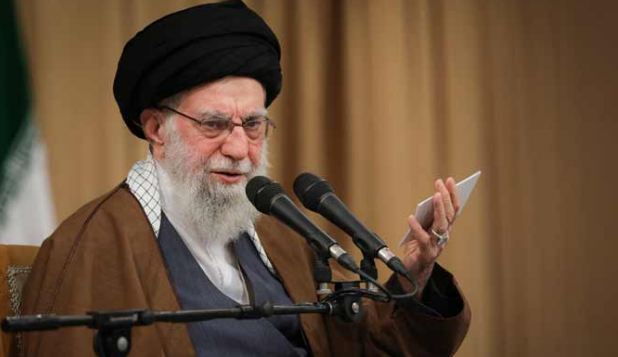
TEHRAN, NOV 23: Iran’s intelligence ministry has warned of attempts by foreign adversaries, including the United States and Israel, to target supreme leader Ayatollah Ali Khamenei and destabilise the Islamic republic.

The country’s ISNA news agency reported on Saturday that intelligence minister Esmail Khatib cautioned “the enemy seeks to target the supreme leader, sometimes with assassination attempts, sometimes with hostile attacks”.

While it was not immediately clear if the minister was referring to a specific incident, and Iranian officials often allege foreign plots, statements on threats against Khamenei’s life had been rare prior to a 12-day war between Israel and Iran in June.

“Those who act in this direction, knowingly or unknowingly, are the infiltrating agents of the enemy,” Khatib added, referring directly to Israel and the United States.

During the conflict earlier this year, Israel targeted senior Iranian military officials, nuclear scientists and sites as well as residential areas, with the US later joining with strikes on key nuclear facilities.

Asked about reports during the war that US President Donald Trump vetoed an Israeli plan to kill the supreme leader out of concern it would escalate the Iran-Israel showdown, Israeli Prime Minister Benjamin Netanyahu was dismissive but said the move would “end the conflict”.

At the time, Trump had also said that Iran’s supreme leader was a “very easy target” and that “we are not going to take him out, at least not for now.”

He later said in a post on Truth Social that he had saved Iran’s supreme leader from “A VERY UGLY AND IGNOMINIOUS DEATH”.

The 86-year-old Khamenei has been Iran’s supreme leader since 1989 and has the final say on all state affairs.

Earlier this month, Iran’s President Masoud Pezeshkian said he was particularly concerned for Khamenei’s life during the war and feared that the country’s institutions “would start fighting among each other.”

In July, Khamenei said Israel’s attacks during the war were intended to weaken the Islamic republic, sow “unrest and bring people into the streets to overthrow the system”.

A ceasefire between Iran and Israel has been in place since June 24, but both Israel and the United States have threatened new strikes if Tehran revives its nuclear programme.
CDA implements 85pc rent ceiling from Nov 1

CDA implements 85pc rent ceiling from Nov 1

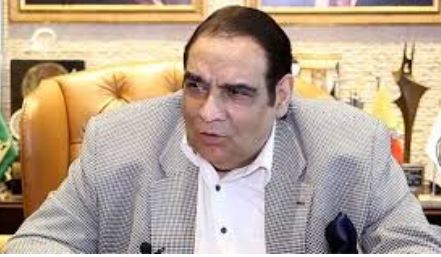
ISLAMABAD, 23 NOV (DNA) — Capital Development Authority (CDA) has approved an 85 percent rise in the house rent ceiling for all its employees, with the revised rates effective from November 1, 2025.

Talking to media on Sunday, CDA spokesperson confirmed the decision and stated that the authority had issued the notification on November 18 titled “Revision of Rental Ceiling for Hiring of Residential Accommodation at Islamabad and Other Specified Stations including Rawalpindi, Lahore, Karachi, Peshawar, and Quetta.”

He said that the CDA adopts the decision of the Federal Government regarding an increase in the ceiling for hiring of residential accommodations of CDA employees. The spokesperson added that in this period of inflation, the 85 percent increase in the house rent ceiling is a welcome step for employees, and this decision will not only reduce their financial hardships but also help improve their standard of living. — DNA

Pakistan poised as gateway to three billion consumers

Pakistan poised as gateway to three billion consumers

LAHORE, NOV 23 (DNA): SAARC Chamber of Commerce & Industry former president Iftikhar Ali Malik said that Pakistan was rapidly transforming into a pivotal economic corridor connecting South Asia, Central Asia and the Middle East, with the China-Pakistan Economic Corridor (CPEC) reshaping the country into a significant regional hub.

In a statement issued here on Sunday, he said Pakistan’s geo-strategic location was regaining global attention as new transport networks and energy routes take shape under the CPEC, placing the country at the centre of major commercial pathways and providing direct access to nearly three billion consumers across neighbouring regions. This unique geographic advantage, he added, supported by modern infrastructure, had greatly enhanced Pakistan’s capacity to facilitate cross-border trade, transit and investment. “CPEC has modernized Pakistan’s logistics backbone and created new economic openings that were previously unimaginable,” he noted.

Malik said Pakistan’s rise as a regional hub would rely on the continuity of reforms, political stability and policies that encourage long-term investment. Efficient customs systems, uninterrupted energy supply and seamless transport corridors, he stressed, were critical to boosting Pakistan’s competitiveness within emerging global value chains.

He pointed out that the second phase of CPEC, focusing on industrial cooperation, special economic zones, agricultural development and technology transfer, would further strengthen Pakistan’s regional connectivity. Enhanced road and port infrastructure, particularly the development of Gwadar Port, positions Pakistan as the most viable gateway for Central Asian states seeking access to world markets, while simultaneously expanding commercial linkages with Gulf nations.

He said the business community remained committed to promoting regional cooperation and fostering partnerships that support sustainable economic growth. He added Pakistan’s geographic location was its greatest economic asset, and with collaborative regional initiatives, the country was poised to play a decisive role in shaping Asia’s future trade landscape.=DNA

==========

A Crisis Hidden in Plain Sight

A Crisis Hidden in Plain Sight

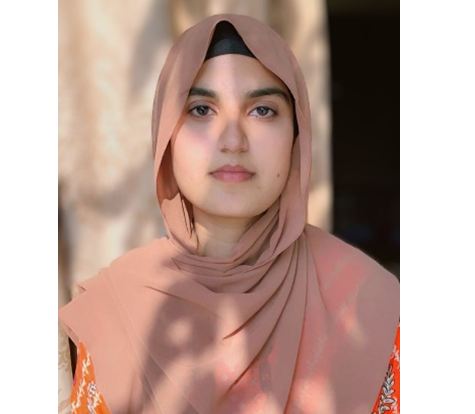
Saman Zahra

The issue of rape in Pakistan remains one of the most disturbing and persistent challenges within the domain of public safety, criminal justice and gender relations. Understanding the legal, social and structural dimensions of the problem is necessary for an honest discussion on why sexual violence continues at alarming levels and why so many survivors remain without justice.

In Pakistan, rape is defined under Section 375 of the Pakistan Penal Code (PPC) 1860. According to this provision, rape occurs when a man has sexual intercourse with a woman without her consent. Several specific conditions clarify this definition. Consent obtained through threats of death or serious harm is not considered valid. A woman below sixteen years of age is legally unable to consent, making intercourse with her rape regardless of circumstances. Furthermore, consent given under the mistaken belief that the man is her husband also falls under the definition of rape. These provisions show that the law recognizes both physical force and coercion as central elements of the crime, while also acknowledging deception and age-related vulnerability.Legal definitions alone, however, provide only part of the picture. Rape in Pakistan is situated within a complex social structure shaped by gender norms, cultural expectations and deep-rooted inequalities. Attitudes toward sexual violence are affected by several factors: restrictive views on sexuality, limited knowledge about bodily autonomy, increasing exposure to global cultural trends, weak social protection systems and the exploitation of vulnerable individuals by those in positions of influence. Psychological aspects further complicate the situation. Survivors often experience long-term trauma, anxiety, fear and mistrust. Childhood abuse, adverse family environments and the normalization of gender-based violence contribute to a cycle in which harm continues across generations.

The importance of openly addressing rape in Pakistan cannot be overstated. Silence and denial only deepen the suffering of victims and strengthen the social obstacles they face. Large segments of the population have limited understanding of how widespread the problem is or what legal protections exist for victims. The number of reported cases is far smaller than the actual number of incidents. Fear of blame, pressure from family or community and widespread distrust in the justice process stop survivors from coming forward. Many who do report are subjected to harsh questioning, stigma and isolation. According to the Human Rights Commission of Pakistan, more than eleven cases of rape are reported every day, while countless others remain hidden due to fear and lack of support. Awareness, education and preventive measures are therefore essential for reducing violence and encouraging victims to seek help.

Historical and contemporary data highlight both long-term patterns and recent fluctuations. A study conducted in 1988 revealed that 72 percent of women who were held in custody had experienced some form of abuse, while 20 to 30 percent of women across the country faced domestic violence. Between 2002 and 2004, Karachi recorded between 61 and 78 rape cases annually based on local FIRs, already a troubling figure given how many incidents go unreported. A 2004 report documented 728 rape cases, including gang rapes, along with other acts of violence such as assault, acid attacks and murder.From 2006 to 2016, Punjab saw reported cases double—from around 1,500 per year to nearly 3,000. More recent national data from 2017 to 2024 shows sharp ups and downs: 3,300 cases in 2017, rising to over 4,300 in 2019, decreasing in 2020, then jumping to more than 5,100 in 2021. Reports dropped again in 2022, rose to around 6,600 in 2023 and saw a modest decline in 2024. These numbers, although alarming, still fail to reflect the full magnitude of the problem because underreporting remains widespread.

Several high-profile cases have brought national and international attention to the issue. The 2002 case of Mukhtaran Mai exposed grave failures in protecting women in rural areas. The tragic murder of Zainab Ansari in 2018 mobilized public outrage and resulted in legal reforms focused on child protection. The Lahore Motorway case in 2020 revealed gaps in policing and public safety. The killings of Noor Mukadam (2021) and other similar cases highlighted the dangers women face even in supposedly secure environments. Mass harassment incidents, such as the Minar-e-Pakistan case in 2021, demonstrated that collective violence against women is not limited to isolated criminals but can occur in public spaces. Cases like DuaZehra (2022) and Fatima (2023) continued to raise concerns about child protection and legal loopholes. By 2024, Lahore remained the city with the highest number of documented rape cases, although conviction rates stayed low across the country.

Child abuse is another deeply troubling aspect. Early 2023 data from Punjab showed 1,390 incidents of child abuse, many involving boys and typically committed by people known to the victims. Such cases highlight the need for stronger safeguards for children at home, in schools and in workplaces.Section 376 of the PPC addresses punishments for rape. Sentences range from ten to twenty-five years imprisonment, or the death penalty in certain cases. Aggravated forms of rape—such as crimes involving children, persons with disabilities, severe physical harm, or the misuse of official authority—carry harsher penalties, including life imprisonment.Over the years, legal reforms have attempted to strengthen the system. The Criminal Law Amendment of 2016 expanded the scope of Section 376, introduced greater protections for vulnerable victims and required the use of scientific evidence such as DNA. The 2006 amendments earlier separated rape from the Hudood Ordinance, which had long created legal complications for victims seeking justice. More recently, the 2020 Anti-Rape Ordinance introduced special courts for swift trials, crisis cells for victim support, improved forensic procedures and chemical castration for repeat offenders. Reports from 2018 to 2021 documented high levels of sexual violence, workplace harassment and custodial abuse, with Punjab again reporting the most incidents. Government and civil society responses included awareness campaigns, helplines, legal amendments and school-based safety initiatives.

Survivors of rape face numerous obstacles not only in the legal process but also in their daily lives. Cultural norms frequently blame victims rather than perpetrators. Many fear retaliation from the offender or from community members who want to suppress the incident. Weak investigative procedures, delayed trials and gaps in forensic capabilities further discourage reporting. Psychological effects such as depression, fear, post-traumatic stress and social withdrawal often last for years. International estimates from the United Nations suggest that less than ten percent of rape cases are reported and Pakistan’s rate is likely even lower.Addressing sexual violence requires multiple, consistent efforts. Legal reforms must be matched with effective implementation, faster trials, trained investigators and reliable forensic processes. Consent education in schools and communities is important for reducing harmful attitudes. Public awareness campaigns can help counter victim-blaming and encourage families to support survivors. NGOs and community groups play an important role in providing safe spaces, counseling and legal guidance. Young people can contribute by volunteering in awareness programs, using social media responsibly to highlight safety issues and promoting respectful behavior in their surroundings.

Reducing rape in Pakistan is not only a legal challenge but also a social one. It requires a collective willingness to confront uncomfortable realities, protect those who come forward and build systems that prioritize safety, dignity and justice for all.

Saman Zahra

[email protected]

Prabowo’s Pakistan trip back on track

Prabowo’s Pakistan trip back on track

With Indonesia under President Prabowo taking on an increasingly prominent regional role, Pakistan seeks to deepen engagement not just in economic cooperation, but in strategic partnership

Ansar M Bhatti

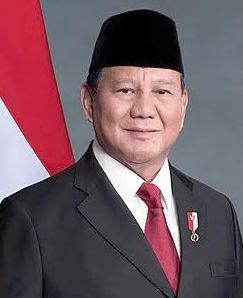
ISLAMABAD: The President of Indonesia, Prabowo Subianto, is tentatively scheduled to visit Pakistan in the second week of December, according to sources at the Pakistani Ministry of Foreign Affairs. The planned state visit, which was postponed earlier for undisclosed reasons, is being viewed as a major opportunity to deepen the already close bilateral ties between Islamabad and Jakarta.

Foreign Office officials, speaking on the condition of anonymity, told this newspaper that President Prabowo’s trip will focus on strengthening political, economic, and strategic cooperation. “Both countries are trusted friends, and this visit could catalyze new agreements,” one senior diplomat said. Pakistan hopes to leverage the visit to reinforce cooperation in key areas such as trade, defense, and infrastructure.

According to the sources, the rescheduling of the trip had been due to logistical and timing issues. But with the December window now under consideration, the Pakistani government is expressing optimism of a positive outcome. Several senior Pakistani officials have begun preliminary planning for bilateral meetings, and a formal agenda is expected to be announced once the dates are finalized.

Analysts view the visit as especially timely. With Indonesia under President Prabowo taking on an increasingly prominent regional role, Pakistan seeks to deepen engagement not just in economic cooperation, but in strategic partnership. Islamabad sees Jakarta as an important partner in Southeast Asia, and hopes to tap into its growing diplomatic influence.

From the Indonesian side, sources suggest that President Prabowo may raise issues such as trade imbalance, mutual investment opportunities, and greater people-to-people exchange. Pakistan, for its part, is expected to press for increased Indonesian investment, particularly in the energy and infrastructure sectors.

Diplomatic insiders in Islamabad say that Pakistan officials are particularly hopeful that the visit will produce landmark agreements — possibly memorandums of understanding — that could unlock new phases in bilateral ties. “There is a growing recognition in both capitals that this is not just a ceremonial visit but one with real substance,” remarked one senior aide.

If the visit goes ahead as expected, it would mark one of the highest-level exchanges between the two countries in recent years. Islamabad is preparing to accord the Indonesian president a warm welcome, with ceremonies, diplomatic receptions, and high-level meetings lined up.

The  trip of President Prabowo Subianto is being closely watched in both countries as a defining moment to cement Pakistan–Indonesia friendship and chart a forward-looking roadmap for cooperation.

Govt committed to women empoerment, says Ishaq Dar

Govt committed to women empowerment, says Ishaq Dar

While this year’s bazaar drew participation from several friendly nations, European countries were notably absent. According to some diplomatic sources, security-related concerns were among the factors that discouraged their participation.

By Saifullah Ansar

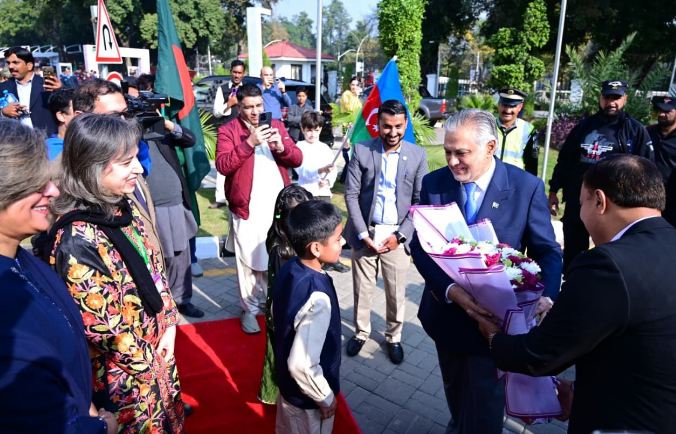
ISLAMABAD: Deputy Prime Minister and Foreign Minister Ishaq Dar on Sunday reaffirmed the government’s commitment to women’s empowerment and the promotion of welfare initiatives aimed at improving socio-economic conditions across Pakistan.

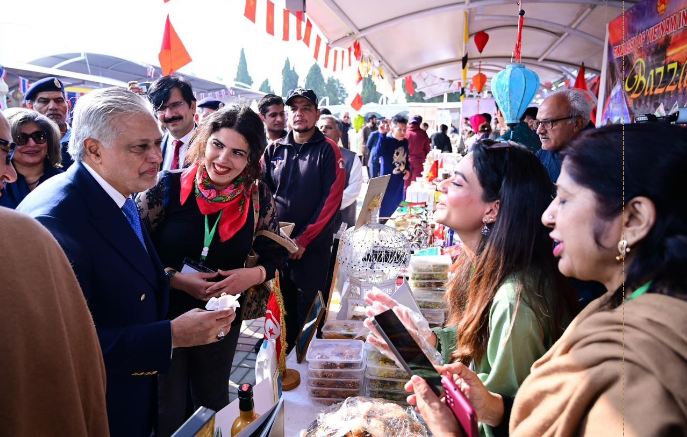
Speaking at the inauguration of the Annual Charity Bazaar 2025, organized by the Pakistan Foreign Office Women’s Association (PFOWA), he praised the Association’s longstanding humanitarian contributions and service “beyond duty.” Foreign Secretary Amna Baloch accompanied him as he visited various country stalls set up at the event.

While this year’s bazaar drew participation from several friendly nations, European countries were notably absent. According to some diplomatic sources, security-related concerns were among the factors that discouraged their participation. Despite this, stalls of Morocco, Indonesia, Uzbekistan, Brunei, Sri Lanka, Rwanda, Türkiye, Sudan, Myanmar, and Malaysia drew special attention from visitors for their vibrant displays and cultural presentations.

In his remarks, Ishaq Dar said the stalls symbolize enduring cooperation and friendship with Pakistan. He added that PFOWA’s humanitarian efforts—including assistance during recent floods and support to NDMA, the PM’s Relief Fund, PIMS, and Polyclinic—reflect its deep-rooted commitment to public welfare.

Highlighting PFOWA’s contributions to education, health, and social services, he said the Association continues to uphold a proud legacy of generosity, supporting both Foreign Service families and marginalized communities nationwide.

Referring to his recent international engagements, the Deputy Prime Minister said he had just returned from a busy diplomatic tour, which included the SCO Council of Heads of Government Meeting in Moscow and the EU Indo-Pacific Ministerial Forum in Brussels. He noted that the Brussels leg involved a “successful” 7th Pakistan-EU Strategic Dialogue and nearly two dozen bilateral meetings, describing the Foreign Office’s diplomatic efforts as “extremely valuable” for the national interest.

Democracy in a Changing World

Democracy in a Changing World

Dr, Muahammad Akram Zaheer

In 2021, before her death,Madeleine Albright expressed the expectations about democracy and contrasts with the sobering reality that has unfolded over the past four years. She explained why the anticipated resurgence has not occurred, how authoritarian states have adapted; how the United States has shifted away from its long-standing support for democratic causes and why democratic, ideals nonetheless remain alive in many societies despite mounting pressures.Madeleine Albright argued that authoritarianism was inherently weak because it relied on coercion rather than genuine public legitimacy. She believed that democratic idealsrooted in dignity, accountability, and autonomy remained powerful forces around the world. For her, the growing political activism of youth, the durability of civil society, and the universal desire for fairness pointed toward a coming democratic renewal. Her essay predicted that dissatisfaction with aging dictatorships would lead to openings for democratic change, particularly if the United States continued to support pro-democracy movements.

However, four years later, events have not supported this optimistic vision. Instead of an international revival, democracy has retreated in many regions. Protest movements that once seemed promising have been crushed. Governments with authoritarian tendencies have strengthened their grip, often using legal frameworks and digital tools to justify repressive measures. A particularly significant change has occurred in the United States itself. The second Trump administration has withdrawn funding from programs that traditionally supported democratic causes abroad and reduced the government’s readiness to defend democratic norms at home. According to Albright’s earlier warnings, this shift in U.S. policy encourages authoritarian governments, weakens global democratic networks, and reduces America’s influence as a moral and political leader.Examples from Iran and Cuba illustrate how authoritarian fragility does not necessarily lead to democratic change. In Iran, widespread protests following the death of MahsaAmini in 2022 briefly suggested that long-standing grievances could erupt into real political transformation. Yet the government suppressed the movement through mass arrests, executions, and strict control of communication. In Cuba, historic protests in 2021 raised hopes that economic hardship and political frustration might force change. Once again, the state responded with intimidation, surveillance, and imprisonment, successfully silencing dissent. These cases demonstrate that even unpopular authoritarian regimes can survive by adapting their methods of control, especially in the absence of strong external pressure.

The text also argues that the United States once played a critical role in supporting democratic activists in such situations. Through diplomatic pressure, targeted sanctions, civil society funding, and international broadcasting, Washington helped dissidents raise their voices and protected them from isolation. However, current U.S. policy has dismantled many of these tools. Institutions such as USAID, Radio Free Europe, and numerous democracy-related programs have lost funding. Thousands of initiatives that previously trained journalists, supported election monitoring, or strengthened civil society organizations have been reduced or shut down. As a result, protest movements facing repression now have fewer resources and less visibility.Meanwhile, China and Russia, the world’s leading authoritarian powers, have not offered appealing alternative models. Russia’s full-scale invasion of Ukraine discredited any notion that strongman governance brings stability or responsible leadership. China, once admired for rapid economic growth and efficient administration, now faces slowing economic performance, stricter political controls, and growing skepticism about its intentions in developing countries. In many regions, China is increasingly seen as a creditor that encourages dependency rather than a partner that supports long-term development. Yet because the United States is retreating from the democratic sphere, China has found more space to present itself as a reliable, non-interfering provider of investment and political support for governments that do not wish to face democratic accountability.

Although authoritarian models appear unattractive, democracy has not advanced because its institutional foundations have weakened in many places. Yet public support for democracy remains strikingly strong. Surveys from multiple regions show that majorities continue to prefer accountable government over authoritarian rule. Even in countries experiencing political setbacks or military coups, citizens consistently express support for fair elections, independent courts, and term limits. This demonstrates that democratic ideals continue to resonate, even when democratic institutions are failing.Across the world, civic resistance movements reveal this continuing commitment. In Georgia, large crowds have challenged flawed elections and a controversial law targeting nongovernmental organizations. In Israel, massive demonstrations in 2023 defended judicial independence. In Myanmar, despite extreme repression, activists continue to resist military rule at enormous personal cost. In Tunisia, where democracy flourished for a decade after the Arab Spring but has since been dismantled by President Kais Saied, citizens continue to challenge the erosion of rights. In Belarus, opposition leaders remain imprisoned or exiled, but protests and international campaigns persist.

Albright believed strongly in the potential of youth movements. Young people, she argued, were more globally connected, more educated, and more determined to demand accountability than previous generations. Their willingness to challenge long-standing hierarchies appeared to offer a new force for democratic change. Yet in practice, youthful idealism has often collided with entrenched power structures. In many authoritarian or semi-authoritarian states, young activists face digital surveillance, online harassment, and imprisonment. In some countries with declining democratic institutions, such as Tunisia and Turkey, many young people have responded not by organizing politically but by emigrating. This trend reflects a crisis of confidence: young citizens expect more from their governments, yet see fewer opportunities to shape political outcomes.The text emphasizes that democracy requires more than public support it needs strong institutions capable of enforcing accountability. Independent courts, legislatures, media organizations, and election commissions form the infrastructure that sustains democratic systems. These institutions, together with global networks of assistance, have historically helped democracies build resilience. Organizations such as the National Endowment for Democracy, the European Union, and others have long contributed to training election observers, supporting journalism, and encouraging reform. Their efforts have helped secure important victories, such as Poland’s 2023 opposition win and Tunisia’s decade of democratic experimentation.Nonetheless, successes are increasingly rare. Freedom House reports that nearly 60 countries experienced democratic decline in 2024 alone. Examples include the dissolution of opposition parties, the removal of term limits, and the passage of laws designed to silence civil society organizations. Meanwhile, the reduction in U.S. support for democratic initiatives has strained the international system that once helped movements survive repression.

Albright’s central insight: that the human desire for freedom, dignity, and accountability continues to exist even when democracy is under strain. The challenge lies not in the disappearance of these ideals but in the weakening of the structures and alliances needed to help them flourish. Albright argued that democracies must work together to support one another, counter authoritarian influence, and preserve the institutions that uphold democratic life. The future of democracy depends not only on public aspiration but also on coordinated leadership and sustained investment in democratic infrastructure.

ISLAMABAD: Torch ceremony of the 35th national games held

ISLAMABAD: Torch ceremony of the 35th national games held

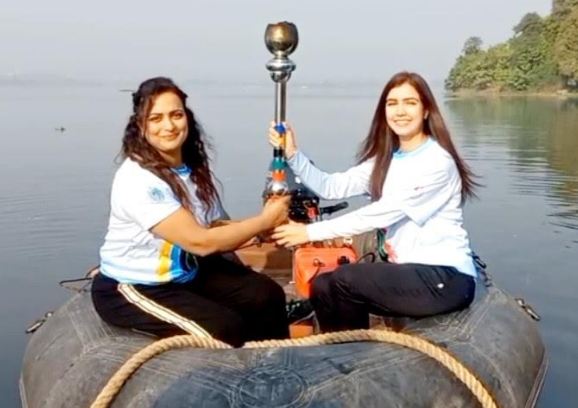
ISLAMABAD, NOV 23 /DNA/ – The torch relay ceremony of the 35th National Games was held at Rawal Dam in Islamabad, featuring the participation of Olympian Sadaf Siddiqui and Asian gold medalist Muhammad Akram. A large number of athletes, organizers, and officials from the Islamabad Olympic Association were also present on the occasion.

During the ceremony, the Islamabad Olympic Association formally handed over the torch to the Balochistan Olympic Association, marking the next phase of its symbolic journey. The torch had traveled through various cities before reaching the federal capital, where it received a warm welcome.

The 35th National Games are scheduled to begin on December 6 in Karachi, with more than 6,000 athletes from across the country set to participate. The mega sporting event will feature competitions in multiple disciplines, showcasing the country’s top athletic talent.

Jordanian Ambassador to inaugurate Heritage Furniture Exhibition at Islamabad Marriott

Jordanian Ambassador to inaugurate Heritage Furniture Exhibition at Islamabad Marriott

ISLAMABAD, NOV 23 /DNA/ – M. Hayat & Bros., one of Pakistan’s oldest and most revered furniture houses, is set to host a exclusive two-day Heritage Furniture Exhibition on November 22nd and 23rd, 2025. The event will be held at the Lapiz Hall, Marriott Hotel, from 11:00 am to 8:00 pm daily.

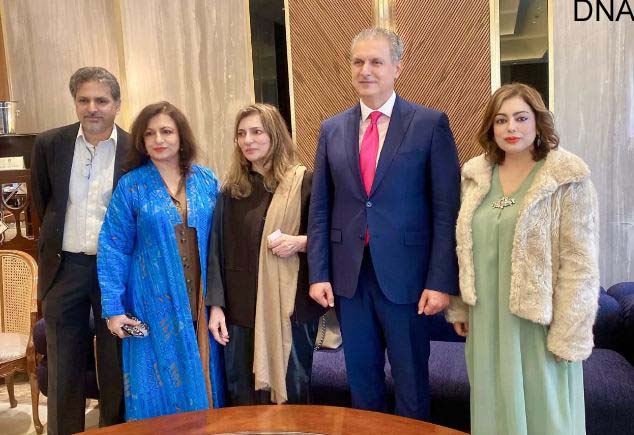
Established in 1870, the brand will celebrate over a century and a half of dedication to traditional artistry and fine woodworking. The exhibition will be inaugurated each day at 12:00 noon, with the inauguration on the first day graced by His Excellency the Ambassador of Jordan as the Chief Guest.

Curated by Nilofar Khalid Aziz, the exhibition will present a meticulously selected collection that embodies the brand’s legacy. Attendees will have the opportunity to view and acquire a range of heirloom-quality pieces, including classic bed sets, elegant consoles, dining and drawing room sets, as well as unique Safari and accent furniture. Each item is a testament to the brand’s commitment to using premium hardwoods and traditional techniques that have been passed down through five generations.

“We are not just showcasing furniture; we are inviting patrons to become a part of a living history,” said a spokesperson for the brand. “This event is a tribute to the timeless spirit of craftsmanship and design that has defined M. Hayat & Bros. since 1870. It is a celebration of the hands that have carved, the vision that has designed, and the families who have cherished our pieces for generations.”

The event will bring together distinguished guests, longstanding multi-generational patrons, and the valued team and family behind the brand, creating a unique gathering to honor Pakistani cultural heritage.

M. Hayat & Bros. has been a cornerstone of Pakistan’s furniture tradition, shaping aesthetic sensibilities with pieces known for their durability, elegance, and deep-rooted connection to South Asian artistry. This exhibition offers a rare glimpse into the enduring legacy of a brand that has furnished Pakistani homes for 155 years.

Event Details:

  • What: Hayat & Bros. Heritage Furniture Exhibition 2025
  • Curator: Nilofar Khalid Aziz
  • Dates: November 22 & 23, 2025
  • Time: 11:00 am to 8:00 pm (Inauguration at 12:00 noon daily)
  • Venue: Lapiz Hall, Marriott Hotel, Islamabad

Punjab by-elections: Polling underway on 13 PA, NA seats

Punjab by-elections: Polling underway on 13 PA, NA seats

ISLAMABAD, NOV 23 : Polling is underway today for by-elections on 13 key seats of the National Assembly and Punjab Assembly, with thousands of security personnel deployed across Punjab.

The contests—many triggered by the disqualification of PTI-backed candidates—have drawn intense political attention, particularly in Lahore’s NA-129 and Haripur’s NA-18.

Polling opened at 8am and will continue until 5pm, with the Election Commission of Pakistan (ECP) overseeing the process under a reinforced security plan.

Most seats were vacated after PTI-backed members were disqualified following their conviction in the May 9, 2023 incidents that erupted after former prime minister Imran Khan’s arrest.

The National Assembly seats where voting is underway include NA-18 Haripur, NA-96 Faisalabad, NA-104 Faisalabad, NA-129 Lahore, NA-143 Sahiwal, and NA-185 Dera Ghazi Khan.

Punjab Assembly by-elections are being held in PP-79 Sargodha, PP-87 Mianwali, PP-98 Faisalabad, PP-115 Faisalabad, PP-116 Faisalabad, PP-203 Sahiwal, and PP-269 Muzaffargarh.

Heavy security deployment across Punjab

More than 20,000 police personnel have been deployed on national and provincial constituencies to maintain order.

According to the ECP’s code of conduct, armed forces personnel have also been stationed outside polling stations declared “highly sensitive”, while remaining troops are on standby as a third-tier response force.

Security officials have been directed to ensure a safe and neutral environment, prevent violence, and allow voters to enter freely—except in cases involving weapons, explosives, or security risks.

Key political contests

NA-129 Lahore

NA-129 gained significance again after the death of former MNA Mian Muhammad Azhar, who won the seat on a PTI ticket. PML-N has fielded seasoned political organizer Hafiz Noman, while Chaudhry Arsalan Ahmed, the late Mian Azhar’s nephew and a PTI-backed independent, is running a strong campaign.

A tight contest is expected between PML-N and PTI-backed forces, making this one of the most closely watched constituencies.

NA-18 Haripur: Ayub family vs PML-N

This seat fell vacant after former opposition leader Omar Ayub Khan was disqualified following a conviction in a May 9 case.

His wife, Shehrnaz Omar Ayub, is contesting her first election and faces PML-N candidate Babar Nawaz Khan, who previously held the seat. The Ayub family’s strong local influence suggests a tough fight.

NA-96 Faisalabad

The seat became vacant after Rai Haider Ali Khan was disqualified post-May 9 conviction. PML-N has nominated Bilal Badar Chaudhry, brother of Minister of State for Interior Talal Chaudhry.

Independent candidate Nawab Sher Wasir is a key contender, while Talal Chaudhry was fined today by the ECP for violating the election code of conduct.

NA-104 Faisalabad

This constituency fell vacant after Sahibzada Hamid Raza, elected as an independent and chairman of the Sunni Ittehad Council (SIC), was sentenced to 10 years in a May 9 case.

PML-N has fielded young lawyer Daniyal Ahmed, son of former opposition leader Raja Riaz. He is facing three independent candidates, while SIC and PTI workers remain active in the constituency.

NA-143 Sahiwal

This seat also became vacant after the conviction and disqualification of PTI-backed Rai Hassan Nawaz.

NA-185 Dera Ghazi Khan

Former federal minister Zartaj Gul was disqualified after her conviction in a May 9 case, leaving the seat vacant.

PML-N has nominated Mehmood Qadir Khan Leghari from the influential Leghari family, making this another significant local political contest in South Punjab.

Provincial Assembly seats also being decided

By-elections are simultaneously being held in seven Punjab Assembly constituencies:

PP-79 Sargodha

PP-87 Mianwali

PP-98 Faisalabad

PP-115 Faisalabad

PP-116 Faisalabad

PP-203 Sahiwal

PP-269 Muzaffargarh

PML-N has fielded strong candidates in most constituencies, while PTI and SIC-backed independent candidates are also in the race. PTI, however, has boycotted elections on provincial seats in some areas.

These by-elections are expected to influence the political balance at both the national and provincial levels, especially where PML-N faces PTI-backed independents.

The results—particularly from Lahore and Haripur—may shape the narrative around party popularity ahead of future political developments.

Stay Connected

64FansLike
60FollowersFollow

Latest Reviews

Exchange Rates

USD - United States Dollar
EUR
1.17
GBP
1.35
AUD
0.67
CAD
0.73