Home Blog Page 614

Pakistan’s future growth hinges on a clear national direction: Veteran diplomats

Pakistan’s future growth hinges on a clear national direction: Veteran diplomats

ISLAMABAD, SEPT 20 (DNA) – Pakistan’s future growth is dependent on establishing a clear national direction that integrates positive nation-building efforts into every policy decision. This direction is crucial for resolving the country’s governance crisis, fostering ideological unity, and leveraging the nation’s untapped potential in emerging sectors like tourism and technology.

Additionally, Pakistan needs to adopt a unified, whole-of-nation approach in policy decisions and reforms to overcome the complex challenges accumulated over the past seven decades.

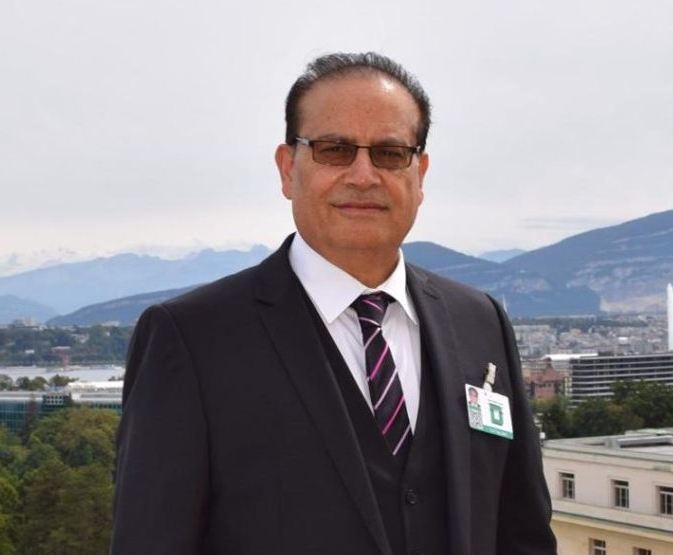
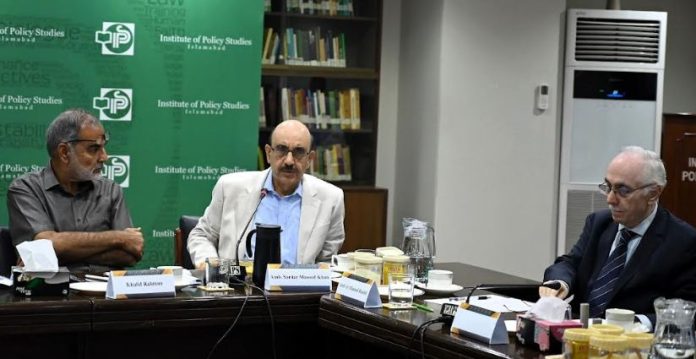
This was the central message delivered by senior former diplomats, Ambassador (r) Sardar Masood Khan, former president of AJK, and Ambassador (r) Masood Khalid during the annual meeting of National Advisory Council (NAC) of the Institute of Policy Studies (IPS), Islamabad. The forum was moderated by Ambassador (r) Syed Abrar Hussain, vice chairman IPS, and chaired by Khalid Rahman, chairman IPS. The yearly gathering aims to garner intellectual input from veteran practitioners for IPS’ research activities and realistic ideas regarding national issues.

Ambassador Masood Khalid highlighted Pakistan’s policy-making crisis, stressing that “policies made in silos” lead to weak coordination and ineffective implementation. He highlighted the absence of strategic clarity and the internal tension between reformists seeking change and those clinging to the status quo as major barriers to progress. According to him, this tug-of-war reflects a deeper crisis within Pakistan’s policy-making framework.

One such example is Pakistan’s approach to the China-Pakistan Economic Corridor (CPEC). While CPEC presents a unique window of opportunity, the lack of coherent, strategic policies jeopardizes its potential. He stressed that if not managed attentively and diligently, CPEC could become a missed opportunity, reflecting broader policy dysfunction. To capitalize on such opportunities, Pakistan must create an enabling environment that fosters ease of business, particularly for Chinese investments.

Ambassador Khalid urged civil society, especially the research community, to engage with political stakeholders more proactively. Such outreach, he noted, could help inform better policy decisions, ultimately leading to a more coordinated and effective governance system.

In his remarks, Ambassador Masood Khan focused on the ideological foundations of Pakistan, stressing that nation-building must be prioritized to strengthen national unity and identity. “As an ideological state, Pakistan must assert its core principles with confidence,” he stated. He warned of the growing ideological disunity among both the leadership and the general populace.

While drawing lessons from the global shift toward economic priorities, particularly in Muslim countries, Ambassador Khan argued that Pakistan must find a balance, learning from these trends while staying true to its ideological roots. He emphasized the need for developing indigenous infrastructure in literature, media, and law enforcement to better communicate and uphold national values.

Ambassador Khan also highlighted the dangers posed by negativity and information warfare, which he said contribute to strategic paralysis in the country. To counter these challenges, he called for a positive, forward-looking national direction that reasserts Pakistan’s core ideological values and emphasizes constructive nation-building.

Ambassador Abrar Hussain underscored the critical role of inclusive dialogue in addressing Pakistan’s pressing challenges. He endorsed the need for collective wisdom and a unified approach to bridge gaps in policy-making, urging closer collaboration between policymakers, researchers, and civil society to ensure more cohesive and strategic policy-making.

The diplomats agreed that the path forward requires not only clear national goals but also a robust communication strategy to convey Pakistan’s perspective on both domestic and international fronts.

Looking ahead to the opportunities of the digital age, they stressed the importance of technological advancement for Pakistan’s economic and diplomatic future. It was noted that Pakistan has the third-largest cohort of freelancers globally, representing a significant opportunity for growth. The speakers advocated for better policies and investments in technologies such as the Internet of Things (IoT), e-commerce, and generative AI, which could drive both economic and diplomatic success. 

PSB takes notice of Athletics team visit to India without NOC

PSB takes notice of Athletics team visit to India without NOC

By our correspondent

ISLAMABAD: The Pakistan Sports Board (PSB) has taken notice of the Pakistan Junior Athletics Team’s participation in the South Asian Junior Athletics Championship in India without obtaining the necessary No Objection Certificate (NOC) and has sought an explanation from the Athletics Federation of Pakistan (AFP).

According to details, a team of twelve athletes and five officials from Pakistan participated in the international event, but failed to secure a single medal out of the 90 medals awarded during the championship.

The AFP, already facing criticism for poor team selection leading to disappointing results, is now under further scrutiny as the PSB has questioned why the team was sent to India without prior approval from the relevant authorities.

The PSB, in a letter addressed to AFP Secretary Shahjahan Mir, stated that the federation did not seek an NOC for the team’s departure to India, which is a violation of Article 7(1) of the PSB Constitution.

It is important to note that, for any sporting event held in India, the rules are particularly strict. Federations are required to obtain clearances not only from the PSB but also from intelligence agencies and various ministries before planning such tours.

The AFP’s failure to secure the necessary documents raises questions about their administrative oversight in this matter.

President approves Supreme Court Practice and Procedure Amendment Ordinance

President approves Supreme Court Practice and Procedure Amendment Ordinance

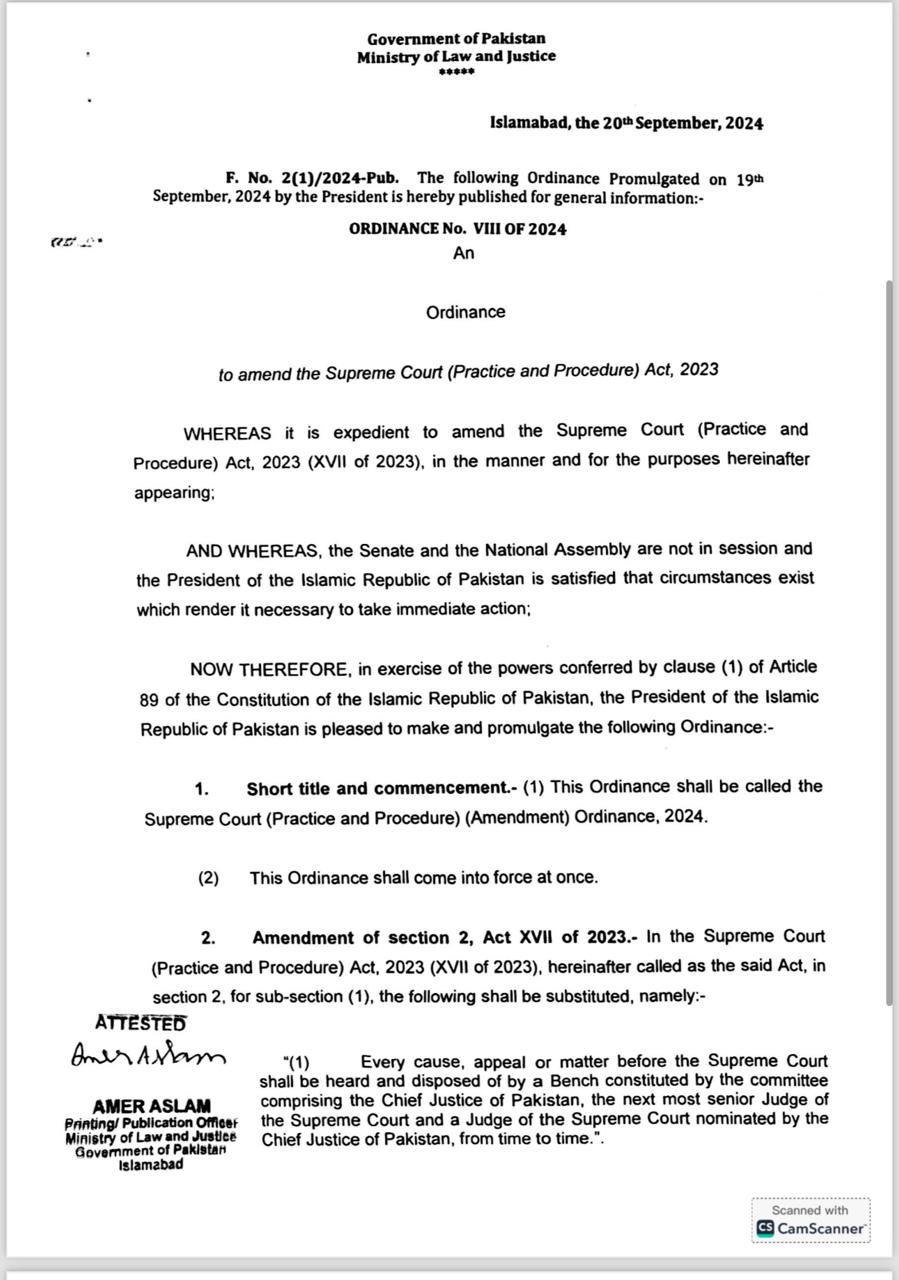
ISLAMABAD: Hours after the federal cabinet’s approval, President Asif Ali Zardari on Friday signed the Supreme Court (Practice and Procedure) Amendment Ordinance 2024 into law.

Earlier, the cabinet, chaired by Prime Minister Shehbaz Sharif, okayed the much-debated ordinance.

The federal cabinet adopted the ordinance “through a circulation” after the Ministry of Law had sent it to the prime minister and cabinet Thursday night.

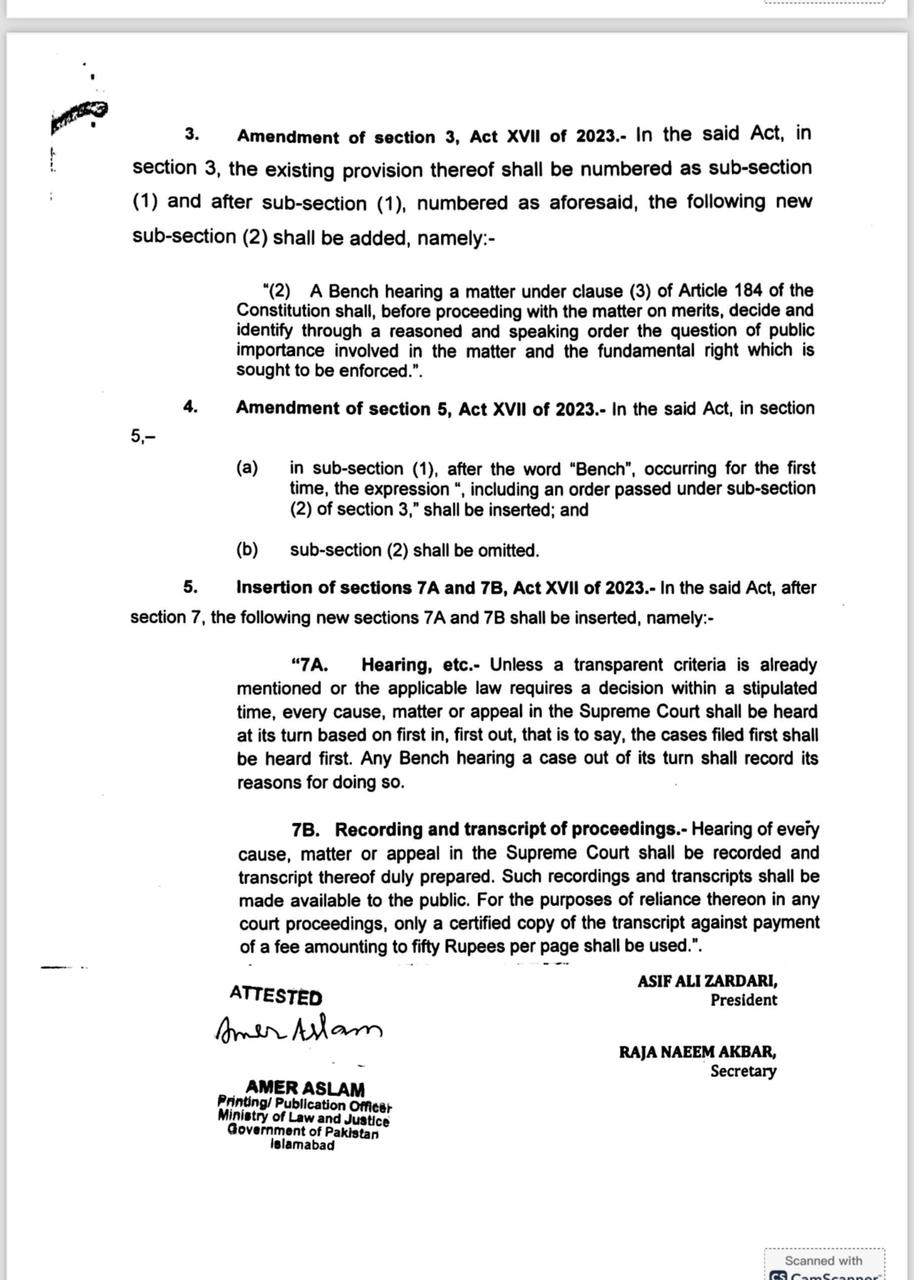
The ordinance said the court bench would look at the cases keeping in view the fundamental human rights and public importance.Play Video

As per the ordinance, each case will be heard on its turn otherwise reason will be furnished for its taking out of turn.

“Each case and appeal will be recorded and its transcript will be prepared, which will be available to the public,” it also stated.

President approves Supreme Court Practice and Procedure Amendment Ordinance

Earlier, sources told The News that the ordinance would give the Chief Justice of Pakistan (CJP) additional power to appoint cases. The top judge would have the authority to nominate a judge as a member of a committee, if a member of the committee is absent, they said.

According to the Practice and Procedure Act, a three-member committee constitutes the benches. The sources had apprised the publication that the law ministry had prepared the amendment ordinance and forwarded it to the cabinet for approval.

Sub-clause 1 of the Act’s Section 2 has been incorporated in the law, according to which the Practice and Procedure Act Committee will fix the cases for hearing. The body will comprise the chief justice, the most senior judge and the judge nominated by the chief justice.

The ordinance also includes an amendment in Section 3 of the Act.

What is Supreme Court (Practice and Procedure) Act 2023?

The Pakistan Democratic Movement (PDM) passed the Supreme Court (Practice and Procedure) Act 2023, during the last days of its government to regulate the chief justice’s powers.

But they met a setback as even before the law was enacted on April 21, 2023, an eight-member bench constituted by then-CJP Umar Ata Bandial issued a stay order on it on April 13, 2023.

The law gave the power of taking sou motu notice to a three-member committee comprising senior judges including the chief justice. It further aimed to have transparent proceedings in the apex court and includes the right to appeal.

Regarding the constitution of benches, the law stated that every cause, matter or appeal before the apex court would be heard and disposed of by a bench constituted by a committee comprising the CJP and the two senior-most judges.

It added that the decisions of the committee would be taken by a majority.

Regarding exercising the apex court’s original jurisdiction, the Act stated that any matter invoking the use of Article 184(3) would first be placed before the committee.

On matters where the interpretation of the Constitution is required, the Act stated the committee would compose a bench comprising no less than five apex court judges.

About appeals for any verdict by an apex court bench that exercised Article 184(3)’s jurisdiction, the Act said that the appeal would lie within 30 days of the bench’s order to a larger SC bench. It added that the appeal would be fixed for hearing within a period not exceeding 14 days.

The Act additionally said that a party would have the right to appoint its counsel of choice for filing a review application under Article 188 of the Constitution.

Furthermore, it stated that an application pleading urgency or seeking interim relief, filed in a cause, appeal, or matter, shall be fixed for hearing within 14 days from the date of its filing.

However, the law had the provision that this right of appeal would also extend retrospectively to those aggrieved persons against whom an order was made under Article 184(3) prior to the commencement of the Act, but the court has struck it down.

Soldiers thwart attack, kill five terrorists in South Waziristan: ISPR

Soldiers thwart attack, kill five terrorists in South Waziristan: ISPR

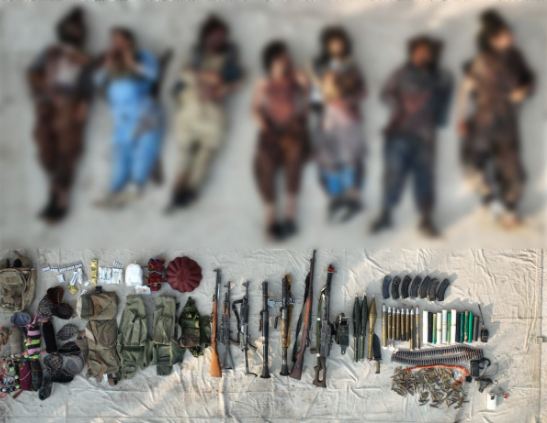
RAWALPINDI, 20 Sept (DNA) – On 19/20 September 2024, two fierce encounters took place between own troops and the terrorists in North and South Waziristan Districts, resulting in killing of twelve Khwarij.

On 19 September, movement of group of seven terrorists, trying to infiltrate Pakistan-Afghanistan border, was detected by security forces in general area Spinwam, North Waziristan District. The infiltrators were surrounded, effectively engaged and after an intense fire exchange, all seven khwarij were sent to hell. A large quantity of weapons, ammunition and explosives was also recovered.

In a second incident in general area Ladha, South Waziristan District, a group of khwarij attacked a security forces’ post. Own troops fought bravely, foiling the attempts of intrusion and killed five Khwarij. However, during intense exchange of fire, six brave sons of soil, having fought gallantly, paid the ultimate sacrifice and embraced shahadat.

Sanitization operations are being conducted to eliminate any other Kharji present in the area, as security forces of Pakistan are determined to wipe out the menace of terrorism from the country and such sacrifices of our brave soldiers further strengthens our resolve.

September 20 to mark State Sovereignty Day in Azerbaijan

September 20 to mark State Sovereignty Day in Azerbaijan

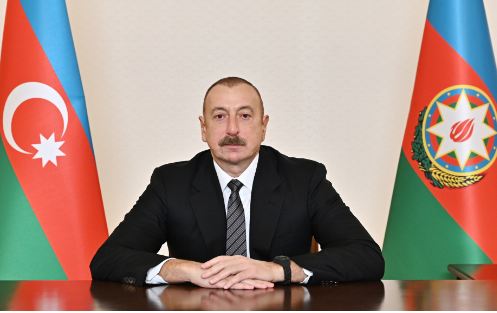
BAKU, SEPT 19: President Ilham Aliyev has signed an order establishing September 20 as the State Sovereignty Day in the Republic of Azerbaijan.

The order highlights that, since the early 1990s, the Republic of Armenia has grossly violated the UN Charter by pursuing an aggression policy against Azerbaijan. Armenia occupied 20 percent of Azerbaijan’s internationally recognized territory through military force, carried out ethnic cleansing against Azerbaijanis, destroyed Azerbaijani cities and villages, looted the country’s natural resources, and committed the Khojaly Genocide, one of the most atrocious tragedies of our time.

Following the 44-day Patriotic War that began on September 27, 2020, in response to Armenia’s new invasion plans and provocations, the Azerbaijani Armed Forces achieved a historic victory over the Armenian army. By liberating its lands from 30 years of occupation, Azerbaijan restored its territorial integrity and implemented the UN Security Council resolutions.

To prevent further large-scale provocations by Armenian forces in the Karabakh economic region of Azerbaijan and to restore the constitutional order, the Azerbaijani Army conducted an anti-terror operation on September 19, 2023. This operation, which lasted just 23 hours, forced the enemy to surrender and showcased the Azerbaijani Army’s professionalism and heroism. This victory fully restored Azerbaijan’s sovereignty, and today, the Azerbaijani flag flies proudly in all territories where Azerbaijani sovereignty is established.

For any nation, creating and developing an independent state is a monumental achievement. Despite facing challenges, occupation, and deprivations, the Azerbaijani nation’s determination for independence and statehood remained unshaken. Today, the Azerbaijani people have their independent state, and the territorial integrity and sovereignty achieved at the cost of heroic soldiers’, officers’ and martyrs’ blood are considered the national wealth of the Azerbaijani people.

Thus, September 20 will be observed annually as the State Sovereignty Day in the Republic of Azerbaijan.

The Cabinet of Ministers is instructed to address issues arising from this order.

“Trump’s Achilles’ Heel: Immigrant Voters”

Qamar Bashir

Qamar Bashir

During his last debate with Kamala Harris, Donald Trump made two fundamental mistakes. First, his tirade against the Russia-Ukraine war lacked depth and coherence. Second, his venomous rhetoric against immigrants failed to distinguish between legal and illegal immigration. His positions on both critical issues were shallow, unsupported by evidence, and lacked cogent arguments. His poor articulation of these topics further highlighted his ignorance, which may severely damage his chances of retaining the presidency of one of the world’s most powerful nations, the United States of America.

Moreover, Trump appeared unaware of the significant impact immigrant voters can have on the election. Immigrants can either swing the vote in his favor, shift it towards Kamala Harris, or choose not to vote at all. His alienation of this crucial demographic could prove to be a critical miscalculation in the upcoming election.

Currently, I am staying in Macomb, Michigan, where the sentiment among immigrants, both new and longstanding, is largely negative towards Trump. This hostility has intensified, especially after hearing his inflammatory and offensive remarks, where he labeled all immigrants as “dog and cat eaters.” These derogatory comments have deeply alienated the immigrant community here.

The demographic of Michigan state is very interesting. Out of the total population of 10 million the black and immigrants make up 25% of the population. The immigrant population in the U.S., especially in key swing states like Michigan, is growing and becoming a more politically active and decisive voting bloc. Immigrant communities from South Asia, Latin America, the Middle East, and East Asia are playing an increasingly prominent role in elections.

Trump’s anti-immigrant policies, such as the Muslim travel ban, his derogatory rhetoric about Mexican immigrants, and his hardline stance on border security, have alienated many immigrant and minority groups. These voters view Trump as a threat to their communities, families, and values, which was reflected in increased minority voter turnout against him in 2020. This alienation is likely to persist, if not intensify, in the upcoming election.

 Kamala Harris, as a woman of South Asian and Jamaican descent, holds particular significance for immigrant communities. Her nomination and vice presidency represent a historic milestone in the U.S. political landscape, and her background could galvanize South Asian, African-American, and Caribbean-American voters. Harris’s candidacy could act as a rallying point for immigrant and minority voters, particularly those who see her as an advocate for civil rights, immigration reform, and inclusive policies.

In Michigan, immigrant and minority voters are concentrated in urban areas like Detroit, Dearborn, and Ann Arbor. Arab-American voters, particularly from the Lebanese, Syrian, and Yemeni communities in Dearborn, have historically played a decisive role in local and national elections. Similarly, the South Asian population in suburban Detroit is growing and becoming more politically engaged.

Given the state’s narrow margins in recent elections, the mobilization of immigrant voters could be crucial. In 2020, Joe Biden won Michigan by around 154,000 votes. Immigrant and minority voters, particularly in urban centers, contributed significantly to this victory. If the Democratic Party can further energize these communities, particularly through the candidacy of Kamala Harris, it could more than compensate for any losses among the white working-class voters Trump retains.

In Michigan in particular and across the USA in general, the white vote is no longer a monolithic bloc. Trump continues to enjoy strong support among white working-class voters, particularly those without a college degree, due to his populist message on trade and immigration. However, college-educated whites, particularly in suburban areas, are increasingly turning away from Trump’s more extreme positions on race, immigration, and governance.

Applying the theory of a divided white vote and a unified immigrant vote across the U.S. in 2024 gives much deeper insights into Harris’s potential gains.

Texas has a large Latino and South Asian population. Latino voters, in particular, are a significant force in Texas, making up about 40% of the population. A 3-5% immigrant vote swing in Harris’s favor could be enough to make Texas a competitive state.

Florida has a large Latino (primarily Cuban-American and Puerto Rican) and immigrant population. Harris could see gains in South Florida if she can energize Latino voters with policies on immigration, economic opportunity, and healthcare. Potential Gain for Harris: 2-4% swing, particularly in Miami-Dade and Orlando regions, could bring Florida back into the Democratic column.

Arizona has a sizable Latino population and saw Joe Biden win in 2020. Harris could potentially build on this success by increasing turnout among Latino and younger immigrant voters. A 2-3% increase in immigrant turnout could solidify Arizona as a Democratic win.

Georgia has seen a growing Black and immigrant population, particularly Latinos and Asians in the Atlanta metro area. A 2-4% increase in turnout among Black, Latino, and Asian communities could help secure Georgia for Harris.

Pennsylvania has a smaller immigrant population compared to some other states, but urban centers like Philadelphia and Pittsburgh have significant Black and Latino communities. A 1-2% gain among immigrants and urban voters could solidify her hold on the state.

Immigrant voters, especially from South Asia, Latin America, the Middle East, and East Asia, are becoming a politically decisive bloc in key swing states. Many immigrants view Harris, the daughter of South Asian and Jamaican immigrants, as a symbol of inclusivity and progress, and her candidacy could galvanize these voters, particularly in states like Michigan, Texas, Florida, and Georgia, where immigrant populations are significant.

The potential for Harris to increase voter turnout among first-generation immigrants and young voters could be a game-changer in battleground states. Immigrant and minority communities in Michigan, for example, were instrumental in Joe Biden’s 2020 victory, and similar turnout in 2024 could be decisive.

Ultimately, if Harris can capitalize on a divided white electorate and the growing political power of immigrant voters, she stands to gain a 2-4% increase in key swing states. This shift could tip the balance in her favor, particularly in states like Arizona, Georgia, and Pennsylvania, where narrow margins have defined recent elections.

Qamar Bashir

Former Press Secretary to the President

Former Press Minister to the Embassy of Pakistan to France

Former MD, SRBC, CEO, ATV

Prime Minister Shehbaz Sharif accepts invitation to CHOGM in Samoa

Prime Minister Shehbaz Sharif accepts invitation to CHOGM in Samoa

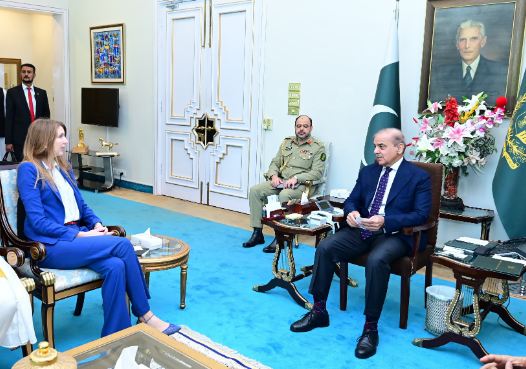
ISLAMABAD, SEPT 18 (DNA) – Prime Minister Shehbaz Sharif received a telephone call today from King Charles III. The King formally invited the Prime Minister to attend the Commonwealth Heads of Government Meeting (CHOGM) in Samoa in October. Accepting the invitation, the Prime Minister said that the CHOGM in Samoa would be a significant moment in the history of the Commonwealth, being the first summit that the King would chair since becoming Head of the Commonwealth.

Prime Minister Sharif reiterated Pakistan’s commitment to the Commonwealth and the values enshrined in the Commonwealth Charter. He said that the CHOGM in Samoa would provide a forum to discuss opportunities for enhancing intra-Commonwealth cooperation on a number of important issues, such as fostering sustainable development, strengthening democratic institutions, and empowering Commonwealth youth.

Noting the King’s longstanding interest in environmental issues and various initiatives for climate sustainability, the Prime Minister said that he particularly looked forward to engaging with Commonwealth leaders on climate change, especially as Pakistan is highly vulnerable to the impacts of climate change.

The Prime Minister also inquired after the King’s health and conveyed his best wishes for Her Royal Highness The Princess of Wales, who had successfully completed her treatment.

Recalling the fond memories of the King’s last visit to Pakistan, when he was the Prince of Wales, the Prime Minister hoped that the King and Her Majesty The Queen would visit Pakistan soon.

Russian Deputy PM meets COAS Gen. Asim Munir for bilateral security talks

Russian Deputy PM meets COAS Gen. Asim Munir for bilateral security talks

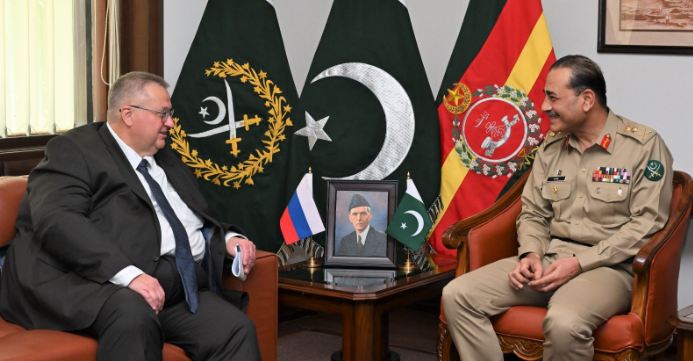
RAWALPINDI, SEPT 18 /DNA/ – Alexey Overchuk, Deputy Prime Minister of the Russian Federation, paid a courtesy call on General Syed Asim Munir, NI (M), Chief of Army Staff (COAS), at the General Headquarters. During their meeting, they engaged in productive discussions on matters of mutual interest, regional security dynamics, and bilateral cooperation across various sectors.

The COAS reiterated Pakistan’s commitment to fostering traditional defence ties with Russia. Both sides reaffirmed their resolve to strengthen security and defence cooperation in multiple domains.

The visiting dignitary praised the Pakistan Armed Forces’ pivotal role in combating terrorism and their tireless efforts to promote peace and stability in the region.

Ch Shafay lays foundation stone of 19 centres of excellence

Ch Shafay lays foundation stone of 19 centres of excellence

LAHORE, SEP 18 (DNA) — Provincial Minister for Industries and Commerce Chaudhry Shafay Hussain laid the foundation stone of the project to build 19 centres of excellence in Government College of Technology here at Allama Iqbal Town on Wednesday. Under the project, Centres of Excellence will be established in 16 institutions of TEVTA and 3 institutions of Punjab Vocational and Training Council.

With the support of Asian Development Bank, 19 centres of excellence will be built and the project will cost Rs. 5 billion. Chaudhry Shafay Hussain said that the plan to establish centres of excellence in Punjab is a milestone in the preparation of skilled manpower. Completion of the project will increase the efficiency and professional technical skills of these institutions. CBTA based courses will be conducted on modern lines in all these centres of excellence.

Chaudhry Shafay Hussain apprised that under this project, access to technical and vocational education will be easy. The youth will get decent employment opportunities. 8 different priority economic sectors have been selected under this project which include information communication, technology, health, hospitality, construction, textiles, garments, light engineering, agriculture farm machinery, surgical instruments, automobiles, auto-bike assembling and food processing sectors as well.

The Provincial Minister for Industries and Commerce said that a revolutionary project has been started to create centres of excellence for the promotion of skill development. Garment City is being built in Quaid-e-Azam Business Park Sheikhupura on an area of 630 acres. China’s textile industry will move to Garment City and new factories will also be built over there. Chaudhry Shafay Hussain said that Chinese companies will set up factories for manufacturing solar panels and electric vehicles in Punjab this year.

 He underscored that if all institutions work hard and diligently, there will be no need to borrow from the IMF. For the first time, solar studies have been initiated in TEVTA’s facilities and the project to upgrade TEVTA’s facilities has been initiated. Chairperson Chief Minister Task Force on Technical Education Adnan Afzal Chattha said that a major skill development project has been started with the support of Asian Development Bank.

37,000 children will benefit from this project launched with the support of Asian Development Bank. He said that under the Chief Ministerial Development Program, IT short courses are being provided free of cost to the youth. Provincial Secretary for Industries and Commerce Ehsan Bhutta said that 64% youth population is not a burden but the future of the country.

 The destiny of the country can be changed by making the youth skilled. He said that girls have been given free pick and drop facility in Garment City and they are also being given a stipend of Rs. 20,000 per month. He further informed that Centers of Excellence in Sialkot and Mian Channu will be completed by December. Project Director Zohaib highlighted the salient features of the project. —DNA

President rejects IIOJK Legislative Assembly polls

President rejects IIOJK Legislative Assembly polls

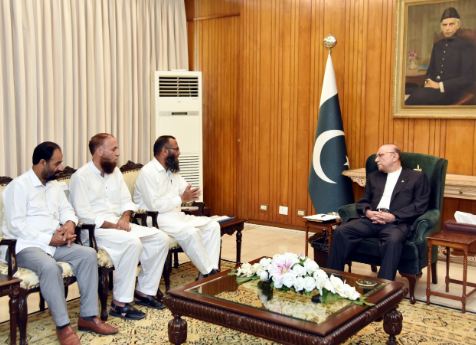
ISLAMABAD, SEPT 18 (DNA) – President Asif Ali Zardari has categorically rejected the elections for the Legislative Assembly of Indian Illegally Occupied Jammu and Kashmir (IIOJK), asserting that these polls are no substitute for the Kashmiri people’s right to self-determination. He emphasised that such elections are unacceptable to the people of Kashmir and called upon the international community to hold the Modi government accountable for ongoing human rights violations in IIOJK. He further urged the need to take concrete steps toward conducting a plebiscite in line with relevant United Nations Security Council Resolutions.

The President expressed these views while talking to a delegation of migrants from IIOJK, residing in Pakistan since 1989, led by Mr Uzair Ahmed Ghazali, at Aiwan-e-Sadr, on Wednesday.

Welcoming the delegation, the President condemned the Legislative Assembly elections in IIOJK, terming them as part of India’s broader strategy to consolidate its illegal occupation of the region. He highlighted that such measures could neither legitimize India’s occupation nor suppress the freedom struggle of the Kashmiri people. He stated that India was trying to alter the demographic structure of IIOJK by turning the Kashmiri Muslims into a minority and transforming them into a disempowered community in their own land.

The President said that Pakistan greatly valued the sacrifices made by the Kashmiri people for their rights and would continue to stand in solidarity with them. He reiterated Pakistan’s commitment to provide moral, political and diplomatic support to the Kashmiri people till the realization of their right to self-determination.

The delegation apprised the President about the atrocities being committed by the Modi regime in IIOJK. It was highlighted that the entire Kashmiri leadership had been imprisoned to suppress the voice of the Kashmiri people. The delegation also apprised the President about the issues of the refugees in Azad Jammu and Kashmir (AJK).

The President underscored that a protest should be lodged over the illegal steps and atrocities being committed by the Indian Occupation Forces in IIOJK. He said that Pakistan was committed to the socio-economic uplift of refugees and resolving their issues. He assured the delegation that the Government of AJK would be asked to enhance subsistence allowance as well as provide other relief measures to Kashmiri refugees. He further assured that Pakistan’s social safety net would be extended to include 8000 migrant families through the Benazir Income Support Programme.

The delegation thanked the President for Pakistan’s continued moral, political and diplomatic support for the Kashmiri people. The delegation also commended the efforts and role of the Chairman of the Pakistan People’s Party, Mr Bilawal Bhutto Zardari, who strongly advocated the cause of the people of IIOJK at various fora during his tenure as the Foreign Minister of Pakistan.

Stay Connected

64FansLike
60FollowersFollow

Latest Reviews

Exchange Rates

USD - United States Dollar
EUR
1.17
GBP
1.34
AUD
0.67
CAD
0.73