Home Blog Page 611

The Role of Okara Cantonment Security and Development

The Role of Okara Cantonment Security and Development

Arooj Fatima

Okara Cantonment, commonly known as OkaraCantt, is a prominent military-administered area situated in the Okara District of Punjab, Pakistan. The cantonment is not only important due to its military value but also serves as a bridge between the defense establishment and the surrounding civilian population. Located near the city of Okara, it plays a dual role, offering military facilities alongside civilian services and infrastructure. Three key entry points secure OkaraCantt: Al-Jehad Gate, Al-Barq Check Post and the Runway Gate, which regulate access and ensure tight security.The origins of Okara Cantonment trace back to the British colonial era when it was established as a military garrison. Like many cantonments built by the British in the Indian subcontinent, its location was chosen strategically to support military logistics and regional stability. After Pakistan gained independence in 1947, OkaraCanttwas inherited by the Pakistan Army, which transformed it into a critical base for various army units. Given its proximity to the India-Pakistan border, the cantonment gained substantial importance for national defense and continues to play a vital role in regional military readiness.

Okara Cantonment is located in the Okara District of Punjab Province. It lies close to Okara City and is in proximity to other urban centers such as RenalaKhurd and Sahiwal. Its strategic location provides both tactical military benefits and excellent connectivity. The cantonment is well-linked via the Grand Trunk (GT) Road and Pakistan Railways, enabling easy movement of military personnel and equipment while also facilitating civilian travel to major cities like Lahore and Multan.A Cantonment Board that operates under the Military Lands and Cantonments Department, Ministry of Defence governs OkaraCantt. This administrative system is distinct from the regular municipal governance applied in civilian areas. The board comprises elected civilian members and military representatives andis overseen by a Chief Executive Officer (CEO). Its responsibilities include providing essential services such as:

  • Waste management and sewerage systems
  • Health and sanitation services
  • Management of primary and secondary education institutions
  • Maintenance of parks, recreational areas and graveyards
  • Regulation of commercial zones
  • Administration of land and property matters

The Cantonment Board focuses on maintaining a clean, organized and efficiently managed environment, embodying a disciplined model of urban governance.The infrastructure of OkaraCantt is robust and diversified, catering to both military and civilian populations.OkaraCantt hosts various military installations including army barracks, training grounds, administrative offices and supply depots. It houses two key divisions of the Pakistan Army: the 40 Division and the 14 Division, both commanded by Major Generals. These divisions are crucial for defensive operations and strategic planning in the region.The Combined Military Hospital (CMH) Okara is a major medical facility situated within the cantonment. Operated under the Pakistan Army’s Medical Corps, CMH provides healthcare services to military personnel and civilians alike. It includes departments such as General Medicine, General Surgery, Pediatrics, Gynecology & Obstetrics, Psychiatry, Physiotherapy and Trauma Care. Laboratory and radiology services are also available, making it a well-rounded healthcare institution.Educational services in OkaraCantt are of high quality, particularly through institutions like the Army Public School and College and various FG and Cantonment Board (CB) Schools. The Army Public School and College is part of the APSACS system and offers both Matriculation (FBISE) and O/A Level (Cambridge) education. These institutions not only serve the children of military families but are also open to civilians, promoting educational excellence in the region.Recreational amenities in OkaraCantt include parks, sports complexes and exclusive messes and clubs for officers and their families. “Coffee O Clock” is a popular venue for families, reflecting the area’s blend of military precision and civilian comfort.The cantonment is divided into two main residential zones: the Civil Area and the Defense Officer Housing Society (DOHS). Both are well-planned, offering modern housing and amenities in a secure environment.

Security in the cantonment is stringent, with check posts regulating access and surveillance systems ensuring the safety of residents. Outsiders require proper clearance to enter, maintaining the area’s integrity as a military zone.The Army Selection and Recruitment Center (AS&RC) in Okara Cantonment plays a crucial role in enlisting new personnel into the Pakistan Army. Located near the Al-Barq Check Post on GT Road, the center serves candidates from Okara and adjacent districts such as Sahiwal and Pakpattan. Recruitment categories include:

  • Soldiers (Sipahi)
  • Junior Commissioned Officers (JCOs)
  • Clerical and technical staff
  • Medical Corps personnel
  • Cadets for specialized courses like PMA Long Course and Technical Cadet Course

This center is a gateway for local youth aspiring to serve in the military, contributing to regional employment and national defense.Established in 1913 during British rule, Military Farms Okarawere initially designed to supply dairy products to the British Indian Army. Today, the Pakistan Army’s Remount Veterinary and Farms Corps (RV&FC) operate these farms. They serve multiple functions:

  • Providing fresh dairy products for military consumption
  • Engaging in agricultural production and livestock breeding
  • Offering training for veterinary and agricultural science professionals
  • Conducting research on advanced farming and breeding techniques

These farms span thousands of acres and include dairy facilities, barns, veterinary hospitals and irrigation systems. Residential colonies are also provided for military and civilian staff.

OkaraCantt contributes significantly to the local economy by generating employment in both military and civilian sectors. It also enhances the quality of life in the surrounding region by providing access to premium healthcare, education and secure housing. The cantonment’s infrastructure and governance serve as a model for urban planning, characterized by cleanliness, order and discipline.Strategically, Okara Cantonment serves as a defense buffer against potential threats from Pakistan’s eastern border with India. It is equipped for rapid troop mobilization and intelligence operations. In addition to its military preparedness, the presence of the cantonment instills a sense of security among the local population and acts as a stabilizing force in the region.Despite its advantages, OkaraCantt faces several challenges. The restriction of public access limits deeper integration with the civilian areas of Okara city. Furthermore, urban expansion from nearby civilian zones could place pressure on the secure and organized layout of the cantonment. Balancing the military’s strategic needs with the developmental aspirations of the civilian population remains a persistent challenge.

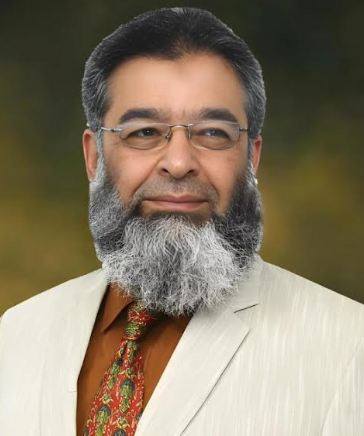
Okara Cantonment stands as a symbol of national security, disciplined governance and socioeconomic development. While its primary role is to serve Pakistan’s defense interests, its contributions to public services, healthcare, education and employment make it an indispensable part of the Okara District. Its organized infrastructure, strategic importance and commitment to public welfare position it not only as a military stronghold but also as a model of progressive urban development in Pakistan. In the last, I would like to express my heartfelt gratitude to Sir Dr. Muhammad AkramZaheer for his invaluable support and encouragement in guiding me to write an insightful write-up about Okara Cantonment. His unwavering motivation, constructive feedback and deep understanding of the subject matter played a vital role in shaping my ideas and strengthening my research. It was through his mentorship that I found the confidence to explore this topic with depth and originality. I am truly thankful for his generous help and academic inspiration.

Arooj Fatima

DPD University of Okara
Rivals neck-and-neck ahead of Poland’s ‘clash of civilisations’ vote

Rivals neck-and-neck ahead of Poland's 'clash of civilisations' vote

WARSAW, MAY 30 (AFP/APP): Warsaw’s pro-EU mayor and a nationalist historian vying for Poland’s presidency hold their last day of campaigning on Friday, with opinion polls predicting a close race in Sunday’s vote, which will determine the direction of the key central European EU and NATO member.

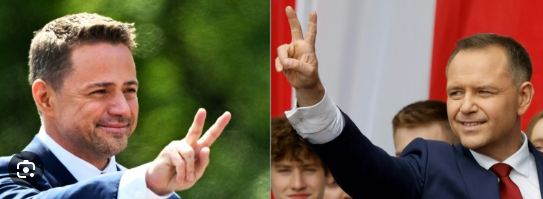
Centrist Warsaw mayor Rafal Trzaskowski, 53, faces off against right-leaning Karol Nawrocki, 42, on Sunday in a runoff presidential vote, with some analysts describing the contest as a “clash of civilisations.”

Latest polls predict a close race, with 50.6 percent of the vote going to Trzaskowski and 49.4 percent to Nawrocki, a tiny difference within the polling margin of error.

A victory for Trzaskowski would be a major boost for Poland’s government, which has been in a political deadlock with the current president.

It could also mean significant changes such as the introduction of civil partnerships for same-sex couples and easing Poland’s near-total ban on abortion.

A win for Nawrocki, backed by the right-wing Law and Justice Party, could undermine Poland’s steadfast support for neighbouring Ukraine against Russia.

Nawrocki, an admirer of US President Donald Trump, opposes NATO membership for Kyiv and has called for curbs on benefits for the estimated one million Ukrainian refugees in Poland.

Analysts say a Nawrocki victory could also lead to fresh parliamentary elections in the EU and NATO member, which has been one of Europe’s best economic performers.

Given the narrow polling margins, the result of the election may not be known until Monday.

“I would be cautious about popping the champagne on Sunday evening,” said Anna Materska-Sosnowska, a political expert.

Tens of thousands of supporters took part in rival rallies for both candidates on May 25, a week before the runoff.

CERP and Princeton Launch Energy Transition Roadmap Project

CERP and Princeton Launch Energy Transition Roadmap Project

DNA

ISLAMABAD: In a significant step toward building a sustainable and resilient energy future, the Centre for Economic Research in Pakistan (CERP) and researchers from Princeton University have initiated a project to develop a long-term energy transition planning framework for Pakistan.

The initiative comes at a time when Pakistan’s energy sector faces high costs, volatility, and an overreliance on imported fossil fuels, which account for nearly 60% of the country’s energy supply. Outdated infrastructure, inefficient management, and transmission bottlenecks have contributed to persistent power shortages and a growing circular debt crisis, issues that the roadmap aims to address while planning for future growth, sustainability, and climate resilience.

The launch event, “Pakistan’s Energy Transition Roadmap,” was part of a two-day workshop, the final of a three-part capacity-building and learning series, which brought together over 50 policymakers, researchers, and private-sector experts. Drawing on Princeton’s Net-Zero project expertise, this initiative will provide Pakistan with practical, evidence-based guidance on how to equitably move from reliance on expensive, imported fossil fuels to cleaner, more affordable energy sources aligned with economic growth and development goals.

Speaking at the event, Federal Minister for Energy Sardar Awais Ahmad Khan Leghari emphasized the need for an integrated plan. “The Energy and Petroleum Division are working separately, but for the plan to be truly effective, it needs to be built on real, credible data…I believe we need to formalize this relationship with CERP to help us plan better and gain valuable insights from their experts. CERP is uniquely positioned to advise us and help us identify the issues they have expertise in.”

Bilal Anwar, CEO of the National Disaster Risk Management Fund (NDRMF), added that climate risks and natural disasters make planning ahead more urgent than ever to avoid future social and economic costs.

“This project isn’t about imposing ideas, it’s about co-creating a roadmap that respects Pakistan’s unique challenges while exploring practical opportunities for cleaner, more affordable energy. At CERP, we ensure that every step we take is rooted in rigorous evidence, so that solutions are grounded in real data and tailored to Pakistan’s specific needs,” said Maroof A. Syed, President & CEO of CERP.

Reflecting on his three years with this workshop series, Dr Chris Greig, Senior Research Scientist at Princeton’s Andlinger Center for Energy and Environment, noted, “These discussions with participants, sector specialists, policymakers and other stakeholders have been valuable in helping us understand the real challenges and the urgency of finding context-specific solutions that work for Pakistan’s economy and people. They also help us think about development-compatible pathways to Pakistan’s sustainable energy  future.”

Over the last three years, the Julis-Rabinowitz Center for Public Policy & Finance at Princeton SPIA has cosponsored this workshop series.

China-Taiwan tensions and Pakistan’s consistent stand

China-Taiwan tensions and Pakistan's consistent stand

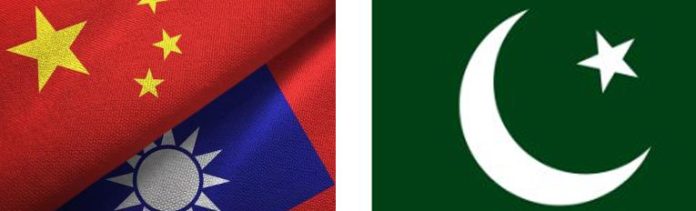
The China-Taiwan relationship remains one of the most sensitive geopolitical fault lines in the modern world. With Taiwan’s newly elected president Lai Ching-te taking office under a firm pro-sovereignty stance, and China responding with aggressive military drills around the island, tensions are at their highest in years. The specter of a possible military conflict looms large, raising questions not only about regional stability but also about the global economic and political order.

Beijing views Taiwan as a breakaway province that must eventually be reunified with the mainland, by force if necessary. This “One China” principle has been a cornerstone of Chinese foreign policy for decades. Taiwan, on the other hand, functions as a de facto independent state with its own government, military, and democratic institutions. The election of a leader from the Democratic Progressive Party (DPP), which leans toward formal independence, has only deepened the divide.

China’s latest military maneuvers—simulating a blockade and potential strike—are a clear signal to both Taiwan and its allies, especially the United States. Beijing wants to convey that any moves toward formal independence will not be tolerated and could invite a military response. While a full-scale invasion remains a high-risk option fraught with economic and political costs, the possibility cannot be ruled out, especially if Beijing perceives a narrowing diplomatic or strategic window.

In this volatile environment, Pakistan has maintained a consistent and principled position. As a longstanding strategic partner of China, Pakistan firmly adheres to the “One China” policy. Islamabad recognizes the People’s Republic of China as the sole legal government representing all of China, including Taiwan. This stance has been reiterated on numerous occasions, both bilaterally and at international forums, and is unlikely to change.

Pakistan’s support is rooted not only in diplomatic solidarity but also in the broader context of its deepening ties with China—most notably through the China-Pakistan Economic Corridor (CPEC), a flagship project of the Belt and Road Initiative. As such, any confrontation in the Taiwan Strait would have implications for regional connectivity and trade, making stability in the Asia-Pacific a strategic priority for Islamabad as well.

As for Taiwan’s future, much depends on the delicate balance between deterrence and diplomacy. The U.S. and its allies continue to support Taiwan’s defense capabilities, but without extending formal diplomatic recognition. This ambiguity, known as “strategic ambiguity,” is intended to prevent both a unilateral declaration of independence by Taiwan and a preemptive strike by China.

The stakes are enormous. Taiwan is a key player in the global semiconductor industry, and any conflict would disrupt global supply chains. Moreover, military action could escalate into a broader regional war, drawing in major powers and destabilizing Asia-Pacific markets.

While the Taiwan issue remains unresolved, military action remains a last resort that Beijing will likely avoid unless provoked. Pakistan, for its part, will continue to support China’s position diplomatically while advocating for peace and stability in the region. In an increasingly polarized world, balanced, principled diplomacy remains the best path forward.

Elon Musk walks away from Trump – a bonhomie that couldn’t last

Elon Musk

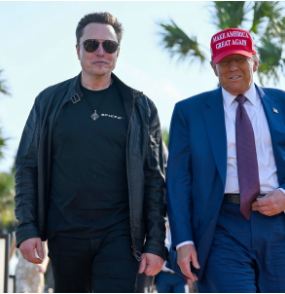
In the ever-shifting sands of American politics and corporate interests, another chapter closes with the quiet but telling departure of tech billionaire Elon Musk from his once-curious bonhomie with President Donald Trump. What began as an unpredictable alliance built on overlapping interests—freedom of speech, deregulation, and contrarian posturing—has seemingly reached its logical end. Musk, known for his libertarian streak and disdain for institutional controls, may have finally realized a lesson many learn the hard way: Trump is not a reliable ally.

The fallout comes at a time when both men are navigating critical moments—Trump is eyeing a return to the presidency, while Musk is battling public scrutiny over his stewardship of X (formerly Twitter), Tesla’s market instability, and his growing influence in AI and space. While the details of their break remain largely implicit, several factors point to an inevitable rupture driven by clashing egos, divergent priorities, and fundamentally different worldviews.

For Musk, associating with Trump has always been a double-edged sword. On one hand, Trump’s base aligns well with Musk’s growing appeal among anti-establishment voices and free-speech advocates. On the other, Trump’s unpredictable behavior, lack of loyalty, and transactional politics make him a liability to anyone seeking consistency or strategic partnership. Reports suggest that Musk had overestimated his influence over Trump, believing he could act as a bridge between tech innovation and populist politics. That assumption, as history has often shown, was misplaced.

Trump, true to form, places loyalty below utility. He has discarded allies—politicians, donors, and business magnates—whenever they no longer served his immediate goals. Musk is only the latest in a long list. The moment Musk’s value diminished in Trump’s political calculus, the warmth began to evaporate. Whether it was a disagreement over policy, a lack of public endorsement, or a refusal to offer support for Trump’s re-election bid, the result was predictable.

There are broader lessons to be drawn here. First, no matter how powerful or wealthy, individuals who attach themselves to volatile political figures often end up paying a reputational price. Musk may now realize that his temporary alignment with Trump alienated key stakeholders—investors, regulators, and global partners—who are wary of Trump’s brand of divisive politics.

Second, Trump has once again reaffirmed that he places his own interests above all else. Loyalty is a one-way street in his world, and any expectation of reciprocity is naïve. Musk’s calculated distancing from Trump might help him repair his image among centrist and liberal constituencies, but the damage to public perception will take time to undo.

Ultimately, the end of this alliance is a reminder that charisma and influence alone cannot sustain a political-entrepreneurial partnership, especially one rooted in self-interest rather than shared values. For Musk, the break may offer a chance to recalibrate. For Trump, it’s business as usual: discard and move on. For the public, it serves as yet another cautionary tale of what happens when ambition ignores character in the pursuit of power.

Portugal, Pakistan bridge nations with spiritual musical journey

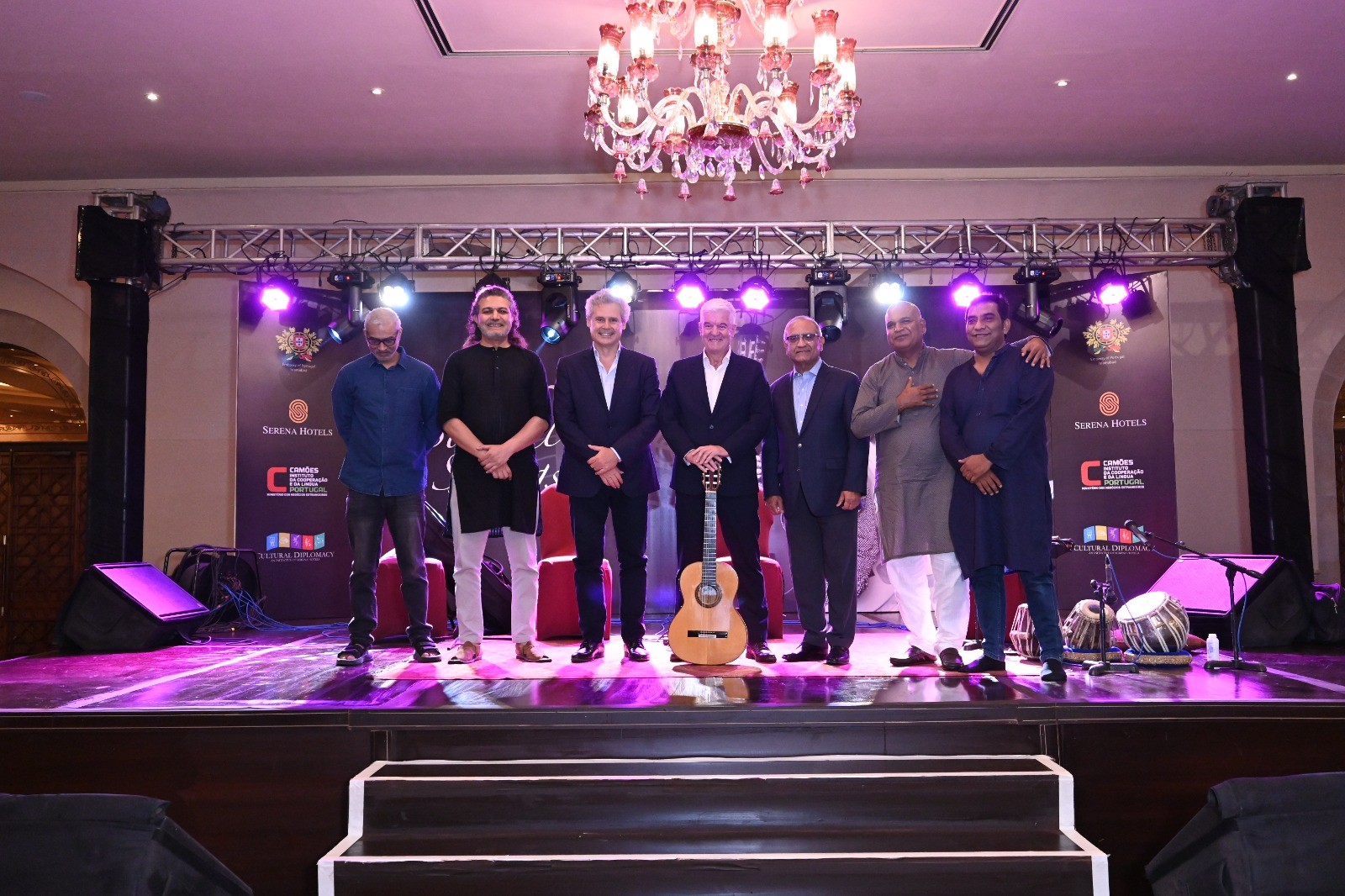
ISLAMABAD, MAY 28 /DNA/ – Serena Hotels, in collaboration with the Embassy of Portugal hosted Soulful Strings: Portugal & Pakistan  a great musical journey that brought together two remarkable traditions through the universal language of music.

The evening featured a mesmerizing performance by celebrated Portuguese classical guitarist Pedro Jóia and renowned Pakistani musician Arieb Azhar, who captivated the audience with a soulful fusion of Portuguese guitar melodies and the spiritual depth of Sufi verse. This artistic collaboration highlighted the richness of both cultures and offered a profound, meditative experience to all in attendance.

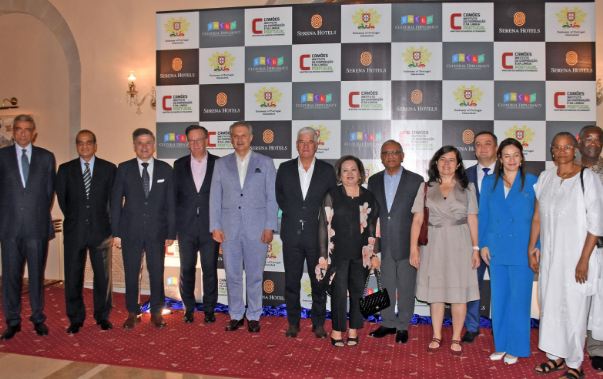
The event was graced by members of the diplomatic community, along with distinguished representatives from the corporate sector and media personalities, all gathered to celebrate the power of music as a bridge between nations.

Mr. Aziz Boolani, CEO of Serena Hotels, remarked, “At Serena Hotels, we believe in the power of cultural diplomacy to create meaningful connections between people and nations. Soulful Strings reflects our commitment to encouraging dialogue and harmony through art and music’’.

H.E. the Ambassador of Portugal shared, “This collaboration is a celebration of the shared cultural values of Portugal and Pakistan. Music is a profound medium that transcends borders, and this event is evidence to the continuing friendship and mutual appreciation between our two countries.”

As a part of Serena Hotels ongoing Cultural Diplomacy initiative, the event reaffirmed the organization’s dedication to promoting intercultural understanding, creative expression, and people-to-people connectivity. Soulful Strings stands as a tribute to the harmony that can be achieved when diverse artistic traditions come together with a shared purpose.

A flight of Faith and Trust

A flight of Faith and Trust

by Muhammad Mohsin Iqbal

In childhood, our grandmothers would gather us under the soft glow of lantern light and tell us stories—tales that were more than just entertainment. They were gentle lessons in morality and faith. One such story was of three friends trapped in a cave, with a rock sealing the entrance. In desperation, each prayed to Allah by mentioning a sincere, righteous deed they had done in life. One by one, their prayers were accepted, and the rock shifted—until they were free. These stories stayed with us, quietly embedding the belief that sincere faith, when coupled with righteous action, can move mountains—or even stones. But recently, an incident unfolded in Libya that seemed like one of those tales springing to life—except this time, it wasn’t fiction. It was real. It was a miracle. And it happened before the eyes of thousands.

A flight of Faith and Trust

This is the astonishing account of Amer Mahdi Mansour Gaddafi, a young Libyan pilgrim whose name is now known across the Islamic world. His story is not just about Hajj, nor merely about airline mishaps—it is about conviction, faith, and a personal relationship with the Divine. What is your relationship with Allah? That is the question his journey asks each of us.

Al-Mahdi had been eager to perform Hajj, but when he reached Sabha Airport in Southern Libya, he was denied boarding due to a passport issue. The flight departed as scheduled, taking with its hundreds of hopeful pilgrims—but leaving one behind. Anyone else might have crumbled, protested, or returned home in despair. But Amir al-Mahdi remained where he was. He did not turn back. Again and again, he repeated, “I have made up my mind. I am going for Hajj, and I will go!”

Others tried to comfort him. “The plane has gone, brother. Next year, In Shaa Allah.” But he would not hear it. “This plane will not leave without me,” he declared, “It will return.”

And then, the first sign of Divine intervention; the plane, already in the sky, suffered a technical fault and returned to the airport. It was a chance, perhaps a miracle in motion. Yet, even as the plane was on the tarmac again, the crew refused to let him board. The technical issue was fixed, and the flight took off—without him. Once again.

But Amir al-Mahdi did not waver. He remained, rooted by faith. “Obedience will not depart without me,” he insisted. And lo—what can only be described as divine will intervened a second time. The plane, after taking off once more, encountered another technical issue and returned yet again. This time, the pilot made a historic declaration: “Until Amir al-Mahdi is on board, I will not fly the plane.”

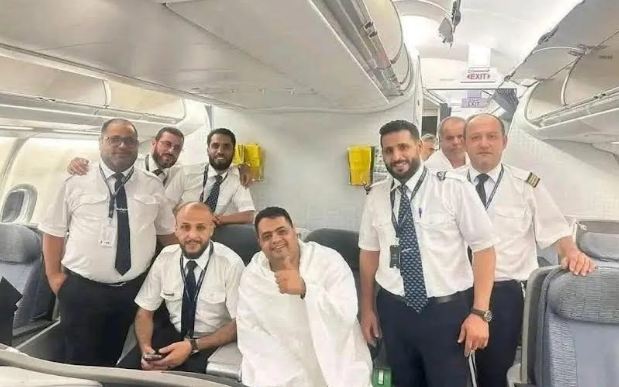
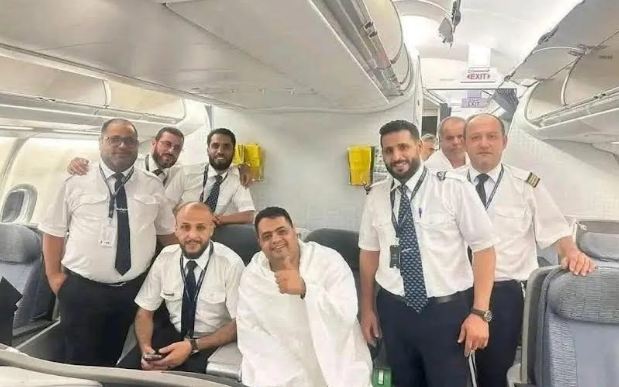
And so, the man who had been rejected was now the key to the plane’s journey. Videos of the moment he boarded went viral. His radiant face, wrapped in the white Ihram robe, was a testament not only to personal triumph, but to the immeasurable power of trust in Allah.

The Quran says:”And whoever relies upon Allah – then He is sufficient for him. Indeed, Allah will accomplish His purpose.” (Surah At-Talaq, 65:3)

And another verse reminds us:”Is not Allah sufficient for His servant?” (Surah Az-Zumar, 39:36)

This was a man who placed his entire reliance on the will of Allah, and he was answered in a way rarely seen in the modern world.

Social media exploded with reactions. Some marveled at the miracle; others questioned the logistics. Someone wrote, “When a plane returns twice for you, this is not normal. You must have a special relationship with Allah.” Another, wrote: “When intentions are pure and trust is sincere, miracles appear. Allah is powerful over all things.”

A Hadith of the Prophet Muhammad (ﷺ) beautifully complements this narrative:

“Know that if the nation were to gather to benefit you with anything, it would only benefit you with something that Allah had already written for you. And if they were to gather to harm you with anything, they would only harm you with something Allah had already written against you. The pens have been lifted and the pages have dried.” (Tirmidhi)

Indeed, what had been written for Amir al-Mahdi could not be altered by any immigration officer, flight manifest, or protocol. What Allah had willed, had to be.

Upon reaching the sacred land, Al-Mahdi appeared in a video, now widely shared across the Muslim world. In it, he humbly says, “Alhamdulillah! I have reached the House of Allah.” A soul full of gratitude, a heart triumphant in faith.

Today, Amir al-Mahdi has become the most famous person in the Islamic world—not because he sought recognition, but because he sought Allah. And as the Quran proclaims:”You honor whom You will, and You humble whom You will. In Your Hand is all good. Indeed, You are over all things competent.” (Surah Aal-e-Imran, 3:26)

His story has brought to life those old tales our grandmothers once told us. Except this time, it wasn’t three friends in a cave, nor a passenger miraculously spared from a crash. It was a pilgrim who believed that his Lord would never abandon him—and he was right. The plane did not depart without him, because the One who commands the skies had written something else entirely. The truth is that when a heart calls out in purity and the soul trusts completely, even the heavens must listen. For the One who halts a flying plane is the One who sees into hearts.

Let’s break down this mind-blowing true story in simple, fun words—like your grandma’s tales but way more dramatic!

1. The Determined Dreamer: Amir Al-Mahdi

Imagine you’ve saved up, packed your bags, and are super excited for the biggest spiritual trip of your life—Hajj! But at the airport… BOOM—your passport has an issue. The airline says, “Sorry, no flight for you!”

Most people would cry, yell, or just go home. But not our hero, Amir Al-Mahdi! He stood firm and said:
“Nope. I’m going. This plane ain’t leaving without me!”

2. The First Miracle: The Plane Comes Back!

The plane takes off… but then—BAM!—a technical issue forces it to turn back. “Wow, lucky break!” you’d think. But the crew still refuses to let him board. The plane fixes the issue and takes off again.

Most would give up now. But not Al-Mahdi! He just smiled and said:
“Nah, it’s coming back again.”

3. The Second Miracle: The Plane Returns… AGAIN!

And guess what? IT DOES! Another technical issue (Allah’s way of saying “I got you!”), and the plane lands again. This time, the pilot himself announces:
“We’re not leaving until Al-Mahdi is ON this plane!”

Mic. Drop.

4. The Big Lesson: Trust in Allah = Unstoppable Power

This wasn’t luck—it was pure faith. Al-Mahdi knew Allah wouldn’t let him down. And when you trust Allah that hard, even the laws of aviation listen!

  • Quran Flashback: “Allah’s got your back if you trust Him!” (Surah At-Talaq 65:3)
  • Hadith Bonus: “If the whole world tried to stop what Allah wrote for you, they’d fail!” (Tirmidhi)

5. The Happy Ending: Hajj Dreams Come True!

Al-Mahdi finally boards, the plane flies smoothly, and he reaches Makkah like a boss. His viral video says it all: “Alhamdulillah, I made it!”

Why This Story Rocks:

  • It’s a real-life fairy tale where faith moves mountains (or planes!).
  • It proves when you sincerely rely on Allah, miracles happen.
  • It’s a huge reminder: Never give up on what Allah has promised you!

Final Fun Thought:

Next time you’re stuck in a tough spot, —stand firm, trust Allah, and watch the magic unfold! ✨

Because if Allah can bring back a plane twice for one guy… imagine what He can do for YOU! 😉

German embassy in Islamabad hosted screening of a German classic movie

German embassy

ISLAMABAD, MAY 28 /DNA/ -The German Embassy in Islamabad, in collaboration with the Goethe-Institut and Blackbox Sounds, hosted a special screening of the acclaimed German film, Der Untertan – The Kaiser’s Lackey.

This 1951 cinematic work from then East Germany, is based on the novel by Heinrich Mann and is widely regarded as a classic of German cinema. The film chronicles the life of Diederich Hessling, a German industrialist in the early 20th century who rises through society by flattering those in power and oppressing those beneath him. The Kaiser’s Lackey offers a stark and critical portrayal of an extremely nationalistic and militarized society in the years leading up to World War I.

The screening was attended by a diverse audience, including members of civil society, cultural activists, representatives from the media, and members of the diplomatic community.

Prime Minister Shehbaz Sharif’s Azerbaijan visit

Prime Minister Shehbaz Sharif’s Azerbaijan visit

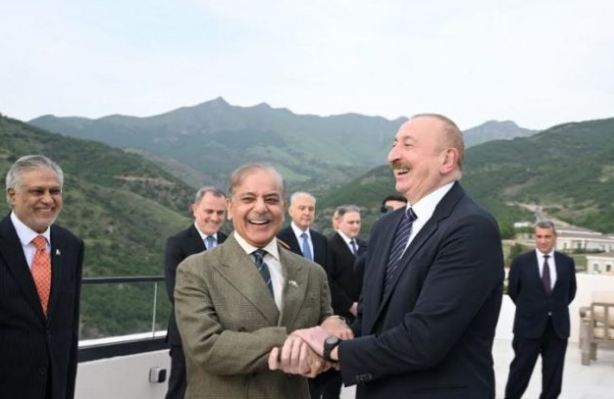
Prime Minister Shehbaz Sharif’s recent visit to Azerbaijan marks a significant step forward in Pakistan’s regional diplomacy and economic outreach. The visit, punctuated by warm diplomatic gestures, high-level meetings, and promising economic announcements, is a strong indication that Pakistan is looking eastward for strategic alliances and economic partnerships. Azerbaijan, a country that has consistently stood by Pakistan on key international issues, especially Kashmir, has once again shown its deep-rooted fraternal ties with Islamabad.

During his visit, Prime Minister Shehbaz Sharif thanked the Azerbaijani leadership for their unwavering support, particularly during Pakistan’s tense standoff with India in recent years. In the diplomatic wilderness that followed the revocation of Article 370 by India in 2019, Azerbaijan was among the very few countries — notably alongside Turkiye — that openly supported Pakistan’s principled stance on Kashmir. This support was not only a testament to the strength of bilateral relations but also underscored a shared commitment to justice, sovereignty, and the rights of oppressed peoples.

Beyond political solidarity, the most tangible outcome of the visit was Azerbaijan’s announcement to invest $2 billion in Pakistan across various sectors. This is a landmark development and a reflection of Azerbaijan’s confidence in Pakistan’s economic potential. As Pakistan grapples with economic challenges, including dwindling foreign direct investment, a burgeoning trade deficit, and a need for energy diversification, such investment commitments are timely and deeply encouraging.

The Prime Minister’s participation in the trilateral forum — alongside Turkiye’s President Recep Tayyip Erdoğan — further highlights the evolving regional dynamics. The Pakistan-Turkiye-Azerbaijan triangle is fast becoming a bloc of strategic cooperation rooted in shared history, cultural affinity, and mutual economic interests. This trilateral engagement offers a platform to jointly address issues of regional connectivity, trade, security, and diplomacy in a multipolar world where regional blocs are gaining importance.

Pakistan must now ensure that this goodwill is reciprocated with action. Facilitating Azerbaijani and Turkish investors, offering them streamlined business processes, and ensuring a secure and welcoming environment is critical. Bureaucratic red tape, inconsistent policies, and a lack of investor confidence have long plagued foreign investment in Pakistan. It is imperative that special economic zones and investment protection frameworks be strengthened to honor the trust our friends have shown.

Moreover, Pakistan can benefit by learning from Azerbaijan’s post-war reconstruction and energy management experience. Cooperation in sectors like renewable energy, information technology, infrastructure, and logistics can bring real economic dividends.

In conclusion, Prime Minister Shehbaz Sharif’s visit to Azerbaijan is a diplomatic success and an opportunity to turn long-standing friendship into robust economic and strategic collaboration. The onus is now on Islamabad to capitalize on this momentum and create lasting partnerships that benefit the people of all three brotherly nations — Pakistan, Azerbaijan, and Turkiye.

German delegation calls on Dr. Shahzad Waseem

German delegation calls on Dr. Shahzad Waseem

DNA

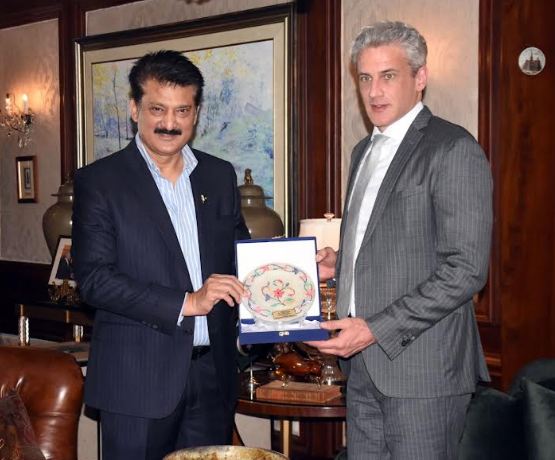
ISLAMABAD, MAY 28: Visiting German Federal Foreign Office delegate Mr. Tobias Krause called on Senator Dr. Shahzad Waseem at his residence to discuss matters of mutual interest and regional developments. The meeting reflected the continued engagement and deepening ties between Pakistan and Germany.

During the discussion, Senator Dr. Shahzad Waseem underscored that Pakistan’s response to recent Indian aggression was swift and effective. He emphasized that Pakistan not only reaffirmed its conventional deterrence but also showcased its advancements in modern warfare capabilities and system integration. He stated that Pakistan’s narrative, rooted in truth, is being increasingly acknowledged and supported by the international community.

Senator Waseem termed the consistent global highlighting of the Jammu & Kashmir as core issue is a significant diplomatic success for Pakistan.

Commenting on recent trilateral talks held in Beijing between the foreign ministers of Pakistan, Afghanistan, and China, he welcomed the decision to extend the China-Pakistan Economic Corridor (CPEC) to Afghanistan. He termed it a strategic milestone for the region, with the potential to stabilize Afghanistan, enhance regional connectivity, boost economic development, and strengthen the collective fight against terrorism.

The meeting concluded with both sides reaffirming their commitment to furthering bilateral cooperation and promoting regional peace and development.

Stay Connected

64FansLike
60FollowersFollow

Latest Reviews

Exchange Rates

USD - United States Dollar
EUR
1.17
GBP
1.35
AUD
0.72
CAD
0.73