Home Blog Page 610

US proposes 60-day ceasefire for Gaza, plan shows

US proposes 60-day ceasefire for Gaza

WASHINGTON, MAY 30: A US plan for Gaza seen by Reuters on Friday proposes a 60-day ceasefire and the release of 28 Israeli hostages alive and dead in the first week and the release of 125 Palestinian prisoners sentenced to life and the remains of 180 dead Palestinians.

The plan, which says it is guaranteed by US President Donald Trump and mediators Egypt and Qatar, includes sending aid to Gaza as soon as Hamas signs off on the ceasefire agreement.

The plan stipulates that Hamas will release the last 30 hostages once a permanent ceasefire is in place.

The White House said on Thursday that Israel has agreed to the US ceasefire proposal.

The Palestinian militant group Hamas told Reuters it was reviewing the plan and will respond on Friday or Saturday.

Deep differences between Hamas and Israel have stymied previous attempts to restore a ceasefire that broke down in March.

Israel has insisted that Hamas disarm completely and be dismantled as a military and governing force and that all 58 hostages still held in Gaza must be returned before it will agree to end the war.

Hamas has rejected the demand to give up its weapons and says Israel must pull its troops out of Gaza and commit to ending the war.

Israel launched its campaign in Gaza in response to the devastating Hamas attack in southern Israel on October 7, 2023, that killed some 1,200 people and saw 251 Israelis taken hostage into Gaza, according to Israeli tallies.

The subsequent Israeli military campaign has killed more than 54,000 Palestinians, Gaza health officials say, and left the enclave in ruins.

Pakistan won’t allow India to cross IWT red line, says PM Shehbaz

PM Shehbaz

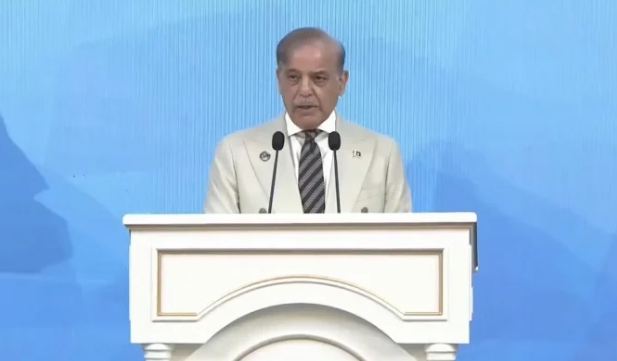
DUSHANBE, MAY 30: Prime Minister Shehbaz Sharif on Friday, rejecting the weaponisation of water, warned that Pakistan would not allow India to cross the red line by holding the Indus Water Treaty (IWT) in abeyance and endangering millions of lives for narrow political gains.

“India’s unilateral and illegal decision to hold in abeyance the Indus Water Treaty, which governs the sharing of the Indus Basin’s water, is deeply regrettable. Millions of lives must not be held hostage to narrow political gains, and Pakistan will not allow this. We will never allow the red line to be crossed,” the prime minister said addressing the three-day High-Level International Conference on Glaciers’ Preservation being held here in Tajikistan from May 29-31.

The conference is being attended by over 2,500 delegates from 80 UN member states and 70 international organisations, including prime ministers, vice presidents, ministers, and UN assistant secretaries-general.

Prime Minister Shehbaz, in his comprehensive address, touched all the relevant issues, including glacial preservation, Pakistan’s climate vulnerability, 2022 floods in Pakistan, global climate action and responsibility, scientific projections on glacial melt, weaponisation of water and call to protect nature and humanity’s shared destiny.

“We are now witnessing an alarming new low — the weaponisation of water,” he told the international conference being hosted by Government of Tajikistan in collaboration with the United Nations, UNESCO, WMO, the Asian Development Bank, and other key partners as a historic moment for climate ambition, glacier preservation, and international cooperation.

The 77th session of the United Nations General Assembly, through a resolution, had declared 2025 as the International Year of Glaciers’ Preservation.

PM Shehbaz said that Pakistan, being home to over 13,000 glaciers, was the most concerning as glaciers contributed nearly half of the annual flows in the Indus River system — the lifeline of our civilisation, culture and economy.

“The five great rivers that shape our geographical landscape — Indus, Jhelum, Chenab, Ravi, and Sutlej — all depend on the stability of glacial systems. This makes Pakistan one of the most vulnerable countries to any climatic changes that impact glaciers,” he added.

He told the international gathering that Pakistan had faced the peril of glacial melt in the form of devastating floods in 2022 which destroyed millions of acres of standing crops, hundreds of thousands of houses and infrastructure, despite Pakistan’s only less than half a percent contribution of the total world emissions and yet being one of the 10 most vulnerable countries.

He prayed that no other country faced such devastation, which necessitated a comprehensive plan and immediate implementation.

Referring to the “sobering” scientific projections, he highlighted that glacial melt in our region was expected to accelerate flooding in the coming decades, followed by a drastic decline in river flows as glaciers recede further.

“These changes threaten our fragile ecosystem. As we inch closer to these grim new realities, we must heed the alarm bells, deflection signs of haunting consequences — lost livelihoods, displaced families, and deep chaos,” he warned.

Highlighting Pakistan’s commitment to shared responsibility and collective action, he called for enhanced global climate action to mitigate the negative impacts of climate change.

“The developed countries must meet their climate financial commitments without any delay and with a balanced focus on adaptation and mitigation as well as loss and damage. Adequate funding for climate resilience, infrastructure, and overcoming financing gaps remains critical for climate-vulnerable countries. Investment must be made in early warning systems and disaster preparedness and management,” the prime minister emphasised.

He reflected on his childhood memories of swimming in the River Ravi, underscoring how rivers like Ravi and Tajikistan’s Vakhsh river, fed by glaciers, sustained life across regions, and that the shared water sources symbolised a common ecological destiny, requiring collective efforts for their preservation.

“Let us protect and preserve nature’s precious bounties for our planet and our peoples,” he urged.

Pakistan finally appoints ambassador to Afghanistan

Pakistan finally appoints ambassador to Afghanistan

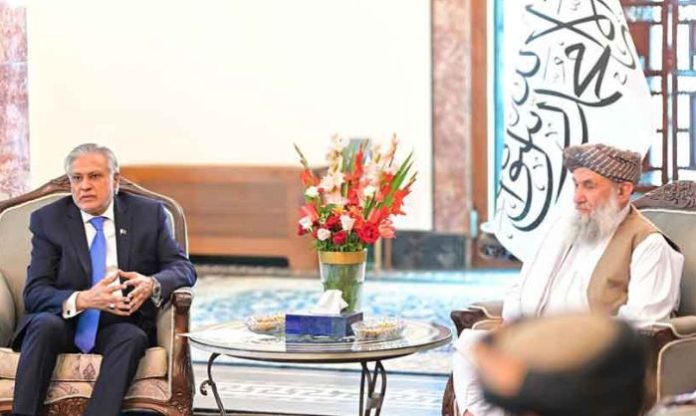
ISLAMABAD/KABUL, MAY 30: Pakistan has decided to upgrade its diplomatic representation in Kabul by appointing a full-fledged ambassador, in a move aimed at strengthening ties with Afghanistan, announced Deputy Prime Minister and Foreign Minister Ishaq Dar on Friday.

Speaking about his visit to Kabul on April 19, 2025, Dar said that important and constructive meetings were held with Afghan officials, signaling that Pak-Afghan relations were on a positive trajectory.

“To maintain this momentum, I am pleased to announce the decision of the Government of Pakistan to upgrade the level of its Chargé d’Affaires in Kabul to the level of Ambassador,” Dar posted on his official X account. He added that this development reflects Islamabad’s intent to build a deeper and more stable relationship with Kabul.

Dar emphasized that this “step would further” enhance diplomatic engagement and pave the way for greater cooperation in economic development, trade, security, and counter-terrorism efforts.

Moving forward, the minister hoped this step would promote further exchanges between two fraternal countries.

American Scientists on Sale

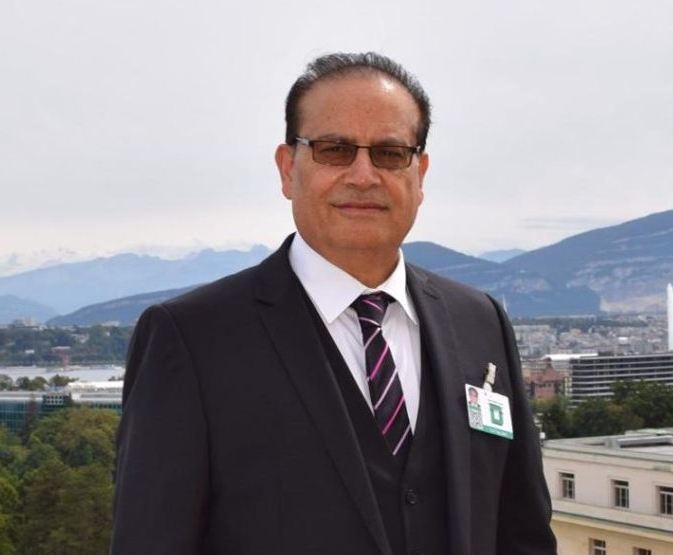
Qamar Bashir

By Qamar Bashir

After the collapse of the Soviet Union in 1991, the Russian economy plummeted, and most of its government-funded research institutions shut down. This included groundbreaking work in fields like space exploration, medicine, health, and advanced engineering. The lack of funds abruptly halted research projects, and thousands of brilliant scientists—once the lifeblood of the Soviet innovation machine—were left jobless. These scientists became a global commodity, sought after by nations eager to bolster their own research and development infrastructures.

One country that capitalized on this opportunity was Israel. Israel actively imported Russian Jews, welcoming tens of thousands of engineers, scientists, doctors, and professors. By some estimates, nearly 70,000 professionals migrated to Israel in the early 1990s. Their expertise was transformative: they injected fresh talent into Israel’s industries, contributing up to 10% GDP growth annually during the 1990s. These Soviet-trained experts became the backbone of Israel’s R&D sector, propelling Israel into the ranks of the world’s top innovation hubs. Major global corporations—Samsung, Hyundai, Daewoo, and others—began outsourcing their R&D to Israel, recognizing its unmatched talent pool, much of which stemmed directly from the Soviet brain drain.

Israel’s leap wasn’t limited to tech—it also gained formidable capabilities in defense, space, and medical research. The Russian scientists built a multi-sector R&D ecosystem that continues to give Israel a strategic edge in defense technology, aerospace, and innovation-led growth.

Now, fast forward to the present day, and a similar exodus is unfolding in the United States. Instead of learning from Russia’s collapse and protecting its intellectual capital, the Trump administration, under the guidance of Elon Musk and Vivek Ramaswamy—two of the most ambitious yet controversial figures in American leadership—has unleashed the DOGE initiative (Decentralization of Government Education). DOGE, under the guise of reform, is waging a war against U.S. universities and scientific institutions. They are mocking research with “strange names” they can’t comprehend, cutting off grants for fundamental science, and pushing a dangerous narrative that American research is wasteful.

As a result, top universities—once magnets for global talent and engines of innovation—are being suffocated. Federal funding is drying up, research projects are being canceled, and leading scientists are being laid off in droves. These scientists, left without support, are now seeking opportunities elsewhere.

Countries that understand the value of brainpower, like China, France, Saudi Arabia, the UAE, and Turkey, are eagerly recruiting these displaced American experts. They offer lucrative salaries, advanced labs, and the freedom to conduct cutting-edge research. China, in particular, is on a recruitment spree—hiring top-tier U.S. scientists to accelerate its technological and military ambitions. As America clamps down, China is absorbing these minds to build its own world-class R&D infrastructure—one that could rival, or even surpass, what the U.S. once had.

This dangerous trend is unfolding even as Trump’s administration pushes to revoke student visas for Chinese students, making it harder for them to study in the U.S. But while Chinese students scramble to stay in America, jobless U.S. professors, researchers, and scientists are heading to China—creating a reverse pipeline of talent.

This is a double blow to America’s future. First, by cutting off student visas, the U.S. is closing its doors to global talent that once fueled its innovation. Second, by starving universities of funding, it is forcing its own talent to seek refuge in countries like China. Instead of America educating the world, it risks becoming a brain drain exporter.

This exodus mirrors Marco Rubio’s stark warnings. Rubio has repeatedly cautioned that the U.S. is lagging dangerously behind China in a military and economic rivalry that could lead to conflict. He highlights China’s unprecedented peacetime military buildup—the fastest in history—and the U.S. policy failures that allowed China to dominate manufacturing, critical supply chains, and now, the intellectual arena. Rubio has pointed out that while the U.S. spends over $900 billion annually on defense compared to China’s officially reported $314 billion (though some estimates suggest China’s actual spending is over $470 billion), the quality and focus of China’s investments, especially in hypersonic missiles, cyber warfare, space, and AI, give it a decisive edge.

Rubio also laments how deindustrialization—the result of U.S. companies moving manufacturing overseas for cheaper labor and fewer regulations—has hollowed out America’s industrial base. Between 1998 and 2021, the U.S. lost over 5 million manufacturing jobs and 70,000 factories. Even if the U.S. starts reshoring these industries now, rebuilding its manufacturing strength could take two decades—by which time the world will have moved on, and America will still be playing catch-up.

Meanwhile, Trump’s Golden Dome project, modeled after Israel’s Iron Dome, is being touted as a solution to external threats. This ambitious missile defense system is designed to protect against ballistic, hypersonic, and cruise missiles, with an estimated cost between $175 billion and $500 billion—a colossal sum in an era when research budgets for fundamental science are being slashed. Critics argue that the Golden Dome is a band-aid solution that cannot compensate for the systematic hollowing out of America’s scientific, industrial, and technological base.

The reality is grim: America is facing a multi-dimensional crisis—in science, manufacturing, education, and defense. The U.S. is no longer the magnet for the world’s best minds; it is actively driving them away. As China, France, the Middle East, and others scoop up these talents, they are not only gaining a competitive edge but also reshaping the global balance of power.

To prevent this decline from becoming permanent, the United States must undergo fundamental, surgical reforms. It needs to rebuild its industrial base, reinvest in universities and research, restore funding for basic and applied sciences, and embrace global talent instead of driving it away. Without a comprehensive strategy, the U.S. risks losing its position as the world’s sole superpower—a position that now looks increasingly fragile and uncertain.

In the end, it is not just a question of competing with China or Russia. It is about whether the U.S. has the vision, leadership, and humility to learn from the mistakes of others—and from its own past—and to build a future that can stand the test of time.

By Qamar Bashir

Press Secretary to the President (Rtd)

Former Press Minister at the Embassy of Pakistan to France

Former MD, SRBC

Macomb, Michigan, USA

DC Islamabad praises ICCI role

DC Islamabad praises ICCI role

ISLAMABAD, MAY 30: /DNA/ – Deputy Commissioner Islamabad, Irfan Nawaz Memon, visited the Islamabad Chamber of Commerce and Industry (ICCI) on Friday and engaged in an open dialogue with the Chamber’s leadership and representatives of the capital’s business and industrial sectors. The visit featured a detailed question and answer session aimed at addressing the pressing issues faced by the business community.

During his address, the Deputy Commissioner appreciated the proactive and collaborative role of ICCI in resolving community concerns and fostering a business-friendly environment. He noted that the Chamber has consistently supported the ICT Administration in the timely resolution of key business-related matters, which has contributed significantly to the stability of the local commercial landscape.

Highlighting the urgency of dengue prevention, the DC announced that there would be no administrative raids on business premises until June 20, giving traders and shopkeeper’s time to implement necessary anti-dengue measures. He assured full support from the city administration in running awareness campaigns in partnership with ICCI.

He further committed to addressing long-standing civic issues such as encroachments, stray dogs, beggary, and sanitation in order to provide a clean and peaceful environment conducive to business operations.

Earlier, ICCI President Nasir Mansoor Qureshi welcomed the Deputy Commissioner and praised the business community’s long-standing contribution to national development. He emphasized the need for mutual respect and cooperation between the regulatory authorities and the private sector, advocating for preventive and corrective strategies over punitive actions such as harassment, excessive penalties, arrests or business closures.

Chairman ICCI Founder Group Tariq Sadiq cautioned against the unchecked regulatory powers, stressing the need for balanced and collaborative governance to encourage investment and growth.

Former President FPCCI and ICCI, Abdul Rauf Allam, also called for joint efforts to improve Islamabad’s business ecosystem and applauded President ICCI for his tireless dedication to the cause of the business community.

Trade bodies’ representatives from various markets of Islamabad highlighted market-specific concerns and called for their immediate resolution.

The session was conducted efficiently by ICCI Senior Vice President Abdul Rehman Siddiqui, while Vice President Nasir Mehmood Chaudhry closed the event by reaffirming the Chamber’s commitment to advancing the ease of doing business in the capital.

Those present on the occasion also included former Presidents Mohammad Ejaz Abbasi, Mian Shaukat Masood, Islamabad Industrial Area Association Shaikh Abdul Razzaq, ICCI Executive Members Sardar Tahir Mehmood,  Mian Sanaullah, Naveed Satti, Irfan Chaudhry, Umer Khayyam Abbasi, Tahir Ayub, Imran Minhas, Ms. Fatima Azim, ICCI members Shahzad Abbasi, Kashif Farid, Naeem Awan, Shahid Abbasi, Raja Hassan Akhtar and others.

Gaza genocide: A stain on humanity and global order

Gaza genocide: A stain on humanity and global order

What we are witnessing is not just a failure of policy but the failure of an entire structure that claims to stand for justice, peace, and human dignity. The monopoly of power wielded by the P5 countries, especially the United States, undermines the very purpose for which the United Nations was established. This system enables apartheid regimes and occupying powers ( like the Zionist regime) to act with impunity. It emboldens powerful nations to destroy entire regions—like Iraq, Syria, and Afghanistan—without fear of consequence or accountability.

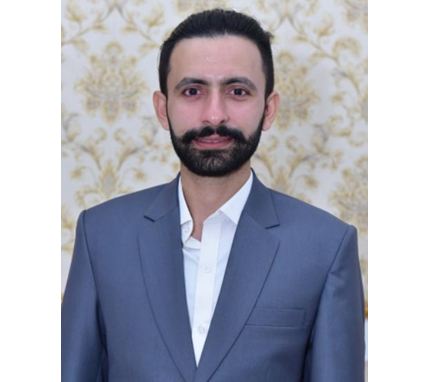
Khayam Abbasi 

The ongoing genocide and destruction in Gaza have become a grotesque stain on the face of humanity, international law, and the global order. It is a wound so deep and dark that humanity may not be able to wash it clean for centuries. The children, the elderly, the women, and the youth who are being martyred in the relentless Zionist bombings are not mere numbers. They are not statistics or anonymous faces. The images and videos of their suffering are not just social media content; they are harrowing stories of real people—once living, laughing, playing, and dreaming—now victims of a brutality that eclipses even some of the worst atrocities recorded in human history.

What is more horrifying than the crimes themselves is the silence of the powers that dominate the global system. While America and the West continue to supply the Zionist regime with weapons, financial support, and diplomatic cover, they simultaneously champion the slogans of human rights and democracy. This stark contradiction places a profound question mark on their moral credibility and exposes the sheer hypocrisy of the international order.

Despite overwhelming global outrage, with millions of people protesting around the world in support of Gaza, tangible outcomes remain absent. Why is it that the global outcry, the voices of millions demanding justice, fail to translate into meaningful action by their governments? Why do those in power, those with influence, continue to enable this genocide through complicity or silence? The answer lies buried in the hollow foundations and double standards of the so-called “rules-based international order.”

After World War II, the world created the United Nations with the promise that never again would humanity witness the horrors of global warfare or mass exterminations like the Holocaust. The United Nations was meant to be a democratic body where peace, justice, and equality would be upheld universally. However, the reality is far from this ideal. The structural design of the UN system is not based on democratic principles but on monopoly and dominance—especially that of powerful nations over weaker ones.

This monopolistic structure is most evident in the composition and functioning of the United Nations Security Council (UNSC). The UNSC has 15 members, of which only five are permanent (P5): the United States, Russia, China, the United Kingdom, and France. These five nations possess veto power, allowing any one of them to unilaterally block any resolution, regardless of the will of the majority. This veto system is the clearest manifestation of the United Nations’ undemocratic character, granting these five countries supremacy over the other 190+ member states.

The imbalance of power is striking. In the UN General Assembly, every nation is given an equal vote. However, the resolutions passed there are non-binding—they are mere recommendations without enforcement mechanisms. In contrast, the decisions of the Security Council carry real weight, and within it, power is concentrated in the hands of a few.

In the case of war of genocide in Gaza, this imbalance has had devastating consequences. The United States has vetoed four ceasefire resolutions in the Security Council since the war began. Despite this, the General Assembly has overwhelmingly supported calls for a ceasefire:

  • On October 27, 2023, the General Assembly passed a resolution demanding an immediate humanitarian ceasefire, with 120 votes in favor, 14 against, and 45 abstentions.
  • On December 12, 2023, another resolution was passed with 153 votes in favor, 10 against, and 23 abstentions.
  • On December 11, 2024, a third resolution called for an immediate, unconditional, and permanent ceasefire, passed with 157 votes in favor, 8 against, and only 7 abstentions.

The average breakdown of these votes reveals a stark truth:

In favor: approximately 74.27%

Against: approximately 5.53%

Abstentions: approximately 12.96%

Despite a clear global consensus, one country—the United States—has repeatedly used its veto to prevent any binding action, allowing the genocide to continue unabated. This is not just a political failure; it is a moral collapse of the global system.

What we are witnessing is not just a failure of policy but the failure of an entire structure that claims to stand for justice, peace, and human dignity. The monopoly of power wielded by the P5 countries, especially the United States, undermines the very purpose for which the United Nations was established. This system enables apartheid regimes and occupying powers ( like the Zionist regime) to act with impunity. It emboldens powerful nations to destroy entire regions—like Iraq, Syria, and Afghanistan—without fear of consequence or accountability.

The current world order, based on dominance, deception, and selective morality, cannot survive much longer. If humanity is to have a future grounded in justice and peace, the monopolistic control at the heart of this system must be dismantled. The same structure that protects the terrorist Zionist state today is what allowed the devastation of countless nations in recent decades. The same structure that refuses to hold Israel accountable is the one that permitted the invasion and destruction of entire countries under the guise of “liberation” and “freedom.”

The world can no longer function under a system where a handful of nations dictate the fate of billions. The cries from Gaza echo this truth. The children martyred under the rubble, the mothers holding the lifeless bodies of their loved ones, and the generations being wiped out—all expose the ugly face of a system that was supposed to protect them.

The martyrs of Gaza have laid bare the failure and hypocrisy of the international order. Their sacrifice has illuminated the truth in a world built on illusions. Their patience and resilience in the face of unimaginable suffering have unmasked the injustice that lies at the heart of the global power structure.

It is now up to the conscience of humanity. We must ask ourselves: how long will we allow the machinery of oppression to operate under the mask of diplomacy and democracy? How long will we allow the veto of a single nation to hold the lives of millions hostage?

If real change is to occur, then the world must demand the reform—or even the complete restructuring—of the international system. A system built on justice cannot coexist with impunity. Peace cannot coexist with monopoly. True humanity cannot coexist with silence in the face of genocide.

The time has come to rewrite the rules. The cries of Gaza must not be in vain.

The writer is a freelance journalist.

[email protected]

FPCCI praises CDA’s fee cuts, calls it a business boost

FPCCI praises CDA's fee cuts, calls it a business boost

ISLAMABAD, MAY 30 /DNA/ – Atif Ikram Sheikh, President of the Federation of Pakistan Chambers of Commerce & Industry (FPCCI), welcomed the significant decisions made by the CDA Board. He stated that measures such as the reduction in trade conversion fees and the review of industrial plot rates are commendable steps. The decision to charge residential rates instead of industrial rates for farmhouses is also a step in the right direction.

He mentioned that FPCCI had brought this crucial issue to the attention of Special Assistant to the Prime Minister, Haroon Akhtar, during his visit to FPCCI. He expressed gratitude to Special Assistant Haroon Akhtar for not only listening to the business community’s voice but also for taking action. An agreement was reached to review and adjust the unrealistic rates imposed on industrial plots based on FPCCI’s proposals, which is a major success for the business community and something that trade and industrial stakeholders had been awaiting for a long time.

FPCCI President Atif Ikram said that the reduction in trade-related fees will primarily benefit small and medium-sized enterprises. Lower costs will make it easier for them to start new businesses or expand existing ones. When business expenses are reduced, it becomes more attractive for both local and foreign investors to invest in the country. This can foster a favorable environment for the growth of the national economy.

CJCSC Gen Mirza: India’s ‘strategic miscalculation’ cannot be ruled out

CJCSC Gen Mirza

“Issues can only be resolved by dialogue… They cannot be resolved on the battlefield,” says most senior army official

Centreline Report

SINGAPORE: Pakistan and India are close to reducing the troop build up along their border to levels before conflict erupted between the nuclear-armed neighbours this month, Chairman Joint Chiefs of Staff Committee (CJCSC) General Sahir Shamshad Mirza said on Friday, although he warned the crisis had increased the risk of escalation in the future.

Both sides used fighter jets, missiles, drones and artillery in four days of clashes, their worst fighting in decades, before a ceasefire was announced.

The spark for the latest fighting between the old enemies was an April 22 attack in Indian illegally Occupied Jammu and Kashmir (IIOJK) that killed 26 people, most of them tourists. New Delhi blamed the incident on Islamabad, a charge denied by Pakistan.

Earlier this month, Pakistan’s armed forces launched a large-scale retaliatory military action, named “Operation Bunyan-um-Marsoos”, and targeted several Indian military targets across multiple regions.

The strikes, described by officials as “precise and proportionate”, were carried out in response to India’s continued aggression across the Line of Control (LoC) and within Pakistan’s territory, which New Delhi claimed were aimed at “terrorist targets”.

Pakistan downed India’s six fighter jets, including three Rafale, and dozens of drones. After at least 87 hours, the war between the two nuclear-armed nations ended on May 10 with a ceasefire agreement brokered by the United States.

The CJCSC said the two militaries had started the process of drawing down troop levels.

“We have almost come back to the pre-22nd April situation… we are approaching that, or we must have approached that by now,” said Gen Mirza, who is the country’s most senior military official to speak publicly since the conflict.

India’s ministry of defence and the office of the Indian chief of defence staff did not immediately respond to Reuters’ requests for comment on the remarks by the military general.

Gen Mirza, who is in Singapore to attend the Shangri-La Dialogue forum, said while there was no move towards nuclear weapons during this conflict, it was a dangerous situation.

“Nothing happened this time,” he said. “But you can’t rule out any strategic miscalculation at any time, because when the crisis is on, the responses are different.”

He also said the risk of escalation in the future had increased since the fighting this time was not limited to the disputed territory, the scenic region in the Himalayas that both nations rule in part but claim in full. The two sides attacked military installations in their mainlands but neither has acknowledged any serious damage.

Indian Prime Minister Narendra Modi warned Pakistan this month that New Delhi would target “terrorist hideouts” across the border again if there were new attacks on India.

‘Dangerous trend’

The two countries have fought three major wars, two of them over the Kashmir dispute, and numerous armed skirmishes since both were born out of British colonial India in 1947.

India blames Pakistan for an insurgency in IIOJK that began in 1989 and has killed tens of thousands. Islamabad says it provides only moral, political and diplomatic support to Kashmiris seeking self-determination.

“This [conflict] lowers the threshold between two countries who are contiguous nuclear powers… in the future, it will not be restricted to the disputed territory. It would come down to [the] whole of India and [the] whole of Pakistan,” Gen Mirza said. “This is a very dangerous trend.”

UAE Embassy Visa Application Procedure announced

UAE Embassy Visa Application Procedure announced

ISLAMABAD, MAY 30 /DNA/ – The UAE Visa Center in Islamabad wishes to inform all prospective visa applicants that effective Monday, June 2, 2025, only applicants with confirmed biometric appointments will be entertained at the UAE Embassy for visa processing and related formalities.

This decision has been taken to ensure streamlined and efficient processing of visa applications and to reduce unnecessary crowding at the center.

Important Guidelines for Applicants:

Appointment Requirement:

From June 2 onward, only applicants who possess a valid appointment code for biometric and document verification will be allowed to enter the Visa Center.

Fee Submission:

Before arriving at the Embassy, all applicants must deposit a non-refundable fee of USD 69 at any Bank Alfalah branch.

The original bank receipt must be presented at the time of the appointment along with all necessary documents, including photocopies of documents uploaded during the online visa application.

No Appointment Code Received?

Applicants who have completed their online visa application but have not received an appointment code must contact the EIMASS Help Desk at:

📞 +971 2 418 6999

After a brief verification process, the appointment code will be sent via email or SMS to the contact details provided in the online application form.

Appointment Scheduling:

Once you have received the appointment code, please visit the following portal to schedule your visit to the UAE Visa Center, Islamabad:

🌐 [APPLICANT – Appointment System] (official URL will be shared through EIMASS)

You will be required to enter your passport number and appointment code to receive a confirmed date and time for your biometric appointment.

Scope of Appointment:

This appointment system is strictly for document verification and biometric enrolment as part of the UAE visa application process.

We request the cooperation of all applicants and members of the public to ensure compliance with the new procedures to facilitate smooth and timely visa processing.

For further assistance, please reach out to the UAE Visa Center helpline.

Poland’s Multifaceted R2P Response to Ukraine

Poland's Multifaceted R2P Response to Ukraine

Dr. Muhammad Akram Zaheer

The concept of the Responsibility to Protect (R2P), formally adopted by the United Nations in 2005, marked a pivotal moment in the evolution of global humanitarian norms. Grounded in the commitment to prevent genocide, war crimes, ethnic cleansing and crimes against humanity, R2P rests on three pillars: the responsibility of states to protect their populations, the international community’s duty to assist in building this capacity and the obligation to take timely and decisive action when a state fails to safeguard its population. Poland’s response to Russia’s aggression against Ukraine since 2014—and particularly following the full-scale invasion in February 2022—provides an important and often overlooked case of how a neighboring state can meaningfully engage with the R2P framework.

Poland’s multifaceted engagement—encompassing humanitarian aid, diplomatic initiatives, legal measures and military support—demonstrates that non-superpower states can act as effective agents of atrocity prevention and response. Through its actions, Poland has not only fulfilled its moral and strategic interests but has also emerged as a model of regional responsibility in operationalizing R2P principles.Although the R2P doctrine traditionally emphasizes international organizations and powerful states, Bieńczyk-Missala underscores the potential of neighboring countries to act as pivotal actors in mass atrocity contexts. Neighbors possess intimate geographical, cultural and historical knowledge of the conflict zone and often have strategic motivations for regional stability. Pillar II (capacity-building and assistance) and Pillar III (timely and decisive response) provide the normative and operational framework for such states to act proactively in crisis situations.In the case of Ukraine, Poland utilized all three types of Pillar II mechanisms: encouragement, capacity-building and protection assistance. Over the years, Poland has supported democratic development in Ukraine through various development aid initiatives, including reforms in education, local governance, anti-corruption efforts and the strengthening of independent media. These efforts have contributed to the long-term prevention of conflict by fortifying Ukraine’s democratic and legal infrastructure.

Poland’s engagement with Ukraine began well before the outbreak of large-scale conflict. Following Ukraine’s independence in 1991, Poland prioritized democratic transition and regional cooperation. After the 2014 annexation of Crimea by Russia, Poland intensified its developmental assistance, often working in collaboration with other international partners like Canada under programs such as the Polish-Ukrainian Democracy Support Program.However, the nature of assistance shifted drastically after February 24, 2022, when Russia launched its full-scale invasion. Poland quickly became a major logistical and humanitarian hub, welcoming over a million refugees and providing services through a robust legal framework that included the special law on assistance for Ukrainian citizens. These measures granted refugees access to housing, medical care, education and social services. By August 2022, over 1.2 million Ukrainians had registered in Poland, primarily women and children.Simultaneously, the Polish government, in partnership with NGOs, international organizations and local governments, created temporary shelters, container towns and emergency medical services, many of which were tailored to the needs of vulnerable populations, such as children and the elderly. The Governmental Agency for Strategic Reserves (RARS) coordinated deliveries of food, medicine and fuel, including over 11,000 tonnes of food and 70,000 cubic meters of fuel between 2022 and 2024.

Poland did not limit its efforts to humanitarian assistance. It became a strong voice in international forums demanding accountability for war crimes and violations of international law by Russian forces. Polish leaders condemned the annexation of Crimea, the sham referendums in Eastern Ukraine and the invasion itself, labeling them as blatant breaches of international norms.Poland’s active role in the United Nations Human Rights Council and the General Assembly included co-sponsoring resolutions that condemned Russian aggression and promoted investigations into human rights violations. The Polish government also supported the expulsion of Russia from the Council of Europe and initiated or participated in various investigative and accountability efforts, such as the creation of the International Commission of Inquiry on Ukraine and the Joint Investigative Team at Eurojust. Notably, Poland was the first country outside Ukraine to open legal proceedings concerning war crimes committed in the conflict.The establishment of the Core International Crimes Evidence Database (CICED) and Poland’s support for a special tribunal to prosecute crimes of aggression demonstrate a comprehensive approach to legal accountability, aligning closely with the aims of R2P’s third pillar. These legal mechanisms serve not only justice but also as tools of deterrence and moral censure.

While Poland’s primary focus remained humanitarian, it also supported Ukraine militarily, in line with the principle that the use of force under R2P must be a last resort and proportionate to the threat. Poland facilitated arms deliveries, coordinated training for Ukrainian military personnel and served as a transit point for military assistance from other NATO allies. These actions reinforced Ukraine’s defensive capacity and served as a deterrent against further Russian expansionism.Moreover, Poland worked within the Organization for Security and Co-operation in Europe (OSCE) framework, invoking the Moscow Mechanism multiple times to investigate human rights abuses. Its leadership within the OSCE, particularly during its 2022 leadership, highlighted the intersection of diplomacy, legal accountability and humanitarian concern.

A unique feature of Poland’s response was the widespread involvement of civil society. Surveys revealed that approximately 77% of Polish citizens participated in supporting Ukrainian refugees, reflecting a strong societal consensus and grassroots solidarity. Polish cities partnered with their Ukrainian counterparts to deliver aid and religious and civic groups provided food, shelter and psychological support.This alignment between government policy and public sentiment enhanced the legitimacy and sustainability of Poland’s efforts. Furthermore, Poland coordinated effectively with international organizations such as the UNHCR, IOM and UNICEF, thereby amplifying the reach and impact of its assistance.

Poland also pushed for stringent economic and political sanctions against Russia. These included freezing assets, banning trade in dual-use goods and denying visas to individuals implicated in war crimes. The Polish parliament passed legislation enabling these measures and maintained a consolidated list of sanctioned entities. Polish leaders were among the first to visit the sites of mass atrocities in Bucha and Irpin, symbolizing moral leadership and international solidarity.The use of sanctions was not only a political tool but also a fulfillment of R2P’s preventive logic: to weaken the aggressor’s capacity to inflict further harm and signal the unacceptability of such conduct in the international system.

Poland’s response to the war in Ukraine represents a comprehensive and multilayered operationalization of the Responsibility to protect doctrine. Its strategic location, historical ties and democratic values positioned it to act decisively. Through development aid, humanitarian support, legal accountability mechanisms and diplomatic activism, Poland fulfilled both its regional obligations and broader international responsibilities.This case demonstrates that middle powers and neighboring states can be instrumental in atrocity prevention and response. Poland’s actions reaffirm the relevance and adaptability of R2P in contemporary conflicts, especially when implemented through a balance of moral conviction, legal reasoning and strategic foresight. As the international community continues to grapple with mass atrocities worldwide, the Polish example offers a powerful model of principled engagement under the R2P framework.

Dr. Muhammad Akram Zaheer

University of Okara

Stay Connected

64FansLike
60FollowersFollow

Latest Reviews

Exchange Rates

USD - United States Dollar
EUR
1.17
GBP
1.35
AUD
0.72
CAD
0.73