Home Blog Page 605

UN renews call for release of detained staff in Yemen

UN renews call for release of detained staff in Yemen

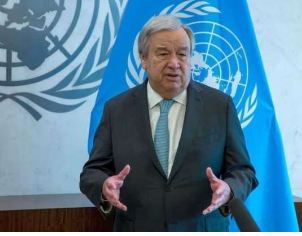
NEW YORK, Jun 3: United Nations Secretary-General António Guterres has once again urged the Houthi group in Yemen to immediately and unconditionally release dozens of UN, humanitarian and diplomatic personnel who have been arbitrarily detained since 2021 and 2023.

In a statement marking one year since the detention of some of the staff and coinciding with the upcoming Eid Al Adha, Guterres reiterated his strong condemnation of the death of a World Food Programme employee while in Houthi custody earlier this year.

He called for a prompt and transparent investigation and accountability for those responsible, noting that the Houthis have yet to provide any explanation regarding the incident.

The Secretary-General described the ongoing detentions as a “grave injustice” that hinders the organisation’s ability to operate effectively and undermines peace efforts. He assured the detainees that “they are not forgotten.”

Guterres also urged UN member states to intensify their efforts to secure the release of the detained staff.

Devcom launches World Environment Day with Pakistan awards and conference

Devcom launches World Environment Day with Pakistan awards and conference

ISLAMABAD, JUN 3 /DNA/ – To kick off the World Environment Day celebrations, Devcom-Pakistan hosted the Pakistan Environmental Awards and Conference of Best Practices 2025 under the theme “Beyond Plastic Waste – Navigating Climate and Environmental Risks.” The event, a passion-driven, non-commercial initiative led by Devcom-Pakistan and DTN gathered leading voices in environmental policy, science, conservation, and sustainable development.

World Environment Day, observed annually on June 5 since 1973 under the United Nations Environment Programme (UNEP), is the largest global platform for environmental awareness. This year, the global celebration is being hosted by the Republic of Korea with a focus on ending plastic pollution — a major threat to climate goals, ocean health, biodiversity, and human wellbeing.

The Devcom-Pakistan and partners’ event set the tone for an inspiring and action-oriented day. Among the dignitaries that showed up included Senator Mushahid Hussain Sayed, Chairman Pak-China Institute and former Federal Minister for Information and Culture, who graced the occasion as Chief Guest. Also present were Dr. Sebastian Paust, Counsellor & Head of Development Cooperation at the German Embassy in Islamabad; Vice Admiral (Retd.) Ahmed Saeed, President of the National Institute of Maritime Affairs (NIMA); Dr. Zaigham Abbas, Director of the Pakistan Environmental Protection Agency (Pak-EPA); Abu Zafar Sadiq, President Alpine Club of Pakistan, Dr. Mehar Nigar, and Munir Ahmed, Founder & Executive Director of Devcom-Pakistan and the driving force behind this unique initiative.

Federal Minister for Board of Investment (BOI) delivered an impactful speech and praised the awards initiative as a step toward recognizing and motivating sustainability efforts in the country. He said: “Beating plastic pollution is not just an environmental necessity — it is a national imperative. We must adopt a zero-tolerance approach toward single-use plastics, promote sustainable alternatives, and strengthen policy enforcement. Our future generations deserve a cleaner, greener Pakistan, and that future starts with the choices we make today.”

Qaiser Ahmed Sheikh said: “To truly attract future-forward investment, Pakistan must integrate sustainability into its economic framework. Tackling plastic pollution is not just an environmental imperative — it’s a strategic opportunity to promote green industries, circular economy models, and responsible business practices that appeal to global investors seeking climate-conscious partners.”

Munir Ahmed, in his welcome address, reflected on his journey as Pakistan’s first designated environmental reporter with The News International in 1991. He highlighted the country’s early efforts in mainstreaming the National Conservation Strategy, the launch of Devcom-Pakistan in 2005, and the Pakistan Mountain Festival the same year. Mr. Ahmed is also credited with initiating the mainstreaming of climate change in Pakistan in May 2007 and remains a central figure in national and international environmental advocacy. He said: “Plastic pollution is a ticking time bomb for our environment and public health. To defuse it, we must go beyond awareness and embrace practical solutions like waste segregation at source and integrated resource cycling. These are not just waste management practices — they are essential pillars of a circular economy that reduces pollution, conserves resources, and fosters sustainable livelihoods. Real change begins with informed choices and collective action. Business leadership today means being accountable to both the market and the planet.”

In his keynote remarks, Dr. Zaigham Abbas said: “The corporate sector in Pakistan must acknowledge its outsized role in fueling plastic pollution through unchecked consumerism and single-use packaging. It’s time for companies to shift from profit-only mindsets to purpose-driven models that prioritize sustainable packaging, responsible consumption, and post-consumer waste recovery.”

Dr. Sebastian Paust, representing Germany, emphasized Germany’s global leadership in climate action, sustainability, and green innovation. He reiterated Germany’s commitment to supporting Pakistan through development cooperation and knowledge-sharing on climate resilience.

Other guest speakers included Dr. Mehar Nigar, Assistant Professor at the Department of Mechanical and Aerospace Engineering, Air University, Islamabad, Abu Zafar Sadiq, President of the Alpine Club of Pakistan, while Vice Admiral (Retd.) Ahmed Saeed highlighted the pressing issue of marine pollution and the need for stronger regulation and enforcement in Pakistan’s maritime zones, Dr. Rabia Nausheen, DD (Env) Punjab EPA, Muhammad Ali Naseer, GM Sustainability Capital Smart City, Kashaf Akhtar, Ecoplanter Startup CEO.

The conference culminated in the presentation of the Pakistan Environmental Awards 2025, recognizing excellence in sustainability, conservation, renewable energy, environmental journalism, and community-led green innovation. The award winners included SinoHydro Dasu-Mansehra Power Transmission Line, for integrating sustainability and biodiversity preservation into Pakistan’s first 765kV transmission line project. Capital Smart City, for setting benchmarks in urban sustainability, water recycling, and renewable energy integration. Oil and Gas Development Company Limited (OGDCL), for its pioneering ESG reporting, environmental compliance, hazardous waste treatment, and carbon footprint assessment initiatives. Environmental Conservation in Property Award was presented to Best Western Premier Hotel Islamabad for eco-friendly practices including green roofing, energy efficiency, and paperless operations.

Environmental Conservation Awards (Individuals) recognized the green champions including Rina Saeed Khan, for her transformative voluntary leadership as Chairperson of the Islamabad Wildlife Management Board. Sana Raja, for her outstanding wildlife rescue efforts, including the rehabilitation of endangered species such as pangolins and dancing bears. Teacher Usman, for his community-driven rainwater harvesting initiative, building over 770 ponds and promoting water conservation in mosques. Muhammad Irshad Ramay, an environmental engineer who established a cleaner production center in Pakistan promoting sustainability and resource efficiency. Riffat Ara Baig, for engaging over 5,000 students in environmental art, awareness campaigns, and cleanup drives since 1996. Silvia Shamoon, for her decade-long work in improving slum environments through tree plantation, waste segregation, and youth empowerment. Special Mentions were made for Dr. Mehar Nigar for her “Saaf Muhalla Saaf Pakistan” initiative. Kashaf Akhtar for launching a startup that recycles single-use plastics into eco-friendly planters and tiles.

Environmental Journalism Awards were presented to Jamal Shahid (Daily Dawn), Ali Jabir Malik (APP), Afshan S. Khan (The News), Zubair Qureshi (Pakistan Observer), Aamir Shahzad (Abb Takk News TV), and Zulfiqar Baig (Express Tribune). Certificates of Appreciation for Environmental Journalism were awarded to over 30 journalists for their commitment to environmental reporting.

Interior Minister Naqvi visits NCCIA Headquarters

Mohsin Naqvi

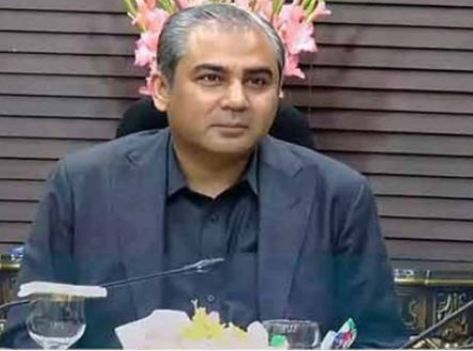
ISLAMABAD, JUN 3: /DNA/ – Federal Interior Minister Mohsin Naqvi visited the headquarters of the National Cyber Crimes Investigation Agency (NCCIA). He inaugurated the agency’s Helpline Center and met with the staff, appreciating their innovation and modern approach.

The Interior Minister visited various sections of the agency, including the Helpline Center, Forensic Lab, and Network Security Department. He announced that the NCCIA Helpline is now fully operational, and citizens can report cybercrime complaints by calling 1799. He instructed relevant officers to ensure prompt redressal of complaints related to cybercrimes.

Interior Minister said that In the era of Artificial Intelligence, institutions like NCCIA are more essential than ever before and NCCIA was established in line with the demands of the modern digital age. He emphasized that effective prevention of cybercrimes requires the use of advanced technologies, software, and hardware. “Undoubtedly, this is a newly-formed agency, and we must work day and night to make it one of the most effective institutions,” said Mohsin Naqvi.

The Interior Minister underscored that  not only skilled staff for the agency should be recruited but also they should be provided all necessary facilities. He sought a comprehensive upgradation plan for the NCCIA headquarters building and directed immediate steps to address staff shortages. He also approved the new logo and flag of the NCCIA.

Moreover, he also granted approval to revive the National Cyber Scouts Program under NCCIA, through which students from schools and colleges will be educated and trained regarding cybercrimes. Director General NCCIA Waqar-ud-Din Syed briefed the Federal Interior Minister on the agency’s operations.

Minister of State for Interior Tallal Chaudhry, Interior Secretary Khurram Agha, and other officials were also present on the occasion.

Punjab to decrease electricity tariff by up to 40%

Punjab to decrease electricity tariff by up to 40%

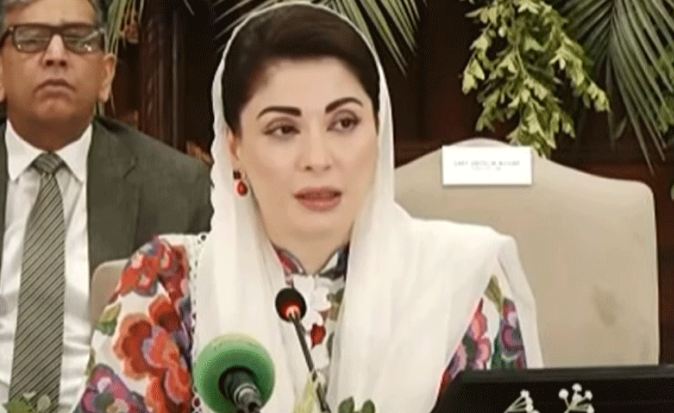
LAHORE, JUN 3: The Punjab Cabinet, under Chief Minister Maryam Nawaz Sharif, has announced a sweeping set of public relief and development measures, including a 30% to 40% reduction in power tariffs, the launch of Punjab’s first airline, and the provision of 1,100 free electric taxis in Lahore.

The 26th provincial cabinet meeting, held in Lahore and attended by key ministers and officials, featured a 101-point agenda aimed at public welfare, infrastructure upgrades, environmental sustainability, and digital transformation of key sectors.

Electricity bills slashed by up to 40%

The cabinet approved a historic cut in electricity tariffs for power companies operating under Punjab, including Quaid-e-Azam Thermal Power and Punjab Thermal Power. 

On the instructions of CM Maryam, tariffs are being reduced by 30-40%, making Punjab the first province to voluntarily reduce electricity rates. The move is expected to lower power bills for thousands of households.

“This is a bold step to ease the financial burden on people. People trust PML-N. We do what we say,” said CM Maryam.

Air Punjab to take off by year-end

The cabinet also approved the establishment of Air Punjab Private Limited, the province’s first government-backed airline. CM Maryam Nawaz set a target to launch the airline’s operations by the end of 2025, aiming to improve regional connectivity and offer affordable domestic air travel.

Electric mobility and vaping ban

The provincial cabinet approved the provision of electric buses in Punjab’s nine divisions and directed the setup of charging stations in all major cities. Additionally, the CM ordered immediate action to close vaping centres across Punjab due to health concerns.

1,100 free electric taxis for Lahore

A groundbreaking initiative was approved to distribute 1,100 interest-free electric taxis in Lahore, boosting clean mobility and job creation for unemployed youth.

School upgrades and Autism center expansion

The cabinet allocated Rs40 billion to upgrade all government schools with classrooms, toilet blocks, furniture, and science labs.
It also approved the Punjab Autism School and Resource Center Act 2025, allowing free and unconditional admission for all autistic children. 

Nawaz Sharif Medical City & Layyah Medical College

The cabinet approved the land transfer for Pakistan’s first Nawaz Sharif Medical City in Lahore, to be developed across 5,000 kanals. The district will include centres for blood diseases, bone marrow transplants, and a children’s hospital in partnership with an international healthcare organization.

It was also decided to establish parks, hotels, food courts, play areas and urban forests in Nawaz Sharif Medical District, while a world-renowned organization had been contacted to establish a children’s hospital there as well. 

The CM also ordered steps to establish a medical college in Layyah.

Massive relief for farmers

CM Maryam Nawaz announced a Rs5,000 subsidy per acre for over 514,000 wheat farmers, with more payments underway for another 500,000 farmers post-verification. 
Under the Kisan Card program, farmers have already purchased Rs18 billion worth of fertilizer through Rs63 billion in support funds. The cabinet also approved the Chief Minister’s Wheat Program 2025. 

Workers’ rights and labour safety

In a move to improve labour welfare, the cabinet approved ration cards for workers and miners registered with the Labour Department and directed the implementation of safety SOPs within a month. Maryam Nawaz emphasized the need for protective gear for sanitation workers and labourers, especially following recent fatal workplace incidents.

“Labourers fall to their deaths from five-storey buildings; government cannot sit idly,” the CM noted, and ordered to provide sewage workers with protective kits at all costs. 

Eco-tourism and urban development projects

The cabinet approved eco-tourism initiatives in Changa Manga Wildlife Park, Lal Sohanra, and National Park, as well as construction of bus shelters in Lahore and depots for electric buses at Thokar Niaz Baig and Railway Station.

Support for media and judiciary

A Rs400 million grant-in-aid was approved for the Punjab Journalist Housing Foundation, and land payments for Lahore Press Club Housing Scheme Phase-2 were sanctioned. A special grant was also announced for families of victims in the Attock District Courts attack.

Political confidence and electoral success

The cabinet also congratulated CM Maryam Nawaz on the landslide victory in the Sambrial by-election, noting her rising popularity among youth and women voters in 80% of rural constituencies. Ministers credited the victory to the CM’s public-centric reforms and development agenda. 

“People have spoken through their vote. They trust us because we deliver,” CM Maryam Nawaz affirmed.

On the Verge of World War III

On the Verge of World War III

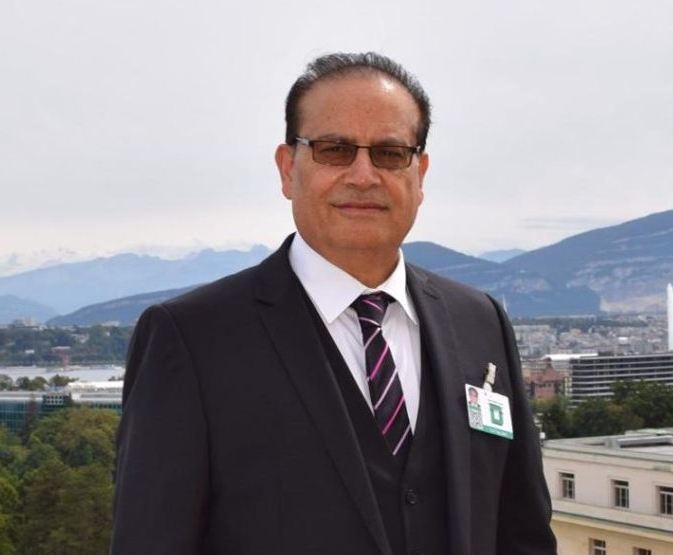
By Dr. Hamid Khan AlMashriqi


As a student of geopolitics and history, I can say with firm conviction: the world has never stood closer to the brink of a global conflict—potentially World War III—than it does today. The ongoing war in Europe, ignited by the Russian invasion of Ukraine in 2022, has escalated in both scale and complexity, threatening not just regional stability, but global peace.

For a time, many believed that a shift in U.S. leadership—especially the potential return of Donald J. Trump to the presidency—might bring an end to this devastating war. It was widely speculated that Trump’s personal rapport with Russian President Vladimir Putin could help broker peace where others had failed. Yet, despite this hope and multiple diplomatic initiatives held in global cities like Riyadh and Istanbul, efforts to secure a lasting ceasefire between Ukraine and Russia have faltered.

Ukraine’s “Operation Spider Web” and the Siberian Airbase Strikes
The fragile peace efforts took a catastrophic hit just yesterday when Ukraine launched its boldest operation to date—Operation Spider Web. In a stunning and highly strategic move, Ukrainian drones targeted five major Russian airbases deep within Siberia, approximately 1,800 to 2,000 kilometers from the Ukrainian border. The attack reportedly destroyed at least forty aircraft, including the strategic TU-95 and TU-22 bombers—planes known for their long-range missile capabilities.

The scale, precision, and reach of this attack have raised serious questions. Military analysts are baffled: how did drones reach such deep targets undetected? Speculation is rife that Ukraine may have received covert assistance from insiders within the Russian military. There are even unconfirmed reports of unrest or dissent among Russian armed forces stationed in Siberia. However, due to media blackouts and restricted access, international outlets have been unable to verify these developments independently.

Regardless of how the attack was executed, its strategic and psychological impact is undeniable. It has exposed vulnerabilities in Russia’s defense systems and triggered a furious response from Moscow.

Russia Strikes Back: Putin’s Escalation Begins
In retaliation, Russia has launched what is being described as one of the heaviest barrages of missile attacks since the war began. Civilian and military infrastructure across Ukraine has come under siege. President Putin, in a chilling statement, warned:

“Ukraine has signed its own death warrant. Zelensky, just wait—you’re about to witness what true devastation looks like.”
The world watches in alarm as long-range missiles rain down on Ukrainian cities, with many fearing this could be the beginning of a much larger campaign by Russia to destroy Ukraine’s remaining military and civil capacity.

Diplomacy in Tatters: Türkiye’s Failed Mediation Attempt
Even as missiles flew, diplomacy made another faint attempt at survival. Under pressure from former U.S. President Donald Trump, Turkey organized another round of peace talks between Russia and Ukraine in Istanbul. However, the meeting, attended by lower-level envoys, lasted barely an hour and ended without any concrete outcomes.

Despite the disappointing result, Turkish President Recep Tayyip Erdoğan expressed cautious optimism:

“I still believe I can bring President Putin and President Zelenskyy to the same table. I hope Mr. Trump will join us in this effort as well.”
But hope is rapidly waning. Russia has rejected any immediate ceasefire demands. Putin remains defiant, stating emphatically, “No one can dictate terms to us.”
In response, Trump remarked, “I know Putin—he used to be reasonable, but now he’s lost his grip.”

Saudi Arabia’s Role: A Glimmer of Hope?
As the war continues to spiral out of control, one key player has emerged with a unique opportunity to mediate: Saudi Arabia. Riyadh, historically known for its strategic diplomacy and leadership in the Arab world, has become an increasingly important hub for international negotiations. The Saudi government has maintained neutral diplomatic ties with both Russia and Ukraine, giving it a rare position of influence.

In recent weeks, Saudi Crown Prince Mohammed bin Salman has initiated behind-the-scenes discussions with both Russian and Ukrainian officials. As part of these efforts, a potential summit is being organized in Riyadh, where key figures like Turkish President Erdoğan and former U.S. President Trump are expected to participate. The hope is that Saudi Arabia’s leadership—coupled with Turkey’s mediation efforts and Trump’s rapport with Putin—can break the current deadlock.

This war of words reflects not only the growing personal hostility but also the breakdown of trust among world leaders who once could engage in dialogue.

NATO on Alert – But Will They Act?
As the situation worsens, NATO has placed its forces on heightened alert, though it remains reluctant to directly intervene. Most European nations are already grappling with soaring energy costs, economic slowdowns, and social unrest caused by the prolonged war. There is little appetite for direct confrontation with Russia.

Analysts widely agree that while NATO may support Ukraine indirectly, a direct military intervention remains unlikely—unless provoked by an attack on a NATO member state.

Yet, this very hesitation leaves Ukraine vulnerable. With each passing day, more of its cities and civilian infrastructure fall under bombardment. In a tragic irony, the longer Ukraine waits for help, the more destruction it endures—while the West watches with growing caution.

A War with Global Consequences

The implications of a wider war in Europe cannot be overstated. Should NATO become directly involved, or should Russia expand its aggression beyond Ukraine’s borders, the conflict could spiral into a global war. The economic consequences would be catastrophic. A major war in Europe involving superpowers would not only trigger a global recession—it could dismantle the delicate economic fabric of the world.

Developing nations, especially those like ours that rely heavily on imports (with up to 70% dependency), would face the most severe impacts. Commodity prices would skyrocket, inflation would spiral, and food insecurity could reach unprecedented levels. Millions would face poverty, starvation, and displacement.

We must understand that modern war is no longer confined to battlefields. Its fallout is economic, social, and humanitarian—and it touches every continent, every market, every household.

A Call for Wisdom and Humanity
In times of such grave uncertainty, the international community must act with wisdom and restraint. Global peace is not a slogan—it is a necessity for the survival of our shared civilization. This is not just a regional dispute; it is a humanitarian crisis in the making, one that threatens to destroy millions of lives and disrupt billions more.

Diplomatic channels must be preserved at all costs. Dialogue—no matter how fragile or frustrating—remains the only path forward. Global leaders, influencers, and mediators must rise above politics and ego to save humanity from the abyss.

If World War III begins, it will not be fought for land or ideology—it will be a war of annihilation. We must not let it come to that.

Let us hope that sanity prevails before it is too Late.

Trump to Tehran: Pressure vs. Diplomacy

Trump to Tehran: Pressure vs. Diplomacy

Dr. Muhammad Akram Zaheer

The U.S.-Iran relationship has been marked by decades of tension, punctuated by moments of tentative engagement.President Trump’s administration introduced a distinctive approach, characterized by stringent economic sanctions coupled with overtures for direct negotiations.This strategy aimed to compel Iran to curtail its nuclear ambitions while opening avenues for diplomatic resolution. Central to Trump’s strategy was the reimplementation of the “maximum pressure” campaign, which involved reinstating and intensifying economic sanctions on Iran.These sanctions targeted vital sectors of the Iranian economy, aiming to cripple its financial capabilities and force compliance with U.S. demands regarding nuclear activities and regional behavior. In addition to economic measures, the Trump administration did not shy away from military actions.Notably, airstrikes were launched against Iranian-backed Houthi forces in Yemen, signaling a willingness to use force to counter Iran’s regional influence.Furthermore, President Trump set a tight two-month deadline for Iran to reach an agreement on its nuclear program, accompanied by explicit threats of military action should negotiations fail.

Contrasting the hardline economic and military stance, President Trump exhibited an inclination towards personal diplomacy.In early March, he sent a letter to Iranian Supreme Leader Ali Khamenei proposing negotiations, reflecting his belief in deal-making as a tool for conflict resolution.Trump’s assertion that he wanted to make Iran “prosperous again” underscored his approach of coupling pressure with the promise of economic relief and normalized relations. This dual strategy aimed to bring Iran to the negotiating table under duress while offering incentives for compliance.The administration’s hope was that the economic strain, combined with the threat of military action, would make the prospect of a deal more appealing to Iranian leadership.

While the strategy had its rationale, it was not without significant risks and criticisms.The aggressive posture raised concerns about the potential for miscalculations leading to open conflict.Military strikes on Iran’s nuclear facilities, while potentially delaying its nuclear program, could provoke retaliatory attacks across the region, exacerbating instability in the Middle East. Moreover, the economic sanctions, though aimed at the regime, had profound impacts on the Iranian populace, leading to humanitarian concerns.Critics argued that such measures could entrench anti-American sentiments and empower hardline factions within Iran, thereby undermining the prospects for diplomatic engagement.

The “Trump to Tehran” strategy highlighted the complexities of employing a dual approach in international diplomacy.By combining coercive measures with offers of negotiation, the administration sought to leverage pressure into tangible policy changes.However, the success of such a strategy depended on precise calibration and a deep understanding of the adversary’s thresholds and motivations. The strategy also had broader implications for U.S. foreign policy, signaling a shift towards more transactional and unilateral approaches.It challenged traditional diplomatic norms and raised questions about the efficacy and ethics of coupling punitive measures with overtures for peace. The evolving dynamics of U.S.-Iran relations have been marked by a complex interplay of confrontation and negotiation. In her article, “The Case for a ‘Trump to Tehran’ Strategy,” Comfort Ero explores the potential of combining President Donald Trump’s “maximum pressure” campaign with personal diplomacy to address the challenges posed by Iran’s nuclear ambitions and regional activities.

The Trump administration’s “maximum pressure” strategy involved re-imposing stringent economic sanctions on Iran after withdrawing from the Joint Comprehensive Plan of Action (JCPOA) in 2018.These sanctions aimed to curtail Iran’s nuclear program and diminish its regional influence.While the sanctions inflicted significant economic hardship on Iran, leading to a sharp depreciation of its currency and political instability, they also had unintended consequences.The economic strain bolstered hardline elements within Iran, fostering a narrative of resistance against foreign aggression and complicating internal reform efforts.Recognizing the limitations of unilateral pressure, President Trump initiated a direct diplomatic overture by sending a letter to Iranian Supreme Leader Ali Khamenei in early 2025, proposing negotiations.This move signaled a willingness to engage Iran through dialogue, offering the prospect of sanctions relief and normalized relations in exchange for concessions on its nuclear program and regional activities.The approach aimed to leverage Trump’s deal-making persona to achieve a breakthrough in the longstanding impasse.

Despite the overture, significant challenges persist.Iran’s leadership, particularly Supreme Leader Khamenei, remains skeptical of U.S. intentions, especially given the history of abrupt policy shifts, such as the withdrawal from the JCPOA.Internally, Iran’s political landscape is fraught with tensions between reformists and hardliners, making consensus on engaging with the U.S. difficult.Moreover, the U.S. domestic political environment, characterized by bipartisan skepticism toward Iran, limits the flexibility of the administration to offer concessions.The strategy’s reliance on the threat of military action as authority carries inherent risks.While targeted strikes, such as those against Iranian-backed Houthis in Yemen, may yield short-term tactical advantages, they risk provoking broader regional conflicts and undermining diplomatic efforts.A miscalculation could escalate into a full-scale confrontation, with devastating consequences for regional stability and global security.

Qamar Bashir

Russia’s Pearl Harbor: Escalating the Horrors of War

By Qamar Bashir

In a dramatic escalation of the ongoing conflict, Ukraine launched a highly sophisticted drone strike on Russian airbases, reportedly damaging and destroying a substantial portion of Moscow’s strategic bomber fleet. This operation, codenamed “Spiderweb,” involved the deployment of 117 AI-guided drones, which targeted five key Russian airbases across regions including Murmansk, Irkutsk, Ivanovo, Ryazan, and Amur. The attack resulted in the destruction and severe damage of over 40 aircraft, including Tu-95, Tu-22M3, Tu-160 bombers, and A-50 airborne early warning and control aircraft. The damage to Russia has been estimated to be round $7 billion, marking a significant blow to Russia’s long-range aerial capabilities.

The timing of this strike coincided with peace talks in Istanbul, mediated by Turkish President Recep Tayyip Erdoğan. The peace talks highlighted the fundamentally opposing objectives of Russia and Ukraine. Russia demands recognition of its control over annexed territories, including Crimea and four other regions, the withdrawal of Ukrainian forces, and a commitment from Ukraine to remain neutral and non-aligned, effectively preventing NATO membership .

Conversely, Ukraine insists on the complete withdrawal of Russian troops, the restoration of its territorial integrity, and security guarantees from Western countries to prevent further aggression. Ukraine also seeks the prosecution of Russian leaders for war crimes and the return of abducted Ukrainian children.

The latest attack—an advanced, high-tech, and professionally maneuvered drone strike—has dealt a severe blow to Russia. If such attacks continue and Russia finds itself unable to respond with conventional forces in kind, there is a growing possibility that Moscow may seriously consider the use of tactical nuclear weapons.

Russia may seek not only to counterbalance the damage inflicted but also to punish those directly involved in planning, executing, and supporting the operation. This could mean that Russia may expand the scope of the war, targeting European capitals that have been providing aid and resources to Ukraine—actions which have now become a significant concern for the United States and its allies, as the war risks spiraling beyond its current boundaries.

By striking deep into the heart of Russia with such precision and devastation, Ukraine has gained a position of relative strength compared to Moscow, a factor that will provide Kyiv with greater bargaining leverage in any potential future negotiations—if such talks materialize at all. However, Russia is even more astute. It is unlikely to enter into any meaningful negotiation from a position of weakness.

Instead, Russia will likely seek to counterbalance the damage inflicted upon it, and may even surpass Ukraine’s gains with its own retaliatory strikes, in order to restore its strategic advantage before considering any talks. This tit-for-tat escalation is a profoundly dangerous dynamic, one that risks undermining any prospects for peace and threatens to prolong and intensify the conflict between the two nations

As the war drags into its fourth year, both Russia and Ukraine—along with their allies in Europe and the United States—are beginning to grasp the immense toll this war has taken. Russia has sustained military losses exceeding $94 billion as of May 2025, with inflation and a weakened ruble further straining its economy. Ukraine’s economy has been crippled, with a cumulative GDP loss of $120 billion, infrastructure damages topping $1 trillion, and reconstruction needs projected at a staggering $524 billion—nearly triple its pre-war GDP. Meanwhile, European allies have not been spared: German companies alone faced losses of at least €200 billion in 2022, particularly in the automotive, energy, and chemical sectors, as the sanctions and war-driven economic disruptions ripple across the continent. The war is bleeding resources, depleting tax bases, and pushing all involved nations toward economic strain.

The countries directly or indirectly involved in this conflict are draining their national wealth in a futile pursuit of land, power, and hegemony, while other nations, uninvolved in the war, are conserving their resources and channeling them into productive investments: building modern infrastructure, advancing research and development, exploring space, and fostering innovation. As a result, the economies of the United States, Russia, Europe, and their allies will bear the long-term costs of this war, while their adversaries—particularly China, which has been labeled a strategic competitor—will continue to grow stronger. China stands to benefit the most from this prolonged conflict, as the Western powers exhaust themselves financially, militarily, and diplomatically, effectively handing Beijing the advantage on the global stage.

Ukraine, heavily reliant on Western support, faces the risk of donor fatigue. Ukrainian officials have expressed concerns about growing donor fatigue, noting a $43 billion budget shortfall for 2024. Conversely, Russia, with its larger economy and resources, may continue to absorb the war’s costs, albeit at the expense of its own economic stability.

The recent talks in Istanbul, while limited in progress, have set the stage for potential future negotiations involving Presidents Putin, Zelenskyy, and Trump. For meaningful dialogue to occur, both sides must address the core issues: territorial integrity, security guarantees, and the future of Ukraine’s alignment with Western institutions.

This is perhaps a shorter and more intense replica of the First and Second World Wars, where alliances were drawn, and massive resources were expended. Now, allies are on one side, and Russia is on the other, both depleting their resources and indirectly enabling their adversaries to gain strength. The solution to this quagmire lies in recognizing the mutual losses and the unintended empowerment of non-involved nations.

It would be naive to think that European leaders and the USA have not calculated these aspects—their own losses and the strengthening of their adversaries—while they continue to fund and fuel the war. Sanity should prevail among all parties. The conflict results in losses for Russia, Ukraine, and their allies, while those outside the conflict stand to gain.

The entire geopolitical landscape is undergoing a profound shift due to this war, with a heightened possibility of shrinking the economic, trade, investment, business, and military influence of the warring nations—primarily European powers this time—while simultaneously creating space for their adversaries to expand. Let us hope that sanity will prevail sooner rather than later, bringing an end to the erosion of the geopolitical space of the warring parties and, conversely, halting the encroachment of their adversaries into their traditional spheres of influence.

By Qamar Bashir

Press Secretary to the President (Rtd)

Former Press Minister at the Embassy of Pakistan to France

Former MD, SRBC

Macomb, Michigan, USA

Glacier Conference in Dushanbe — a wake-up call

Glacier Conference in Dushanbe — a wake-up call

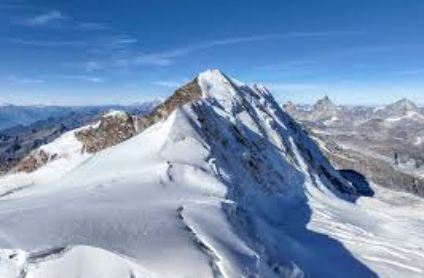
The recently concluded International Glacier Conference in Dushanbe, Tajikistan, brought much-needed global attention to one of the most pressing environmental issues of our time — the rapid melting of glaciers. With Prime Minister Shehbaz Sharif representing Pakistan at the event, the conference rightly highlighted the significance of regional and international cooperation in addressing climate change, particularly its devastating impact on the mountainous and glacier-rich regions of Central and South Asia.

The initiative taken by Tajik President Emomali Rahmon to host this critical conference deserves sincere appreciation. It reflects his forward-looking vision and deep commitment to sustainable development and environmental preservation. Under his leadership, Tajikistan has made commendable progress in economic growth, infrastructure development, and regional diplomacy. His emphasis on climate action, especially glacier preservation, shows a genuine concern not only for his own nation but for the broader region dependent on glacier-fed rivers and agriculture.

However, while the initiative is timely and essential, it must go beyond symbolic gatherings and produce tangible outcomes. The melting of glaciers is not just a theoretical issue; it is already disrupting ecosystems, threatening water security, and increasing the risk of floods in countries like Pakistan, India, Nepal, and of course, Tajikistan itself. What is needed now are action-oriented strategies, such as joint research initiatives, early warning systems, sustainable water management, and regional policy frameworks to mitigate and adapt to the effects of climate change.

Unfortunately, an otherwise promising conference was marred by poor execution in some key areas — particularly in terms of international media engagement. From Pakistan, for instance, the media delegation selected to cover the event was reportedly of disappointing quality. It included individuals who lacked the necessary journalistic background and expertise to meaningfully engage with the subject matter or convey the gravity of the discussions to a wider audience. Such decisions reflect poorly not just on the organizing authorities but also undermine the vision of President Rahmon, whose global outreach efforts depend heavily on effective communication.

This lapse points to a broader problem within diplomatic and bureaucratic structures, where well-intentioned leadership initiatives are often diluted by poor execution at the mid and lower levels. If Tajikistan wants its environmental and developmental efforts to resonate internationally, its embassies and consulates must play a more proactive and professional role in coordinating with credible institutions, including media organizations, civil society, and academia. The selection of relevant and competent media personnel is critical to ensuring the seriousness of such international initiatives is not lost.

In sum, the Glacier Conference was an important step in the right direction, bringing together leaders and experts to discuss a shared threat. President Rahmon must be applauded for his vision. However, for such noble initiatives to bear fruit, execution must match intention. Climate change is too urgent a crisis to be left in the hands of the incompetent or the indifferent.

Subah Sehar Appoints Niaz Support as Exclusive Implementation Partner

Subah Sehar Appoints Niaz Support as Exclusive Implementation Partner

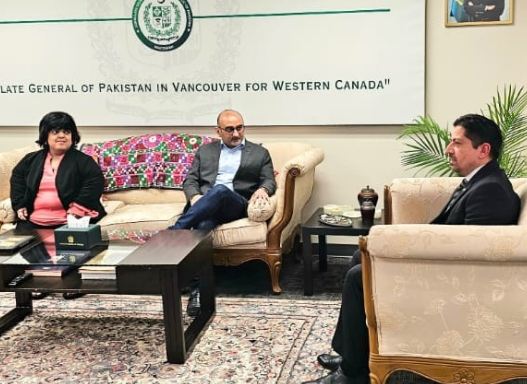
VANCOUVER, CANADA, JUN 3 /DNA/ – In a significant step toward advancing global disability inclusion, Subah Sehar Inc., a U.S.-based nonprofit organization registered under Section 501(c)(3) of the Internal Revenue Code, and Niaz Support, a Pakistan-based social enterprise, have formalized a strategic partnership to deliver inclusive support services for Persons with Disabilities (PWDs) and their families across underserved communities.

A Memorandum of Understanding (MoU) was signed in Vancouver, Canada, by Sehar Khemani, President of Subah Sehar Inc., and Hussain Odhwani, Founder of Niaz Support, establishing a shared commitment to accessible, impactful, and community-driven solutions for disability inclusion.

Under this exclusive agreement, Niaz Support will serve as Subah Sehar’s sole on-ground implementation partner, responsible not only for the manufacturing and distribution of customized wheelchairs, but also for the full-scale implementation of all Subah Sehar programs and initiatives across mobility, inclusive education, employment, community inclusion, and family support for individuals with disabilities.

“This partnership brings together local expertise and global vision,” said Sehar Khemani, President of Subah Sehar Inc. “Niaz Support’s on-the-ground capabilities are unmatched, and together we aim to create sustainable, life-changing impact for people with disabilities around the world.”

Niaz Support, under the leadership of Hussain Odhwani, has emerged as a trusted name in disability solutions across Pakistan, with a focus on innovation, quality, and empowerment.

“We’re proud to align with Subah Sehar in this mission,” said Odhwani. “This collaboration allows us to scale our field operations globally, while staying deeply rooted in community needs and dignity-driven service.”

While Subah Sehar will provide global oversight, fundraising, and strategic direction from its U.S. base, Niaz Support will oversee all field implementation – ensuring that every Subah Sehar initiative related to mobility, education, employment, and inclusion for PWDs and their families is delivered effectively and with compassion.

Tarar greets Italy on Republic Day

Tarar greets Italy on Republic Day

Says Pakistan greatly valued ties with Rome

Ansar Bhatti

ISLAMABAD, JUN 2 /DNA/ – Federal Minister for Information and Broadcasting Attaullah Tarar has extended warm felicitations to the people and government of Italy on the occasion of Italy’s Republic Day, reaffirming Pakistan’s strong commitment to its longstanding and friendly ties with Italy.

In a message celebrating the National Day of Italy, Minister Tarar emphasized the importance of the 75 years of diplomatic relations between the two countries, noting the steady and fruitful cooperation in diverse areas such as trade, investment, security, and regional stability.

“Pakistan greatly values its relationship with Italy. Our ties are marked by mutual respect, shared goals, and a common vision for regional peace and development,” he said.

The minister lauded Italy’s growing role as a key partner in Pakistan’s development and economic progress, pointing out the current volume of bilateral trade stands at approximately USD 1 billion. He highlighted the presence of a number of leading Italian companies operating in Pakistan, contributing positively to economic growth, technology transfer, and employment.

Minister Tarar also acknowledged the significance of high-level engagements between the two countries. He termed the recent visit of the Italian Minister to Pakistan as an important step in strengthening mutual understanding and exploring new avenues of cooperation.

He further emphasized the role of continuous dialogue between Islamabad and Rome in maintaining a robust and forward-looking relationship. “Both nations are committed to deepening bilateral dialogue at political, economic, and cultural levels,” he added.

Appreciating the vibrant Pakistani diaspora in Italy, the minister said the community serves as a strong bridge between the two nations. He also commended the efforts of the Pakistani Ambassador to Italy for promoting bilateral ties and working diligently to enhance the image and interests of Pakistan in Italy.

“On this important day for the Italian people, we extend our best wishes for continued peace, prosperity, and progress. We look forward to further strengthening our friendly relations and cooperation in the years ahead,” said Minister Tarar in his concluding remarks.=DNA

Stay Connected

64FansLike
60FollowersFollow

Latest Reviews

Exchange Rates

USD - United States Dollar
EUR
1.17
GBP
1.35
AUD
0.72
CAD
0.73