Home Blog Page 587

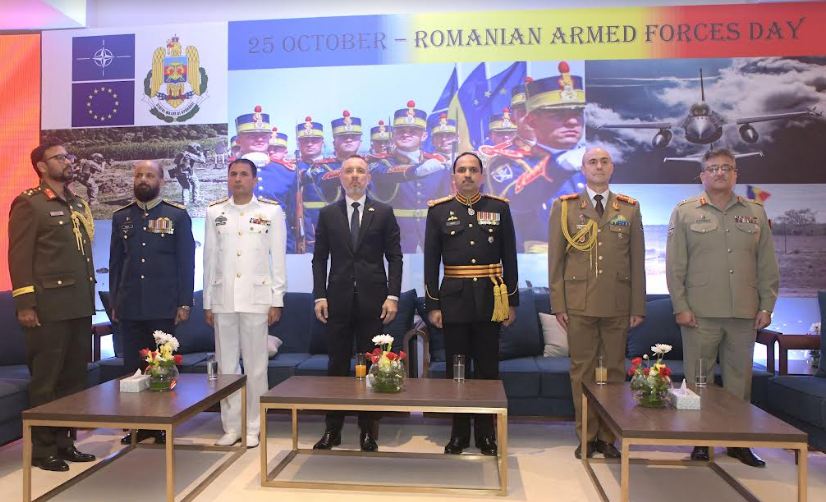
Romania, Pakistan enjoy excellent defence cooperation, says Envoy

Romania, Pakistan enjoy excellent defence cooperation, says Envoy

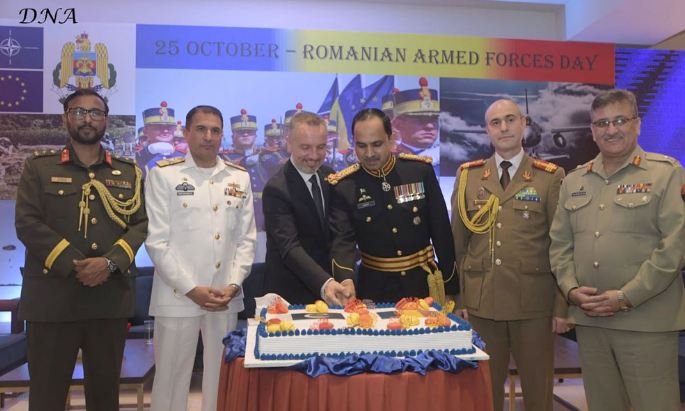
Eduard Preda says Romania will participate in IDEAS 2024, the most important defence exhibition and conference held in Karachi, and in the multinational naval exercise AMAN 2025. These activities will help participants to exchange their knowledge and experience in both the defence industry and maritime domains

DNA

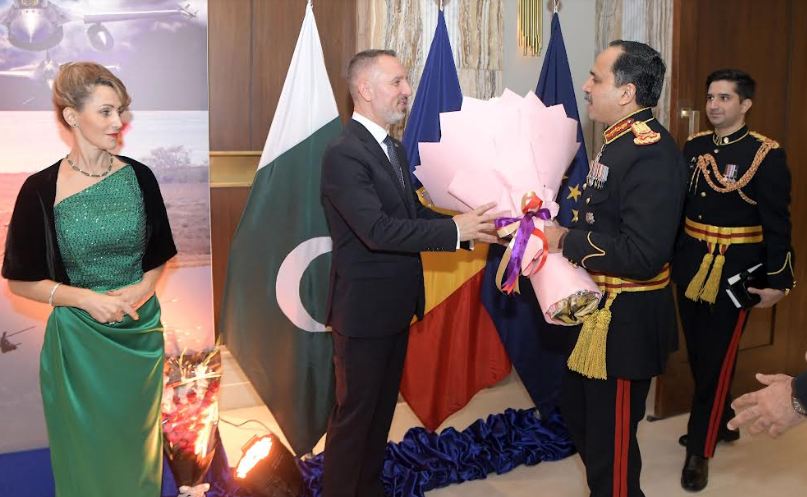
ISLAMABAD: Charge d Affaires of the Romanian Embassy Eduard Preda has said there existed excellent cooperation between Romanian and Pakistan Armed Forces which has developed over the years into a true and mutual partnership.

Since there is not enough time to elaborate on the multifaceted and complex character of the cooperation, I will only mention that the Pakistan Navy will soon receive their fourth patrol vessel built at Damen Shipyard Galati, Romania’.

Eduard Preda made these remarks while speaking on the occasion of the Romanian Armed Forces Day. Maj. General Kashif Zafar of the Pakistan Army was the chief guest. A large number of guests hailing from various walks of life attended the reception.

Mr. Preda further said, these vessels will provide the Pakistan Navy with highly effective search and rescue capabilities that will allow it to play an important role in safeguarding international trade routes from piracy and other threats like drugs and human trafficking or terrorism.

He said, Romania will participate in IDEAS 2024, the most important defence exhibition and conference held in Karachi, and in the multinational naval exercise AMAN 2025. These activities will help participants to exchange their knowledge and experience in both the defence industry and maritime domains.

He also acknowledged exceptional professionalism of the Pakistan Armed Forces, the deep patriotism of its men and women in uniform, the sacrifices they made in fighting terrorism, and their extended presence in multiple international coalitions involved in peace keeping operations and humanitarian assistance, meant to ease the sufferings of the people in different regions of the world.

While talking about the significance of the day he said, historically, the 25th of October symbolized the day in which the entire Romanian territory was liberated by the Romanian Army during the Second World War.

‘Today, the Romanian Armed Forces, completely reformed and modernized up to the NATO standards, are assigned to foreign missions, contributing alongside with the allied and partner armies to the common effort of keeping peace and stability worldwide’.

As a reliable NATO member state, Romania’s main objective has always been related to building trust and good relationships with other states.

He said, Romania stands ready to continue to be a responsible partner and ally to strengthen security in the Black Sea area and fulfil all its responsibilities as a reliable member of the international community. We now stand ready to commit once more to the process of creating a safe, stable, and prosperous world for all of us.

‘As you all know, the security situation in Romania’s region is complex and continuously changing, marked by geopolitical and military challenges. Russia’s aggression against Ukraine has fundamentally and long-term altered the security paradigm in Europe’.

The challenges we have to deal with every day, along with the war going on at NATO, EU and Romanian borders, prove that we need, more than ever, to be ready to defend our common values and freedoms and grant security and stability in the region.

Ukraine’s security means European and Euro-Atlantic security and Romania stands in full solidarity with the people and government of Ukraine in their heroic defence of their country, helping Ukraine to uphold its fundamental right to self-defence as a response to the Russian Federation’s full-scale, unprovoked and unlawful invasion of Ukraine.

Mr Preda further said, the establishment of the F-16 Training Center in Romania in record time required a lot of effort, dedication, and energy. Also, we are very satisfied to see so many Allies and partners interested in taking part in this project. It is a standing proof of what the NATO allies can accomplish together in supporting Ukraine. The F-16 Training Center is now fully operational and Ukrainian pilots are currently participate in training programs.

‘Unfortunately, we are witnessing the multiple security challenges that another neighbour of Romania, the Republic of Moldova, is facing, including destabilization attempts, as part of Russia’s hybrid actions against their European neighbours. Moldova is a part of the European family, and we firmly support its European path. It is crucial for the EU to continue comprehensive support for the security, stability and resilience of the Republic of Moldova’, he concluded.

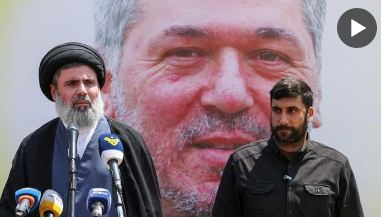
Hezbollah confirms Israel killed Nasrallah’s likely successor Hashem Safieddine

Hezbollah confirms Israel killed Nasrallah's likely successor Hashem Safieddine

Announcement comes a day after Israel says he was killed along with other Hezbollah leaders in air strike in Beirut’s southern

A Journey Through Pakistan’s 1973 Constitution: Amendments, Power, and Democracy

A Journey Through Pakistan's 1973 Constitution: Amendments

by Muhammad Mohsin Iqbal

In a parliamentary form of government, the Constitution serves as the cornerstone that defines the structure, powers, and limitations of the state. It ensures the separation of powers between the executive, legislative, and judiciary, providing a system of checks and balances to prevent any branch from overpowering the others. A constitution also safeguards the rights and freedoms of citizens, guaranteeing that governance remains accountable and democratic. In the context of parliamentary democracy, the constitution outlines the role of the elected representatives, ensuring that the government’s legitimacy stems from the will of the people. It is essential for maintaining order, stability, and justice, as it provides a framework for the peaceful transfer of power, the rule of law, and the protection of minority rights, ultimately strengthening the democratic process.

The 1973 Constitution of Pakistan stands as a landmark in the country’s political, parliamentary and legal history, symbolizing the aspirations of a democratic republic. However, over the decades, it has undergone significant changes to adapt to shifting political landscapes. The Constitution has been amended 26 times since its adoption, each amendment reflecting the prevailing political circumstances and the interests of various actors. A deep dive into these amendments reveals the motivations behind them, the figures involved, and the beneficiaries.

The First Amendment was enacted on May 4, 1974, during the tenure of Zulfikar Ali Bhutto. It expanded the scope of Articles 1, 8, 17, 61, 101, 127, 193, 199, 200, 209, 212, 250, 259, 260, and 272 concerning political parties, restricting their activities mainly to prevent foreign influence alignments. Introduced as a protection against internal and external destabilization in a time of political turbulence, the amendment redefined Pakistan’s boundaries and eliminated references to East Pakistan.

The Second Amendment was passed on September 17, 1974, expanding the scope of Articles 106 and 260, defining a Muslim, and designating Ahmadis as a minority and ‘non-Muslim’. The Third Amendment, introduced under Bhutto’s leadership on February 18, 1975, broadened the scope of Articles 10 and 232, and increased the period of preventive detention without trial from two to three months. The Fourth Amendment, enacted on November 21, 1975, widened the scope of Articles 8, 17, 19, 51, 54, 106, 199, 271, 272, and 273, allocated additional seats for minorities, and removed the judiciary’s power to grant bail to anyone held under preventive detention.

The Fifth Amendment, enacted on September 5, 1976, expanded the provisions of Articles 101, 160, 175, 179, 180, 187, 192, 195, 196, 199, 200, 106, 212, 260, and 280, and increased the restrictions on the High Courts. The Sixth Amendment, passed on December 22, 1976, broadened the scope of Articles 179, 195, 246, and 260, and stipulated that the Chief Justice of the Supreme Court would retire at the age of 65, while High Court judges would retire at 62.

Following Bhutto’s removal, the Seventh Amendment was enacted on May 16, 1977, introducing provisions for a national referendum to affirm the government’s policies. It expanded the scope of Article 101, 245, and added Article 96A. The most significant and contentious amendments occurred during General Zia-ul-Haq’s tenure. The Eighth Amendment, passed on November 11, 1985, drastically changed the Constitution’s structure by bestowing extensive powers upon the President, including the authority to dissolve the National Assembly. Enacted under Zia’s martial law, it tipped the balance of power towards the President and diminished the role of Parliament. It broadened the scope of Articles 48, 51, 56, 58, 59, 60, 75, 90, 91, 101, 105, 106, 112, 116, 130, 144, 152, and 270.

The Ninth Amendment, proposing the imposition of Shariah law as the supreme law of the land, was passed by the Senate but failed to pass in the National Assembly due to its dissolution. This bill sought to expand the scope of Articles 2 and 203. Conversely, the Tenth Amendment, which was enacted on March 25, 1987, dealt with procedural aspects concerning the length of parliamentary sessions, specifically setting the maximum interval between National Assembly sessions at 130 days, thereby broadening the scope of Articles 54 and 61.

The Eleventh Amendment, enacted on August 28, 1989, during Benazir Bhutto’s tenure, aimed to reestablish parliamentary dominance by limiting the President’s powers. However, it did not significantly change the political dynamics. The Twelfth Amendment, introduced on July 28, 1991, created special courts for terrorism and severe crimes. The Thirteenth and Fourteenth Amendments, passed on April 4 and July 3, 1997, respectively, under Nawaz Sharif’s administration, played a pivotal role in reducing presidential authority. The Thirteenth Amendment revoked the President’s authority to dissolve the National Assembly, reinforcing parliamentary sovereignty. The Fourteenth Amendment bolstered political parties by mandating party discipline and restricting defections, thereby tightening party leaders’ grip on their members. The Fifteenth Amendment, proposed on August 28, 1998, aimed to establish Shariah law as the land’s supreme law but was not enacted. The Sixteenth Amendment extended the duration of the quota system stipulated in the 1973 Constitution from 20 to 40 years.

General Pervez Musharraf’s regime also witnessed substantial amendments, with the Seventeenth Amendment passed on December 31, 2003, which restored the President’s power to dissolve the National Assembly, undoing Nawaz Sharif’s efforts. It reflected the military’s dominance over civilian institutions and reinstated a semi-presidential system.

The Eighteenth Amendment, enacted on April 19, 2010, during the Pakistan People’s Party (PPP) tenure, marked a significant milestone in Pakistan’s constitutional journey. It overturned numerous alterations imposed by military regimes, reinstated parliamentary supremacy, and transferred considerable authority to the provincial governments. This amendment was a move toward fortifying democracy and addressing local concerns, thus serving the populace by fostering federalism and diminishing central control. Subsequently, the Nineteenth Amendment on January 1, 2011, focused on judicial reforms, while the Twentieth Amendment on February 28, 2012, concentrated on guaranteeing free and impartial elections. Together, these amendments signified the democratic government’s commitment to reinforcing the institutional framework for a more open and accountable political system.

In the aftermath of APS Peshawar Attack, Military Courts were established for speedy trials of terrorists and their sponsors under Twenty-first Amendments on 7 January 2015. In Twenty-second Amendments, ECP powers deputed to Chief Election Commissioner on 8 June 2016. The 23rd Amendment was passed to re-establish the military courts for further two years till 6 January 2019.[3] In 2015, National Assembly passed the 21st Amendment and created the military courts for the period of 2 years. The period of two years was expired on 6 January 2017 hence this 23rd Amendment was passed to re-establish the military courts for further two years till 6 January 2019. At the end of this period all the amendments will be expired/removed automatically.

The Twenty-fourth Amendment, enacted on 22 December 2017, reallocated National Assembly seats among federating units and permitted election authorities to revise constituency boundaries based on the provisional outcomes of the 2017 Census of Pakistan. Subsequently, the Twenty-fifth Amendment, on 31 May 2018, integrated the Federally Administered Tribal Areas into Khyber Pakhtunkhwa.

On October 20, 2024, Pakistan’s Senate and National Assembly passed a significant 26th Constitutional Amendment, aimed at enhancing the governance structure and addressing key political reforms. This amendment focuses on strengthening democratic institutions by introducing measures to ensure greater accountability, transparency, and efficiency within the government. It includes provisions for judicial reforms, strengthening the role of the Election Commission, and increasing parliamentary oversight over executive actions. Additionally, the amendment tackles the issue of decentralization by granting more autonomy to provincial governments, ensuring a more balanced distribution of power. This landmark amendment reflects Pakistan’s commitment to evolving its constitutional framework in response to the changing political and social landscape.

A comparative analysis of these amendments reveals a clear divide. Amendments during democratic regimes, have focused more on governance, devolution of power, and judicial reforms, with the potential to improve public services and accountability. On the other hand, amendments under dictators’ rule were primarily about entrenching power in the executive branch, offering little to the public in terms of improved services or democratic participation.

In summary, the 26 Amendments to Pakistan’s 1973 Constitution reflect the nation’s struggle with its identity, governance, and the tension between democratic and authoritarian impulses. While some amendments have been pivotal for political stability or national security, others have aimed at power consolidation or addressing immediate political crises. Often, the ruling elite have been the primary beneficiaries of these amendments, but recent changes have begun to more directly meet the populace’s needs. The ongoing challenge is to ensure that future amendments prioritize the public interest, fortify democratic institutions, and foster equitable development throughout the nation. This is essential for the Constitution to truly act as the cornerstone of a fair and democratic governance system.

President Zardari strongly condemns the terrorist attack in Ankara

President Zardari strongly condemns the terrorist attack in Ankara

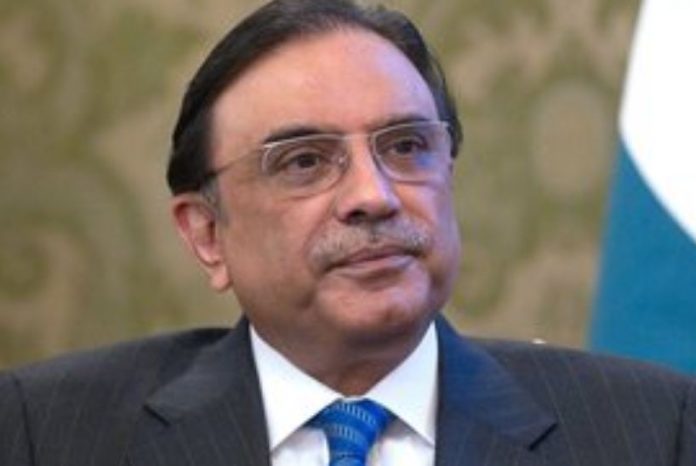
ISLAMABAD, OCT 23 /DNA/ – President Asif Ali Zardari has strongly condemned the terrorist attack in Ankara, which resulted in the tragic loss of lives. He extended his deepest condolences and expressed solidarity with the government and people of Turkiye during this hour of grief.

The President said that Pakistan stood in full solidarity with the Turkish brothers and sisters in this difficult time. “We extend our deepest condolences to the families of those who have lost their lives in this cowardly attack, and we pray for the swift recovery of the injured”, he added.

The President remarked that terrorism in all its forms and manifestations was a global menace and Pakistan, having endured the scourge of terrorism, understood the pain and suffering caused by such brutal acts. He emphasized that terrorists were enemies of peace and humanity, reiterating the need for united efforts by the international community to eradicate the scourge of terrorism and ensure a secure future for all nations.

FM Aurangzeb attends meeting of Managing Director of IMF

FM Aurangzeb attends meeting of Managing Director of IMF

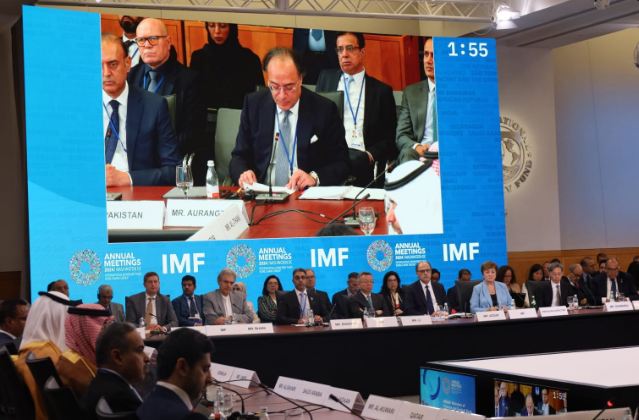
ISLAMABAD, OCT 23 /DNA/ – Finance Minister Muhammad Aurangzeb attended the meeting of the Managing Director of the IMF with Finance Ministers, Central Bank Governors, and Heads of Regional Financial Institutions of the MENAP region.

In his intervention, he emphasized the need for the IMF to embed social protection measures in its lending frameworks.

The Finance Minister urged the Fund to focus on enhancing climate resilience financing and to continue expanding debt relief and concessional financing mechanisms to support vulnerable nations.

He welcomed the incorporation of emerging challenges such as climate-related risks, domestic public debt, and complex debt restructuring scenarios in the review of the Low-Income Countries Debt Sustainability Framework (LIC-DSF).

Empowering Voices: Rural women demand education and equality at PODA conference

education

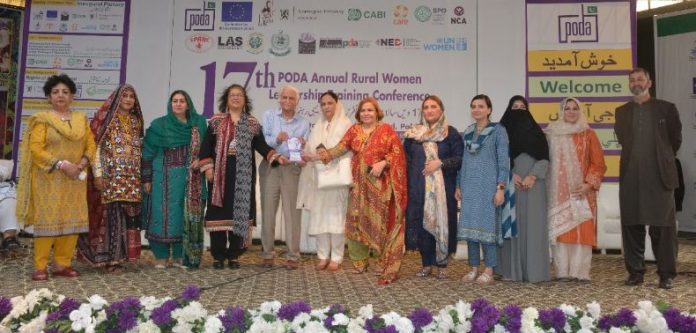
ISLAMABAD, OCT 23 /DNA/ – Addressing a vibrant audience of women from 130 districts representing four provinces and regions of Gilgit-Baltistan and AJK at the 17th Annual Rural Women Leadership Training Conference organized by PODA, Dr. Shahida Rehmani, Chairperson of the Women Parliamentary Caucus, said, “No one except women understands their own issues and the solutions to those issues.” She said that she will raise the proposal to declare October 15th as ‘National Rural Women’s Day’ at the policy-making level on all available platforms.”

At the Rural Women Conference, approximately 1,500 participants from 130 districts, representing 150 community-based organizations, came together to amplify a collective voice addressing core issues, including the alarming rates of gender-based violence and online and workplace sexual harassment. The speakers and rural women leaders unanimously advocated for the right to education, specifically Article 25-A of the Constitution, which guarantees education for children aged 5 to 16 years, viewing it as a vital safeguard against gender-based violence.

The women leaders also called for declaring “agriculture fields as workplaces,” a step that would reduce discrimination against women farmers and enable them to receive their fair share of government policies and services, such as loan

During the session, the Deputy Speaker of the Balochistan Assembly, Ghazala Gola, shared her experience from Sohbatpur district, where women often lack individual status or identity. She informed the rural women leaders that her party is drafting a bill in the provincial assembly to raise the minimum marriage age for girls from 16 to 18.

The first main strategy session focused on “Women’s Rights Commitments in Political Parties’ Manifestos 2024: Joint Review for Future Actions by Rural Women and Parliamentarians.” Women politicians and members of parliament from PPP, ANP, PML-N, JWP, and JI spoke on the subject, supporting the idea of women’s empowerment. Senior parliamentarian and PPP Senator Farhatullah Babar referred to the rural women leadership conference as a significant intellectual forum, urging that the thoughts and recommendations shared should not be neglected. He noted that this platform has amplified the voices of rural women and young girls.

Women political workers from various parties called for immediate local government elections and for these local bodies to become fully functional and operational. They demanded representation in local bodies in line with their population proportions. Additionally, they highlighted gender discrimination and expressed the belief that eliminating such discrimination would bolster government efforts to combat religious extremism and improve the socio-economic status of women in the country.

During the second strategy session of the day, titled “Legislation for 18 Years as Minimum Age of Marriage for Girls in Pakistan: Challenges and Opportunities,” the Norwegian Ambassador to Pakistan, H.E. Pur Albert Ilsaas, addressed the women participants. He noted the upbeat mood of the conference, contrasting it with his usual experiences as a foreign diplomat in Islamabad, where he rarely sees women represented. He emphasized that the atmosphere at the conference was quite different.

While discussing Pakistan’s challenges, he stated that increased women’s empowerment and participation in society could help resolve many of these issues more effectively. The ambassador highlighted his embassy and government’s collaboration with PODA on a program aimed at reducing early marriages and ensuring the right to sexual and reproductive health (SRHR). He stressed that this collaboration reflects his government’s seriousness and commitment to the progress of Pakistan and women’s rights in particular.

Advocate Khawaja Zahid Nasim provided an overview of the provincial laws on child marriage, identifying gaps in the current Child Marriage Restraint Act of 1929. Advocate Noureen Mumtaz Chattha presented the Islamic perspective supporting the legal amendment to raise the minimum age of marriage for girls to 18 years, particularly in Punjab.

A large number of women leaders raised their voices and articulated their concerns and demands during the sessions, advocating strongly for the rights of the girl child. A delegation of students representing Girls Guides-Pakistan also participated in the conference and expressed their appreciation for the role of PODA in working to protect the rights of girls through its efforts across the country.

The European Union Delegation to Pakistan, the Norwegian Embassy in Islamabad, Care, Strengthening Participatory Organization, National Endowment for Democracy, SPARC, and CABI supported the three-day conference in Islamabad.

Persistent 8% growth, strategic reforms essential for effective poverty alleviation: Experts

Persistent 8% growth, strategic reforms essential for effective poverty alleviation: Experts

ISLAMABAD, OCT 23 /DNA/ – Pakistan must adopt a strategic shift in social protection policies to tackle poverty and unemployment, with a sustained and responsive 8% economic growth rate over 8-10 years identified as essential to generating sufficient job opportunities.

Achieving this requires a growth-oriented, inclusive, and data-driven approach, alongside comprehensive structural reforms. Key measures include decentralizing program management and prioritizing human capital development to transform social safety efforts into sustainable economic progress.

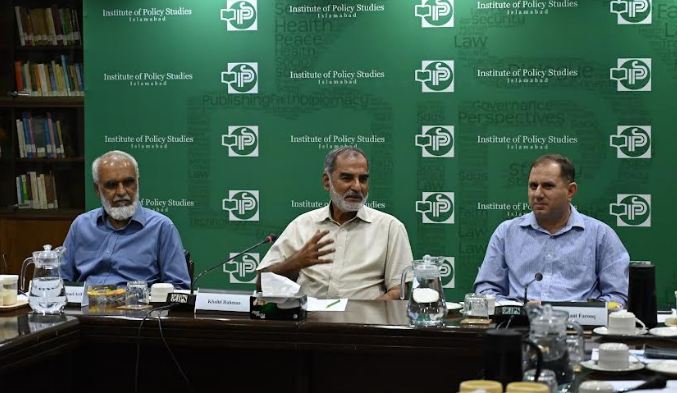
This was discussed during an interactive session on “Poverty Alleviation in Pakistan: Examining the Concept and Performance of BISP” held at the Institute of Policy Studies (IPS), Islamabad. The event, chaired by Dr Ghulam Muhammad Arif, former dean, Pakistan Institute of Development Economics (PIDE), featured insights from Dr Shujaat Farooq, chief of research, PIDE, Khalid Rahman, chairman, IPS, and other experts.

The session critically examined the current state of poverty alleviation efforts in Pakistan, with a focus on the Benazir Income Support Programme (BISP), its effectiveness, and the broader structural challenges facing the country’s social protection programs.

Dr Shujaat Farooq explained that BISP, despite being a significant social safety net, has become heavily donor-driven, with conditions from international organizations like the IMF. This has made it challenging for the government to modify or discontinue the program, despite its limitations, as it has not had a positive impact on poverty alleviation even after 16 years.

He noted that BISP’s current budget, Rs 600 billion, is substantial, but without creating long-term economic opportunities, it remains a temporary relief measure rather than a solution for poverty alleviation.

He pointed out significant data management issues within BISP, where billions in funds are being spent without effective tracking or uniform data usage. Moreover, there is a considerable disparity between national-level data and ground realities, which leads to inaccuracies in identifying and targeting the most vulnerable populations.

The discussion also underscored the manipulation of data by third-party evaluators and NGOs, reducing the reliability of program assessments. Furthermore, over time, embezzlement at the disbursement level and rising operational costs have made the program even less effective.

The panel agreed that the country lacks a consistent social protection strategy. While programs like BISP play a critical role, they are not sufficient by themselves to lift people out of poverty. The lack of improvement in primary education and high fertility rates, along with low access to medical facilities, continue to exacerbate poverty challenges. As such, addressing education and health service gaps is necessary.

The discussion also touched upon the inefficiencies in past initiatives and recent microfinance programs that have fallen short in reducing poverty sustainably. Moreover, the role of international donor agencies was deemed to be suspicious in poverty alleviation. The experts called for a shift in focus, prioritizing actual outcomes over obtaining easy grants or soft loans. They highlighted the importance of integrating government programs to create a cohesive framework that enables a clear path out of poverty, with a better-defined and communicated concept of “graduation” from poverty.

The discussion also identified three major structural issues hindering poverty alleviation: the problematic National Finance Commission award formula that incentivizes poverty without fostering growth, the centralized administration of programs that should have provincial ownership, and the short-term tenure of secretaries who lack ownership of program outcomes.

Decentralizing program management, establishing clear inclusion criteria, and developing strategies to foster human capital were suggested as crucial reforms. Experts recommended a comprehensive plan that addresses chronic, transient, and urban poverty, with tailored interventions for each.

To address the opportunity crisis, the experts stressed the importance of investing in human capital and infrastructure, especially in regions with high potential but limited resources. Skill development programs must be designed to genuinely empower youth and enhance their employability while addressing the mismatch between training programs and workforce demands.

Khalid Rahman emphasized that BISP’s reliance on external conditions over internal strategy must change, advocating for evidence-based discussions to shape more effective social protection policies.

He highlighted that while BISP remains a key social safety net, its continuation has been driven more by external conditions than by a robust internal strategy. The challenges that Pakistan is facing can be addressed by growth-oriented, inclusive social protection policies that drive sustainable economic progress, alleviate poverty, and create lasting job opportunities across Pakistan.

Team Teach for Pakistan clinch victory in their street cricket match against Team UK

Team Teach for Pakistan clinch victory

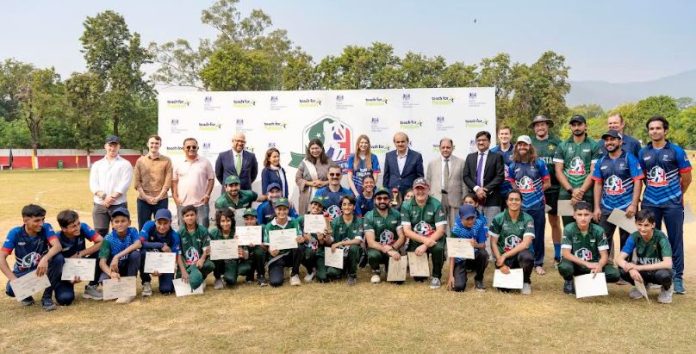
ISLAMABAD, OCT 23 /DNA/ – The British High Commission brought together Teach For Pakistan, the Lahore Qalandars, Pakistan Cricket Board (PCB) Female players and the Barmy Army for a street cricket match in Islamabad College for Boys, G6/3, with support from the Ministry of Federal Education and Professional Training (MoFEPT). This marks the arrival of the England cricket team to Islamabad as they prepare for their third and final match in the nail-biting UK-Pakistan series. 

After a thrilling competition, Team Teach for Pakistan won the match by 5 wickets and with

 6 balls remaining. 13 years old Saim Hussain was awarded the Player of the Match winning a bat, signed by the England Cricket Team, provided by the England Cricket Board (ECB) for this match.

Team Teach for Pakistan won the toss and decided to ball first. Team UK in Pakistan set the target of 104 runs in 10 overs and Team Teach for Pakistan while chasing the target scored 110 runs in 9 overs. 

The UK is committed to supporting educational initiatives and cultural exchanges through sports. With UK funding, Teach For Pakistan have trained over 500 talented university

 graduates and young professionals through a two-year fellowship. Fellows are trained to improve learning outcomes of their students, and work in struggling schools in low-income communities. Over 34,000 students have benefitted, including nearly 23,000 girls.

British High Commissioner, Jane Marriott CMG OBE said: ‘It was electric to see seasoned professionals like Tania Saeed, Humna Bilal, Syed Faridoun Mehmood and Salman Fayaaz play with students who are clearly the future

 of Pakistan’s cricket! I can’t wait to see the kids in today’s match one day play against England in a future test match series.’ 

CEO of Teach For Pakistan, said: “A happy and safe learning space where students look forward to

participating in intellectually and physically invigorating activities is the bedrock of Teach For Pakistan’s approach to whole child

 development. Today’s match is yet another stride in that direction via our partnership with FCDO and the Ministry of Federal Education and Professional Training,” 

Mohyuddin Ahmad Wani, Secretary Ministry of Federal Education And Professional Training, said:

“I am thrilled to see everyone blooming in the spirit of cricket today. It is an absolute honour to host players of the English Cricket Team, Syed Faridoun Mehmood

 and Salman Fayyaz from the Lahore Qalandars, Tania Saeed and Humna Bilal from the Pakistan women’s team, and team of the British High Commission.Thank you for gracing us with your presence and inspiring our young players. My heart is overjoyed to see such

 enthusiastic participation by everyone and it makes us more excited to see what’s coming ahead”.=DNA

America’s Freedom of Opinion: Equality or Exclusivity?

Qamar Bashir

Qamar Bashir 

To truly understand a society, community, county, or country, the best approach is to engage directly with the people on the ground. Sitting comfortably in rooms or making high-level analyses from afar may be intellectually easy, but such approaches often lack genuine insight and fail to capture the true spirit, aspirations, fears, and realities of the community members. I had the unique opportunity to be part of Working America, an affiliate of the American Federation of Labor and Congress of Industrial Organizations (AFL-CIO), hired by the Democrats to conduct a house-to-house survey across Michigan. This grassroots initiative aimed to explore the preferences of local communities regarding Michigan’s future, identify the biggest issues they face, and gauge their thoughts on the presidential candidates best equipped to address those challenges. This experience provided invaluable insight into the real concerns of everyday people, bridging the gap between policy discussions and the lived experiences of the population.

Being part of the team conducting surveys across various localities in Michigan provided me with a profound understanding of the communities and the extent of freedom of expression and speech they experienced. A stark and startling realization emerged from these surveys: while the White population generally enjoyed full freedom of speech, many other communities, particularly immigrant groups, lived without such rights.

For example, when we surveyed the Detroit and Dearborn areas, home to predominantly Arab communities, including Lebanese, Yemeni, and Iraqi families. When asked about the most pressing issues affecting them—whether related to the economy, jobs, education, safety, or health—almost all respondents appeared skeptical, visibly fearful, and evasive. Instead of answering, many were more concerned about how we knew their names and became highly protective. Some families even grew hysterical, losing their composure out of fear. Despite the evident poverty, broken roads, litter, and lack of civic amenities in their neighborhoods, few were willing to identify specific concerns, fearing potential repercussions such as immigration-related consequences of being placed on some form of government watchlist. The sense of intimidation and absence of freedom of expression was palpable in these communities, highlighting the deep divide in how different populations experience their rights.

When we canvassed neighborhoods predominantly inhabited by Indian, Pakistani, and Bangladeshi communities, who are mainly concentrated in the Metro Detroit suburbs like Troy, Farmington Hills, Novi, Canton, and Rochester Hills. These areas are home to many professionals in IT, healthcare, and engineering. Pakistanis are well-represented in Troy, Canton, and Sterling Heights, with growing numbers in Warren and Dearborn. The Bangladeshi community is largely concentrated in Hamtramck and Detroit’s east side.

Much like the Arab communities we previously surveyed, these South Asian groups, despite many being American citizens, exhibited a similar reluctance to express their political views. Perhaps out of fear of victimization—whether through the withdrawal of state assistance, harassment by the White majority, or denial of job opportunities—they often hesitated to discuss political matters. Some even feared being falsely implicated in minor legal issues, which could severely damage their careers. When asked whom they would vote for in the upcoming elections, the common response was to avoid the topic, with many stating they do not engage in politics. Their fear of repercussions appeared to suppress their willingness to express opinions, even on broader issues that weren’t specific to their communities.

We also surveyed areas predominantly inhabited by Black communities, we could also sense the fear factor in black but to a much lesser degree compared to the immigrants but much less freedom of expression and opinion compared to the white. This survey prompted me to dive deep into the reasons and factors which prevent the blacks from expressing their opinion and exercising their right of expression. The disparity in freedom of expression between Black and White populations in the U.S. stems from historical, systemic, and institutional factors. The legacy of slavery, segregation, and systemic racism continues to marginalize Black voices, while institutional biases in law enforcement, media, and the criminal justice system often lead to harsher scrutiny and suppression of Black dissent. Economic and social inequities limit access to platforms for free expression, while media misrepresentation and surveillance of Black activism create further barriers. These factors, combined with cultural pressures to self-censor, result in Black Americans often facing more limitations on their freedom of speech compared to their White counterparts.The black though were less fearful compared to immigrants but as the same time they have their fears.

We also get the opportunity to survey the white dominant areas which mainly consist of western Michigan cities like Grand Rapids, Holland, and Muskegon. Northern Michigan, including Traverse City, Petoskey, and the Upper Peninsula cities like Marquette, is overwhelmingly White. Central Michigan cities such as Midland and Mount Pleasant, as well as Detroit’s western suburbs like Livonia and Novi, are also predominantly White.  The first thing which could not escape our notice was the White-dominated areas typically benefit from better landscapes, beautification efforts, and civic amenities.

When we asked the same questions to White populations, instead of reacting with fear or hesitation, they readily stepped out of their doors, listened attentively, and answered each question with ease. They expressed their opinions with a broad smile, freely criticizing either Trump or Harris, Democrats or Republicans, without reservation. They discussed any issue under the sun without any fear of intimidation or reprisal. This stark contrast prompted me to seek a historical context for why White Americans enjoy greater freedom of expression in the U.S.

The reason, as I discerned, lies in their historical dominance, institutional power, cultural acceptance, and less scrutiny. Since the country’s founding, White populations have held social, economic, and political power, which allowed them to shape laws and institutions that protect their voices. Their perspectives have often been regarded as the societal norm, granting them broader acceptance and significantly less pushback compared to minority groups. Additionally, White Americans face less scrutiny and fewer legal consequences when expressing controversial views, and their economic advantages provide them greater access to platforms for free speech, reinforcing their privileged position in public discourse.

Although the First Amendment of the U.S. Constitution prohibits laws that curb freedom of speech, expression, or opinion, this protection seems to disproportionately favor White Americans, as other communities often do not experience the same freedoms in practice.

The Multifaceted Advocacy of Shevolution

The Multifaceted Advocacy of Shevolution

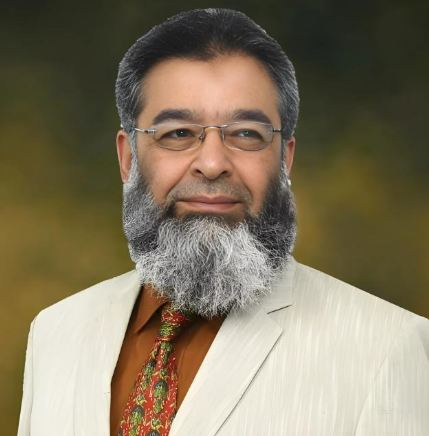
Dr. Muhammad Akram Zaheer


The “Shevolution” advocacy for women’s empowerment and the promotion of gender equality. Over the decades, gender equality has been a cornerstone of feminist movements, which have tirelessly fought against the patriarchal norms that limit women’s access to rights, education and employment. The “Shevolution” emphasizes the necessity of addressing systemic inequalities that manifest through unequal pay, lack of representation in leadership, gender-based violence and restricted reproductive rights.

For instance, the persistent gender pay gap continues to be a critical issue. Studies highlight that women, on average, earn less than their male counterparts for the same roles, an issue exacerbated by factors such as occupational segregation and discriminatory hiring practices. “Shevolution” calls for legislative reforms that enforce equal pay and create a more equitable workplace environment. Similarly, the movement advocates for greater representation of women in leadership positions across various sectors, challenging the traditional belief that leadership is a male prerogative.

In this context, “Shevolution” can be seen as a movement aiming to empower women by breaking the ‘glass ceiling’ that has hindered their professional growth and autonomy.Furthermore, the theory emphasizes reproductive rights as an essential aspect of women’s autonomy. Women’s ability to make informed decisions about their bodies and reproductive health is crucial for their empowerment. Consequently, “Shevolution” aligns itself with the broader feminist agenda of advocating for reproductive justice, which includes access to safe and affordable healthcare, contraception and the right to choose.


“Shevolution” also signifies a cultural evolution that seeks to transform how women are viewed and represented in society. Historically, traditional gender roles have dictated specific behavioral norms for women, often relegating them to secondary or supportive positions. The “Shevolution” movement challenges these outdated stereotypes, encouraging women to pursue opportunities in fields that were once considered predominantly male domains, such as politics, business, media and technology.A critical aspect of this cultural shift is the rise of female role models who have managed to break through societal barriers.

From political leaders like Angela Merkel, Jacinda Ardern and Kamala Harris to business magnates like Mary Barra, Indra Nooyi and Sara Blakely, the world has witnessed the emergence of women who defy traditional expectations and lead by example. Their achievements are a testament to the possibilities that emerge when societies commit to fostering an environment where women can thrive.The media has played a pivotal role in promoting this cultural shift. In recent years, there has been an increase in the portrayal of strong, independent women in films, literature and popular culture. These representations have contributed to redefining the social narrative around femininity and power, demonstrating that women can be as capable, assertive and successful as their male counterparts.

As “Shevolution” continues to gain momentum, the visibility of women in diverse roles becomes a powerful tool for societal change, inspiring future generations to envision a world where gender does not determine one’s potential or opportunities.


A crucial element of the “Shevolution” theory is its intersectional approach to feminism. Intersectionality, a term coined by scholar Kimberlé Crenshaw, refers to the understanding that women’s experiences are shaped not just by their gender, but also by other intersecting social identities, including race, class, sexuality and nationality. Acknowledging these intersections is vital because it allows for a more nuanced understanding of the challenges women face globally.For example, the issues faced by a white middle-class woman in a developed country may differ significantly from those experienced by a woman of color from a low-income background in a developing nation. While the former may struggle with wage disparities and workplace discrimination, the latter might confront systemic issues like access to basic education, healthcare and safety.

The “Shevolution” theory thus advocates for an inclusive approach that addresses diverse forms of oppression, recognizing that achieving gender equality necessitates tackling multiple layers of discrimination simultaneously.Intersectional feminism within the “Shevolution” framework also calls for solidarity among different groups of women. It encourages the feminist movement to broaden its scope, considering the experiences of marginalized women and ensuring that their voices are heard. This inclusive stance is essential for building a more equitable society where all women, regardless of their background, can participate and succeed on an equal footing.


The “Shevolution” theory also emphasizes the significant role women play in driving economic and technological progress. Women have been at the forefront of innovations across various sectors, from technology to entrepreneurship. Despite being historically underrepresented in STEM (science, technology, engineering and mathematics) fields, there has been a steady increase in the number of women pursuing careers in these areas. This shift is essential not only for achieving gender balance but also for fostering innovation, as diverse teams are known to produce more creative and effective solutions.For example, women like Ada Lovelace, who is considered the world’s first computer programmer and Hedy Lamarr, who co-invented the technology that led to Wi-Fi, have laid the groundwork for future generations of women in tech.

In the contemporary era, female entrepreneurs are disrupting industries with innovative startups, ranging from fintech to health tech, illustrating the transformative potential of women in business and technology. “Shevolution” highlights the contributions of women in these fields, advocating for greater support, mentorship and opportunities for women to excel.Economic empowerment is another critical facet of the “Shevolution” movement. Women-owned businesses have seen significant growth, contributing to job creation, community development and economic resilience. However, challenges remain, such as limited access to funding, mentorship and networks, which hinder the growth of female-led enterprises. Addressing these barriers is essential for ensuring that women can fully participate in the global economy.


“Shevolution” represents more than just a movement; it embodies a global transformation aimed at challenging and changing the existing norms that have historically disadvantaged women. By advocating for women’s empowerment, promoting gender equality and encouraging a cultural shift towards inclusivity, “Shevolution” is paving the way for a future where women can thrive on equal terms. The theory’s emphasis on intersectionality ensures that the movement addresses the diverse experiences and challenges faced by women across the world, promoting solidarity and unity. Furthermore, by acknowledging the significant role of women in economic and technological spheres, “Shevolution” seeks to harness the full potential of women, driving innovation and economic growth.

Stay Connected

64FansLike
60FollowersFollow

Latest Reviews

Exchange Rates

USD - United States Dollar
EUR
1.17
GBP
1.35
AUD
0.67
CAD
0.73