Home Blog Page 563

Justice or political targeting?

Justice or political targeting?

In a development that has sent shockwaves through Pakistan’s political landscape, several senior leaders of Pakistan Tehreek-e-Insaf (PTI), including the Leader of the Opposition in the Punjab Assembly, have been sentenced to ten years in prison in connection with the May 9 incident. While there can be no disagreement that those who break the law must be held accountable, the line between justice and political persecution is growing increasingly blurred.

There is no doubt that the events of May 9, 2023, were deeply troubling. Acts of vandalism, arson, and attacks on military installations are unacceptable in any democratic state. Those found guilty through a transparent judicial process must face consequences. However, what is equally important is that justice must not only be done but must be seen to be done — and that includes ensuring due process and avoiding the appearance of selective or politically motivated trials.

In the current case, the optics are difficult to ignore. With nearly all top PTI leaders now behind bars or facing long-term disqualification, one cannot help but question whether the true goal is justice or political annihilation. The Punjab government’s role in this is especially concerning. Rather than demonstrating political maturity and engaging with its opponents, it appears to be pursuing a scorched-earth strategy — one that aims to clear the field of any viable opposition.

This is not how democracies function. The elimination of political rivals through the courts — even under the veneer of legality — is a dangerous precedent. Today, the government may believe it is securing stability or clearing space for unchallenged governance, but tomorrow, the same instruments of state power could be used against them. Political vendettas dressed up as accountability are a game no one wins in the long term.

More importantly, the marginalization of a major political force like PTI, which still commands a substantial support base across the country, weakens the democratic fabric of the state. A healthy democracy thrives on competition, dialogue, and the ability of all political actors to participate freely and fairly. By sidelining opponents through legal overreach or administrative muscle, the state risks fostering resentment, polarization, and long-term instability.

Pakistan’s fragile democracy does not need another era of political engineering. It needs inclusivity, a commitment to constitutionalism, and an end to the cycle of winner-takes-all politics. The courts must ensure that justice is blind — not selective. And the government must remember that a strong democracy is built not by eliminating dissent, but by engaging with it.

If Pakistan is to move forward, it must resist the temptation to use accountability as a political weapon. Law must take its course, yes — but it must do so in a way that commands public confidence and upholds democratic norms. Anything less would be a disservice to both justice and democracy.

Published in daily Islamabad POST print edition as well, on July 24, 2025

Experts call for equity-based reforms to empower youth

Experts call for equity-based reforms to empower youth

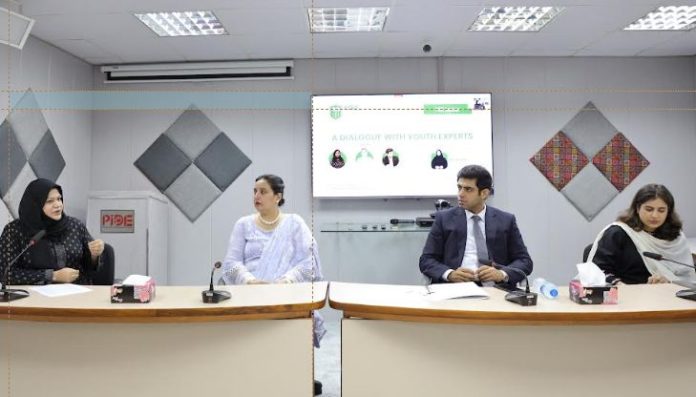
ISLAMABAD, JUL 23 /DNA/ – The Pakistan Institute of Development Economics (PIDE) hosted an insightful seminar titled “Inclusion, Diversity, and Rights: A Dialogue with Youth Experts” on July 23, 2025. The event brought together leading voices from the government and civil society to explore how Pakistan can address the urgent challenges confronting its youth.

Moderated by Dr. Fizzah Khalid Butt, Assistant Professor at PIDE, the discussion featured three distinguished panelists: Ms. Uzma Yaqoob (Executive Director, Forum for Dignity Initiatives), Mr. Ahmed Sultan Butt (Special Assistant to the Minister for Planning, Development & Special Initiatives), and Ms. Huma Jehangir (Program Implementation Lead, Pakistan Youth Change Advocates).

Ms. Uzma Yaqoob began the discussion by addressing the complexities of youth marginalization in Pakistan. While the often-cited statistic that 65% of Pakistan’s population is under the age of 30 is viewed as a demographic advantage, she argued that this potential remains largely untapped due to systemic issues such as poverty, regional inequality, lack of mental health support, and discriminatory social structures.

 She emphasized that youth from diverse backgrounds—particularly those with disabilities, from religious minorities, or from the transgender community—face multiple layers of exclusion. Uzma criticized the state for relying on superficial policies without dedicated financial support and called for inclusive, well-funded, and actionable frameworks that can address the real needs of young people.

She stressed that the government should move beyond rhetoric and ensure meaningful representation, particularly in policymaking, education, and climate discourse.

Representing the government’s perspective, Mr. Ahmed Sultan Butt detailed the official vision for youth development under the “URAAN’ Pakistan” initiative, which outlines a strategic roadmap through 2029. This vision focuses on five key pillars: transitioning to an export-led economy, promoting clean energy, embracing the digital revolution, building resilience to climate change, and fostering ethics and equity.

 Ahmed Khalid Butt highlighted government programs such as the Young Peace and Development Corps, which aims to engage one million youth in civic dialogue and skill-building through university-based chapters. He also discussed large-scale investments in Centers of Excellence in fields like cybersecurity, artificial intelligence, and industrial automation. These initiatives, he said, are designed to make youth employment-ready while also shifting the state’s approach from job patronage to empowerment and service delivery.

Responding to audience concerns, Mr. Ahmed acknowledged the need for safe and walkable cities and emphasized the importance of local governance in ensuring inclusive urban planning and effective service delivery.

Ms. Huma Jehangir addressed the dire state of youth health in Pakistan, especially the rising incidence of non-communicable diseases (NCDs) such as diabetes. Alarmingly, over 33 million people in Pakistan suffer from diabetes, with a significant portion under the age of 30.

Despite some government interventions like health cards and cardiovascular centers, the mental health crisis remains neglected. She pointed out that educational institutions lack even basic counseling units, while community-level support systems are nonexistent. Huma emphasized the urgent need to recognize mental health as a public health crisis and to treat equity—not equality—as the central principle of policy design.

Different youth segments face different challenges, and interventions must be tailored to reflect this diversity, particularly in underprivileged regions like Balochistan.

Throughout the seminar, panelists stressed that real inclusion must be structural, not symbolic. Inclusion cannot be limited to urban, educated, able-bodied youth; it must encompass students, domestic workers, child laborers, and marginalized communities. Ms. Uzma Yaqoob passionately advocated for the political participation of transgender individuals, including dedicated seats in provincial and national assemblies.

She challenged the audience and policymakers alike to question whether institutions are truly ready to be inclusive—not just in rhetoric, but in infrastructure, faculty training, and policy execution.

The panel also discussed the role of NGOs and civil society organizations as vital actors in youth engagement, particularly given their access to grassroots communities. However, she lamented the growing suspicion and resistance faced by NGOs, which hinders their ability to support youth effectively.

Audience raised critical questions about linguistic diversity, walkability of cities, and how to measure the actual impact of government initiatives. In response, Ahmed Sultan Butt reiterated that inclusive urban planning is being addressed through task forces and reforms in ICT governance. He emphasized that political stability, continuity of policy, and devolution of power to local governments are prerequisites for meaningful reform.

On the issue of transgender inclusion, both Mr. Ahmed and Ms. Uzma stressed the importance of national identity registration as a gateway to access education, health, and economic opportunities.

In conclusion, all panelists agreed that while numerous youth-focused initiatives exist, their effectiveness depends on implementation, monitoring, and alignment with ground realities. They called for policy design that is participatory, inclusive, and grounded in equity.

Dr. Fizzah Khalid Butt closed the session by highlighting that Pakistan’s youth represent immense potential, but without responsive policies and inclusive practices, this demographic dividend could turn into a liability. The seminar was a call to action for academia, policymakers, and civil society to co-create an environment where all young people—regardless of gender, ability, region, or economic status—can thrive and contribute meaningfully to national development.=DNA

=========

Taxes on Mobile Devices: It’s FBR, Not PTA

Taxes on Mobile Devices: It’s FBR, Not PTA

Muhammad Farooq

FBR taxes and duties—commonly referred to as PTA taxes on mobile phones—have become a growing concern across Pakistan, affecting users from all walks of life. In a country with a rapidly expanding digital landscape, mobile phones are more than just devices—they are essential tools for communication, commerce, education, and daily living.

With over 198 million mobile subscribers, a teledensity of 80.10%, and more than 150 million broadband users (penetration rate of 60.14%), the telecom sector continues to thrive. In this context, mobile connectivity is deeply integrated into the everyday lives of citizens.

Yet, a widespread and persistent misconception remains that the Pakistan Telecommunication Authority (PTA) is responsible for the FBR taxes and duties imposed on mobile phones. This is not only inaccurate but also misdirects public frustration away from the actual authority: the Federal Board of Revenue (FBR).

FBR’s Role in Mobile Phone Taxes and Duties

In reality, all mobile phone taxes and duties-related matters fall under the jurisdiction of the Federal Board of Revenue (FBR), not PTA. The organization responsible for setting and collecting all mobile device levies (taxes and duties) is the FBR, not the PTA.

The FBR is the sole institution responsible for defining, imposing, and collecting taxes and duties on mobile devices in Pakistan. It has issued key regulations and various statutory notifications such as S.R.O. 50(I)/2019, S.R.O. 51(I)/2019, and Customs General Order No. 01 of 2019, along with subsequent amendments.

Additionally, the FBR publishes updated duties charts based on different models and market categories, which can be accessed on the FBR website. All payments made during the device registration process are deposited directly into FBR’s account.

Attributing such levies to PTA is misinformation and shifts liability away from the actual organization. PTA neither levies nor collects any taxes and duties on mobile phones; its actual role is regulatory, involving technical evaluation and support. This distinction is crucial but often overlooked, particularly in online discussions, social media posts, and even marketplace conversations, where the term “PTA tax” is casually thrown around.

What is DIRBS and How Does It Work?

To understand the process of mobile device registration, it is important to look at the Device Identification, Registration and Blocking System (DIRBS). Launched in 2019 under the broader framework of the Telecom Policy 2015, DIRBS ensures that all mobile devices in use meet quality and authenticity standards.

It prevents the use of non-compliant, smuggled, or counterfeit devices by identifying and blocking those with lost/stolen, fake, tampered, cloned, or duplicate IMEIs. The system adheres to both GSMA international standards and PTA’s type approval criteria.

DIRBS is fully automated and links PTA, FBR, GSMA, mobile network operators, and users into a unified digital ecosystem that enforces device compliance.

Mobile users can register their phones via:

  • Dialing *8484#
  • Visiting the DIRBS web portal (https://dirbs.pta.gov.pk)
  • Visiting any cellular mobile network franchise

Once a user submits device IMEI(s) for registration, FBR, through its system WeBOC, generates a Payment Slip ID (PSID) based on the applicable taxes and duties. The user then pays this amount directly to FBR’s account by visiting any commercial bank in Pakistan.

It is essential to note that all payments go to FBR—not PTA. PTA does not charge even a single penny for individual registration. Upon successful payment and confirmation from the FBR, the device IMEIs are shared with Mobile Network Operators (MNOs), enabling them to operate on Pakistani mobile networks.

Consumers can check their mobile device registration status by:

  • Sending the IMEI number to 8484 via SMS
  • Visiting the PTA website
  • Using the DIRBS (DVS) app

FBR Revenue and Overseas Pakistani Incentives

Since the introduction of DIRBS in 2019, individual mobile users have paid approximately Rs. 83 billion in taxes and duties to the FBR. When commercial import duties are included, the total rises significantly.

To encourage overseas Pakistanis to comply with legal registration requirements, the government has introduced incentives and facilities:

  • A 10% discount on taxes/custom duties for international travelers if the device is registered within 60 days of arrival
  • A 120-day temporary tax-free registration window for one mobile device per visit

These measures provide relief and promote legal imports while discouraging black-market alternatives.

Where to Seek Help?

For tax-related inquiries, users are advised to contact:

For registration or technical issues, PTA can be contacted at:

  • Helpline: 0800-55555
  • Complaint Management System, call centers, emails, and walk-in services

Despite being wrongly blamed for mobile taxes and duties, PTA continues to support telecom consumers across the country. On average, 150 to 200 people visit the PTA headquarters daily for assistance with registration, IMEI compliance, or device activation issues. In 2024 alone, PTA received and resolved 199,722 DIRBS-related complaints.

PTA’s Broader Role: Regulation, Industry Growth & Consumer Protection

Parallel to its regulatory functions, PTA also plays a vital role in developing Pakistan’s local mobile phone manufacturing industry. In 2024, over 31 million devices were produced locally. Between January and May 2025, another 12.05 million devices were manufactured.

These figures signal a promising shift toward import substitution and greater economic self-reliance.

PTA’s contributions to the national exchequer are also significant, with:

  • Rs. 112.71 billion deposited in 2021–22
  • Rs. 99 billion in 2022–23
  • Rs. 54 billion in 2023–24

These revenues arise from regulatory activities such as license fees, spectrum auctions, and compliance penalties—not from mobile taxes and duties.

PTA also ensures service quality across Pakistan. It conducts regular Quality of Service (QoS) surveys and issues show-cause notices, followed by fines for licensees who fail to meet their obligations.

In addition, PTA plays a key role in monitoring and regulating online content under the Prevention of Electronic Crimes Act (PECA)—blocking access to illegal material such as hate speech, pornography, and content harmful to children.

The Need for Tax Reform

To address public dissatisfaction with mobile taxes and improve compliance, policymakers may consider revising the current duties structure. Suggested reforms include:

  • Reducing duties on older or mid-range devices, using the GSMA TAC database
  • Adjusting duty slabs for high-end smartphones to encourage legal registration

Such reforms would expand the legal tax net and support revenue generation without overburdening the public.


Conclusion

While FBR mobile phone taxes and duties are a necessary source of national revenue, criticism and concerns regarding high mobile taxes should be directed to the FBR—not the PTA.

The Pakistan Telecommunication Authority (PTA) is a regulatory body, not a tax-collecting agency. Understanding this distinction between regulation and taxation is crucial for fair public debate, informed policy advocacy, and responsible journalism.

A better-informed public can help drive smarter dialogue and policy reforms that support digital inclusion, legal imports, and a stronger digital economy in Pakistan.

ICCI all set to host “Pak-Qatar Business Expo 2025” in Doha

ICCI all set to host “Pak-Qatar Business Expo 2025” in Doha

ISLAMABAD, JUL 23 /DNA/ – In a landmark move to promote Pakistan’s investment landscape and foster stronger economic relations with Qatar, the Islamabad Chamber of Commerce and Industry (ICCI) is all set to organize the two-day “Pak-Qatar Business Expo 2025” on 25th and 26th July at the prestigious Holiday Inn Doha.

This high-profile event is expected to open new vistas of economic cooperation and business partnerships, particularly in the real estate, construction, and industrial sectors. A 60-member delegation led by ICCI President Nasir Mansoor Qureshi, comprising prominent business leaders and top marketing officials from Pakistan’s leading real estate entities—including DHA Islamabad, Lahore, and Multan—will represent the country at the Expo.

The visit also features several high-level sideline meetings, including scheduled interactions at the Doha Chamber of Commerce and Industry, and dignitaries at the Embassy of Pakistan in Doha. These engagements aim to build institutional linkages and lay the groundwork for future joint ventures and economic cooperation between the two brotherly nations.

According to Nasir Mansoor Qureshi the initiative highlights ICCI’s continued commitment to boost trade, attract foreign investment, and deepen commercial ties with the Gulf region. The Expo is being viewed as a golden opportunity for the vibrant Pakistani diaspora in Qatar to engage with homegrown business leaders and explore meaningful collaborative ventures, he added.

Abdul Rehman Siddiqui, Senior Vice President ICCI—who is already in Doha overseeing the final arrangements- stated:  “The business community, especially the Pakistani entrepreneurs residing in Qatar, are eagerly looking forward to this Expo. It is a moment of pride that ICCI and DHA have joined hands for the collective economic uplift of our country.”

On his part, Nasir Mehmood Chaudhry, Vice President, said that the mega event is poised to be a milestone in bilateral business relations and is expected to yield tangible outcomes in terms of investment generation, trade facilitation, and economic diplomacy.=DNA

==============

Nepal Ambassador calls on Chairman Senate Syed Yousuf Raza Gilani

Nepal Ambassador calls on Chairman Senate Syed Yousuf Raza Gilani

ISLAMABAD, JUL 23 /DNA/ – Chairman Senate Syed Yousuf Raza Gilani has said that Pakistan attaches great importance to its fraternal relations with Nepal, which are deeply rooted in shared history, cultural ties, and mutual respect. Reaffirming Pakistan’s commitment to further strengthening bilateral relations, he emphasized that high-level exchanges play a vital role in deepening cooperation between the two countries. He underscored the need to increase the frequency of such engagements.

Chairman Senate made these remarks during a meeting with the newly appointed Ambassador of Nepal to Pakistan Rita Dhital, held in Islamabad. He warmly congratulated the Ambassador on his appointment and extended his best wishes for a successful diplomatic tenure in Pakistan.

During the meeting, Chairman Senate acknowledged that the current volume of trade between Pakistan and Nepal does not reflect the true potential and goodwill that exists between the two nations. In the fiscal year 2024–25, bilateral trade amounted to only USD 6.47 million. He expressed satisfaction over the growing cooperation in the defense sector, noting that Pakistan had offered 101 training slots free of cost to the Nepalese armed forces, 31 of which have already been utilized.

On the topic of educational cooperation, Chairman Senate highlighted that under the Pakistan Technical Assistance Programme (PTAP), 25 scholarships are awarded annually to Nepali students. He affirmed that this initiative will continue in the future.

Emphasizing the potential for religious tourism, Chairman Senate noted the shared Buddhist heritage between Pakistan and Nepal. He called for transforming the historic links between Taxila and Lumbini into tangible tourism opportunities and extended an invitation to Nepali citizens to visit Pakistan for religious tourism.

He also expressed concern over the adverse impacts of climate change faced by both countries and stressed the importance of close cooperation at the bilateral, regional, and global levels. Chairman Senate reiterated Pakistan’s desire to see SAARC revitalized as an effective platform for regional cooperation in South Asia. He appreciated Nepal’s role as the current Chair and host of SAARC and expressed hope for the full resumption of its functions in the near future.

In conclusion, Chairman Senate conveyed his best wishes for the Ambassador’s successful and productive tenure in Pakistan. The Ambassador thanked the Chairman and agreed with his views.

British High Commissioner calls on PM Shehbaz

British High Commissioner calls on PM Shehbaz

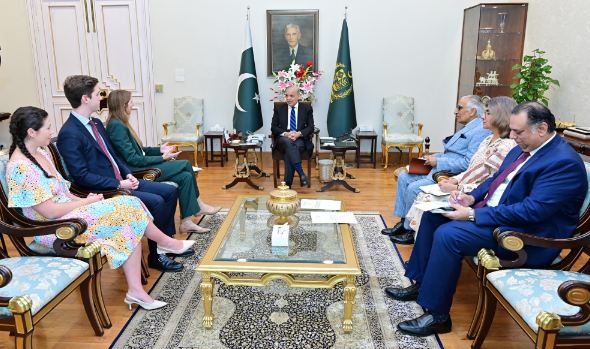
ISLAMABAD, JUL 23 /DNA/ – British High Commissioner to Pakistan, Ms. Jane Marriott, called on Prime Minister Muhammad Shehbaz Sharif at the Prime Minister’s House earlier today.

During the meeting, the Prime Minister conveyed his warm wishes for His Majesty King Charles III and Prime Minister Keir Starmer and said he looked forward to his meeting with the U.K. leadership later this year. He welcomed the U.K. Government’s recent decision to resume PIA flights to and from the U.K., which he said, would go a long way in alleviating the hardships faced by the British Pakistani community as well as enhancing people-to-people exchanges. He particularly appreciated the role of the High Commissioner in this regard.

On Pakistan-U.K. relations, the Prime Minister expressed satisfaction at the positive trajectory of bilateral cooperation and said that the recently held trade talks between the two countries would lead to mutually beneficial opportunities for both sides. He said Pakistan was also cooperating closely with the U.K. at the UN Security Council, where Pakistan currently held the monthly Presidency.

The regional situation in South Asia and the Middle East was also discussed. The Prime Minister expressed his appreciation for the U.K.’s role in de-escalation of tensions during the Pakistan-India stand off and reiterated that Pakistan was ready for a meaningful dialogue with India on all outstanding issues.

The U.K. High Commissioner thanked the Prime Minister for receiving her and briefed him about her recent visit to London, where she had extensive consultations on enhancing Pakistan-U.K. bilateral ties.

She lauded the Government’s economic performance in the last year and a half, under the vision and leadership of the Prime Minister, which had brought about a significant improvement in all key macro-economic indicators. She also shared with the Prime Minister, the U.K.’s perspective on regional developments in South Asia and the Middle East.

Total Audit-Flagged Irregularities: Over Rs 17 billion

Deadly crash near Athal chowk Islamabad leaves four dead, four injured

Minister Distances Himself from Gorakh Hills Audit Scandal, Blames Predecessor

Tourism Minister Syed Zulfiqar Ali Shah says no funds were spent during his tenure; blames ex-Chairman PPP MNA Rafiq Ahmed Jamali for financial mismanagement.

By Nazir Siyal / DNA


KARACHI: An important meeting regarding the Gorakh Hill Station was chaired by Sindh Minister for Culture and Tourism, Syed Zulfiqar Ali Shah.

The meeting was attended by the acting secretary, Director General of Gorakh Hill Station, MD Tourism, and other concerned officials.

The participants expressed grief over recent unfortunate incidents involving tourists in northern areas and offered prayers for the deceased.

Minister Syed Zulfiqar Ali Shah was briefed on the current situation of Gorakh Hill Station, including developmental works and funding, after the dissolution of the Gorakh Hill Authority.

The Minister issued strict instructions for action against corruption and irregularities in Gorakh Hill Station’s funds.

He revealed that no new budget or funds have been issued since the hill station was merged into the Department of Culture and Tourism.

Syed Zulfiqar Ali Shah clarified that since the merger, no new corruption cases have surfaced.

He emphasized that the Auditor General’s report highlighting irregularities is from two years ago, during the time when Gorakh Hill operated as an independent authority.

He announced that the Culture and Tourism Department has decided to refer past corruption matters related to Gorakh Hill to the Anti-Corruption Establishment and NAB (National Accountability Bureau).

Furthermore, he stated that the recruitment of surplus employees at the hill station has been canceled and inquiries have been initiated.

Strict action is being taken against officers, contractors, and employees found involved in corruption.

With the special attention of Chief Minister Sindh Syed Murad Ali Shah, a highway-style road is being constructed to improve access to Gorakh Hill Station.

The Minister also highlighted that under the Public-Private Partnership model, providing better facilities and resources for tourists remains a top priority.

Amid a damning audit exposing massive financial irregularities at the Gorakh Hills Station Authority, while, exclusively talking to a Senior Journalist, Sindh’s Minister for Culture and Tourism, Syed Zulfiqar Ali Shah, has publicly distanced himself from the scandal, attributing all questionable transactions to the tenure of former Chairman and PPP MNA Rafiq Ahmed Jamali.

In a formal statement, Minister Shah clarified that he took charge as Chairman of the Authority only a year ago and has not utilized even a single rupee from the Rs 250 million grant allocated to the Authority under his leadership. “No payments have been made during my tenure, neither to contractors, daily wage staff, nor to any contract employees,” he stated.

He further noted that no official meetings of the Gorakh Hills Authority have taken place during his chairmanship, reinforcing his stance of non-involvement in any of the audit-flagged transactions.

Minister Shah affirmed that while the Culture and Tourism Department’s other projects have been executed with transparency and in full compliance with rules, Gorakh Hills remains the only project under audit scrutiny. “This is precisely why I have chosen to stay away from its financial operations,” he asserted.

Turning attention to future plans, Shah emphasized his vision to develop Gorakh Hills through a public-private partnership.

He shared that, at his request, Sindh Chief Minister Syed Murad Ali Shah approved a new road project to Gorakh Hills, which will be executed by the Frontier Works Organization (FWO) with provincial government funding.

The Minister also highlighted his ongoing efforts to promote tourism, citing his recent visits to Fort Munro and Koh-e-Murree as part of a broader strategy to develop new destinations and infrastructure to boost domestic and international tourism.

The statement comes as the audit report accuses the Gorakh Hills Authority of awarding fake contracts, overspending by billions, avoiding taxes, and failing to deliver on ground despite years of funding.

The total audit-flagged mismanagement is estimated at over Rs 17 billion.

Minister Shah’s distancing signals potential political tension within PPP ranks, as accountability questions mount and pressure builds for judicial inquiry and recovery of funds misused under previous administrations.

Farewell call: Pakistan attaches great Importance to its ties With Austria: Zardari

Farewell call: Pakistan attaches great Importance to its ties With Austria: Zardari

Outgoing Austrian Ambassador Pays Farewell Call on President

Ansar M Bhatti

ISLAMABAD, JUL 23 /DNA/ – The outgoing Austrian Ambassador to Pakistan, Mrs. Andrea Wicke, paid a farewell call on President Asif Ali Zardari at Aiwan-e-Sadr on Tuesday. The meeting was marked by warmth, goodwill, and a shared commitment to further deepening bilateral ties between Austria and Pakistan.

Also present during the meeting was Federal Interior Minister Mohsin Naqvi, reflecting the significance attached by Pakistan’s leadership to the enduring and growing relationship with Austria.

President Zardari lauded Ambassador Wicke for her dedicated service and her instrumental role in fostering cooperation between the two countries. He appreciated her active engagement across a range of sectors, particularly in promoting people-to-people contact, enhancing trade ties, and exploring new areas of collaboration during her diplomatic tenure in Islamabad.

In his remarks, President Zardari reiterated that Pakistan values its longstanding relationship with Austria and looks forward to further expanding the scope of cooperation in multiple domains. “Austria is a key partner in Europe, and we consider our relationship as both friendly and constructive,” he said.

He particularly emphasized the untapped potential in trade and economic collaboration, noting that both countries could benefit from deeper commercial engagements. President Zardari pointed out that Pakistan offers diverse investment opportunities in tourism, information technology, energy, and infrastructure. “We have vast potential in the tourism sector, particularly alpine tourism, and Austria’s expertise in this field is well-recognized worldwide,” he said, inviting Austrian investors to explore opportunities in Pakistan’s northern mountainous regions.

Speaking on the IT sector, President Zardari highlighted the remarkable growth of Pakistan’s tech industry and its expanding pool of young and skilled professionals. He suggested that Austrian tech firms could greatly benefit by tapping into Pakistan’s human capital. “Our youth are highly talented in software development, AI, and digital services. Austrian companies can benefit from outsourcing and collaboration in this space,” the President added.

Ambassador Andrea Wicke expressed her gratitude to the government and people of Pakistan for their hospitality and cooperation during her tenure. She stated that her experience in Pakistan had been immensely rewarding and that she would continue to advocate for stronger Austria-Pakistan relations even after completing her assignment.

She acknowledged the shared interests and aspirations of the two countries and said Austria was keen to see more business-to-business and cultural exchanges with Pakistan. “Austria values its friendship with Pakistan and is eager to see more Austrian companies explore the Pakistani market,” she added.

Ambassador Wicke also praised the beauty and diversity of Pakistan’s landscapes, expressing admiration for the country’s potential as a tourist destination. She echoed the President’s views that Austria and Pakistan could collaborate meaningfully in the tourism and hospitality industries.

At the conclusion of the meeting, President Zardari congratulated Ambassador Wicke on the successful completion of her diplomatic mission in Pakistan and conveyed his best wishes for her future endeavors. He hoped that the cordial relations between the two nations would continue to flourish under her successor.

The farewell meeting not only celebrated the achievements of the outgoing envoy but also opened a new chapter of optimism for stronger Austria-Pakistan ties in trade, investment, technology, and tourism. It underscored the mutual desire to translate diplomatic goodwill into tangible cooperation that benefits both nations.

Gorakh Hills Station Scam: Fake contracts, same address

Gorakh Hills Station Scam: Fake contracts, same address

Audit reveals Rs 38.5 million awarded to four contractors sharing the same address; Rs 3 billion spent with little on-ground development; gross violations in procurement, tax evasion, and overpayments totaling over Rs 17 billion.

By Nazir Siyal


KARACHI: A massive financial scandal has rocked the Gorakh Hills Development Authority (GHDA), exposing deep-rooted corruption, fake contracts, and gross mismanagement of over Rs 17 billion in public funds.

A government audit of the past eight years has revealed alarming irregularities in project execution, procurement practices, and payments, with little to no visible development on the ground.

At the center of the scandal, four major contractors, Mahewish Shaukat, Muhammad Ali Chauhan, Majid Ali Chauhan, and Rashid Ali Chauhan, received contracts worth Rs 38.5 million.

Shockingly, all four are registered at the same address, House No. 1, Jail Road, PIB Colony, Karachi.

This raises serious questions of collusion and conflict of interest.

Despite a formal audit notice issued on April 10, the Authority failed to respond.

The audit further revealed that the GHDA bypassed tax deductions, including Rs 10 million in stamp duty and Rs 24.3 million in general sales tax, causing significant losses to the exchequer.

Despite receiving Rs 3.046 billion for the development of summer resorts, there has been minimal progress, this amount, Rs 2.868 billion was spent, but no record exists for the remaining Rs 177.8 million.

Procurement procedures were flouted, essential documentation was missing, and standard bidding protocols under SPPRA were ignored.

Worse still, expenditures for incomplete projects ballooned to Rs 9.9 billion nearly triple the original cost, resulting in an excess of Rs 7.36 billion. Equipment worth Rs 60 million was procured at rates grossly inflated by up to 218%.

In one case, a secured advance of nearly Rs 60 million was released to contractors without delivery of material, documentation, or approval.

Another Rs 2.8 billion was lost after a key contract was cancelled post 94% payment for partially completed work, leaving the project abandoned.

The scandal deepens with the award of a Rs 216.6 million tender to M/s FIM Enterprises (Pvt) Ltd, a firm that submitted fake documents and lacked required experience.

The audit report also notes Rs 2.3 billion in unverified repair works and Rs 346 million paid to a blacklisted contractor who illegally demolished parts of the historic Pucca Fort in Hyderabad.

Revisions of project schemes worth Rs 859 million were carried out multiple times within two years, violating planning guidelines and raising suspicion of manipulation for contractor benefit.

Adding to the list of malpractices is the non-deduction of Rs 24.8 million in taxes and duties, further highlighting administrative negligence.

The Departmental Accounts Committee (DAC), in its January 2025 meeting, directed the Culture, Tourism and Antiquities Department to provide records and fix responsibility. However, no satisfactory replies or documents were produced until the finalization of the report.

The audit strongly recommends a high-level judicial inquiry and strict accountability, warning that such malpractices threaten public trust and undermine institutional credibility.

Total Audit-Flagged Irregularities, over Rs 17 billion and Status of Development Projects observed largely Incomplete
Response from GHDA authorities sources as well as non-cooperative
Audit Recommendation,  Immediate inquiry, recovery of funds, and prosecution of those responsible.

When asked the official statement by Minister for Culture and Tourism, Syed Zulfiqar Ali Shah, on Audit Irregularities at Gorakh Hills Station Authority, he tried to fistance Himself from Gorakh Hills Audit Scandal, Blames Predecessor

Minister for Culture and Tourism, Syed Zulfiqar Ali Shah, addressed concerns regarding irregularities highlighted in the audit report of the Gorakh Hills Station Authority.

He clarified that all the financial transactions under scrutiny occurred during the tenure of PPP MNA Rafiq Ahmed Jamali, who previously served as the Chairman of the Authority.

Minister Shah emphasized that he assumed the role of Chairman only one year ago and has not utilized a single rupee from the Rs. 25 crore grant allocated to the Authority.

He stated that no payments have been made under his tenure to any contractors, daily wage workers, or contract employees.

Furthermore, he pointed out that no meetings related to the Gorakh Hills Station Authority have taken place during his tenure.

He added that all other expenditures under the Department of Culture and Tourism have been handled transparently and in accordance with the rules.

However, the Gorakh Hills project is the only one where audit issues have been raised, which is why he has chosen to distance himself from it.

Highlighting his commitment to developing tourism across Pakistan, Minister Shah mentioned his visits to several key tourist destinations, including Fort Munro and Koh-e-Murree.

He expressed his desire to develop Gorakh Hills through a public-private partnership model. On his request, the Chief Minister of Sindh, Syed Murad Ali Shah, approved a budget for the construction of a road leading to Gorakh Hills.

This project will be executed by the Frontier Works Organization (FWO) with funding from the Sindh Government.

Rwanda high commissioner, Chairman CDA discuss cooperation

Rwanda high commissioner, Chairman CDA discuss cooperation

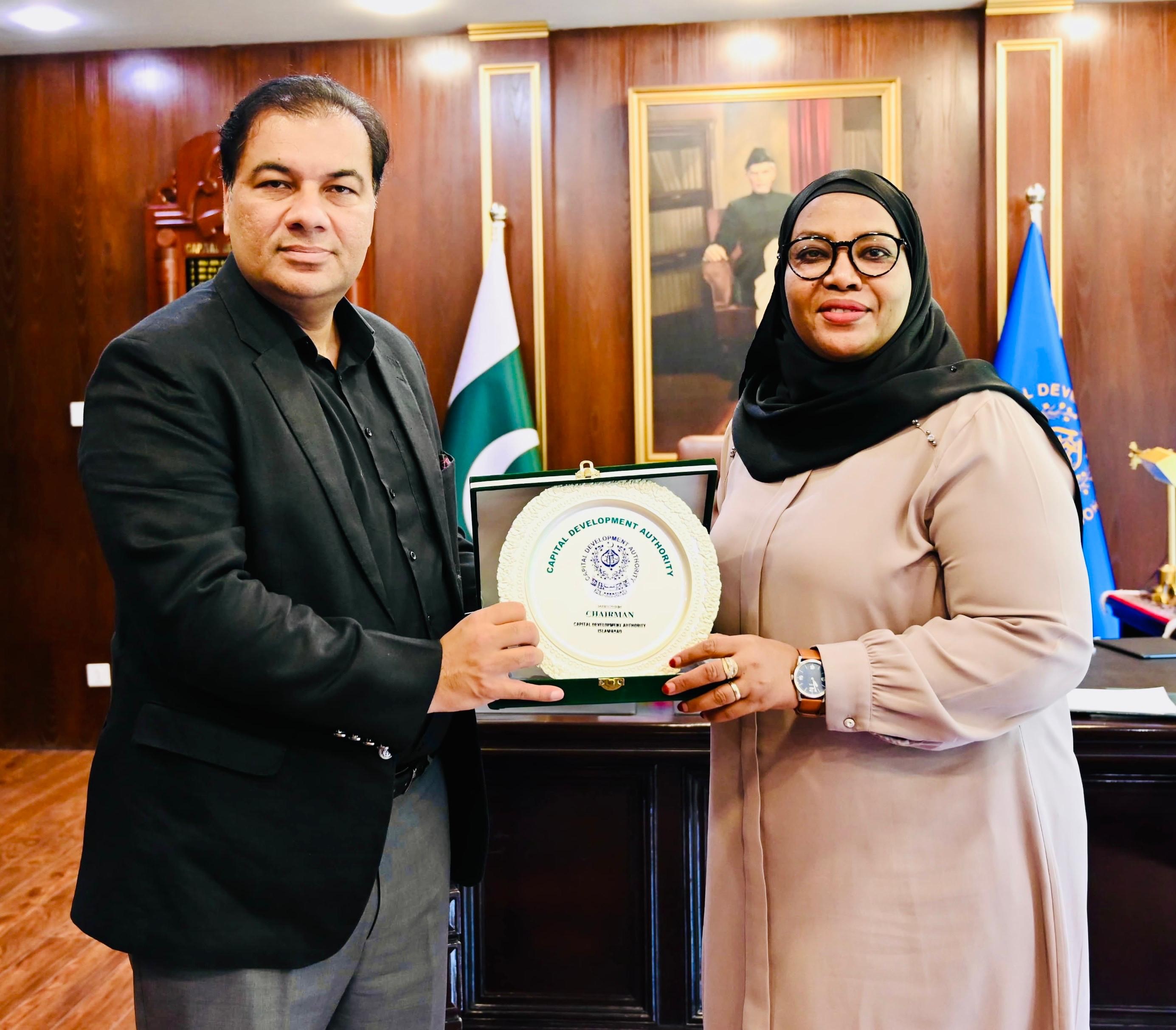
Chairman CDA apprised H.E. Fatou Harerimana, the High Commissioner of Rwanda about the  performance of CDA especially key development projects completed as well as the initiatives currently underway in Islamabad, including the Authority’s vision for transforming the capital into a modern, inclusive, and environmentally sustainable city

DNA

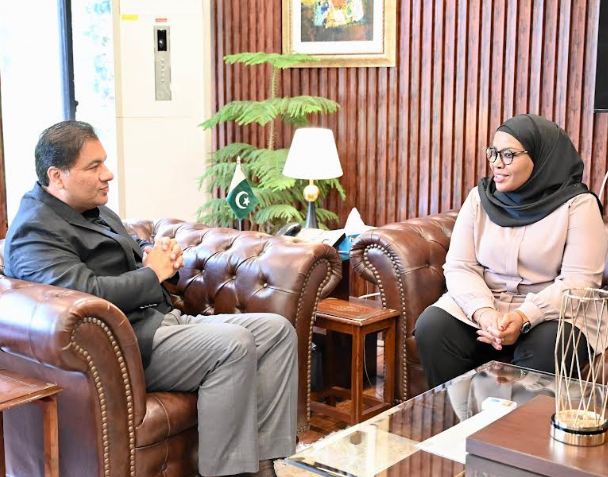
ISLAMABAD, JUL 23: Fatou Harerimana, the High Commissioner of the Republic of Rwanda to Pakistan  called on the Chairman Capital Development Authority (CDA) and Chief Commissioner Islamabad, Muhammad Ali Randhawa at CDA Headquarters today. The meeting held in a very cordial atmosphere in which matters of mutual interest, with a particular focus on strengthening bilateral cooperation in urban development, infrastructure and tourism development with a special focus on sustainable city management came under discussion. 

Chairman CDA apprised H.E. Fatou Harerimana, the High Commissioner of Rwanda about the  performance of CDA especially key development projects completed as well as the initiatives currently underway in Islamabad, including the Authority’s vision for transforming the capital into a modern, inclusive, and environmentally sustainable city. He also said that CDA is working for uplifting of diplomatic enclave, establishing a Safari Park in Islamabad. He highlighted that the proposed Safari Park would feature a jungle-themed environment and close animal encounter experiences transforming Islamabad into a best tourist destination in the years to come due to its pleasant weather and beautification. He said that CDA is also concentrating on   conservation-driven recreational facility for the citizens of Islamabad as well as tourists at large.

Chairman CDA welcomed the idea to establish a sister-city relationship between Islamabad and Kigali the capital of Rawanda, aimed at fostering enduring people-to-people contact, cultural exchange, and collaboration in areas such as municipal management, urban regeneration, and green urban solutions. He emphasized that Rwanda’s expertise in sustainable urban planning and wildlife conservation could be of immense benefit to Islamabad’s future development.

H.E. Fatou Harerimana, The High Commissioner of Rwanda  appreciated CDA’s excellent performance under the leadership of Chairman CDA Muhammad Ali Randhawa for making Islamabad beautiful as well as completion of impressive development projects and expressed Rwanda’s keen interest in enhancing bilateral cooperation, particularly in capital city governance, sustainable development, and eco-friendly capital city. The High Commissioner also expressed Rwanda’s keen interest in learning from Pakistan’s experience in managing capital city development.

Both sides agreed to explore new avenues of collaboration in the areas of smart city solutions, green spaces, tourism development and capacity building through exchange of expertise and institutional linkages.

The meeting concluded on a positive note, with a shared commitment to enhancing people-to-people ties and building strong institutional relationships between Rwanda and Pakistan. At the end, Chairman CDA and Chief Commissioner Islamabad, Muhammad Ali Randhawa presented a souvenir to H.E. Fatou HarerimanaHigh Commissioner of the Republic of Rwanda as a token of friendship, symbolizing the shared ambition of building a lasting partnership between the two nations. This initiative reflects Pakistan’s commitment to international cooperation in mutual respect. Randhawa said, expressing optimism about the future of Islamabad and Kigali the capital of Rawanda collaboration as sister cities in future

Stay Connected

64FansLike
60FollowersFollow

Latest Reviews

Exchange Rates

USD - United States Dollar
EUR
1.17
GBP
1.35
AUD
0.72
CAD
0.73