Home Blog Page 544

Rising Star Hockey team joins ASEAN Kayaking & lake clean-up initiative

Rising Star Hockey team joins ASEAN Kayaking & lake clean-up initiative

Acting Chairman of the ASEAN Committee Islamabad Wunna Han Ambassador of Myanmar, Ambassador of Vietnam Pham Anh Tuan and Ambassador-designate of Indonesia Chandra W Sukotjo also attended the event

Ansar M Bhatti

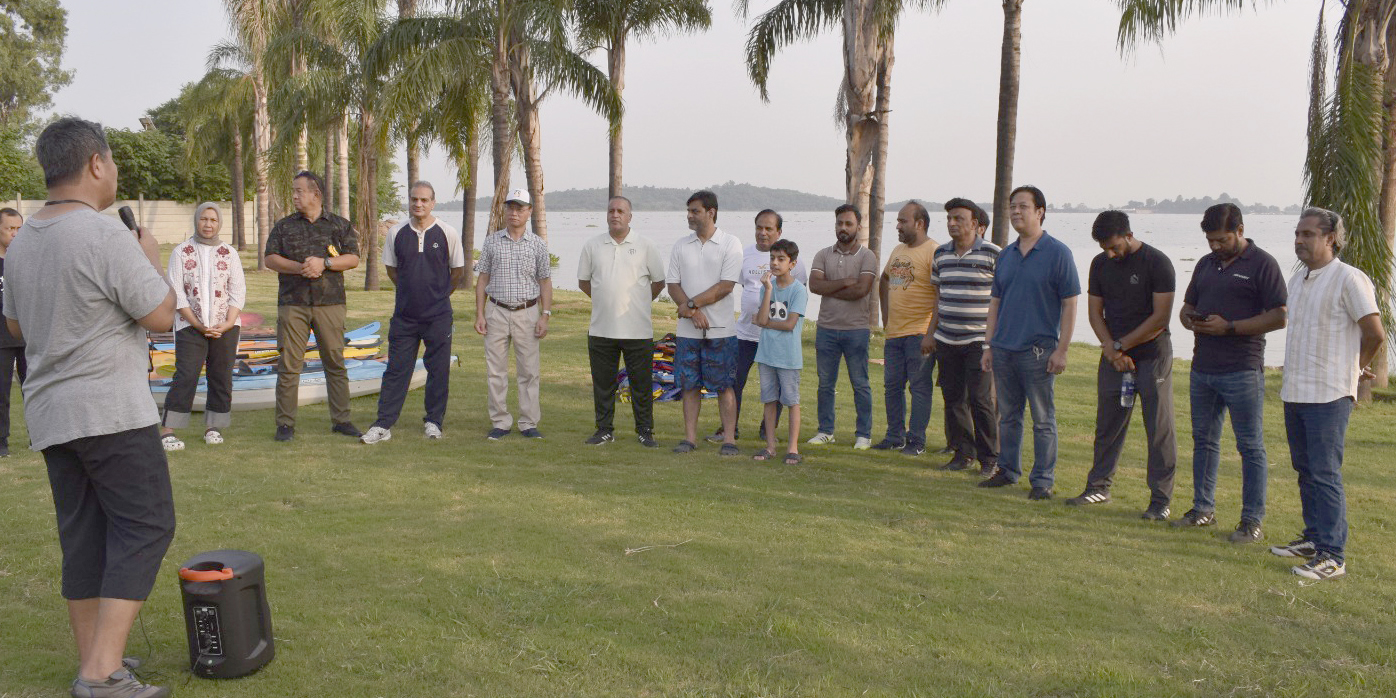
Islamabad,— In a vibrant display of sportsmanship, environmental care, and diplomatic friendship, the High Commissioner of Brunei Darussalam Col ® Kamal Ahmed hosted a special kayaking event at Rawal Lake on Sunday to mark the 58th ASEAN Day celebrations.

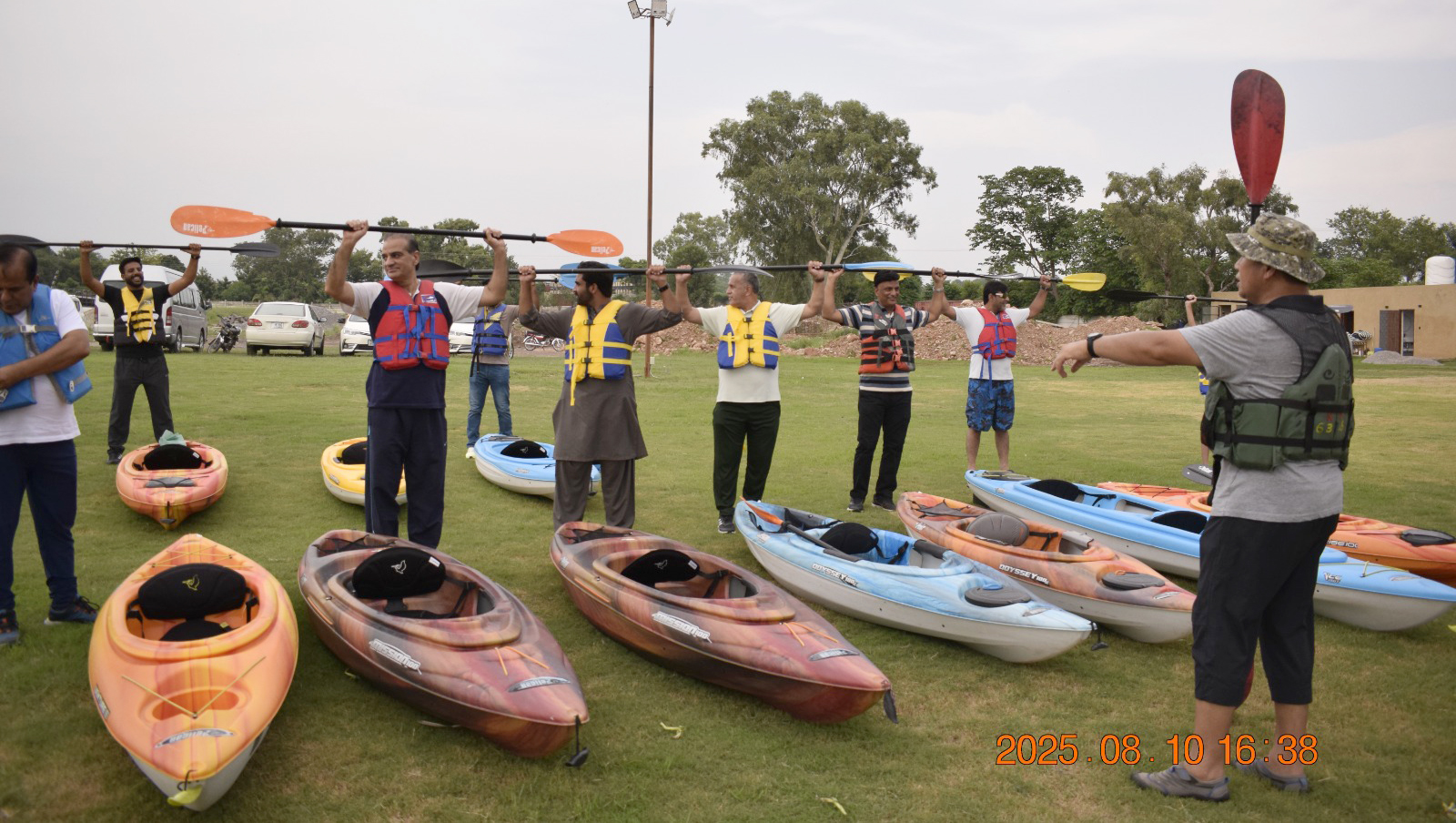
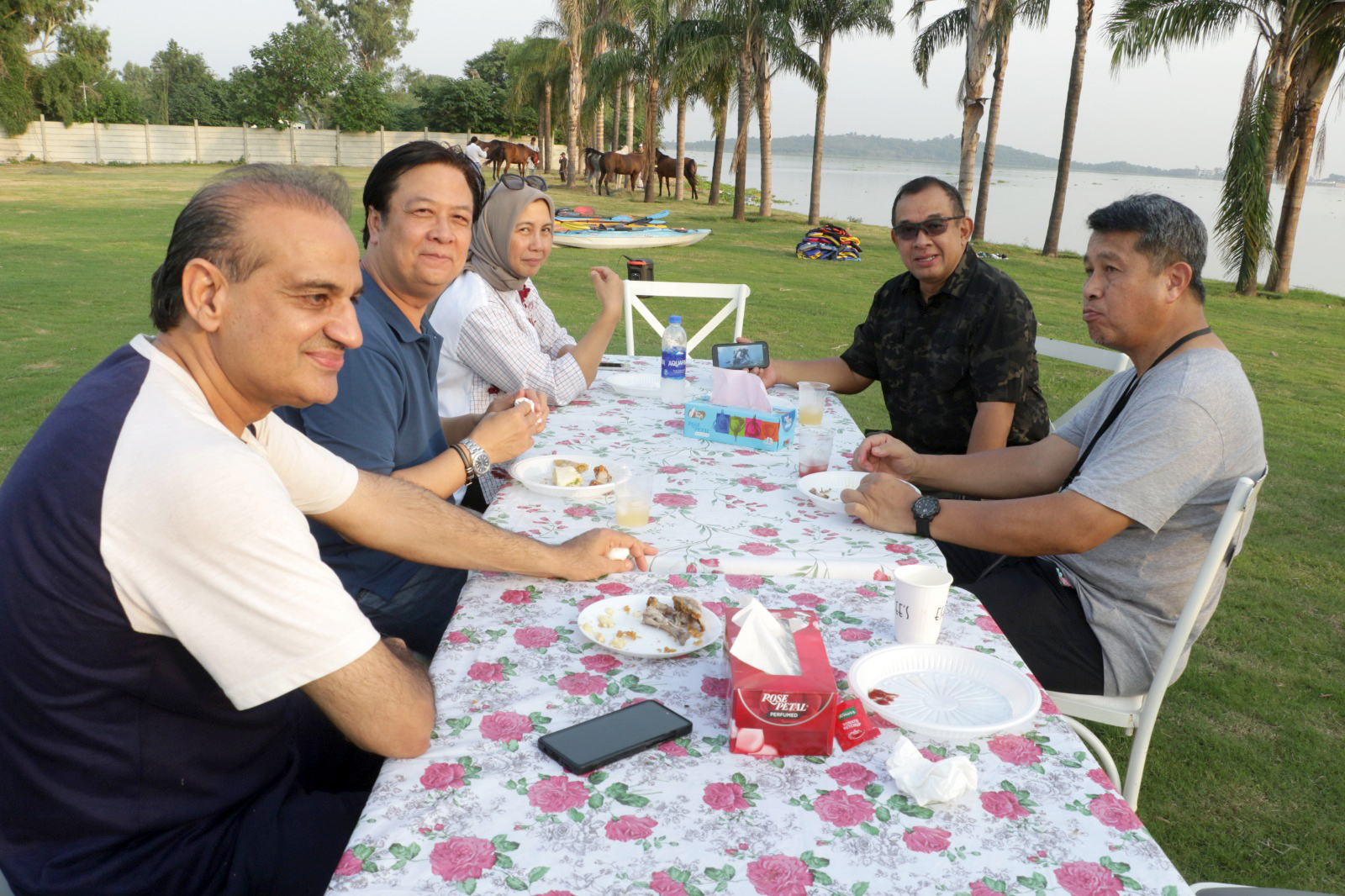
The initiative, part of the ASEAN Committee in Islamabad’s ongoing efforts to enhance people-to-people connections, offered kayaking activities for diplomats, their families, and friends from the diplomatic community. The event brought together ASEAN Ambassadors, diplomatic staff, and members of the local sports community for an afternoon of recreation and goodwill.

Acting Chairman of the ASEAN Committee Islamabad Wunna Han Ambassador of Myanmar, Ambassador of Vietnam Pham Anh Tuan and Ambassador-designate of Indonesia Chandra W Sukotjo also attended the event.

One of the highlights of the day was the participation of the Rising Star Hockey Team, whose members eagerly took to the waters for kayaking. Demonstrating their commitment to community service, the team also carried out a cleaning campaign, collecting rubbish thrown into Rawal Lake and along its banks. Their efforts not only contributed to environmental preservation but also symbolised the spirit of civic responsibility and teamwork.

The High Commissioner of Brunei commended the Rising Star team and all participants for their enthusiastic involvement, noting that the event served as a bridge between cultures while promoting environmental awareness. “Sports and community action are powerful tools for building understanding and friendship,” he remarked.

A group photo session, held with the ASEAN flag prominently displayed, captured the camaraderie and unity of the day. The gathering included ASEAN Ambassadors, further underlining the regional solidarity and collaborative spirit that ASEAN represents.

The kayaking and clean-up initiative reflected ASEAN’s broader mission of fostering closer ties not only between member countries but also with their host communities. As paddles sliced through the calm waters of Rawal Lake, the event stood as a reminder that shared activities — whether on the field, in the water, or in environmental stewardship — can bring people together in meaningful ways.

The Brunei High Commissioner Kamal Amed also thanked Adil Shah who facilitated the activity by providing the venue and other necessary logistic support.

The Rising Stars Club management — led by Asif Bhatti, Mehmood Ahmed, and Sohail Janjua — expressed heartfelt gratitude to the High Commissioner of Brunei for giving them the chance to experience kayaking first-hand. For many of the hockey players, it was their very first encounter with the sport, and they embraced it with great enthusiasm, relishing every moment on the water.

Genetic disorders drive childhood blindness in Pakistan

Genetic disorders drive childhood blindness in Pakistan

RAWALPINDI, AUG 11: Hereditary and congenital disorders account for an estimated 40 to 60 percent of childhood blindness cases in Pakistan, according to new findings from Al-Shifa Trust Eye Hospital. Experts warn that the widespread lack of early genetic diagnosis leaves many children permanently blind, imposing a long-term health and economic burden on families and the national healthcare system.

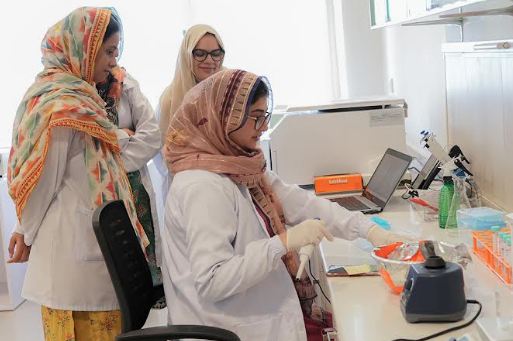
The data originates from Pakistan’s first Department of Ophthalmic Genetics, where molecular geneticist Dr Rutaba and a dedicated bioinformatician are decoding complex DNA mutations linked to severe pediatric eye diseases. Their work has uncovered previously undocumented gene mutations associated with retinal degeneration, childhood cataracts, and optic nerve abnormalities.

“Our goal is to identify the genetic root of each case and guide families on future risks,” said Dr Tayyab Afghani, senior consultant and head of the Oculoplastic Department. He emphasised that while global advances in gene therapy offer hope, most hereditary eye conditions remain incurable, making early diagnosis and counselling essential.

Specialists at Al-Shifa emphasise that the impact of childhood vision loss extends far beyond the individual. Children with undiagnosed genetic eye conditions often face delayed schooling, limited mobility, and social isolation, factors that compound over time to restrict their economic potential. In rural areas, where access to specialised care is even more limited, families frequently rely on informal remedies or remain unaware that the condition may be inherited and preventable.

In Pakistan, where marriages within the family are common, the risk of inherited disorders is significantly higher. However, genetic testing is virtually unavailable in public hospitals due to a lack of laboratory infrastructure and trained personnel. Consequently, many children receive a diagnosis only after irreversible vision loss, affecting their education and future productivity.

To address this gap, Al-Shifa Trust now offers free genetic testing for patients referred through its hospital network, a service that typically costs around Rs100,000 per person.

Since the department was launched, we have analysed a select group of complex cases – each requiring intensive DNA sequencing – to identify hereditary patterns and build a growing national genetic database, Dr Afghani said.

Al-Shifa Trust urges families with children suffering unexplained or congenital vision problems to seek evaluation promptly. Early genetic diagnosis not only improves clinical outcomes but also reduces the long-term financial and emotional toll of blindness on individuals and society.

Senate chairman son robbed in Spain

Deadly crash near Athal chowk Islamabad leaves four dead, four injured

DNA

BARCELONA: Thieves snatched an expensive gold-plated watch worth more than Rs18.4 million from Pakistan Peoples Party (PPP) MNA Abdul Qadir Gilani in the Spanish city of Barcelona before fleeing the scene.

“I bought it 13 years ago, back when gold was cheaper; now it is three times higher,” said Abdul Qadir Gilani. “I was with my family, and the watch was in my hand,” he added, noting that his host in Barcelona was also robbed.

“As long as there is life, there is the world; such things come and go,” the PPP lawmaker remarked.

The current value of the stolen timepiece, which Gilani said he purchased long before gold prices surged, makes the theft one of the costlier street crimes involving a Pakistani public figure abroad in recent memory.

The Gilani family of Multan is a prominent political dynasty. Three brothers — Abdul Qadir Gilani, Ali Musa Gilani and newly elected MNA Qasim Gilani — are member of the National Assembly.

They are the sons of former prime minister and incumbent Senate Chairman Syed Yusuf Raza Gilani. Their other brother, Ali Haider Gilani, is a PPP MPA in the Punjab Assembly.

In a rare coincidence, MNAs Ali Musa and Qasim, along with Ali Haider, were all born on the same day — April 10, 1986 — making the present National Assembly home to a set of twins in the form of Ali Musa and Qasim.

PM congratulates Azeri president on peace accord with Armenia

PM congratulates Azeri president on peace accord with Armenia

ISLAMABAD, AUG 10: Prime Minister Shehbaz Sharif congratulated on Sunday Azerbaijani President Ilham Aliyev on the signing of a historic peace agreement between Azerbaijan and Armenia during a telephone conversation on Sunday.

The prime minister has commended President Aliyev’s leadership in achieving the agreement and affirmed Pakistan’s solidarity with the people of Azerbaijan on this key issue.

PM Shehbaz also recognised the role of US President Donald Trump in facilitating the agreement and expressed hope that it would contribute to long-term peace in the region.

President Aliyev thanked Pakistan for its continued support on the Karabakh conflict. Both leaders expressed satisfaction with the current level of bilateral cooperation.

The prime minister invited President Aliyev to visit Pakistan. The two leaders are also expected to meet during the Shanghai Cooperation Organisation summit in Tianjin.

CDA, MCI host cycling event to promote green Islamabad

CDA, MCI host cycling event to promote green Islamabad

ISLAMABAD, AUG 10 /DNA/ – On the directions of Chairman CDA and Chief Commissioner Islamabad, Muhammad Ali Randhawa, sports wing of CDA and DMA, MCI jointly organized an exciting cycling competition in Islamabad today, at blue area, Islamabad aimed at promoting a healthy lifestyle, environmental sustainability, and the vision of a cleaner, greener capital city.

The event witnessed enthusiastic participation from professional cyclists, amateur riders, and citizens of all age groups, reflecting the growing public interest in cycling as a mode of recreation, sport, and eco-friendly transport.

Chairman CDA and Chief Commissioner Islamabad, Muhammad Ali Randhawa while addressing as chief guest emphasized the importance of cycling in the development of a healthy, sustainable, and modern federal capital. He said that cycling not only offers significant health benefits but also helps reduce traffic congestion, minimize pollution, and encourage the use of non-motorized transport.

“Cycling is not just a sport; it is a way of life that promotes fitness, protects the environment, and fosters community spirit. By encouraging cycling, we are investing in the health of our citizens and the sustainability of Islamabad,” the Chairman CDA and Chief Commissioner Islamabad Muhammad Ali Randhawa remarked.
He further highlighted CDA’s ongoing initiatives of CDA to develop cycling tracks, improve road safety for cyclists, and integrate cycling infrastructure into the city’s urban planning. The Chairman CDA and Chief Commissioner Islamabad reaffirmed CDA’s commitment to making Islamabad a model city for sustainable urban mobility.

The competition concluded with the distribution of prizes and certificates to winners and participants, with the Chairman CDA applauding the efforts of CDA and CDA teams, volunteers, and cycling clubs for making the event a success. The participants appreciated Chairman CDA and Chief Commissioner, Islamabad Muhammad Ali Randhawa’s commitment, efforts and vision for conduct of cycling competition in Islamabad in line with the series of events which are being organised across Islamabad to have Marka e Haq and 14th August Independence Day celebrations.

Dr. Abdullah Choudhry A Grassroots Leadership in Arifwala

Dr. Abdullah Choudhry A Grassroots Leadership in Arifwala

By: Dr. Muhammad Akram Zaheer

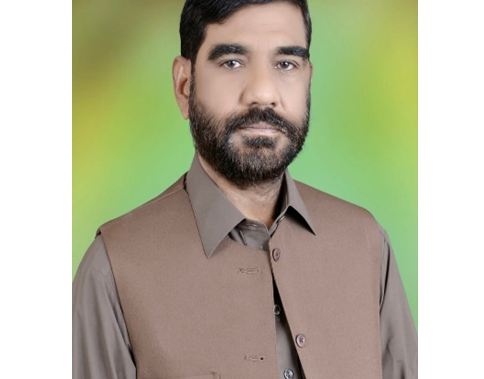
In the landscape of Pakistani politics, where rhetoric often overshadows action and promises frequently dissolve before reaching fruition, Dr. Abdullah Choudhry emerges as a beacon of dedicated, hands-on service for the town of Arifwala, Punjab. His leadership transcends the typical confines of political office; it is defined by an unwavering commitment to the tangible improvement of his constituents’ daily lives, a commitment vividly documented not just in words, but in the very streets and infrastructure of Arifwala, and captured in moments of active engagement like those recorded in the check-in images.

Dr. Choudhry’s prominence in Arifwala is not born of dynastic privilege or empty populism, but forged through years of persistent, visible effort addressing the fundamental civic challenges that directly impact the well-being of its residents. His leadership philosophy is refreshingly simple yet profoundly effective: active service, personal involvement, and an unshakeable sense of responsibility. He understands that true development begins with solving the essential, often unglamorous, problems that plague everyday existence.

His reputation as a committed leader is built upon a solid track record of tackling Arifwala’s critical infrastructure deficits. Recognizing that reliable electricity is the lifeblood of modern homes and businesses, Dr. Choudhry dedicated significant effort to minimizing debilitating power shortages. His interventions aimed not just at temporary fixes but at striving for a more consistent and uninterrupted supply, bringing a measure of predictability and comfort to households and enabling economic activity. Perhaps even more fundamental was his focus on the scarcity of clean drinking water – a challenge with dire implications for public health. His active role in resolving this crisis demonstrated a deep understanding of the community’s most basic needs and contributed significantly to improving the overall quality of life and health outcomes in the area. Further enhancing the town’s livability and security, he championed improvements in street lighting. Ensuring proper installation and maintenance of street lights transformed dim, potentially hazardous corridors into safer, more navigable paths, fostering a greater sense of community security after dark.

Beyond utilities, Dr. Choudhry recognized that environmental hygiene is intrinsically linked to public health and civic pride. He made cleanliness a cornerstone of his service agenda. Moving beyond mere directives, he worked closely with the relevant municipal departments to overhaul garbage disposal systems. His persistence ensured these systems functioned more efficiently, leading to cleaner streets. This relentless focus on sanitation wasn’t just about aesthetics; it was a proactive campaign to reduce environmental hazards, combat disease vectors, and elevate Arifwala into a more pleasant and healthier environment for all its inhabitants.

Dr. Choudhry’s defining leadership qualities, however, shone brightest during a recent crisis that threatened to undo progress and plunge Arifwala into unhygienic chaos. Heavy monsoon rains overwhelmed the town’s sewerage system, causing severe blockages, dangerous overflows, and creating widespread, hazardous conditions. Stagnant, contaminated water posed significant health risks and disrupted daily life. It was in this challenging moment that Dr. Choudhry’s “hands-on” approach transitioned from principle to powerful reality.

The series of check-in images – captured at Abu Safwan Road, Muzaffarabad, Arifwala – provide tangible, timestamped proof of his response. On August 9th and 10th, 2025, Dr. Choudhry wasn’t directing operations from a distant office; he was on the ground, present at the crisis epicenter. The slight variations in latitude and longitude across the check-ins (30.280508°, 30.280475°, 30.280478°, 30.28042°) suggest he was moving between different affected sites along the road. Early morning starts (07:24 AM, 07:29 AM, 08:17 AM GMT+5) underscore his dedication, arriving alongside or even before the workers tasked with the cleanup.

These images, though unseen here, are described as showing him not as a mere observer, but as an active participant and coordinator. He was physically present, likely in less-than-ideal conditions, guiding Town Committee workers, providing support, and overseeing the complex, physically demanding operations required to clear the blockages. His presence was more than symbolic; it was operational. He coordinated directly with the laborers, understood the practical challenges in real-time, and applied his influence to ensure resources and efforts were focused where they were needed most. This relentless, on-site persistence was crucial. Through his direct involvement and unwavering oversight, the sewerage blockages were systematically removed, allowing water to drain effectively and restoring a semblance of normalcy and hygiene to the afflicted areas.

Dr. Abdullah Choudhry’s leadership, as evidenced by his actions

Proximity over Prominence: He believes in being where the problem is. His leadership is defined by physical presence at the sites of civic struggle, be it a water pump station, a poorly lit street, a garbage collection point, or knee-deep in a sewerage crisis.

Action over Announcement: While communication is important, Dr. Choudhry prioritizes tangible results. His focus is on the doing – coordinating workers, ensuring tasks are completed, and following through until the problem is resolved.

Solving the Unseen: He tackles the essential but often overlooked foundations of community well-being: electricity, clean water, sanitation, streetlights. These are not headline-grabbing mega-projects, but they are the bedrock of dignified living.

Building Trust Through Reliability: By consistently responding to crises and delivering on core civic responsibilities, Dr. Choudhry has earned something invaluable: the deep-seated trust and respect of the people of Arifwala. They see his efforts, they experience the results, and their gratitude is a testament to his effectiveness.

The people of Arifwaladon’t merely acknowledge Dr. Abdullah Choudhry; they openly admire him. They recognize his tireless efforts not as political obligations, but as vital services indispensable to the town’s development and their own well-being. His devotion has strengthened the fundamental bond between leader and community, proving that genuine care and consistent action resonate far more powerfully than grand promises.

Dr. Abdullah Choudhry stands as a compelling example of how grassroots leadership should function. He demonstrates that real change at the local level is achieved not through lofty speeches delivered from afar, but through genuine commitment, active engagement, and a profound concern manifested in direct action. His work on electricity, water, lighting, cleanliness, and crucially, his hands-on management of the sewerage crisis, has tangibly improved the daily realities of Arifwala’s residents. The check-ins on Abu Safwan Road during those rainy August days are not just digital footprints; they are markers of a leader literally standing with his community in its time of need. In the eyes of Arifwala, Dr. Abdullah Choudhry is far more than a political figure; he is, unequivocally, a devoted servant and the embodiment of committed local leadership. His legacy is written in the town’s cleaner streets, its brighter nights, its flowing water, and its unblocked drains a testament to the power of leadership rooted in service.

Written By: Dr. Muhammad Akram Zaheer

Pakistan needs a well-coordinated cybersecurity strategy

Pakistan needs a well-coordinated cybersecurity strategy

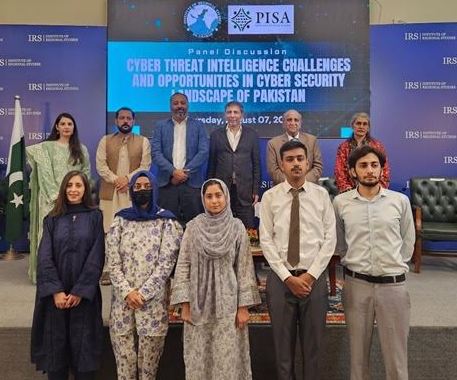
ISLAMABAD, AUG 10 /DNA/ – During a discussion on “Cyber Threat Intelligence,” hosted by the Institute of Regional Studies (IRS) Islamabad in collaboration with the Pakistan Information Security Association (PISA), Ambassador Jauhar Saleem, President of IRS, emphasized the need for a well-coordinated strategy to safeguard Pakistan’s digital infrastructure. “In the age of hybrid warfare, where cyber threats have a devastating impact on national security, we need a proactive approach,” he stated. He pointed out that cyber-attacks have become a crucial tool in warfare and stressed the importance of investing heavily in the cybersecurity domain to address emerging challenges. Ambassador Saleem also highlighted the necessity for robust cooperation among national stakeholders to build an efficient digital infrastructure in the country.

Mr. Ammar Jafri, Director of the Pakistan Information Security Association (PISA), spoke at the event, stating that cyber resilience is a national priority rather than merely a technical goal. He argued that to establish a secure nationwide cyber infrastructure, it is essential to shift our strategy and approach from reactive to proactive. Echoing Ambassador Saleem’s sentiments, Mr. Jafri stressed the need to foster collaboration across the public, private, and academic sectors to develop state-of-the-art digital infrastructure.

Dr. Mehreen Afzal, Director of Governance, Risk, and Compliance at the national CERT, explained that the ultimate objective of cybersecurity is to protect human beings. She noted that as technology advances, the number of threats increases, with all devices focused on serving people.

Mr. Najeeb ul Hassan, Director of Training at NCCIA, elaborated on the distinction between cybercrime and cybersecurity. He explained that while cybercrime efforts focus on protecting against attacks, cyber threat intelligence involves the need for actionable information.

While discussing best practices from around the world, Mr. Zubair Ali Bhatti, CEO and Co-Founder of HPC, emphasized the importance of developing the mindset of the youth. He highlighted the need to provide solutions, integrate tools, and work on specific technologies, such as AI bots.

The event concluded with Ambassador Saleem presenting tokens of appreciation to all distinguished speakers, symbolizing a collective commitment to strengthening Pakistan’s cybersecurity posture.

Overseas Pakistanis not ‘brain drain’ case but rather ‘brain gain’, says COAS Munir

Overseas Pakistanis not 'brain drain' case but rather 'brain gain', says COAS Munir

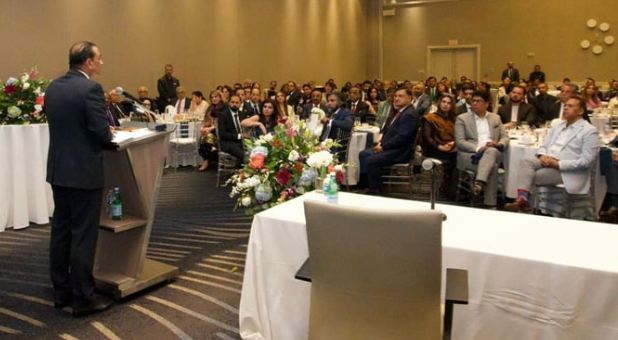
WASHINGTON, AUG 10: Chief of Army Staff (COAS) Field Marshal Syed Asim Munir called the overseas Pakistanis not a case of “brain drain” but rather a “brain gain” and described them as a source of pride and dignity.

The army chief, addressing the Pakistani diaspora during his US visit, dismissed the derogatory term used for the talented nationals who joined the workforce in different countries.

He added that they are as passionate about the country as those living back home.

During an interactive session, COAS Munir urged them to remain confident in Pakistan’s bright future and to actively contribute to attracting investments.

Field Marshal Munir engaged in high-level interactions with senior political and military leadership during his official visit to the United States.

In Tampa, the COAS attended the retirement ceremony of outgoing Commander United States Central Command (Centcom), General Michael E Kurilla, and the Change of Command Ceremony marking the assumption of command by Admiral Brad Cooper, the Inter-Services Public Relations (ISPR) said in a statement.

His recent visit follows an earlier official trip to the United States in June, during which he met President Donald Trump over a luncheon.

Following the army chief’s visit, Pakistan and Washington have since then reached a much-awaited trade agreement as well.

The trade deal was confirmed by Trump himself who took to social media, saying that the two countries will “work together on developing their massive oil reserves” and were currently “in the process of choosing the oil company” which will be leading this partnership.

United States Strangles the United Nations

Qamar Bashir

By Qamar Bashir

The United States was once the proud architect of global multilateralism. In the aftermath of World War II, Washington orchestrated the creation of the United Nations and insisted on its headquarters being located in New York. With its generous financial contributions and diplomatic influence, the U.S. wielded immense leverage—projecting soft power and shaping international norms without firing a single shot. But over time, the very mechanisms it built began to emancipate other nations: the UN’s equal‑vote structure and independent agency frameworks enabled coalitions from the Global South and beyond to advance policies often contrary to U.S. interests.

By 2023, the U.S. remained the UN’s single largest benefactor, contributing approximately $13 billion, equating to over 25% of the total UN membership’s funding. In the UN’s internal budgeting, the U.S. covered 22% of the regular budget (about $820 million of a $3.5 billion total) and 26–27% of peacekeeping costs (~$1.5 billion of $5.9 billion), though a congressional cap limited payments  .

But when U.S. influence waned at the UN—particularly in bodies without veto power such as WHO, UNESCO, the World Food Programme, and the International Court of Justice—the U.S. responded not with diplomacy, but retreat. Between 2017 and mid‑2025, American funding was slashed in key areas: $4 billion pledged to the Green Climate Fund was rescinded, its funding to UNAIDS and global health programs through USAID was terminated or dramatically reduced, malaria initiatives saw a 47% decrease, and the Gavi immunization grant of $2.63 billion was cancelled  .

The consequences for the UN and global initiatives were immediate. Budget shortfalls threatened operations—from humanitarian relief to refugee assistance—forcing agencies like WHO, UNHCR, and UNAIDS to cut services, suspend projects, and initiate emergency cost-saving responses. Millions of the most vulnerable suffered as health programs, AIDS treatment, and refugee care unraveled across fragile regions  .

Meanwhile, UN Secretary-General António Guterres and external analysts warned of institutional trauma: internal memos showed plans for a 20% reduction in Secretariat staff, slicing about $740 million from the UN budget and slashing nearly 7,000 jobs—a move driven by withheld U.S. dues and prolonged arrears that had exceeded $1.5 billion  .

What’s unfolding is not mere disengagement; it is a dismantling of the post-war consensus. The unilateral “America First” doctrine has weaponized aid, redefined participation, and normalized punitive economics—whether blaming the UN for “anti-Israel bias” or freezing grants to agencies perceived as insufficiently subservient. U.S. states denying Israeli products risk losing federal disaster relief. UN rapporteurs and ICC judges investigating human rights violations are sanctioned or barred from U.S. soil. The result is bureaucratic sabotage: not just cutting checks, but cutting support for institutional integrity.

Still, the damage is irrevocable. Key UN functions—peacekeeping, health coordination, humanitarian relief—are now subject to fragmentation or politicization. Climate negotiations wobble without U.S. investment. Global norms—on human rights, nuclear non-proliferation, refugee protection—lose enforcement power. In effect, the United Nations, conceived as a shield against global chaos, risks becoming collateral damage of U.S. isolationism.

With 193 member states in the General Assembly, each with one vote, the U.S. often found itself on the losing side of key resolutions, particularly in bodies where no single nation wields a veto—agencies such as the World Health Organization, UNESCO, the World Food Programme, and the International Court of Justice. As emerging powers began to use these forums to challenge American and Israeli policies, Washington’s frustration grew.

When influence through persuasion failed, the United States resorted to withdrawal and defunding. In 2017, it exited UNESCO, citing alleged anti-Israel bias, and pulled its funding—striking a blow to global cultural preservation and educational programs. In 2018, it withdrew from the UN Human Rights Council for the same reason, abandoning its role in shaping human rights discourse. In 2020, at the height of the COVID-19 pandemic, it walked out of the World Health Organization, accusing it of favoring China, leaving a leadership vacuum during the greatest health crisis in a century. It has also sanctioned ICC judges investigating alleged U.S. and Israeli war crimes, an unprecedented attack on international judicial independence.

In March 2024, the United States imposed sanctions on Francesca Albanese, the UN Special Rapporteur on human rights in the occupied Palestinian territories, for her outspoken reports on Israeli actions in Gaza and the West Bank. This targeting of UN officials is emblematic of a broader strategy: punish not just institutions, but individuals who challenge U.S. and Israeli narratives.

Now, under President Donald Trump’s second term, the assault has intensified. His administration has declared that any U.S. state that bans Israeli products, criticizes Israeli policy, or supports boycotts will lose federal disaster relief and other funding. In effect, Washington is applying the same coercive tactics at home that it once used abroad—weaponizing financial power to enforce political loyalty.

The United Nations itself is caught in this storm. Its credibility has been battered by repeated U.S. vetoes blocking resolutions on Gaza, climate change, and refugee resettlement—not because there was no global consensus, but because American protection of Israel took precedence. The result is paralysis on some of the most urgent issues facing humanity.

Yet there is an unexpected twist. As the U.S. retreats, other nations are stepping into the void. Countries in Asia, Africa, and Latin America have increased their contributions to UN agencies, keeping programs alive despite U.S. funding cuts. This growing independence has allowed the General Assembly and other bodies to pass resolutions reflecting a broader global consensus, often in defiance of U.S. and Israeli positions.

Yet amid this American retreat, a countervailing force emerged. Philanthropic actors like Michael Bloomberg stepped in; Bloomberg philanthropy covered U.S.’s UNFCCC dues gap of approximately €7.2 million . Similarly, European nations—including the Netherlands and Belgium—quickly filled the funding vacuums at UNRWA, sustaining Palestinian refugee aid when U.S. funding was abruptly halted  . In effect, the U.S. defunding inadvertently catalyzed a diversification of UN support, buttressed by a growing coalition of mid-tier and emerging donors.

Still, Washington’s antagonism poses an existential threat to the UN’s long-term viability. The steady withdrawal of funds, coupled with sanctions on its personnel, undermines its capacity to respond to humanitarian crises, mediate conflicts, and uphold international law. If left unchecked, this campaign could transform the UN from a guardian of global peace into a hollow relic—a powerless bureaucracy unable to stand against tyranny or aggression.

The United States once claimed to be the moral compass of the free world. Today, it risks becoming the wrecking ball that shatters the very framework it built. If Washington truly believes in liberty, justice, and the rule of law, it must stop treating the United Nations as an adversary to be subdued—and start acting like the founding member it once proudly was.

Only by returning to cooperation, fairness, and shared humanity can America reclaim the leadership role that once inspired the world. Anything less will not just diminish the United Nations—it will diminish the United States itself.

By Qamar Bashir

Press Secretary to the President (Rtd)

Former Press Minister, Embassy of Pakistan to France

Former Press Attache to Malaysia

Former MD, SRBC | Macomb, Michigan, USA

Pakistan envoy concludes productive visit to Inner Mongolia Autonomous Region

Pakistan envoy concludes productive visit to Inner Mongolia Autonomous Region

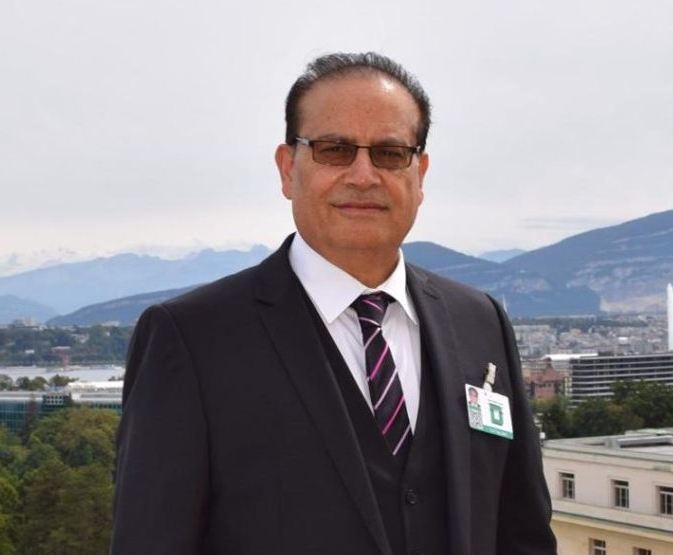
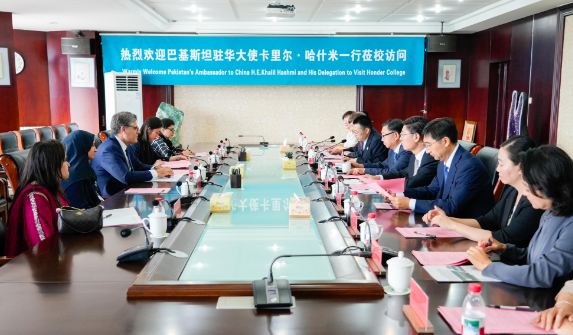
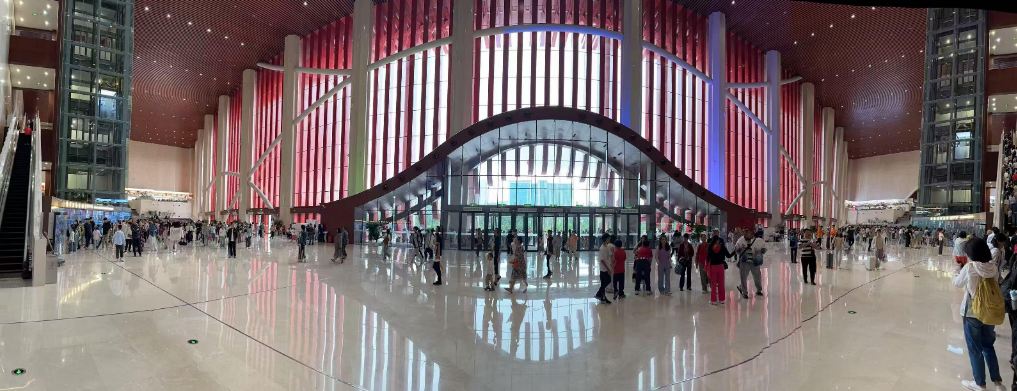
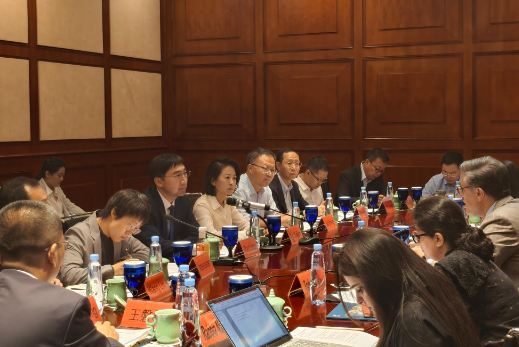
BEIJING, AUG 10 /DNA/ – On 6 August this year, Ambassador Khalil Hashmi undertook an orientation visit to the Inner Mongolia Autonomous Region, reaffirming Pakistan’s commitment to deepening multifaceted cooperation with this dynamic province-level regions of China. The visit, marked by substantive exchanges, provided valuable insights into Inner Mongolia’s rich cultural heritage, economic strengths, and ecological achievements.

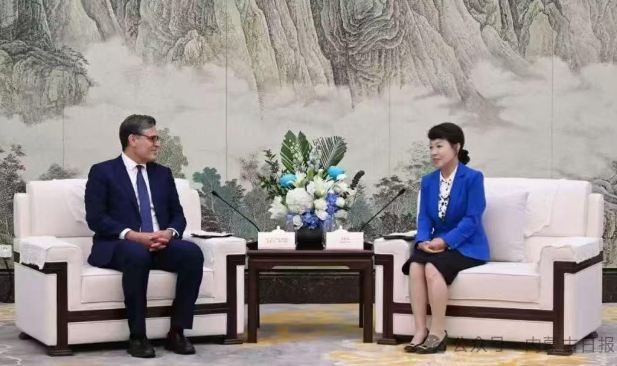
During the visit, the Ambassador engaged with Governor Wang Lixia exploring avenues for enhanced collaboration in renewable energy, livestock, ecological restoration, and people-to-people exchanges. He also met senior officials of the Inner Mongolia Foreign Affairs Office for implementation of the consensus reached between the Governor and Ambassador.

The Ambassador also chaired two dedicated B2B roundtables with the region’s leading enterprises, focusing on their strengths in steel and copper mining, deep refining, and agriculture and animal husbandry. He briefed them in detail on Pakistan’s investment landscape, policy facilitation and special incentives. The Anbassador invited them to the upcoming bilateral investment activities, including the Pakistan-China B2B Investment Conference in Beijing this September during the Prime Minister’s forthcoming visit.

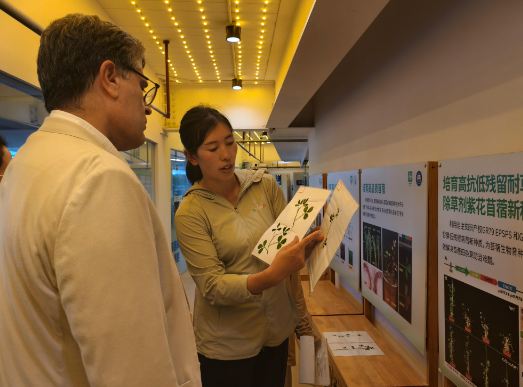
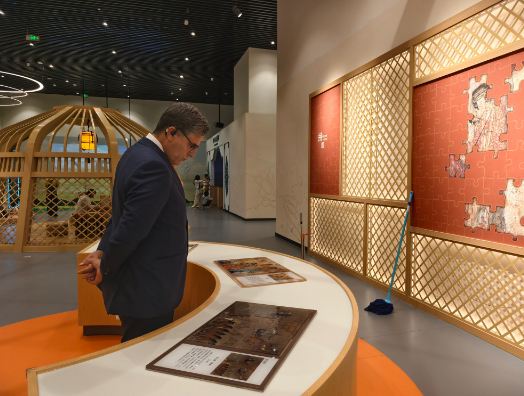
The programme also featured visits to Honder College of Arts and Sciences, the Inner Mongolia Museum, and Yili Group’s dairy facilities, underscoring shared interest in expanding academic, cultural, and commercial linkages. The Ambassador paid tribute to the enduring Pakistan-China friendship at the “Masood Khan Hall” in Honder College and viewed pioneering research at the Rock Art Research Center. In the sphere of ecological cooperation, the Ambassador witnessed desertification control projects, including the transformative work of Mengcao company in restoring degraded lands, and discussed adapting such innovations to support Pakistan’s green development and climate resilience efforts.

Concluding the visit, the Ambassador interacted with the local media and expressed appreciation for Inner Mongolia’s remarkable progress under China’s vision of Ecological Civilization, reaffirming Pakistan’s readiness to work closely with the region in advancing shared goals under the framework of the All-Weather Strategic Cooperative Partnership.

Stay Connected

64FansLike
60FollowersFollow

Latest Reviews

Exchange Rates

USD - United States Dollar
EUR
1.17
GBP
1.35
AUD
0.72
CAD
0.73