Home Blog Page 519

Why Pakistan Must Break the Cycle of Flood Devastation

Why Pakistan Must Break the Cycle of Flood Devastation

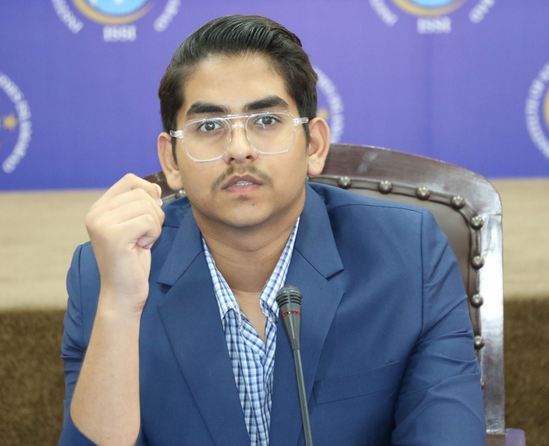
Muhammad Umar Shabbir

Every year, as the monsoon clouds gather, Pakistan holds its breath. For millions of families, rain does not bring relief—it brings fear. The sound of heavy downpour is often followed by the collapse of mud houses, the cries of families seeking shelter, and the sight of fields drowned under water. Having observed Pakistan’s flood disasters closely for years, I believe it is no exaggeration to say that flooding has become one of our most persistent national emergencies—one that continues to worsen with every passing monsoon.

The scale of devastation is staggering. The 2010 super floods affected nearly 20 million people and remain one of the worst natural disasters in our history. But if that was a warning, it went unheeded. In 2022, floods submerged almost one-third of the country, displacing millions and earning the grim label of a “climate catastrophe.” The truth is, Pakistan is now living in a permanent state of climate vulnerability—and floods are its most destructive face.

It is tempting to blame floods solely on nature, but the reality is more complex. Yes, Pakistan sits in the path of heavy monsoon rains, and yes, it is home to more than 7,000 glaciers that are melting faster than ever due to rising temperatures. Climate change has turned weather patterns unpredictable, supercharging rainfall while accelerating glacial melt. Despite contributing less than 1% to global greenhouse gas emissions, Pakistan is among the top 10 most climate-vulnerable countries.

But the tragedy is this: natural forces create the floods, human negligence turns them into disasters.

Unregulated urban expansion has choked natural waterways. Drainage systems in Karachi, Lahore, and other cities are clogged with garbage, unable to cope even with moderate rain. Deforestation has stripped away nature’s flood barriers, leaving hillsides bare and prone to landslides. Our water storage capacity remains pitiful compared to our needs, forcing excess rainwater to spill into villages and towns. And across the border, sudden water releases from India often arrive with little warning, compounding the misery of downstream communities in Punjab and Sindh.

The consequences of these floods go far beyond the immediate destruction of homes and roads. Every flood season resets years of progress in our agriculture-driven economy. Cotton, wheat, rice—our staple crops—are washed away, pushing small farmers into poverty and driving food inflation nationwide.

The damage to education is equally devastating. Thousands of schools are either destroyed or converted into shelters for displaced families. Millions of children lose months, even years, of learning—an invisible cost that undermines our future human capital.

Then there is the psychological toll. Families uprooted again and again lose not just their possessions but their sense of stability. Women and children, in particular, face vulnerabilities in temporary camps where safety and dignity are easily compromised.

In short, floods in Pakistan are not simply natural events; they are full-blown humanitarian crises that unravel the country’s social, economic, and emotional fabric.

As someone who studies Pakistan’s climate and security challenges, I am convinced that floods cannot be wished away—but their impact can be managed if we act with urgency and vision.

First, we must invest in resilient infrastructure. This means new dams and reservoirs to store excess rainwater, modern drainage systems in our cities, and stronger embankments along major rivers. Every rupee spent here is not an expense, but an investment in saving lives and livelihoods.

Second, we need to enforce sustainable urban planning. Construction on natural floodplains must be strictly prohibited. Our cities need smart zoning laws and green spaces that allow water to disperse safely rather than pool into disasters.

Third, restoring the environment is critical. Large-scale afforestation and watershed management are not luxuries; they are necessities. Trees are our cheapest and most effective flood defense.

Fourth, disaster preparedness must move from paper to practice. Early warning systems, community training, and permanent flood shelters can save thousands of lives each year. Our institutions, particularly the NDMA and provincial authorities, need capacity, funding, and clear mandates.

Finally, Pakistan cannot face this crisis alone. We are victims of a climate emergency we did not create. Wealthy nations must step up—through climate financing, technology transfer, and fair adaptation support. Likewise, Pakistan must work with India and other neighbors on coordinated water management. Floods respect no borders; neither should our responses.

The lesson is clear: floods will come, but disasters are optional. Pakistan has lived for too long in a cycle of destruction and recovery. Each year, we rebuild the same vulnerable structures, replant the same fragile crops, and wait helplessly for the next monsoon to undo it all. This cycle must end.

If we fail to act, floods will continue to drown not just our fields and homes, but our future. But if we learn, adapt, and prepare, Pakistan can turn this crisis into an opportunity—to build stronger, safer, and more resilient communities for generations to come.

In Pakistan, the next flood is not a question of if but when—what matters now is whether we are ready to face it.

Pakistan to establish Maritime Complex at Qasim with Chinese support

Pakistan to establish Maritime Complex at Qasim with Chinese support

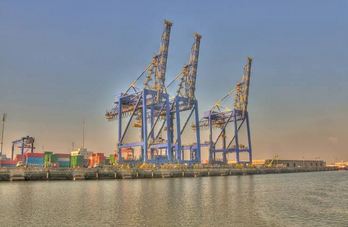
ISLAMABAD, AUG 29 (DNA) — Pakistan is preparing to establish an integrated maritime industrial complex at Port Qasim with Chinese support, following high-level talks in Islamabad on 20 August 2025.  During the meeting, a delegation from Shandong Xinxu Group, led by chairman Hou Jianxin, conveyed its interest in developing the complex alongside a green ship-recycling yard.


In a statement, the Prime Minister’s Office said that Shehbaz Sharif had invited Chinese industries to invest in Pakistan, assuring them that the government would “provide all possible facilities for the establishment of Special Economic Zones.”  The PMO confirmed that Shandong Xinxu is “interested in establishing a maritime industrial complex in Pakistan” and that the company “will build a green shipbreaking yard in Pakistan.”

Project Scope and Investment. The planned Port Qasim complex would combine port operations with shipbuilding, repair and recycling facilities, alongside industrial clusters for fish and date processing. Shandong Xinxu Group, described as “a high-tech energy enterprise integrating the renewable energy industry chain”, has indicated willingness to bring investment and technical expertise.


The development builds on a Memorandum of Understanding signed in July 2025 between the Pakistan National Shipping Corporation (PNSC) and Shandong Xinxu Group to cooperate on shipping and fleet management. The proposed “green” shipbreaking yard would be designed to meet international environmental and safety standards, in contrast to the troubled Gadani ship-breaking yards, which have faced repeated criticism over labour and pollution concerns.


Strategic and Economic Implications Port Qasim, situated 50 kilometres east of Karachi is Pakistan’s second busiest port, handling about 35% of the nation’s cargo (17 million tons per annum). Officials believe the new industrial complex would strengthen its role as a logistics and manufacturing hub, complementing Gwadar Port’s development under the China–Pakistan Economic Corridor (CPEC).


The initiative is expected to create thousands of jobs in construction, maritime trades and logistics. It would also expand Pakistan’s capacity in ship-recycling, a sector long dominated by India and Bangladesh, where international buyers increasingly demand environmentally compliant facilities.


Chinese representatives have also highlighted fisheries and food processing as areas with export potential. The PMO said the enterprise aimed “to benefit from Pakistan’s potential in fishing, fish processing and in the processing of date fruits.” Pakistan is already a significant producer of seafood and dates but lacks modern processing capacity, limiting its ability to compete in higher-value markets.


Challenges and Considerations Despite the promise, hurdles remain. Financing details for the complex have not yet been finalised, and Pakistan’s fiscal stress may constrain incentives for foreign investors. Land availability and infrastructure upgrades around Port Qasim could also prove difficult, given the port’s existing industrial density. Moreover, with Chinese firms driving the project, some analysts caution that Pakistan may find itself increasingly dependent on a single partner for critical maritime infrastructure. — DNA

ICCI pledges support for reforms to unlock potential

ICCI pledges support for reforms to unlock potential

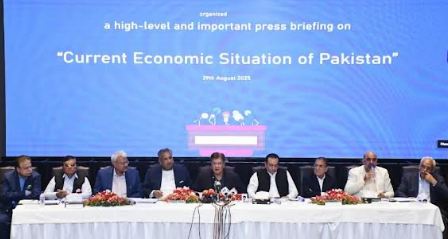
ISLAMABAD, AUG 29 /DNA/ – A high-profile press conference was held at the Islamabad Chamber of Commerce and Industry (ICCI), jointly addressed by leading figures of Pakistan’s business community, including S. M. Tanveer, Patron-in-Chief United Business Group (UBG), Atif Ikram Shaikh, President Federation of Pakistan Chambers of Commerce and Industry (FPCCI), and Nasir Mansoor Qureshi, President ICCI. The event was conducted by Malik Sohail Hussain, Chairman Coordination FPCCI, and attended by prominent business leaders, former ICCI presidents, and senior FPCCI officials.

Addressing the media, Patron-in-Chief UBG S. M. Tanveer said that “Pakistan is a blessing of Allah and we are determined to work alongside the government to ensure its prosperity and development while enhancing its stature in the comity of nations.” He stressed that every division and district of the country has an export potential of at least $5 billion, which, if tapped effectively, can help Pakistan expand its exports to $200 billion.

Paying glowing tributes to the armed forces, particularly the Pakistan Air Force, S.M.Tanveer remarked that “we have already won the ‘Marka-e-Haq,’ and now we are fully committed to winning the ‘Marka-e-Maeshat’ (economic battle).” He highlighted that with Pakistan’s GDP at $412 billion compared to India’s $4 trillion, China’s $19 trillion, and the USA’s $29 trillion, it was imperative to harness local resources, particularly in exports, agriculture, and industry.

He noted that there is little to no value addition in the agriculture sector and announced that FPCCI will present a six-year roadmap for agricultural reforms within the next two months. He also voiced concern over the deterioration of the textile sector and pointed out that Pakistan wastes water worth $25 billion annually. He called for reducing the interest rate to single digits, ideally 6%, to stimulate industrial and investment growth.

On the economic front, he described the $40 billion trade deficit, unemployment, inflation, rapid population growth, and poverty as “ticking bombs,” stressing that only united and dedicated efforts can help the country overcome these challenges.

Speaking on the occasion, FPCCI President Atif Ikram Shaikh outlined FPCCI’s Vision 2030, aimed at boosting exports to $100 billion in the near term. He said that FPCCI’s Research and Development (R&D) department has worked extensively on district and sectoral  economies, preparing a roadmap to empower divisions and districts. “If there are 38 divisions of the country and each of it, is given a $5 billion export target, achieving $200 billion in exports is possible,” he asserted.

Atif Ikram urged the government to take FPCCI’s proposals seriously, adding that “FPCCI has always played on the front foot for national economic causes and will continue to do so with full dedication.”

In his welcome address, ICCI President Nasir Mansoor Qureshi reaffirmed the collective resolve of the business community to support reforms for sustainable economic growth. “We acknowledge the challenges our economy faces, but we firmly believe that with the right reforms, policy consistency, and a strong partnership between government, business, and civil society, Pakistan can unlock its true potential,” he stated.

He said the purpose of the press conference was to present actionable recommendations to address economic issues, including inflation, high cost of doing business, currency instability, energy shortages, and declining investor confidence.

Chairman Founder Group ICCI Tariq Sadiq also addressed the gathering, emphasizing Pakistan’s resilience and ability to overcome challenges.

 The press conference was well attended by senior business leaders, including Tariq Mehmood Jadoon, Zaki Ejaz (Vice Presidents FPCCI), Malik Sohail Hussain (Chairman Coordination FPCCI), former Presidents Abdul Rauf Allam, Zafar Bakhtawari, Mian Akram Farid, Shaikh Amir Waheed, executive members, and prominent business personalities of the region.

The event concluded with an interactive Q&A session with the media, reflecting the business community’s strong commitment to contributing ideas, resources, and efforts towards Pakistan’s economic revival and nation-building.

Iran pledges full support to Pakistan amid devastating floods

Iran pledges full support to Pakistan amid devastating floods

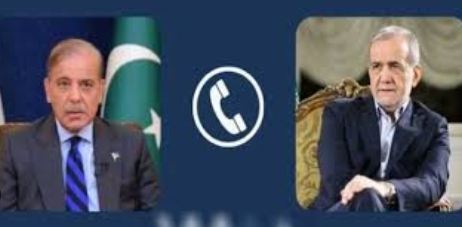
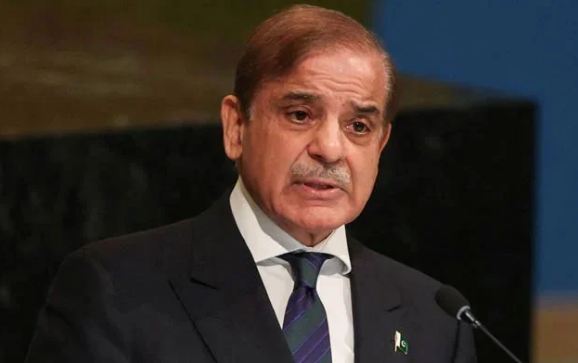
ISLAMABAD, AUG 29 /DNA/ – The Prime Minister of the Islamic Republic of Pakistan, Shehbaz Sharif, received a warm telephone call today from Dr. Masoud Pezeshkian, the President of the Islamic Republic of Iran.

During the call, President Pezeshkian extended his deepest condolences and sympathies to the government and people of Pakistan concerning the devastating floods that have impacted several parts of the country. The Iranian President expressed solidary with the affected families and offered Iran’s full support in relief and assistance efforts.

Prime Minister Sharif expressed that he was deeply touched by this heartfelt gesture of solidarity from the leadership and people of Iran, calling it a reflection of the deep, historical, and fraternal ties that bind the two nations. He noted that such support is a source of strength for the people of Pakistan in this hour of pain and suffering.

The two leaders also looked forward to their upcoming meeting on the sidelines of the Shanghai Cooperation Organisation (SCO) Summit in Tianjin, China, where they plan to discuss further strengthening bilateral relations and matters of mutual interest.

PM Shehbaz calls for formulating joint strategy to deal with climate crisis

PM Shehbaz calls for formulating joint strategy to deal with climate crisis

LAHORE: Prime Minister Shehbaz Sharif said on Friday that a comprehensive strategy is being developed to build water reservoirs and improve water management across all four provinces, as well as in Azad Jammu and Kashmir (AJK) and Gilgit Baltistan (GB).

His remarks came as Pakistan is battling torrential monsoon rains that have unleashed flash floods, swelled rivers, and filled dams, with more than 840 deaths reported since late June. Amid the heavy rains, India released excess water this week from its dams, swelling river flows downstream in Punjab.

At least 22 killed in flooding in the province, along with dozens injured and widespread damage reported.

In a statement issued by the Prime Minister’s Office today, the premier said that water reservoirs would be built through consultation and complete coordination with the provinces.

He said: “Climate change is a reality, and only through effective preparedness can the damages of natural disasters be minimised.”

The PM further underlined that all provinces, AJK, GB and the federation must work together to safeguard people from the adverse impacts of climate change, terming it a national issue that requires collective effort.

Work is already underway on his directives to formulate an effective policy for timely response to the impacts of climate change and the monsoon, read the statement.

“The working paper of this policy will be shared with all provincial governments to devise a joint course of action,” it added.

The statement added that once the emergency situation subsides, the prime minister will convene a high-level meeting with the chief ministers of all four provinces, along with the heads of relevant institutions.

The prime minister of AJK and the chief minister of GB will also be invited to the session.

It is pertinent to mention here that the NDMA said that Pakistan evacuated more than 210,000 villagers near the rivers Ravi, Sutlej, and Chenab that flow from India.

A day earlier, Pakistani officials said India passed on its third flood warning since Sunday, this time for the Sutlej, while the previous two concerned waters heading into Pakistan on the Ravi.

Naqvi, US Acting Ambassador discuss bilateral relations in meeting

Naqvi, US Acting Ambassador discuss bilateral relations in meeting

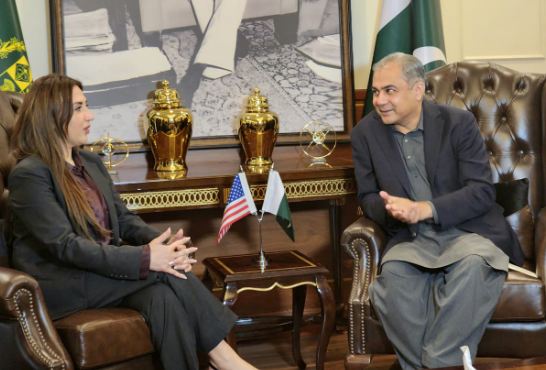
ISLAMABAD, AUG 29 /DNA/ – Federal Interior Minister Mohsin Naqvi held another meeting with Acting U.S. Ambassador Natalie Baker in Islamabad. During the meeting, both sides discussed Pakistan-U.S. bilateral relations as well as matters of mutual interest. The issue of the Pakistanis in the United States who are wanted by Pakistan also came under discussion. Both sides agreed to strengthen cooperation in border security, counter-narcotics, coast guards, and forensics.

‎Acting Ambassador Baker expressed condolences over the human and material losses caused by floods in Khyber Pakhtunkhwa and Punjab.

‎Interior Minister Mohsin Naqvi welcomed President Trump’s statement about working together to increase Pakistan’s oil reserves. He said American investors can benefit from investing in various sectors in Pakistan, including oil, and assured them of every possible facilitation.

‎The Acting U.S. Ambassador reiterated that the United States attaches special importance to its relations with Pakistan. Interior Secretary Muhammad Khurram Agha and Additional Secretary Interior Major General Noor Wali Khan were also present on the occasion.

Experts urge cultural and religious alignment in reproductive health education bill

Experts urge cultural and religious alignment in reproductive health education bill

ISLAMABAD, AUG 29 /DNA/ – The proposed bill on reproductive health education in schools requires detailed discussion regarding technical and thematic shortcomings, as well as its compatibility with constitutional provisions and alignment with societal values and Islamic teachings. Central to the debate is the need to develop a framework for health and moral education that is both responsive to contemporary challenges, such as technological change and shifting social dynamics, and reflective of Pakistan’s cultural and religious foundations.

Such a framework should recognize the central role of parents in guiding the moral development of youth while ensuring that education initiatives remain rooted in indigenous traditions rather than uncritically adopting external models of sexuality education.

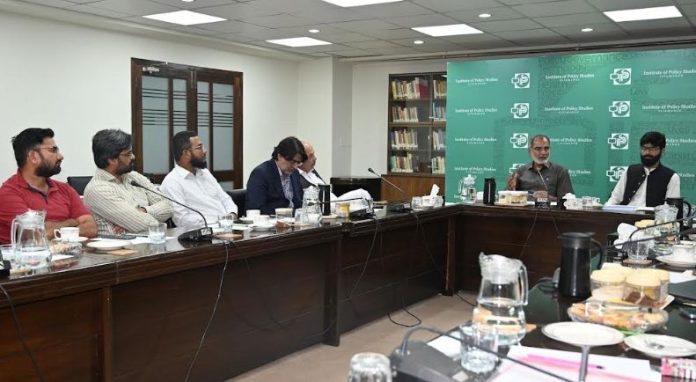
This was discussed at a roundtable hosted by the Institute of Policy Studies (IPS), Islamabad, under its initiative ‘Legislative Watch’ to critically examine multiple dimensions of the proposed bill, approved by the Senate Standing Committee on Federal Education and Professional Training last month.

Those who attended the session included Imran Shafique, advocate Supreme Court of Pakistan, Arshad Saeed Khan, senior educationist, religious scholar Dr Waqas Khan, senior lawyer Ameena Sohail, legal commentator Syed Muaz Shah, curriculum expert Ammar Mehboob, senior physician and social worker Dr Umme Kulsoom, Advocate Muhammad bin Sajid, and Chairman IPS, Khalid Rahman.

The forum, which brought together scholars, educators, policymakers, legislators, social activists, and civil society stakeholders, discussed ways to balance educational needs with cultural and religious considerations. Speakers recommended imparting the knowledge related to family affairs, spousal roles and responsibilities, and values of haya (chastity) through a framework rooted in indigenous culture and civilization.

Participants deliberated on the issue from educational, social, and legal perspectives. Reviewing the text of the original law of 1976 and the amendment proposed in it through the current bill, it was observed that questions remain regarding clarity, scope, and the approach of the proposed legislation. Several speakers raised concerns about the compatibility of the proposed law with the country’s constitutional provisions, the spirit and scheme of the original statute, societal values, and the Islamic paradigm of life.

Acknowledging that the changes brought by technology and evolving social patterns needed a thoughtful intervention, some participants cautioned that the initiative could risk introducing Western concepts of sexuality into Pakistan’s education system, potentially conflicting with the nation’s moral and cultural framework, while others suggested developing an approach that is deeply embedded in Islamic tradition and grounded in an indigenous value framework.

Speakers highlighted policy contradictions, noting that while the law restricts marriage under 18, children are nonetheless exposed to explicit content through the internet and affected by the increasing trend of co-education. This, they argued, needs a holistic approach within the context of local culture.

The rules and norms of social engagements, roles, rights, and responsibilities, and the moral challenges posed by virtual content, cannot be dealt with effectively through the measures and means that have not been delivered even in Western societies. Several speakers emphasized the central role of parents, families, and communities in providing moral guidance to youngsters, rather than delegating these responsibilities to classrooms.

The forum also discussed legal and constitutional issues with reference to Articles 31, 35, and 227 of the Constitution, which require alignment with Islamic teachings and the protection of family integrity. The participants highlighted the need for more local evidence supporting the intervention and clarity in the Senate committee’s recommendations regarding age limits and parental consent.

In his concluding remarks, Khalid Rahman urged policymakers to carefully review the proposal and consider developing an indigenous, values-based framework for health and moral education that is both responsive to contemporary challenges and reflects Pakistan’s cultural and religious foundations.

Pakistan, Armenia agree to consider establishing diplomatic relations

Pakistan, Armenia agree to consider establishing diplomatic relations

ISLAMABAD, AUG 29 /DNA/ – In a significant diplomatic development, Deputy Prime Minister and Foreign Minister of Pakistan, Senator Mohammad Ishaq Dar, held a telephone conversation with the Foreign Minister of the Republic of Armenia, Ararat Mirzoyan.

The conversation, described as cordial and constructive, marks a potential new chapter in bilateral relations between the two countries. During their discussion, the two leaders agreed to initiate the process of considering the establishment of formal diplomatic relations.

Both ministers expressed a commitment to continuing dialogue to discuss the modalities of this potential new relationship.

Dialogue only way to resolve Pakistan-Afghanistan issues: Experts

Dialogue only way to resolve Pakistan-Afghanistan issues: Experts

ISLAMABAD, AUG 29 /DNA/ – Jirga, comprising representatives from both sides and leveraging people-to-people linkages at the local level, is essential to address contentious issues between Pakistan and Afghanistan. If formal communication channels are stalled or serve as an obstruction, jirga- the people – must undertake responsibility, step forward, and actively seek resolution. The local linkages, empowered with the mandate for conflict resolution mission, have a great potential to overcome challenges encountered between both and on respective sides.

The Khyber Pakhtunkhwa government is still trying to take a representative jirga to Kabul. Tribal representatives, as voicesof the people and members of civil society, should rise above the contentious positions and actively pursue conflict resolution.

These remarks were made by the Advisor to the Chief Minister, Khyber Pakhtunkhwa on Information and Public Relations, Barrister Dr. Muhammad Ali Saif, during the 6th round of Pak-Afghan Tribal Stakeholders Dialogue on Regional Stability and Economic Connectivity, organized by the Center for Research and Security Studies (CRSS), as part of its multitrack diplomacy initiative Beyond Boundaries.

Barrister Saif said that Pakistan and Afghanistan need good relations not just as a matter of neighbours but as a matter of fact that war benefits none. He emphasized the urgency of shifting the paradigm of bilateral engagement from one based on power to one based on shared interests: “We need to change our paradigm of engagement with each other; the Pak-Afghan relationship requires an “Interest Paradigm”rather than “Power Paradigm”, since the former aims to exert control through power whereas the latter aims the creation of shared interests and serious stakes for peace and cooperation with each other”.

Chief Customs Wing, FBR Islamabad, Mr. Arbab Qaiser said that since the Taliban’s takeover, Pakistan has made serious efforts to strengthen trade and transit relations with Afghanistan. Given that Afghanistan’s exports rely heavily on agriculture, Pakistan has extended facilitation in this sector.In recent years, Afghanistan’s reverse cargo volume has increased significantly. In the interest of facilitating each other to connect with the Central Asian countries for regional trade, Pakistan Embassy has issued thousands of visas to Afghan drivers, facilitated Afghan traders at multiple border crossing points, expanded loading facilities at Ghulam Khan, and is in the process of digitizing the entire system. These reforms, including the introduction of an automated clearance system, will reduce processing time to 12 hours.

Arbab emphasized that Afghanistan should also move toward digitizing its systems to ensure smoother facilitation for Pakistani traders and to achieve mutual gains in bilateral trade.

The President of Frontier Customs Agents Association (FCAA), Zia-ul-Haq Sarhadi criticized the frequent border closures and inconsistent trade policies on both sides, adding that the Infrastructure Development Cess (IDC) imposed by the KP government violates international conventions by burdening Afghanistan, a landlocked country.

“The IDC has diverted a large volume of export business to other provinces and countries, negatively impacting both bilateral trade and the regional economy”.

Echoing Sarhadi’s point, Fazl Moqeem Khan, President of Sarhad Chamber of Commerce and Industry,emphasized that the private sector should act as a partner to governments on both sides rather than engaging in counterproductive disputes.

Sadiq Hussain, Economist and Trade Specialist, Khyber Pass Economic Corridor (KPEC) noted that KPEC can be a game-changer in the coming decade, provided that both sides cooperate and ensure meticulous planning and implementation. It can virtually transform the transport corridor into an economic corridor where the entire region will reap benefits from the development of basic infrastructure key to trade, transit trade, and communication.

The participants from both sides noted that the potential that lies in the people-to-people side of ties between Pakistan and Afghanistan should not be ignored, as it can create some serious stakes for cooperation as part of all other areas of the relationship.Forced deportation can take a serious toll on the people-to-people side of relationship.The safety and dignity of Afghan refugees demand a phased repatriation plan, not unilateral and exclusive. With security and economic woes already mounting, the region cannot afford the weight of a humanitarian crisis.

Two foremost hurdles to stable bilateral ties are the stringent visa regime and bureaucratic bottlenecks impeding the realization of a free trade zone, which has immense potential for the entire region.

Terrorism has made life unbearable for people in tribal regions. It is a multifaceted issue that has affected their social life, economy, education, and political landscape. Politics and the economy are interrelated. Economic connectivity and prosperity cannot be achieved without robust political engagement.

“Refugees and migrants deserve dignity and humane treatment – Pakistan must exhibit goodwill in their case”, said thePakistani tribal representative, Aisam Ud Din. He added that the developed countries, the UN, Pakistan, all should help the de facto Afghan government in the rehabilitation of the refugees. A strong and stable Afghanistan means a strong and stable Pakistan. Our stability is interconnected and hence should be a mutual goal.

“It’s proven that wars cannot solve our issues – dialogue is the only way out”, saidMolana Abdur Rasheed from Bajaur. He added that only a comprehensive, authoritative, all-inclusive dialogue will lead us to lasting peace and not patchwork fixes like area settlements.

The dialogue was participated by tribal elders, community leaders, and members of the business community from Pakistan and Afghanistan, with both sides unanimously emphasizing the need for dialogue to resolve differences and establish lasting peace in the region.

The overlooked crisis of human trafficking in Pakistan

The overlooked crisis of human trafficking in Pakistan

Dr. Muhammad Rizwan Bhatti

Human trafficking, a staggering human rights infringement and contemporary form of servitude, impacts millions worldwide. Moreover, involuntary slavery, forced labor and sexual exploitation are examples of exploitative uses for human trafficking. Coordinated international measures based on solid data, all-encompassing regulations and unyielding political will are necessary to combat human trafficking. The issue in Pakistan is complex, with particular difficulties stemming from the social, economic and geopolitical environment of the nation. The theme of world day trafficking in person (TIP) 2025, “Human Trafficking is Organized Crime – End the Exploitation,” emphasizes that stopping this serious injustice necessitates destroying intricate criminal networks, safeguarding victims and calling for international cooperation.

Pakistan, which is located at the intersection of important migration routes, is a country that sees a variety of trafficking activities, such as forced prostitution, child trafficking and bonded labour. To comprehend human trafficking, clarity on a few fundamental ideas is necessary. Human trafficking is the illegal recruitment or transfer of individuals, usually for work or sexual exploitation, by deceit, coercion, or force. The quantitative and qualitative information gathered on human trafficking cases is referred to as Trafficking in Persons (TIP) data. This information is essential for adjusting interventions and assessing their effectiveness.

A serious kind of human trafficking that is common in South Asia is bonded labour, which binds individuals to forced labor in exchange for oppressive terms to repay debts. As traffickers also use technology to support their criminal networks, in Pakistan, they are increasingly using digital channels such as social media to attract victims through phony job advertisements and false promises. Human trafficking is largely caused by dishonest recruitment firms that entice victims with false promises of employment overseas. The most common businesses for forced labor are domestic work and brick kilns, where families are frequently obligated by inherited debt.

There are two threats highlighted by the startling increase in illegal migration from Pakistan to the EU. Firstly, the startling figure of 24,000 Pakistanis breaking into the EU in just three years, with a 280% increase in 2022, which indicates that, the deterrents in place are not working. Secondly, a huge, multibillion-dollar criminal organization is fueled by this desperate movement. Being a profitable Rs80 billion industry, migrant smuggling draws more participants and is challenging to eradicate. The enormous profit guarantees that fresh smugglers continuously fill the hole, which is why simple arrests aren’t effective in its enforcement and eradication of menace.

The Pakistani government has made significant progress in combating human trafficking by implementing data-based tools and policy reforms after realizing these difficulties. These initiatives are in line with global frameworks and demonstrate a growing recognition that stopping human trafficking necessitates multifaceted approaches that incorporate partnership, prosecution, prevention and protection. In an effort to enhance legislation against human trafficking and migrant smuggling, the Parliament of Pakistan has passed the Prevention of Trafficking in Persons (Amendment) Bill 2025, the Prevention of Smuggling of Migrants (Amendment) Bill 2025 and the Emigration (Amendment) Bill 2025. Furthermore, The United Nations Office on Drugs and Crime (UNODC) created the International Classification of Trafficking in Persons (IC-TIP) framework, which is one of the most critical worldwide developments. Countries may now discuss trafficking trends and occurrences in a common language thanks to this historic initiative, which offers a standardized framework for gathering and evaluating data connected to human trafficking.

A pragmatic strategy based on four essential pillars including prevention, protection, prosecution and partnership underpin the fight against human trafficking. By addressing underlying issues including poverty, prevention seeks to empower and raise awareness in order to lessen the estimated 50 million victims worldwide. The focus of protection is on identifying and helping victims; even if more than 75,000 victims were identified in 2022, rehabilitation depends on improved strategies including survivor-centric support. Traffickers are held accountable through prosecution, although worldwide conviction rates are remarkably low (about 5,000 per year, a 38% decrease since 2015), calling for more robust legal frameworks and international collaboration. Additionally, the equally glaring fact is that as many as 800,000 people are leaving Pakistan annually according to the report of 4th Migration Trends Analysis Report for Pakistan published in the 1st Quarter, 2024.

The analysis of latest surveys of UNODC, ILO, IOM and walk free are massively eye opening.   Further delving deep, it reveals that UNODC reports a 25% increase in trafficking victims surfaced in 2022 in comparison to pre-pandemic 2019, depicting children and forced labor cases are surging on the alarming proportion. Further, vulnerable groups including Women and girls remained the majority of victims, particularly in sexual exploitation and forced labor. The International Labour Organization (ILO), International Organization of Migration (IOM) and Walk Free estimate around 50 million people reside in the grips of  modern slavery across the Globe, including 28 million in forced labour and 22 million in forced marriages.

Pakistan has made some progress despite obstacles like poverty, illiteracy, social shame and institutional lethargy. By international norms, officials have integrated aspects of victim support and contemporary policing. The creation of national action plans that prioritize the identification, rescue, rehabilitation and reintegration of survivors is one example of this. The destruction of trafficking syndicates through improved investigative methods and judicial reforms is another goal of these initiatives. President Asif Ali Zardari also emphasized the need for international and collective cooperation at recent international gatherings. To combat human trafficking, he advocated for increased cross-border cooperation, legal changes and public awareness initiatives. His remarks underscored that Pakistan’s approach, while still a work in progress, demonstrates a commitment to tackling the issue holistically.

Pakistan’s endeavors on the global scene are a part of a larger patchwork of regional and international projects that have yielded encouraging outcomes. Through more vigorous trafficking prosecutions, more financing for victim services and the establishment of inter-ministerial groups tasked with coordinating, nations like Bulgaria and Poland have institutionalized anti-trafficking efforts. These nations have constructed shelters, set up victim counseling facilities, raised the number of convictions and given survivors restitution awards. This is setting benchmarks that Pakistan and other nations can emulate. Such reforms highlight the benefits of an integrated approach combining legal rigor, victim support and interagency cooperation.

Notwithstanding, the incumbent DG FIA Raja Riffat Mukhtar has significantly enhanced its endeavours against human trafficking. Recent reports reflect multiple coordinated crackdowns, leading to the arrest of dozens of individuals involved in trafficking, visa fraud and illegal currency exchange networks. Reports from July 2025, for example, describe the capture of 10 individuals, including “most-wanted human smugglers,” and the seizure of large amounts of illegal money.  These unsparing steps, along with increased internal responsibility within the FIA itself, demonstrate a strong commitment to destroying these illegal businesses and safeguarding those who are most in need.

Trafficking necessitates laws that prioritize protection and prevention while penalizing offenders. Raising awareness is essential for changing attitudes and lowering demand for exploitative services, both in vulnerable populations and among the general public. Adopting victim-centered law enforcement strategies that protect the rights and dignity of survivors is equally essential. When combined with specific national objectives, Pakistan’s continuous adoption of international standards such as IC-TIP enhances accountability and resource allocation, guaranteeing data-driven and actionable initiatives.

Additionally, human trafficking is a pervasive issue that intersects with organized crime syndicates, gender inequality, migration and poverty. Conditions of vulnerability, when people are exposed to lies or compulsion due to economic desperation, are ideal for exploitation. Traffickers posing as employment facilitators may prey on migrant workers traveling overseas or relocating within the nation. Due in part to persisting cultural and social biases that restrict their access to social protections and economic opportunities, women and girls are disproportionately victims of sexual exploitation. It is crucial to address these underlying factors in addition to providing urgent law enforcement and survivor support.

Given that traffickers act internationally and take advantage of weaknesses in legal systems and enforcement, international collaboration is essential. It is strategically necessary for Pakistan to cooperate with its neighbors, including Afghanistan, Iran, and India. Coordinated survivor care programs can reduce the impunity of trafficking networks, synchronize legal measures, intelligence sharing, and joint investigations. The foundation for long-lasting, transnational responses is laid by the pledges made by the international community, which are backed by institutions such as the International Labour Organization, UNODC, and numerous civil society organizations.

The overarching message is that fighting human trafficking is a complex issue that calls for consistent commitment, a solid body of evidence, judicial integrity, survivor-centered support and cross-sector collaborations. This is important for politicians, advocates and the general public. The way forward entails turning empathy into practical action and shedding light on the hidden lives trapped by human trafficking. Pakistan’s slight but significant improvement indicates the challenge as well as the potential for advancement through institutional tenacity and teamwork. Societies cannot hope to restore victims’ independence and dignity unless they bring attention to the harsh reality of human trafficking. In addition to preserving the rule of law, this will create communities that are safer and more equitable for coming generations.

In Pakistan, ending the cycle of human trafficking requires a comprehensive, multifaceted strategy. Since it increases resistance to exploitation, it is essential to empower marginalized people through viable economic opportunity and holistic education.  However, strengthening the legal and law enforcement institutions at the same time guarantees those nasty human traffickers are held responsible. Through this endeavours, Pakistan will be enabled to   break up the networks of exploitation and create a future where everyone’s freedom is safe and unassailable by encouraging a shared awareness and cooperative effort among the government, civil society and individuals.

Dr Muhammad Rizwan Bhatti is Ph.D Political Science and Police Inspector. He can be reached at [email protected] X: @rizwanbh79

Stay Connected

64FansLike
60FollowersFollow

Latest Reviews

Exchange Rates

USD - United States Dollar
EUR
1.17
GBP
1.35
AUD
0.72
CAD
0.73