Home Blog Page 501

Deterrence, Sovereignty and Identity

Deterrence, Sovereignty and Identity

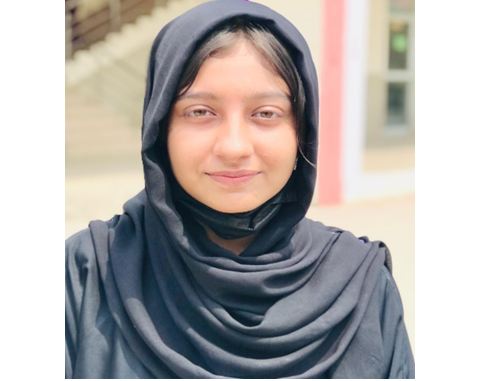
Alishba Usman

Pakistan’s emergence as the world’s first Islamic nuclear power on May 28, 1998, marked a defining moment in its history and the geopolitics of South Asia. The thunderous detonations in the Chagai hills of Balochistan, commemorated annually as Youm-e-Takbeer (Day of Greatness), were not merely scientific feats but profound assertions of national sovereignty, technological brilliance, strategic resolve and Islamic identity. This journey, driven by acute security imperatives and national aspiration, transformed Pakistan into the seventh nuclear-armed nation and cemented its place as a pivotal strategic actor.

Pakistan’s nuclear ambitions were fundamentally forged in the crucible of regional insecurity and conflict with India. The early Cold War alignment with the United States, formalized through the Mutual Defense Assistance Agreement (1954), provided crucial military modernization, training and access to Western alliances like SEATO and CENTO. While this bolstered conventional forces in the 1950s-60s, it also exposed Pakistan to the realities of global power politics and the symbolic weight of nuclear capability. However, two seismic events crystallized the absolute necessity of a nuclear deterrent:

India’s first nuclear explosion shattered the regional strategic balance. For Pakistan, already scarred by three wars (1948, 1965 and 1971) with its larger neighbor, it represented an existential threat. Conventional military parity was rendered insufficient. The loss of East Pakistan (Bangladesh) was a devastating military and psychological blow. It underscored Pakistan’s vulnerability and convinced its leadership, particularly Prime Minister Zulfikar Ali Bhutto, that nuclear weapons were essential for survival and preventing future dismemberment. Bhutto’s famous declaration, We will eat grass, even go hungry, but we will get our own nuclear bomb, became the rallying cry. He established the Pakistan Atomic Energy Commission (PAEC) and laid the institutional groundwork.

 Beyond immediate security, motivations included deterrence (making aggression prohibitively costly for adversaries), restoring the regional power balance tilted by India’s test and achieving national pride and technological prestige particularly the aspiration to become the first Muslim nation to possess nuclear weapons. The path to nuclear capability was arduous, conducted under a shroud of extreme secrecy and against formidable external pressure. The 1974 test triggered international non-proliferation efforts, leading to technology embargoesheavy international scrutiny and intelligence surveillance. Pakistan faced diplomatic isolation and severe resource constraints. Despite these obstacles, a network of patriotic scientists, engineers and military strategists worked relentlessly. Early initiatives benefited from peaceful nuclear programs like the US Atoms for Peace and training collaborations. Key institutions like the Atomic Energy Research Organization (1954) and the PAEC were crucial. The scientific effort was spearheaded by figures likeDr. Munir Ahmad Khan (PAECChairman),Dr. Samar Mubarakmand (nuclear physicist overseeing the tests and missile tech) and Dr. Ishfaq Ahmad (prominent PAEC physicist). However, the program gained decisive momentum with the arrival of Dr. Abdul Qadeer Khan in the mid-1970s. His expertise in uranium enrichment technology, often controversially acquired, earned him the title father of Pakistan’s nuclear program and provided a viable route to a fission weapon. This development was not merely technical; it was deeply political, ideological and nationalistic. Successive governments, military and civilian, prioritized the program despite economic weaknesses and international condemnation, viewing it as the ultimate guarantor of security against India and a symbol of national resolve.


The catalyst for testing came in May 1998 when India conducted five nuclear tests, escalating regional tensions to a critical point. Facing immense domestic pressure and strategic imperative, Prime Minister Nawaz Sharif authorized Pakistan’s response. On May 28, 1998 (Chagai-I) andMay 30, 1998 (Chagai-II), Pakistan detonated its nuclear devices in the Ras Koh Hills. These tests demonstrated. The success was immediate and profound. Pakistan had unequivocally joined the nuclear club, becoming the 7th nuclear power globally and the sole nuclear-armedIslamic state. Pakistan immediately framed its capability as purely defensive, rooted in the doctrine of minimum credible deterrence. The weapons were presented as essential to deter Indian aggression, ensure a strategic balance in South Asia and prevent large-scale war a lesson starkly learned from 1971. The emphasis remains on maintaining sufficient capability for defense, not aggression or dominance.

For the Islamic world, Pakistan’s achievement was unprecedented. It shattered perceptions of technological inferiority and dependence, proving that a Muslim-majority nation, despite limited economic resources and political instability, could achieve technological parity with global powers. Domestically, it ignited nuclear nationalism – a potent unifying force celebrated annually on Youm-e-Takbeer, honoring the sacrifices of scientists, the military and leadership and serving as a powerful symbol of sovereignty, scientific achievement, strength and unity for Muslims worldwide. It reshaped the Islamic identity in global geopolitics – projecting capability, pride and security.

The global response was swift and severe. Pakistan faced economic sanctions (US, Japan, EU), suspension of aid and trade agreements and short-term diplomatic isolation. However, the strategic landscape, particularly post-9/11, forced a recalibration. Global powers gradually began to accept Pakistan’s nuclear reality. Pakistan managed to maintain crucial alliances, especially with China, navigate relations with the US and retain strong ties within the Muslim world. The scientific triumph, utilizing indigenous techniques and developing secure facilities and command systems, became a source of enduring national pride.

Pakistan’s nuclear status undeniably strengthened its defense posture, provided a powerful deterrent and fulfilled a deep-seated need for national and Islamic prestige. However, the journey also invites critical reflection. The program was intensely elite-driven, prioritizing military strength and strategic parity, often at the expense of broader social welfare and economic development. In the last, I would like to express my heartfelt gratitude to Dr. Muhammad Akram Zaheer for his invaluable support and encouragement in guiding me to write an insightful write-up. His unwavering motivation, constructive feedback and deep understanding of the subject matter played a vital role in shaping my ideas and strengthening my research. It was through his mentorship that I found the confidence to explore this topic with depth and originality. I am truly thankful for his generous help and academic inspiration.

Alishba Usman

Student of DPT University of Okara
[email protected]

Facilitation of overseas Pakistanis top priority: PM

Facilitation of overseas Pakistanis top priority: PM

ISLAMABAD, SEP 08  (DNA) —  Prime Minister Shehbaz Sharif on Monday calling the overseas Pakistanis a valuable asset for the country, reaffirmed that it was among the incumbentgovernment’s priorities to provide them with all possible facilities.

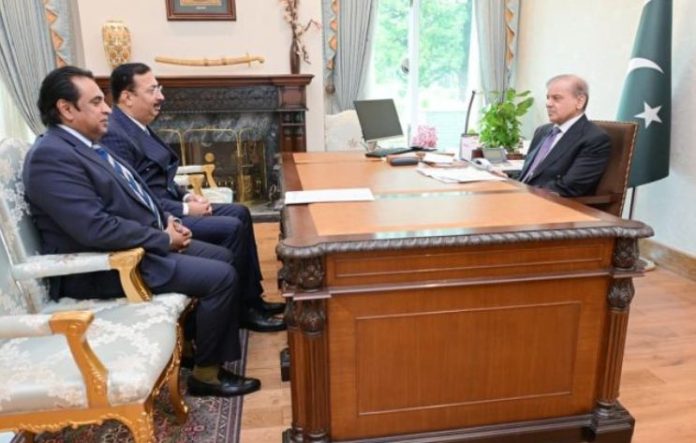
The prime minister, in a meeting with Chairman of the Overseas Pakistanis Foundation (OPF) Qamar Raza and Managing Director Afzaal Bhatti, said that the overseas Pakistanis were rendering significant services as a strong workforce in the global market.

During the meeting, the prime minister was briefed about the events held abroad regarding Pakistan’s victory in the Marka-e-Haq. The OPF Chairman and MD apprised the prime minister of the issues faced by overseas Pakistanis and the measures taken by the government to address them. — DNA

Shahid Afridi and FPCCI join forces for flood relief

Shahid Afridi and FPCCI join forces for flood relief

ISLAMABAD, SEP 08 (DNA) — Renowned cricketer Shahid Afridi, known for his on-field heroics, is now leading a charge for humanitarian aid. He recently visited the Federation of Pakistan Chambers of Commerce & Industry (FPCCI) to announce a new fundraising campaign for flood victims. Alongside FPCCI President Atif Ikram Sheikh, Afridi addressed a press conference, highlighting the urgent need for action.

FPCCI President Atif Ikram Sheikh praised Afridi’s philanthropic efforts, stating, “Shahid Afridi continues to play a remarkable role in welfare work after his cricket career.” Sheikh underscored the devastation caused by floods in Khyber Pakhtunkhwa, Punjab, and other parts of the country, expressing solidarity with the affected population. “In this difficult time, we stand with our people. All our help and energies are dedicated to assisting the flood victims,” he affirmed.

Taking the podium, Shahid Afridi emphasized his belief in action over words. “I talk less and prove more with my actions,” he said. He added that those who are committed to a cause don’t make excuses; they get the job done. Afridi also shared his observations on the country’s governance, noting, “I have not seen anywhere in the world where the government is doing business.”

Afridi’s passion for serving his country was evident as he spoke. “I belong to this soil, and I have to serve it. This entire Pakistan is mine,” he said. He lamented the lack of basic facilities for the public, stating, “The facilities that the public should get in Pakistan are not available.” He recounted a deeply moving experience, saying, “I have seen mothers giving birth to babies on the streets, which is very painful.”

He also highlighted the critical issue of clean water scarcity. “Clean water is not available to the citizens. In some areas, animals and humans drink water from the same place,” he revealed. He stressed that the flood victims are their own people, their own brothers and sisters. “We here don’t value water, but there, people are walking 10 kilometers for a single pot of water,” he said, drawing a stark contrast.

Afridi concluded by outlining the joint initiative with FPCCI. “We have come forward to serve these flood victims. We will work with the Chamber to build new villages for the people,” he announced, signaling a long-term commitment to rebuilding the lives of those affected by the floods.— DNA

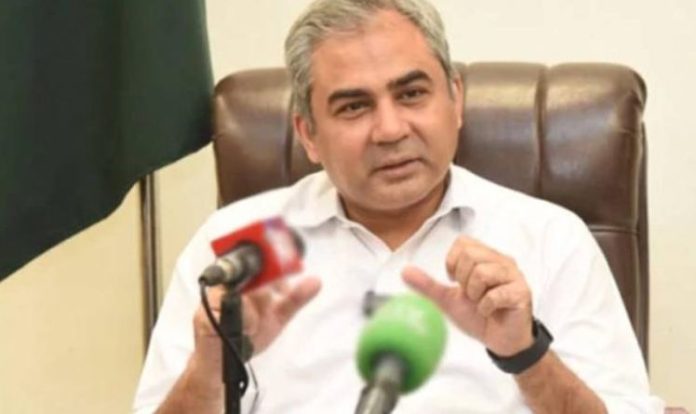
Mohsin Naqvi pays tribute to Pakistan Navy on Navy Day

Mohsin Naqvi pays tribute to Pakistan Navy on Navy Day

ISLAMABAD, SEP 08 (DNA) — Federal Interior Minister Mohsin Naqvi has paid rich tribute to the sacrifices and achievements of the Pakistan Navy on the occasion of Navy Day, observed on September 8.

In his message, the minister said that Navy Day is a reminder of the great sacrifices and unmatched feats of the valiant sons of the Pakistan Navy who defended the country’s maritime borders with courage and professionalism.

He highlighted that on September 8, 1965, the Pakistan Navy created history by safeguarding the seas and writing a glorious new chapter of valor. He noted that the daring warriors who carried out Operation Dwarka during the September War proved themselves to be true heroes of the nation.

“The Pakistan Navy destroyed key enemy coastal installations within moments, changing the course of naval warfare and foiling plans to attack Karachi,” Naqvi said. He added that the professional readiness, organization, and spirit of sacrifice of the Pakistan Navy astonished the enemy.

The minister remarked that Navy Day is not just a historic event but a continuation of the spirit, commitment, and resolve nurtured in the vastness of the seas. He said the Pakistan Navy has now evolved into a strong and modern maritime force equipped with advanced technology, missile systems, and self-reliance.

He further emphasized that Pakistan Navy’s participation in international exercises, its leadership role in regional maritime security, and active contribution at the diplomatic level have become its proud identity.

“The nation is proud of its sea guardians who, through professionalism and strategy, have made the maritime borders impregnable,” Naqvi said, reaffirming that the Pakistan Navy remains committed to upholding the spirit of September 8, 1965.— DNA

UAE forces commander meets Gen Sahir

UAE forces commander meets Gen Sahir

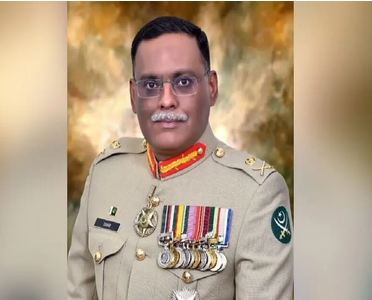
RAWALPINDI, SEP 08  (DNA) —  Major General Humaid Mohammed Abdulla Alremeithi, Commander of United Arab Emirates Naval Forces, while on an official visit to Pakistan, called on General Sahir Shamshad Mirza, NI, NI (M), Chairman Joint Chiefs of Staff Committee (CJCSC) at Joint Staff Headquarters, Rawalpindi.

The two dignitaries held in-depth discussions on professional matters, reviewing the evolving global and regional geo-strategic environment. Both sides emphasized the vital role of bilateral defence and security cooperation, including in the maritime domain for regional peace and stability.

The visiting dignitary remained appreciative of professional standards of Pakistan Armed Forces, their achievements and sacrifices in fight against terrorism and continued efforts towards regional peace and stability.Earlier, upon arrival at Joint Staff Headquarters, a smartly turned-out tri-services contingent presented Guard of Honour to the visiting dignitary. — DNA

RCCI President meets Ambassador of Pakistan to Switzerland

RCCI President meets Ambassador of Pakistan to Switzerland

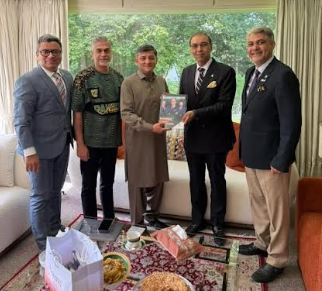
ISLAMABAD, SEPT 8 /DNA/ – The President of the Rawalpindi Chamber of Commerce and Industry (RCCI), Usman Shaukat, called on Dr. Marghoob Saleem Butt, Ambassador of Pakistan to Switzerland, at the Pakistan House in Berne. The meeting took place on the sidelines of the Global SME Summit, held in Davos from September 3–5, 2025.

During the interaction, President RCCI appreciated the continuous support and assistance provided by the Embassy of Pakistan, particularly in facilitating engagements with local chambers of commerce and business leaders in Switzerland. He also briefed the Ambassador on RCCI’s current initiatives and shared updates on upcoming trade promotion activities, business forums, and international outreach programs.

Ambassador Dr. Marghoob Saleem Butt lauded RCCI’s dynamic role in promoting trade, industry, and entrepreneurship in the region. He highlighted RCCI’s efforts to maintain close liaison with key stakeholders across the globe, which is essential for fostering new partnerships and opportunities.

The Ambassador further emphasized the importance of proactive engagement by the business community in enhancing bilateral ties. He reiterated Pakistan’s commitment to strengthening economic and commercial relations with Switzerland and other European countries.

US firms to invest $500 million in Pakistan’s minerals

US firms to invest $500 million in Pakistan's minerals

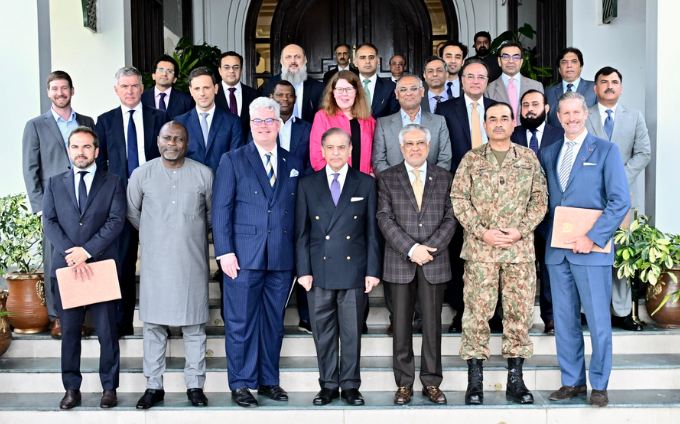
ISLAMABAD: SEPT 8 /DNA/ – A high-level US delegation including USSM (United States Strategic Metals) and Mota-Engil, renowned global companies in the mining and infrastructure sector met with Prime Minister Muhammad Shehbaz Sharif at the Prime Minister’s House today. Deputy Prime Minister and Foreign Minister Ishaq Dar, Chief of the Army Staff Field Marshal Syed Asim Munir and Federal Ministers were also present in the meeting.

The delegation is visiting  Pakistan to explore opportunities for expansion of mining operations in Pakistan and assess potential for value addition in mineral resources and development of supporting infrastructure.

Delegation held high-level meetings with Prime Minister of Pakistan, Chief of Army Staff (COAS), Minister of Petroleum and Minister of Commerce and were briefed on Pakistan’s vast mineral reserves, including copper, gold, and rare earth elements.

The visiting companies expressed readiness to invest in establishing value-addition facilities within the country, enhancing mineral processing capacity, and developing large-scale infrastructure projects linked to the mining sector.

In this context, two Memoranda of Understanding (MoUs) focusing in development and processing of critical minerals, including rare earth elements (REEs), and logistics services were signed between the two governments.

The Frontier Works Organization (FWO) – Pakistan’s largest miner of critical minerals – signed a landmark Memorandum of Understanding (MoU) with United States Strategic Metals (USSM), a leading processor, recycler, and miner based in St. Louis, Missouri. The agreement establishes a framework for collaboration across a range of critical minerals essential for the defense, aerospace, and technology industries.

The partnership will begin immediately with the export of readily available minerals from Pakistan, including antimony, copper, gold, tungsten, and rare earth elements. This cooperation lays the foundation for scaling up towards the establishment of a USSM proprietary, highly flexible poly-metallic refinery in Pakistan. The refinery will produce intermediate and finished products dedicated to meeting the rapidly growing demand of the U.S. market. The first phase of this deal is envisaged at approximately $500 million of investments into Pakistan’s critical minerals sector.

This collaboration further strengthens the enduring bilateral relationship between Pakistan and the United States, while unlocking new opportunities for sustainable growth, technology transfer, and job creation.

The next steps for the MoU include forming dedicated teams to explore the full potential of Pakistan’s vast resource base, identifying critical minerals for immediate export, and building an anchor position for a long-term partnership in exploration, extraction, and processing. Importantly, the cooperation will prioritize sustainability, profitability, and environmental responsibility to ensure benefits for the people of both nations.

In addition, both parties will also explore innovative financing and digital solutions such as tokenisation of critical minerals, enabling global investors to participate in Pakistan’s mineral wealth and further accelerating transparency, liquidity, and value creation across the sector.

Similarly, the National Logistics Corporation of Pakistan signed an MoU with Mota-Engil Group which is a global leader in engineering and construction is actively working new opportunities to expand its footprint across West Asia.

The current survey of opportunities in Pakistan aims to identify priority markets where Mota-Engil can align with government visions and private sector initiatives. The Group seeks to build long-term partnerships that leverage its global know-how while creating value locally through job creation, technology transfer, and sustainable development.

The visit of the delegation and signing of the aforementioned MoUs mark a milestone in Pakistan’s efforts to attract global investment in the mining & logistics sector.

4 judges term SC full court meeting ‘stamp of approval’

4 judges term SC full court meeting ‘stamp of approval’

News Desk

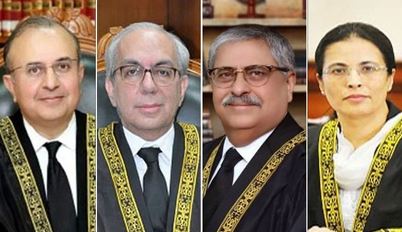
ISLAMABAD, SEPT 8 /DNA/ – In yet another letter highlighting the rift within the judiciary, four Supreme Court (SC) judges expressed their reservations on Monday regarding the process being adopted for the review and approval of Supreme Court Rules 2025.

They dubbed the full court meeting, called for this purpose today, a mere “stamp of approval” for the rules, which they said were already decided and unilaterally approved.

The letter addressed to Chief Justice of Pakistan Yahya Afridi, a copy of which is available with Dawn.com, was sent by senior puisne judge Justice Mansoor Ali Shah, Justice Munib Akhtar, Justice Ayesha Malik, and Justice Athar Minallah.

They pointed out that “if the full court was not deemed necessary for the adoption of the rules themselves, how can it now be summoned to deliberate upon their amendment?”

The judges said the working paper for the meeting’s agenda stated that under Rule 1(4) of the Supreme Court Rules 2025, the CJP may “remove any difficulty in giving effect to the said rules” on the recommendations of a committee that was constituted by him and had already been formed.

Moreover, “the chief justice, through a letter dated August 12, 2025, informed the judges that the rules had already been approved through circulation and duly notified in the Gazette on August 9, 2025,” the judges highlighted.

Yet, they further stated, the CJP had sought suggestions “for further amendments” to the rules.

Calling into question the legality of the rules themselves, the judges noted that the “present Supreme Court rules were never placed before, nor approved by, the full court.”

Citing Article 191 of the Constitution, they said the SC had the “power to make rules regulating its practice and procedure, but this power is exercised collectively by the court as an institution”.

The judges concluded that any rules established “without deliberation and approval of the full court” lacked its approval and could not acquire “binding legal status”.

They were of the opinion that the rules, in their present form, “suffer from both substantive and procedural illegality”. In this connection, they expressed reservations rules were processed through circulation.

“Circulation is an administrative convenience to deal with routine or minor procedural matters; it is not, and cannot be, the vehicle for laying down the constitutional architecture of this court’s governance.

“Unless the full court had itself had expressly resolved to adopt circulation for this purpose the chief justice alone could not unilaterally resort to it.”

ISSI concludes MoU with China’s leading think-tank SIIS

ISSI concludes MoU with China’s leading think-tank SIIS

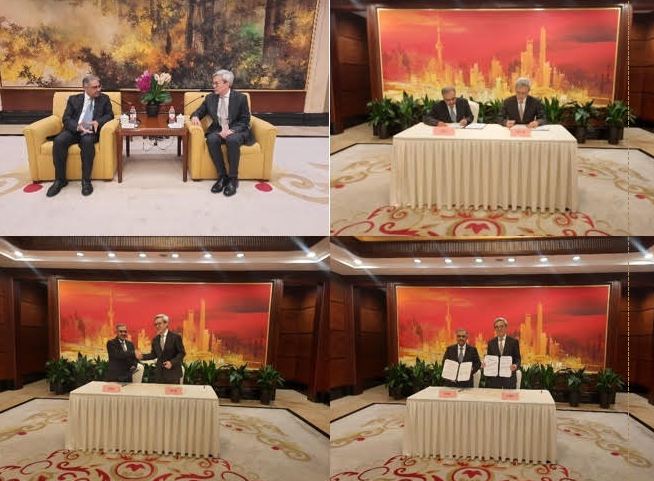
ISLAMABAD, SEPT 8 /DNA/ – Further deepening its international partnerships, the Institute of Strategic Studies Islamabad (ISSI) has concluded a Memorandum of Understanding (MoU) with the Shanghai Institutes for International Studies (SIIS) to institutionalise and deepen academic collaboration. SIIS is one of China’s leading think-tanks with a strong global reputation for policy-oriented research.

The MoU was signed on 2 September 2025 in Shanghai, on the sidelines of the “High-level Seminar on Development and Cooperation between China and South Asian Countries” that brought together scholars, experts, and policymakers to deliberate on contemporary global and regional challenges.

The signing ceremony was attended by senior officials and scholars from both institutions.

Ambassador Sohail Mahmood, Director General ISSI, and Professor Chen Dongxiao, President of SIIS, signed the MoU on behalf of their respective sides. The MoU establishes a framework for long-term cooperation in areas such as joint research, policy dialogue, academic exchanges, co-publications, and participation in seminars and conferences on issues of mutual interest at regional and global levels.

In his remarks on the occasion, Ambassador Sohail Mahmood highlighted the importance of enhanced academic and intellectual engagement between Pakistan and China, particularly in the context of far-reaching geopolitical and geo-economic shifts. He underscored that this MoU would serve as a sound foundation for sustained collaboration and knowledge-sharing between ISSI and SIIS.

Professor Chen Dongxiao welcomed the partnership and reaffirmed SIIS’s commitment to deepening research collaboration with ISSI on a wide spectrum of themes, noting that closer academic linkages would further enrich China–Pakistan relations.

The ISSI–SIIS partnership represents a significant step in strengthening scholarly and policy-oriented exchanges between Pakistan and China. It is expected to contribute meaningfully to bilateral understanding and regional dialogue through joint research, publications, and academic cooperation.

US, Pakistan firms sign metals MoU at PM House

US, Pakistan firms sign metals MoU at PM House

ISLAMABAD, SEPT 8 /DNA/ – Embassy Islamabad Acting Deputy Chief of Mission Zach Harkenrider accompanied a delegation led by U.S. Strategic Metals (USSM) to sign a Memorandum of Understanding (MOU) with Pakistan’s Frontier Works Organization (FWO) at Prime Minister House today.  Speaking about the MOU signing, Chargé d’Affaires (CDA) Natalie Baker said, “This signing is yet another example of the strength of the U.S.-Pakistan bilateral relationship that will benefit both countries.”   

USSM, based in the U.S. state of Missouri, is focused on producing and recycling critical minerals, which the U.S. Department of Energy has defined as essential in a variety of technologies related to advanced manufacturing and energy production.  Speaking about the importance of such bilateral agreements, CDA Baker added, “The Trump administration has made the forging of such deals a key priority given the importance of critical mineral resources to American security and prosperity.  We look forward to seeing future agreements between U.S. companies and their counterparts in the critical minerals and mining sector in Pakistan.”   

Stay Connected

64FansLike
60FollowersFollow

Latest Reviews

Exchange Rates

USD - United States Dollar
EUR
1.17
GBP
1.35
AUD
0.72
CAD
0.73