Home Blog Page 421

ISSI, Arab Thought Forum sign deal for deeper collaboration

ISSI, Arab Thought Forum sign deal for deeper collaboration

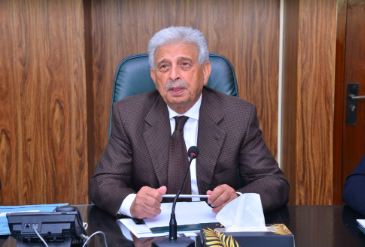
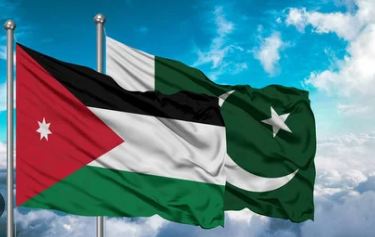
ISLAMABAD, OCT 20 /DNA/ – Further expanding its international outreach, the Institute of Strategic Studies Islamabad (ISSI) has concluded a Memorandum of Understanding (MoU) with the Arab Thought Forum (ATF) — a Middle Eastern think-tank based in Jordan. The MoU was signed by Ambassador Sohail Mahmood, Director General, ISSI; and Dr. Al-Sadig M. Al-faqih, Secretary General of ATF. The on-line event was also attended by Ms. Amina Khan, Director, Centre for Afghanistan, Middle East, and Africa (CAMEA), ISSI; and Dr. Shakaib Rafiq, Pakistan’s Deputy Head of Mission in Amman, among others.

DG ISSI Ambassador Sohail Mahmood, in his remarks, expressed special appreciation for the visionary approach of His Royal Highness Prince al-Hassan bin Talal, Founder and Chairman of the ATF, who established the first of its kind of regional institutions focused on research and dialogue on a range of subjects of strategic relevance to the Arab world. He also commended the efforts of the Pakistan Embassy in Amman for facilitating the institutional relationship between the two think-tanks. Ambassador Sohail Mahmood highlighted the long-standing historical, cultural, and diplomatic ties between Pakistan and the Arab world, including Jordan, and stressed that they could potentially pave the way for deeper research and academic collaboration as well. He further highlighted the wide range of subjects for mutual cooperation, fostering not only exchanges in the academic arena, but also reinforcing people-to-people exchanges between the two fraternal countries. He expressed the hope that this collaborative partnership will enable the two institutions enhance mutual understanding and promote shared objectives.

In his remarks, ATF Secretary General Dr. Al-Sadig Al-Faqih recalled Pakistan’s close proximity and long-standing fraternal ties with Jordan and the Arab countries at large. While highlighting various specific instances of close collaboration, he stated that Pakistan’s special position and status in the Arab and Muslim world was the rationale behind ATF’s keen interest to engage with the country’s leading think-tank. Dr. Al-Faqih underscored the importance of deeper engagement and the desirability of carving out ways of practical cooperation under this MoU.

Earlier, Ms. Amina Khan, in her introductory remarks, underlined the importance of this collaborative initiative for institutional cooperation on issues of bilateral and regional nature. Dr. Shakaib Rafiq highlighted a number of areas of potential cooperation beyond traditional research focus. He reaffirmed Pakistan Embassy’s steadfast support to foster enhanced collaboration between the two sides.

The MoU marks a vital step forward in strengthening collaboration between the academic and research communities of Pakistan and the Arab world. The central element of the ISSI-ATF MoU is the exchange of officials and experts for the purposes of research, field study, professional training, exchange of views, and sharing of experience in the areas of common interest. Joint scientific research, events, and exchange of publications will also constitute part of the agreed framework of cooperation.
PM Sharif to attend global investment conference in Saudi Arabia

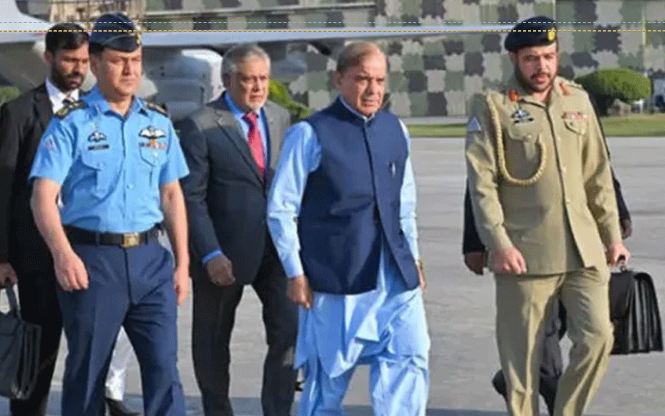
ISLAMABAD, OCT 20: Prime Minister Shehbaz Sharif is set to visit Saudi Arabia next week to attend the International Future Investment Initiative (FII) Conference, where he will promote Pakistan’s investment potential and economic reform agenda.

According to official sources, the PM will embark on a three-day visit to the Kingdom, accompanied by senior political and military leaders.

The FII Conference, organized under Saudi Vision 2030, will bring together global investors, economists, and business leaders to explore opportunities in emerging markets.

Focus on investment, reforms, and partnerships

Prime Minister Shehbaz Sharif is expected to highlight Pakistan’s economic reforms, investment incentives, and development priorities in his address and sideline meetings.

During the visit, the Prime Minister is also likely to hold bilateral meetings with Saudi leadership, global investors, and business entities to discuss cooperation in key sectors such as energy, agriculture, IT, mining, and infrastructure.

The conference will provide a platform for Pakistan and Saudi Arabia to align their development goals. According to sources, there will be important consultations on shared economic interests and collaboration under Vision 2030, which focuses on economic diversification and sustainable growth.

Shehbaz Sharif will also emphasize Pakistan’s pro-investment policies, ease of doing business measures, and the government’s efforts to attract foreign capital into priority sectors.

Uzbekistan Airways doubles flights to Pakistan amid soaring demand

Uzbekistan Airways doubles flights to Pakistan amid soaring demand

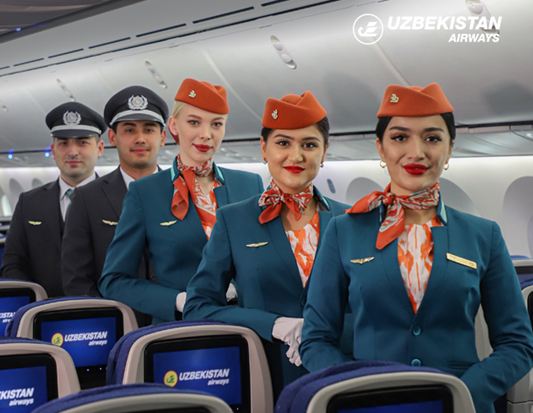
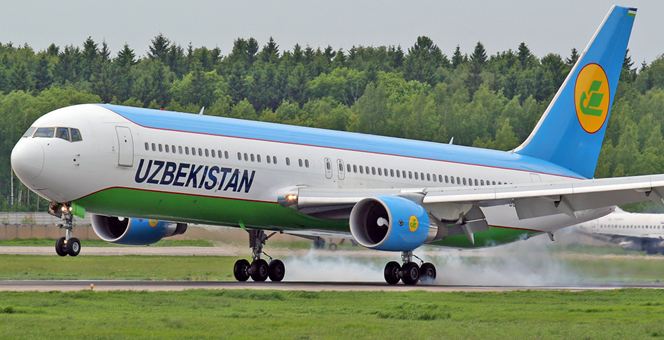
TASHKENT/ISLAMABAD, OCT 20: /DNA/ – Uzbekistan Airways, the national carrier of Uzbekistan, has announced a significant expansion of its flight schedule between Tashkent and Islamabad. Starting October 28, 2025, the Airline doubles the frequency of its regular flights on the “Tashkent-Islamabad-Tashkent” route: from once a week to twice a week.

This decision reflects the Uzbekistan Airways’s commitment to strengthening air connectivity between Uzbekistan and Pakistan, supporting the growing flow of travelers, business people, and tourists between the two countries.

Uzbekistan and Pakistan share deep historical, cultural, and spiritual ties. In recent years, these bonds have been further reinforced through expanding cooperation in trade, investment, education, and tourism. The increase in flight frequency symbolizes this evolving partnership, transforming shared aspirations into tangible connections.

Currently, Uzbekistan Airways operates two weekly flights on the “Tashkent-Lahore-Tashkent” route and one weekly flight on the “Tashkent-Islamabad-Tashkent” route. However, due to high and consistent passenger demand, with flights frequently operating at full capacity and tickets selling out days in advance, the airline has decided to add a second weekly Islamabad service.

For Pakistani travelers, the new schedule offers greater flexibility and convenience. With more options for travel days and shorter booking lead times, passengers can now plan business trips, family visits, and leisure tours more comfortably.

Beyond direct travel between the two capitals, Tashkent International Airport serves as a key transit hub in Central Asia, connecting Pakistan to over 50 international destinations across Europe, North America, the Middle East, East and South-East Asia. Passengers flying via Tashkent can enjoy smooth transit connections to popular destinations such as Istanbul, Frankfurt, Paris, London, New York, Moscow, Tokyo, Seoul, Kuala Lumpur, Baku, and Astana, making Uzbekistan Airways an increasingly attractive choice for global travelers.

The additional flights are expected to strengthen tourism cooperation between the two nations. Uzbekistan, home to the ancient Silk Road cities of Samarkand, Bukhara, Khiva, and Kokand, offers Pakistani tourists a unique opportunity to explore Islamic heritage, shared cultural roots, and architectural wonders, all just a short flight away.

In return, easier connectivity will encourage more Uzbek visitors to discover Pakistan’s scenic landscapes, spiritual sites, and hospitality, fostering people-to-people exchanges and greater mutual understanding.

Expanding the “Tashkent-Islamabad” route aligns with Uzbekistan’s and Pakistan’s shared vision of strengthening regional cooperation, trade, and connectivity. Enhanced air transport not only facilitates business and tourism but also contributes to economic diplomacy and regional integration across Central and South Asia.

This milestone move by Uzbekistan Airways stands as a testament to the deepening friendship and forward-looking partnership between the two nations. It represents more than just an increase in flight frequency. It is a bridge that connects people, economies, and cultures.

For travelers from Pakistan, the expanded Tashkent-Islamabad service opens a world of opportunity: from discovering the timeless heritage of Uzbekistan to connecting seamlessly with destinations across the globe.

The skies between Tashkent and Islamabad are not just routes – they are bridges uniting brotherly nations, strengthening friendship, and connecting Pakistan with the world through Uzbekistan.

About Uzbekistan Airways

Founded in 1992, Uzbekistan Airways is the flag carrier of the Republic of Uzbekistan, operating regular passenger and cargo services to more than 50 cities worldwide. The airline is renowned for its safety record, modern fleet, and high-quality service. Tashkent International Airport, its main hub, serves as one of the most strategically located air gateways linking East and West.

The airline’s pilots are highly skilled professionals who have mastered the operation of advanced aircraft. Their professionalism and expertise are well known around the world and have been highly praised by international aviation organizations.

As always, flight safety and passenger security remain the company’s top priority. Uzbekistan Airways continues to uphold its long-standing principles: stability, reliability, and comfort, which have earned it a strong reputation among global travelers.

Minister to open summit on Pakistan’s high-value olive future

Minister to open summit on Pakistan's high-value olive future

ISLAMABAD, OCT 20 /DNA/ – With Pakistan identified as a highly favorable country for olive cultivation, a major national summit is set to chart a course for developing a safe, sustainable, and export-ready olive supply chain, positioning the nation to become one of the world’s leading olive producers in the coming years.

The Al Baraka Olive Summit-2025, organized by the National Alliance for Safe Food (NAFS) and Al Baraka Bank, will be held on October 21, 2025, at the Serena Hotel in Islamabad. The event aims to bring together key stakeholders from the agriculture, banking, and policy sectors to strategize on unlocking the immense potential of Pakistan’s olive industry.

The summit will be inaugurated by the Chief Guest, Rana Tanveer Hussain, Federal Minister for National Food Security and Research, underscoring the government’s commitment to this emerging agricultural sector.

The central theme of the summit is “Promoting a Safe, Sustainable, and Export-Ready Olive Supply Chain.” Discussions will focus on critical areas such as:

  • Advanced Cultivation Techniques: Promoting modern farming practices to increase yield and quality.
  • Food Safety and Standards: Ensuring Pakistani olive products meet stringent international export requirements.
  • Supply Chain Development: Building efficient systems from farm to market, including processing, packaging, and logistics.
  • Financial Support and Investment: Exploring funding models and banking solutions for olive farmers and entrepreneurs.

The recognition of Pakistan’s ideal climatic and soil conditions for olive farming has opened a new frontier for agricultural exports and economic growth. The Al Baraka Olive Summit-2025 is poised to be a pivotal moment, transforming this potential into a tangible, high-value industry for the country.

Stakeholders anticipate that the event will result in a concrete action plan to foster collaboration between the public and private sectors, driving Pakistan towards its goal of joining the ranks of the world’s biggest olive-producing nations.

Closure of Torkham border causes huge losses to both countries, increase in inflation Zahid Shinwari

Closure of Torkham border causes huge losses to both countries, increase in inflation Zahid Shinwari

From Our Correspondent

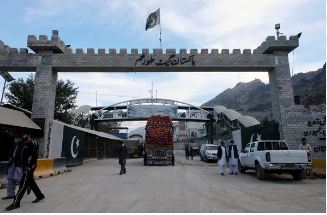
PESHAWAR, OCT 20 /DNA/ – Former President of the Border Chamber of Commerce and Industry Zahid Shinwari has said that traders, transporters and the public on both sides are suffering huge losses due to the closure of the border. He said that there is an annual trade of about one billion dollars between the two countries, while the national treasury is losing Rs 700 to 800 million on a daily basis.

While talking to the media, Zahid Shinwari said that more than a week has passed since the closure of Torkham and other borders, as a result of which there has been a significant increase in the wave of inflation on both sides. According to him, fruits and other goods coming to Pakistan from Afghanistan are stuck at the border, due to which they are spoiling, while the people there are also facing severe difficulties and inflation due to the closure of goods going from Pakistan to Afghanistan.

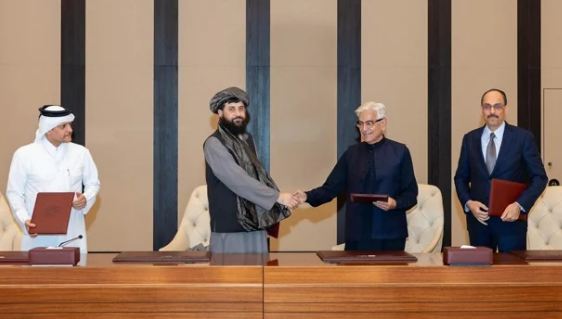
 He further said that after the peace talks in Doha, the capital of Qatar, it was expected that all the borders would be opened immediately so that trade activities could resume, but unfortunately this did not happen.

According to Zahid Shinwari, even in areas of the world where wars are ongoing, borders are not closed but are kept open so that trade is not affected.

He said that if any problem arises, the two governments should sit down and find a solution through negotiations, instead of closing the border, continue trade activities because the border closure is causing huge losses to both countries.

Drivers and Torkham workers are facing severe difficulties due to the closure of the Pak-Afghan Torkham border.

The closure of the Torkham border has badly affected not only trade but also the lives of the general public, workers and drivers. It has been a week since the border was closed, due to which the prices of grapes, pomegranates, apples and other fruits have doubled, while hundreds of vehicles are stranded on various highways.

 According to market sources, the price of grapes per kg has increased from Rs 400 to Rs 800, pomegranate from Rs 300 to Rs 600 and apples from Rs 200 to Rs 400 per kg. Traders say that the closure of the Torkham border has affected the supply of fruits and created a shortage in the market. On the other hand, drivers of trucks and trailers parked on the highways told the media that they have been waiting for the border to open for several days and have run out of money for expenses, while the tires of the vehicles are close to being damaged due to the heavy weight. They said that the cost of a pair of tires is more than Rs 100,000, which they cannot afford. At the same time, hundreds of laborers work in Torkham every day, but due to the closure of the border, the stoves of their homes have become cold, and the workers on both sides are forced to starve.  According to sources, there are more than 2,500 taxis in Torkham, Landi Kotal and Peshawar whose livelihood depends on the rides coming and going from Afghanistan. When the border is open, they get rides, but during the Torkham closure, all these vehicles are parked in houses or huts, which is affecting the livelihood of hundreds of families.

Traders and transporters have appealed to both governments to end the border tension and restore trade and transportation so that the difficulties of laborers, drivers and traders can be reduced.

According to sources, a ceasefire has been established between Pakistan and Afghanistan and it is expected that the border will be opened soon, which will reduce the prices of other food items including fruits and restore economic activities.

Public opinion makers must play a positive role

Pakistan, Afghan ceasefire; will it hold?

Pakistan’s apprehensions about India’s role in Afghanistan are not new. These concerns persisted even after the fall of the first Taliban regime in November 2001, when India became active in Afghanistan’s development, education, and health sectors

Comment

Shamim Shahid

The tensions that have once again strained relations between Pakistan and Afghanistan are the outcome of years of mistrust, miscommunication, and misplaced fears. The concerns that brought both countries to this tragic point are neither entirely imagined nor entirely real — rather, they have been shaped by exaggeration, political manipulation, and decades of suspicion.

Both Islamabad and Kabul have repeatedly accused each other of harboring anti-state elements, while even genuine diplomatic gestures are often misread as threats. Instead of cooling tempers, the media — both mainstream and social — have at times inflamed hostilities, amplifying unverified claims and promoting narratives that deepen divides between the two neighboring Islamic countries.

A particular mindset within Pakistan has long justified aggressive postures toward Afghanistan on the grounds of Kabul’s growing diplomatic engagement with India. This deep-rooted anxiety, dating back to the early years of Pakistan’s formation, still reflects a psychological insecurity rather than a rational assessment of regional dynamics.

Pakistan’s apprehensions about India’s role in Afghanistan are not new. These concerns persisted even after the fall of the first Taliban regime in November 2001, when India became active in Afghanistan’s development, education, and health sectors. During the governments of President Hamid Karzai and Dr. Ashraf Ghani, Pakistani officials and sections of the media repeatedly questioned the nature of Afghan-Indian relations. Yet both Afghan leaders consistently reassured Pakistan that India was not a replacement for its western neighbor.

Karzai, during a press interaction at Serena Hotel Islamabad, famously remarked: “We are one body with two hearts. No one could replace Pakistan in Afghanistan. A majority of Afghans still consider Pakistan their second home.” Dr. Ashraf Ghani, too, maintained a similar stance, emphasizing Afghanistan’s natural bond with Pakistan.

However, the greater failure lies not only in political missteps but also in the silence of those who should have spoken up. Media institutions, civil society, and intellectuals — instead of questioning flawed policies — often echoed official narratives. This silence enabled rulers on both sides to sustain politics built on fear, not cooperation.

Following the return of the Taliban (Emirate Islami) to power in Kabul, an alarming pattern of suppression of dissent has emerged. Voices of reason, dialogue, and moderation have been silenced under the pretext of maintaining order. Ironically, restrictions on media freedom, expression, and civic activism are not limited to Afghanistan; similar constraints have increasingly appeared in Pakistan.

This shared repression has made it nearly impossible for public opinion makers to build bridges or create space for meaningful dialogue. When journalists, analysts, and human rights defenders are silenced, societies are left at the mercy of propaganda and populism. The governments of both countries must immediately remove all restrictions on media and civil society. Freedom of expression and open dialogue are the first steps toward rebuilding trust.

The time has come for Pakistan and Afghanistan to rewrite their shared story — not through proxy wars, border skirmishes, or diplomatic deceit, but through mutual respect, understanding, and courage. Both nations share deep cultural, religious, and historical ties that cannot be erased by politics or propaganda.

The old doctrines of suspicion and strategic depth have long outlived their purpose. In today’s world, where former foes have turned into trade partners, hostility only isolates nations from progress. The real enemies confronting both Pakistan and Afghanistan are poverty, unemployment, illiteracy, and extremism — not each other.

Instead of diverting public attention through conflict-driven narratives, the rulers of both countries must recognize their core responsibility: ensuring that their citizens can live with dignity and economic security. A stable, peaceful, and cooperative Pakistan-Afghanistan relationship is not only vital for their own peoples but also for regional peace and prosperity.

The media, civil society, and public opinion makers on both sides must reclaim their role — not as echo chambers of state narratives, but as bridges of understanding. Peace will not be achieved by governments alone; it will emerge when ordinary people, journalists, scholars, and community leaders begin to see across the border not an enemy, but a neighbor in need of friendship.

South Africa regain grip as Pakistan end day one at 259-5

South Africa regain grip as Pakistan end day one at 259-5

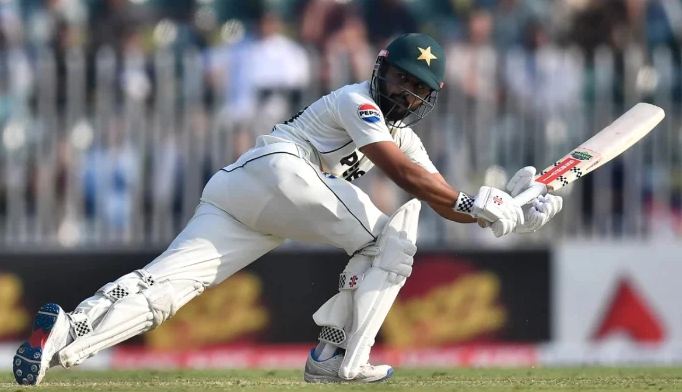
LAHORE: South Africa regained their confidence by claiming five wickets, despite Pakistan steadily adding runs, as the hosts finished the opening day of the second Test at 259-5 in 91 overs on Monday at the Rawalpindi Cricket Stadium.

Resuming the final session at 177-3 in 62 overs, Shan Masood and Saud Shakeel continued Pakistan’s strong batting display, steadily adding runs with the skipper nearing his Test century. Pakistan crossed the 200-run mark in the 70th over.

The pair contributed 45 runs for the fourth wicket before Keshav Maharaj struck, claiming his second wicket by dismissing Shan Masood for 87 off 176 balls, featuring two fours and three sixes. Pakistan were reeling at 212-4 in 73.3 overs.

Mohammad Rizwan joined Saud at the crease and provided a crucial start, but his innings ended when Kagiso Rabada claimed his wicket for 19 runs off 39 balls, which included two boundaries.

Pakistan will resume their innings on the second day with Saud Shakeel unbeaten on 42 off 105 balls, alongside Salman Ali Agha, who is on 10 off 25 deliveries.

For the Proteas, Simon Harmer and Keshav Maharaj picked up two wickets each, while Kagiso Rabada claimed one wicket.

Earlier in the day, Pakistan began confidently as Imam-ul-Haq and Abdullah Shafique added quick runs, finding boundaries with ease and keeping the scoreboard ticking in the morning session.

The opening pair looked set for a solid stand before Imam was clean bowled by spinner Simon Harmer for 17 off 35 balls, ending a 35-run partnership in the 13th over.

Abdullah Shafique continued positively, mixing aggression with composure to keep the pressure on the South African bowlers.

Captain Shan Masood then joined Shafique and immediately made his presence felt, smashing two towering sixes as Pakistan reached 65-1 after 20 overs.

The duo brought up a 50-run stand in the 25th over, both growing in confidence as lunch approached.

Resuming after lunch at 95-1 in 30 overs, Masood and Shafique continued their positive approach, helping Pakistan cross the 100-run mark.

Masood remained solid, notching his 13th Test fifty, while Shafique played a crucial role after a slow start in the series opener.

The pair added 111 runs for the second wicket, putting pressure on the South African bowlers. Shafique went on to register his sixth Test fifty as Pakistan reached 146-1 in 50.5 overs.

The breakthrough came when Harmer dismissed Shafique for 57 off 146 balls, which included four boundaries.

Babar Azam then joined Masood and got off to a steady start, but the duo added only 21 runs for the third wicket before Babar was dismissed for 16 off 22 balls by Keshav Maharaj, leaving Pakistan at 167-3 in 56 overs.

ICCI hails digital shift for Pakistan’s key pharmaceutical sector

ICCI hails digital shift for Pakistan's key pharmaceutical sector

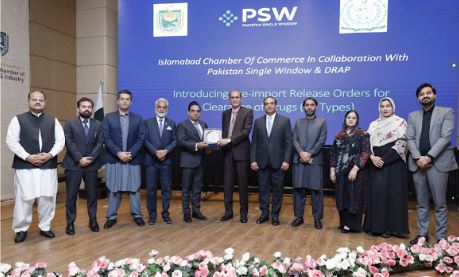
ISLAMABAD, OCT 20: /DNA/ – Islamabad Chamber of Commerce and Industry (ICCI) in collaboration with Pakistan Single Window (PSW) and Drug Regulatory Authority of Pakistan (DRAP) organized an awareness session on “Introducing Pre-Import Release Order for Clearance of Drugs” here on Monday.

The session, led by the PSW team, focused on how the integration of the DRAP Clearance Gateway with the PSW platform is revolutionizing the import clearance process for pharmaceuticals. It provided detailed guidance to participants on the new workflow, emphasizing digital efficiency, transparency, and user convenience.

Director DRAP Zeshan Nazir Bajar showcased the traits of the faster, more transparent, and reliable pharmaceutical trade ecosystem by simplifying the Pre-Import Release Order (PIRO) process for drugs. He said that the Importers can now apply online through the PSW portal to obtain release orders for imported drugs and raw materials. The system enables digital submission of applications, online payments, and improved coordination between traders and DRAP.

He further informed that the Pakistan Single Window is designed to enhance the efficiency of Pakistan’s international trade operations and that the integration reduces delays, minimizes manual paperwork, and ensures greater transparency by allowing traders to track the real-time status of their applications. He said that through this digital transformation, the pharmaceutical sector will benefit from a simplified, faster, and more predictable clearance process, ultimately contributing to a stronger and more compliant trade ecosystem.

Speaking on the occasion, President Islamabad Chamber of Commerce and Industry (ICCI) Sardar Tahir Mehmood appreciated PSW and DRAP for introducing this progressive digital reform. He said that the initiative marks a major milestone in Pakistan’s trade facilitation efforts. By digitizing and integrating clearance systems, PSW and DRAP have significantly reduced red tape and improved business convenience, particularly for pharmaceutical importers. ICCI fully supports such technology-driven reforms that align with our vision of a transparent and business-friendly environment, he added.

He added that the Pharmaceutical Industry is not just a business sector but is a strategic pillar of Pakistan’s public health and economic landscape and that streamlining its imports mechanisms through PSW will improve compliance, curb delays at ports and promote a safer, more competitive marketplace.

The session concluded with an interactive Q&A segment, allowing pharmaceutical importers, traders, and clearing agents to discuss challenges, share feedback, and enhance their understanding of the new digital process.

Domain Officer Umair Mahmood said that PSW’s aim is to drive Pakistan’s trade transformation towards a secure, transparent and technology drive ecosystem.

Staff Business Analyst Maryam Saeed showcased the entire online procedure through a presentation.

Representatives from the business community appreciated the initiative and expressed confidence that the collaboration would greatly facilitate pharmaceutical trade and ensure compliance with global best practices.

Those present on the occasion included ICCI Senior Vice President Tahir Ayub, Vice President Irfan Chaudhry, Executive Members, Faisal Muzzamal, Ch. Kalimullah, Atiqe ur Rehman and others.

Chairman of the Pharmaceutical Standing Committee at the Islamabad Chamber of Commerce and Industry (ICCI), Faisal Muzammal, played a pivotal role in organizing and ensuring the success of the session. His efforts significantly contributed to the event’s productive outcome.

IHC issues notices to authorities on CM Afridi’s plea

IHC issues notices to authorities on CM Afridi's plea

Court removes registrar’s objections and issues notices to Adiala jail superintendent, others on CM’s petition

Whoever attacks Pakistan would receive strong response: CM Afridi

DNA

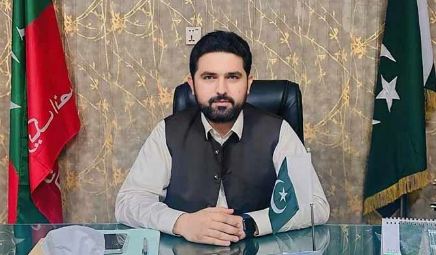
ISLAMABAD: The Islamabad High Court (IHC) on Monday removed registrar office’s objections on a petition filed by Khyber Pakhtunkhwa (KP) Chief Minister Sohail Afridi seeking meeting with Pakistan Tehreek-e-Insaf (PTI) founding chairman Imran Khan in Adiala jail.

IHC Justice Arbab Muhammad Tahir heard the plea and issued notices to the interior secretary, the Punjab Home Department secretary, the inspector general of police, and the superintendent of Adiala jail. The court directed authorities to submit their responses by October 23.

Afridi moved IHC on October 17, just two days after being sworn in as KP chief minister on October 15. A day earlier, on October 16, he had obtained protective bail from the PHC and proceeded to Adiala jail — where PTI founding chairman Imran Khan has been incarcerated — to seek a meeting with him. However, the prison authorities denied the request.

Following the denial, he approached IHC but the registrar’s office initially raised objections over the maintainability of his petition.

During the hearing, Afridi’s counsel Advocate Ali Bukhari appeared before the court and informed IHC that the registrar’s office had raised multiple objections to the petition.

Subsequently, after hearing arguments, the court issued notices to the Adiala jail superintendent and others for October 23.

In his plea, CM Afridi maintained that consultation with PTI founder is must for the formation of cabinet in KP and guidance on provincial governance.

In the application, CM Afridi stated that he is the elected chief minister and represents a population of 45 million people. He added that the people of Khyber Pakhtunkhwa voted for the PTI in the 2024 general elections, through which the party secured 92 seats.

Super Tax: Supreme Court adjourns hearing

Super Tax: Supreme Court adjourns hearing

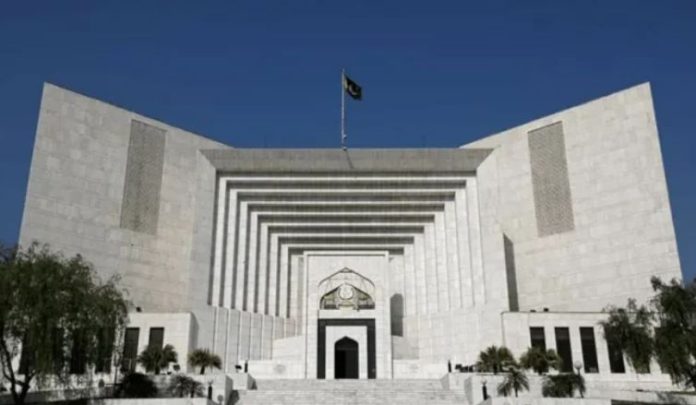
ISLAMABAD, OCT 20 (DNA): The Supreme Court’s constitutional bench on Monday adjourned the hearing of multiple petitions challenging the imposition of super tax until Tuesday.

A five-member bench headed by Justice Amin-ud-Din Khan heard the case involving several corporate taxpayers, including major telecom companies. During the proceedings, counsel for various taxpaying companies, Abid Shaban, concluded his arguments.

Shaban contended that the Senate’s role is limited to giving recommendations, while the authority to pass amendments rests with Parliament.

 Justice Jamal Khan Mandokhail observed that the Senate could make suggestions, but enacting amendments was not within its mandate.

The counsel argued that while the Senate proposed a 4 percent tax, the National Assembly approved a 10 percent instead. Responding, Justice Mandokhail remarked that the National Assembly holds the authority to accept or reject Senate recommendations.

Following this, counsel for telecom companies, Nauman Haider, began his submissions, stating that his clients provide internet services and that he would try not to repeat previous arguments.

 Justice Muhammad Ali Mazhar asked which arguments he intended to adopt.

 Haider replied that he would rely on the submissions of Makhdoom Ali Khan, who had yet to present his case.

Haider further argued that lawyers’ fees are subject to advance tax deductions, yet they are also required to pay super tax, which amounts to double taxation.

Justice Mazhar clarified that the super tax applies to income remaining after standard tax deductions.

The counsel added that India initially followed the 1961 tax model but has since adopted a system similar to Pakistan’s, with the tax year starting from April 1.

The bench adjourned further hearing until Tuesday at 9:30 a.m., when Haider will continue his arguments on behalf of the telecom sector.

Stay Connected

64FansLike
60FollowersFollow

Latest Reviews

Exchange Rates

USD - United States Dollar
EUR
1.14
GBP
1.33
AUD
0.69
CAD
0.70