Home Blog Page 402

President Zardari to attend Second World Summit for Social Development in Doha

President Zardari to attend Second World Summit for Social Development in Doha

ISLAMABAD, NOV 2: President Asif Ali Zardari will attend the Second World Summit for Social Development in Doha, Qatar, from November 4-6, being held under the auspices of the United Nations General Assembly.

The summit will bring together world leaders and policymakers to discuss ways of advancing social development, promoting decent work and employment opportunities, as well as strengthening inclusive safety nets, the President’s Secretariat said.

On the sidelines, the president will hold important meetings with global and regional leaders, including the leadership of Qatar, as well as heads of major multilateral forums such as the United Nations and other international organisations.

President Zardari will underscore Pakistan’s commitment to inclusive growth and social protection, with the Benazir Income Support Programme (BISP) at the centre of efforts to reduce poverty and build resilience among vulnerable groups.

Pakistan’s readiness to pilot a Doha-aligned Social Protection and Jobs Compact (2026–28) aimed at expanding coverage to informal workers, persons with disabilities, and children, while promoting decent work and green employment, will also be highlighted.

The initiative aligns national plans with the Doha Political Declaration and global commitments on social protection and financing for development.

President Zardari will underline Pakistan’s intent to work closely with development partners and multilateral institutions to mobilise financing for social protection and green employment through mechanisms such as the SDG Stimulus, debt-for-social or climate swaps, and South-South cooperation under China’s Global Development Initiative.

He will also reaffirm Pakistan’s commitment to translating the outcomes of the Doha Summit into concrete actions that strengthen social protection systems and support sustainable, inclusive economic growth.

CDA chief directs rapid completion of capital’s housing sectors

CDA chief directs rapid completion of capital's housing sectors

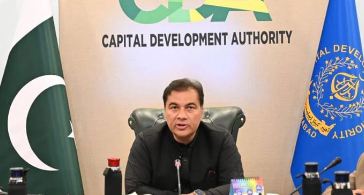
ISLAMABAD, Nov 2 (APP/DNA): Development work in Islamabad’s residential sectors has gained notable momentum under the directives of Chairman Capital Development Authority (CDA) Muhammad Ali Randhawa, with visible progress being reported in multiple areas of the capital’s long-awaited housing projects.

According to source on Sunday, a review meeting held a couple of days ago at CDA Headquarters under the chairmanship of Muhammad Ali Randhawa highlighted his keen interest in ensuring the rapid completion of development works across residential sectors.

Officials briefed the chairman that infrastructure construction has commenced in subsectors 2 and 3 of Sector E-12, while in Sector I-12, base work, TST and other major development activities have entered their final stages.

The meeting underscored that the CDA’s renewed administrative drive to expedite housing projects that have remained pending for years and to deliver long-promised civic facilities to allottees.

Ateeq Sheikh, President of the E-12 Allottees Welfare Association, welcomed the progress but urged for greater speed and consistency.

“It is heartening to see the CDA putting real effort into Sector E-12 now, but there is still a lot more to be done in various subsectors. We have been waiting for civic services for decades. Although recent development brings hope, we expect substantial progress to remove the lingering disappointment of residents,” he said.

From Sector I-12, allottee representative Khumar Gul praised Chairman Randhawa’s focus on residential sector development.

“We welcome the chairman’s attention toward I-12. The development in the Markaz has gained noticeable pace, which is encouraging, but there is still much to do in the residential area. We hope the remaining work will be completed swiftly so that possession can be granted with all basic amenities in place,” he stated.

He revealed that a delegation of I-12 allottees would meet the Director General (E&M) soon to request an expedited installation of underground electricity cables.

Another allottee, Tahir Mahmood, stressed the importance of timely provision of essential utilities.

“Water, electricity, and sewerage facilities must be ensured before possession. Clear timeline for possession is crucial so that allottees can begin construction without further uncertainty,” he remarked.

Allottees from both Sectors E-12 and I-12 expressed satisfaction with the CDA’s renewed commitment and visible field activity, describing it as a positive shift that, if sustained, could finally translate long-standing promises into tangible reality for thousands of awaiting families.

Serena Polo Cup 2025 Delivers an Unforgettable Finale

Serena Polo Cup 2025 delivers an unforgettable finale

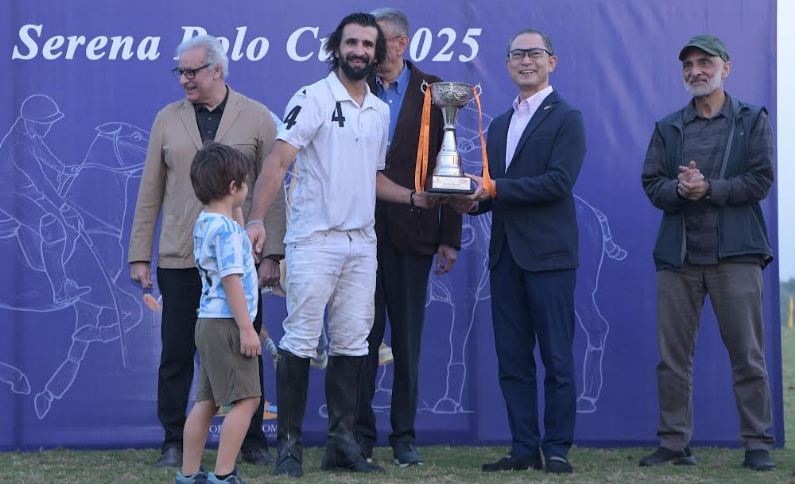
ISLAMABAD, NOV 2 /DNA/ – Serena Hotels, under its Sports Diplomacy Initiative and ongoing commitment to promoting community engagement through sports, hosted the much-anticipated Serena Polo Cup 2025 at the Islamabad Club Polo Grounds.

The event drew an enthusiastic audience, including diplomats, corporate leaders, and polo enthusiasts, creating a lively atmosphere that celebrated the grace and excitement of the game.

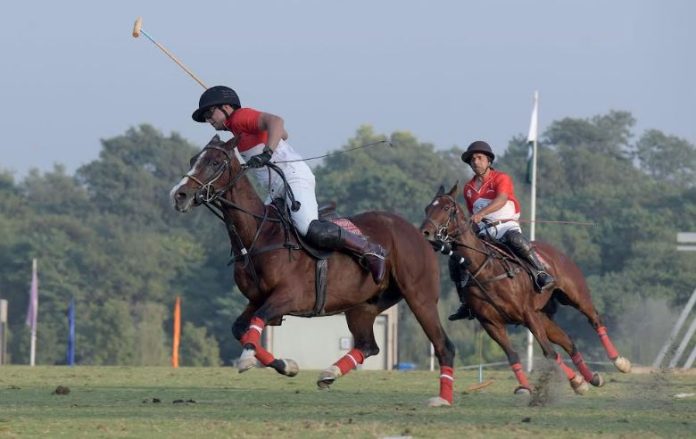
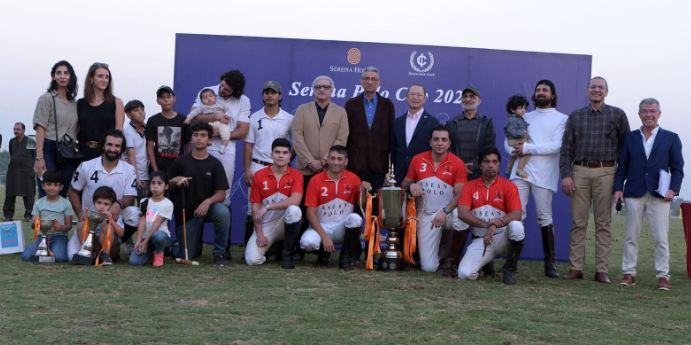
The final match of the Serena Polo Cup 2025 featured a thrilling contest between Team BN and Team Asean. Both teams demonstrated remarkable coordination, agility, and mastery of the sport, keeping spectators captivated until the very end. Following an intense battle across four chukkers, Team Asean secured victory with a score of 7, claiming the prestigious Serena Polo Cup 2025 title.

Serena Hotels extended warm congratulations to both teams for their exceptional sportsmanship and performance. The tournament reaffirmed Serena Hotels’ dedication to encouraging athletic excellence.

Beyond polo, Serena Hotels continues to champion a variety of sporting disciplines across Pakistan including tennis, squash, golf, and women’s cricket  as part of its efforts to promote youth engagement, gender equality, and national pride, while strengthening bonds within local and international communities.

Gateway to 70,000 Years of History: Egypt unveils the grand museum

Gateway to 70,000 Years of History: Egypt unveils the grand museum

By Ansar M Bhatti

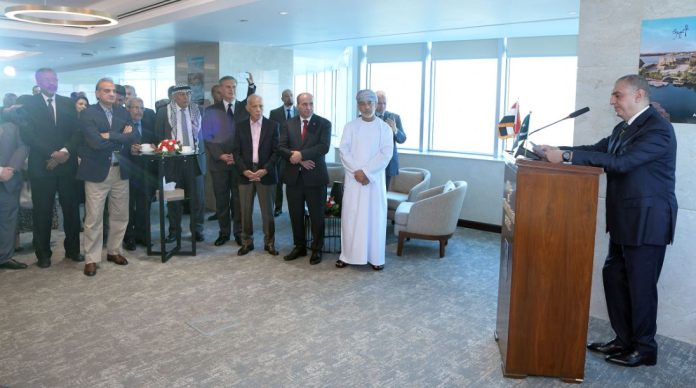
ISLAMABAD, NOV 2 /DNA/ – The Ambassador of Egypt to Pakistan, Dr. Ihab Abdelhamid, delivered an inspiring and heartfelt address during the inauguration ceremony of the Grand Egyptian Museum (GEM) — hailed as the world’s largest archaeological museum — celebrating Egypt’s rich heritage and reaffirming the deep-rooted friendship between Egypt and Pakistan.

Addressing a distinguished audience comprising diplomats, government representatives, media personnel and members of the international community, Ambassador Abdelhamid described the opening of the Grand Egyptian Museum as “a truly historic moment” and “a new home for the treasures of ancient Egypt.”

He said the museum stands proudly near the Great Pyramids of Giza, symbolizing Egypt’s enduring respect for history, culture and knowledge. “It unites our glorious past with our modern vision for the future,” the Ambassador said. “Through this museum, Egypt opens its doors to the world, inviting all nations to explore the story of a human civilization written on the banks of the Nile — a story of creativity, resilience and timeless beauty.”

Emphasizing the close and historic ties between Cairo and Islamabad, Dr. Abdelhamid said, “Egypt and Pakistan have long enjoyed a deep and enduring friendship, founded on mutual respect, cultural understanding and close cooperation. Just as the Nile and the Indus have given life to two great nations, our countries continue to stand together in pursuit of peace, progress and prosperity.”

The envoy noted that the Grand Egyptian Museum is not just an architectural wonder but a national symbol of perseverance and vision. Built at a cost exceeding one billion dollars and covering an area of 480,000 square meters, the museum has been designed under the auspices of UNESCO as a “fourth pyramid” — a stunning visual and symbolic continuation of Egypt’s ancient legacy.

The Ambassador revealed that the museum hosts more than 100,000 artifacts, including the complete collection of treasures belonging to King Tutankhamun, displayed together for the first time in history. The exhibits are complemented by cutting-edge technologies such as augmented reality, offering visitors an immersive journey through 70,000 years of Egyptian civilization.

Dr. Abdelhamid also extended an open invitation to Pakistan’s tourism and travel industry to collaborate with their Egyptian counterparts in promoting cultural tours and travel programs to the GEM. He encouraged journalists, media outlets and content creators to visit the museum and share its inspiring story with audiences worldwide.

“Their coverage will not only showcase Egypt’s rich heritage but will also help promote cultural understanding and strengthen the bonds between our peoples,” he added.

Concluding his remarks, the Ambassador warmly invited Pakistanis to visit the Grand Egyptian Museum, “to walk through 70,000 years of history and witness how Egypt’s timeless heritage continues to inspire the future.”

Governor expresses grief over CTD blast, death of Educationist Prof. Dr Alizai

Governor expresses grief over CTD blast, death of Educationist Prof. Dr Alizai

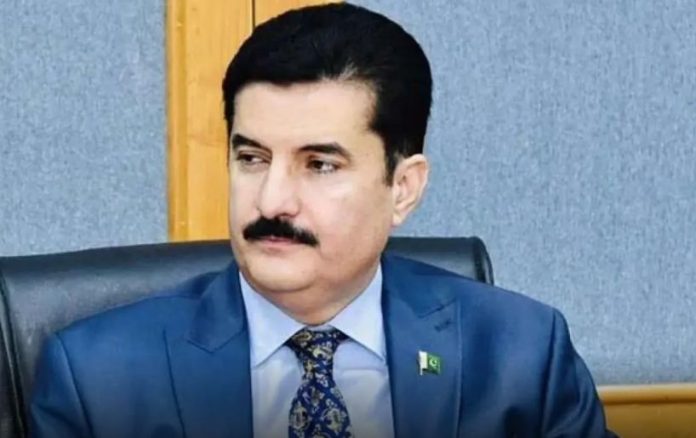
PESHAWAR, Nov 2 (APP/DNA): Governor Khyber Pakhtunkhwa Faisal Karim Kundi on Sunday expressed deep sorrow over the explosion at the Counter Terrorism Department (CTD) police station Peshawar, which occurred when explosive materials stored in the malkhana (evidence storeroom) detonated.

The Governor conveyed his heartfelt condolences on the martyrdom of a police official in the incident, paying tribute to the officer’s sacrifice in the line of duty.

Governor Kundi extended his sympathy and condolences to the bereaved family and prayed for the elevation of the martyr’s ranks and patience for the grieving relatives.

He also conveyed his best wishes for the speedy recovery of the injured police personnel, emphasizing the province’s gratitude for the bravery and commitment of law enforcement agencies.

In a separate condolence message, Governor Faisal Karim Kundi expressed profound grief over the passing of renowned educationist and Vice Chancellor of Qurtuba University of Science and Information Technology, Professor Dr. Hameedullah Khan Alizai.

He said Dr. Alizai’s valuable contributions to the field of education would always be remembered, adding that under his leadership, Qurtuba University emerged as a distinguished institution, particularly serving the youth of Dera Ismail Khan by providing quality higher education.

The Governor prayed for the departed soul’s eternal peace and offered condolences to the bereaved family.

Over 5,000 Afghans repatriate via Torkham Border

Over 5,000 Afghans repatriate via Torkham Border
PESHAWAR, Nov 02 (APP/DNA):The repatriation of Afghan refugees continues at a rapid pace, as around 5,220 Afghan nationals returned to their homeland after reopening of the Torkham border, authorities informed on Sunday.

As per the data provided on Sunday, 401 individuals returned through legal channels, while 2,314 were undocumented.

So far, over 828,000 Afghan refugees have completed their repatriation process.

The return process from other provinces is also ongoing. On the same day, 19 refugees departed from Islamabad and 450 from Punjab through Torkham Border, bringing the total number of returnees from various provinces to 25,392.

From Khyber Pakhtunkhwa’s transit points, 19 Afghan citizens were deported, while 7,261 detainees have been repatriated from jails in Peshawar, Landi Kotal, and Kohat.

As per the latest figures, more than 54,000 legal and 628,000 undocumented Afghan refugees have returned to Afghanistan since the start of the repatriation campaign.

Istanbul Dialogue: A golden opportunity for Pak-Afghan cooperation against terrorism

Istanbul Dialogue: A golden opportunity for Pak-Afghan cooperation against terrorism

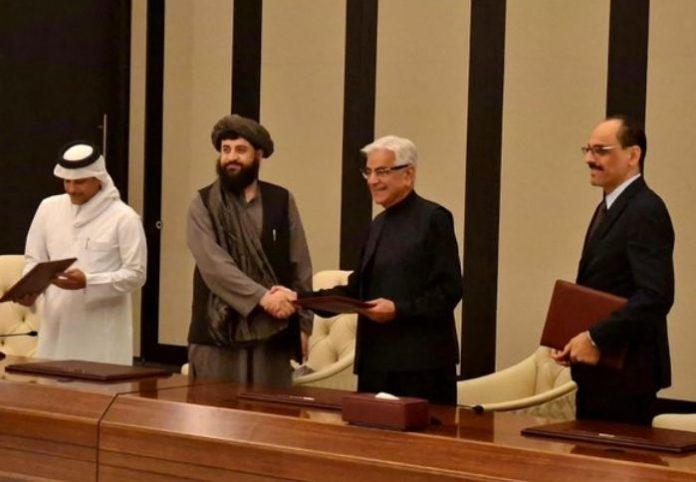
PESHAWAR, Nov 2 (APP/DNA): As regional tensions and economic challenges persist across South Asia and the Middle East, the upcoming Istanbul Dialogue, scheduled for November 6, has emerged as a promising platform for Pakistan and Afghanistan to rebuild trust, strengthen cooperation, counter terrorism, and pave the way toward lasting regional peace and stability.

Despite the collapse of the first round of peace talks in Istanbul due to the rigidity of the Afghan Taliban, Pakistan has agreed to participate in another round of talks aimed at addressing all outstanding issues, including cross-border terrorism emanating from Afghanistan through peaceful means.

Observers believed that the Istanbul dialogue offers a neutral setting for candid discussions, practical confidence-building measures, and verifiable guarantees, particularly on controlling terror groups and proxies infiltrating from Afghanistan and carrying out attacks inside Pakistan.

 “All eyes are on Istanbul, Türkiye, where another round of crucial peace talks between Pakistan and Afghan Taliban will take place on November 6,” said Dr. Ejaz Khan, a foreign relations expert at the University of Peshawar, while talking to APP.

“These talks especially focused on stopping terror groups operating against Pakistan if successful hold the potential to ensure regional peace and stability.”

He said that Turkey’s facilitation added credibility and balance to the process, which could lead to a roadmap for durable peace and economic cooperation.

“The pressure is mounting on the Afghan Taliban regime to engage in constructive dialogue with Pakistan to bring Fitnaul Khwarij (TTP) to justice,” he added.

Dr. Ejaz said this is a critical moment for the Afghan Taliban, as Pakistan has raised serious concerns about the presence of terrorist groups such as the banned Tehreek-e-Taliban Pakistan (TTP) and Fitnaul Hindustani in Afghanistan, and has demanded decisive action against them and demanded verifiable guarantee which is right of all parties engaged in negotiations.

Citing reports, he said that Afghanistan continues to serve as a safe haven for terror groups, with an estimated 3,000 to 4,000 TTP terrorists still present there. Many hardcore TTP operatives, released from Afghan prisons after the Taliban takeover in 2021, are being used as proxies against Pakistan, he added.

Dr. Ejaz argued that the Afghan Taliban have been using terrorism as a tool to achieve financial leverage. He emphasized that Pakistan’s demand for decisive action against terror groups and dismantling of their training camps is consistent with both the Doha Agreement and the UN Charter.

He explained that under the Doha Agreement, the Afghan Taliban are obligated to prevent the use of Afghan soil by terrorist groups against any other country, including Pakistan.

Tracing the conflict’s roots, he said Afghanistan has been the epicenter of global rivalries since the 1979 Soviet invasion and later the 2001 US-led intervention that toppled the Taliban regime.

He stressed that Pakistan has consistently pursued a responsible approach toward Afghanistan, guided by shared geography, culture, and security interests.

However, he reiterated that Pakistan’s constructive role has often been misunderstood internationally due to propaganda by hostile elements and pessimistic rhetoric by anti-Pakistan forces.

“No country has suffered more from the Afghan conflict than Pakistan,” he said, pointing out that Pakistan has hosted over four million Afghan refugees, suffered thousands of casualties due to terrorism, and incurred economic losses worth billions of dollars.

He added that Pakistan has always facilitated the voluntary repatriation of Afghan refugees and, just yesterday, reopened the Torkham border to ease their return.

Dr. Zahid Anwar, Professor at the Department of Political Science, University of Peshawar, said the Istanbul Dialogue offers a “golden opportunity” for the Afghan Taliban to rise above personal interests and provide verifiable guarantees to act against the TTP, Fitnaul Khwarij Hindustani, and other terror proxies.

He recalled that following the 9/11 attacks, Pakistan became a frontline ally in the global war on terror, losing more than 80,000 lives and suffering economic losses exceeding $150 billion.

Dr. Zahid emphasized that Pakistan’s military and strategic patience should not be mistaken for weakness.

30,137 sites inspected, 23 new dengue cases reported in ICT

ISLAMABAD, Nov 02 (APP/DNA): The Islamabad District Administration has intensified its dengue prevention operations, inspecting over 30,000 sites and reporting 23 new dengue cases within 24 hours, according to the daily surveillance report.

The Islamabad District Administration continued its citywide dengue control campaign with extensive fogging, inspections, and public awareness drives aimed at stopping the spread of the virus.

According to the daily surveillance report, anti-dengue teams inspected 30,137 locations across the capital in the last 24 hours. The teams conducted fogging operations at 861 sensitive sites and sprayed 1,142 areas, including various sectors and union councils, to eliminate mosquito breeding grounds.

During larva detection operations, teams identified 185 positive hotspots where dengue larvae were found. These areas have been marked for intensive follow-up actions.

The report recorded 23 new dengue cases during the past day. Of these, 17 cases were reported from rural areas of Islamabad and 6 from urban areas. Health authorities said that 67 patients are currently under treatment in different hospitals across the federal capital.

The administration has instructed anti-dengue teams to conduct regular inspections in affected neighborhoods and submit daily performance reports to ensure consistent monitoring. Officials also stated that strict enforcement measures are being taken against those violating Standard Operating Procedures (SOPs). Several sites have been sealed, and individuals were detained for non-compliance with dengue prevention guidelines.

To raise public awareness, the district administration has installed banners and information boards at public places, urging residents to maintain cleanliness and eliminate stagnant water sources. These steps are part of an ongoing campaign to educate citizens about preventive measures and community participation in dengue control.

A representative of the district administration emphasized that community involvement is essential to overcome the challenge. Citizens have been requested to follow dengue prevention SOPs, ensure proper waste disposal, and regularly check residential and commercial premises for mosquito breeding sites.

The administration reiterated its commitment to keep Islamabad safe from the dengue virus through coordinated efforts of health teams, local authorities, and community participation.

How the sky changes its colour

How the sky changes its colour

by Muhammad Mohsin Iqbal

There is no doubt that, bound by the vagaries of time and the temptations of material interest, man’s memory often bends to convenience. Consciously or unconsciously, he wishes to erase his past words and actions whenever they no longer serve his present ambitions. Thus, political leaders and even great nations often seek to rewrite their own narratives, expecting the world to forget their contradictions and embrace their latest version of the truth. Yet history, with its unyielding pen, does not forget.

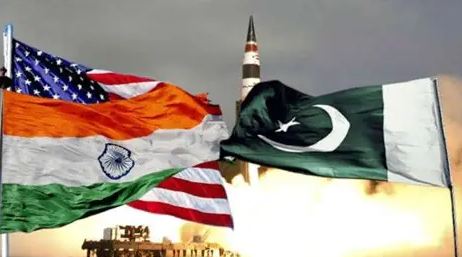
When India launched its unprovoked aggression against Pakistan in early May 2025, the world witnessed one of those rare moments when hypocrisy and self-interest stood naked before truth. At the height of tension, then U.S. Vice President JD Vance, serving under President Donald J. Trump, declared that “the United States has nothing to do with the disputes between Pakistan and India.” The statement, intended to project diplomatic neutrality, infuriated New Delhi, which had expected overt Western support in its misadventure.

However, when Pakistan’s armed forces responded decisively on May 8 and 9, inflicting serious losses and compelling Indian forces to retreat, the situation changed overnight. India’s fury turned into panic, and the same United States that had claimed indifference suddenly jumped into the fray like a self-appointed village Chaudhry, rushing to break up the very fight it had quietly encouraged. Had India been on the winning side, no such Chaudhry would have appeared to call for peace.

But by the command of Providence and through the foresight of Pakistan’s leadership, events unfolded in a way that stunned the world. Pakistan’s swift and disciplined response not only preserved national dignity but also demonstrated a strategic maturity few had anticipated. Still, as soon as the smoke began to clear, Washington sought to reshape the narrative. To maintain its global image, the U.S. began claiming that it had “stopped the war.” The story of Pakistan’s success was quietly replaced with the illusion of American mediation.

Behind this façade, however, lay a deeper reality — the war of interests. If, during the confrontation, the American-made aircraft in India’s fleet had been shot down instead of the French Rafales, Washington’s reaction would have been markedly different. The silence that followed Pakistan’s defensive victory was not born of neutrality but of calculation. American defense corporations had vast stakes in India’s market, and preserving those contracts became the real priority.

For days after the clashes, Western media carried conflicting reports; first denying losses, then underreporting them, and finally attributing calm to U.S. “diplomatic intervention.” In truth, as the dust settled, a quiet series of negotiations began between Washington and New Delhi, culminating in a ten-year defense cooperation framework — a pact that ensured India would remain one of America’s largest arms clients for the next decade. This was the real game plan; a war wrapped in profit, a partnership clothed in rhetoric.

Pakistan, however, was not deceived. The nation’s leadership and strategic community have long understood the pattern of Western duplicity in South Asia — the tendency to praise restraint while rewarding aggression, to preach peace while selling weapons. The lesson of May 2025 is therefore unmistakable; we must never place all our trust, or our eggs, in one basket. National security cannot depend on the shifting loyalties of external powers; it must rest on self-reliance, regional cooperation, and unwavering internal strength.

The US Naval “Enterprise” that once promised steadfast assistance to Pakistan still struggles to fulfill its commitments. This, too, is a reminder that alliances built on convenience rarely withstand the test of adversity. The world respects those who act with principle, not those who wait for validation. In this age of transactional diplomacy, Pakistan must remain guided by its own compass — the pursuit of peace through strength, and friendship without submission.

While the so-called champions of global order alter their narratives to suit commercial gain, Pakistan’s resilience stands out as a model of discipline and dignity. The events of May 2025 were not merely a military episode; they were a revelation — exposing the double standards of international politics, where morality bends before markets and truth is silenced by trade. Yet amidst all this noise, Pakistan’s steadfast resolve spoke louder than any statement issued from afar.

History will remember that when others hesitated, Pakistan acted. When the world’s “Chaudhry” tried to rewrite the story, reality remained unshaken on the ground. The clash of May 2025 was more than a confrontation between two neighbors; it was a test of national will, and Pakistan passed it with honor.

The coming years will bring new challenges and new temptations — calls for alignment, pressures of alliance, and promises of assistance. But if there is one enduring lesson from that chapter, it is this; our destiny lies not in the hands of others, but in the strength of our own decisions.

When power politics obscures the truth and the mighty of the world attempt to revise history, Pakistan’s voice must remain clear and unyielding. For when the world wavered, Pakistan stood firm — and that, above all, is the echo that still resounds beyond May.

JI chief vows to free Karachi from ‘corruption, land-grabbing system’

JI chief vows to free Karachi from 'corruption, land-grabbing system'

KARACHI, NOV 2: Lashing out at the Sindh government for the city’s deteriorating infrastructure, Jamaat-e-Islami Emir Hafiz Naeem ur Rehman has vowed to free Karachi from “land grabbing and the corrupt system.”

Speaking at a ceremony on Sunday, Naeem said that despite the challenges, JI’s elected representatives were working beyond their capacity to serve the people.

“Karachi’s roads are not even built, yet citizens are receiving e-challans worth thousands,” he said and added: “We will liberate this city from the system of loot and land-grabbing.”

The JI chief said development work had resumed in nine towns, and even projects initiated by Karachi Mayor Murtaza Wahab had to be overseen by JI representatives due to “poor governance”.

“There is no proper transport system, roads are broken, and the Red Line BRT project has ruined University Road. Even the Orange Line doesn’t cover all of Orangi,” he lambasted

Hafiz Naeem accused the Pakistan Peoples Party (PPP) of manipulating local body elections through favourable delimitations and rigging. “[The] PPP made its mayor through rigged elections. To this day, powers have not been transferred to the towns as promised,” the JI chief claimed.

He criticised the Solid Waste Management Board, saying garbage collection remained inefficient despite the funds collected from citizens. “People pay for garbage removal from their homes, yet the city remains unclean,” Naeem added.

The JI chief also pointed to Karachi’s delayed mega-projects, blaming the Sindh government for 15 years of neglect. “From sewerage systems to employment, PPP has done nothing for Karachi.”

Concluding his speech, Hafiz Naeem warned the government to end corruption and political interference.

Meanwhile, Sindh government spokesperson Sadia Javed, responding to JI chief’s speech, accused him of spreading “propaganda and lies.”

She said JI’s town chairmen had failed in their duties, adding that Karachi was progressing under PPP leadership and that Hafiz Naeem was “obsessed” with Mayor Murtaza Wahab.

Stay Connected

64FansLike
60FollowersFollow

Latest Reviews

Exchange Rates

USD - United States Dollar
EUR
1.14
GBP
1.34
AUD
0.69
CAD
0.70