Home Blog Page 379

Four Indian proxy Khwarij killed in KP operations: ISPR

Four Indian proxy Khwarij killed in KP operations: ISPR

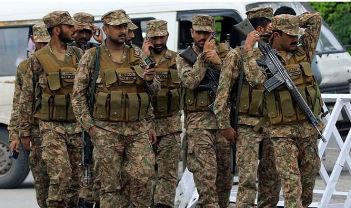
RAWALPINDI, NOV 19 /DNA/ – Four Khwarij belonging to Indian Proxy Fitna Al Khwarij were killed in multiple engagements in Khyber Pakhtunkhwa Province.

On reported presence of Khwarij, an intelligence based operation was conducted by the Security Forces in Bajaur District. During the conduct of operation, own troops effectively engaged the khwarij location and after an intense fire exchange, one kharji was sent to hell.

Two more khwarij were neutralized in intelligence based operations conducted in general areas Spinwam and Zakir Khel, North Waziristan District.

In another encounter that took place in Dera Ismail Khan District, own troops successfully neutralized one more kharji.

Weapons and ammunition were also recovered from Indian sponsored killed khwarij, who remained actively involved in numerous terrorist activities in these areas.

Sanitization operation are being conducted to eliminate any other Indian sponsored kharji found in the area as relentless Counter Terrorism campaign under vision “Azm e Istehkam” (as approved by Federal Apex Committee on National Action Plan) by Security Forces and Law Enforcement Agencies of Pakistan will continue at full pace to wipe out menace of foreign sponsored and supported terrorism from the country.

Winter chill fuels dry fruit demand as prices rise in Islamabad

Winter chill fuels dry fruit demand as prices rise in Islamabad

Tayyab Zarif

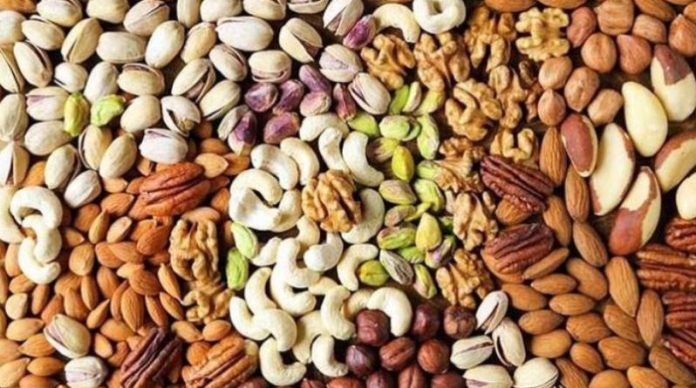
ISLAMABAD, Nov 19 (APP):As temperatures continue to fall in the federal capital, the demand for dry fruits has surged sharply, turning local markets vibrant with seasonal buyers seeking warmth, nutrition and flavour. 

Freshly harvested winter dry fruits have begun arriving from various regions, boosting both market activity and consumer interest.

Dry fruits have become a household staple during the winter months, finding their way into traditional delicacies such as Gajar Ka Halwa and Sohan Halwa, as well as bakery products enriched with nuts. Residents say they increasingly rely on these nutrient-packed treats to stay warm and energized.

Despite a noticeable rise in prices, footfall in the capital’s dry fruit markets remains high. Vendor Pervaiz Khan told APP that demand is at its peak, adding that consumers continue to purchase dry fruits for both their taste and their natural ability to combat the cold. He said prices have climbed compared to last winter due to increased cultivation and transportation costs.

Many buyers cite the health benefits of dry fruits as the main reason for their rising consumption. Shopper Muhammad Ahmed described them as an ideal winter diet, while another customer said she primarily buys nuts to garnish and add flavour to Gajar Ka Halwa. The seasonal trend has also boosted sales of confectionery items made with dry fruits.

E-commerce platforms are witnessing a parallel uptick in sales, with online stores offering competitive rates. However, sellers say they also face challenges such as order cancellations and higher delivery charges. “Online selling is very appealing during winter,” said one online store owner, “but cancellations push operational costs up.”

Suppliers continue to source dry fruits from across Pakistan and abroad. According to supplier Wazir Hashmat, pine nuts arrive from Balochistan, walnuts from Gilgit–Baltistan and Balochistan, while peanuts come from different parts of Punjab. Rising farming inputs and transportation costs, he said, are key factors driving price increases.

Nutrition experts underscore the extensive health benefits of dry fruits, which are rich in nutrients, fibre, antioxidants and healthy fats. Regular consumption supports heart health, digestion, bone strength and reduces the risk of chronic diseases.

Clinical Nutritionist Zahra Mumtaz called dry fruits a complete diet full of proteins and calories, noting they are particularly beneficial in winter for people of all ages, including children and the elderly. She recommended consuming at least one dry fruit item daily to help maintain warmth and support overall well-being.

CRSS roundtable calls for unconditional peace overtures and political will amid heightened Pak-Afghan tensions

CRSS roundtable calls for unconditional peace overtures and political will amid heightened Pak-Afghan tensions

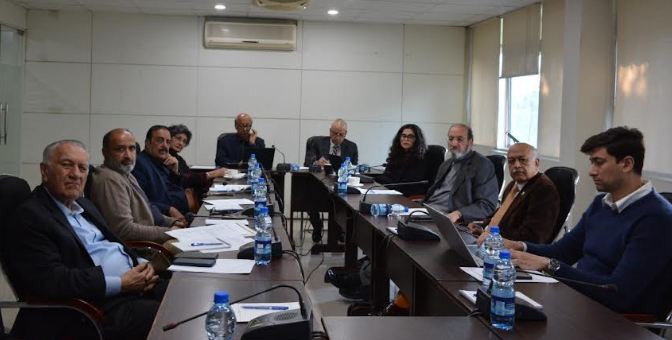
ISLAMABAD, NOV 19 /DNA/ – The Center for Research and Security Studies (CRSS), Islamabad, convened a roundtable to examine the rapidly deteriorating state of Pakistan-Afghanistan relations, marked by heightened mistrust and rhetoric, stalled political dialogue, and severe disruptions to cross-border trade. Participants emphasized that security concerns must not be conflated with economic cooperation and urged both governments to decouple trade from politics, make unconditional diplomatic overtures, and protect the livelihoods of border communities harmed by prolonged closures. Speakers highlighted the escalating humanitarian costs, the billions in economic losses, the weakening of people-to-people ties, and the urgent need for rational discourse, political will, and structured mechanisms to prevent further deterioration.

Titled “Evolving Pakistan–Afghanistan Relations: Challenges and Prospects for Regional Stability”, the roundtablebrought together senior diplomats, economists, security experts, and policy practitioners from both sides.

Dr. Omar Zakhilwal, Former Afghan Ambassador to Pakistanlamented the current state of bilateral relations, noting that it hasdeteriorated even at the people-to-people level, whereas previously the mistrust existed mostly between the governments. He emphasized that the political will to resolve this crisis on both sides is weak,and without it, constructive progress remains unlikely.

Dr. Zakhilwal underscored that security considerations should not be conflated with trade, stressing that it is in the collective interest of the entire region to ensure that economic ties remain uninterrupted. The consequences of recurring border closures, he added, are clearly visible, with economies on both sides suffering significant damage.

Dr. Mozammil Shinwari, former Deputy Minister for Trade and Commerce, Afghanistan,stressed that trade is Afghanistan’s international right grounded in frameworks such as APTA, WTO rules, and UN conventions – not merely a function of neighborhood ties. He argued that Pakistan and Afghanistan must segregate economic relations from political and security concerns, warning that the current cycle of blames has led to a recurring crisis.

He noted that Afghanistan’s exploration of alternative trade routes is largely reactionary, driven by frequent disruptions. With only two transit options – Pakistan and Iran – traders may reactively resort to costlier paths if blockages persist. He highlighted that nearly USD 700 million worth of cargo remains stranded between Karachi and Torkham, constituting a massive economic loss for both sides.

He said that sending refugees back means that a whole new generation of Afghans will grow up resenting Pakistan. If they come to power tomorrow, what kind of people-to-people ties will be there? That is something we must ask.

Ayaz Wazir, Former Pakistani Ambassador to Afghanistan, suggested that the approach of securitizing trade and political engagement should be avoided, and diplomatic solutions should be opted for as a priority of engagement ahead of military solutions. He argued that communities living near the border – who bear the brunt of closures – should be meaningfully included in policymaking.

He emphasized that unconditional political dialogue, handing over the issue to the political leadership of both countries could resolve “half the problem”, while external mediators, though well-intentioned, should not be necessary for two closely linked neighbours. Heightened rhetoric, he cautioned, only worsens the situation.

Seema Ilahi Baloch, Pakistan’s Former High Commissioner to Sri Lanka, examined the humanitarian and social implications of forced Afghan deportations, drawing on insights from a similar Sri Lankan experience with terrorism. She argued that resolving such deep-rooted tensions requires political will on both sides; unilateral measures will fail. Without deradicalization initiatives and a reframed approach rooted in empathy and foresight, the region’s stability will remain elusive.

Waheed Waheed, an Afghan scholar, highlighted persistent mistrust as a central impediment to progress. Pakistan views many Afghan political or regional moves – such as overtures toward India – with suspicion, while Afghanistan perceives Pakistan’s initiatives as interference.

He stressed that Afghanistan is not playing a proxy role in India-Pakistan rivalry and that even if the limited societal sympathy for TTPexists, it does not translate into state policy or supporting them for terrorism in Pakistan.

Threatening language only inflames bilateral tensions and does no good to rescue the relationship out of the current crisis. He advocated a deradicalization conference, greater reliance on non-state influencers for conflict-resolution and to soothe the two sides seething with acrimony for each other, and clear recognition of each other’s sovereignty.

Yaqoob Sheikh, former Pakistani MNA, underscored that border closures are not new but have become increasingly disruptive to the economic relationship. Pakistan’s state-of-the-art ports are Afghanistan’s gateway to global markets; where Afghanistan is also Pakistan’s link to Central Asia.With repeated shutdowns, both gateways are losing their relevance and credibility for each other.

He questioned whether Pakistan is “punishing itself or Afghanistan” through such closures. He estimated that Pakistan could be losing up to one-fifth of international trade volume due to these blockages, suffocating the business community and damaging long-term economic prospects.

Dr. Shoaib Suddle, Chairman of the One-Man Commission for Minorities’ Rights, stated that borders and trade must never be weaponized, as this worsens grievances on both sides. He reiterated that continuous dialogue – across multiple diplomatic channels – is the only viable path to resolving contentious issues.

Lt. Gen. (Retd.) Asif Yasin reflecting on past strategic dialogues, he lamented Pakistan’s diminished leverage and external reliance on states such as Turkiye and Qatar to facilitate talks that Pakistan once led confidently.

He urged Pakistan toi) develop deep historical understanding of the relations and diplomatic expertise within its negotiating teams, ii) prioritize Pak-Afghan relations as a core foreign policy area, not a peripheral one, iii) decouple security and trade in all bilateral engagements, iv) address its internal weaknesses that provide fertile ground for militancy, and v) stop harassing Afghan residents in Pakistan, many of whom are third-generation and culturally integrated.

Qazi Humayun, former Pakistani ambassador to Afghanistan, criticized the heavy-handed approach toward Afghan refugees and its economic consequences, noting the damage inflicted on bilateral trade. He recommended a dichotomous policy: i) one approach for dealing with the Afghan people (centered on welfare), ii) another for engagement with the Afghan government (centered on the state-to-state relationship).

Dr. Rehan Mushtaq emphasized that Pakistan’s demand for Afghanistan to prevent TTP militants from operating from its soil is legitimate and internationally recognized.

Imtiaz Gul, Executive Director CRSS observed that relations between Pakistan and Afghanistan have never been this strained. He urged stakeholders to inject “sense into the toxic state of relationship” to rationalize discourse and policy.

He highlighted the colossal economic losses associated with stranded cargo and the devastating impact on labourers who depend on daily earnings from cross-border trade. He concluded with an appeal for an actionable, time-bound plan to restore dialogue and stabilize the relationship.

KP CM lauds education services of GIKI

KP CM lauds education services of GIKI

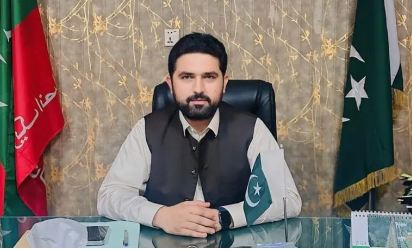
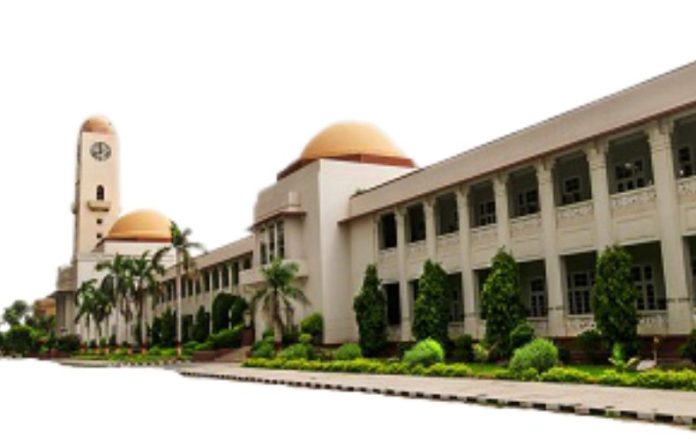
PESHAWAR, Nov 19 (APP/DNA): Chief Minister Khyber Pakhtunkhwa Muhammad Sohail Afridi on Wednesday visited Ghulam Ishaq Khan Institute (GIKI), Swabi where he lauded its education services.

Khyber Pakhtunkhwa Chief Minister inaugurated faculty apartments at the GIKI.

While addressing the gathering, the Chief Minister announced 20 scholarships for students from the tribal districts studying at GIKI.

He said that whenever students need support, the provincial government will always be there to help them.

Sohail Afridi said that no child in Khyber Pakhtunkhwa will have to abandon their education due to financial difficulties.

He encouraged students to bring forward new ideas, assuring them that the Khyber Pakhtunkhwa government will provide full support.

He said that strong institutions guarantee a strong state, and therefore institutions must be strengthened. He welcomed students from other provinces, saying, “You are our guests, and you should consider this institution your home.”

The CM added that he was pleased to see that GIKI has become a symbol of national unity.

He expressed happiness that there are 500 female students in GIKI’s engineering department, and remarked that GIKI graduates are making Pakistan proud across the world, which is commendable.

Pakistan, Indonesia conclude joint Shaheen Strike-II military exercise

Pakistan, Indonesia conclude joint Shaheen Strike-II military exercise

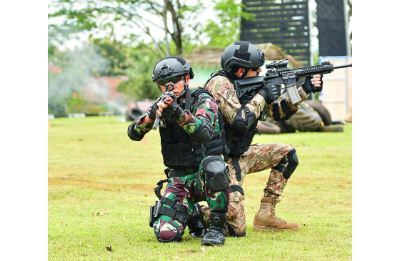
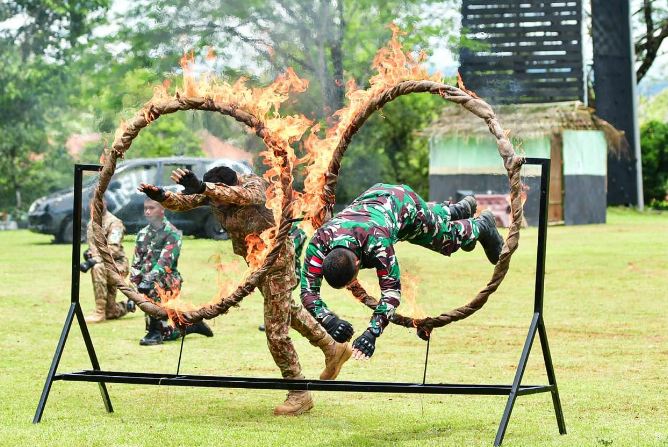
RAWALPINDI, NOV 19 /DNA/ – The Pakistan–Indonesia Joint Military Exercise Shaheen Strike-II was conducted from 8–19 November 2025, focusing on the Counter Terrorism (CT) domain. Combat teams from the Pakistan Army and the Indonesian Army participated in the exercise.

All training objectives were successfully achieved, and the exercise formally concluded on 18 November 2025. The closing ceremony was graced by a General Officer, who attended as Chief Guest from Pakistan, while senior military officials represented the Indonesian side.

Throughout the exercise, troops from both nations demonstrated the highest standards of professionalism and operational excellence. The joint training aimed at refining drills, procedures, and techniques involved in Counter Terrorism operations, with particular emphasis on operations in built-up areas and counter–improvised explosive devices measures.

Shaheen Strike-II also served to further strengthen the longstanding military-to-military cooperation between the two friendly countries.

Aurangzeb highlights Pakistan’s philanthropic spirit at PCP event

Aurangzeb highlights Pakistan's philanthropic spirit at PCP event

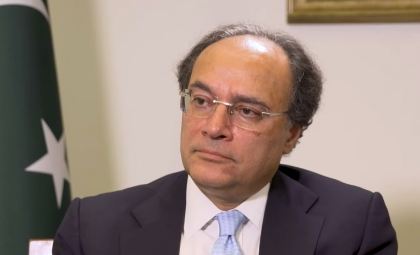
ISLAMABAD, NOV 19 /DNA/ – Federal Minister for Finance and Revenue, Senator Muhammad Aurangzeb, while addressing as Chief Guest at the Launch and Award Ceremony of the Corporate Philanthropy Report 2024 organized by the Pakistan Centre for Philanthropy (PCP) in Islamabad today, highlighted the centrality of compassion, shared prosperity, and national responsibility to Pakistan’s “moral economy,” stressing that philanthropy, both individual and corporate, continues to be a defining feature of the nation’s identity.

The Minister began by noting that he is frequently asked about economic recovery, macroeconomic stabilization, and the roadmap for structural reforms aimed at achieving inclusive and sustainable growth. He emphasized that while these issues remain critical, it was equally important to participate in a ceremony that celebrates Pakistan’s philanthropic spirit and the collective commitment to social welfare.

He remarked that Pakistan is regarded globally as a remarkably giving nation, with the World Giving Index placing it 17th among 101 countries which is an acknowledgment of the country’s deeply ingrained culture of generosity, especially in the health and education sectors.

Reflecting on his years living and working in Karachi, the Minister observed that the city has long led the country in philanthropic activity and corporate giving. He stated that Karachi would rank among the top globally if international city-wise comparisons of philanthropy were conducted. He appreciated that while other regions of the country are increasingly contributing, Karachi’s leadership remains noteworthy and exemplary.

Senator Aurangzeb also commended the resilience of corporate philanthropy in Pakistan, noting that despite economic fluctuations and business cycles, corporate giving has consistently trended upward. He referred to recent data indicating that out of more than 400 publicly listed companies, over 300 engage in corporate social responsibility (CSR) initiatives, and about one-third formally disclose their contributions. He urged companies that have not yet disclosed their philanthropic work to do so, reminding them that transparency benefits both society and the spirit of giving itself. He emphasized that declarations of corporate giving support role-modeling and encourage wider participation, without the need for legislation or directives, which he believes should remain a last resort.

Drawing from his own private-sector experience, the Minister recalled leading an organization where 1% of annual profitability was consistently directed toward a corporate foundation, later increased to 1.5% by the board. He praised today’s award-winning companies as champions setting the standard for others. Their commitment to social investment, he said, strengthens Pakistan’s social development foundations and reflects the country’s collective values.

In his remarks, the Minister paid tribute to Mr. Zafar Khan for his integrity and longstanding service, describing him as both “an officer and a gentleman,” whose leadership at the Pakistan Centre for Philanthropy had significantly advanced the institutionalization of philanthropy in the country. He acknowledged the PCP’s vital role in creating transparency, credibility, and structured certification processes that enhance the overall effectiveness of the philanthropic ecosystem. He encouraged the Centre to continue improving efficiencies across all stages of certification and evaluation, ensuring that processes remain timely and robust.

Senator Aurangzeb also linked the work of PCP to broader governmental efforts aimed at strengthening the social sector through innovative financing. Highlighting his role in leading the Prime Minister’s initiative on the Social Impact Financing Framework, he explained that the government is shifting from generalized spending toward results-based, impact-linked financing. The framework brings together public, private, and philanthropic capital to achieve measurable outcomes. He expressed gratitude to Ms. Mehnaz Akbar and Ms. Shazia Amjad for their technical guidance and field expertise, which significantly contributed to designing the framework.

The Minister announced that Pakistan’s first Skills Impact Bond—developed in partnership with the British Asian Trust and implemented through NAVTTC—would soon be launched, aimed at advancing skills development and moving towards sustainable social-sector financing through capital-market instruments rather than traditional funding channels.

Concluding his address, Senator Aurangzeb congratulated all award recipients for their leadership in corporate philanthropy and reaffirmed the government’s commitment to supporting PCP in fostering a strong culture of giving in Pakistan. He assured the audience that the government remains fully committed to exploring incentives and facilitating frameworks that encourage responsible and purposeful giving. He expressed appreciation for the invitation and extended best wishes to the Pakistan Centre for Philanthropy for its continued efforts in the coming year.

Seerah of the Holy Prophet (P.B.U.H): practical model for humanity: Muhammad Yousuf

Seerah of the Holy Prophet (P.B.U.H): practical model for humanity: Muhammad Yousuf

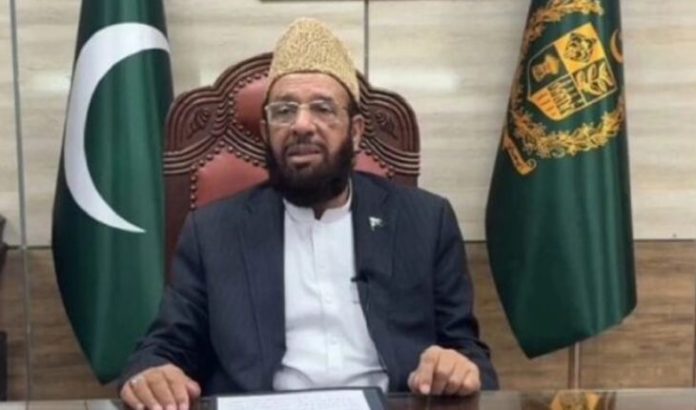
ISLAMABAD, NOV 19 (APP/DNA): Federal Minister for Religious Affairs, Sardar Muhammad Yousuf said that the blessed life (Seerah) of the Holy Prophet (P.B.U.H) is a comprehensive, illuminating and practical model for all humanity.

He said this while addressing the inaugural session of a two-day International Seerah Conference held o at Allama Iqbal Open University (AIOU), issued a press release on Wednesday.

The Minister further said that every aspect of the Prophet’s PBUH life morality, justice, tolerance, compassion and wisdom—provides the best solutions to the challenges of the modern age.

The Federal Minister added that the Sufi saints not only described the Seerah of the Holy Prophet PBUH but also presented a living model of it through their conduct and actions, guiding us in the process. During the current time, various institutions were continuing this mission within their respective domains.

“The Ministry of Religious Affairs organizes a Seerah Conference every year, grants awards to authors writing on the Seerah and works to widely convey this message effectively,” The Minister said.

He stated that the successful arrangement of the Seerah Conference at AIOU was an important link in that chain, and that university administration, the Faculty of Arabic and Islamic Studies and the Vice Chancellor truly deserve congratulations.

Vice-Chancellor AIOU, Prof.  Dr Nasir Mahmood said, “No human better than the Prophet PBUH has ever come, nor will ever come and his Seerah is a light for every era,” adding, “The Sufis of the subcontinent did not merely learn this Seerah from books; they enlivened it through their actions.”

The Vice Chancellor said that equality, compassion, simplicity, self-purification and distance from worldly power were the practical teachings of the Sufis of the Indian subcontinent.

Dr Nasir Mahmood further stated that the Sufis infused their deep love for the Holy Prophet PBUH into every aspect of life in such a way that society continued to learn from their character.

He expressed hope that day’s discussion would also help us understand this heritage and use it as a means to improve our lives.

Prof.  Dr Muhammad Al-Arabi Bouazizi from Jamiat Ez-Zaytouna, Tunisia delivered his keynote address on the services of the Sufis of the Indian subcontinent in promoting the Seerah.

The Dean of the Faculty of Arabic and Islamic Studies, Professor Dr Shah Mohyuddin Hashmi, also shed light on various aspects of the Seerah and the contributions of the Sufis in this regard.

NMU marks Thalassemia prevention day

NMU marks Thalassemia prevention day

MULTAN, NOV 19 (APP/DNA): Nishtar Medical University (NMU) on Wednesday observed Pakistan’s National Thalassemia Prevention Day, alongside the inauguration of a new Thalassemia Centre at the outpatient department of Nishtar Hospital.

The event was organised by the Punjab Thalassemia and Genetic Disorders (PTGD) programme.

Director General PTGD Dr Yasmin Ehsan and NMU Vice Chancellor Prof Dr Mehnaz Khakwani led the ceremony, which was attended by senior medical experts including Prof Dr Ahmed Hussain, Prof Dr. Azam Khan, Dr Asghar Javed, Dr Kamran Ashfaq, Dr Rana Zulfiqar, Dr Shahida Parveen, Dr Nabila Tariq, Dr Sabeen Fatima, Dr Aslam Shaikh and Dr Yasmin Batool.

Speaking at a seminar held to mark the day, experts highlighted that early screening and timely diagnosis were essential to preventing the hereditary blood disorder from being passed on to future generations. PTGD Multan Office In-charge Ahmed Nadeem stressed the importance of mandatory thalassemia testing before marriage to curb new cases.

Vice Chancellor Prof Khakwani praised PTGD’s ongoing efforts, emphasising the need for stronger institutional collaboration to halt the spread of thalassemia. She called for regular awareness programmes to educate the public on prevention strategies.

DG PTGD Dr Yasmin Ehsan thanked Prof Khakwani for her support and NMU’s cooperation, noting that the establishment of the new Thalassemia Centre would significantly enhance patient care and preventive services in the region.

French Ambassador Nicolas Galey visits Arts Council of Pakistan Karachi

French Ambassador Nicolas Galey visits Arts Council of Pakistan Karachi

KARACHI, NOV 19 /DNA/ – The Ambassador of France to Pakistan, H.E. Nicolas Galey, visited the Arts Council of Pakistan (ACP) Karachi along with his wife, Camelia Galey, and the Consul General of France in Karachi, H.E. Alexis Chahtahtinsky. The delegation also included the Director of Alliance Française de Karachi, Emmanuel Bruerec, Chairman of Alhamra Lahore Arts Council, and Mr. Razi Ahmed.

President of the Arts Council, Mohammad Ahmed Shah, warmly welcomed the French delegation and briefed them on the council’s ongoing cultural programmes. He also guided the guests through various sections of the Arts Council, where multiple artistic and cultural activities were underway as part of the World Culture Festival.

During the visit, Ambassador Nicolas Galey appreciated the council’s efforts in promoting cultural diversity and international artistic exchange. He noted that the World Culture Festival, with its vibrant display of global traditions and performances, was playing a vital role in fostering connections among cultures across the world.

Praising the work of renowned French mural artist Chifumi, the ambassador said the artist’s ongoing transformation of the Arts Council’s wall into a colourful cultural mural symbolises the deepening friendship and artistic harmony between Pakistan and France. “This mural is a matter of great pride and a testament to the creative bond shared by our two countries,” he remarked.

Ambassador Galey also highlighted the importance of Karachi’s growing cultural engagement, saying that such exchanges were bringing global communities closer together and strengthening Pakistan’s cultural presence internationally. He commended the Arts Council for hosting meaningful events that provide a platform for national and international artists to showcase their talent.

At the conclusion of the visit, President Mohammad Ahmed Shah presented bouquets to the French ambassador, his wife Camelia Galey, and other distinguished guests as a gesture of appreciation.

DPM Dar reaches Brussels for Pakistan-EU dialogue after concluding Moscow visit

DPM Dar reaches Brussels for Pakistan-EU dialogue after concluding Moscow visit

BRUSSELS, NOV 19 – Deputy Prime Minister and Foreign Minister Ishaq Dar on Wednesday arrived in Belgium to participate in the 7th Session of Pakistan-EU Strategic Dialogue after concluding Russia visit, where he attended the Shanghai Cooperation Organisation (SCO) summit.

According to a statement issued by the Foreign Office, the deputy premier was received by the Foreign Secretary Amna Baloch, Ambassador of Pakistan to Belgium, Luxembourg and the EU, Rahim Hayat Qureshi and other officers from the Pakistan Embassy.

“Dar will co-chair the seventh session of Pakistan-EU Strategic Dialogue at the invitation of Kaja Kallas, the EU high representative for foreign affairs and security policy,” it said.

The dialogue will review cooperation between Pakistan and the EU in all sectors under the Pakistan-EU Strategic Engagement Plan 2019, it added.

The Pakistan-EU Strategic Dialogue is the highest level of institutionalised interaction between the two sides, the FO said.

During the visit, the deputy premier will also participate in the 4th EU Indo-Pacific Ministerial Forum. He will also hold a number of bilateral meetings and engagements with the senior EU officials on the sidelines of the Forum.

Dar’s visit to Brussels marks a “significant milestone in Pakistan-EU relations”, the FO said, affirming that Islamabad remains committed to developing a “comprehensive and mutually beneficial partnership” with the EU.

Foreign Minister Dar was in Moscow to lead the Pakistani delegation at the meeting of the SCO Council of Heads of Government (CHG).

The CHG is the second-highest decision-making body within the SCO and oversees cooperation in areas such as economy, finance, trade, connectivity, commerce and socio-economic development, including the organisation’s budget. It also adopts joint communiqués, statements and key decisions.

Before his departure from Russia, the foreign minister expressed his gratitude to the host government for its “warm hospitality and the successful organisation” of the SCO moot.

He also appreciated the support extended by the embassy of Pakistan in Moscow and the teams at the Foreign Office for facilitating his visit.

Bilateral meetings

At the margins of the SCO Heads of Government meetings, on Wednesday, Dar engaged with Russian Foreign Minister Sergey Lavrov.

The FO said both sides reviewed the entire spectrum of bilateral relations and expressed deep satisfaction at what they described as the current positive trajectory of ties.

Dar congratulated his Russian counterpart on the successful holding of the SCO-CHG meeting and noted the vital role of the leaderships of both countries, as well as bilateral institutional mechanisms, in further strengthening cooperation.

The two foreign ministers also exchanged views on wide-ranging regional and international issues and, taking into account what they termed excellent coordination at multilateral fora, including the United Nations (UN) and the SCO, pledged to deepen this coordination in the interest of both countries.

The foreign minister also held an “informal discussion” with Qatari Prime Minister and Foreign Minister Sheikh Mohammed bin Abdulrahman Al Thani.

The two ministers exchanged views on “bilateral relations and priorities for regional cooperation”, it added.

Meanwhile, Dar also held meetings with Russian Prime Minister Mikhail Mishustin and Chinese Premier Li Qiang on the margins of the summit.

Stay Connected

64FansLike
60FollowersFollow

Latest Reviews

Exchange Rates

USD - United States Dollar
EUR
1.14
GBP
1.34
AUD
0.69
CAD
0.71