Home Blog Page 36

Iqra university leads national dialogue on future career trends in education

Iqra university leads national dialogue on future career trends in education

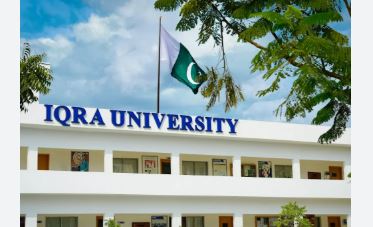
ISLAMABAD, Dec 09 (APP/DNA): Iqra University Islamabad (H-9 Campus), on Tuesday hosted a high-impact professional development session on “Career Trends in Pakistan and Abroad 2026–2030,” reinforcing the university’s role as a national driver of educational innovation. The session was organized in collaboration with EduVision, serving as a strategic training partner.

Bringing together representatives from 19 public and private institutions and over 40 participants — including school leaders, principals, vice principals, and faculty from regions such as Peshawar and Azad Kashmir — the event underscored Iqra University’s expanding influence as a hub for nationwide academic engagement.

The training equipped educators with future-ready insights on global career shifts, emerging skill demands, curriculum modernization, and evolving workforce expectations.

Participants examined how Pakistan’s education sector must re-align teaching methodologies and learning frameworks with international standards to remain competitive through 2030.

Speaking at the session, Yousaf Almas, CEO of EduVision, emphasized the accelerating pace of global career transformation and the need for educators to remain adaptable, data-informed, and globally aware.

Professor Kashif Muhammad Khan, Faculty of Business Administration, highlighted the central role of educators in shaping societal and economic progress. He noted that initiatives like this reflect Iqra University’s commitment to build educator capacity and strengthening linkages between academia, industry, and global best practices.

Beyond curriculum and pedagogy, the session also guided participants on career positioning and leadership development within the education ecosystem — an area of growing importance as institutional roles evolve.

With this initiative, Iqra University Islamabad reaffirmed its commitment to empowering educators, advancing academic excellence, and preparing Pakistan’s education community to meet the opportunities and challenges of the coming decade.

Khyber Pakhtunkhwa’s largest tech fiesta to take place in Mansehra

Khyber Pakhtunkhwa’s largest tech fiesta to take place in Mansehra

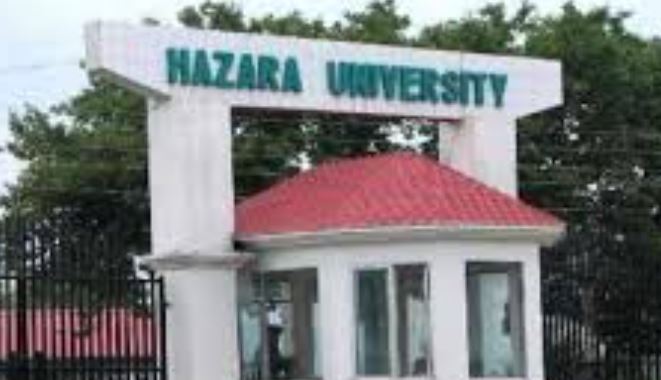
ISLAMABAD, Dec 09 (APP):Hazara University Mansehra is preparing to host Khyber Pakhtunkhwa’s largest technology summit and expo, as the Hazara Tech Fiesta 2025 is scheduled to take place from December 12 to 14. The three-day event, organised in collaboration with the Government of Khyber Pakhtunkhwa, the District Youth Office Mansehra, Metrix Pakistan and Hazara University, is expected to attract over 25,000 participants from across the country.

The annual showcase is powered by Resecurity, a global organisation known for intelligence-driven cybersecurity solutions and its work in big data, artificial intelligence and data science. The partnership aims to strengthen the Fiesta’s focus on digital security, cyber resilience and advanced investigative technologies supporting the fight against cybercrime and emerging threat actors.

Organisers said that this year’s edition features an extensive lineup of national and international speakers, including Hisham Sarwar, CEO of Innovista, and cybersecurity expert Rafay Baloch, along with several other specialists representing Pakistan’s leading technology sectors.

Hassan Sajjad, CEO of Thrive Pakistan, told APP that Hazara Tech Fiesta 2025 represents a “historic shift in the region’s technological aspirations,” adding that the youth of Hazara and Khyber Pakhtunkhwa “are ready to take their place in the global digital economy.” He said the initiative aims to bring industry, academia and government stakeholders together on a single platform to build an innovation-driven ecosystem in northern Pakistan. “Our goal is to ensure that young people from this region gain direct access to modern skill development, industry linkages and global opportunities,” he added.

The first day of the summit will open with an exclusive VIP dinner in honour of national and international speakers. The second and third days will feature a series of conferences, workshops, exhibitions, and networking sessions, with discussions on artificial intelligence, blockchain, Web 3.0, cybersecurity, women empowerment, career development, entrepreneurship and e-commerce, in addition to Hazara’s first large-scale hackathon.

A job and career fair, awards and recognition ceremonies, and dedicated startup sessions are also planned.

Organisers noted that the Fiesta aims not only to highlight emerging technological disciplines but also to position Hazara as a rising hub of digital learning and innovation within Khyber Pakhtunkhwa. They said the participation of global firms and prominent experts is expected to provide significant value to the region’s youth and contribute to long-term skills development.

ISSI launches its latest book, ‘Crossroads of Conflict: Transnational Terrorism from Afghanistan to Africa’

ISSI launches its latest book, ‘Crossroads of Conflict: Transnational Terrorism from Afghanistan to Africa’

ISLAMABAD, DEC 9 /DNA/ – The Centre for Afghanistan, Middle East and Africa (CAMEA) at the Institute of Strategic Studies, Islamabad (ISSI) organised the launch its latest book, Crossroads of Conflict: Transnational Terrorism from Afghanistan to Africa,’ edited by Dr. Amina Khan. The Chief Guest for the event was Engineer Khurram Dastagir Khan, former Foreign Minister of Pakistan. Distinguished discussants included, Dr. Ishtiaq Ahmed, Professor Emeritus, School of Politics and International Relations, (SPIR), QAU, Dr. Shabana Fayyaz, Professor Defense and Strategic Studies, QAU. Ambassador Sohail Mahmood, Director General, ISSI; Ambassador Khalid Mahmood, Chairman BOG, ISSI; and Dr. Amina Khan, Director CAMEA also spoke on the occasion.

Engineer Khurram Dastagir Khan, in his address, said that Pakistan had faced terrorism for many years, with the APS attack as a notable example. He noted that military operations, including Zarb-e-Azb, Raad-ul-Fasaad, and many others, yet the menace persists. He commended the book for its international scope and detailed analysis, highlighting third-party perspectives across regions, including Africa, Middle East and South West Asia, as well as the issue of foreign fighters in Syria. He observed that past excuses for terrorism, often invoking religion, are still echoed today. He praised the authors for addressing the subject comprehensively, stressing that solutions require tackling root causes, strengthening regional cooperation, investing in education, and countering online propaganda. He concluded that while Pakistan has pushed back transnational terrorism, continued efforts remain necessary to effectively push back the recent upsurge.

Ambassador Sohail Mahmood, while speaking on the occasion, said the publication appeared at a time when global security was turbulent and transnational terrorism was expanding in reach and complexity. He noted that in the experts’ views analyzing the phenomenon of transnational terrorism across multiple geographies, instability, fragile political transitions, and socio-economic disparities had allowed violent extremist groups to adapt and extend their influence. He stated that the book provided an authoritative contribution by examining the trajectories of major terrorist organisations, including Al Qaeda, ISIS and its affiliates, ISKP, Boko Haram, Al Shabaab, and TTP, offering insights into their ideology, behaviour patterns, recruitment, and trans-border linkages. He underlined that, extremis, and terrorism was rooted in poverty, exclusion, weak governance, instability, external interventions, and unresolved disputes fueling conflict, requiring deterrence, development, inclusive governance, dialogue, and investment in human security. He further said the book objectively assessed national, regional, and multilateral counter-terrorism frameworks, highlighting gaps such as insufficient coordination, inconsistent political will, competing priorities, and uneven institutional capacity. He emphasized the importance of a coherent approach combining security, diplomacy, law enforcement, development, and community engagement. Noting the subject’s significance for Pakistan, which had confronted terrorism with unshakeable resolve and immense sacrifices, he reiterated that terrorism in all forms must be rejected and defeated, and reaffirmed advocacy for regional cooperation, better border management, intelligence coordination, and peaceful resolution of conflicts. He commended the contributors, and expressed hope the volume would serve as a useful resource.

Dr. Amina Khan, while introducing the book, said CAMEA’s 5th edited volume, Crossroads of Conflict, comes at a time when transnational terrorism remains a pressing challenge. She noted that it provides evidence-based analysis of groups from Al Qaeda and ISIS to regional actors such as Al-Shabaab, Boko Haram, TTP, ISKP, and ETIM, while examining the political conditions enabling their resilience. She added that the work reflects CAMEA’s commitment to informed scholarship and thanked the authors, discussants, and her team for contributing to a publication supporting coherent, context-specific policy thinking.

Dr. Shabana Fayyaz said the book is commendable with a clear theme. She noted that the interplay between conflict and terrorism remains unresolved and emphasized that transnational terrorism requires global solutions, complicated by major power contestation. She observed that the book could have addressed gender and stressed the need to involve society, questioning which segments should be engaged. She added that we live in a digitally polarized world and concluded that the indigenous definition of terrorism remains an enigma.

Dr. Ishtiaq Ahmad, in his remarks, commended CAMEA for a timely and substantive volume. He noted that terrorism is a trans-regional ecosystem, with groups like TTP and BLA exploiting porous borders. He highlighted the adaptability of militants from ISKP to Al-Shabaab and stressed that military action alone cannot ensure lasting results. He emphasized the link between militancy and state fragility, urging attention to grievances in Balochistan and Khyber Pakhtunkhwa. He concluded that the volume offers diverse perspectives.

Ambassador Khalid Mahmood said the book provides a holistic perspective. He stressed the need to address root causes of terrorism, state-sponsored terrorism, and affirmed that the right of self-determination, as recognized by the UN, cannot be equated with terrorism. He also highlighted that terrorism has no link with any religion.

During the discussion, several contributing authors shared their perspectives on their respective chapters, highlighting key insights, analyses, and findings from their research. The event was attended by a cross-section of participants, including academics, practitioners, foreign diplomats, and members of civil society and the media.

Political ties strong, trade must catch up, says Moroccan Ambassador

Political ties strong, trade must catch up, says Moroccan Ambassador

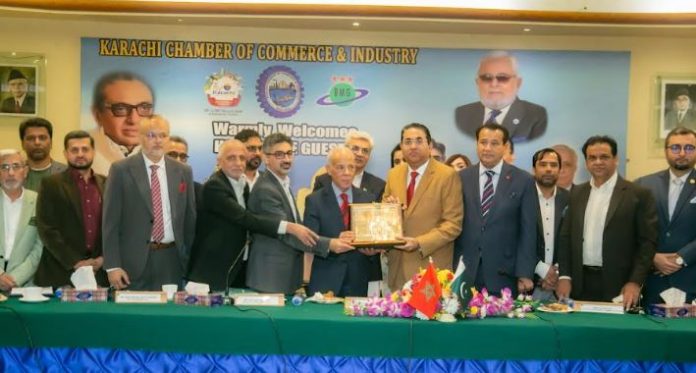
KARACHI, DEC 8 /DNA/ – Ambassador of Kingdom of Morocco, Mohamed Karmoune has said that trade between Morocco and Pakistan remains “a little limited and a little shy”, noting that although both countries enjoy excellent political relations, much more needs to be done on the economic and commercial fronts. “We must work together to become more competitive globally,” he added.

Speaking at a meeting during his visit to the Karachi Chamber of Commerce and Industry (KCCI), the Moroccan Envoy said that the responsibility for low trade volumes lies with both business communities. “I am not blaming only the business community of Pakistan; I am equally blaming the business community of Morocco. This is a shared challenge that we must collectively address”, he remarked, emphasizing that trade must become one of the most important pillars of bilateral relations between the two brotherly nations.

The meeting was attended by Honorary Consul General of Morocco Mirza Ishtiaq Baig, President KCCI Muhammad Rehan Hanif, Senior Vice President Muhammad Raza, Vice President Muhammad Arif Lakhani, members of the KCCI Executive Committee, and members of the Pak–Morocco Business Council.

The Ambassador noted that Morocco and Pakistan possess immense potential for cooperation across multiple sectors, including solar energy, wind energy, green technologies, and tourism. Highlighting Morocco’s strong tourism performance, he said the kingdom had welcomed 18 million tourists by the end of November 2024 and continues to invest heavily in developing the sector.

He further informed that Morocco will jointly host the 2030 FIFA World Cup with Spain and Portugal, an event expected to attract a global influx of visitors. “We look forward to receiving more Pakistanis visiting Morocco, not only for the World Cup, but also for business-to-business engagements”, he added.

The Ambassador stressed the need for Pakistan’s business community to seize the opportunity to visit Morocco, explore its markets, and tap its vast potential. “We have a visionary leader, His Majesty King Mohammed VI, who has been guiding Morocco’s development at all levels. We need you, the business community of Pakistan, to explore opportunities in the Kingdom of Morocco, enhance your presence, and strengthen our economic partnership.”

Honorary Consul General of Morocco in Karachi, Mirza Ishtiaq Baig, while inviting KCCI to send a business delegation to Morocco, stated that business delegations from various sectors across Pakistan visit Morocco every year, where meetings are arranged with Moroccan chambers and leading businesspersons. He added that initiatives such as the annual Biryani Festival, fashion shows and other trade promotional activities, organized in Morocco to promote Pakistani products including Basmati rice, have been yielding encouraging results and strengthening people-to-people and trade linkages.

He noted that bilateral trade between Pakistan and Morocco has reached US$800 million, and expressed optimism that with continued collective efforts, the trade volume could soon cross the US$1 billion mark. “I have been serving as Honorary Consul General for the past 19 years and have been doing business in Morocco for more than 35 years, making this country my second home”, he remarked, adding that Pakistan and Morocco continue to progress together not only as brotherly nations but also due to their strong cultural affinities.

He observed that nearly 60 to 70 percent of Pakistan’s exports are directed towards the US and Europe, whereas Africa, with its sizeable 1.5 billion population, remains an under-explored yet highly promising market. Morocco, he emphasized, enjoys free trade agreements with Europe, 54 African nations in Africa, and Türkiye as well, offering an excellent opportunity for Pakistani businesses to leverage Morocco’s strategic access to these vast markets.

Earlier, President KCCI Rehan Hanif, while welcoming the Moroccan Ambassador, noted that Morocco holds a strategically significant position as a gateway between Africa, Europe, and the Middle East. Likewise, Pakistan, particularly Karachi, serves as the economic hub of South Asia. This unique geographical and economic complementarity creates vast potential for expanding bilateral trade, attracting investment, and strengthening overall economic cooperation between the two brotherly countries.

He stated that the business community firmly believes Morocco and Pakistan share significant untapped potential across a wide range of sectors, including textiles and apparel, pharmaceuticals and surgical goods, information technology and digital services, agriculture and food processing, tourism, culture and hospitality, renewable energy and mining, engineering products, as well as logistics and shipping linkages between African and South Asian markets. He added that there is tremendous scope for developing joint ventures that combine Pakistan’s manufacturing strengths with Morocco’s strategic geographic position and its extensive trade agreements with African and European nations.

He further said that the Karachi Chamber has consistently advocated for enhancing Pakistan’s trade footprint in Africa under the “Look Africa” policy. Morocco, being a stable, progressive, and business-friendly country, offers an ideal gateway for Pakistani exporters and investors seeking entry into the African continent. “We would also welcome initiatives such as business-to-business engagements, exchange of trade delegations, sector-specific visits, and the signing of MoUs to deepen cooperation between both countries”, he noted, adding that KCCI stands fully prepared to work closely with the Embassy of Morocco to facilitate these efforts and connect the Moroccan business community with Pakistan’s largest Chamber.

He also acknowledged the dedicated efforts of Mirza Ishtiaq Baig, Honorary Consul General of Morocco in Karachi, whose tireless contributions have played a vital role in strengthening bilateral relations.

Newly launched USEFP Building Envisioned as a Center for Pakistan’s Future Scholars

Newly launched USEFP Building Envisioned as a Center for Pakistan’s Future Scholars

ISLAMABAD, DEC 9 /DNA/ – The United States Educational Foundation in Pakistan (USEFP) on December 9 continued celebrations of its new state-of-the-art building in Islamabad, designed to empower Pakistani students and expand access to educational opportunities.

The new building features a fully equipped auditorium for seminars and cultural events, a Lincoln Corner offering free educational resources and public programming, and EducationUSA advising services for students interested in pursuing higher education in the United States.  The outdoor amphitheater will host entrepreneurship fairs, panel discussions, and cultural events, creating an active space for learning, collaboration, and engagement.

During the celebrations, students, civil society, alumni, community partners, digital influencers, and members of the media toured the facility, experiencing firsthand the resources and services that will shape its long-term impact.  The U.S. Embassy’s Minister Counselor for Public Diplomacy Andy Halus led a media tour, highlighting the significance of this investment in Pakistan’s educational landscape.  “Education, innovation, and entrepreneurship are cornerstones of the longstanding friendship between the United States and Pakistan, and this new facility makes it possible to collaborate on all of them under one roof,” Halus said.

The day-long event also featured an entrepreneurship fair, bringing together students, innovators, and entrepreneurs to explore new opportunities for growth and collaboration.  It was complemented by an entrepreneurship panel discussion, featuring speakers from the U.S. Embassy, National Incubation Center Islamabad, and Pakistan-U.S. Alumni Network (PUAN).  The panel explored U.S. government support for entrepreneurship, current challenges and opportunities for Pakistani innovators, and the broader entrepreneurial landscape in Pakistan.

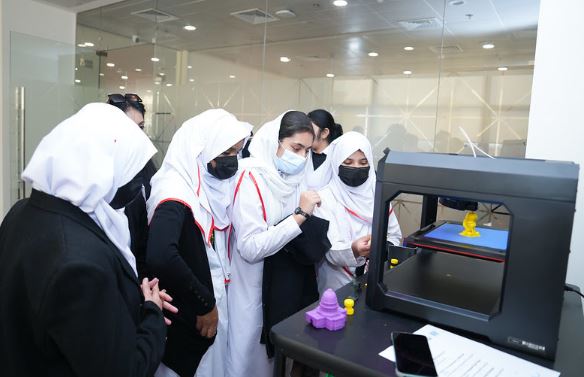
In honor of USEFP and Fulbright’s 75th anniversary, the Lincoln Corner hosted an open house for members, local university faculty, and students.  Friends of the Corner volunteers led activities for visitors highlighting the Corner’s free English language resources and programs available to Pakistanis ages 16 and over.  Technology demonstrations in the makerspace and creative studio spotlighted the building’s role as a dynamic hub for creativity and learning.  

The new USEFP building stands as a symbol of the long-lasting and multidimensional U.S.-Pakistan relationship by uniting education, business, and culture in one dynamic space.  The facility embodies the shared vision of both nations to invest in the future of Pakistan’s youth and to foster economic development, innovation, and progress.

Workshop in Murree calls for end to child marriages

Workshop in Murree calls for end to child marriages

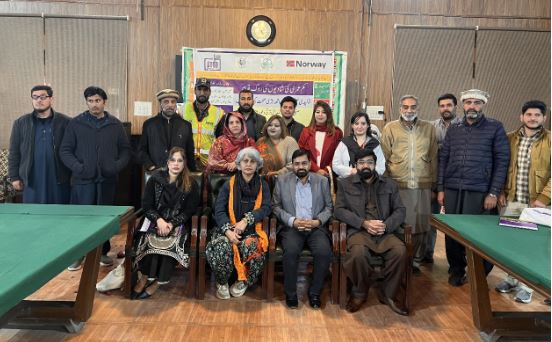
MURREE, DEC 8 /DNA/ – Ending child marriages strengthens families, as girls who marry at an appropriate age are physically and emotionally mature, and possess the knowledge, skills, and resilience needed to manage new roles and responsibilities. These views were expressed during a workshop on reproductive health and the complications associated with early and child marriages. The session highlighted how early marriages negatively affect girls’ education, health, and overall wellbeing, emphasizing the need for community awareness and stronger legal protections.

Agha Zaheer Abbas Sherazi, Deputy Commissioner Murree, and Dr. Azhar Mehmood Abbasi, CEO District Population and Health Department, noted that early marriages deprive girls of their constitutional right to education and expose them to preventable pregnancy-related risks. They stressed that educated and healthy mothers contribute to healthier and more resilient future generations.

Dr. Mariam Ali Abbasi, Women Medical Officer and Incharge Family Planning, Health and Population Department, highlighted serious health complications linked with early marriages, including obstetric fistulas, high blood pressure, eclampsia, and pregnancy-related abnormalities. She emphasized that girls’ bodies are not physically prepared for early pregnancies, putting both mother and newborn at high risk.

Nabeela Aslam, Project Head at PODA, moderated the workshop and reiterated the demand to raise the minimum legal age of marriage for girls to 18 years in Punjab. She noted that Sindh, Balochistan, the Islamabad Capital Territory, and many Muslim-majority countries have already enacted laws setting 18 as the minimum age of marriage for girls, establishing an important precedent for protecting girls’ rights and wellbeing.

Participants recommended conducting more awareness-raising activities and educating parents and communities at all levels. They stressed the importance of involving key stakeholders—including religious scholars, community elders, lawyers, doctors, teachers, lady health workers, girls, and men—to build collective understanding and commitment to ending early marriages.

The workshop saw strong district-level support, with participation from Deputy Commissioner Murree Agha Zaheer Abbas Sherazi, Dr. Azhar Mehmood Abbasi, Deputy District Health Officer Dr. Nauman Shoukat, DEA Sidra Batool, and the Deputy Education Officer.

The activity was conducted by PODA under the project “Reduce Early Marriages to Enhance Gender Equality,” supported by the Royal Norwegian Embassy, Islamabad, with collaboration from the District Health and Population Department.

Pakistan, Indonesia agree to upgrade bilateral ties to dynamic partnership

Pakistan, Indonesia agree to upgrade bilateral ties to dynamic partnership

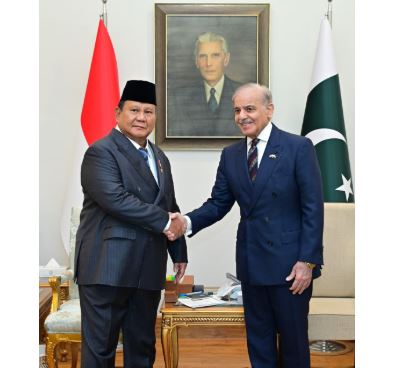
ISLAMABAD, DEC 9 /DNA/ – Prime Minister Muhammad Shehbaz Sharif received the President of the Republic of Indonesia, H.E. Prabowo Subianto at the Prime Minister House today.

Upon arrival, President Subianto was given a guard of honour as a mark of respect and honour.

The two leaders held a tete-e-tete meeting, followed by delegation-level talks.

During the talks, the Prime Minister was assisted by Deputy Prime Minister and Foreign Minister Mohammad Ishaq Dar, Chief of Army Staff and Chief of Defence Forces Field Marshal Syed Asim Munir, cabinet ministers and senior officials.

The two leaders reviewed the entire gamut of bilateral relations and reaffirmed their shared commitment to further strengthening cooperation in all areas of mutual interest, including political and diplomatic engagement, economic and trade relations, defense and security, health, education, science and technology, agriculture and environmental collaboration. Both sides also agreed to elevate their historic bilateral relations to a forward-looking, dynamic partnership.

Expressing satisfaction with the upward trajectory of bilateral trade, both sides agreed to review the Indonesia-Pakistan Preferential Trade Agreement (IP-PTA) to further expand the volume of bilateral trade, which currently stands at around USD 4 billion, while undertaking efforts to address the trade imbalance. They particularly emphasized on the importance of expanding cooperation in the halal industry, trade in agricultural commodities, information technology, technical and vocational education etc.

The two sides agreed to promote collaboration in investments and joint ventures across diverse sectors, through enhanced cooperation between the Special Investment Facilitation Council (SIFC) and the Sovereign Wealth Fund of Indonesia (Danantara).

The Prime Minister expressed his appreciation for President Prabowo’s welfare-oriented and people-centric initiatives, including the “Free Nutritious Meal Program”.

While noting Indonesia’s interest in enhancing cooperation in the health sector, the Pakistan side agreed to explore ways to enhance cooperation through the exchange of medical professionals, mutual recognition of medical qualifications, and offering specialized training.

The leaders also exchanged views on regional and global issues, including the situation in Kashmir and Gaza, reiterating their shared commitment to the peaceful resolution of conflicts in line with relevant UNSC resolutions and the protection of human rights.

The Prime Minister appreciated President Prabowo’s active diplomatic and humanitarian efforts in Gaza, including his role in pursuing ceasefire arrangements and delivering humanitarian assistance.

Both leaders appreciated the close and active cooperation between the two countries at multilateral fora, including the UN, OIC, and D-8. The Prime Minister congratulated Indonesia on assuming the Chair of D-8 and assured the Indonesian President of Pakistan’s full support at this forum.

After the talks, the two leaders witnessed an exchange of Memoranda of Understanding and agreements between both sides in diverse fields.
The Prime Minister also hosted a luncheon in honour of the President of Indonesia and his accompanying delegation.

The visit coincides with the 75th anniversary of the establishment of diplomatic relations between Pakistan and Indonesia, a historic milestone in the brotherly ties between the two nations.

Babar Azam, Shaheen Shah Afridi reach Australia for BBL 15

Babar Azam, Shaheen Shah Afridi reach Australia for BBL 15

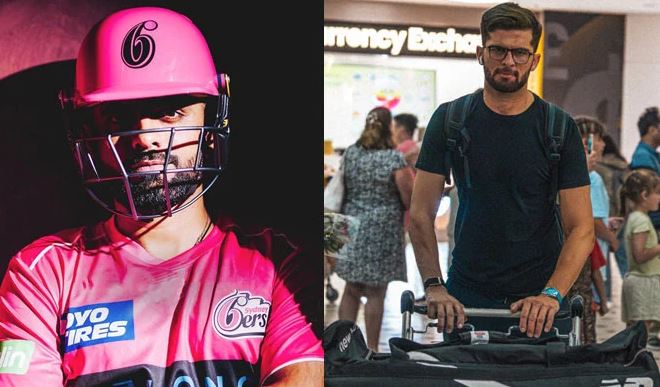
KARACHI: Pakistan’s star cricketers Babar Azam and Shaheen Shah Afridi have reached Australia for the upcoming 15th edition of the Big Bash League (BBL), scheduled to get underway on December 14.

The announcement was made by Babar and Shaheen’s respective franchises, the Sydney Sixers and the Brisbane Heat, respectively, on social media.

Shaheen, who was the number one draft pick, was the first to reach the country as he landed at the Brisbane Airport in the wee hours of Tuesday.

“The number one draft pick has landed. Welcome to Brisbane, [Shaheen Shah Afridi],” the Heat wrote on X, formerly Twitter, while sharing the pictures of the left-arm pacer at the airport.

Meanwhile, the Sixers announced Babar’s arrival in the evening through a 14-second video, featuring the star batter entering a dressing room, followed by a short message, stating, “He’s arrived”.

It is pertinent to mention that the BBL 15 will run from December 14 to January 25, 2026, featuring 44 matches scheduled in prime early-evening slots.

Training camps have already begun at the respective team venues, with Pakistan’s players, including Mohammad Rizwan, Shadab Khan and Hasan Ali, participating to acclimatise to local conditions.

For the unversed, a total of seven national cricketers are contracted for the tournament, with Babar set to represent Sixers, Shaheens was signed by the Heat, Rizwan and Hassan Khan to play for Melbourne Renegades, Rauf will represent Melbourne Stars, Shadab has signed with Sydney Thunder, while Hasan Ali was drafted by Adelaide Strikers.

The BBL 15 fixture list has been released, with the finals retaining the classic four-game format. The Qualifier will begin on January 20, leading up to the grand final on January 25, 2026.

During the tournament, players will remain available for national duties as required.

The Pakistan Cricket Board (PCB) had issued No Objection Certificates (NOCs) to all participating players, ensuring their availability for both domestic and international commitments.

Indonesian President, Field Marshal Munir discuss bilateral military partnership

Indonesian President, Field Marshal Munir discuss bilateral military partnership

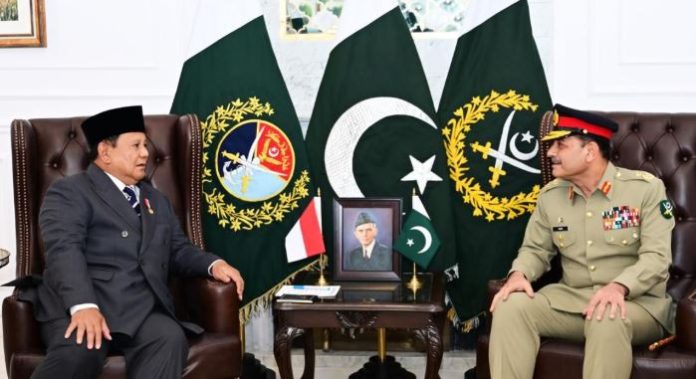
RAWALPINDI, DEC 9 /DNA/ – Field Marshal Syed Asim Munir, NI (M), HJ, Chief of Army Staff & Chief of Defence Forces called on President of the Republic of Indonesia, His Excellency Prabowo Subianto at Islamabad.

During the meeting, matters of mutual interest, regional security, and bilateral defence cooperation were discussed. Both sides reaffirmed their resolve to further strengthen existing ties between the armed forces of the two brotherly countries.

The visiting dignitary appreciated the professionalism of the Pakistan Armed Forces and acknowledged Pakistan’s role in promoting regional peace and stability. The COAS & CDF reiterated that Pakistan values its longstanding relations with Indonesia and is committed to expanding defence collaboration in training, counter-terrorism, and capacity-building domains.

U.S. Choices in Post-Conflict Syria

U.S. Choices in Post-Conflict Syria

Dr. Muhammad Akram Zaheer

For more than a decade, Syria has stood as one of the most complex theatres of conflict in the modern Middle East. What began as a popular uprising in 2011 soon turned into a civil war influenced by regional rivalries, ideological divides and major-power involvement. Today, as the conflict’s intensity has reduced in many areas, an important question hangs over the region: what will a post-Assad Syria look like, and how does the United States intend to shape that outcome? Assessing Washington’s policy demands a close look at its objectives, hesitations, and the contradictory pressures shaping its choices.

From the earliest phase of the Syrian uprising, the United States spoke plainly about its desire to see Bashar al-Assad step aside. The reasoning was built on the belief that a government accused of mass atrocities could not credibly remain at the helm of national reconstruction. Yet words did not translate into decisive action. Washington oscillated between calls for political transition and caution about deeper involvement. This hesitancy allowed both the conflict and regional actors to evolve in ways that constrained American choices. Russia’s military entry in 2015 fundamentally changed the balance of power, securing Assad’s position and limiting the feasibility of any transition that excluded him.

As a result, the United States found itself compelled to adjust its expectations. Rather than pursuing abrupt regime change, Washington shifted towards more modest aims: containing extremist groups, supporting local partners in the northeast, and applying economic pressure on Damascus. The use of sanctions, most notably through the Caesar Syria Civilian Protection Act, was framed as an attempt to hold the government accountable for human rights violations. But these sanctions also complicated the daily lives of ordinary Syrians, added strain to an already decimated economy, and pushed Damascus to deepen its reliance on Moscow and Tehran.

This approach raises an important question: can the United States influence a post-Assad future without engaging meaningfully in Syria’s political landscape? So far, Washington’s strategy has rested on the assumption that prolonged pressure will either force change within the ruling elite or motivate external actors to support a political transition. However, the past several years suggest that pressure alone has not yielded significant movement inside Damascus. The Syrian government has weathered economic crises, territorial losses, and international isolation, yet it has not shown willingness to negotiate a transition that threatens its core leadership.

Meanwhile, regional dynamics are shifting around Syria. A number of Arab states have reopened diplomatic channels with Damascus, arguing that isolation only strengthened external powers and prolonged instability. Syria’s readmission to the Arab League marked a significant symbolic step, even if it did not bring immediate change. These states believe that reintegration could encourage some level of reform, or at least allow for cooperation on pressing issues such as drug trafficking, refugee return and cross-border security. Washington, however, remains wary. It argues that reintegration without accountability risks legitimizing a government tied to widespread abuses. Yet it also recognizes that it cannot simply dictate the policies of regional partners who are dealing with the direct consequences of the conflict.

The United States faces a dilemma: it wants to prevent the rehabilitation of Assad on the world stage, yet it also wants stability in a region strained by refugees, militant networks and economic decline. Reconciling these goals requires policy clarity, something Washington has struggled to provide. Its military presence, confined mainly to the northeast, focuses on preventing the resurgence of the Islamic State group and supporting Kurdish-led forces. This has created an awkward balance. These local forces seek recognition and long-term security guarantees, while neighboring Turkey views them as a direct threat. The United States, caught between these competing interests, has tried to maintain a fragile equilibrium. But this has not translated into a broader political vision for Syria’s future.

Another dimension of the post-Assad question is reconstruction. Syria’s physical destruction is immense: cities such as Aleppo and Homs require decades of rebuilding. Infrastructure across the country needs substantial investment. Yet Washington maintains that no reconstruction funding will flow without political progress. This stance is intended to deny Damascus the resources to consolidate its rule. However, it also limits opportunities for stabilizing affected regions and improving humanitarian conditions. Countries like China and the Gulf states have expressed conditional interest in reconstruction, but political uncertainty and Western sanctions discourage large-scale commitments. As long as there is no agreement on Syria’s political direction, reconstruction remains frozen.

In this context, the notion of “post-Assad Syria” has itself become ambiguous. For some, it refers to a complete political transition in which Assad steps down as part of a negotiated settlement. For others, it means preparing for a long-term arrangement where the state remains under its current leadership, but where reforms and power-sharing might gradually emerge. Washington has not clearly articulated which of these outcomes it considers both desirable and realistic. This lack of clarity hampers its diplomatic engagement and limits its ability to influence regional partners.

Yet the United States still retains some leverage. Its partnership with local forces in the northeast gives it influence over a critical region. Its ties with European allies ensure that sanctions and diplomatic pressure remain coordinated. And its relations with Turkey, Jordan, Israel and the Gulf states make it an unavoidable actor in any regional negotiation. The challenge is to use this leverage constructively. A policy guided primarily by obstruction—blocking reconstruction, discouraging reintegration and maintaining sanctions—may prolong the status quo without opening space for meaningful change.

If Washington seeks to shape Syria’s future, it must consider a more comprehensive framework. First, it needs a clearer political objective. If the goal is a negotiated transition, then diplomatic efforts should focus on creating the conditions for meaningful dialogue among Syrian actors, rather than assuming external pressure alone will compel change. If the goal is incremental reform within the existing power structure, then Washington must acknowledge that outright regime change is unlikely in the near term and adjust its rhetoric accordingly. Second, the United States must decide how it views Syria’s reintegration into regional institutions. Although it opposes normalization without political concessions, it cannot ignore that Arab states are proceeding regardless. Rather than standing apart, Washington could attempt to work with these states to ensure that reintegration is linked to measurable steps: improved humanitarian access, reductions in arbitrary detentions, cooperation on refugee issues and curbs on illicit drug networks. Such an approach recognizes the realities of regional diplomacy while retaining pressure for gradual change. Third, there is the question of reconstruction. Completely withholding reconstruction funding may not produce the intended political results, but unconditional funding would strengthen the current leadership. A middle path could involve channeling aid directly to local communities through international agencies, bypassing central authorities. This method has been used in other post-conflict settings and could help rebuild essential services without reinforcing the structures that contributed to the crisis. Finally, Washington must reassess its military posture. Its presence in the northeast has provided stability but also created long-term uncertainties, especially regarding relations with Turkey and Iran-backed groups. A gradual shift from direct military involvement to a more diplomatic and developmental role may prove more sustainable. But such a shift requires careful planning and assurances to local partners, who fear being abandoned to regional adversaries.

The question of Syria’s international integration cannot be separated from these wider considerations. A country devastated by war cannot remain permanently isolated if lasting stability is the goal. At the same time, reintegration must not become a reward for impunity. Balancing these objectives requires patient diplomacy, regional coordination and a realistic understanding of Syria’s political landscape.

As the conflict enters a new phase, the United States has an opportunity to re-examine its policies and align them with the changing realities of the region. The era of sweeping calls for regime change has passed. What remains is the difficult work of shaping a path that reduces suffering, encourages political openness and guides Syria back into a regional order where its people can rebuild their lives. The question is whether Washington can move beyond reactive measures towards a coherent strategy that acknowledges both its limitations and its responsibilities. Only then can it contribute meaningfully to a future in which Syria finds a place within the international community without abandoning the principles of accountability and justice.

Stay Connected

64FansLike
60FollowersFollow

Latest Reviews

Exchange Rates

USD - United States Dollar
EUR
1.18
GBP
1.35
AUD
0.67
CAD
0.73