Home Blog Page 335

Romanian studies inaugurated for first time in Pakistan at NUML

Ambassador Dan Stoenescu expressed his sincere appreciation to the Institute of the Romanian Language, the Romanian Cultural Institute, and the Ministry of Foreign Affairs of Romania for their continued support and commitment in bringing this important project to fruition

Mahnoor Ansar

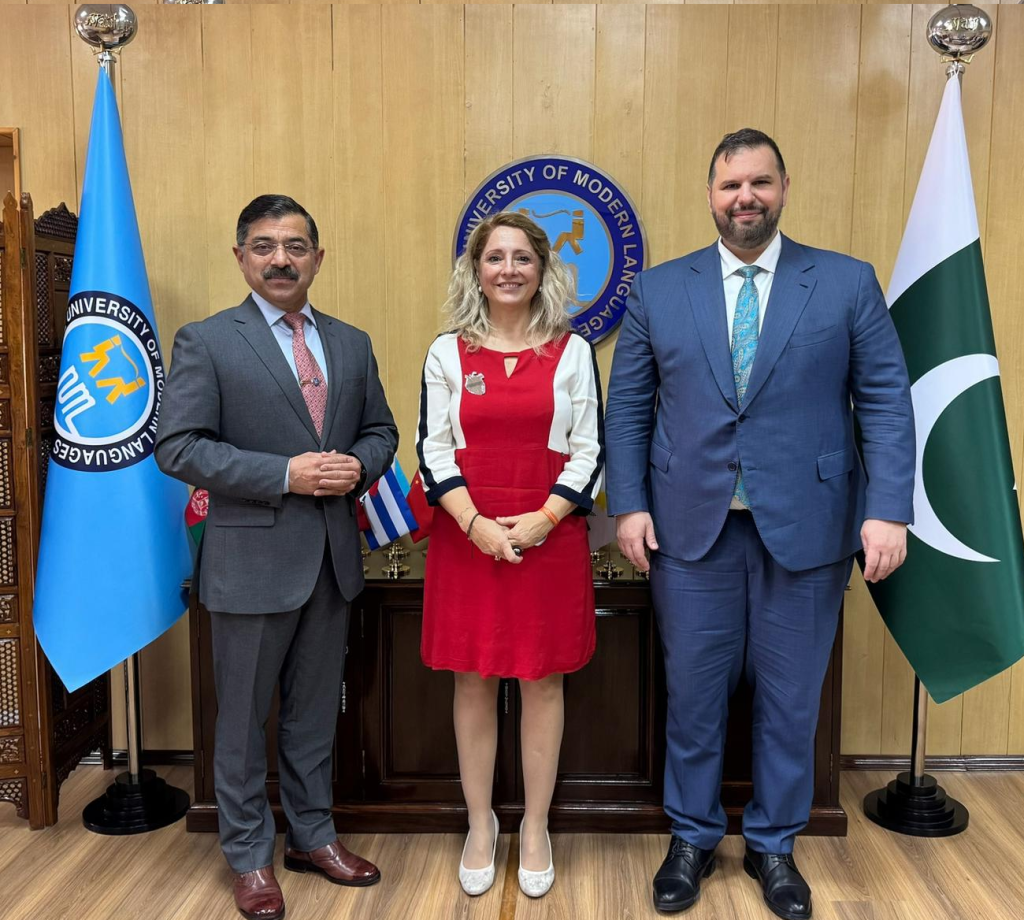
ISLAMABAD: The Embassy of Romania in Pakistan, with the support of the Institute of the Romanian Language and in collaboration with the National University of Modern Languages (NUML), has inaugurated the first-ever academic presence of Romanian Studies in Pakistan. This landmark initiative opens a new academic and cultural gateway between South Asia and Central and Eastern Europe.

The inauguration ceremony took place on Tuesday, 23 December 2025, at NUML Islamabad, in the presence of the Ambassador of Romania, Dr. Dan Stoenescu, NUML Rector Maj. Gen. Shahid Mahmood Kayani, the Dean of the Faculty of Languages, Professor Dr. Jamil Asghar Jami, the Director General Brigadier Muhammad Rafiq Khan, Dr. Huma Hayat Khan, Head of National and International Linkages Office, members of the university faculty, representatives of the Romanian diaspora, and members of the diplomatic corps.

The event marks the historic introduction of Romanian language, literature, and cultural studies into Pakistan’s leading multilingual academic environment. By becoming the first university in the country to offer Romanian language courses, NUML reaffirms its role as a space where languages do not merely coexist, but actively engage in dialogue, responding to a growing global interest in cultural depth, intellectual diversity, and the humanities.
Developed in partnership with the Institute of the Romanian Language and supported by the Embassy of Romania in Pakistan, the Romanian Studies program goes beyond language instruction. It creates an interdisciplinary academic space integrating linguistic training, literature, translation, history, and cultural studies, positioning Romania within broader European and South Asian intellectual dialogues. Students are invited not only to learn Romanian, but also to explore a cultural landscape shaped by historical crossroads, memory, creativity, and resilience.

As part of the inauguration, the Embassy of Romania donated a collection of books to NUML, comprising volumes in Romanian and English on Romanian culture, history, civilization, art, and literature. The donation was made with the support of the Romanian Cultural Institute and the Ministry of Foreign Affairs of Romania, further strengthening the academic foundations of Romanian Studies at NUML.

Quoting the renowned Romanian linguist Eugen Coșeriu, who described plurilingualism as a form of freedom, the initiative reflects a shared commitment to promoting linguistic diversity and intercultural understanding.

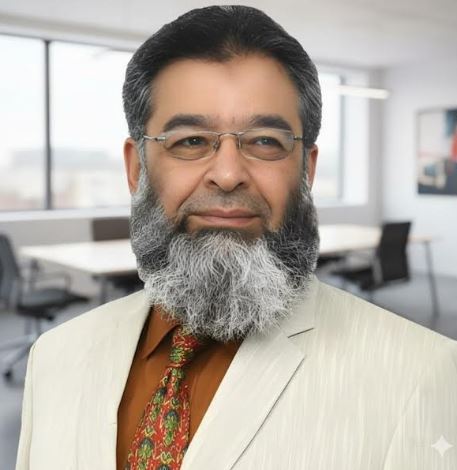
The Romanian Studies program will be coordinated by Dr. Oana Ursache, Doctor of Philology, specializing in comparative literature, culturology, and Hispanic, Oriental, Pre-Columbian, and Arabic literatures. She brings extensive international academic experience, having previously taught at Ștefan cel Mare University of Suceava, the University of Alicante, the University of Granada, and Arizona State University. In 2021, she also served as Secretary of State at the Department for Romanians Abroad. Following significant academic experience in Spain and the United States, Dr. Ursache has chosen NUML Islamabad to establish a new Center of Romanian Studies, further enhancing the university’s academic profile.

The introduction of Romanian language courses—offered for the first time in Pakistan—is expected to strengthen bilateral relations and foster deeper cultural and academic understanding between Romania and Pakistan. With Pakistan’s population approaching a quarter of a billion people, the initiative represents a unique opportunity to expand academic cooperation and advance cultural diplomacy.

Ambassador Dan Stoenescu expressed his sincere appreciation to the Institute of the Romanian Language, the Romanian Cultural Institute, and the Ministry of Foreign Affairs of Romania for their continued support and commitment in bringing this important project to fruition.
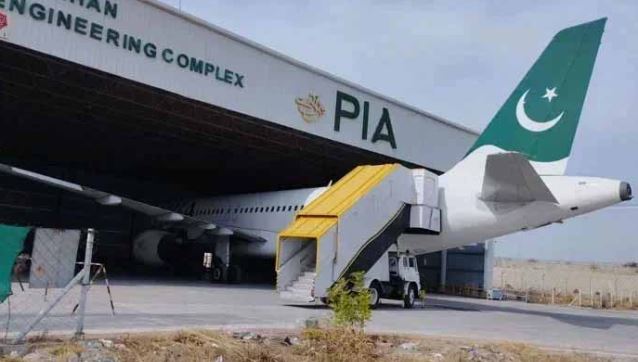
Bidding for 75% PIA stake takes place on Tuesday

Bidding for 75% PIA stake takes place on Tuesday

ISLAMABAD, DEC 22 – The government will hold open bidding for the privatisation of 75% shares of Pakistan International Airlines Corporation Limited (PIACL) on Tuesday, December 23.

According to the Privatisation Commission, sealed bids will be submitted by bidders at 10:30am. The bids will be opened during a ceremony scheduled to begin at 3:30pm in the presence of the bidders.

The reference price for the bidding will be approved by the Privatisation Commission Board and the Cabinet Committee on Privatisation after the bids are received. The bids and reference prices will be announced as part of the process, which will conclude in accordance with the agreed-upon terms.

The entire bidding process will be telecast live on television and digital media. Adviser to the Prime Minister on Privatisation Muhammad Ali is scheduled to hold a press conference following the conclusion of the bidding.

Three prequalified bidders — Airblue (Pvt) Ltd; a consortium led by Lucky Cement with Hub Power Holdings, Kohat Cement and Metro Ventures; and a consortium led by Arif Habib Corporation with Fatima Fertiliser, City Schools and Lake City Holdings — have submitted the earnest money amount.

Meanwhile, Fauji Fertiliser Company Ltd, earlier viewed as a leading contender for the 75% stake in Pakistan International Airlines (PIA), had last week formally withdrawn from the privatisation bidding.

Of the amount paid for the 75% stake, 92.5% will be invested in PIA, while 7.5% will go to the government. The remaining 25% stake retained by the government is considered valuable, and bidders will have the option to acquire it later or leave it with the state.

Officials said the structure was designed to accommodate bidders interested in either 75% or full ownership. Those who do not participate in the bidding cannot later join the winning consortium, a restriction that no longer applies to Fauji Fertiliser now that it has formally withdrawn.

Under the payment terms, the winning bidder must pay two-thirds of the bid amount within 90 days, while the remaining one-third can be paid within 12 months.

The government has assured 12 months of job security for PIA employees. Pension liabilities, medical benefits, and other post-retirement perks will be handled by the holding company, while current salaries and benefits will be paid by the new owners.

PIA currently has rights to 78 destinations and holds about 170 landing slots worldwide. Officials said the airline urgently needs fresh investment and professional management to turn around its operations.

The government’s earlier bid to privatise the entity failed as a $36 million bid from a real estate firm fell short of the $305m floor price, with concerns over debt, staffing, and limited control.

This time, the government is offering full divestment, has scrapped the sales tax on leased aircraft, and is providing limited protection from legal and tax claims. Around 80% of the airline’s debt has been transferred to the state.

UAE ambassador meets President Zardari to discuss deepening bilateral relations

UAE ambassador meets President Zardari to discuss deepening bilateral relations

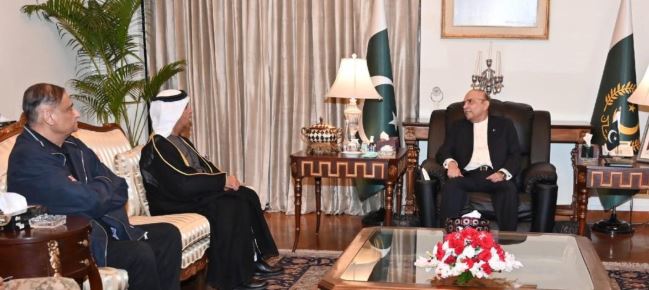
ISLAMABAD, DEC 22 – Ambassador of the United Arab Emirates (UAE) to Pakistan Salem Mohammed Salem Al Bawab Al Zaabi, called on President Asif Ali Zardari at Aiwan-e-Sadr  and discussed matters of mutual interest.

The President welcomed the newly appointed Ambassador and conveyed best wishes for his tenure, while appreciating the services of his predecessor.

He reaffirmed Pakistan’s gratitude for the UAE’s continued support, particularly in economic and infrastructure sectors, and expressed Pakistan’s readiness to host Sheikh Mohamed bin Zayed Al Nahyan on an official visit at mutually convenient dates.

The meeting reviewed the close brotherly relations between Pakistan and the UAE and discussed ways to expand cooperation in political, economic, defence and people-to-people domains.

The President said that the UAE has held a special place for his family since the very establishment of the Emirates, noting that the relationship spans generations, from Shaheed Zulfikar Ali Bhutto to Shaheed Mohtarma Benazir Bhutto, and continues today, with the UAE being home to his daughter. He said this personal bond reflects the depth of trust and affection that underpins Pakistan-UAE relations.

The President added that while the UAE is Pakistan’s largest trading partner in the Middle East and financial cooperation between the two countries remains strong, there is further scope to expand collaboration in investment, energy, the digital economy and infrastructure development.

He also paid tribute to the Pakistani community in the UAE, acknowledging its vital role in contributing to the UAE’s development while serving as a strong bridge between the two countries.

Rawalpindi embrace first winter rain, a blessing for many

Rawalpindi embrace first winter rain, a blessing for many
RAWALPINDI, Dec 22 (APP/DNA): The first winter rain on Sunday has ended the effects of prolonged dry cold weather in Rawalpindi, providing residents with a pleasant atmosphere on one side, and pleasure for the farmers on the other. Due to cloudy conditions, thunderclouds remained over the city, and light to moderate rainfall was recorded which cleared the air and making the weather enjoyable.

According to the Meteorological Department, light rain occurred at various locations in Rawalpindi, bringing a considered change in the dry atmosphere. During the rain, intermittent drizzling continued day and night in some areas, reducing the intensity of the weather and bringing relief from the growing anxieties caused by the cold and winter bourne seasonal health issues.

Residents expressed happiness and relief after the rain.

Shahbaz Hussain while talking to APP said that the rain has cleared the atmosphere as for the past several weeks, the dry cold has caused difficulties in breathing, but now he feels great comfort.

“After the rain, we bought hot chicken soup, and went for a walk in the garden with the family. Seeing the rush in the markets made us happy”, said Aysha Bano a resident of Lalazar.

Young Nauman Khan said that the rain has truly made the weather pleasant as people spent hours outside in the food streets.

After the rain, there was a significant increase in the buying and selling of yakhni, soup, and dry fruits in various markets of the city. Similarly, in the market, a rush of citizens was observed, where demand for warm clothing, sweaters, jackets, blankets.
Shopkeepers said that the rain compelled people to come out and buy warm items, improving business.

Health experts from the Health Department report that after the rain, there has been a decrease in colds, flu, and respiratory diseases because the rain reduced dust in the air, purifying it and providing relief to breathing patients.
“Rain was much needed as dry weather has caused flu and cold fever to many”, said Dr. Waqar, spokesman Rawalpindi Health Authority.
He also highlighted the importance of fresh atmosphere and pollutants free air for the patients facing bronchitis, asthmatic issues and related disease
Agricultural experts have also termed this rain beneficial for crops, especially providing moisture to wheat and other Rabi crops, brightening prospects for improved yields.

Following the rain, teams from the Rawalpindi Metropolitan Corporation and Waste Management Company have become active. Special measures are being taken for water drainage in low-lying areas, cleaning of roads and drains, and timely disposal of garbage to ensure citizens face no difficulties after the rain.
The Rawalpindi Cantonment Board (RCB) administration has also appealed to citizens to cooperate in the discharge of rainwater.

The first winter rain in Rawalpindi has blessed the city with pleasant weather, brought relief to residents, and enlivened the markets. Improvements are expected in health, crops, and cleanliness arrangements, while citizens are seen enjoying their time in the cheerful post-rain atmosphere.395

China hopes Cambodia, Thailand will quickly achieve ceasefire, restore peace: Lin Jian

China hopes Cambodia, Thailand will quickly achieve ceasefire, restore peace: Lin Jian

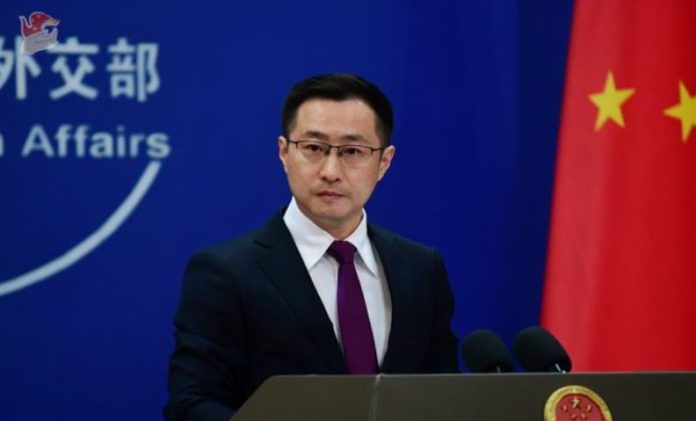
BEIJING, DEC 22 (APP/DNA): As friend and close neighbor of Cambodia and Thailand, China sincerely hopes that both countries will, based on safeguarding peace and stability along their borders and the fundamental interests of their people, quickly achieve a ceasefire, restore peace, Chinese foreign ministry spokesperson Lin Jian said on Monday.

He said that both Cambodia and Thailand are important members of ASEAN, and China appreciates and supports ASEAN, particularly Malaysia’s capacity to mediate, he said during his regular briefing in response to a question about the ongoing Special ASEAN Foreign Ministers’ Meeting in Kuala Lumpur, Malaysia, regarding the current situation between Cambodia and Thailand.

Since the recent escalation of the Cambodia-Thailand conflict, China has been mediating and urging reconciliation in its own way. Foreign Minister Wang Yi has spoken with the foreign ministers of Cambodia and Thailand, and officials from the Chinese Foreign Ministry have maintained communication with Cambodia, Thailand, and other relevant ASEAN countries, he said.

Special Envoy for Asian Affairs Deng Xijun is conducting shuttle diplomacy between Cambodia and Thailand. China will release updates on Deng’s mediation efforts in due course and will continue to actively promote peace and dialogue, playing a constructive role in de-escalating the situation, Lin added.

The Two-Nation Theory: A Reality Beyond Borders

The Two-Nation Theory: A Reality Beyond Borders

by Muhammad Mohsin Iqbal

India’s state-sponsored interference in Bangladesh is rooted not merely in contemporary politics but in a long and carefully constructed historical design aimed at weakening Pakistan and reshaping the political destiny of the Muslim-majority eastern wing of the Sub Continent. The assassination of student leader Usman Hadi has brought this design into sharp and tragic focus. Hadi, a young and outspoken voice against foreign interference and ideological coercion, was gunned down in broad daylight after receiving repeated threats. According to local accounts, he had been under surveillance for weeks, warned to abandon his political activism, and ultimately silenced in a targeted attack that bore the hallmarks of professional execution rather than spontaneous violence. His killing sent shockwaves through Bangladeshi campuses and revived fears that dissenting voices are being eliminated to preserve a carefully managed political order.

To understand the significance of this crime, one must return to the origins of the Pakistan Movement. Bengal was not a peripheral participant; it was one of its intellectual and political centers. From A.K. Fazlul Huq’s historic presentation of the Lahore Resolution in 1940 to the overwhelming electoral mandate given by Bengali Muslims to the Muslim League in 1946, the demand for Pakistan was as much an eastern aspiration as a western one. The Two-Nation Theory was not imposed by geography; it was embraced as a civilizational truth that Muslims, irrespective of language or region, formed a distinct political community entitled to self-rule.

India never reconciled itself to this reality. From Pakistan’s inception, New Delhi pursued a policy aimed at containment and eventual dismemberment. The events culminating in 1971 did not arise in isolation. Indian intelligence networks cultivated separatist elements, provided training and arms, and orchestrated an international propaganda campaign portraying Pakistan as inherently oppressive. The Indo-Soviet Treaty of Friendship in August 1971 provided diplomatic cover for open military intervention, transforming internal unrest into a full-scale regional war and leading to the secession of East Pakistan.

This intervention was later acknowledged by Indian leaders themselves, stripping away the veneer of humanitarianism often used to justify it. The political movement led by Sheikh Mujibur Rahman, though rooted in genuine grievances, was steadily aligned with Indian strategic objectives. In subsequent decades, this alignment hardened into a durable political axis. Under Sheikh Hasina Wajid’s leadership, Bangladesh’s governing structure developed an unusually close and deferential relationship with New Delhi. Both Hasina Wajid and Indian leaders, including Narendra Modi, have publicly referenced their coordinated roles surrounding 1971, implicitly admitting that the separation of East Pakistan was facilitated through a shared political and military design aimed squarely at Pakistan.

This alliance has had lasting consequences. Bangladesh’s sovereignty has often appeared conditional, shaped by agreements on transit, water sharing, and security cooperation that overwhelmingly favor India. Political dissent within Bangladesh, particularly voices critical of Indian influence or sympathetic to renewed ties with Pakistan, has frequently been marginalized. It is within this climate that the assassination of Usman Hadi must be understood. Hadi was not merely a student activist; he symbolized a growing segment of Bangladeshi youth demanding historical honesty, political independence, and resistance to Hindutva-driven regional dominance. His murder, following a pattern of alleged target killings, has been widely interpreted as a warning to others who challenge this imposed narrative.

Yet history has an inconvenient habit of resurfacing. The claim that 1971 buried the Two-Nation Theory does not withstand serious scrutiny. Pakistan and Bangladesh, despite political estrangement, continue to share religious bonds, cultural affinities, and a collective memory of resistance to Hindu majoritarian supremacy. Their separation was not a philosophical defeat but a rupture engineered through external manipulation. The enduring resonance of Muslim identity in Bangladesh today stands as living evidence that the foundational idea was never extinguished.

This reality explains India’s persistent anxiety. A Bangladesh that reclaims its historical narrative, asserts an independent foreign policy, and rebuilds relations with Pakistan undermines the carefully cultivated image of Indian benevolence. When Bangladesh questions interference or seeks balance, it is swiftly labeled unstable. Such labeling serves as pretext for further pressure, rather than genuine concern for democratic health.

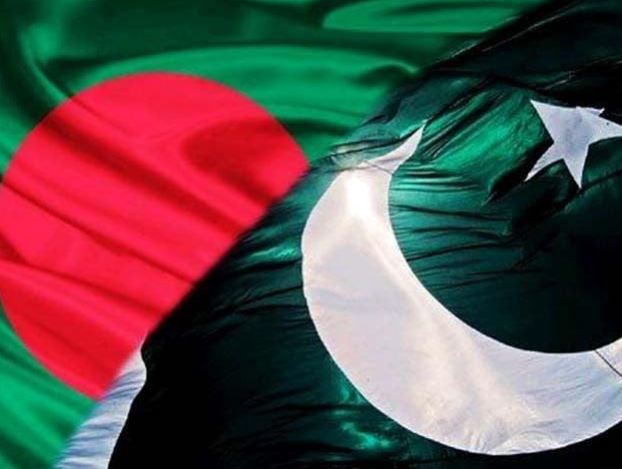
Pakistan and Bangladesh are brothers born of the same struggle. Brotherhood is not annulled by borders, nor erased by the passage of time. Today, as India continues to rely on political engineering, media influence, and covert methods to keep its neighbors within a narrow strategic orbit, the people of Pakistan and Bangladesh increasingly recognize the value of solidarity. The natural affection between them is perceived as a threat precisely because it weakens divisive designs.

The blood of Usman Hadi has added a solemn chapter to this shared history. His assassination has not silenced debate; it has amplified it. It has reminded many in Bangladesh that sovereignty demands courage and that history demands truth. The Two-Nation Theory has survived war, propaganda, and political manipulation. With mutual respect and a shared resolve to resist Hindutva interference, Pakistan and Bangladesh can challenge narratives built on coercion and control, reaffirming that their destinies were never meant to be dictated by external conspiracies but shaped by the will and sacrifice of their people.

Serena Hotel hosts festive tea party for charity school children

Serena Hotel hosts festive tea party for charity school children

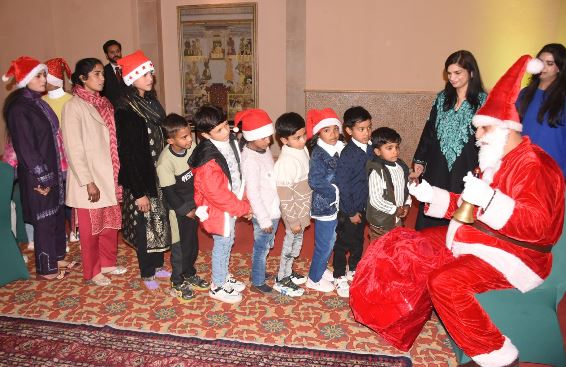
ISLAMABAD, DEC 22 /DNA/ – In the true spirit of this Festive Season, Islamabad Serena Hotel demonstrated its commitment to community’s well being by hosting a Hi-tea for children from the three charity schools i.e., Holy Help School, Master Ayub School, and Mashal School. The initiative aimed to spread joy, inclusivity, and the magic of the season among young hearts.

The children got an opportunity to visit the Festive wonderland, be a part of the season’s festivities. They were served a delightful hi-tea filled with delectable treats. Santa Claus made a surprise entry with the gifts for the children, which made the evening magical and unforgettable for them.

The management of Islamabad Serena Hotel places strong emphasis on making a positive impact on the local community through meaningful and sustained efforts to promote and support education for children.

This heartwarming event stands as a testament to Islamabad Serena Hotel’s dedication to fostering a culture of compassion, inclusivity, and social responsibility. Through such initiatives, the hotel continues to strengthen its bond with the community while creating joyous experiences that leave a lasting impression.

Is vegetable-based diet healthy or harmful for children?

Is vegetable-based diet healthy or harmful for children?

As plant-based eating gains popularity worldwide, many parents are asking a critical question: is a vegetable-based diet safe for growing children? The answer, experts say, depends less on ideology and more on balance and nutrition.

A vegetable-based diet can offer clear health benefits for children when it is carefully planned and nutritionally balanced.

Such diets are often rich in fiber, vitamins, and antioxidants, which support overall well-being and heart health. They may also lower the risk of obesity and diabetes later in life.

However, experts caution that vegetables alone may not always provide all the nutrients children need during crucial growth years.

Potential health benefits
Children on well-planned vegetable-based diets may benefit from improved heart health due to lower intake of unhealthy fats.

Higher fiber intake can also support digestion and help maintain healthy weight levels.

Vegetables naturally provide essential vitamins and antioxidants that help protect the body from disease.

These nutrients play an important role in supporting immunity and long-term health.

Key nutrients at risk of deficiency

Protein and growth
Protein is essential for muscle development and overall growth in children.

If a vegetable-based diet is not carefully structured, children may not receive enough protein to support healthy height and weight gain.

Vitamin B12 and brain development

Vitamin B12 is critical for brain function and the nervous system.

This vitamin is difficult to obtain from vegetables alone, increasing the risk of deficiency.

Iron and anemia risk

Iron helps prevent anemia and supports energy levels.

Insufficient iron intake can lead to weakness, fatigue, and difficulty concentrating.

Calcium and Vitamin D for strong bones

Calcium and vitamin D are vital for building strong bones and teeth.

Deficiencies may increase the risk of bone and dental problems during growth.

Omega-3 fatty acids and zinc

Omega-3 fatty acids support brain development, while zinc is essential for a strong immune system.

A lack of these nutrients can affect mental focus and resistance to illness.

Nutritional deficiencies in childhood can have lasting effects.

Experts warn that poor diet planning may result in stunted growth, low energy levels, and reduced concentration, alongside bone and dental issues.

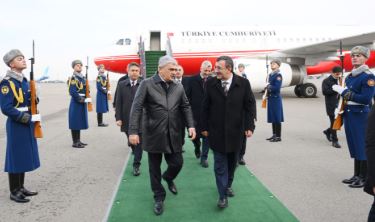
Turkish Vice President Cevdet Yilmaz arrives in Azerbaijan

BAKU, DEC 22 – Cevdet Yilmaz, Vice President of the Republic of Türkiye, arrived in Azerbaijan on December 22.

A guard of honor was lined up for the Vice President at Heydar Aliyev International Airport, which was decorated with the national flags of both countries.

Turkish Vice President Cevdet Yilmaz was welcomed by Azerbaijan’s Deputy Prime Minister Samir Sharifov and other officials.

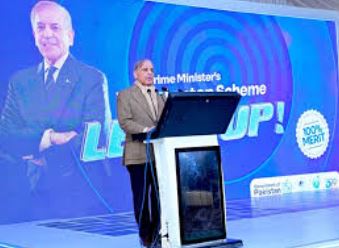
Pakistan expands laptop scheme for students to boost education

A laptop in every youth’s hand government’s commitment, says Wajiha Qamar

ISLAMABAD, Dec 22 (APP/DNA):Wajiha Qamar, Minister of State for Federal Education and Professional Training said that providing a laptop to every young person is an important mission of the government under which the Prime Minister’s Laptop Scheme is being further expanded.

She expressed these views while addressing a laptop distribution ceremony at Allama Iqbal Open University (AIOU) as the chief guest.

She said that the promotion of education and the empowerment of youth are among the top priorities of the government.

Wajiha Qamar added that Pakistan is now moving in the right direction and progressing toward economic stability, in which the role of the younger generation is extremely important.

Addressing the students, she remarked that the armed forces of Pakistan are the guardians of the country’s physical borders, while students are the guardians of its ideological frontiers.

Emphasizing national unity, she said that students are first and foremost Pakistanis and should use these laptops responsibly for educational and training purposes.

She encouraged them to take full advantage of modern technology to enhance their skills so they can secure a bright future for themselves and contribute effectively to the country’s development.

Vice Chancellor Professor Dr Nasir Mahmood said that through the efforts of the Higher Education Commission, the Government of Pakistan has provided laptops for 2,475 students of AIOU. Out of these, 300 laptops are being distributed today among students from Rawalpindi and Islamabad.

He added that the remaining students will receive laptops at ceremonies to be held in provincial capitals.

The Vice Chancellor highlighted that laptops are essential for students enrolled in distance learning and online education systems.

He expressed gratitude to the Higher Education Commission and the Government of Pakistan for including Allama Iqbal Open University in this important initiative.

Speaking on the occasion, Engineer Nazeer Hussain from the Higher Education Commission congratulated the university on the successful organization of the ceremony and the students on receiving their laptops.

He said that the objective of the Government of Pakistan and the Higher Education Commission is to equip students with modern technology so they can excel in education and research and represent Pakistan positively at the global level.

He urged students to use the laptops for positive and constructive purposes.

Registrar Raja Umar Raja also addressed the students and emphasized the importance of using the laptops for academic activities, online research, skills development, and acquiring modern knowledge.

He stated that responsible and effective use of technology would help students become skilled, informed, and productive citizens in the future.

Stay Connected

64FansLike
60FollowersFollow

Latest Reviews

Exchange Rates

USD - United States Dollar
EUR
1.14
GBP
1.34
AUD
0.70
CAD
0.71