Home Blog Page 314

Power, Oil, and Pressure

Power, Oil, and Pressure

By Muhammad Omar Iftikhar

Distrust has long defined U.S.–Venezuela relations. What began as political disagreement escalated into confrontation driven by oil interests, ideological rivalry, and competing ideas of sovereignty. Venezuela mattered to Washington not for moral reasons but for strategic ones: vast oil reserves and its place within the U.S.’ traditional sphere of influence made it economically vital yet politically defiant. This tension shaped decades of engagement.

The decisive rupture came in 1998 with Hugo Chávez’s election. Promising redistribution and national control over resources, Chávez challenged U.S. dominance while remaining tied to global energy markets. Relations worsened as he consolidated power, adopted anti-U.S. rhetoric, and aligned with U.S. rivals, with the failed 2002 coup further eroding trust.

Chávez’s governance carried internal contradictions. Oil revenues funded social programs but weakened institutional accountability, centralized power, and stalled diversification. These weaknesses became acute after his death in 2013, when Nicolás Maduro inherited a fragile, oil-dependent system. Lacking legitimacy, Maduro relied on repression amid economic collapse, contested elections, and institutional decay.

The U.S. hardened its approach, citing democratic erosion, human rights abuses, drug trafficking allegations, and regional security concerns. Sanctions expanded into a broad economic regime, worsening humanitarian conditions without delivering political change. The military intervention that led to Maduro’s capture was framed as necessary to restore accountability and regional stability, but it also reflected decades of failed pressure. Venezuela’s crisis is not solely the result of U.S. policy; nevertheless, the experience underscores the limits of coercion—power may compel action, but without diplomacy, it cannot rebuild trust or ensure lasting stability.

Address of the President of Uzbekistan – stratetic vector of the country’s future development

Address of the President of Uzbekistan – stratetic vector of the country’s future development: Eldor Aripov

By: Eldor Aripov

The President’s annual address represents a strategic pivot for Uzbekistan, transitioning from rapid reform to institutionalised, sustainable growth, according to a leading policy analyst.

Eldor Aripov, Director of the Institute for Strategic and Regional Studies (ISRS), stated that President Shavkat Mirziyoyev’s recent Address to the Oliy Majlis is a “strategic policy document” marking a “qualitatively new stage of development.” He described the speech as the blueprint for “the institutional consolidation of reforms and the formation of a sustainable growth model oriented toward the long term.”

Aripov’s analysis highlighted a decade of profound economic transformation. The nation’s nominal GDP has more than doubled, from approximately $60-65 billion in the mid-2010s to $145 billion today. This growth, averaging 6% annually, has proven resilient through global shocks including the pandemic and supply chain disruptions.

“The republic has reached a stage at which further progress is determined less by the sheer size of the economy than by its quality,” Aripov noted, pointing to the Address’s emphasis on labour productivity, technological modernisation, and deeper industrialisation.

The structural shift in the economy is pronounced. Industrial output has doubled, with manufacturing and processing now exceeding 80% of GDP. Exports have also more than doubled, surpassing $24 billion, driven by a move from raw materials to finished goods like textiles—where exports have tripled to over $3 billion.

Concurrently, Uzbekistan has recorded dramatic social progress. The poverty rate has plummeted from about 35% in 2017-18 to 8.9% in 2024, with a projected drop to 5.8% in 2025—surpassing government targets. The Address sets a strategic goal to eradicate extreme poverty by 2030.

Aripov underscored that the policy priorities directly mirror citizen concerns gathered through surveys and appeals, focusing on employment, service quality, and governance. “The state demonstrates the ability to listen to its citizens and translate public expectations into elements of strategic policy,” he said.

The analyst credited President Mirziyoyev’s consistent political will and leadership as the decisive factor in synchronising macroeconomic stability with social and institutional reforms. The Address, Aripov concluded, is not merely an agenda but a “strategic framework” that defines Uzbekistan’s long-term competitiveness and strengthens both domestic consensus and international confidence.

Bilawal pays tribute to IIOJK people on Right to Self-Determination Day

Bilawal pays tribute to IIOJK people on Right to Self-Determination Day
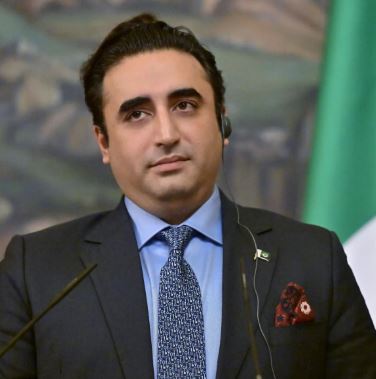
KARACHI, Jan 05 (APP/DNA):Chairman of Pakistan Peoples Party (PPP) Bilawal Bhutto Zardari on Monday paid a solemn and glowing tribute to the people of Indian Illegally Occupied Jammu and Kashmir (IIOJ&K) on the occasion of Right to Self-Determination Day, reaffirming Pakistan’s unwavering moral, political and diplomatic support for their just struggle.

On the day marking the 1949 United Nations resolution that recognized the disputed status of Jammu and Kashmir and affirmed the Kashmiri people’s right to determine their own future through a free and impartial plebiscite, Chairman PPP said this day serves as a solemn reminder of the international community’s unfulfilled promise.

He said the people of IIOJK have endured decades of oppression, violence and denial of basic human rights, but yet their resolve, courage and hope for freedom remain unbroken.

“The right to self-determination is not a concession but an inalienable right, guaranteed by international law and the UN Charter,” he said, adding that no amount of force can silence a people’s legitimate aspiration for dignity and justice.

The PPP Chairman urged the United Nations and the global conscience to move beyond statements and ensure the implementation of its own resolutions on IIOJK.

He said lasting peace in South Asia is impossible without a just and peaceful settlement of the IIOJK issue in accordance with the wishes of the IIOJK people. Reaffirming the legacy of Quaid-e-Awam Shaheed Zulfikar Ali Bhutto and Shaheed Mohtarma Benazir Bhutto, he said the PPP will continue to raise its voice on every forum for the Kashmiri people. “We stand with Kashmir—today, tomorrow and until justice is done,” he added.

Ambassador firmly rejects “absurd claims” about Iran’s Supreme Leader

Ambassador firmly rejects

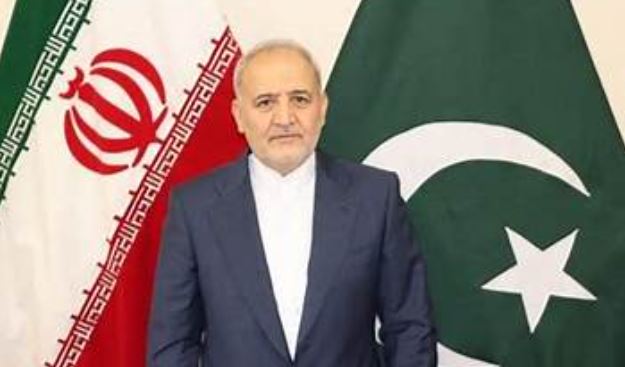
ISLAMABAD, JAN 5 /DNA/ – The Ambassador of the Islamic Republic of Iran to Pakistan, Reza Amiri Moghaddam, issued a strong and unequivocal statement on Monday, denouncing what he described as a “propaganda machinery” spreading “fake and fabricated news” regarding the Supreme Leader of Iran.

In his official statement, the Ambassador categorically rejected what he termed “absurd claims,” asserting that the dissemination of such disinformation is a desperate tactic employed by Iran’s adversaries. He framed these allegations as a reactionary measure to obscure perceived military and strategic failures.

“The enemy seeks to compensate for its failures, failures it could not conceal after what it did not achieve during the recent conflicts,” the Ambassador stated, in an apparent reference to recent regional tensions. He paid tribute to Iranian soldiers, praising their courage in defending the nation’s sovereignty and honoring them as martyrs “laid to rest in the soil of their country.”

He further affirmed the Supreme Leader’s position as the Commander-in-Chief, describing him as standing “shoulder to shoulder with the resilient people and the vigilant security forces.”

Concluding his statement with a direct appeal to the Pakistani media, Ambassador Moghaddam called for heightened professional diligence. He urged media outlets and professionals to rely strictly on verified sources and exercise caution in an information landscape he characterized as “increasingly polluted by digital terrorism, misinformation, and ethical misconduct.”

“Such professional responsibility is essential to preserving the credibility and distinguished standing of Pakistani journalism and media,” the Ambassador concluded.

The statement underscores Tehran’s sensitivity to international media narratives concerning its leadership and reflects a concerted effort to shape the information discourse in a key regional partner, Pakistan. The specific allegations referenced by the Ambassador were not detailed in the released text.

Philippine firm opens Islamabad office, signals growing bilateral investment

Philippine firm opens Islamabad office, signals growing bilateral investment

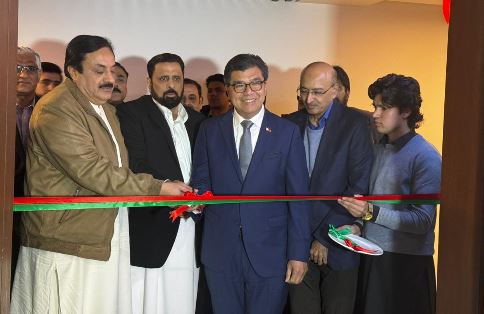
ISLAMABAD, JAN 5 /DNA/ – Pakistan took another step toward attracting foreign investment on Sunday as 2World Traders Pakistan, a subsidiary of a Philippine pharmaceutical company, formally inaugurated its office in the federal capital, a move aimed at strengthening cooperation between Pakistan and the Philippines in the healthcare and pharmaceutical sectors.

Speaking at the ceremony, Philippine Ambassador to Pakistan Dr. Emmanuel R. Fernandez said the company’s entry into Pakistan reflected growing confidence in the country’s market and highlighted expanding economic engagement between the two countries. He noted that the establishment of a Philippine-registered pharmaceutical firm in Pakistan opened new opportunities for collaboration in healthcare delivery, supply chains and bilateral trade.

The ambassador underscored the importance of vaccines and biological products in building resilient health systems, adding that private-sector initiatives such as 2World Traders could play a constructive role in advancing public health while reinforcing economic ties between Pakistan and the Philippines.

The Islamabad office was inaugurated by Abdul Razzaq Siddiq, Owner of 2World Traders Pakistan and President of Philippines-based 2World Traders Inc. The event was attended by Dr. Imran Yusuf, Honorary Consul General of the Philippines in Karachi; Dr. Obaid Ullah, Chief Executive Officer of the Drug Regulatory Authority of Pakistan (DRAP); representatives from Shifa International Hospital, the National University of Sciences and Technology (NUST) and the Dow Institute of Life Sciences (DILS), along with senior business and industry figures.

Addressing the gathering, Dr. Obaid Ullah emphasized the need for regulatory cooperation and harmonization to facilitate pharmaceutical trade while ensuring adherence to international quality and safety standards.

Speaking on the occasion, Abdul Razzaq Siddiq said the company aimed to support Pakistan’s healthcare sector by improving access to essential vaccines and biological products, promoting technology transfer and encouraging local manufacturing. He announced plans to import key vaccines, including Tetanus Toxoid, with an initial shipment of 10 million doses to help ease supply shortages.

He added that future initiatives include the local production of anti-rabies serum in collaboration with DILS, as well as the development of anti-cancer medicines and anti-snake venom serum, particularly to serve underserved areas of Sindh and Balochistan.

Founded in 1988, 2World Traders Inc. is a distributor of vaccines and biological products in the Philippines, with operations across Asia, the Middle East, Europe and North America, supported by cold-chain facilities and manufacturing collaborations in India and China.

The opening of the Islamabad office is expected to contribute to deeper Pakistan–Philippines trade ties, greater healthcare collaboration and expanded bilateral investment.

Main protesters ‘announced end’ of lawful protests: Iranian Embassy

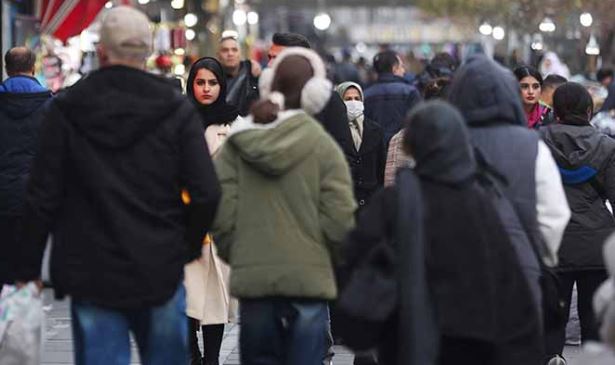
ISLAMABAD, JAN 5: The Iranian Embassy in Islamabad on Monday said that the main group of protesters, largely comprising shopkeepers and trade guilds, had officially announced the conclusion of their lawful protests following government engagement and confidence-building measures.

The demonstrations began last Sunday when shopkeepers staged a strike over high prices and economic stagnation, but they have since spread to other places and expanded to include political demands.

Protests took place in 25 out of Iran’s 31 provinces and affected, to varying degrees, at least 45 different cities, most of them small or medium-sized and concentrated in the west, according to an AFP tally based on official statements and media reports.

At least 12 people have been killed since December 30 in localised clashes, including members of the security forces, according to a tally based on official announcements, and there have been media reports of episodes of property damage in the west.

The Fars news agency said on Monday that “the trend observed on Sunday night shows a notable decrease in the number of gatherings and their geographic reach compared to previous nights”.

In a statement issued today, the embassy in Islamabad said protests had erupted in recent weeks after a sudden increase in the exchange rate, prompting demonstrations by shopkeepers and members of various professional guilds.

According to the embassy, the Iranian government immediately acknowledged the protests and initiated talks through relevant authorities, with President Masoud Pezeshkian playing a central role in negotiations. The discussions resulted in agreements aimed at addressing the protesters’ concerns.

The embassy claimed that hostile external elements sought to exploit the situation to create nationwide insecurity and instability, using cyberspace to incite certain groups.

It claimed that public statements by Israel and the United States in support of protesters further encouraged attempts to mobilise people in some smaller towns.

However, the embassy said the timely presence of security forces prevented the situation from escalating, adding that illegal elements were quickly contained.

Providing updates on the current situation, the embassy said internet connectivity had been restored across Iran, though minor and temporary reductions in speed remained in place due to security and cybersecurity considerations.

It said the government, while recognising the legal rights of lawful protesters, had launched constructive dialogue with representatives of trade guilds and market associations, a step that significantly contributed to stabilising the situation.

The statement noted that in a few cities, limited and weak clusters of illegal protests briefly appeared in remote locations but were swiftly dispersed by law enforcement agencies. In several other cities, calm and public order had been fully restored under the supervision of security forces, the embassy said.

It further highlighted that the responsible conduct and vigilance shown by lawful protesters, particularly their adherence to legal frameworks, played a crucial role in preventing escalation and containing unrest over recent days.

The embassy also claimed that Israel and the United States continued to incite what it described as deceived elements, adding that some arrested rioters had confessed to links with foreign agencies and receiving financial support from abroad.

Meanwhile, Gholamhossein Mohseni Ejei, the head of the judiciary, said Iran will offer no leniency to “rioters”, though the public has a right to demonstrate.

“I instruct the attorney general and prosecutors across the country to act in accordance with the law and with resolve against the rioters and those who support them… and to show no leniency or indulgence,” Gholamhossein Mohseni Ejei said, according to the judiciary’s Mizan news agency.

He added that Iran “listens to the protesters and their criticism, and distinguishes between them and rioters”.

The rial was depreciating again on Monday against the greenback after strengthening in recent days, according to the informal black-market rate, which stands at around 1.4 million rials, compared with about 770,000 a year earlier.

Media Council Chief lauds ANF’s award-winning human rights work

Media Council Chief lauds ANF's award-winning human rights work

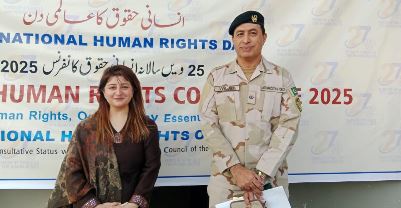
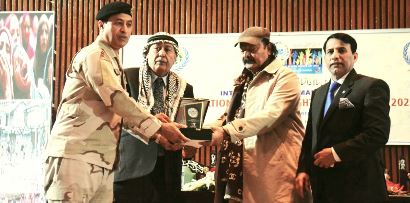
ISLAMABAD, JAN 5 /DNA/ – Qurat ul Ain Ali Khawaja, Chairperson of the All Pakistan Media Council and former Ambassador ANF, extended heartfelt congratulations to Deputy Director Malik Wajid Yousaf of the Anti‑Narcotics Force (ANF) following his reception of the Human Rights Observer Appreciation Award at the 25th Annual National Human Rights Conference 2025, organized by the International Human Rights Observer (IHRO) on International Human Rights Day.

In her remarks, Ms.Qurat ul ain highlighted ANF’s significant role in Pakistan’s ongoing fight against narcotics, noting that drug abuse remains one of the country’s most pressing public health and security challenges. According to recent national estimates, Pakistan has seen a rise in narcotics seizures and anti‑drug enforcement actions, with law enforcement agencies confiscating over 1,000 metric tons of illegal drugs across multiple operations in recent years. In operations led and supported by ANF, authorities have seized substantial quantities of methamphetamine, heroin, hashish, and psychotropic substances, while hundreds of suspected traffickers have been apprehended.

Drawing on her experience as a former Ambassador and human rights advocate, Ms. Qurat ul ain underscored the importance of public awareness, preventive education, and rehabilitation initiatives alongside enforcement actions, stating that “a comprehensive anti‑drug strategy must prioritize both law enforcement and community‑centred rehabilitation to protect our youth and strengthen societal resilience.”

She praised ANF’s deployment of drug demand reduction campaigns, institutional partnerships with educational institutions, and community outreach programs that have reached tens of thousands of young Pakistanis with awareness messaging and support resources.
Ms. Qurat ul ain also expressed appreciation for International Human Rights Observer’s (IHRO) insightful decision to recognize ANF’s humanitarian work, emphasizing that acknowledging state institutions reinforces the collaborative spirit needed to address complex social problems, award is a positive testament to the value of institutional dedication in advancing human rights and public welfare.

The recognition of ANF at the IHRO conference was widely welcomed by attendees and is seen as a reaffirmation of Pakistan’s commitment to a drug‑free, healthy, and rights‑oriented society.

PM Shehbaz visits Bangladesh envoy to condole Khaleda Zia’s demise

PM Shehbaz visits Bangladesh envoy to condole Khaleda Zia's demise

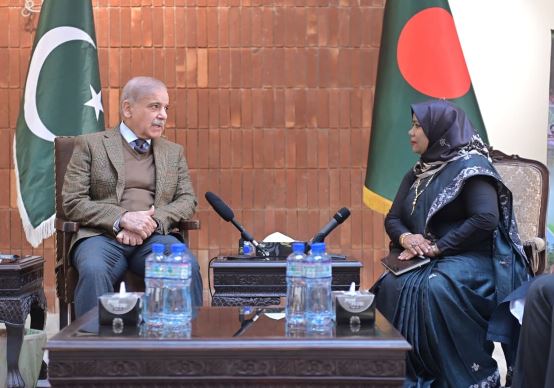
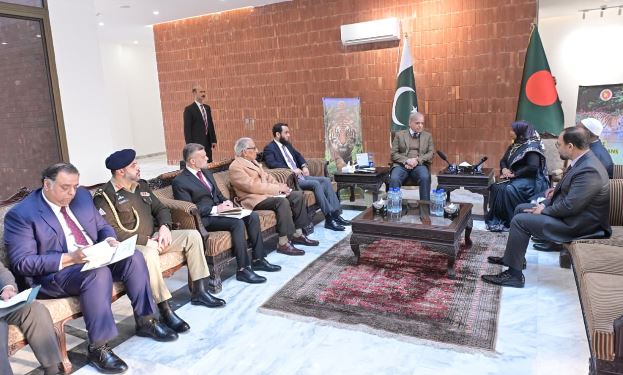
ISLAMABAD, JAN 5 /DNA/ – Prime Minister Muhammad Shehbaz Sharif on Monday paid a solemn visit to the High Commission of Bangladesh here to personally extend condolences on the passing of former Prime Minister of Bangladesh and Chairperson of the Bangladesh Nationalist Party (BNP), Begum Khaleda Zia.

The Prime Minister was received at the High Commission by the Bangladeshi Chargé d’Affaires and senior officials. He signed the book of condolences and conveyed the profound sorrow and sympathies of the government and people of Pakistan to the brotherly nation of Bangladesh.

In his remarks, Prime Minister Shehbaz Sharif paid rich tribute to Begum Khaleda Zia’s legacy as a significant political figure who made notable contributions to Bangladesh’s democratic journey and national development. He acknowledged her role in fostering Pakistan-Bangladesh relations and extended heartfelt condolences to her family, the BNP, and the people of Bangladesh.

“Pakistan shares in your grief during this moment of profound loss. May the departed soul rest in eternal peace,” the Prime Minister stated.

The visit underscored Pakistan’s commitment to the enduring bonds of brotherhood and mutual respect that exist with Bangladesh, reflecting a gesture of solidarity from the highest level of the Pakistani leadership.

King Salman Relief Centre launches large-scale winterization initiative in Pakistan

King Salman Relief Centre launches large-scale winterization initiative in Pakistan

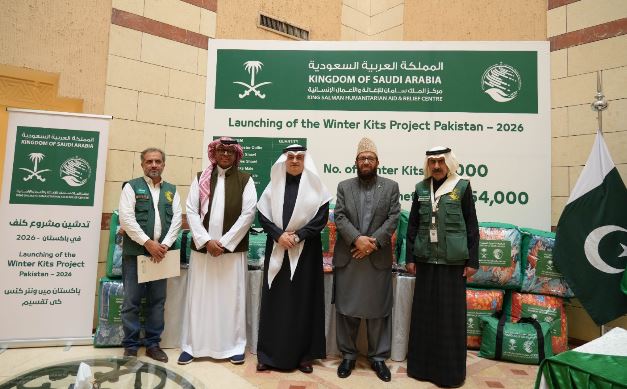
ISLAMABAD, JAN 5 /DNA/ – The King Salman Humanitarian Aid and Relief Centre (KSrelief) has announced the launch of a major humanitarian initiative to distribute 22,000 Winter Kits across Pakistan as part of its annual winter support program for vulnerable communities.

Under this initiative, KSrelief will provide 22,000 Winter Kits to residents of 26 of the coldest and snow-bound districts in the country. The distribution will be carried out in regions severely affected by harsh winter conditions, including Khyber Pakhtunkhwa, Balochistan, Gilgit-Baltistan, Azad Jammu and Kashmir, as well as selected areas of Punjab and Sindh experiencing low temperatures. Each Winter Kit includes two polyester quilts, a set of warm shawls for men and women, and warm clothing for both children and adults.

To ensure transparency, coordination, and effective implementation, the project will be implemented in close collaboration with the National Disaster Management Authority (NDMA), Provincial Disaster Management Authorities (PDMAs), Relief, Rehabilitation and Settlement Department (RRSD) KP, Gilgit-Baltistan Disaster Management Authority (GBDMA), State Disaster Management Authority (SDMA), local authorities, and Hayat Foundation. Through this coordinated effort, the initiative is expected to benefit more than 154,000 individuals, reaffirming KSrelief’s commitment to alleviating winter-related hardships and improving the well-being of vulnerable populations across Pakistan.

Maduro due for first US court hearing after capture

Maduro due for first US court hearing after capture

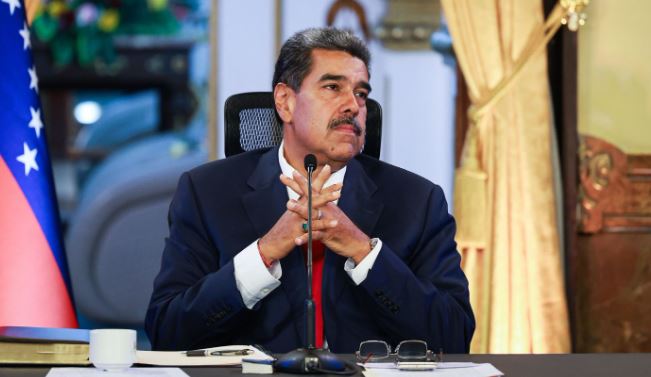
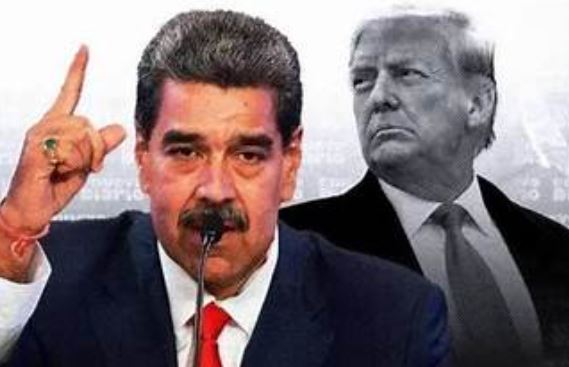
NEW YORK, JAN 5: Deposed Venezuelan president Nicolas Maduro is expected to appear in a New York court on Monday, just days after being seized in Caracas in a shock US military operation that paved the path for Washington’s plans to dominate the oil-rich country.

                  Leftist strongman Maduro, 63, faces narcotrafficking charges along with his wife, Cilia Flores, who was forcibly taken out of Caracas in the US assault Saturday, which involved commandos, bombing by jet planes, and a massive naval force.

                  All eyes were on Venezuela’s response to the swiftly moving events, and late Sunday, interim leader Delcy Rodriguez, in a potential win for Washington, stepped back from her initial defiance by offering to work with Trump.

                  “We extend an invitation to the US government to work together on an agenda for cooperation,” the former vice president said.

                  However, around 2,000 Maduro supporters, accompanied by a group of pro-Maduro paramilitaries and bikers, demonstrated Sunday in Caracas to demand his release from US custody.

                  Trump announced late Sunday that the United States was “in charge” of the South American nation, while US Secretary of State Marco Rubio said that discussions of Venezuela holding elections following Maduro’s ouster were “premature.”

                  – ‘Need access to oil’ –

                  When asked what he needs from interim leader Rodriguez, Trump said: “We need total access. We need access to the oil and other things in their country that allow us to rebuild their country.”

                  Leading opposition figure Edmundo Gonzalez Urrutia said that while the US intervention was “important” without the release of political prisoners and acknowledgement that he won the 2024 election, it was simply “not enough.”

                  The Trump administration says it retains powerful economic leverage by blockading oil tankers from Venezuela. Trump has also threatened additional military attacks if needed.

                  While there are no known US forces left inside Venezuela, a huge naval presence, including an aircraft carrier, remains off the coast.

                  Details of the US operation were still emerging Monday, with Havana saying 32 Cubans were killed in the attack and Trump adding that Cuba itself was ready to fall after Maduro’s capture.

                  “I don’t think we need any action. It looks like it’s going down,” Trump said.

                  The UN Security Council will hold an emergency session on Monday at Venezuela’s request. This will provide a platform for international concern over US intentions in the country of around 30 million people.

                  But what happens next in Venezuela, after a combined quarter-century of hard-left rule by Maduro and his late socialist predecessor Hugo Chavez, remains unclear.

Stay Connected

64FansLike
60FollowersFollow

Latest Reviews

Exchange Rates

USD - United States Dollar
EUR
1.14
GBP
1.34
AUD
0.70
CAD
0.71