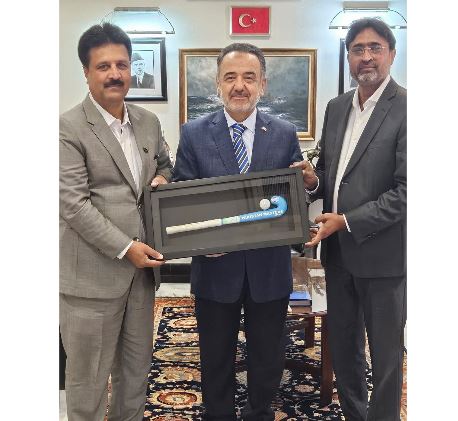
ISLAMABAD, JAN 7 /DNA/ – In a ceremony marked by sporting prestige and diplomatic goodwill, two icons of Pakistan’s field hockey history, Rana Mujahid Ali Khan and Shahbaz Ahmed Senior, presented a commemorative souvenir to the Ambassador of Turkey, His Excellency Dr. Irfan Neziroglu, on Monday.
The event, held at the Turkish Embassy, celebrated the deep-rooted ties between Pakistan and Turkey, using the universal language of sports as a bridge. Rana Mujahid Ali Khan, who currently serves as the Secretary General of the Pakistan Hockey Federation (PHF), and Shahbaz Ahmed Senior, the legendary forward celebrated globally as the “Maradona of Hockey,” represented the nation’s rich sporting heritage.
The souvenir, a traditional gift symbolizing honor and respect, was presented to Ambassador Neziroglu in recognition of the enduring friendship and cooperation between the two brotherly nations.
Ambassador Dr. Irfan Neziroglu expressed his profound gratitude for the gesture, stating that he was deeply honored to receive the memento from such esteemed figures in world sports. He reaffirmed Turkey’s commitment to strengthening bilateral relations with Pakistan across all spheres, including sports and cultural exchanges.
The meeting was seen as a significant nod to Pakistan’s sporting legacy and its role in soft diplomacy, reinforcing the strong diplomatic and people-to-people connections that define Pakistan-Turkey relations.
ISLAMABAD, JAN 7: /DNA/ – The human resource development is the cornerstone of sustainable national progress, no economy can achieve long-term growth without empowering its youth. The President of the Rawalpindi Chamber of Commerce & Industry (RCCI), Mr. Usman Shaukat, expressed these views while addressing a Job Fair at Iqra University Islamabad, where he participated as Chief Guest along with Senior Vice President RCCI Khalid Farooq Qazi and Executive Committee Member Ali Waqas.
Addressing students and faculty, the RCCI President Usman Shaukat highlighted the critical importance of academia–industry collaboration, noting that chambers of commerce and the business community have always played a proactive role in bridging the gap between education and employment. He said such partnerships are essential to equip students with market-relevant skills and to ensure a brighter and more secure future for Pakistan.
Mr. Usman Shaukat remarked that while advanced technologies and artificial intelligence are transforming industries worldwide, human intelligence, creativity, and critical thinking remain the most valuable assets of any organization. “Even the most technology-driven companies acknowledge that technology can never fully replace the human touch. Sustainable growth whether in industry or society will always depend on people,” he added.
Encouraging students to actively engage with participating organizations, he advised them to share their perspectives, suggestions, and constructive feedback. He noted that such interaction not only reflects confidence and analytical thinking but also helps potential employers identify talent with problem-solving capabilities.
Referring to a recent Gallup survey, the RCCI President said that Pakistani youth have shown remarkable optimism regarding the country’s economic outlook for 2026, even more positive than many countries in the region. He added that improved macroeconomic indicators, including reduced inflation, stronger foreign exchange reserves, improved current account position, and the strong performance of the stock market, reflect growing economic stability.
However, he stressed that these macroeconomic gains must now translate into microeconomic growth by reducing the cost of doing business and creating an enabling environment for enterprises. He concluded by congratulating Iqra University on successfully hosting the Job Fair and expressed hope that such initiatives would continue to connect young talent with the corporate sector, fostering employment and national development.
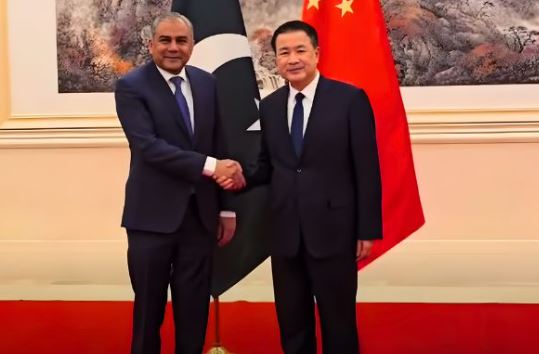
ISLAMABAD, JAN 7: The government has announced enhanced security measures for Chinese citizens and joint development projects, including the establishment of a dedicated protection unit in Islamabad, Interior Minister Mohsin Naqvi said on Wednesday during a visit to China’s Ministry of Public Security.
Naqvi made the remarks while meeting his Chinese counterpart, Wang Xiaohong, at the ministry’s headquarters, where he was warmly received by senior Chinese officials.
The two sides held an extensive three-and-a-half-hour meeting covering bilateral relations, counterterrorism cooperation, police training exchanges and coordination in areas of mutual interest. Both countries agreed to strengthen institutional mechanisms and enhance operational coordination.
According to officials, Pakistan and China reached consensus on convening a Joint Working Group meeting every three months, while the interior ministers of both countries will meet annually. The ministers underlined the need for closer coordination to further deepen bilateral cooperation.
Chinese Interior Minister Wang Xiaohong expressed satisfaction with the country’s security arrangements for Chinese nationals and development projects, and thanked Naqvi and his team for their efforts. He praised the performance in internal security and counterterrorism.
Wang said China highly valued country’s sacrifices in the fight against terrorism and held them in great respect. Both sides agreed to make joint and rapid-response mechanisms against terrorism and crime more effective, while expanding the scope of police training and exchange programmes.
The two ministers also discussed Islamabad-Beijing sister-city cooperation and agreed to develop a joint strategy to enhance training and professional capacity of police and security personnel.
Naqvi emphasised the importance of sharing expertise and information through training initiatives, and briefed the Chinese side on Pakistan’s enhanced security measures for Chinese nationals, describing their protection as a “top priority”.
He welcomed Chinese cooperation to curb cybercrimes and said Pakistan was seeking support from Chinese institutions to strengthen the National Cyber Crimes Investigation Agency (NCCIA).
The interior minister added that China’s AI-based technologies could significantly assist Pakistan in tackling terrorism and emerging security challenges.
“Pakistan and China share an unbreakable bond of enduring cooperation, and no one can create a wedge between us,” he said.
Naqvi also invited his Chinese counterpart to visit Pakistan and conveyed goodwill messages from President Asif Ali Zardari and Prime Minister Shehbaz Sharif to the Chinese leadership.
Wang invited Naqvi to attend the Global Security Cooperation Forum scheduled to be held in China in September. Reaffirming that China and Pakistan are strategic partners, he expressed pleasure at welcoming the Pakistani minister at the start of 2026 and noted China’s readiness to expand bilateral cooperation at all levels. He also hosted a luncheon in honour of the visiting delegation.
Senior Chinese officials who attended the meeting included Vice Ministers Xu Datong and Yu Xiuhe, Beijing Deputy Mayor and Director General (DG) of the Beijing Public Security Bureau Cen Yuanbiao, Director General of the General Office Guo Kan, Director General of the Counterterrorism Department Gao Qiu, and Director General of International Cooperation Wang Yong.
The Pakistani delegation included Federal Interior Secretary Khurram Agha, Ambassador to China Khalil Hashmi, National Police Academy DG Muhammad Idrees, NCCIA DG Syed Khurram Ali, Islamabad Chief Commissioner Muhammad Ali Randhawa, and Islamabad IGP Ali Nasir Rizvi.
By acting aggressively in Venezuela, Washington may have opened the door for Moscow and Beijing to justify similar moves elsewhere.
Editorial
Ansar Mahmood Bhatti
The desire of President Donald Trump to expand America’s territorial reach has once again stirred controversy on the global stage. His reported interest in acquiring Greenland, coupled with the United States’ aggressive stance in Venezuela, has raised alarms not only among adversaries but also among allies. While such moves may be framed as serving U.S. national interests, the broader international reaction suggests that coercive expansionist policies are unlikely to yield long-term benefits and may instead isolate Washington further.
Trump’s desire to take over Greenland, a vast Arctic territory managed by Denmark, reflects a continuation of his expansionist vision. Greenland’s strategic location, rich natural resources, and potential military significance make it attractive to Washington. However, the idea of purchasing or annexing Greenland has been met with sharp resistance from Denmark and the European Union. European leaders have already issued warnings, signaling that any attempt to undermine Denmark’s sovereignty would provoke a strong and unified response.
Unlike Venezuela, where even close allies of Caracas turned a blind eye to U.S. actions, Europe is unlikely to remain passive. Greenland is not just a remote territory; it is part of the European sphere of influence. Any coercive attempt to acquire it would be seen as a direct challenge to European sovereignty and international law. Thus, while Trump may view Greenland as a prize for U.S. national security, the backlash from Europe could be far more severe than anything witnessed in Latin America.
The U.S. approach to Venezuela has already been slammed by much of the international community. Washington’s charges against President Nicolás Maduro may have been justified in terms of corruption and human rights abuses, but the method of attempting to delegitimize and replace a sitting president was widely criticized. The principle of sovereignty remains central in global politics, and America’s intervention was seen as undermining that principle.
Even U.S. allies expressed discomfort with the strategy. Critics argued that while Maduro’s governance was deeply flawed, the way to bring change was through democratic processes, not external coercion. The Venezuelan case highlighted the dangers of using forceful means to achieve political ends. It reinforced the perception that Washington was willing to bypass international norms to pursue its interests, a perception that has damaged America’s credibility.
Perhaps the most surprising aspect of the Venezuelan crisis was the muted response of China and Russia, both traditionally close friends of Caracas. Their silence puzzled many observers, but it may be explained by broader geopolitical calculations. Analysts suggest that part of the tacit deal could involve Russia being allowed to consolidate its hold over parts of Ukraine, while China may be given leeway to pursue its ambitions in Taiwan. If true, this would represent a dangerous precedent: great powers trading silence on one issue for concessions on another.
Such geopolitical bargaining underscores the fragility of international norms. It also reveals the risks of unilateral U.S. actions, which may inadvertently encourage other powers to pursue their own expansionist agendas. By acting aggressively in Venezuela, Washington may have opened the door for Moscow and Beijing to justify similar moves elsewhere.
Trump’s expansionist designs, whether in Greenland or Venezuela, reflect a broader pattern of coercive policy. During his previous tenure, the United States often found itself isolated on the global stage. Critics famously remarked that with Trump at the helm, America did not need enemies—his policies alienated allies and emboldened rivals. The pursuit of short-term gains through coercion undermined long-term strategic interests, leaving Washington with fewer friends and more adversaries.
The Greenland issue threatens to repeat this pattern. While Venezuela exposed America’s willingness to intervene in Latin America, Greenland risks alienating Europe, a region critical to U.S. alliances. The difference is stark: in Venezuela, allies largely turned a blind eye; in Europe, resistance will be stiff and unified. Trump’s steps may be justified domestically as serving national interest, but globally they are unwelcome and potentially destabilizing.
The policy of coercion may provide immediate benefits—control over resources, strategic territories, or political influence. Yet history shows that such gains are often temporary and come at the cost of long-term stability. Coercive expansion breeds resentment, resistance, and isolation. It undermines trust in international institutions and erodes America’s moral authority.
If Washington continues down this path, it risks not only alienating allies but also encouraging adversaries to pursue their own aggressive ambitions. The silence of China and Russia over Venezuela should serve as a warning: coercive policies do not exist in a vacuum. They create openings for other powers to exploit, often in ways detrimental to U.S. interests.
Trump’s ambitions in Greenland and his actions in Venezuela highlight the dangers of expansionist thinking in the modern world. While such moves may be framed as serving U.S. national interests, they are unlikely to be welcomed internationally. The backlash from Europe over Greenland and the criticism of U.S. intervention in Venezuela demonstrate that coercive policies isolate America rather than strengthen it.
The United States must abandon the policy of coercive means. Sustainable influence comes not from force but from cooperation, diplomacy, and respect for sovereignty. Short-term gains achieved through expansion may backfire, leaving Washington weaker in the long run. In a world where alliances and credibility matter more than ever, America cannot afford to pursue policies that alienate friends and embolden rivals.
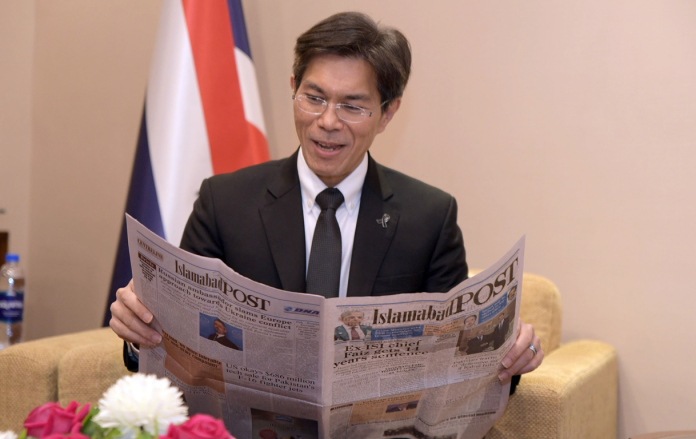
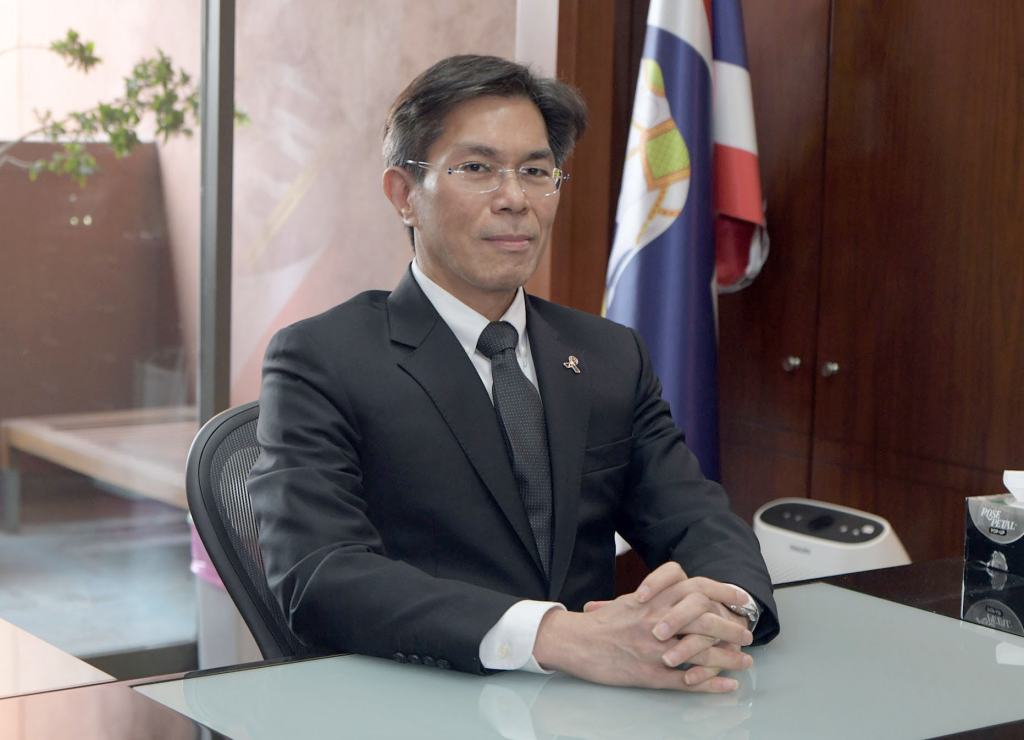
ISLAMABAD: H.E. Rongvudhi Virabutr, the Ambassador of Thailand to Pakistan, recently gave an exclusive interview to Daily Islamabad POST, Centreline, and Diplomatic News Agency.
Reflecting on his diplomatic experience in Pakistan, he shared that having just reached his one-year anniversary on December 1, 2025, he can say without reservation that Pakistan is truly a “Land of Friendliness and Opportunity.”
Despite the distance, the initial feeling of being far from home vanished instantly as he discovered that Thailand and Pakistan share a profound cultural DNA—from the warmth and generosity of the people to their deep, ancient histories.
The Pakistani spirit embraced him, making him feel at home from the very beginning. His mission, however, does not permit him to simply enjoy the hospitality without giving back in meaningful ways.
He sees Pakistan as a nation of immense, untapped potential—a strategic hub with resilient and dynamic people. With this vision, he is fully committed to advancing Thailand–Pakistan relations and unlocking the shared strengths of the two countries to the fullest.
Their ties, he emphasized, must go beyond traditional friendship and evolve into a sustainable partnership for development. He calls this a “Prosperity Partnership,” focused on delivering tangible, results-driven achievements that citizens can truly see and feel, creating a breakthrough in bilateral relations for generations to come.
When asked about promising areas of cooperation, Ambassador Virabutr highlighted two core dimensions: Government-to-Government (G2G) economic dynamism and People-to-People (P2P) connectivity. On the G2G front, trade and investment are decisive.
Despite global fluctuations, two-way trade rebounded to USD 1.6 billion last year, but the goal is to double this volume through “Win-Win Trade”—combining Pakistan’s textiles and IT strengths with Thailand’s automotive and food processing expertise.
A particular game-changer is the Halal industry. Thailand, as one of the world’s leading Halal food producers—the “Kitchen of the World”—is ready to collaborate with Pakistan’s vast Muslim market. Advancing mutual recognition of Halal certification can unlock billions in food and cosmetics trade, creating a universal language of trust and quality.
New investment collaborations in these high-value sectors are both feasible and imperative, with further potential in defense and beyond. On the P2P side, tourism is the most powerful connector. At present, the two nations know each other but are not yet close; they contact but are not fully connected.
Tourism helps bridge this gap, but the aim is genuine familiarity and trust that positions them as first destinations for each other. The Royal Thai Embassy is committed to expanding tourism and cultural initiatives—through food, music, and art—so that cooperation is not only economic but also deeply people-to-people.
On the Pakistan–Thailand Free Trade Agreement (FTA), the Ambassador described it as not just a technical document but a Strategic Gateway to a new era of economic prosperity for Pakistan. He views the FTA as having decisive importance and is resolutely committed to pushing it to completion swiftly.
The perception that the FTA creates a disadvantage must be changed into the understanding that it is the “Key to Global Competitiveness” for Pakistan, specifically by reducing the cost of imported raw materials and boosting domestic production efficiency. Crucially, the FTA will act as a “Talent Multiplier,” particularly in the digital and services sectors.
By including provisions for the mobility of digital professionals, Pakistan’s strength as a leading global freelancer hub can be leveraged, creating up to $20 billion in added economic value. Coordinating with ministries and think tanks, the Embassy is building unwavering confidence. The final conclusion of the FTA will send the clearest signal to global investors: “Pakistan is ready for a New Era of Prosperity.”
On tourism and connectivity, Ambassador Virabutr emphasized that “Connectivity is the New Key in Diplomacy.” People-to-people relations built “from heart to heart” are inherently more durable than state-level interactions.
Clear targets have been set: doubling the number of Pakistani tourists to Thailand to 100,000 per year and expanding tourists from Thailand interested in Buddhist sites in Pakistan’s Gandhara region to 10,000 per year.
The priority is breaking logistical barriers. With current flight frequency and capacity at maximum, a virtual meeting was held in February 2026, and formal negotiations are being pushed to secure a decisive increase in air frequency and capacity, bringing more flights and accessible ticket prices.
Efforts are underway to make visiting Thailand easier for Pakistani tourists, with the e-visa system as one mechanism. Concurrently, perfect Halal Tourism programs are being designed in Thai provinces like Krabi and Ayutthaya, while Thailand is promoted as a Global Medical Hub for Pakistani patients. Tourism, through these decisive actions, becomes a genuine “Bridge of Trust.” Regarding investment, Thai investors are practical: they commit where policy is clear, not just where potential is high. The Embassy’s approach is to work with the Pakistani government to dramatically improve the Ease of Doing Business (EODB) ranking, which serves as the “compass” for global investors.
The FTA’s conclusion is also the ultimate trigger point, providing legal certainty and investment protection. Beyond that, new S-curve avenues are being explored: joint R&D in the defense industry, expansion of the Halal food processing sector, and infrastructure projects. Strategically, Thai companies view Pakistan as a vital Strategic Gateway to Central Asia and the wider Middle East, positioning the partnership as a regional economic accelerator.
ISLAMABAD: A high-level Senate delegation, led by Deputy Chairman Senator Syedaal Khan, will undertake an official visit to the United States from January 20 to 25, 2026, the Senate Secretariat said on Tuesday.
The development comes after Pakistan-US relations saw a notable thaw in 2025, a year marked by high-level engagement, strategic recalibrations, and complex regional developments.
The Secretariat termed the visit a “historic milestone” in Pak–US parliamentary relations, signifying the “beginning of a new institutional chapter in bilateral engagement”.
According to the statement, the visit was organised under the auspices of the Pakistan Policy Institute USA. It will also include the United States–Pakistan Inter-Parliamentary Group for the first time.
“This development represents a major achievement of strategic and non-traditional parliamentary diplomacy,” the statement said, adding that the visit “reflects a shared commitment to strengthening democratic institutions through direct engagement between elected legislatures”.
The Secretariat added that the initiative came at a “critical juncture” of global and regional transformation, particularly in South Asia and the Middle East.
It further said that the visit would be undertaken with clearly defined strategic objectives, including the “establishment of a permanent institutional mechanism” for sustained inter-parliamentary dialogue between the US Congress and the Senate of Pakistan.
“The delegation aims to promote democratic values, exchange best legislative practices, enhance parliamentary oversight, and strengthen institutional cooperation beyond traditional executive-level diplomacy,” it said.
The Secretariat said that the visit would also focus on engaging with the Pakistani-American community to present the country’s parliamentary perspective on regional and global issues, while advancing scientific, cultural, and policy-oriented cooperation.
No Pakistani parliamentary delegation has held formal engagements at the Rayburn House Office Building under the auspices of the US Congress in the 77-year history of Pakistan–US relations.
The Secretariat said that the program would also include a press conference and media engagements at the National Press Club, Washington, D.C., as well as community and policy receptions in New Jersey.
It further said the visit would lay the foundation for regular parliamentary exchanges, enhanced legislative cooperation, and a sustainable institutional partnership between Pakistan and the United States—anchored in mutual respect, democratic principles, and long-term strategic engagement.
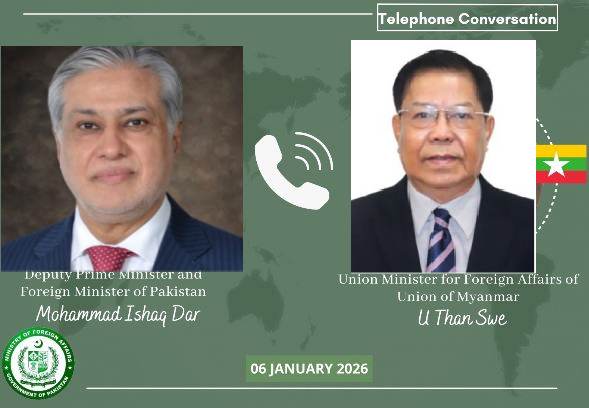
ISLAMABAD, JAN 6 /DNA/ – Deputy Prime Minister and Foreign Minister of Pakistan, Senator Mohammad Ishaq Dar, held a telephonic conversation with the Foreign Minister of Myanmar, U Than Swe, on Tuesday.
During the call, the two foreign ministers reviewed the current state of bilateral relations between Pakistan and Myanmar. They discussed avenues to strengthen mutual cooperation and exchanged views on issues of common interest.
Both sides agreed to maintain close communication and continue their engagement on shared matters, including key regional developments.
The conversation reflects Pakistan’s ongoing diplomatic outreach to Southeast Asian nations and underscores its commitment to fostering constructive and sustained dialogue with regional partners.
No further details regarding specific agreements or regional issues were disclosed in the official readout issued by the Ministry of Foreign Affairs in Islamabad.
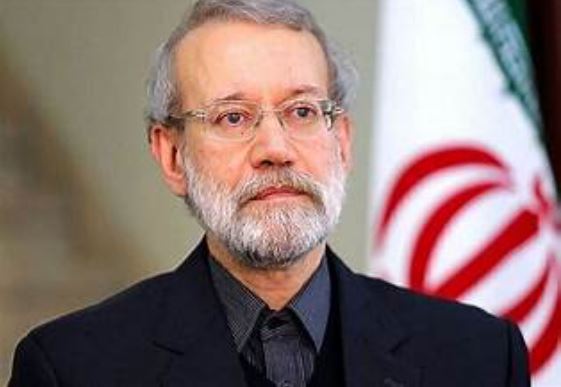
TEHRAN, JAN 6 /DNA/ – The Secretariat of Iran’s Supreme National Defense Council has issued a stark warning, stating that any hostile action or aggression against the country will be met with a “firm, proportionate, and determining” response. The statement comes amid escalating regional tensions and an increase in what Tehran describes as “threatening rhetoric and meddlesome remarks” from adversaries.
In a strongly-worded declaration, the Council emphasized that Iran’s security, independence, and territorial integrity are “inviolable red lines.” The statement outlined a proactive defense doctrine, asserting that Iran reserves the right to act against “tangible signs of threat” and does not limit itself to responding only after an attack has occurred.
“The Islamic Republic of Iran, within the framework of legitimate and legal defense, considers any manifestation of threat as part of its security calculations,” the statement read.
The warning is seen as a direct message to both regional rivals and international powers, reinforcing Tehran’s stance of strategic patience coupled with a readiness for immediate retaliation. Analysts suggest the announcement serves to deter potential military or covert operations aimed at Iran’s nuclear program, regional influence, or internal stability.
No specific country or incident was named in the council’s statement. However, the warning follows a period of heightened verbal exchanges and a series of military incidents across the Middle East involving Iranian-aligned groups and their opponents.
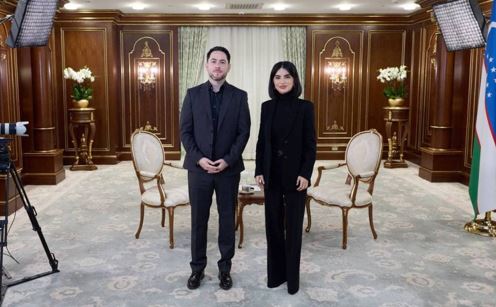
TASHKENT, JAN 6 /DNA/ – The Head of the Administration of the President of Uzbekistan, Saida Mirziyoyeva, has given her first major interview, in which she spoke in detail about her role within the system of public administration, the President’s working style, and the key priorities of the Administration. This was reported by Uzbek media outlets.
According to her, the Presidential Administration focuses on shaping strategic directions and monitoring the implementation of decisions rather than engaging in day-to-day operational management. She described the current period as an “era of reforms,” emphasizing that sustainable change requires continuous oversight, accountability, and feedback from society.
Saida Mirziyoyeva also spoke about the personal qualities of President Shavkat Mirziyoyev, highlighting his ability to listen to people, trust his team, and develop human resources. She noted that reforms are implemented not only through firm decisions but also through flexibility, dialogue, and trust.
The Head of the Administration identified five priority areas of work: water supply, education, healthcare, business development, and the judicial system. Special attention, she said, is given to water issues as a strategic resource for an agrarian country. She described changes in education and healthcare as long-term tasks, the results of which cannot be seen immediately.
Mirziyoyeva separately emphasized the importance of the judicial system. In her view, without transparent and fair justice, effective economic reforms, increased investment, and public trust in the state are impossible.
Speaking about her personal interests, Saida Mirziyoyeva said she is particularly drawn to international diplomacy and dialogue. She noted that communication with people and strengthening cooperation serve a common goal — improving the quality of life of citizens. The principle that “every person matters,” she said, remains central to state policy.
Saida Mirziyoyeva also explained her appointment as Head of the Administration as a necessity to ensure that the President receives direct and objective information about the situation on the ground. According to her, such a mechanism makes it possible to effectively monitor the implementation of reforms and respond promptly to real problems in the regions.
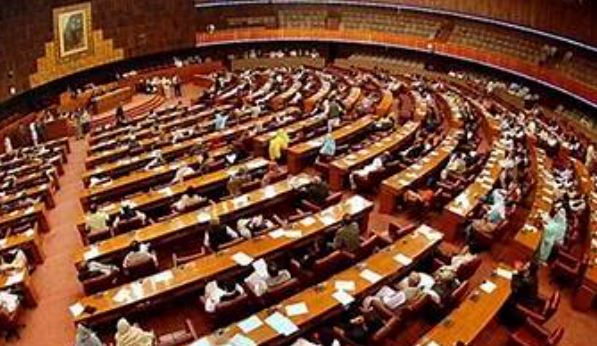
ISLAMABAD, JAN 6 /DNA/ – The 12th meeting of the National Assembly Standing Committee on Petroleum was held under the chairmanship of Syed Mustafa Mehmood, during which key developments in the gas and LNG sector were reviewed.
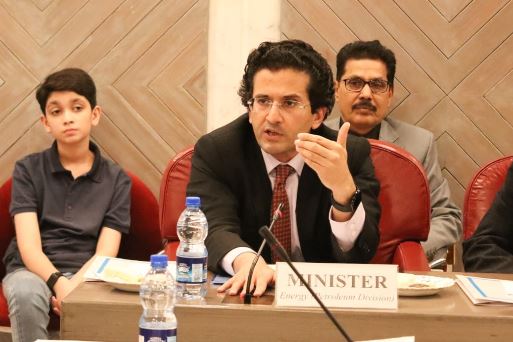
Federal Minister for Petroleum Ali Pervaiz Malik informed the Committee that successful negotiations with Qatar have been concluded to divert Pakistan’s surplus LNG cargoes to the international market, while respecting contractual obligations. He stated that Qatar has been a valuable and reliable supplier, honoring its commitments at a time when many global suppliers defaulted. Pakistan highly values this strategic relationship and has reached a mutually acceptable solution regarding excess LNG cargoes. Highlighting the impact of ongoing reforms, the Federal Minister announced that on the directions of Prime Minister Muhammad Shahbaz Sharif gas prices will not be increased for the next six months in any category, providing major relief to consumers. The gas prices will remain same for all consumers for the next six months of current fiscal year. He further briefed that the circular debt flow in the gas sector has been quelled, and there is no creation of fresh circular debt, marking a significant milestone in gas sector reforms. He added that enhanced gas supply is being provided to domestic consumers across the country. No domestic field is presently under curtailment. Power is being gas beyond its IGCEP demand to avoid loadshedding.
The Managing Directors of the SUI companies briefed the Committee on operational improvements. It was informed that enhanced gas supply is being provided to domestic consumers across the country, in line with the directions of Prime Minister Muhammad Shahbaz Sharif, to ensure maximum relief to the public during the winter season.
SNGPL reported a substantial reduction in Unaccounted-for Gas (UFG) losses from 9% to 5%, while SSGC reported that UFG losses have been reduced from 17% to 10%.
The Committee was also apprised that IoT-based monitoring systems, including Town Border Stations, have been deployed at gas network tail ends to automatically generate alarms in case of pressure drops, improving real-time monitoring and service delivery.
MD SNGPL further informed that gas supply hours have been extended from 5:00 am to 10:00 pm in line with the directions of Prime Minister Muhammad Shahbaz Sharif, to ensure maximum relief to the public during the winter season. Federal Minister Ali Pervaiz Malik also added that government is working for capacity building of Directorate General of Petroleum Concessions in consultation with World Bank.
The Chairman and Members of the Standing Committee appreciated the progress made through reforms, improved governance, and enhanced consumer-focused measures in the petroleum and gas sector.