Home Blog Page 302

German Envoy, ICCI pledge to foster business-to-business linkages

German Envoy, ICCI pledge to foster business-to-business linkages

German Ambassador, ICCI President agree to act as bridge between German investors, Pakistani enterprises

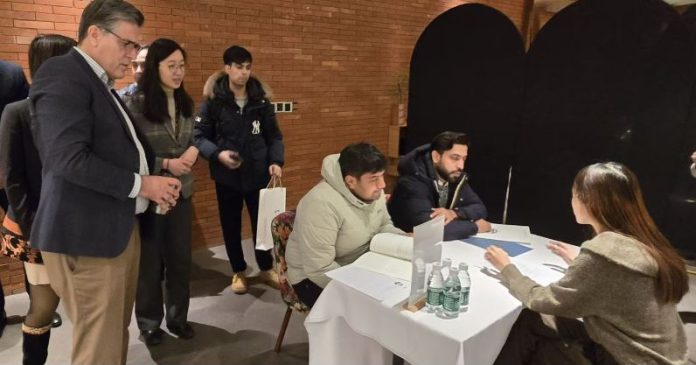
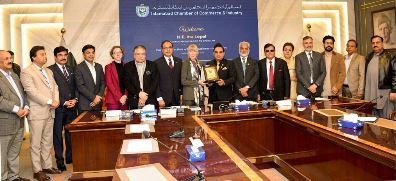
ISLAMABAD, JAN 14 /DNA/ – The Ambassador of the Federal Republic of Germany to Pakistan, H.E. Ina Lepel accompanied by Ms. Janine Rohwer, Counsellor Political and Economic Affairs and Climate Change visited the Islamabad Chamber of Commerce and Industry (ICCI) and held an interactive session with the business community of Islamabad, reaffirming Germany’s strong commitment to further strengthening bilateral economic relations with Pakistan.

Addressing the gathering, Ambassador Ina Lepel reiterated Germany’s readiness to enhance cooperation with Pakistan in key areas including climate change, health and social protection, private sector development, and the upgradation of vocational and technical education institutions. She emphasized that these collaborative efforts would contribute significantly to sustainable economic growth and deeper economic ties between the two countries.

The Ambassador noted that vast untapped potential exists for cooperation between Pakistan and Germany and expressed her keen interest in exploring new avenues of collaboration in close coordination with Pakistan’s business community. Highlighting the critical role of the private sector, she stressed that businesses from both countries can play a pivotal role in expanding trade and investment relations. She assured the business community of the German Embassy’s full support, particularly in strengthening business-to-business (B2B) linkages and identifying promising sectors for cooperation.

Ambassador Lepel also acknowledged the importance of trade fairs and exhibitions as effective tools for promoting trade, investment, and mutual understanding between nations. She appreciated ICCI’s proactive initiatives, especially its efforts to support women-led enterprises and promote sustainable and inclusive economic growth.

Earlier, in his welcome address, President Islamabad Chamber of Commerce and Industry Sardar Tahir Mehmood highlighted that Pakistan-Germany relations are deeply rooted in mutual respect and long-standing cooperation across diplomatic, economic, and cultural domains. He noted that Germany is one of the largest economies in the European Union and a key economic partner for Pakistan, particularly in sectors such as machinery, engineering, automotive, and chemicals. He further pointed out that Pakistan’s exports to Germany—especially textiles, leather goods, sports goods, footwear, and medical instruments reflect strong complementarities between the two markets.

The ICCI President added that the Chamber represents a vibrant and diverse business community comprising SMEs, exporters, startups, and industrial stakeholders. He expressed firm belief that enhanced engagement between German and Pakistani businesses could unlock new opportunities for trade expansion, technology transfer, and investment cooperation. Reaffirming ICCI’s commitment, he stated that the Chamber stands ready to act as a bridge between German investors and Pakistani enterprises to facilitate meaningful and mutually beneficial collaboration.

Speaking on the occasion, Chairman ICCI Committee on Diplomatic Affairs, Zafar Bakhtawari, assured the Ambassador of ICCI’s full support to the German Embassy in promoting bilateral trade and investment. He underlined the need for direct flights between Pakistan and Germany to enhance people-to-people and business-to-business linkages. He also proposed convening a grand session on Pakistan-Germany multilateral relations at the ICCI auditorium.

Former President ICCI, Mian Akram Farid, lauded Germany for playing a significant and supportive role in Pakistan’s GSP+ status by consistently advocating for it within the European Union, providing development assistance linked to reforms, and leveraging strong bilateral ties.

Senior Vice President ICCI Tahir Ayub and Vice President Irfan Chaudhry, in their remarks, emphasized the need for sustained institutional collaboration between chambers of commerce of both countries. They highlighted opportunities for joint ventures, technology sharing, and SME cooperation, and stressed that stronger engagement with German businesses would help Pakistani enterprises integrate into global value chains.

Chairman ICCI Foreign Delegation Committee, Imran Minhas, emphasized the need for increased exchange of business delegations between the two countries to further strengthen commercial relations. ICCI Executive Member Fatima Azim shared her vision for encouraging and empowering women entrepreneurs to play a greater role in bilateral trade and economic cooperation.

Prominent participants at the session included Council Member Chaudhry Waheed-ud-Din; Executive Members Malik Mohsin Khalid, Abdur Rehman Siddiqui, Chaudhry Nadeem Ahmed, Ishaq Sial, and Zulqurnain Abbasi; former Vice President Ashfaq Chattah, along with a large number of representatives from the business community.
Pakistan’s economic crossroads

Azerbaijan: a global model of religious tolerance

Ansar Bhatti

Pakistan’s economy is once again under the spotlight after Finance Minister Muhammad Aurangzeb openly acknowledged that several firms have exited the country due to mounting challenges, including high taxation and soaring energy costs. His candid admission underscores the gravity of the situation, as policymakers grapple with the dual reality of losing established investors while simultaneously welcoming new entrants.

Aurangzeb’s statement reflects a troubling trend: many of the companies leaving Pakistan are European firms. Their departure signals a lack of confidence in the country’s investment climate, particularly among businesses that prioritize transparent governance, predictable taxation, and efficient judicial systems. For Pakistan, the loss of European investors is not merely about capital flight; it represents a shrinking footprint of firms that often bring advanced technology, management practices, and access to global markets.

The finance minister stressed that the government is “fully aware of the challenges facing the economy.” Yet awareness alone may not be enough. With taxation at historically high levels, energy prices continuing to rise, and bureaucratic red tape choking efficiency, the environment for doing business remains deeply unattractive. According to the International Monetary Fund (IMF), corruption in Pakistan drains nearly 200 billion rupees every month a staggering figure that further erodes investor confidence.

Despite the exodus of European firms, Aurangzeb highlighted that 20 new foreign investors have entered the Pakistani market in the past 18 months. These include global giants such as Google, Saudi Aramco, Wafi Energy, and Turkish Petroleum. On the surface, this influx appears to be a positive development, suggesting that Pakistan retains appeal for certain investors.

However, a closer look reveals a more nuanced reality. None of these new entrants hail from Europe. Instead, they come from countries with which Pakistan enjoys deep-rooted political and strategic ties Saudi Arabia, Turkey, and other friendly nations. Their investments are less a reflection of Pakistan’s economic attractiveness and more a product of longstanding diplomatic relationships. In other words, these companies are not entering Pakistan because the investment climate is favorable; they are doing so because of bilateral friendship and geopolitical alignment.

This distinction is critical. While the government may tout the arrival of new investors as a success story, the underlying reasons suggest that Pakistan’s broader investment environment remains weak. Without structural reforms, the country risks becoming dependent on politically motivated investments rather than creating a genuinely competitive and open market.

The finance minister’s admission also shines a light on deeper systemic issues. Pakistan’s judiciary is widely perceived to be in disarray, with delays and inefficiencies undermining the rule of law. Red tape at the highest levels of government continues to frustrate businesses, slowing down approvals and complicating routine operations. These governance challenges compound the difficulties posed by high taxes and energy costs, creating a hostile environment for investors.

The IMF’s corruption estimate of 200 billion rupees per month is particularly damning. Such pervasive corruption not only deters foreign investors but also stifles domestic entrepreneurship. For businesses, the cost of navigating corruption and inefficiency often outweighs the potential benefits of operating in Pakistan.

Pakistan’s powerful establishment is also wary of the economic situation. Yet, as observers note, it is partially to blame for the current state of affairs. Years of policy inconsistency, overreach into civilian domains, and a lack of coherent economic vision have contributed to the malaise. While the establishment now appears focused on selling military hardware to generate revenue, this is a long and arduous process that cannot provide immediate relief to the economy.

Military exports may fetch money in the long run, but they are not a substitute for broad-based economic reforms. Pakistan’s urgent need is to attract sustainable investment, both foreign and domestic, to stabilize its economy and create jobs.

The situation calls for immediate fixes. Pakistan cannot afford to rely solely on friendly nations for politically motivated investments. Instead, it must create an environment where investors from across the globe — including Europe — feel confident in bringing capital. This requires tackling corruption head-on, reforming the judiciary, streamlining bureaucratic processes, and rationalizing taxation.

Energy costs, another major deterrent, must also be addressed. Without affordable and reliable energy, industrial growth will remain stunted, and investors will continue to look elsewhere. Pakistan’s policymakers must prioritize energy reforms, including investment in renewable sources and efficiency improvements, to reduce costs and enhance competitiveness.

Aurangzeb’s candid acknowledgment is both sobering and necessary. By admitting that firms are leaving, he has opened the door to a more honest conversation about Pakistan’s economic challenges. Yet the government must go beyond acknowledgment and take decisive action. The arrival of 20 new investors is welcome, but it should not mask the deeper structural issues that continue to drive others away.

Pakistan stands at a crossroads. It can either continue to rely on politically motivated investments from friendly nations, or it can undertake the difficult reforms needed to attract global capital on merit. The choice will determine whether the country remains trapped in cycles of crisis or moves toward sustainable growth.

The departure of European firms and the arrival of investors from friendly nations highlight the paradox of Pakistan’s investment climate. While the government may celebrate new entrants, the reality is that the broader environment remains hostile to business. High taxes, expensive energy, corruption, judicial inefficiency, and bureaucratic red tape all combine to deter serious investors.

Pakistan’s establishment may seek to generate revenue through military exports, but this is no substitute for immediate reforms. The country needs urgent fixes,  reforms that will restore confidence, attract investment, and lay the foundation for long-term growth. Without them, Pakistan risks losing not only investors but also the opportunity to build a resilient and prosperous economy.

RCCI, Uzbek Deputy Minister hold talks on bilateral economic ties

RCCI, Uzbek Deputy Minister hold talks on bilateral economic ties

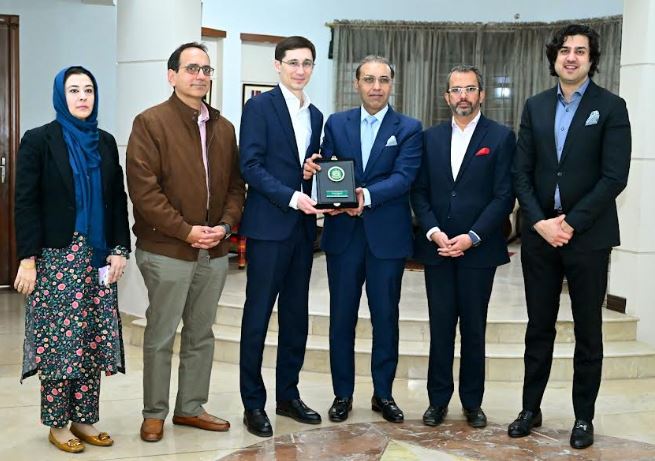
RAWALPIINDI, JAN 14: /DNA/ – A meeting and interactive session was held between the Rawalpindi Chamber of Commerce & Industry (RCCI) and Mr. Shohrukh Gulamov, Deputy Minister of Investment, Industry and Trade of the Republic of Uzbekistan, in Islamabad aimed at strengthening bilateral economic cooperation and exploring new avenues of trade and investment.

President RCCI, Mr. Usman Shaukat, along with Senior Vice President Mr. Khalid Farooq Qazi, participated in the meeting. Former RCCI President Dr. Shumail Daud was also present on the occasion.

During the interaction, both sides discussed matters related to close cooperation between Pakistan and Uzbekistan, with particular emphasis on the scope of joint ventures, enhancement of trade and investment ties, and collaboration in key sectors, including the pharmaceutical industry.

President RCCI, Usman Shaukat, recalled and briefed the Deputy Minister about RCCI’s recent Business Opportunity Conference held in Tashkent in November, which marked an important step toward deepening economic engagement between the two countries. He highlighted the subsequent meetings with Uzbek Chambers of Commerce, ministerial-level engagements, and the visit to the Export Pharmaceutical Park, which opened new prospects for collaboration, especially in the pharma sector.

Mr. Usman Shaukat emphasized that RCCI remains committed to facilitating B2B linkages, encouraging investment partnerships, and translating diplomatic goodwill into tangible economic outcomes. He noted that sustained interaction between chambers and government institutions would play a vital role in unlocking the full potential of bilateral trade.

Mr. Shohrukh Gulamov appreciated RCCI’s proactive role in promoting Pakistan–Uzbekistan economic relations and expressed interest in further strengthening cooperation through joint ventures, trade facilitation, and sector-specific collaboration.

The meeting concluded with a shared resolve to continue engagements and work closely to promote mutually beneficial trade and investment opportunities between Pakistan and Uzbekistan.

Security forces kill four Indian-sponsored terrorists in Kalat operation

Security forces kill four terrorists in D.I.Khan

RAWALPINDI, JAN 13 /DNA/ – Security forces conducted an intelligence based operation in Kalat District of Balochistan, on reported presence of terrorists belonging to Indian proxy, Fitna al Hindustan.

During the conduct of operation, own forces effectively engaged the terrorists’ location, and after an intense fire exchange, four Indian sponsored terrorists were sent to hell.

Weapons and ammunition were also recovered from the terrorists, who remained actively involved in numerous terrorist activities in the area.

Sanitization operations are being conducted to eliminate any other Indian sponsored terrorist found in the area. Relentless Counter Terrorism campaign under vision “Azm e Istehkam” (as approved by Federal Apex Committee on National Action Plan) by Security Forces and Law Enforcement Agencies of Pakistan will continue at full pace to wipe out menace of foreign sponsored and supported terrorism from the country.

KP awards Rs9.6 million in scholarships to 60 DI Khan students

KP awards Rs9.6 million in scholarships to 60 DI Khan students

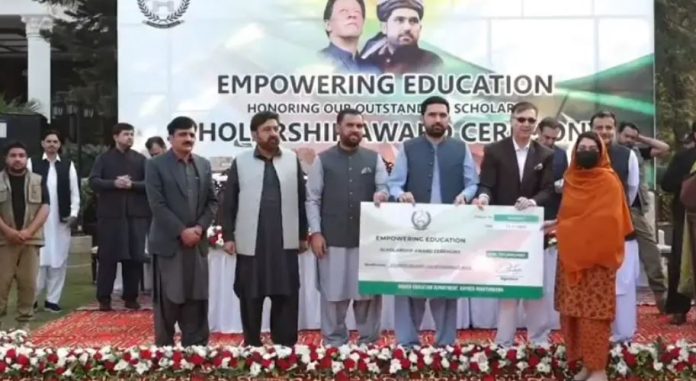
DERA ISMAIL KHAN, JAN 13 (APP/DNA): The Khyber Pakhtunkhwa government has awarded Rs 9.6 million in scholarships to 60 meritorious students of Dera Ismail Khan under the ‘Stori Da Pakhtunkhwa Scholarship Programme’, reaffirming its commitment to promoting merit and supporting talented youth.

The scholarships were distributed during a dignified cheque distribution ceremony held at Mufti Mahmood School and College under the auspices of the Board of Intermediate and Secondary Education (BISE) Dera Ismail Khan.

Commissioner Dera Dawood Khan attended the event as chief guest while BISE Dera Chairman Professor Dr. Ehsan Ullah, Controller/Secretary Dr. Qayyum Nawaz, Assistant Controller Tariq Javed, Assistant to the Commissioner Sajjad Baloch, students, parents and other guests were also present.

Addressing the ceremony, Commissioner Dawood Khan said the ‘Stori Da Pakhtunkhwa programme’ is a significant initiative aimed at encouraging academic excellence and enabling deserving students, particularly from public sector institutions, to continue their educational journey with confidence. He stressed that the provincial government is committed to strengthening merit-based initiatives and investing in human capital.

During the ceremony, scholarship cheques worth Rs 120,000 each were distributed among top 20 position holders of Matric Science group in 2024 Annual exams, top 20 of FA/FSc students get Rs 180,000 each, and 20 outstanding students from the college side of year-2022 students received Rs 360,000 each.

The commissioner highlighted that the modern era demands intense competition and urged students to strive for excellence in every field. He appreciated the reforms introduced by BISE Dera, including e-marking and digital registration, saying these measures would improve transparency and efficiency. He also congratulated the Chairman, Controller and staff of the education board for organizing the event successfully.

Chairman BISE Dera Professor Dr. Ehsan Ullah congratulated the scholarships holder students and described the programme as a commendable step by the provincial government to motivate talented students. He reiterated the board’s commitment to merit and transparency, announcing that e-marking would be implemented in the 2026 examinations. He added that examination centers would be established within a three-kilometer radius by merging nearby institutions, while registration, roll number slips and issuance of certificates were being fully digitized.

He further informed that construction work on the new BISE Dera building was progressing rapidly and would soon provide students with modern facilities. He urged upon the students to combine quality education with strong character to contribute positively to the nation.

Controller/Secretary Dr. Qayyum Nawaz said the scholarship programme not only provides financial assistance but also serves as encouragement for students to pursue higher education and achieve their academic ambitions.

Trump urges Iranians to keep protesting, says ‘help is on its way’

Trump urges Iranians to keep protesting, says 'help is on its way'

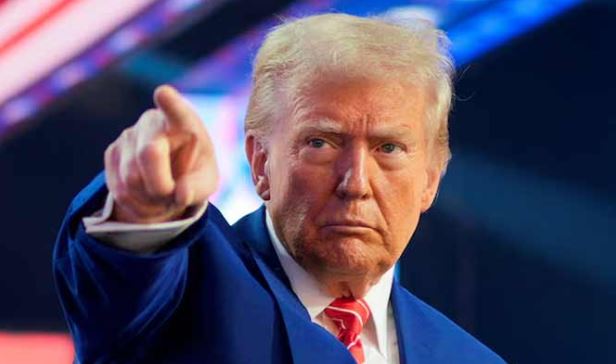
WASHINGTON, JAN 13: US President Donald Trump urged Iranians on Tuesday to keep protesting and said help was on the way, without giving details, as Iran’s government tackled the biggest demonstrations in years.

“Iranian Patriots, KEEP PROTESTING – TAKE OVER YOUR INSTITUTIONS!!!… HELP IS ON ITS WAY,” Trump said in a post on Truth Social, adding he had canceled all meetings with Iranian officials until the “senseless killing” of protesters stopped.

The unrest, sparked by dire economic conditions, has posed the biggest internal challenge to Iran’s rulers for at least three years and has come at a time of intensifying international pressure after Israeli and US strikes last year.

An Iranian official, speaking to Reuters, said that people he called terrorists were behind the deaths of both protesters and security personnel. The official, who declined to be named, did not give a breakdown of who had been killed.

On Monday evening, Trump announced 25% import tariffs on products from any country doing business with Iran — a major oil exporter. Trump has also said more military action is among options he is weighing to punish Iran over the crackdown, saying earlier this month “we are locked and loaded”.

Tehran has not yet responded publicly to Trump’s announcement of the tariffs, but it was swiftly criticised by China. Iran, already under heavy US sanctions, exports much of its oil to China, with Turkey, Iraq, the United Arab Emirates and India among its other top trading partners.

Russia condemns ‘subversive external interference’
Russia condemned what it described as “subversive external interference” in Iran’s internal politics, saying on Tuesday that US threats of new military strikes against the country were “categorically unacceptable.”

“Those who plan to use externally inspired unrest as a pretext for repeating the aggression against Iran committed in June 2025 must be aware of the disastrous consequences of such actions for the situation in the Middle East and global international security,” the Russian Foreign Ministry said in a statement.

Despite the protests, which come at a particularly vulnerable moment for authorities, given the scale of economic problems, and years of external pressure, there are as yet no signs of fracture in the security elite that could bring an end to the system in power since the 1979 Revolution.

However, underscoring the international uncertainty over what comes next in Iran, which has been one of the dominant powers across the Middle East for decades, German Chancellor Friedrich Merz said he believed the government would fall.

“I assume that we are now witnessing the final days and weeks of this regime,” he said, adding that if it had to maintain power through violence, “it is effectively at its end”.

He did not expand on whether this forecast was based on intelligence or other assessments.

Iranian Foreign Minister Abbas Araqchi dismissed Merz’s criticisms, accusing Berlin of double standards and saying he had “obliterated any shred of credibility”.

The Doctrine of Putin and the Direction of Russia

The Doctrine of Putin and the Direction of Russia

Dr. Muhammad Akram Zaheer

For more than two decades, Vladimir Putin has been the central figure shaping Russia’s political life and foreign policy outlook. Yet to speak of a single, neatly defined “Putin Doctrine” risks oversimplifying a system that has evolved over time, responding to domestic pressures, regional shifts, and changing global conditions. What can be identified, however, is a coherent set of ideas and practices that together form the guiding logic of contemporary Russian statecraft. This doctrine is not set out in one official text, but emerges from speeches, policy decisions, military actions, and the structure of power within Russia itself.

At its core lies a belief that Russia is not merely another nation-state, but a distinct civilisation with its own historical mission. Putin has repeatedly argued that Russia represents a cultural and political world separate from that of the liberal West. This conviction draws heavily on interpretations of Russian history that stress continuity between the Tsarist Empire, the Soviet Union, and the present Russian Federation. The trauma of the Soviet collapse in 1991 occupies a central place in this worldview. Putin has described it as a major catastrophe of the twentieth century, not only because a superpower disappeared, but because millions of ethnic Russians found themselves outside Russia’s borders, and the state lost both status and strategic depth.

From this reading of history flows a second principle: the restoration of Russia’s strength and authority. The chaotic years of the 1990s, marked by economic hardship, regional fragmentation, and the rise of oligarchic power, are portrayed in official discourse as a period of humiliation imposed by internal weakness and external pressure. Putin’s domestic project has therefore focused on rebuilding a strong central state. Political power has been steadily concentrated in the presidency, independent centres of influence have been brought to heel, and loyalty to the state has been framed as a moral duty. Stability, order, and continuity are presented as higher values than pluralism or rapid political change.

This domestic consolidation is inseparable from Russia’s external posture. The doctrine that has emerged under Putin treats the international system as inherently competitive. Rather than a community of states bound primarily by shared rules, it is seen as an arena where major powers pursue their interests, test one another’s resolve, and seek advantageous positions. In this view, Western talk of universal values often masks geopolitical ambition. NATO enlargement, European Union expansion, and Western involvement in post-Soviet states are interpreted not as benign developments, but as encroachments into a space Russia regards as vital to its own security.

The concept of a privileged sphere of interest is therefore central. Russia’s leadership asserts a special responsibility for, and entitlement to influence over, neighbouring countries that were once part of the Soviet Union. This is justified through arguments about shared history, economic interdependence, and the protection of Russian-speaking communities. It also reflects strategic calculation. Control, or at least strong influence, over nearby territories provides military depth, buffers against perceived threats, and leverage in dealings with other major powers.

This outlook helps explain Moscow’s willingness to use force, or the threat of it, in pursuit of political objectives. The conflicts in Georgia in 2008 and Ukraine since 2014, and on a larger scale from 2022 onwards, illustrate a readiness to challenge existing borders when the Kremlin judges its interests to be at stake. Such actions are framed domestically as defensive, necessary responses to Western-backed moves that would otherwise leave Russia exposed. International law, while invoked when useful, is treated as subordinate to what the leadership defines as historical justice and strategic necessity.

Another defining feature of Putin’s doctrine is the emphasis on sovereignty, interpreted in a strict and expansive sense. Sovereignty does not only mean protection from foreign military intervention, but also insulation from external influence over domestic politics, media, and civil society. Laws targeting foreign funding, restrictions on non-governmental organisations, and controls over information flows are justified as measures to defend Russia’s political independence. The popular uprisings that have occurred in parts of the post-Soviet space are portrayed not as genuine expressions of public discontent, but as operations orchestrated from abroad. Preventing similar movements at home has become a priority, reinforcing the fusion between internal security policy and foreign policy.

Economic policy under this doctrine is similarly shaped by geopolitical considerations. While Russia remains integrated into global markets, especially as an energy supplier, there has been a steady effort to reduce vulnerability to external pressure. Since the mid-2010s, the state has increased its role in key sectors, built up financial reserves, and promoted domestic production in areas ranging from agriculture to technology. Economic resilience is not pursued primarily for prosperity alone, but as a strategic asset, enabling Russia to withstand sanctions and sustain long-term confrontation with unfriendly powers.

Culturally and ideologically, the Putin doctrine presents Russia as a guardian of traditional values. The Kremlin aligns itself with the Orthodox Church, emphasises conservative social norms, and criticises what it depicts as Western moral decline. This narrative serves several functions. It strengthens ties between the state and influential domestic institutions, offers a sense of purpose that goes beyond material concerns, and provides an ideological counterpoint to liberal democracy. Abroad, it allows Russia to position itself as an alternative centre of attraction for those who are sceptical of Western cultural influence.

Yet the doctrine is not solely backward-looking or defensive. It also aspires to shape a more plural international order. Russian officials frequently speak of a world no longer dominated by a single power, but organised around several major centres. In this vision, countries such as China, India, and others across Asia, the Middle East, and the Global South are natural partners in limiting Western predominance. Russia’s growing engagement with non-Western states, its participation in groupings such as BRICS and the Shanghai Cooperation Organisation, and its diplomatic activism in Africa and the Middle East reflect this ambition.

However, the gap between rhetoric and reality is striking. While the Kremlin calls for respect and equality among nations, its own behaviour in its neighbourhood has often been coercive. While it denounces Western interference, it has not hesitated to involve itself in the internal affairs of other states. This tension highlights a central feature of the Putin doctrine: it is less a universal philosophy than a strategy tailored to maximise Russia’s room for manoeuvre.

Over time, this approach has become more rigid. The longer Putin has remained in power, the more closely the state’s identity has been bound to his personal authority. Political opposition is increasingly portrayed not simply as disagreement, but as betrayal. Foreign policy setbacks are blamed on hostile conspiracies. Compromise is often framed as weakness. Such narratives can mobilise support in the short term, especially in a society marked by memories of instability. But they also narrow the range of acceptable policy choices.

For Britain and its European partners, understanding this doctrine is essential. It suggests that tensions with Russia are not merely the product of misunderstanding or temporary disputes, but of deeply rooted assumptions about power, security, and history. Dialogue remains necessary, particularly to manage risks and prevent escalation. Yet expectations of a rapid transformation in Russia’s outlook are unrealistic so long as the current system and its guiding beliefs remain in place.

The doctrine of Putin’s Russia is therefore best seen not as a fixed blueprint, but as an evolving framework. It blends a sense of grievance with ambition, appeals to tradition with modern instruments of power, and defensive rhetoric with assertive action. It has reshaped Russia’s relationship with its neighbours, with the West, and with the wider world. Whether it will endure beyond Putin himself is an open question. What is clear is that it has already left a deep imprint on European security and on the global balance of power, one that will continue to be felt for years to come.

Pakistan Embassy in Beijing holds job fair for Chinese SOEs

Pakistan Embassy in Beijing holds job fair for Chinese SOEs

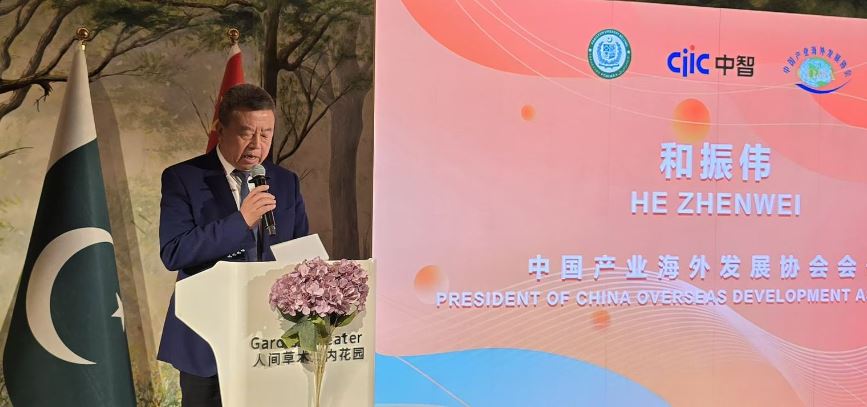
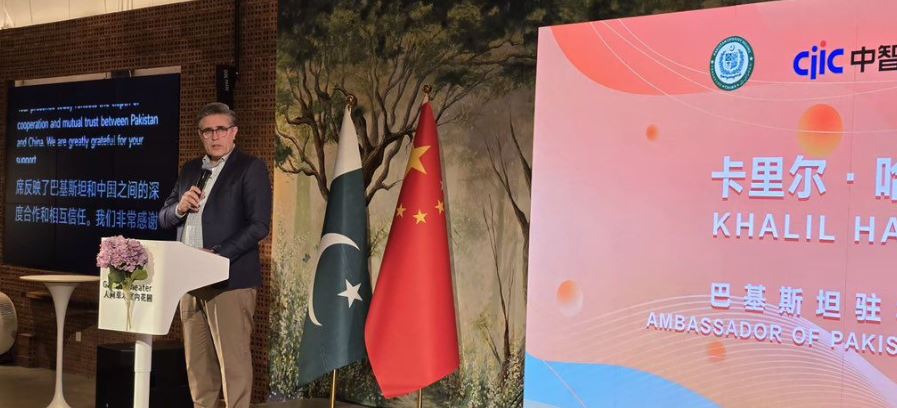
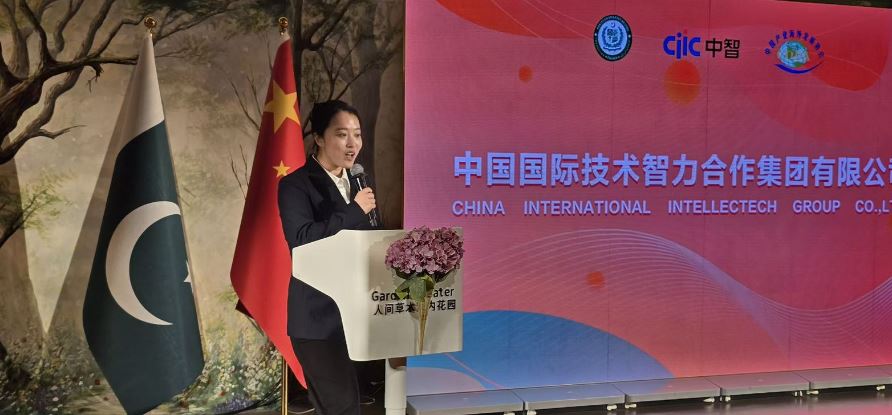
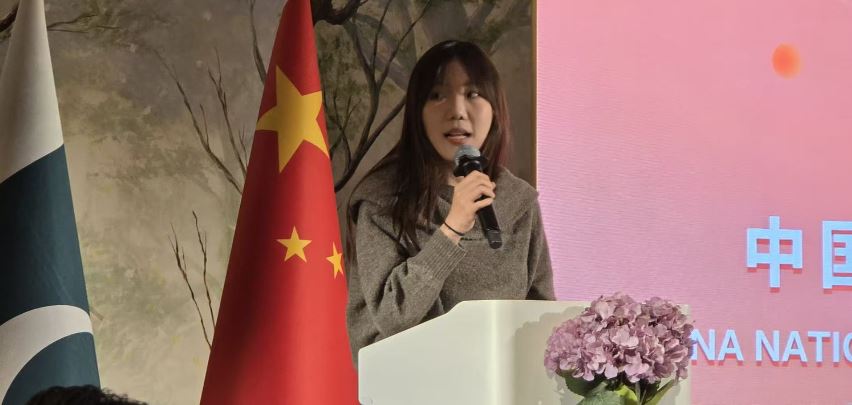
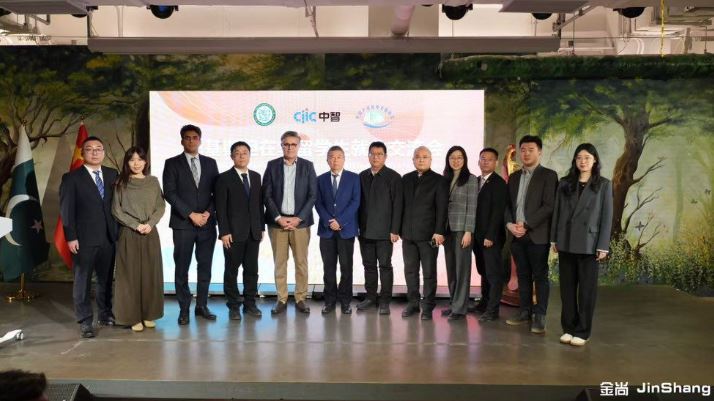
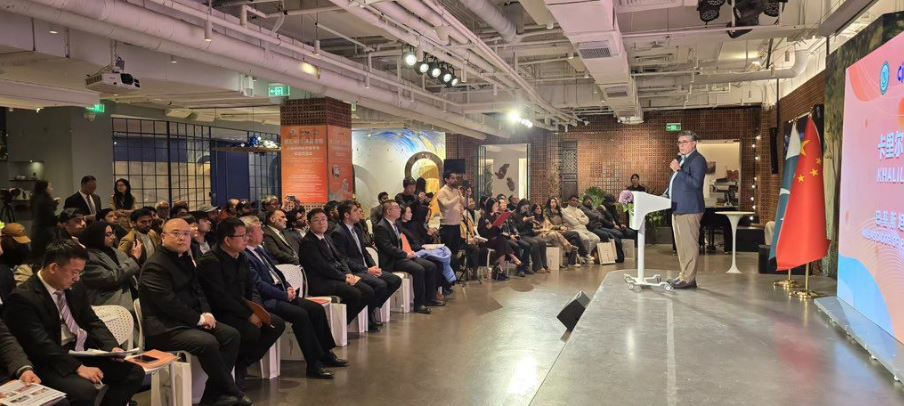
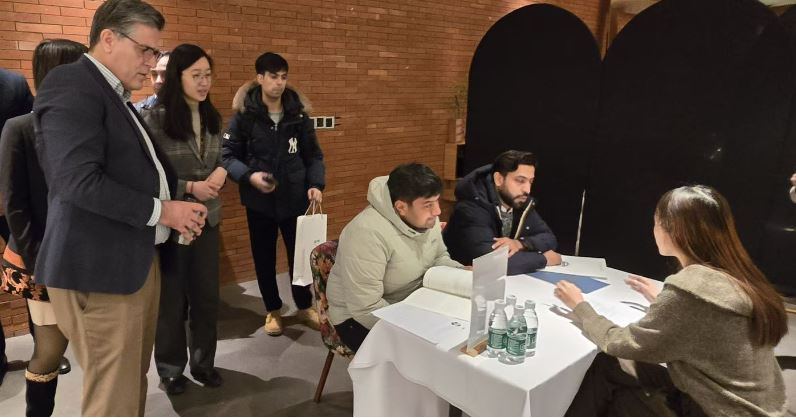
BEIJING, JAN 13: /DNA/ – The Embassy of Pakistan in Beijing, in collaboration with the China Overseas Development Association and China International Intellectech Group Co., Ltd., successfully organized on Sunday a Job Fair for Pakistani students and professionals in China. The event generated strong engagement, with nearly 2,000 participants joining on site and online. A total of 372 Pakistani candidates registered, including close to 100 who took part in the on site initial interviews conducted by representatives of leading Chinese State-Owned Enterprises. This marked the first Embassy-led initiative designed to directly link Chinese enterprises with Pakistani professionals trained in China.

The participating State-Owned Enterprises, among the largest Chinese investors in Pakistan, represented sectors including energy, infrastructure, engineering, and allied industries.

Addressing the gathering, Ambassador Khalil Hashmi, Pakistan’s envoy in Beijing, described the job fair as a pilot initiative aimed at identifying and facilitating employment of Pakistani professionals in Chinese overseas projects. He underscored that Pakistanis educated in China combine technical competence with Chinese language proficiency and cultural fluency, positioning them strongly for supervisory and middle management roles.

The Ambassador reaffirmed the Embassy’s commitment to facilitating Chinese investment while supporting enterprises in identifying and integrating qualified Pakistani professionals into their workforce. He noted that the job fair complements its broader efforts to align skills development with Chinese investment priorities, including the recently convened 2nd China–Pakistan Agriculture focused Technical and Vocational Education and Training Forum, and outlined plans to expand similar initiatives across Pakistan’s 21 priority sectors.

During the event, Mr. He Zhenwei, President of the China Overseas Development Association, emphasized salience of the initiative and encouraged Pakistani youth to seize these opportunities to contribute to China-Pakistan cooperation. China International Intellectech Group highlighted its role as a leading human resources institution supporting cross border cooperation and overseas projects, including its ongoing vocational education initiatives in Pakistan.

Participating enterprises presented their domestic and international portfolios and engaged directly with candidates during the fair. The recruitment process has now moved into its next phase, under which shortlisted candidates will be contacted individually for further interviews and final selection, based on initial assessments and CVs submitted online. This phase is expected to conclude by 31 January 2026.

Mustafa Kamal hails WHO’s support to strengthen Pakistan’s health system

Mustafa Kamal hails WHO's support to strengthen Pakistan’s health system

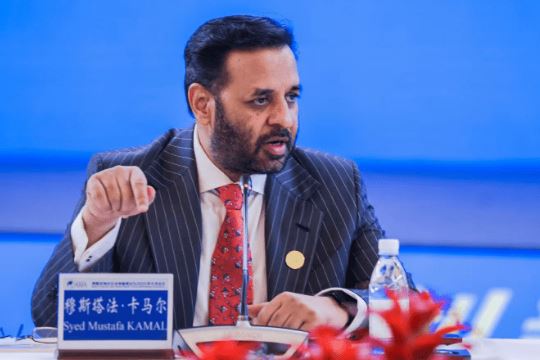
ISLAMABAD, Jan 13 (APP/DNA): Federal Minister for National Health Services Syed Mustafa Kamal acknowledged the World Health Organization (WHO) for providing vehicles to help strengthen Pakistan’s health system, particularly in underserved and remote areas.

Addressing a ceremony held in this regard, the minister said the government’s vision goes beyond building hospitals and offering treatment, emphasizing that the real mission is to protect people from falling ill through effective prevention strategies.

He said the vehicles provided by the WHO will be utilized for immunization drives and basic health activities in far-flung regions, improving outreach and access to essential services.

Highlighting the challenges facing the healthcare system, Syed Mustafa Kamal noted that any large-scale outbreak places immense pressure on the entire health infrastructure, citing the Covid-19 pandemic as a example that overwhelmed even developed nations.

The minister said around 6.2 million children are born in Pakistan every year, but the existing ecosystem from birth to adulthood remains far from ideal. He pointed out that issues related to water, sanitation, and climate change are contributing to a rise in diseases, leading to an unusual influx of patients at major hospitals.

He added that doctors are often compelled to see dozens of patients daily, which put immense pressure on health system.

Stressing the need for a paradigm shift, he said Pakistan requires a robust “healthcare” system focused on prevention rather than a “sick care” model, with priority given to disease prevention at street, neighborhood, and rural levels.

Syed Mustafa Kamal said the government is providing free vaccines to protect against 13 deadly diseases and urged the public to build confidence in immunization and ensure timely vaccination.

 He reaffirmed that the polio eradication campaign will continue until the virus is completely eliminated.

Speakers at the event also underscored the need for population control, improved drainage and sanitation systems, and emergency-based precautionary measures to prevent disease outbreaks. They noted that strengthening basic health units could significantly reduce the burden on major hospitals.

The ceremony concluded with renewed appreciation for the WHO’s support through the provision of vehicles for the immunization program and a commitment to modernize Pakistan’s health system and ensure quality medical facilities for the public.

Federal National Council, Azerbaijan’s Milli Majlis discuss cooperation

Federal National Council, Azerbaijan’s Milli Majlis discuss cooperation
ABU DHABI, Jan 13: Dr. Omar Abdulrahman Al Nuaimi, Secretary-General of the Federal National Council (FNC), met on Monday with Farid Hajiyev, Chief of Staff of the Milli Majlis (National Assembly) of the Republic of Azerbaijan, and his accompanying delegation.

Dr. Al Nuaimi welcomed the delegation and said the visit would help strengthen technical and administrative cooperation between the two sides.

He noted that the meeting reflects the Memorandum of Understanding signed between the two sides to activate institutional parliamentary cooperation and enhance coordination and consultation mechanisms.

Dr. Al Nuaimi also pointed to the positive outcomes achieved at various levels between the two countries and the two friendly parliaments, particularly after the visit of an FNC delegation to Azerbaijan last year.

Hajiyev thanked Dr. Al Nuaimi for the invitation and underscored his keenness to expand cooperation between the two sides, reflecting the close relations between the two friendly countries. He said that these relations are rooted in long-standing ties and are witnessing continuous development.

The two sides also held a bilateral session to exchange knowledge and expertise, during which Dr. Al Nuaimi outlined the FNC’s role and responsibilities, major milestones of the UAE’s parliamentary process and its contribution to national development.

Stay Connected

64FansLike
60FollowersFollow

Latest Reviews

Exchange Rates

USD - United States Dollar
EUR
1.14
GBP
1.34
AUD
0.70
CAD
0.71