Home Blog Page 30

TLP leader sentenced to over 35 years for threats against ex-CJP Isa

TLP leader sentenced to over 35 years for threats against ex-CJP Isa

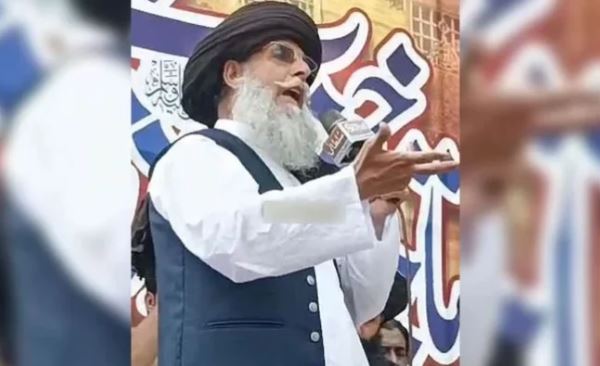
LAHORE: An Anti-Terrorism Court (ATC) in Lahore has sentenced banned Tehreek-e-Labbaik Pakistan (TLP) leader Pir Zaheerul Hasan Shah to 35 years and six months in prison for issuing threats to former chief justice Qazi Faez Isa.

ATC judge Arshad Javed announced the verdict after completing the trial of the case registered in 2024.

Shah was arrested on July 29 last year in Okara, after a first information report (FIR) was registered against him in Lahore’s Qila Gujjar Singh police station.

Shah, who is also the vice emir of the banned TLP, was booked for a speech made during a protest rally outside the Lahore Press Club during a demonstration against the Supreme Court verdict in the Mubarak Sani case.

Apart from the TLP leader, the FIR also nominated 1,500 party workers for issuing death threats to the then-chief justice.

The FIR included provisions of the Anti-Terrorism Act (ATA) and those related to spreading religious hatred and anarchy, pressuring and threatening the higher judiciary, interference in state affairs, obstructing in performance of legal duties and others.

During today’s hearing, the ATC Lahore convicted the TLP leader on multiple charges and sentenced him to jail, in addition to imposing a fine of Rs600,000.

In October, the federal government declared the religio-political party a proscribed organisation under the Anti-Terrorism Act (ATA), following a series of violent protests.

A notification, issued by the Ministry of Interior on October 24, stated that the government had “reasonable grounds to believe that Tehreek-e-Labbaik Pakistan is connected with and concerned in terrorism.”

A demarche too far? Norway, the Supreme Court, and Pakistan’s diplomatic dilemma

A demarche too far? Norway, the Supreme Court, and Pakistan’s diplomatic dilemma

Analysis

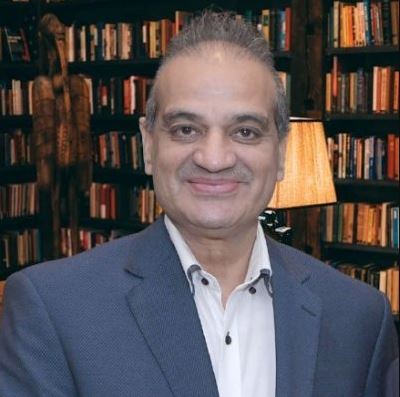
Ansar Mahmood Bhatti

The recent visit of the Norwegian Ambassador to Pakistan to the Supreme Court to witness the proceedings involving lawyer Iman Mazari and her husband has triggered a significant diplomatic and political debate, raising questions about diplomatic norms, judicial transparency, and Pakistan’s engagement with the international community on issues of rule of law and human rights.

Following the ambassador’s attendance at the court proceedings, Pakistan’s Ministry of Foreign Affairs summoned the Norwegian envoy and conveyed a formal demarche, expressing displeasure over what it termed an “unwarranted” action. Notably, Norwegian foreign ministry representative has defended the act of the ambassador, while Pakistani media has extensively highlighted and debated the development from multiple angles.

Supporters of the ambassador’s gesture argue that European countries, including Norway, have long championed the principles of rule of law, judicial independence, and human rights. Although Norway is not a member of the European Union, it accords immense importance to democratic values and regularly aligns itself with international human rights norms. From this perspective, the ambassador’s presence in court is seen not as interference, but as an expression of concern for legal transparency and due process.

Critics, however, believe the visit crossed diplomatic boundaries and warranted a formal response from the Foreign Office. They argue that foreign diplomats must exercise restraint in domestic legal matters, particularly in politically sensitive cases. This divergence of opinion has deepened the debate on where the line should be drawn between diplomatic observation and perceived interference.

It is important to note that this is not the first-time foreign diplomats have observed judicial proceedings in Pakistan. History offers a notable precedent in the case of former Prime Minister Zulfikar Ali Bhutto, whose trial was witnessed by several foreign observers and diplomats. At that time, their presence did not trigger such strong official reactions, despite the fact that a dictatorial regime was in place. This historical context strengthens the argument that observing court proceedings and commenting on them are two entirely different actions.

According to available information, the Norwegian Ambassador did not make any public or private remarks on the proceedings. He merely attended the hearing as an observer. In diplomatic practice, observation without commentary is generally considered permissible, particularly when proceedings are open to the public. Viewed in this light, the Foreign Office’s reaction appears premature and, in the eyes of some analysts, unnecessary.

There are also reports suggesting that the decision to summon the ambassador was not taken independently by the Foreign Office but was instead influenced by powerful quarters. If true, this has placed Foreign Office officials in a difficult position. Diplomats within the ministry, speaking on condition of anonymity, have reportedly expressed concern that while the directive may have originated elsewhere, it is the Foreign Office that must now justify the decision both domestically and internationally.

These officials caution that Pakistan’s missions abroad may face challenges defending the move, especially in countries where court monitoring by diplomats and human rights observers is considered routine. The episode, they fear, could complicate diplomatic engagements with European capitals and international rights bodies.

In today’s global landscape, the European Union remains one of the few collective bodies that consistently speaks about human rights, democratic norms, and the rule of law. The United States also claims to champion democracy and human rights, but its approach is often criticized as selective, acting forcefully where it aligns with strategic interests and remaining silent elsewhere.

The EU, despite raising its voice on rights issues, is also part of a global political nexus largely dominated by the super powers. As a result, it often balances principle with pragmatism. This balancing act is evident in its past and present dealings with Pakistan.

A notable example is the 2002 general elections in Pakistan. The EU deployed an election observation mission headed by John Cushnahan, the Member EU parliament from Ireland, that produced a comprehensive 100-page report, describing the elections as highly flawed and rigged. In response, the EU initially distanced itself from Pakistan. However, within a short span of time, relations were normalized, and the European Union resumed engagement with the very government it had earlier criticized. In 2003, during my visit to Brussels, I personally met John Cushnahan and raised this apparent reversal with him; he could only express his disappointment over the EU’s backtracking.

A similar pattern emerged following Pakistan’s 2024 general elections. The EU once again prepared an expert report highlighting serious concerns and irregularities. Yet, the Pakistani government has not made the report public to date. Interestingly, the EU itself has not strongly pushed Islamabad to release the document, reflecting its cautious and calculated approach.

Despite persistent concerns over governance, rule of law, and human rights, Pakistan continues to enjoy the EU’s GSP Plus trade status. There has been little tangible improvement in these areas, yet the likelihood of renewal of GSP Plus remains strong. This underscores the reality that such decisions are often political rather than strictly merit-based.

Against this backdrop, the reaction to the Norwegian Ambassador’s court visit appears disproportionate to many observers. They argue that if Pakistan continues to engage with Europe on trade, development, and diplomatic cooperation, it must also be prepared to tolerate symbolic gestures rooted in concern for judicial transparency.

The episode highlights a broader dilemma facing Pakistan’s foreign policy establishment: how to balance sovereignty and sensitivity with openness and international engagement. While protecting national institutions is essential, overreaction risks projecting insecurity and undermining Pakistan’s own stated commitment to rule of law and justice.

Whether this incident becomes a footnote or a turning point in Pakistan’s diplomatic conduct will depend on how pragmatically the situation is handled in the days ahead.

Govt pledges full support to Islamabad land survey affectees

Govt pledges full support to Islamabad land survey affectees

ISLAMABAD, DEC 15 /DNA/ – The government has pledged its full support to address the grievances of citizens whose properties were affected by a controversial land survey conducted over a decade ago.

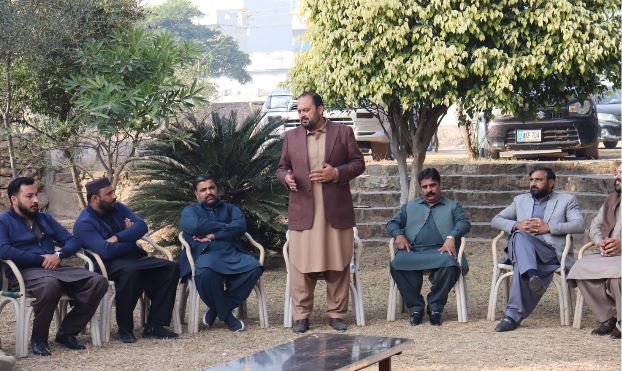
During a high-level meeting on Saturday, Syed Zeeshan Ali Naqvi, the Focal Person for the Prime Minister’s Youth Program, assured representatives of the Islamabad Affectees Alliance that their struggle for justice would be actively championed at the highest levels of government.

The core issue revolves around the 2008 survey conducted using Google Earth and SUPARCO (Space and Upper Atmosphere Research Commission) imagery, which the affectees claim inaccurately demarcated land and led to injustices in property rights. The alliance has consistently rejected the findings of this survey.

In a significant show of solidarity, Mr. Naqvi and the affectees’ representatives unanimously declared the 2008 survey as “completely unacceptable.” Mr. Naqvi committed to a multi-pronged action plan to resolve the long-standing dispute.

“The fight to protect the rights of the affectees and to ensure they receive justice will continue. Their voice will be raised on every relevant forum,” stated Mr. Naqvi.

He announced that meetings would soon be arranged between the alliance’s committee and key officials, including the Chairman of the Capital Development Authority (CDA). Furthermore, he stated that with the assistance of the Prime Minister’s Advisor, Dr. Tariq Shah, the matter would be brought directly to the attention of Prime Minister Shehbaz Sharif for intervention.

The meeting was attended by prominent members of the affectees’ community, including Malik Mehraban, Kashif Qureshi, and Malik Jamshed, among others. The discussion focused on the persistent problems stemming from the 2008 survey, with attendees demanding a fair and transparent resolution.

This development marks a potential turning point for the affected citizens, who have sought governmental support for years to overturn the survey’s implications and secure their property rights in the federal capital.

Nation remembers APS martyrs as Abdul Aleem Khan reaffirms resolve against terrorism

Nation remembers APS martyrs as Abdul Aleem Khan reaffirms resolve against terrorism

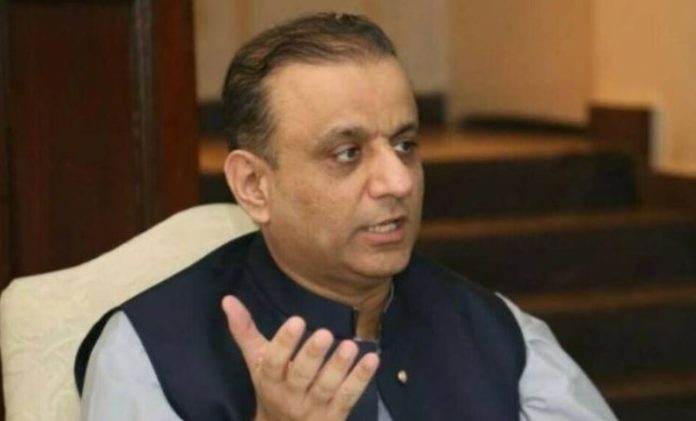
ISLAMABAD, Dec 15 (APP/DNA):Federal Minister for Communications Abdul Aleem Khan on Monday said that the Army Public School (APS) tragedy in Peshawar remains one of the darkest and most painful chapters in Pakistan’s history, adding that the brutal attack on innocent children can never be forgotten.

In a message on the commemoration of the APS tragedy, he said that December 16, 2014, was a day of profound national grief, when extreme brutality was inflicted upon students who had gathered to seek education. He said the tragic incident shook the entire nation and continues to live in the collective memory of the people, said a press release.

Abdul Aleem Khan further stated that the young martyrs laid down their precious lives for the future of the motherland, adding that Pakistan lost many of its future doctors, engineers, teachers, and leaders on that tragic day.

He said that the indiscriminate firing on students who had come to seek education was the height of cruelty and savagery. The Minister further added that the courage, patience and resilience shown by the affected parents in enduring this immense loss are worthy of the highest admiration and serve as a guiding light for the entire nation.

Abdul Aleem Khan said that the sacrifices of these innocent children will never go in vain; rather, they will continue to strengthen our resolve in the fight against terrorism.

He said that Pakistan’s Armed Forces have been engaged in a relentless war against terrorism for decades and remain steadfast on the front lines at all times to ensure peace and stability in the country. He said that the Armed Forces are our guardians, and those who spread propaganda against them are enemies of both the state and the nation, today, the resting places of the martyrs have become symbols of bravery, loyalty and sacrifice.

He said that the APS tragedy is a monumental tale of sacrifice that will forever be etched in history in golden letters. Abdul Aleem Khan pay profound tribute and salute the martyrs of the Peshawar tragedy and pray that may Allah Almighty to elevate their ranks, grant patience and strength to their bereaved families, and protect Pakistan from ever facing such a tragedy again.

PM directs to expedite privatization process of Discos, Gencos

PM directs to expedite privatization process of Discos, Gencos

ISLAMABAD, Dec 15 (APP/DNA):Prime Minister Muhammad Shehbaz Sharif on Monday directed the relevant authorities to expedite the privatization process of power distribution companies (DISCOs) and generation companies (GENCOs).

Chairing a meeting regarding power sector, the prime minister emphasized that the privatization of the energy system, leading to the establishment of a competitive electricity market, was the sustainable solution to the country’s energy issues.

During the meeting, the prime minister was told that measures were taken to privatize three distribution companies IESCO, FESCO and GEPCO and in this regard Expression of Interest (EoIs) will be published soon.

Prime Minister Shehbaz Sharif instructed to complete the relevant development projects on priority to further improve the power distribution system of the country.

To align the electricity system with modern requirements, the prime minister directed to initiate work on a Battery Energy Storage System through public-private partnerships and involvement of the private sector.

During the meeting, the prime minister was briefed on the progress of power sector roadmap, power generation, distribution, privatization of Discos and Gencos and other reforms being taken in the power sector.

The prime minister was told that PC-I of the 500 KV Ghazi Barotha-Faisalabad transmission line was at the approval stage.

Besides, the technical feasibility to shift the imported power plants to Thar Coal has been completed whereas work on the railway line to transport Thar coal to the power plants is also in progress.

The prime minister was also briefed on operationalization of a competitive electricity market.

The concept clearance proposal for the Battery Energy Storage System project has been approved, and the feasibility study is underway, the prime minister was informed.

The briefing added that as a result of continuous efforts, line losses had decreased compared to last year.

The meeting was attended by Federal Ministers Muhammad Aurangzeb, Ahad Khan Cheema, Sardar Awais Ahmed Leghari, Advisor Muhammad Ali, Minister of State for Finance Bilal Azhar Kayani and other senior officials of the relevant departments.

Taleem o Tarbiyah: An Islamic Response to Modern Educational Challenges 

Taleem o Tarbiyah: An Islamic Response to Modern Educational Challenges 

The establishment of mosques in North America during the 1960s and 1970s was driven by the Muslim community’s desire to preserve and practice their faith as religious minorities in a secular society. In Western legal systems, rights are based on citizenship, not religion, which presented unique challenges to maintaining religious identity.

Over time, it became clear that mosques alone were insufficient. Without a structured system to nurture faith, identity, and morality in future generations, assimilation seemed inevitable. This led to the revival and emphasis on Taleem o Tarbiyah—a comprehensive Islamic framework of education and moral development aimed at cultivating conscious Muslims.

While familiar in countries like Pakistan, the need for Taleem o Tarbiyah has become critically urgent today. Modern education systems prioritize experiential learning and secular ethics, often seen as superior to traditional Islamic models. This has created a conceptual divide between Islamic and Western educational approaches.

A key question arises: If Western societies already had established ethics in the 1960s, why did Muslims feel compelled to formalize Taleem o Tarbiyah? The answer lies in the need to preserve Islamic identity through Shariah-based moral frameworks, especially in diaspora contexts.

At its core, Taleem o Tarbiyah is rooted in the concept of ʿAbdiyyah—servitude to Allah. The Quran describes humans as vicegerents on Earth, entrusted with moral responsibility. True submission to Allah defines a Muslim’s identity, and obedience is central to understanding Islamic education.

Worship (ʿIbādah) is often limited to rituals, but in Islam, it encompasses any sincere action performed for Allah’s pleasure within Shariah boundaries. Whether giving water to a thirsty dog or praying, sincerity and compliance make an act worshipful.

A dangerous misconception is that Allah’s mercy alone ensures salvation, regardless of obedience. This undermines worship’s essence, which combines rituals and righteous conduct. Social goodness without obedience cannot represent true submission.

Ultimately, Taleem o Tarbiyah aims to align life with Islamic principles, remove moral blindness, and help recognize Allah’s signs. It encourages the integration of modern knowledge with Quranic wisdom, producing individuals who inspire through character and conduct.

Investing in Taleem o Tarbiyah for children is essential today. In a materialistic world, neglecting this risks losing future generations not only culturally but spiritually.

Massive protest planned for Dec 22 against ‘Anti-Business’ tax move

Massive protest planned for Dec 22 against 'Anti-Business' tax move

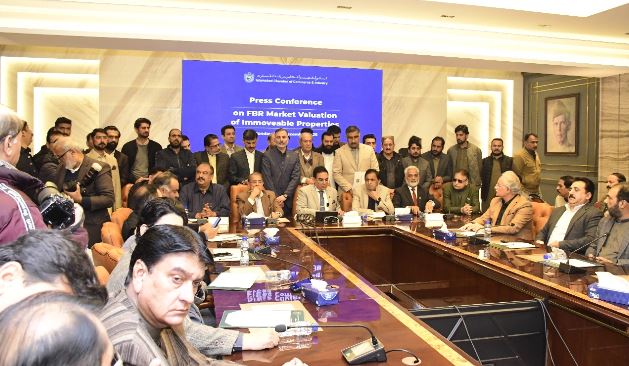
ISLAMABAD, DEC 15 /DNA/ – The business community of the federal capital has categorically rejected the Federal Board of Revenue’s (FBR) notification dated December 8, 2025, which revises the valuation of residential and commercial properties in Islamabad Capital Territory by up to 1,700 percent in certain cases.

This unanimous stance was announced by President Islamabad Chamber of Commerce and Industry (ICCI) Sardar Tahir Mehmood while addressing a largely attended press conference at the Chamber House on Monday evening. He warned that if the controversial notification is not withdrawn, the business community will stage a massive protest and hold a sit-in in front of the FBR on December 22, 2025.

The ICCI President sounded the alarm, stating that the oppressive measure would strangulate trade and industry in the region, leading to severe unemployment, business closures, economic unrest, and the relocation of industries to other regions and countries. He said the abrupt increase has shattered investor confidence and dealt a serious blow to the ease of doing business.

Calling for urgent intervention, Sardar Tahir Mehmood appealed to Prime Minister Shehbaz Sharif and Chief of Defence Forces Field Marshal Asim Munir to take notice of the gravity of the situation and step in to safeguard the country’s broader economic interests. He termed the FBR’s move a conspiracy against the Prime Minister’s tireless efforts to revive industry and create a business-friendly environment, regretting that certain elements appear determined to undermine these initiatives.

Chairman ICCI Founder Group Sheikh Tariq Sadiq strongly endorsed the decision to protest and stage a sit-in.

President All Pakistan Anjuman-e-Tajraan Ajmal Baloch announced that the entire city would join the protest on December 22. He demanded the immediate removal of Federal Finance Minister Mohammad Aurangzeb and an end to corruption in the name of the Point of Sale (PoS) system and called for strict action against those involved. Renowned business leader Ahsan Malik also addressed the press conference, expressing serious concerns over the negative impact of the valuation hike on economic activity.

Earlier, a consultative session was held at ICCI, bringing together leaders from trade, industry, real estate, construction allied sectors and citizens of the capital city. Speakers including Sardar Tahir Mehmood, Sheikh Tariq Sadiq, Chaudhry Abdur Rauf, Kashif Chaudhry, Ajmal Baloch, Israr Mashwani and others unanimously termed the notification unilateral, irrational and anti-business, demanding its immediate withdrawal.

They warned that such abrupt measures without meaningful consultation would have far-reaching consequences for investment, real estate activity and overall economic confidence, emphasizing that trust erosion at this critical juncture could further deepen the country’s economic challenges.

Senior Vice President Tahir Ayub, Vice President Irfan Chaudhry, former President Mian Akram Farid, Mohammad Ejaz Abbasi, Mian Shaukat Masood, executive committee members and a large number of business leaders were also present on the occasion.

AIOU holds its 75th meeting of BASR to review research synopses

AIOU holds its 75th meeting of BASR to review research synopses

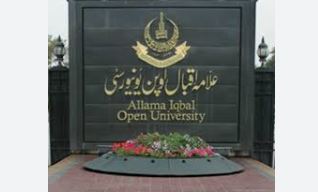
ISLAMABAD, Dec 15 (APP/DNA):The 75th meeting of the Board of Advanced Studies and Research (BASR) was held at Allama Iqbal Open University (AIOU) during which 12 PhD and 87 MPhil research scholars from the Faculty of Education, the Faculty of Social Sciences and Humanities & the Faculty of Sciences defended their research synopses.

During the meeting, in order to further enhance research quality, the research synopses of some scholars were returned with instructions for revision.

The meeting was chaired by the Vice Chancellor, Prof. Dr Nasir Mahmood while the agenda was presented by the Director BASR, Prof. Dr Irshad Ahmad Arshad. External experts participated in the meeting, including Prof. Dr Aneela Kamal along with Professors from the National University of Sciences and Technology (NUST), International Islamic University, Fatima Jinnah Women University, University of the Punjab and other renowned universities.

The experts conducted a detailed review of the presented research synopses and offered valuable opinions and suggestions to make them more effective and of higher academic standard.

During the defense of the research synopses, the Vice Chancellor asked various questions to assess the research understanding and competence of the scholars.

The Vice Chancellor further directed that the Doctoral Synopsis Committee (DSC) must ensure thorough and meticulous scrutiny of the quality, comprehensiveness, and academic aspects of research synopses before presenting them to BASR for approval.

Additionally, the Vice Chancellor instructed research scholars that after obtaining approval from the DSC, they should not make any unauthorized changes to their research proposals, so as to maintain continuity, transparency, and quality in the research process.

On this occasion, a large number of deans from various faculties, senior faculty members, and subject experts were present and engaged in detailed and purposeful discussions on research topics.

At the conclusion of the meeting, it was reaffirmed that Allama Iqbal Open University remains fully committed to its vision of promoting research, innovation, and academic excellence.

President Zardari felicitates Kazakh leadership, people on Independence Day

President Zardari felicitates Kazakh leadership, people on Independence Day

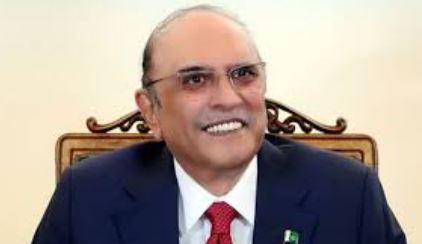
ISLAMABAD, Dec 15 (APP/DNA): President Asif Ali Zardari extended his warm felicitations to the leadership and people of Kazakhstan as they celebrated their 34th Independence Day on December 16.

The president conveyed his sincere wishes to President Kassym-Jomart Tokayev and to the people of Kazakhstan for the continued prosperity and stability.

Pakistan remained committed to deepening its partnership with Kazakhstan in pursuit of regional peace and development, he added.

“This occasion marks the adoption of the Law on Independence and State Sovereignty in 1991—a defining moment that set Kazakhstan on its path toward becoming a modern and forward-looking nation,” President Secretariat Press Wing, in a press release, quoted the president as saying.

He said Kazakhstan’s journey since independence reflected the resilience and steady progress of its people.

This date commemorated Kazakhstan’s declaration as a sovereign democratic state. It also honoured the 1986 Zheltoksan protests in Almaty, where Kazakh youth demonstrated against Soviet policies, symbolizing the people’s resolve for freedom.

“Pakistan and Kazakhstan share close and friendly ties, underpinned by common values and mutual respect. We deeply appreciate Kazakhstan’s steadfast support in international forums, including the United Nations and the Organisation of Islamic Cooperation. Our cooperation continues to strengthen, particularly in trade, energy and regional connectivity, with promising opportunities emerging through CPEC,” he added.

Finance Minister, ADB discuss reform implementation, development partnership

Finance Minister, ADB discuss reform implementation, development partnership

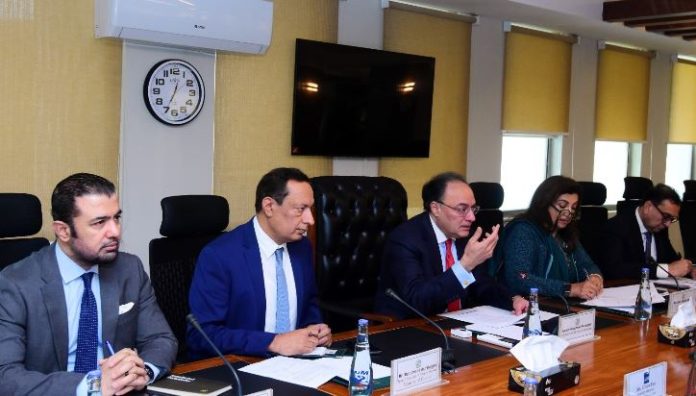
ISLAMABAD, DEC 15 /DNA/ – Federal Minister for Finance and Revenue, Senator Muhammad Aurangzeb, held a comprehensive meeting today with a high-level delegation of the Asian Development Bank (ADB) led by Ms. Emma Fan, Country Director, ADB, and Ms. Leah Gutierrez, Director General for Central and West Asia Department, along with senior officials from the local ADB team. The meeting was held at the Finance Division and focused on strengthening strategic cooperation, enhancing development impact, and accelerating reform implementation in Pakistan.

Welcoming the ADB delegation, the Finance Minister expressed deep appreciation for ADB’s longstanding and timely support to Pakistan, particularly in the areas of budgetary assistance, climate resilience, social sector development, and structural reforms. He underscored the importance of moving towards an impact-led and KPI-driven development partnership, emphasizing that development outcomes, rather than approvals alone, must remain the central measure of success.

The Finance Minister highlighted the Government’s resolve to improve project readiness and implementation, noting that delays in execution had historically diluted development impact, especially in social sectors and climate-related initiatives.

The meeting reviewed Pakistan’s macroeconomic stabilization efforts and reform trajectory under the IMF Extended Fund Facility (EFF). The Finance Minister noted that recent external validations, including improved credit ratings, successful IMF reviews, and the approval of the Climate Resilience Facility, reflected confidence in Pakistan’s reform agenda. He reaffirmed the Government’s commitment to structural reforms, including taxation, energy sector reforms, state-owned enterprises (SOEs), privatization, and public financial management.

Senator Aurangzeb briefed the delegation on recent progress, including the privatization of a small bank, renewed interest in strategic transactions, and ongoing work on energy sector restructuring and distribution companies. He emphasized that successful and visible transactions were critical to building momentum and credibility in the privatization process.

The Finance Minister also highlighted encouraging trends in exports and services, particularly IT services, growth in remittances, and a manageable current account deficit, while stressing the importance of sustaining growth in a balanced and sustainable manner. He reiterated the Government’s commitment to trade liberalization and competitiveness, despite short-term resistance from protected sectors.

Speaking on behalf of ADB, Ms. Emma Fan thanked the Finance Minister and his team for their strong collaboration and facilitation, including the successful visit of the ADB President to Pakistan. She reaffirmed ADB’s focus on development results, noting that faster project readiness and streamlined processes were essential for timely disbursements and tangible outcomes. She emphasized ADB’s willingness to support reforms aimed at improving implementation efficiency and strengthening institutional capacity.

ADB representatives expressed appreciation for Pakistan’s reform progress under the IMF program and confirmed ADB’s readiness to provide further budget support aligned with the EFF. They outlined future areas of engagement, including insurance sector reforms, public-private partnerships, pension reforms, and continued support for climate resilience and social sector development.

The delegation also highlighted ADB’s growing engagement in private sector development, including potential private sector transactions, guarantees, and PPP initiatives, such as proposed airport transactions. The strengthening of ADB’s in-country presence, including the appointment of a new Country Operations Head, was noted as a key step toward deeper engagement and improved project origination.

Both sides reaffirmed their shared commitment to deepening the Pakistan–ADB partnership, with a strong focus on impact, accountability, private sector development, and inclusive and sustainable growth.

The meeting concluded with mutual appreciation and an understanding to continue close coordination as Pakistan advances its reform and development agenda under the forthcoming country partnership framework and the pipeline for 2026 and beyond.

Stay Connected

64FansLike
60FollowersFollow

Latest Reviews

Exchange Rates

USD - United States Dollar
EUR
1.17
GBP
1.35
AUD
0.67
CAD
0.73