Home Blog Page 289

Rwanda Envoy highlights women-led economic engagement at major Pakistan conference

Rwanda Envoy highlights women-led economic engagement

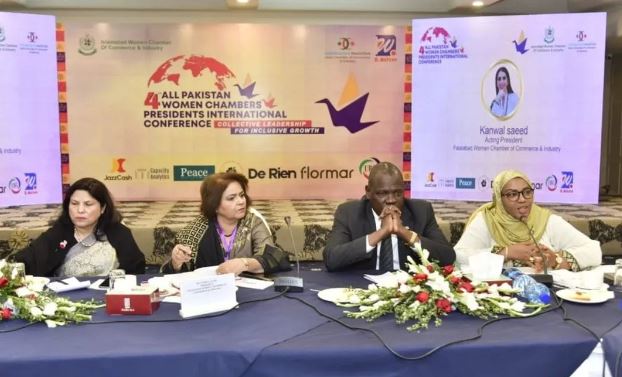
ISLAMABAD, JAN 20 /DNA/ – The High Commissioner of Rwanda to Pakistan, Ambassador Harerimana Fatou, delivered a keynote address at the 4th All Pakistan Women Chambers Presidents International Conference on Thursday, focusing on the theme of “Collective Leadership for Inclusive Growth.”

The conference, organized by the Islamabad Women Chamber of Commerce & Industry, brought together leading female business figures and chamber presidents from across Pakistan to discuss strategies for inclusive economic advancement.

In her speech, Ambassador Fatou underscored the transformative potential of inclusive growth for national economies. She placed special emphasis on the pivotal role that women’s chambers of commerce play in driving economic development, fostering entrepreneurship, and expanding trade networks.

“The advancement of economic development, entrepreneurship, and trade is significantly accelerated when women are at the forefront,” stated Ambassador Fatou. She elaborated on the specific potential for enhancing Rwanda-Pakistan bilateral relations through inclusive, women-led economic engagement.

The Ambassador framed women’s full economic participation not just as a matter of equity, but as a critical catalyst for sustainable development and rapid national transformation. She argued that by empowering women entrepreneurs and investors, both nations could unlock new avenues for mutual trade and investment.

Concluding her address on a concrete and inviting note, Ambassador Harerimana Fatou extended a special invitation to women investors and business leaders with an interest in the agri-business sector. She announced the upcoming Rwanda Coffee Festival, scheduled for 29th January 2026, and encouraged attendees to participate to explore partnership and investment opportunities in Rwanda’s renowned coffee industry.

The conference served as a platform to strengthen ties between the businesswomen of Pakistan and Rwanda, aligning with broader goals of South-South cooperation and gender-inclusive economic policy.

North Korea’s Kim sacks vice premier, rails against ‘incompetence’

North Korea's Kim sacks vice premier, rails against 'incompetence'

SEOUL, JAN 20 (DNA): North Korean leader Kim Jong Un has fired his vice premier, compared him to a goat and railed against “incompetent” officials, state media said Tuesday, in a rare and very public broadside against apparatchiks at the opening of a critical factory.

Vice Premier Yang Sung Ho was sacked “on the spot”, the state-run Korean Central News Agency (KCNA) said, in a speech in which Kim attacked “irresponsible, rude and incompetent leading officials”.

“Please, Comrade Vice Premier, resign by yourself when you can do it on your own before it is too late,” Kim reportedly said.

“He is ineligible for an important duty,” he added.

                  “Put simply, it was like hitching a cart to a goat — an accidental mistake in our cadre appointment process,” the North Korean leader explained.

                  “After all, it is an ox that pulls a cart, not a goat.”

                  Nuclear-armed North Korea, which is under multiple sets of sanctions over its weapons programmes, has long struggled with its moribund state-managed economy and chronic food shortages.

                  Kim has been quick to scold lazy officials for alleged mismanagement of economic policy but such a public dismissal is very rare.

                  Touring the opening of an industrial machinery complex on Monday, Kim blasted cadres who for “too long been accustomed to defeatism, irresponsibility and passiveness”.

                  Yang was “unfit to be entrusted with heavy duties”, Kim said, according to KCNA.

                  And he urged a quick turnaround in the “centuries-old backwardness of the economy and build a modernized and advanced one capable of firmly guaranteeing the future of our state”.

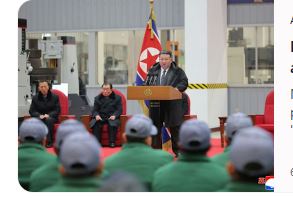
                  Images released by Pyongyang showed a stern-looking Kim delivering a speech at the venue in South Hamgyong Province in the country’s frigid northeast, with workers in attendance wearing green uniforms and matching grey hats.

                  – Lazy officials –

                  The impoverished North has long prioritised its military and banned nuclear weapons programmes over providing for its people.

                  It is highly vulnerable to natural disasters including flood and drought due to a chronic lack of infrastructure, deforestation and decades of state mismanagement.

                  The new machine complex makes up part of a large machinery-manufacturing belt linking the northeast to Wonsan further south, “accounting for about 16 percent of North Korea’s total machinery output”, according to Yang Moo-jin of the University of North Korean Studies.

                  Kim’s public dismissal of Yang mirrors past cases such as Jang Song Thaek, Kim’s uncle, who was executed in 2013 after being accused of plotting to overthrow his nephew, Yang said.

                  The North Korean leader is “using public accountability as a shock tactic to warn party officials”, he told AFP.

                  Pyongyang is gearing up for its first congress of its ruling party in five years, with analysts expecting it in the coming weeks.

                  Economic policy, as well as defence and military planning, are likely to be high on the agenda.

                  Last month, Kim vowed to root out “evil” at a major meeting of Pyongyang’s top brass.

                  State media did not offer specifics, though it did say the ruling party had revealed numerous recent “deviations” in discipline — a euphemism for corruption.

Sindh introduces grading system for matric, intermediate exams; scraps marks results

Sindh introduces grading system for matric, intermediate exams; scraps marks results

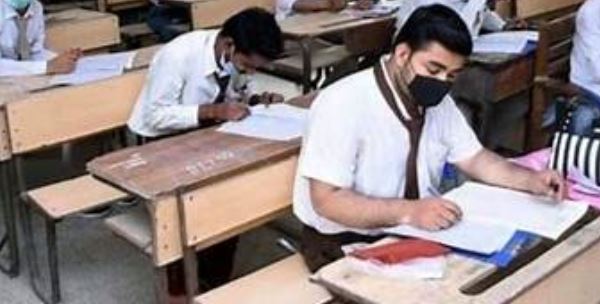
KARACHI: The Sindh government on Tuesday abolished the marks system across provincial education boards, approving a grading framework for matriculation and intermediate examinations.

Universities and Boards Minister Ismail Rahoo said that the marks-based examination system has been replaced with a modern grading system in line with Inter Boards Coordination Commission (IBCC) policy decisions.

He added that the reform aimed to ensure uniformity among education boards nationwide and confirmed that a GPA system would be introduced after the grading framework is fully implemented.

In its notification, the Sindh government stated that the decision was made in accordance with IBCC’s approval of the grading system at its meeting in August last year.

The Federal Board of Intermediate and Secondary Education (FBISE), in October last year, announced the revised grading formula for Secondary School Certificate (SSC) and Higher Secondary School Certificate (HSSC) examinations.

As per the federal board, the revamped grading scheme will take effect from the First Annual Examinations 2026 for SSC-I/HSSC-I level and subsequently from the First Annual Examinations 2027 for SSC-II/HSSC-II level.

Under the new policy, students’ performance will be assessed through grades instead of numerical marks, with a minimum passing threshold of 40%. Candidates scoring below this level will be declared ‘U’ (ungraded).

The notification added that students who fail to qualify will be eligible to reappear in examinations, provided they meet other stipulated conditions.

As per the new grading system, students securing between 96% and 100% marks will be awarded an A++ grade (“Extraordinary”), while those obtaining 91% to 95% will receive an A+ (“Exceptional”).

Similarly, 86% to 90% marks will correspond to an A grade (“Outstanding”).

For those scoring 81% to 85%, a B++ grade will be awarded (“Excellent”), and 76% to 80% will fall under B+ (“Very Good”).

Students achieving 71% to 75% will secure a B grade (“Good”), while 61% to 70% will be given C+ (“Fairly Good”), and 51% to 60% will correspond to a C grade (“Above Average”).

The Board further stated that students obtaining 40% to 50% will receive a D (“Emerging”) grade.

Federal, Balochistan govts agree to launch ‘Peoples Train Service’

Federal, Balochistan govts agree to launch 'Peoples Train Service'

ISLAMABAD, JAN 20: The federal and Balochistan governments have reached a key agreement. They will launch the ‘Peoples Train Service’ and other joint projects.

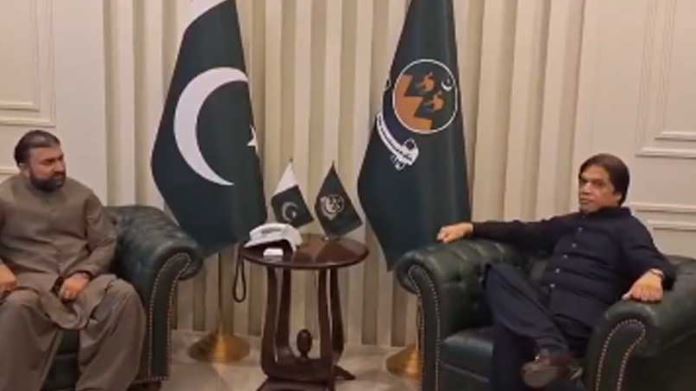
A high-level meeting was held to finalize the plan. It was chaired by Railways Minister Hanif Abbasi and CM Sarfraz Bugti.

Minister Abbasi called it a historic decision for Pakistan Railways. It marks the first provincial-level devolution in the organization’s 78-year history.

He praised Balochistan for taking the lead in this practical implementation. The train service is a strong example of federal-provincial cooperation.

CM Bugti stressed the need for swift progress on the project. The provincial government will fund new stations and upgrade existing infrastructure.

He announced the immediate release of Rs1.4 billion for the service. After success on the Sariab-Kuchlak route, it will expand to Mastung and Pishin.

Both leaders also agreed to promote sports. They will launch joint projects on Pakistan Railways land.

The Balochistan government’s top priority is restoring the railway system. It aims to provide affordable and safe travel to the public.

Study Warns: Hot food in plastic releases high levels of microplastics

Study Warns: Hot food in plastic releases high levels of microplastics

A recent analysis of past studies has revealed a significant health concern. It shows hot food stored in plastic releases far more microplastics.

For example, hot coffee in a plastic cup releases thousands more particles than cold coffee. Heat dramatically increases the leaching of these tiny plastics.

Daily ingestion of microplastics is linked to serious health risks. These include hormonal issues, diabetes, and reproductive problems.

The research also points to an increased risk of several cancers. Scientists say this unintentional consumption is a growing problem.

The primary source is single-use plastic cups and food containers. People regularly consume these particles from everyday packaging.

Globally, an estimated 500 billion disposable plastic cups are used yearly. This widespread use highlights the scale of potential exposure.

Green architecture is becoming an increasingly important part of urban development discussions in Azerbaijan – UN-Habitat expert

BAKU, JAN 20 /DNA/: Modern cities are increasingly no longer just collections of buildings and streets. They are transforming into complex ecosystems where technology, climate resilience, social justice, and quality of life intersect. In the face of global climate change and accelerated urbanization, the challenge of making cities more adaptive and sustainable is becoming crucial not only for individual countries but for the entire world.

In this context, Baku is emerging as an international platform for exchanging experiences and showcasing innovative solutions. In 2026, the capital of Azerbaijan will host the 13th session of the World Urban Forum (WUF13) – the largest global platform on sustainable urbanization, bringing together mayors, experts, architects, and civil society representatives to discuss the future of cities. The forum will be a unique opportunity to demonstrate how modern approaches to planning and construction can combine technological innovation, environmental solutions, and quality of life.

AZERTAC presents an interview with Alexander Jachnow, PhD, international expert on sustainable urbanization and urban strategies, former head of urban strategies and planning at the Institute for Housing and Urban Development Studies (IHS) at Erasmus University Rotterdam, adjunct professor at the Namibia University of Science and Technology, with over 25 years of experience in international urban development projects for the German Society for International Cooperation (GIZ) and the UN urban development program (UN-Habitat).

– How have approaches to urban development in Baku and other major cities changed in recent years?

– What we’re seeing very clearly is a shift towards more integrated urban development. Cities like Baku are no longer focusing only on iconic buildings or stand-alone projects, but increasingly on how entire districts function — in terms of mobility, public space, energy use, and overall quality of life. This is a very positive development. At the same time, it creates an opportunity to go one step further, by embedding Nature-based Solutions more deeply into construction itself, which allow cities to grow in a way that is both modern and ecologically intelligent.

– What role do “green architecture” and sustainable urban development play in Azerbaijan?

– Green architecture is becoming an increasingly important part of the urban development conversation in Azerbaijan. Energy efficiency, climate-responsive design, and higher environmental standards are now clearly on the agenda, and that’s a strong starting point. The next step, in my view, is to move from simply reducing environmental impact to actively regenerating urban ecosystems. This is where bio-based materials such as mycelium become especially relevant. They allow architecture to work with nature, rather than against it.

– Which international green construction practices can be adapted to the climate and conditions of Azerbaijan?

– Many international green construction practices translate very well to the Azerbaijani context. Passive cooling, effective shading systems, green roofs, and water-sensitive urban design are all highly applicable. What’s particularly exciting right now is the global shift towards circular and bio-based construction. Mycelium-based materials, for example, are being tested worldwide for insulation, panels, and even structural elements. These solutions are low-carbon, lightweight, and well suited to hot climates when properly adapted — and they offer Azerbaijan a real opportunity to position itself at the forefront of sustainable construction in the region.

KSrelief signs agreement for water supply and sanitation project in Yemen’s Hajjah

KSrelief signs agreement for water supply and sanitation project in Yemen's Hajjah

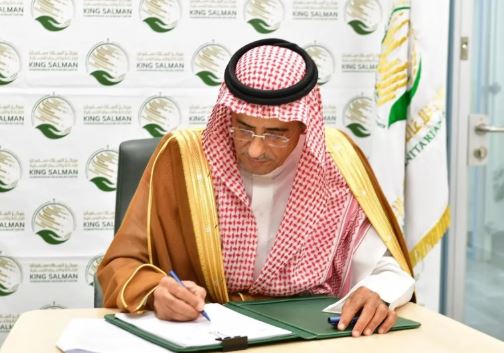
RIYADH, JAN 20: The King Salman Humanitarian Aid and Relief Centre (KSrelief) signed a cooperation agreement via video conference with a civil society organization to implement the eighth phase of the water supply and environmental sanitation project in Hajjah and Saada Governorates, Yemen.

This initiative will benefit 30,422 individuals. KSrelief’s Assistant Supervisor General of Operations and Programs Eng. Ahmed Al-Baiz signed the agreement.

The project includes drilling and rehabilitating solar-powered wells, installing pumping networks, and constructing collection and distribution tanks. It also involves providing desalination plants, transporting water by trucks, and distributing water storage containers, personal hygiene kits, and latrine kits.

Additionally, the project covers the installation of mobile latrines, solid waste management, and cleaning campaigns. Awareness initiatives will target displaced persons and host communities on hygiene practices and include fogging and larval spraying to combat disease vectors. These efforts aim to reduce waterborne and sanitation-related diseases in the districts of Hajjah and the Azhoor camp in Saada.

This initiative extends KSrelief’s efforts to strengthen Yemen’s water and sanitation sector and promote a healthier environment.

Drawing Strength from History for the Future —75 Years of Enduring China-Pakistan Friendship

Drawing Strength from History for the Future —75 Years of Enduring China-Pakistan Friendship

BEIJING, JAN 20 /DNA/ – Drawing Strength from History for the Future —75 Years of Enduring China-Pakistan Friendship

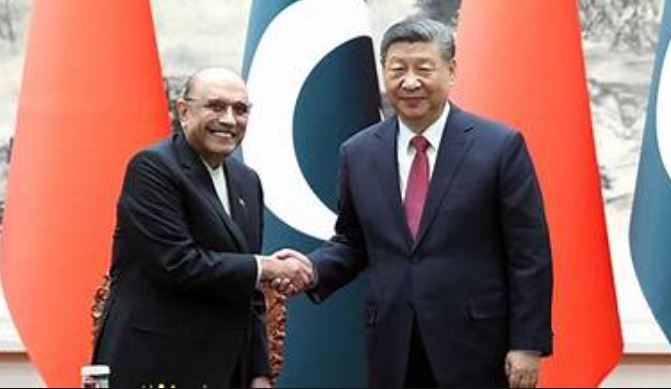
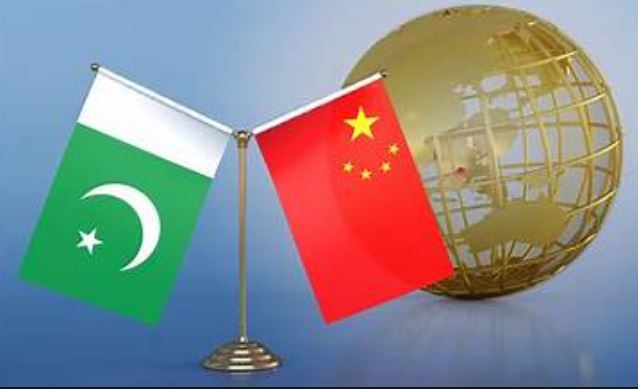
On January 4th, the Seventh Round of China-Pakistan Foreign Ministers’ Strategic Dialogue was successfully held in Beijing. At this important historical juncture of the 75th anniversary of the establishment of diplomatic relations between China and Pakistan, the important consensus reached and the blueprint for cooperation outlined in this dialogue not only vividly reflect the all-weather strategic cooperative partnership between the two countries but also provide significant impetus for promoting economic and social development and advancing South-South Cooperation in the new era.

The enduring strength of China-Pakistan relations is rooted in 75 years of shared trials and tribulations. Since the formal establishment of diplomatic ties in 1951, bilateral relations have steadily progressed along the right track, withstanding the test of changing international circumstances and forging a golden reputation for “ironclad friendship.” From the difficult years when the two countries support and safeguard each other’s sovereignty and independence, to the development period when the two countries jointly promote economic construction and improve people’s well-being, and now to the new era when the two countries jointly build the Belt and Road Initiative and construct a China-Pakistan community with a shared future, China-Pakistan relations have long transcended the bilateral scope, becoming a model of friendly coexistence between countries with different social systems and at different stages of development. During this dialogue, both sides officially launched activities to commemorate the 75th anniversary of the establishment of diplomatic relations, drawing strength from history to move forward and ensuring that the seeds of China-Pakistan friendship are passed down from generation to generation in the hearts of the two peoples, injecting lasting momentum into the development of bilateral relations.

Mutual firm support on issues involving each other’s core interests is the ballast and guiding star of China-Pakistan relations. China and Pakistan issued a joint press communiqué, reiterating Pakistan’s firm adherence to The One-China Principle, its firm belief that Taiwan is an inseparable part of China’s territory, its support for all efforts made by China to achieve national reunification, and its opposition to any form of “Taiwan independence” separatist activities and attempts to create “two China” or “one China, one Taiwan.” Pakistan will always stand with China on issues related to Xinjiang, Xizang, Hong Kong, and the South China Sea. China, in turn, firmly supports Pakistan in safeguarding its national sovereignty, independence, and territorial integrity, supports Pakistan in pursuing a development path suited to its national conditions, and supports Pakistan in its firm fight against terrorism and playing a greater role in international and regional affairs. This support is not an empty slogan, but concrete action; not a stopgap measure, but a strategic choice. At a time when some countries readily draw ideological lines and grossly interfere in the internal affairs of other countries, the mutual support between China and Pakistan sets a benchmark for upholding the principles of national sovereignty, equality, and non-interference in internal affairs, injecting positive energy into the international community in upholding fairness and justice.

The transformation and upgrading of pragmatic cooperation is the most significant achievement of this dialogue. The communiqué explicitly proposes building a “2.0 upgraded version” of the China-Pakistan Economic Corridor (CPEC), listing industry, agriculture, and mining as the three core areas of cooperation. It also emphasizes the successful construction and operation of Gwadar Port, ensuring the smooth flow of the Karakoram Highway, and fully utilizing the year-round openness of the Khunjerab-Sost Port to deepen economic, trade, and cultural exchanges. This marks a shift in the CPEC construction from the “1.0 version”, primarily focused on infrastructure connectivity, to a “2.0 version” of high-quality development centered on industrial empowerment, improvement of people’s livelihoods, and capacity building. China has consistently adhered to the principles of consultation, joint construction, and shared benefits in advancing the corridor’s construction, welcoming third-party participation in cooperation according to the agreed-upon model between China and Pakistan. This highlights the public good nature of the CPEC and provides valuable, replicable, and scalable experience for the high-quality development of the Belt and Road Initiative.

Collaboration in the security field is a strong guarantee for China and Pakistan to jointly address risks and challenges. Terrorism is a common threat to regional peace and stability, and both China and Pakistan deeply understand the importance of cooperation in counter-terrorism. The communiqué reaffirms a “zero-tolerance” attitude towards all forms of terrorism and agrees to further deepen comprehensive counter-terrorism and security cooperation to jointly ensure the safe and smooth progress of the Belt and Road Initiative. China fully affirms Pakistan’s important contributions and enormous sacrifices made in combating terrorism over the years; this mutual understanding and support forms a solid foundation for bilateral counter-terrorism cooperation. Both sides firmly oppose double standards on counter-terrorism issues. This clear stance addresses the current pain points in international counter-terrorism cooperation and plays an important guiding role in building international counter-terrorism efforts and maintaining regional security and stability.

At the regional and global governance level, the coordination and cooperation between China and Pakistan injects stability into a turbulent world. Both sides firmly uphold the achievements of the victory in World War II and the purposes and principles of the UN Charter, resist attempts to distort historical facts, and oppose the resurgence of fascism and militarism. This is a commitment to historical justice and a cherishing of human peace. On South Asian issues, both sides reaffirmed the necessity of resolving all outstanding disputes through dialogue and consultation, and opposed any unilateral actions. On the Afghan issue, they called on the Afghan government to establish an inclusive government, govern moderately, and focus on development. On the Gaza issue, they jointly called for an unconditional, comprehensive, and permanent ceasefire, and supported the Palestinian people’s right to self-determination and the “Two-state solution”. These positions fully demonstrate the sense of mission and responsibility of China and Pakistan as responsible countries. Furthermore, in-depth cooperation within the frameworks of Global Development Initiatives, Global Security Initiatives, Global Civilization Initiatives and Global Governance Initiatives, as well as close coordination within multilateral mechanisms such as the United Nations and the Shanghai Cooperation Organisation, highlights the shared pursuit of promoting a more just and equitable global governance system.

75 years of weathering storms together, the two countries walked hand in hand. The development of China-Pakistan relations proves that as long as we consistently adhere to mutual respect, equality, mutual benefit, mutual trust, and mutual assistance, different countries can overcome differences and achieve win-win development. Looking ahead, with the in-depth implementation of the Action Plan to Foster an Even Closer China-Pakistan Community with a Shared Future in the New Era(2025-2029) and the accelerated advancement of the CPEC 2.0, the two countries will write a new chapter in their ironclad friendship and make new and greater contributions to regional peace and stability and global development and prosperity.

Trump accuses UK of ‘great stupidity’ for Chagos Islands deal

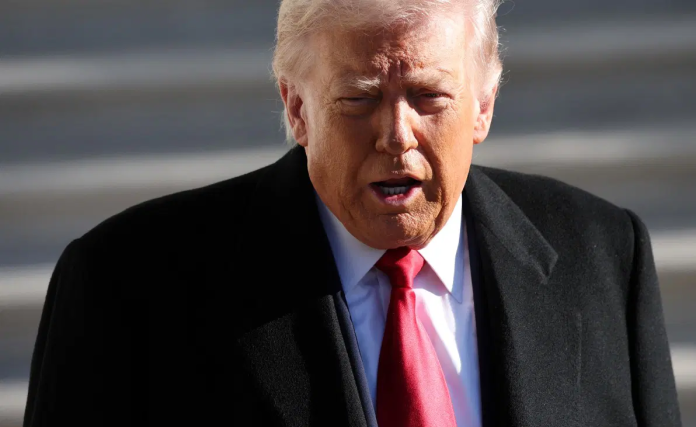
Washington, JAN 20 /DNA/: US President Donald Trump accused the United Kingdom on Tuesday of “great stupidity” for a deal to hand the Chagos Islands in the Indian Ocean to Mauritius.

“The UK giving away extremely important land is an act of GREAT STUPIDITY, and is another in a very long line of National Security reasons why Greenland has to be acquired,” Trump posted on his Truth Social platform.

The comments mark a major change of position for Trump, who previously endorsed the deal.

The agreement will see Britain hand back the archipelago to its former colony and pay to lease a key US-UK military base on Diego Garcia, the largest island.

Britain kept control of the Chagos Islands after Mauritius gained independence in the 1960s.

But it evicted thousands of Chagos islanders who have since mounted a series of legal claims for compensation in British courts.

In 2019, the International Court of Justice recommended that Britain hand the archipelago to Mauritius after decades of legal battles.

China-Pakistan All-Weather Strategic Cooperation Injects Stability into a Turbulent World

China-Pakistan All-Weather Strategic Cooperation Injects Stability into a Turbulent World

BEIJING, JAN 20 /DNA/ – At the beginning of 2026, the Seventh Round of China-Pakistan Foreign Ministers’ Strategic Dialogue was held in Beijing. Wang Yi, member of the Political Bureau of the CPC Central Committee and Foreign Minister, and Pakistani Deputy Prime Minister and Foreign Minister Ishaq Dar co-chaired the dialogue, marked the beginning of the 75th anniversary celebrations of the establishment of diplomatic relations between the two countries.

For 75 years, China and Pakistan have stood together through thick and thin, their friendship has become a vivid example of friendly coexistence and win-win cooperation between nations. In the current complex international situation, unilateralism and bullying are rampant, and the global governance system is facing severe challenges. Against this backdrop, China and Pakistan, relying on their all-weather strategic cooperative partnership, are deepening coordination and close cooperation at the bilateral, regional, and global levels, providing solid support for the economic and social development of both countries and injecting valuable stability into regional stability and world peace.

Deepening Bilateral Cooperation and Accelerating the Building of a Closer China-Pakistan Community of Shared Future

The distinctive feature of China-Pakistan relations is the all-weather, all-round, and all-domain strategic mutual trust, which stems from both sides’ profound understanding and firm commitment to each other’s core interests. During this strategic dialogue between the foreign ministers, Pakistan reiterated its firm adherence to the One-China Principle, recognizing Taiwan as an inseparable part of China’s territory. Pakistan firmly supports all efforts made by China to achieve national reunification and opposes any form of “Taiwan independence” or any attempt to create “two China” or “one China, one Taiwan.” Pakistan firmly supports China on issues related to Xinjiang, Xizang, Hong Kong, and the South China Sea. China also reiterated its support for Pakistan in safeguarding its sovereignty, security, and national dignity, its support for Pakistan’s resolute fight against terrorism, and its commitment to playing a greater role in international and regional affairs. China and Pakistan have consistently supported each other and shared a sincere bond on major issues, forming a solid foundation for the steady and long-term development of bilateral relations.

Guided by solid strategic mutual trust, pragmatic cooperation between China and Pakistan in various fields continues to deepen. During this dialogue, both sides agreed to implement the action plan for building a China-Pakistan community with a shared future, strive to achieve a number of early results, and promote the construction of the China-Pakistan community with a shared future to be at the forefront of the construction of communities with a shared future in the surrounding region. The two countries are deepening the alignment of their development plans and priority areas, jointly building an “upgraded version 2.0” of the China-Pakistan Economic Corridor (CPEC). Focusing on industry, agriculture, and mining, they are committed to the construction and operation of Gwadar Port, a vital regional gateway, ensuring the smooth flow of the Karakoram Highway, and comprehensively enhancing Pakistan’s sustainable development capabilities. Gwadar Port is currently in a phase of simultaneous operation and development, and its potential as a regional logistics hub and industrial base is increasingly evident. In industrial cooperation, China supports Pakistan in building a complete industrial chain system, expanding cooperation from traditional energy and infrastructure sectors to emerging fields such as manufacturing, information technology, and artificial intelligence, helping Pakistan optimize its industrial structure and enhance economic resilience. In agriculture, China actively shares advanced technologies such as hybrid rice and hybrid rapeseed with Pakistan through technology transfer, cooperative research, and capacity building, helping Pakistan increase grain production and the added value of agricultural products, thus strengthening the foundation of food security. Mining cooperation focuses on jointly developing Pakistan’s advantageous mineral resources, accelerating the transformation of resource endowments into real productivity, and promoting the diversified development of Pakistan’s economy.

The foundation of China-Pakistan friendship lies in its people, and its future lies in its youth. Both governments attach great importance to building a strong public opinion foundation and continue to regard youth exchanges, educational cooperation, and scientific and technological collaboration as important growth points for China-Pakistan relations. In recent years, the scale of student exchanges between the two countries has steadily expanded, and the professionals in engineering, information technology, management, and other fields trained by Chinese universities for Pakistan have played a positive role in Pakistan’s national development. Taking the 75th anniversary of the establishment of diplomatic relations between China and Pakistan in 2026 as an opportunity, both sides will carry out a series of cultural and people-to-people exchange activities to further strengthen the emotional ties between the two peoples and promote the enduring friendship between China and Pakistan.

Expanding Regional Cooperation to Play a Constructive Role in South Asia’s Stability and Development

South Asia is currently at a critical stage of political and economic transformation, with all countries facing multiple challenges in development and governance. Traditional and non-traditional security risks are intertwined, and the complexity and spillover effects of regional conflicts are becoming increasingly prominent. China and Pakistan deeply recognize that regional peace, stability, and prosperity are in the common interest of all countries and are the universal expectation of their peoples. In this strategic dialogue, both sides unanimously emphasized that the South Asian regional order should be built based on the purposes and principles of the UN Charter and the basic norms of international relations, advocating for the resolution of disputes through dialogue and consultation, and opposing any unilateral actions that escalate tensions. A solid and robust China-Pakistan relationship has always been an important constructive force in maintaining peace and stability in South Asia and promoting regional development cooperation.

South Asia is an important component of China’s neighborhood diplomacy and a key direction for China’s efforts to build a community of shared future in its surrounding region. China has always adhered to the principle of good-neighborliness and partnership, placing its neighborhood at the forefront of its overall diplomacy and regarding the promotion of peace, stability, and development in the region as its own responsibility. Guided by this policy, China has actively promoted the establishment of the China-Afghanistan-Pakistan trilateral foreign ministers’ dialogue mechanism, which has become an effective multilateral platform for coordinating regional affairs and enhancing mutual trust among the three parties. The mechanism has successfully held six meetings, achieving practical results in supporting Afghanistan’s peace and reconstruction, improving Afghan-Pakistani relations, strengthening counter-terrorism and security cooperation, and promoting Afghanistan’s integration into regional economic connectivity. During this dialogue, both China and Pakistan expressed their willingness to further deepen this mechanism and promote its continued progress.

Meanwhile, China-Bangladesh-Pakistan trilateral cooperation is also steadily advancing. In June 2025, a trilateral vice-ministerial/foreign secretary meeting was held in Kunming, Yunnan Province, marking the official launch of institutionalized cooperation among the three countries. As important members of the Global South and key countries in the region, China, Bangladesh, and Pakistan uphold the principles of good-neighborliness, equality and mutual trust, openness and inclusiveness, common development, and win-win cooperation, focusing on economic development and improving people’s livelihoods, and are committed to promoting unimpeded trade, supply chain connectivity, and industrial synergy in the South Asian sub-region, injecting new impetus into regional integration.

China and Pakistan have joined hands to advance regional multilateral cooperation, deepening bilateral strategic coordination, expanding space for common development, and exploring practical paths to promote regional stability and prosperity, demonstrating the responsibility and constructive role of responsible regional countries.

Strengthening international cooperation and promoting a more just and equitable global governance system.

Faced with the rise of unilateralism and protectionism and the resurgence of Cold War mentality, the coordination and cooperation between China and Pakistan, as important emerging market countries and major developing countries, on the international multilateral stage has strategic significance that transcends bilateral relations. President Xi Jinping pointed out that China-Pakistan relations extend far beyond the bilateral scope. Faced with a highly uncertain world, both sides must stand on the right side of history, uphold genuine multilateralism, safeguard international fairness and justice, and protect the common interests of developing countries. This was fully reflected in this strategic dialogue. China and Pakistan agreed to firmly uphold the achievements of the victory in World War II, adhere to the purposes and principles of the UN Charter, resist attempts to distort historical facts, oppose the resurgence of fascism and militarism, and support the post-war international order established by relevant international legal documents and principles such as the Cairo Declaration and the Potsdam Proclamation, as well as the maintenance of world peace and security, historical truth, and international justice. For a long time, China and Pakistan have maintained close cooperation within multilateral mechanisms such as the United Nations and the Shanghai Cooperation Organization, jointly safeguarding the legitimate rights and interests of developing countries and becoming a mainstay force in the international community for upholding fairness and justice and promoting development and prosperity.

On international hotspots and global issues, China and Pakistan share highly compatible positions and coordinate their actions closely. Both sides consistently adhere to resolving disputes peacefully through dialogue and consultation, opposing the abuse of unilateral sanctions and “long-arm jurisdiction”; jointly advocating and practicing genuine multilateralism, committed to enhancing the representation and voice of developing countries in global governance; working together to safeguard an open and inclusive world economic system, supporting multilateralism and free trade, opposing “small circles” and bloc confrontation, and opposing “decoupling” and technological blockades. The current sudden change in the situation in Venezuela has drawn significant international attention. Wang Yi emphasized that we have never believed that any country can act as the international police, nor do we agree that any country can claim to be an international judge. The sovereignty and security of all countries should be fully protected by international law.” On the Middle East issue, both sides called for an unconditional and comprehensive permanent ceasefire in Gaza, reiterated their support for the Palestinian people’s right to self-determination, and supported the implementation of the “Two-state solution” and the establishment of an independent Palestinian state. China and Pakistan expressed their willingness to work with the international community to make unremitting efforts to promote peace and stability in the Middle East.

Pakistan highly recognizes and actively participates in the Global Development Initiative, Global Security Initiative, Global Civilization Initiative, and Global Governance Initiatives, believing that these initiatives profoundly address the challenges of our time and provide important international public goods for improving the global governance system and promoting common development. As a founding member of the “Group of Friends of the Global Development Initiative” and a priority partner of the initiative, Pakistan has deepened project alignment with China in key areas such as sustainable development, capacity building, and improving people’s livelihoods, promoting the solid implementation of the initiatives and continuously revitalizing China-Pakistan cooperation.

The outcomes of the Seventh Round of China-Pakistan Foreign Ministers’ Strategic Dialogue once again demonstrate the contemporary value of the all-weather strategic cooperative partnership between the two countries. Faced with the complex situation of intertwined deficits in world peace, development, security, and governance, China and Pakistan will continue to focus on common development under the guidance of high-level strategic cooperation, properly address various risks and challenges, and promote the continuous deepening and steady development of bilateral relations, injecting more stability and positive energy into a turbulent and changing world, and making new and greater contributions to building a community with a shared future for mankind.

Stay Connected

64FansLike
60FollowersFollow

Latest Reviews

Exchange Rates

USD - United States Dollar
EUR
1.14
GBP
1.34
AUD
0.70
CAD
0.71