Home Blog Page 287

Pakistan to join US-led board of peace for Gaza reconstruction

Pakistan to join US-led board of peace for Gaza reconstruction

ISLAMABAD, JAN 21 /DNA/ – In response to the invitation extended to Prime Minister Muhammad Shehbaz Sharif by the President of the United States, H.E. Donald J. Trump, Pakistan would like to announce its decision to join the Board of Peace (BoP) as part of its ongoing efforts to support the implementation of the Gaza Peace Plan under the framework of the United Nations Security Council Resolution 2803.

Pakistan expresses the hope that with the creation of this framework, concrete steps will be taken towards the implementation of a permanent ceasefire, further scaling up of humanitarian aid for the Palestinians, as well as reconstruction of Gaza.

Pakistan also hopes that these efforts will lead to the realization of the right to self-determination of the people of Palestine, through a credible, time-bound political process, consistent with international legitimacy and relevant UN resolutions, resulting in the establishment of an independent, sovereign, and contiguous State of Palestine, based on the pre-1967 borders with Al-Quds Al-Sharif as its capital.

Pakistan looks forward to continue playing a constructive role as part of the Board of Peace for the achievement of these goals as well as to end the suffering of our Palestinian brothers and sisters.

The “ironclad friendship” between the two countries has continued to deepen

The “ironclad friendship” between the two countries has continued to deepen

——Interview with the Pakistani Deputy Prime Minister and Foreign Minister Dar

“Over the past 75 years,Pakistan and China have upheld a tradition of mutual respect, trust, and cooperation, and that despite changing global circumstances, the “ironclad friendship” between the two countries has continued to deepen.” n a recent interview with People’s Daily Online, Pakistani Deputy Prime Minister and Foreign Minister Mohammad Ishaq Dar noted that 2026 will mark the 75th anniversary of the establishment of diplomatic relations between Pakistan and China, the two countries have always supported each other on core interests and major issues, while steadily implementing the important consensus reached by their leadership through close cooperation in sectors including the economy and industrial development. In the new era, efforts are being accelerated to build a China-Pakistan community with a shared future.

“With the China-Pakistan Economic Corridor entering a new phase of high-quality development, the both sides are placing special emphasis on building a “corridor of people’s well-being, especially in agriculture and other fields related to people’s livelihood.” said Dar. Agriculture is one of the cornerstone industries of Pakistan’s economy. In recent years companies from both countries have achieved positive results through cooperation in crops such as chili peppers, rapeseed and sesame. Meanwhile, many Pakistani agricultural products have gained access to the Chinese market.

    In 2025, Pakistan launched a training programme for 1,000 agricultural experts in China, under which two batches were sent to China to understand its experience in agricultural innovation and systematically learn modern agricultural skills. Dar said that in the next phase, both countries hope to further deepen cooperation across the entire agricultural value chain under the CPEC framework, which will help transform and upgrade Pakistan’s agriculture sector.

Ishaq Dar said that close cooperation between Pakistan and China in industry and technology is delivering direct benefits to the Pakistani people. He noted that Chinese solar photovoltaic equipment, electric vehicles, and electric motorcycles have entered the Pakistani market, making daily life and work more convenient for the public. He added that Chinese companies have also established manufacturing units in Pakistan, creating opportunities for industrial upgrading. According to him, in areas where infrastructure is weak and energy costs are high, China’s new energy technologies are generating new hope for public welfare.

Speaking about cooperation in the space sector, Dar said that Pakistan and China have jointly launched nine satellites to date, covering areas such as communications, earth observation, remote sensing, and lunar missions. He added that it is expected that a Pakistani astronaut will visit the Chinese space station this year. One success after another in China-Pakistan space cooperation reflects a “trustworthy, reliable, and enduring partnership” between the two countries in the space domain.

Ishaq Dar said that China’s prospects for economic development are vast. In 2026, China will begin its 15th Five-Year Plan, and its high-quality development and high-level opening-up are attracting global attention. He said Pakistan is eager to further strengthen cooperation with China and learn from China’s experience in modernization.

Commenting on the global situation, the Deputy Prime Minister said that amid a complex and rapidly changing international environment, the four initiatives proposed by President Xi Jinping have received broad recognition from the international community. He said these initiatives offer far-sighted solutions to the major challenges facing the world today and are important for regional and global stability, long-term development, and building a community with a shared future for mankind. He pointed out that in September 2025, the two countries issued the Action Plan to Foster an Even Closer China-Pakistan Community with a Shared Future in the New Era (2025-2029), and that both sides will further strengthen practical cooperation under this framework and jointly implement this action plan.

In the interview, Dar emphasized that Pakistan and China are All-weather Strategic Cooperative Partners, and that Pakistan has always provided unwavering support to China on issues related to its core interests. Pakistan has always maintained that Taiwan is an inalienable part of China and will continue to firmly adhere to the One-China policy. He added that countries in the region should oppose all forms of interference in each other’s internal affairs and refrain from actions that escalate tensions or undermine mutual trust. According to him, promoting dialogue and cooperation, prioritizing development, fostering a stable and predictable environment are essential for regional peace and stability, and will provide a solid foundation for lasting peace, shared development, and common prosperity in Asia and the world.

China, Pakistan to upgrade CPEC, mark 75th Year

China, Pakistan to upgrade CPEC, mark 75th Year

ISLAMABAD, JAN 21 /DNA/ – From January 3 to 5, Pakistani Deputy Prime Minister and Foreign Minister Ishaq Dar visited China at the invitation of the Chinese government. Ding Xuexiang, member of the Standing Committee of the Political Bureau of the CPC Central Committee and Vice Premier of the State Council, met with Dar, and Wang Yi, member of the Political Bureau of the CPC Central Committee and Foreign Minister, held talks with him and co-chaired the Seventh Round of China-Pakistan Foreign Ministers’ Strategic Dialogue. 

Ishaq Dar is the first high-ranking foreign official  received by China in 2026, which not only highlights the “ironclad friendship” between China and Pakistan, but also marks the beginning of the commemoration activities of the 75th anniversary of the establishment of diplomatic relations between the two countries.

Enhance political mutual trust and work together to safeguard common interests

During the strategic dialogue, both sides clearly stated that they will take the important consensus reached by the leaders of the two countries as the fundamental guideline, fully implement the “Action Plan to Foster an Even Closer China-Pakistan Community with a Shared Future in the New Era (2025-2029)”, and promote the construction of the China-Pakistan community with a shared future to be at the forefront of the construction of a community with a shared future in the surrounding region.

Both sides highly affirmed each other’s development achievements and agreed that the next round of foreign ministers’ strategic dialogue would be held in Islamabad, demonstrating the continuity of communication and the stability of the strategy.

On major issues involving sovereignty, security, and development interests, both sides firmly support each other. Pakistan emphasized its adherence to the One-China Principle and its firm support for China’s position on issues concerning Taiwan, Xinjiang, Xizang, Hong Kong, and the South China Sea. China reiterated its firm support for Pakistan in safeguarding its national sovereignty, independence, and territorial integrity, its support for Pakistan’s development path chosen according to its national conditions, and its opposition to any external interference.

It is this high degree of political mutual trust that enables China and Pakistan to always join hands in safeguarding their common interests and promoting international and regional peace, development and prosperity in a complex international environment.

Deepen economic cooperation and promote common development and prosperity.

During the dialogue, China and Pakistan agreed to further deepen the alignment of development plans and priority areas.

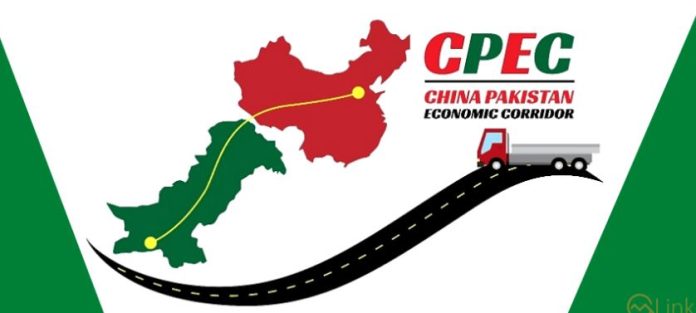
China and Pakistan have made it clear that they will create an “upgraded version 2.0” of the China-Pakistan Economic Corridor, focusing on three core areas: industry, agriculture, and mining, and strive to achieve early results as soon as possible.

As a landmark project of the Belt and Road Initiative, the China-Pakistan Economic Corridor has achieved fruitful results since its launch. This upgrade is mainly to adapt to the new development needs of the two countries, so as to better promote industrial complementarity and stimulate economic vitality.

Both sides agreed to continuously optimize the operation of Gwadar Port, ensure the smooth flow of the Karakoram Highway, and welcome third parties to participate in the corridor cooperation in accordance with the model agreed upon by China and Pakistan, so as to further expand the corridor’s radiating effect.

Both sides also expressed their willingness to make full use of the year-round opening of the Khunjerab Pass to deepen China-Pakistan economic and trade exchanges and cultural exchanges.

Deepen counterterrorism cooperation and build stronger security safeguards.

Both China and Pakistan reaffirmed their “zero tolerance” attitude towards combating terrorism in all its forms and agreed to further deepen counter-terrorism and security cooperation in a comprehensive manner.

Currently, the counter-terrorism situation in Pakistan remains severe, and the safety of Chinese projects and personnel in Pakistan faces potential threats. China has expressed its appreciation for Pakistan’s comprehensive measures to combat terrorism and ensure the safety of Chinese personnel, projects, and institutions in Pakistan.

The two countries’ firm stance and in-depth cooperation on counter-terrorism and security issues will effectively guarantee the safe and smooth progress of China-Pakistan cooperation in jointly building the Belt and Road Initiative.

Strengthen people-to-people exchanges to solidify the foundation for mutual understanding.

The long-term development of relations between the two countries cannot be separated from the solid support of the people’s hearts and minds. Both sides announced the official launch of the commemorative activities for the 75th anniversary of the establishment of diplomatic relations between China and Pakistan in 2026, and will take this opportunity to consolidate the friendship between China and Pakistan, so that the friendship between China and Pakistan can be carried forward and passed down from generation to generation.

From historical mutual support to contemporary mutual assistance, the friendship between China and Pakistan is deeply rooted in the emotional resonance between the two peoples.

Before the talks, Wang Yi and Dar jointly unveiled the emblem commemorating the 75th anniversary of the establishment of diplomatic relations between China and Pakistan, and visited a photo exhibition together, reviewing the history of friendship between the two countries.

At the grassroots level, nearly a hundred events, including political party forums, youth dialogues, cultural exchange months, and friendly sports matches, will be launched to further solidify the foundation of public opinion through diversified exchanges.

Strengthen international cooperation and jointly shape a multilateral cooperation framework.

In the current context of a turbulent international situation and escalating unilateral bullying, China and Pakistan have made it clear that they will strengthen cooperation in international affairs, adhere to the purposes and principles of the UN Charter, support multilateralism and free trade, oppose hegemonism, oppose bullying acts that infringe upon the sovereignty of other countries, and oppose the formation of “small circles” and camp confrontation.

During the dialogue, Wang Yi also specifically addressed the Venezuelan issue, stating emphatically, “We have never believed that any country can act as the international police, nor do we agree that any country can claim to be an international judge.”

Pakistan highly appreciates China’s commitment to multilateralism and supports the four global initiatives proposed by China.

When discussing regional hotspots such as Afghanistan and the situation in Gaza, both sides stated that they would uphold an objective and impartial stance and called for the peaceful resolution of disputes.

Overall, the five consensuses reached in this China-Pakistan strategic dialogue are both grounded in the present and forward-looking, outlining a clear blueprint for the development of China-Pakistan relations in the new stage.

The ironclad friendship between China and Pakistan is as solid as a rock, and their strategic mutual trust is unbreakable. This is not only a precious asset for the people of both countries, but also a bright spot in a turbulent world.

Bill passed to keep lawmakers assets ‘confidential’

Bill passed to keep lawmakers assets 'confidential'

Elections Amendment Bill now requires approval from Senate and assent from president before it can become law

Saifullah Ansar

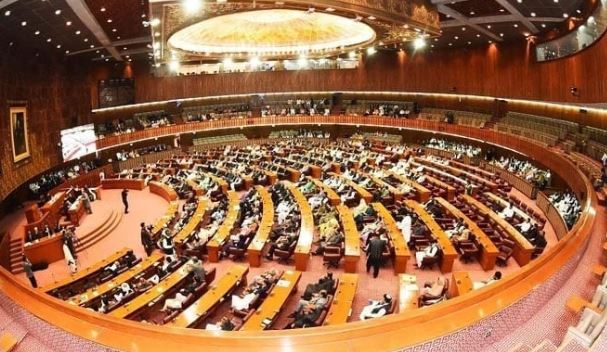
ISLAMABAD: The National Assembly (NA) on Wednesday passed the Elections Amendment Bill, 2026, seeking to allow the withholding of public disclosure of lawmakers’ assets and liabilities if such disclosure is deemed to pose a serious threat to the life or safety of the member or their family.

Under the proposed amendment to Section 138 of the Elections Act, the bill seeks to insert a proviso stating: “Provided that the speaker of the concerned assembly or, as the case may be, the chairman of the senate my, on an application made by a member and for reasons to be recorded in writing, by a ruling delivered in the chamber, determine that the statement of assets and liabilities of that member shall not be published publicly by the commission if such publication would pose a serious threat to the life or safety of the members or, as the case may be, his family, for a period not exceeding one year at a time and subject to the condition that a complete and true statement of assets and liabilities shall be submitted confidentially to the election commission.”

The bill was moved by Pakistan Peoples Party (PPP) lawmaker Shazia Atta Marri in the lower house.

The bill now requires approval from the Senate and assent from the president before it can become law.Under the existing law, members of the National Assembly, Senate and provincial assemblies are required to submit a statement of their assets and liabilities — including those of their spouses and dependent children — to the Election Commission on or before December 31 each year. Section 138 of the Elections Act further mandates the ECP to publish these declarations in the official gazette.

The development comes a week after the Election Commission of Pakistan (ECP) suspended the membership of as many as 159 lawmakers belonging to different legislatures for failing to submit their financial statements.

According to the notification issued by the ECP, the membership of 32 MNAs, 50 Punjab Assembly members, 33 Sindh Assembly lawmakers, 28 KP Assembly members, seven Balochistan Assembly members and nine senators had been suspended.

The election watchdog also suspended the membership of nine Senators, including Federal Minister for Climate Change Dr Musadik Malik, PML-N’s Abid Sher Ali and Murad Saeed of Pakistan Tehreek-e-Insaf

The ECP also suspended the memberships of 50 members of the Punjab Assembly, including Rana Sikandar Hayat, Adnan Dogar, and Aamir Hayat Hiraj.

Similarly, 33 members of the Sindh Assembly were suspended, including Speaker Syed Awais Qadir Shah, former chief minister Syed Qaim Ali Shah, and provincial minister Saeed Ghani.

Moreover, the Election Commission suspended the memberships of 28 lawmakers from the Khyber Pakhtunkhwa Assembly and seven from the Balochistan Assembly.

Uzbekistan offers to sell 29 textile units to Pakistani investors

Uzbekistan offers to sell 29 textile units to Pakistani investors

ISLAMABAD, JAN 21 /DNA/ – Uzbekistan has expressed keen interest in selling its 29 textile units producing yarn and fabric to Pakistani entrepreneurs and has also proposed the establishment of a dedicated Uzbekistan–Pakistan Textile Industrial Zone in Uzbekistan, complemented by tax holidays to promote joint industrial growth and mutual prosperity of the business communities of both countries.

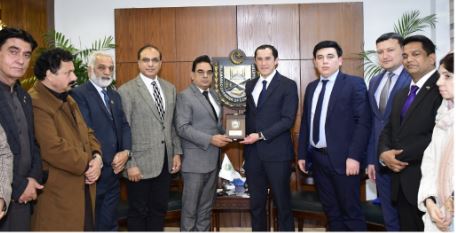
The landmark offer was made by Rukhullo Zikrillaev, Deputy Director, and Agency for Development of Light Industry of Uzbekistan, who was leading an Uzbek delegation during a significant meeting with the leadership of the Islamabad Chamber of Commerce and Industry (ICCI) at the Chamber House.

Rukhullo Zikrillaev said that Pakistani investors could acquire the textile units through easy year-by-year payments spread over five years, low-interest credit facilities, and cashback guarantees. He added that Uzbek textile entrepreneurs are also keen to invest in Pakistani companies by entering into joint venture production arrangements where the Uzbek side is ready to bring best quality Uzbek fabrics to Pakistan and jointly produce ready garments for big brands in Europe and USA that allows to achieve value addition and boost exports for mutual benefit. He also offered to establish cooperation with Pakistani Textile Sourcing companies by offering them up to 5% cash-back from their export amount from Uzbekistan.

Highlighting the competitive cost structure in Uzbekistan, he informed that electricity tariffs are as low as eight US cents per unit. He further stated that Uzbekistan enjoys GSP Plus status with Europe and FTA with CIA countries, making it an attractive destination for export-oriented investments.

In his welcome address, President ICCI Sardar Tahir Mehmood said that Pakistan and Uzbekistan are fully aware of their immense potential in trade, transportation, energy, tourism, regional connectivity, and several other sectors. He expressed optimism that the visit would inject fresh momentum into bilateral relations and help convert goodwill into tangible outcomes.

He said that ICCI is fully committed to enhancing overseas business linkages for the economic development of Pakistan and the benefit of the business community, and assured that the Chamber would actively disseminate this valuable information to relevant stakeholders as part of its institutional responsibility.

Senior Vice President ICCI Tahir Ayub said that Pakistan and Uzbekistan enjoy the most cordial relations and emphasized the need to explore new avenues of cooperation to benefit the business communities and peoples of both countries.

Advisor to ICCI President on Economy, Naeem Siddiqui termed the incentives offered by the Uzbek side as highly attractive and significant for Pakistani investors.

The meeting was also attended by Vice President Irfan Chaudhry, Executive Members Malik Mohsin Khalid, Raja Naveed Satti, Zulqurnain Abbasi, Rohail Anwar Butt, and other members of the business community.

Muhajid Ali Khan, Deputy Director. The Uzbekistan Trade Center and Ms. Nadia Aman Secretary General Uzbekistan and CIS Trade Center were also present in the meeting.

Norway will not participate in Trump’s ‘Board of Peace’: PM’s office

Norway will not participate in Trump's 'Board of Peace': PM's office

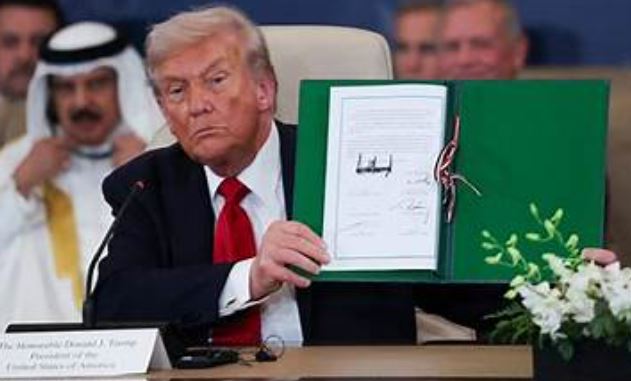
OSLO, JAN 21 (DNA): Norway’s government said Wednesday it would not join the “Board of Peace” initiated by US President Donald Trump, who has vented his frustration at the Nordic country after being snubbed for the Nobel Peace Prize.

“The American proposal raises a number of questions” requiring “further dialogue with the United States”, State Secretary Kristoffer Thoner said in a statement.

“Norway will therefore not join the proposed arrangements for the Board of Peace, and will therefore not attend a signing ceremony in Davos,” Thoner said. Norway would  continue its close cooperation with the United States, he added.

Trump’s Board of Peace was originally conceived to oversee the rebuilding of Gaza, but according to its charter the scope does not appear to limit its role to the Palestinian territory.

The US administration has asked countries to pay up to $1 billion for a permanent spot on the board, on which Trump will serve as chairman.

“For Norway, it is important how this proposal is linked to established structures as the UN, and to our international commitments,” Thoner added.

The government representative added that Norway shared Trump’s “goal of lasting peace in Ukraine, Gaza and in other situations”.

Trump has repeatedly said he believes he deserved the Nobel Peace Prize. Last year’s prize went to Venezuelan opposition leader Maria Corina Machado.

  In a message to Norway’s Prime Minister Jonas Gahr Store published Monday, Trump said having been denied the prize he no longer felt “an obligation to think purely of Peace”.

Store said in a statement: “I have clearly explained, including to President Trump, what is well known — the prize is awarded by an independent Nobel Committee.

Ethiopian envoy underscores deep commonalities between Ethiopia, Pak

Ethiopian envoy underscores deep commonalities between Ethiopia, Pak

Ethiopian Ambassador Dr. Oumer hosts prominent Pakistani media Editor Ansar Mahmood Bhatti to boost bilateral media ties

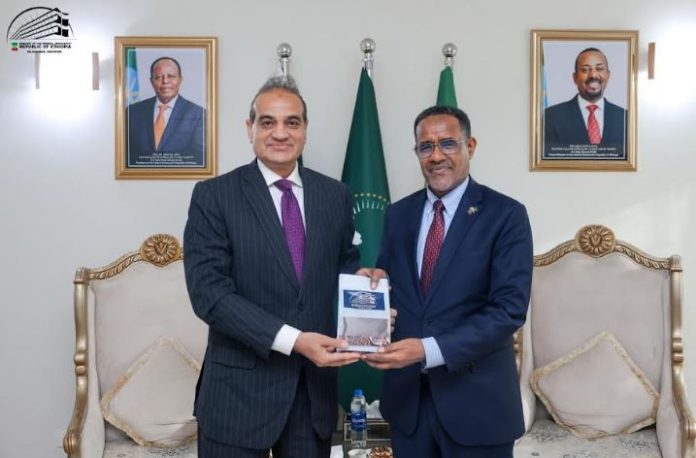
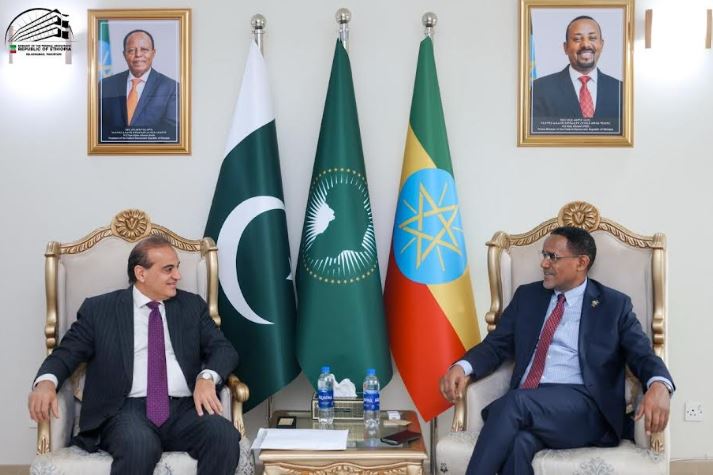
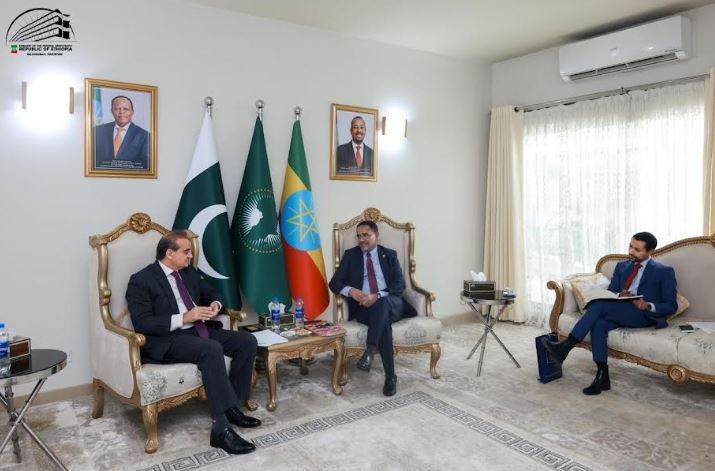
ISLAMABAD, JAN 21 /DNA/ – In a significant step toward strengthening people-to-people and media linkages between Ethiopia and Pakistan, His Excellency Dr. Oumer Hussein Oba, Ambassador of the Federal Democratic Republic of Ethiopia to Pakistan, hosted Mr. Ansar Mahmood Bhatti, Chief Editor of the Islamabad Post and Diplomatic News Agency (DNA), at the Ethiopian Embassy in Islamabad.

The meeting provided a platform for in-depth discussions on matters of mutual interest, with a strong emphasis on exploring potential areas of bilateral cooperation, particularly in the media sector.

 Both sides highlighted the growing opportunities to enhance collaboration that could bring the two nations closer through accurate and engaging storytelling. Ambassador Dr. Oumer Hussein Oba underscored the deep commonalities between Ethiopia and Pakistan in areas of culture, faith, and shared values. He pointed to the substantial untapped potential for expanded trade, investment, and people-to-people exchanges. Briefing Mr. Bhatti on Ethiopia’s evolving media landscape, the Ambassador stressed the critical role of strategic media partnerships.

He emphasized that collaborative efforts in journalism and content creation are essential for promoting Ethiopia’s rich tourism offerings, historical significance, and vibrant cultural heritage to Pakistani audiences.

Mr. Ansar Mahmood Bhatti, a veteran journalist with over 35 years of experience and the Chief Editor of Daily Islamabad Post, Centreline magazine, and DNA News Agency, welcomed the initiative.

He noted the rising interest among Pakistani digital influencers and content creators in visiting Ethiopia, describing the country as a historically significant and culturally dynamic hub in Africa.

Mr. Bhatti praised Ethiopia’s appeal as a destination rich in heritage sites, diverse landscapes, and warm hospitality. The Chief Editor assured the Ambassador of his full support in fostering media cooperation.

He committed to leveraging his platforms to promote positive narratives about Ethiopia-Pakistan relations, including coverage of tourism, cultural exchanges, and economic opportunities, thereby contributing to stronger diplomatic and economic ties. The discussions align with broader efforts to deepen bilateral relations since Dr. Oumer assumed his role in late 2025. Recent developments include increased engagement with Pakistani business chambers, think tanks, and diplomatic circles, as well as encouragement for Pakistani participation in upcoming forums like the Invest in Ethiopia 2026 Business Forum scheduled for March in Addis Ababa.

This courtesy meeting reflects the growing momentum in Ethiopia-Pakistan ties, which have been bolstered by direct flights via Ethiopian Airlines, a bilateral trade agreement, and active embassy outreach.

Media collaboration is seen as a vital bridge to enhance mutual understanding, counter stereotypes, and highlight shared interests in a rapidly changing global landscape. The interaction concluded on a positive and forward-looking note, with both sides expressing optimism about future joint initiatives in media and beyond.

Royals visit deadly train crash site as Spain mourns

Royals visit deadly train crash site as Spain mourns

ADAMUZ, JAN 21: Spain’s king and queen visited on Tuesday the site where two high-speed trains collided at the weekend, killing 42 people, as a second deadly rail accident overshadowed the start of national mourning.

The country’s deadliest rail accident in more than a decade took place late Sunday when a train operated by rail company Iryo, travelling from Malaga to Madrid, derailed near Adamuz in the southern Andalusia region.

It crossed onto the other track, where it crashed into an oncoming train heading to the southern city of Huelva, which also derailed.

The official death toll rose to 42 by late Tuesday after another body was found in the wreckage, the Andalusian regional government said.

                  More than 120 people were injured, with 37 still in hospital, including four children, it added.

                  Dressed in dark clothing, King Felipe VI and Queen Letizia shook hands with emergency services workers near the spot where the mangled wreckage of the two trains, which had been carrying more than 500 passengers, lay.

                  They then visited a hospital in the nearby city of Cordoba where some of the injured are being treated.

                  Speaking to reporters after leaving the hospital, Felipe said he wanted to “convey the affection of the entire country” to the victims.

                  Santiago Salvador, a Portuguese national who broke a leg in the accident, said he felt lucky to be alive.

                  “I was thrown through the carriage, it felt like being on a carousel,” Salvador, his face covered in cuts, told Portuguese state television RTP.

                  “It was a very tragic accident; it looked like hell. There were people who were very seriously injured.”

                  A fresh rail disaster struck Spain on Tuesday evening when a commuter train near Barcelona ploughed into the rubble of a collapsed wall, killing one person and seriously injuring four, emergency services in the northeastern Catalonia region said.

                  – Crack on tracks –

                  Sunday’s derailment was Spain’s deadliest rail accident since 2013, when 80 people died after a train veered off a curved section of track outside the northwestern city of Santiago de Compostela.

                  Flags flew at half-mast on public buildings, television anchors wore black, and cabinet ministers curtailed public appearances as Spain observed the first of three days of national mourning.

                  The government has vowed a full and transparent investigation into the cause of the accident.

                  Unlike the 2013 disaster, the derailment occurred on a straight section of track, and the trains were travelling within the speed limit of 250 kilometres (155 miles) for the area concerned, officials said.

                  Spanish media report that the probe is focusing on a crack more than 30 centimetres (12 inches) long in the track at the site of the accident.

                  The crack may have resulted from “a poor weld or a weld that deteriorated due to train traffic or weather”, daily newspaper El Mundo reported, citing unidentified technicians with access to the inquiry.

                  Transport Minister Oscar Puente said investigators were looking to see if a broken section of rail was “the cause or the result” of the derailment.

                  He said the Iryo train was “practically new” and the section of track where the disaster happened had been recently renovated, making the accident “extremely strange”.

                  – Sabotage ruled out –

                  Interior Minister Fernando Grande-Marlaska said “the possibility of sabotage was never considered” and that “there has never been any element suggesting otherwise.”

                  The head of state rail operator Renfe, Alvaro Fernandez Heredia, said human error has “been practically ruled out”.

                  In Catalonia, emergency services responding to Tuesday’s train accident said their teams had treated 37 people, mostly for light injuries.

                  Emergency workers used torches in the dark to survey the wreckage of the derailed train carriage which had turned into a mass of crumpled metal, an AFP reporter saw on Tuesday night.

                  Spanish rail infrastructure operator Adif said the wall the train had slammed into fell as a consequence of a storm and that Catalan commuter trains would remain suspended.

                  Adif on Tuesday also imposed a temporary 160 kph speed limit on parts of the high-speed line between Madrid and Barcelona after train drivers reported bumps.

                  Maintenance crews will inspect the tracks overnight, and the restriction is expected to be lifted if no issues are found, the company added.

Australian envoy pays courtesy call on Malaysian counterpart

Australian envoy pays courtesy call on Malaysian counterpart

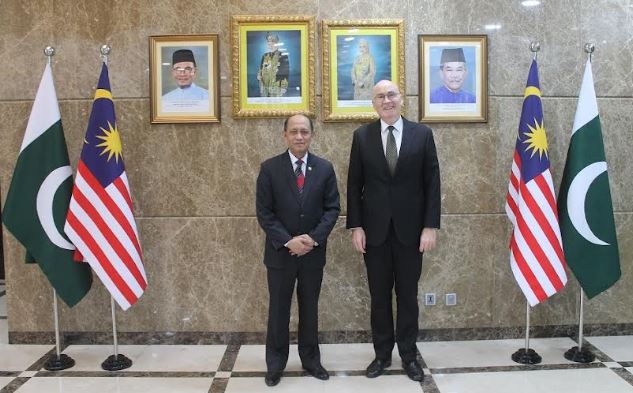
ISLAMABAD, JAN 21 /DNA/ – In a display of growing diplomatic camaraderie among missions in Pakistan’s capital, Australia’s newly appointed High Commissioner, Timothy Kane, paid a courtesy call on His Excellency Ambassador Dato’ Mohammad Azhar Mazlan, High Commissioner of Malaysia to Pakistan, on January 19, 2026, at the Malaysian High Commission in Islamabad.

The meeting, held in a warm and cordial atmosphere, provided an opportunity for the two envoys to exchange views on a range of matters of mutual interest. Discussions focused on regional developments, the evolving diplomatic landscape in Pakistan, and potential avenues for enhanced cooperation between their respective countries and missions based in Islamabad.

Mr. Kane, who assumed his role as Australia’s High Commissioner to Pakistan earlier in 2026 following his appointment announced by the Australian Government in August 2025, is a seasoned diplomat with extensive experience in the Department of Foreign Affairs and Trade (DFAT).

His previous postings include ambassadorships to Brazil and Chile, as well as assignments in Spain, the United States, and Mexico. Since arriving in Pakistan, he has expressed enthusiasm for building ties in areas such as climate action, education, and shared cultural interests like cricket.

Ambassador Dato’ Mohammad Azhar Mazlan welcomed his Australian counterpart warmly to Pakistan and extended best wishes for a successful and productive tenure. He conveyed confidence that the bilateral engagement between Malaysia and Australia would continue to strengthen through ongoing constructive dialogue and collaboration in both multilateral and regional forums.

The courtesy call highlighted the value of sustained interaction among diplomatic representatives in Islamabad, fostering better understanding and coordination on issues affecting the region and beyond. Both High Commissioners reaffirmed their shared commitment to promoting mutual understanding, peace, and cooperation during their respective assignments in Pakistan.

Such exchanges are routine yet significant in diplomatic practice, helping new envoys build networks, share perspectives, and explore synergies that can support broader bilateral and multilateral objectives. Malaysia and Australia, both active players in the Indo-Pacific region, maintain strong ties characterized by trade, investment, education exchanges, and people-to-people connections.

The friendly meeting concluded on a positive note, underscoring the importance of diplomacy in bridging nations and advancing common goals amid a complex global environment.

This courtesy call comes amid Mr. Kane’s active engagement in Pakistan, where he has already participated in various events and discussions, reflecting Australia’s interest in deepening relations with the country.

RCCI hosts meeting with U.S. agricultural delegation to explore trade opportunities

RCCI hosts meeting with U.S. agricultural delegation to explore trade opportunities

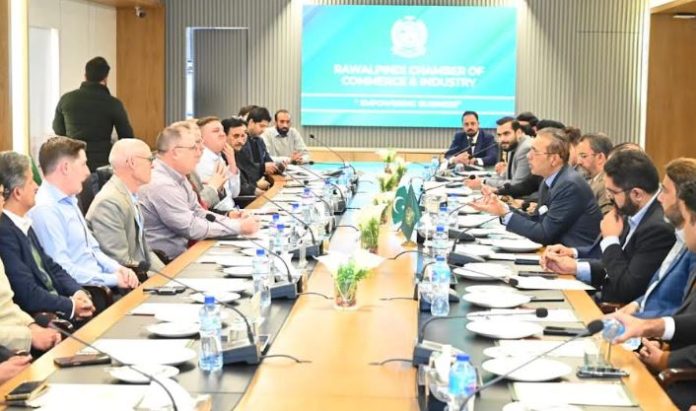
RAWALPINDI, JAN 21 /DNA/ – A high-level meeting with a visiting U.S. agricultural delegation was held at the Rawalpindi Chamber of Commerce & Industry (RCCI), chaired by RCCI President Usman Shaukat. The delegation was led by Mr. Timothy Paul Welsh, Southeast Asia Representative of USA Pulses and U.S. Dry Beans Council and Managing Director of AgriSource Co., Ltd., Bangkok.

The delegation included Ms. Sarina Welsh, Southeast Asia Representative, USA Pulses and U.S. Dry Beans Council; Mr. Russell Allen Kehl, President & CEO, Farmer Bean & Seed, LLC (USA); Mr. Shane Durwin Berntson, Manager Food Products, Merus Companies (USA); Mr. Austin Robert Chandonnet, Marketing & Grower Relations Manager, Bayside Best Beans (USA); and Mr. Mark Dries, Counselor, Office of Agricultural Affairs, U.S. Embassy Islamabad.

Senior Vice President Khalid Farooq Qazi, Vice President Fahad Barlas, Former President Dr. Hassan Sarosh Akram, Executive Committee members, and sector-specific representatives also attended the meeting.

During the interaction, both sides discussed strengthening bilateral trade relations, particularly in pulses, dry beans, and agricultural commodities. The U.S. delegation highlighted RCCI’s strategic importance as a regional trading hub serving Punjab and adjoining regions, and emphasized the potential for expanding buyer-seller linkages, market access, and long-term partnerships.

President RCCI Usman Shaukat underscored the importance of fostering sustainable trade and economic cooperation between Pakistan and the United States. He noted that such engagements help connect local businesses with international markets, encourage knowledge sharing, and enhance mutual trust.

Stay Connected

64FansLike
60FollowersFollow

Latest Reviews

Exchange Rates

USD - United States Dollar
EUR
1.14
GBP
1.34
AUD
0.70
CAD
0.71