Home Blog Page 280

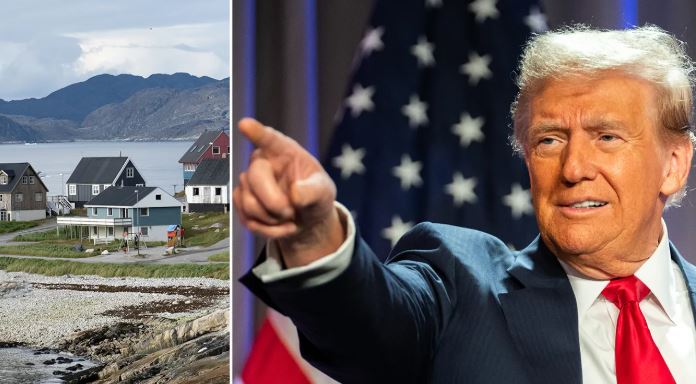
Greenland parents grapple with explaining trump’s ambitions to children

Greenland parents grapple with explaining trump's ambitions to children

NUUK, JAN 25: In a coffee shop in Greenland’s capital Nuuk, Lykke Lynge looked fondly at her four kids as they sipped their hot chocolate, seemingly oblivious to the world’s convulsions.

Since Donald Trump returned to the White House last year with a renewed ambition to seize Greenland, international politics has intruded into the Arctic island’s households.

Dictated by the more or less threatening pronouncements of the US president, it has been an unsettling experience for some people here — but everyone is trying to reassure their children.

Lynge, a 42-year-old lawyer, relied on her Christian faith.

“There’s a lot of turmoil in the world,” she said. “But even if we love our country, we have even higher values that allow us to sleep soundly and not be afraid,” she said.

As early as January 27, 2025, one week after Donald Trump’s inauguration, the Greenlandic authorities published a guide entitled “How to talk to children in times of uncertainty?”

  “When somebody says they will come to take our country or they will bomb us or something, then of course children will get very scared because they cannot navigate for themselves in all this news,” said Tina Dam, chief programme officer for Unicef in the Danish territory.

                  – Unanswerable questions –

                  This guide — to which the UN agency for children contributed — recommends parents remain calm and open, listen to their children and be sensitive to their feelings, and limit their own news consumption.

                  As in many parts of the world, social media, particularly TikTok, has become the primary source of information for young people.

                  Today, children have access to a lot of information not meant for them, said Dam — “and definitely not appropriate for their age”, she added.

                  “So that’s why we need to be aware of that as adults and be protective about our children and be able to talk with our children about the things they hear — because the rhetoric is quite aggressive.”

                  But reassuring children is difficult when you do not have the answers to many of the questions yourself.

                  Arnakkuluk Jo Kleist, a 41-year-old consultant, said she talked a lot with her 13-year-old daughter, Manumina.

                  The teenager is also immersed in TikTok videos but “doesn’t seem very nervous, luckily, as much as maybe we are”, she added.

                  “Sometimes there are questions she’s asking — about what if this happens — that I don’t have any answers to” — because no one actually has the answer to such questions, she said.

                  – ‘Dear Donald Trump’ –

                  The Arctic territory’s Inuit culture also helped, said Kleist.

                  “We have a history and we have conditions in our country where sometimes things happen and we are used to being in situations that are out of our control,” said Kleist.

                  “We try to adapt to it and say, well, what can I do in this situation?”

                  Some Greenlandic children and teenagers are also using social media to get their message out to the world.

                  Seven-year-old Marley and his 14-year-old sister Mila were behind a viral video viewed more than two million times on Instagram — the equivalent of 35 times the population of Greenland.

                  Serious in subject but lighthearted in tone, the boy addresses the American president.

                  “Dear Donald Trump, I have a message for you: you are making Greenlandic kids scared.”

                  Accompanied by hard stares, some serious finger-wagging and mostly straight faces, he and his sister go on to tell Trump: “Greenland is not for sale.”

                  “It’s a way to cope,” his mother, Paninnguaq Heilmann-Sigurdsen, told AFP of the video. “It’s kid-friendly, but also serious.

                  “I think it’s a balance between this is very serious, but also, this is with kids.”

Sixth edition of  ‘Run With Us’ Marathon

Islamabad marathon fitness digital era

ISLAMABAD, Jan 25 (DNA): Sunday in Islamabad was a live-streamed celebration of fitness as the sixth “Run With Us” Marathon unfolded, with runners from every background racing together and residents applauding the healthy spirit of the digital era.

The sixth edition of the “Run With Us” Islamabad Marathon took place in the federal capital on Sunday, 25 January, featuring a range of race distances including 5 km, 10 km, the half marathon (21 km) and the full marathon (42 km), drawing athletes from across Pakistan and abroad as well as enthusiastic local residents eager to take part.

Participants from across Pakistan and various other foreigners took part in the vibrant race, which showcased Islamabad as a hub of fitness and endurance while promoting healthy living.

        Runners competed with determination through the city streets, reflecting the growing popularity of running culture and community spirit in the digital era, said a citizen of Islamabad while speaking to a local news channel.

               In today’s digital era, where screen time often dominates daily routines, events like the Islamabad Marathon offer a welcome shift toward healthier lifestyles, said a group of youngsters, adding, with the increasing concerns around sedentary habits and the impact of prolonged screen use, initiatives that promote outdoor activities are more crucial than ever.

          The marathon, by encouraging people to take a step toward physical fitness, presents an opportunity to reduce the harmful effects of excessive screen time while fostering a sense of community through shared experiences, said a children age 10 year.

         Many local residents and participants expressed their appreciation for the event, noting the positive impact it could have in inspiring more people to embrace active living.

            Citizens and participants were full of praise for the event.   a local female resident, commented, “It was so refreshing to see people of all ages come together for a healthy cause. I am inspired to make fitness a regular part of my life.”

            David Smith, a foreign participant from the UK, said, “It is wonderful to see such international collaboration and to be part of an event that promotes wellness in the digital age.”

         We need more initiatives that encourage healthy living and bring people together, especially in today’s tech-driven world.” The event highlighted the value of promoting physical fitness and community connection in an increasingly digital world.

             The marathon featured five race categories and was organized with support from the Islamabad district administration, CDA, traffic police and Islamabad Police, ensured a smooth and successful event.

Crowds flock to Tokyo zoo to see pandas before they leave for China

Crowds flock to Tokyo zoo to see pandas before they leave for China

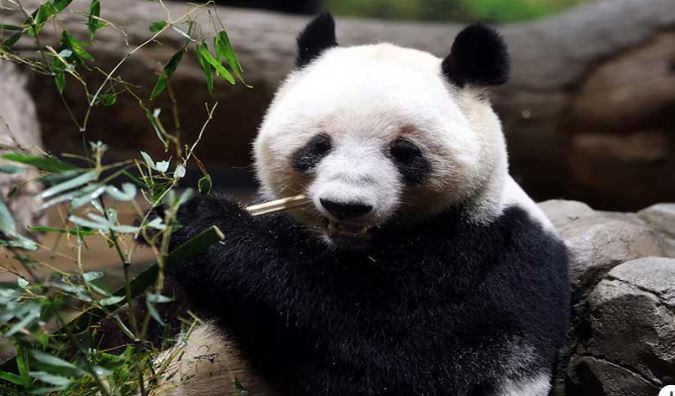
TOKYO – Panda fans flocked to the Ueno Zoo in Tokyo on Sunday to say goodbye to its star attractions – two giant pandas, who will be sent back to China at the end of the month.

The departure of four-year-old twins Xiao Xiao and Lei Lei leaves Japan panda-less for the first time since 1972, prompting thousands to apply for lottery-assigned tickets to say goodbye.

“I’ve been coming since the parents of Xiao Xiao and Lei Lei were here,” said 54-year-old finance-sector worker Machiko Seki. “It feels like one family’s story is coming to an end.”

While their move to China has been planned for some time, the pandas’ coming absence has been viewed as a reflection of deteriorating China-Japan relations in recent months.

In November, Japanese Prime Minister Sanae Takaichi said a hypothetical Chinese attack on Taiwan could bring about a Japanese military response. That triggered a furious response from Beijing, which claims sovereignty over the democratically-governed island.

Political tensions were not the focus of many zoo-goers on Sunday, when visitors were allowed one-minute windows to see the bears.

“The pandas have given me so much – energy, courage, healing,” Seki said. “I wanted to come today to express my gratitude.”

Even people who did not win tickets made the journey.

“Today, I didn’t win the lottery for the panda viewing, so I can’t see the pandas in person,” said 49-year-old housewife Akiko Kawakami.

“I came here today because I wanted to breathe the same air as the pandas.”

Pak-China TCM training phase one hailed as “Historic Milestone”

Pak-China TCM training phase one hailed as

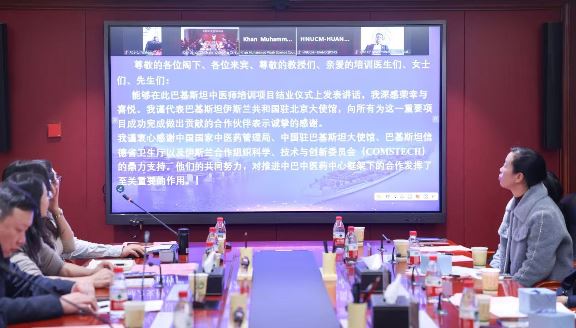
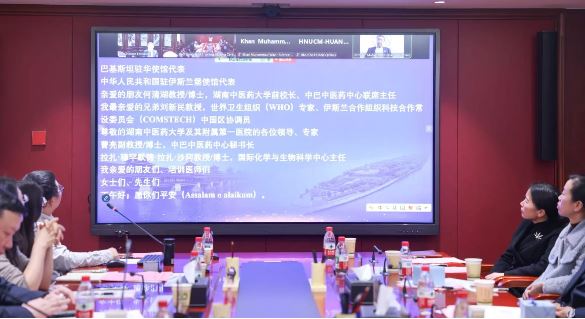
ISLAMABAD, JAN 25 /DNA/ – Prof.  Dr. Muhammad Iqbal Choudhary, Coordinator General OIC-COMSTECH, has emphasized the expansion of Pakistan-China cooperation in Traditional Chinese Medicine (TCM) and broader scientific collaboration while addressing the closing ceremony of the Pakistan TCM Practitioners Training Program.

Pak-China TCM training phase one hailed as "Historic Milestone"

He termed the completion of the first phase of the training as a historic milestone for Pakistan-China scientific and healthcare cooperation. He congratulated Pakistani doctors on the successful completion of the six-month intensive training program conducted at the prestigious Hunan University of Chinese Medicine and Huaihua University of Medicine.

Dr. Choudhary highly appreciated the outstanding hospitality, mentorship, and academic support extended by the Chinese universities, stating that the training has laid a strong foundation for introducing age-old Chinese healing practices in Pakistan, the world’s fifth most populous country.

He described the initiative as a major step towards integrating TCM into Pakistan’s healthcare system. Paying special tribute to Prof. Dr. Xinmin Liu, WHO Expert and COMSTECH Coordinator for China, Dr. Choudhary called him a key ambassador of Pakistan-China cooperation in traditional medicine, neuropharmacology, and biomedical sciences, whose exceptional services have been recognized at the highest level by the President of Pakistan.

He also expressed deep gratitude to Sindh Minister for Health and Population Welfare, Dr. Azra Fazal Pechuho, for supporting the launch of the first phase of the program. Dr. Choudhary acknowledged the vital role of the National Administration of Traditional Chinese Medicine (NATCM) for its generous support, including assistance in establishing the Sino-Pakistan Centre.

The Coordinator General OIC-COMSTECH further appreciated the support of the Chinese Embassy in Islamabad, the Pakistan Embassy in China, and the International Center for Chemical and Biological Sciences (ICCBS) in overcoming challenges during the program’s launch and implementation.

Highlighting future plans, Dr. Choudhary announced several major upcoming initiatives, including the second phase of training for Pakistani doctors, establishment of the Zhejiang-Pakistan Joint Laboratory at Ningbo, organization of the China-OIC Youth Summit on Human Nutrition and Traditional Medicine in April 2026 in Islamabad, establishment of the COMSTECH-China Center of Excellence for Clinical Trials, and the launch of a Space Medicine Program.

He emphasized that these initiatives reflect the shared commitment of Pakistan and China to translate their deep-rooted friendship into meaningful scientific collaboration, benefiting both countries as well as the 57 member states of the Organization of Islamic Cooperation (OIC).

Concluding his remarks, Dr. Choudhary, on behalf of OIC-COMSTECH and the Sino-Pakistan TCM Centre at ICCBS, thanked all partners and participants for making the program a success. He specially acknowledged Prof. Cao Liang, Prof. Raza Muhammad Raza Shah  Sindh Government and others for their excellent cooperation and contributions.=DNA

‘Jan 25 marks darkest, most tragic day in Kashmir’s history’

'Jan 25 marks darkest, most tragic day in Kashmir’s history'

MUZAFFARABAD, JAN 15: January 25, 1990 is regarded as the most tragic and darkest day in the history of Kashmir, as on this day Indian occupying forces carried out extreme acts of brutality in Handwara.

The gathering held on January 25, 1990 in the Handwara area of Kupwara district in occupied Kashmir was peaceful and unarmed. Indian occupying troops opened fire on defenceless Kashmiris, resulting in the killing of at least 21 innocent people and injuries to more than 75 others.

In Muzaffarabad, Kashmiris staged a protest sit-in outside the Press Club against Indian war crimes. Anti-India slogans were raised and posters were displayed. The sit-in, organised by a Kashmiri organisation, saw participants raise slogans in support of Kashmir’s freedom and against Indian war crimes.

Posters highlighting Indian war crimes were also displayed. Participants stated that Kashmiris would continue protests on the occasion of India’s Republic Day. Protesters said that India has no right to celebrate Republic Day, as it has deprived the people of Kashmir of their democratic rights.

Cold weather grips Quetta, other parts of Balochistan

Cold weather grips Quetta, other parts of Balochistan

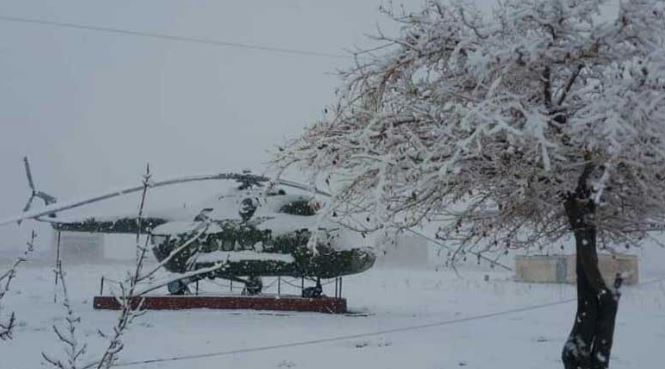
QUETTA, JAN 25: The cold weather has continues to affect Quetta and several other parts of Balochistan.

According to the Pakistan Meteorological Department (PMD), a new system of westerly winds is expected to enter the province on Sunday night. Rain and snowfall are likely in most districts.

The intensity of cold remains high across much of Balochistan. Ziarat recorded minus 10 degrees Celsius, Qalat minus 8, Quetta minus 5, while Zhob and Qila Saifullah recorded minus 4 degrees.

The PMD said rain and snowfall are expected in most districts of Balochistan until January 26. Heavy rainfall is forecast for the southern and coastal areas of the province.

Gilgit-Baltistan
Normal life has started to return in Gilgit-Baltistan following heavy snowfall. However, land routes linking upper areas with district headquarters remain cut off. The electricity supply in the region remains severely disrupted.

In Astore, a cold wave continues after recent snowfall. Daily life has resumed in the city area, while the administration has advised residents to avoid unnecessary travel. Power supply in the area has remained suspended for the past four days.

Neelum Valley
Separately, cloudy weather returned to the scenic Neelum Valley after a one-day break. Light snowfall has begun on the high mountains in both upper and lower Neelum.

Dense clouds covered the sky, leading to a further drop in temperature. Restoration work on roads blocked by recent snowfall is underway. Heavy machinery is being used for snow clearance, according to the highways department.

The administration has advised residents and tourists to avoid unnecessary travel.

Pak-Brunei relations strengthened through friendly hockey match

Pak-Brunei relations strengthened through friendly hockey match

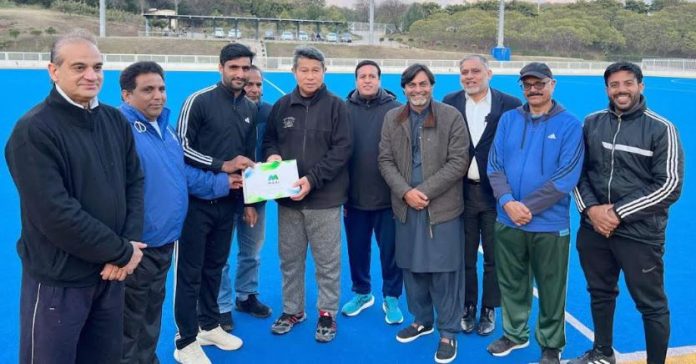
RAWALPINDI, JAN 25 /DNA/ – A friendly hockey match served as a bridge for sports diplomacy in Rawalpindi. The Mari Petroleum Hockey team hosted the Brunei High Commissioner, Kamal Ahmed, at a local stadium.

The event featured a match between the Mari Petroleum team and the Rising Stars Hockey Club. The exhibition game aimed to foster goodwill and sporting ties between Pakistan and Brunei.

Following the match, the captain and coach of the Mari Petroleum team presented a commemorative souvenir to High Commissioner Kamal Ahmed. The gesture highlighted the role of sports in strengthening international relations.

Officials from both sides expressed appreciation for the event. They emphasized the importance of such exchanges in promoting camaraderie and a shared passion for sports beyond formal diplomacy.

The friendly encounter was hailed as a successful initiative. It underscored how athletic competition can build positive connections between nations and communities.

ICCI urges real estate designation as industry

ICCI urges real estate designation as industry

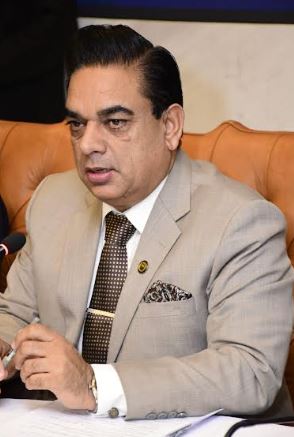
ISLAMABAD, JAN 25 /DNA/ – President of the Islamabad Chamber of Commerce and Industry (ICCI), Sardar Tahir Mehmood, has appreciated the Prime Minister Shehbaz Sharif’s visionary leadership and efforts for economic stabilization under the national vision of “Uraan Pakistan by emphasizing that revitalization of the Real Estate Sector must be treated as a national economic priority.  In a letter forwarded to the Prime Minister he urged urgent and concrete measures to recognize the Real Estate Sector as an industry, stating that a vibrant, well-regulated real estate market is essential for strengthening the economy, attracting investment, and achieving sustainable growth.

He noted that structural challenges continue to impede business activity, particularly due to the high cost of doing business. Excessive taxation, elevated KIBOR rates, and rising energy costs have placed significant pressure on investment-driven sectors. In this context, he said the Real Estate Sector, one of the country’s largest employment generators—is facing serious operational and regulatory constraints.

Sardar Tahir Mehmood expressed concern that overlapping jurisdictions of multiple government departments have resulted in procedural delays, uncertainty, and compliance burdens, eroding investor confidence and prompting capital outflows to more facilitative regional markets.

Highlighting the sector’s broader economic impact, the ICCI President said the Real Estate Sector has a strong multiplier effect, supporting nearly 100 to 150 allied industries, including cement, steel, construction materials, transport, financial services, architecture, engineering, and skilled labor. He emphasized that global experience demonstrates how a well-regulated real estate sector acts as a backbone for economic growth in both developed and emerging economies.

To ensure sustainable development, he proposed organizing an annual National Real Estate Conference under the Prime Minister’s patronage to institutionalize policy dialogue, enhance stakeholder coordination, and promote consistent and informed decision-making.

He stressed that Pakistan’s export challenge at this juncture cannot be addressed through fragmented policy notifications, but requires a fundamental reset of the export facilitation system that places trade growth above revenue-driven enforcement. He underscored that exports, being zero-rated by nature, must operate within a framework defined by speed, certainty, and transparency, backed by post-clearance audits and intelligent, risk-based controls. Advocating the declaration of a National Export Emergency, he maintained that such a step would enhance—rather than dilute—compliance by introducing time-bound processes and digital oversight, ultimately boosting foreign exchange inflows, strengthening Pakistan’s standing as a dependable global supplier, and restoring the confidence of exporters essential for sustained economic revival.

He also highlighted the concerns of Overseas Pakistanis, noting that regulatory ambiguities, inconsistent taxation, and limited facilitation have undermined their confidence. He stressed the need for clear, predictable, and investor-friendly policies to safeguard overseas investments and attract foreign direct investment.

Calling for rationalization of taxes, the ICCI President said that multiple and complex levies have significantly increased business costs. A simplified and transparent tax regime, he added, would encourage investment, promote documentation, and broaden the revenue base.

He further urged the government to ensure affordable energy tariffs and reduce the KIBOR rate to ease financing constraints and stimulate investment.

In conclusion, Sardar Tahir Mehmood expressed confidence that timely policy intervention under the Prime Minister’s leadership would reinforce investor confidence, generate employment, and support Pakistan’s path toward sustainable economic growth.

Pakistan under pressure to opt out of T20 WC

Pakistan under pressure to opt out of T20 WC

Now that Bangladesh has been excluded, sources suggest Dhaka is urging Islamabad to follow suit and opt out of the tournament as a gesture of solidarity. For Pakistan, the dilemma is profound: on one hand, moral and diplomatic courtesy demands standing shoulder-to-shoulder with Bangladesh; on the other, the financial stakes are enormous

Ansar Mahmood Bhatti

ISLAMABAD, JAN 25: The upcoming ICC T20 Cricket World Cup has taken a dramatic turn following the exclusion of Bangladesh from the tournament. The International Cricket Council (ICC) recently confirmed that Scotland will replace Bangladesh, after the latter refused to play in India citing security concerns. This decision has triggered a wave of controversy, particularly in Pakistan, which had openly backed Bangladesh’s stance. Now, with Bangladesh officially out, Pakistan finds itself under mounting pressure to demonstrate solidarity by reconsidering its own participation.

Bangladesh’s refusal to play in India was rooted in security apprehensions. The Bangladesh Cricket Board (BCB) had repeatedly raised alarms over the safety of its players and staff, insisting that the environment in India was not conducive to hosting their matches. Despite these concerns, the ICC opted to remove Bangladesh from the tournament altogether, replacing them with Scotland. This move has been criticized by many observers as insensitive to legitimate security fears, and it has left Bangladesh feeling sidelined.

Pakistan had strongly supported Bangladesh’s position, with officials and cricketing voices emphasizing the importance of player safety over commercial interests. Now that Bangladesh has been excluded, sources suggest Dhaka is urging Islamabad to follow suit and opt out of the tournament as a gesture of solidarity. For Pakistan, the dilemma is profound: on one hand, moral and diplomatic courtesy demands standing shoulder-to-shoulder with Bangladesh; on the other, the financial stakes are enormous.

The Pakistan Cricket Board (PCB) and team management are reportedly keen to participate, given the lucrative sponsorships, broadcasting rights, and prize money tied to the World Cup. Gambling interests also play a role, with betting markets reportedly heavily invested in Pakistan’s participation. This financial dimension complicates the moral obligation, creating a tug-of-war between principles and profit.

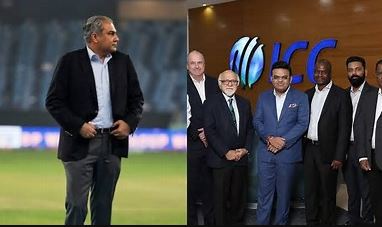
PCB Chairman Mohsin Naqvi has made it clear that the final decision rests with the government. He stated that the Prime Minister will decide Pakistan’s course of action once he returns from the United Kingdom. This underscores the political weight of the issue, as opting out would not only affect cricketing revenues but also send a strong diplomatic signal to the ICC and India.

Observers argue that Pakistan has two choices: either withdraw from the tournament to honor its commitment to Bangladesh or push the ICC to reconsider its decision and reinstate Bangladesh. Both options carry significant consequences. Withdrawal would mean forfeiting millions in revenue and disappointing fans, while challenging the ICC could strain Pakistan’s relations with the governing body and other cricketing nations.

Amid this cricketing controversy, diplomatic channels between Islamabad and Dhaka remain active. Deputy Prime Minister and Foreign Minister Senator Mohammad Ishaq Dar recently held a telephonic conversation with Bangladesh’s Foreign Adviser, Md. Touhid Hossain. The two sides reviewed bilateral relations, focusing on trade and economic cooperation, and reaffirmed their commitment to strengthening collaboration across multiple sectors.

They also exchanged views on regional and international developments, underscoring the importance of sustained engagement to advance shared interests and promote regional peace and prosperity. This dialogue highlights that the cricketing issue is not isolated but intertwined with broader diplomatic ties between the two nations.

As the cricketing world watches closely, Pakistan’s decision will carry symbolic weight far beyond the boundary ropes. Opting out would be seen as a principled stand in defense of a fellow cricketing nation, reinforcing Pakistan’s image as a steadfast ally of Bangladesh. Conversely, choosing to play could be interpreted as prioritizing financial gain over solidarity, potentially straining relations with Dhaka.

The coming days will be decisive. With the Prime Minister expected to return soon, Pakistan must weigh its moral obligations against its economic interests. Courtesy and solidarity demand one course of action, while pragmatism and financial realities suggest another. Whatever path Pakistan chooses, the fallout will reverberate across the cricketing and diplomatic landscapes of South Asia.

Chairman Senate Gilani lauds Italy’s role in Multan heritage revival

Chairman Senate Gilani lauds Italy’s role in Multan heritage revival

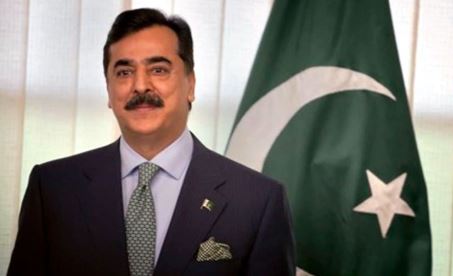
MULTAN, JAN 25 (DNA): Chairman Senate Syed Yusaf Raza Gilani hosted a dinner in honour of Italian Ambassador to Pakistan Marilina Armellin, at Gilani House. 

Prior to the dinner, a meeting was held between the Chairman Senate and the Italian delegation, during which bilateral relations, economic cooperation, social ties and the preservation of historical heritage were discussed in detail.

The Italian delegation included Ambassador Marilina Armellin, Mr Domenico Polloni and First Secretary Mr Augusto Palmieri.

Syed Yusaf Raza Gilani appreciated Italy’s support for the restoration of Multan’s historical status and said Italian assistance played a key role in the rehabilitation of several historic gates of the city, which reflect its ancient civilization and cultural identity. He added that the historical links between Multan and Rome further strengthen Pakistan-Italy relations.

Ambassador Marilina Armellin stated that Italy intends to recruit workforce from Pakistan and plans to issue around 10,000 visas in the next phase. She also announced that an Italian visa centre will soon be established in Multan to facilitate workers through NOC issuance and other related services, benefiting people of South Punjab.

Later, a dinner was hosted by the Chairman Senate, which was attended by MNA Syed Abdul Qadir Gillani, MPA Syed Ali Haider Gillani,  Makhdoom Syed Abu-ul-Hassan Gillani, Sajjada Nashin of Darbar Hazrat Musa Pak Shaheed, President Multan Chamber of Commerce and Industry Bakhtawar Tanvir, former MPA Ahmed Mujtaba Gillani, industrialist Chaudhry Zulfiqar Anjum,  Khawaja Anis and other notable figures.

Participants stressed the need to further strengthen bilateral ties, promote cultural heritage protection, enhance economic cooperation and expand workforce exchange between Pakistan and Italy.

Stay Connected

64FansLike
60FollowersFollow

Latest Reviews

Exchange Rates

USD - United States Dollar
EUR
1.14
GBP
1.34
AUD
0.70
CAD
0.71