Home Blog Page 278

Pakistan must prioritize exports for economic revival: ICCI

Pakistan must prioritize exports for economic revival: ICCI

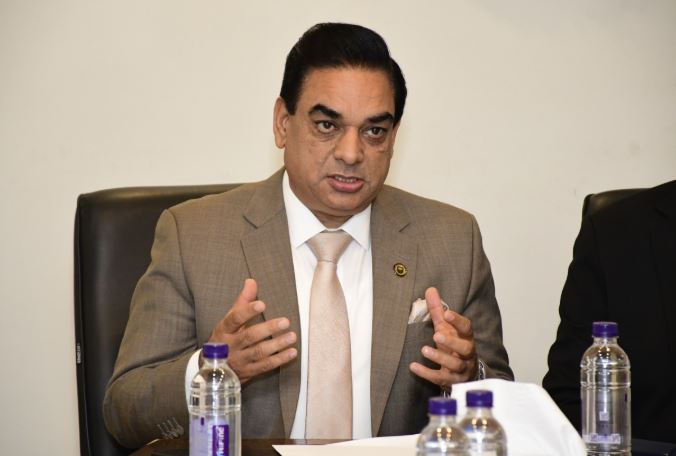
ISLAMABAD, JAN 26 /DNA/ – President of the Islamabad Chamber of Commerce and Industry (ICCI), Sardar Tahir Mehmood, while talking to a visiting delegation of industry here on Monday, said that export-led growth is the only viable and sustainable path for Pakistan’s economic revival. He emphasized that exports are not merely a source of foreign exchange but a key driver of productivity, competitiveness, and long-term economic stability.

The ICCI President noted that despite some improvement in sectors such as textiles, IT services, and agro-based products, Pakistan’s export performance remains below its true potential. He identified limited value addition, high energy costs, inconsistent industrial policies, weak international branding, and restricted access to global supply chains as major challenges confronting exporters.

Sardar Tahir Mehmood stressed the urgent need to shift from volume-based exports to value-added and knowledge-driven products, calling for focused support to priority sectors including textiles, IT, pharmaceuticals, engineering goods, agro-processing, and light manufacturing. He said competitive energy pricing, tax incentives, and effective export facilitation were essential to strengthen export-oriented industries.

Highlighting the growing importance of IT and digital exports, he said Pakistan possesses immense human capital that can be transformed into export earnings through supportive policies, technology parks, and public–private partnerships. He also underscored the importance of trade diplomacy to explore new markets in Africa, Central Asia, and ASEAN countries.

Concluding, the ICCI President emphasized that policy stability, ease of doing business, and strong support for SMEs are critical for sustainable export growth. He urged close coordination between the government and the private sector to implement a focused export-led strategy, expressing confidence that such an approach would reduce the trade deficit, create jobs, and strengthen Pakistan’s economic resilience.

President Xi says India, China are ‘partners’

President Xi says India, China are ‘partners’

News Desk

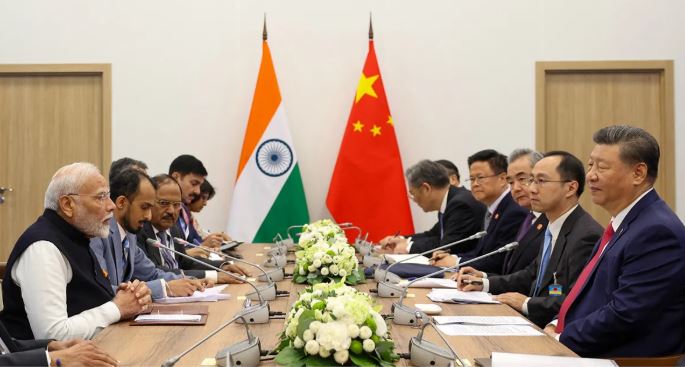
BEIJING: China’s President Xi Jinping said Beijing and New Delhi were “good neighbours, friends and partners” as he wished Indian President Droupadi Murmu congratulations on the South Asian nation’s Republic Day, the official Xinhua news agency reported on Monday.

Xi said that over the past year, China-India relations have continued to improve and develop and are of “great significance for maintaining and promoting world peace and prosperity,” according to Xinhua.

Xi said China has always believed that being “good neighbours, friends and partners” is the right choice for both China and India.

He referred to China and India as the “dragon and the elephant dancing together,” Xinhua said.

Xi said he hoped that both sides would expand exchanges and cooperation and address each other’s concerns to promote healthy and stable relations.

The nuclear-armed Asian neighbours share a 3,800 km border that is poorly demarcated and has been disputed since the 1950s.

Ties between the countries were shaken by a 2020 clash in which 20 Indian and four Chinese soldiers died in hand-to-hand combat. After that, the Himalayan border was heavily militarised by both sides.

Both countries began improving ties last year after staging a series of high-level bilateral visits.

Direct flights resumed in 2025 as both countries stepped up trade and investment flows against the backdrop of US President Donald Trump’s combative foreign policy.

President FPCCI praises govt’s decision to give rebate to rice exporters

President FPCCI praises govt's decision to give rebate to rice exporters

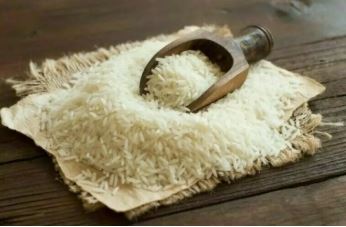
ISLAMABAD, JAN 26 /DNA/ – Atif Ikram Sheikh, President  Federation of Pakistan Chambers of Commerce and Industry (FPCCI), has welcomed the federal government’s decision to grant a rebate to rice exporters, saying it will boost the country’s rice exports and benefit farmers.

In a statement, he said the decision to give a 9% rebate on Basmati rice and 3% on non-Basmati rice is commendable and will help increase Pakistan’s rice exports, which are expected to earn $1.5 billion for the country.

He said the decision will make Pakistani rice competitive in the global market, where it was facing stiff competition from Indian rice due to higher prices. The rebate will bridge the price gap between Pakistani and Indian rice, making it easier for Pakistani exporters to compete.

He praised Prime Minister Shehbaz Sharif and Commerce Minister Jam Kamal Khan for their efforts to support the rice industry. He said the decision will not only boost rice exports but also benefit farmers and the country’s economy.

Kareem Aziz Malik, Chairman  Capital Office FPCCI and CEO  Barkat Rice Mill, said the decision is a result of the efforts of Atif Ikram Sheikh, who had been raising the issue of high prices of Pakistani rice in the global market. He thanked the prime minister and commerce minister for their support to the rice industry.

No Pak vs Ind match at T20 World Cup? PCB mulls options after ICC kicks out Bangaldesh

No Pak vs Ind match at T20 World Cup? PCB mulls options after ICC kicks out Bangaldesh

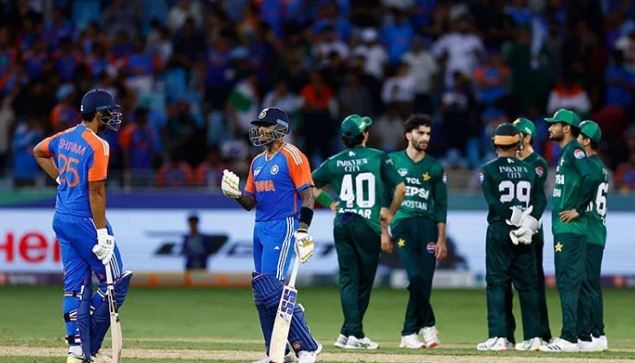
KARACHI: Amid the ongoing row between the International Cricket Council (ICC) and the Bangladesh Cricket Board (BCB) over the issue of travelling to India, Pakistan may boycott its T20 World Cup 2026 match against arch-rivals India on February 15, sources said on Monday.

Sources say that the Pakistan Cricket Board (PCB) is considering various options to register its protest, with the option to not participate in the match against India set to be played in Colombo, Sri Lanka.

They added that only two points can be deducted if Pakistan refuse to play the scheduled fixture, whereas on the other hand, it would cause significant financial loss to the cricketing body.

The board, nevertheless, will keep options open even if it participates in the World Cup, the sources added.

The PCB’s prospective move is to be taken against the backdrop of ICC’s decision to replace Bangladesh with Scotland after Dhaka refused to send its team to India, citing security concerns.

The BCB had requested the ICC to move their matches from India to Sri Lanka, who are co-hosts of the tournament, which commences on February 7.

However, the cricketing body turned down the BCB’s request, citing the lack of any “credible or verifiable security threat” to the Bangladesh national team in India”.

As part of this process, the ICC said it reviewed the concerns cited by the BCB, commissioned and considered independent security assessments from internal and external experts, and shared detailed security and operational plans covering federal and state arrangements, as well as enhanced and escalating security protocols for the event.

The PCB, however, has put its weight behind Bangladesh in light of the ICC’s “double standards”, saying that it would follow the government’s directives regarding participation in the tournament.

PCB Chairman Mohsin Naqvi, on Sunday, took the national side’s players into confidence over the board’s principled stance, and said that Pakistan’s support for Bangladesh was guided by cricket’s golden principles, and cautioned against political interference in the sport.

Highly placed sources have said that the PCB is also weighing a possible withdrawal from the T20 World Cup 2026.

A final decision is expected following a crucial meeting between Prime Minister Shehbaz Sharif and PCB Chairman Naqvi in Islamabad on Monday (today).

Bangladesh-India row
Relations between Bangladesh and India have been strained relations in recent times with political tensions between the two neighbouring countries after Bangladesh’s former prime minister Sheikh Hasina fled to New Delhi following protests against her.

Political tensions have since then spilt into cricket.

Bangladesh bowler Mustafizur Rahman was dropped from this year’s Indian Premier League despite signing with its Kolkata franchise. Bangladesh responded by banning IPL broadcasts in the country and demanding to play World Cup matches in Sri Lanka.

The standoff mirrors previous tensions in South Asian cricket.

For the Champions Trophy last year, the Indian cricket board (BCCI) stuck to its policy of not touring Pakistan because of the strained political ties between the bitter neighbours, who play each other only in ICC events.

Like for the 2023 Asia Cup in Pakistan, a “hybrid model” was agreed on under which India were allowed to play their Champions Trophy matches in Dubai to salvage the tournament.

Under the agreement running until 2027, Pakistan will play in a neutral venue for any ICC event, including the T20 World Cup, where they are scheduled to play their matches in Sri Lanka.

Centre, KP trade blame over Tirah evacuation as CM Afridi says people were ‘forced’

Centre, KP trade blame over Tirah evacuation as CM Afridi says people were 'forced'

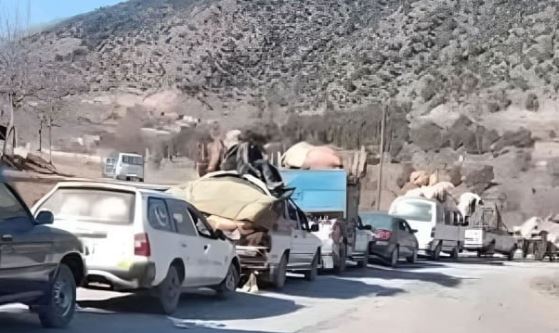
PESHAWAR: After hundreds of Tirah residents vacated their homes due to heavy snowfall and a planned operation against terrorists in the tribal district, the federal and Khyber Pakhtunkhwa governments traded barbs as Chief Minister Sohail Afridi said people were “forced” to leave their homes.

Speaking on Geo News programme “Naya Pakistan”, Federal Minister for Planning Ahsan Iqbal questioned why residents were being displaced from Tirah, saying the provincial government must explain the circumstances.

He categorically said that the federal government had not issued any directive or appeal for evacuation from the area.

Referring to the statement issued late Saturday night, Iqbal stressed that the Ministry of Information had already denied reports suggesting a large-scale military operation in Tirah, adding that linking the displacement to the armed forces amounted to deliberate misinformation.

He said law and order fell squarely under the provincial government’s jurisdiction, slamming the KP administration for failing in its responsibility.

“The KP government must decide whether it stands with terrorists or with the people of Pakistan,” Iqbal said, adding that the PTI-led provincial government was continuously running campaigns against state institutions and appeared sympathetic to extremist elements.

Echoing these remarks, Information Minister Attaullah Tarar said the federal government had taken serious notice of what he described as false propaganda surrounding Tirah. He reiterated that associating the evacuation with the military was misleading and factually incorrect.

The response comes amid worsening humanitarian conditions in Tirah, where families fleeing the Maidan area have been stranded on snow-covered roads due to heavy snowfall and freezing temperatures.

The evacuation from the area began on January 9 ahead of a planned operation expected to conclude within two months, with rehabilitation and return scheduled to start from April 5.

According to the Provincial Disaster Management Authority (PDMA), the Miraban–Tirah Valley Road was blocked following heavy snowfall, while multiple routes across KP — including Kaghan-Naran, Battal and the Lowari Tunnel — were also closed, leaving locals and tourists stranded.

Snow accumulation has further affected roads in Buner, Swat, Chitral, Lower Dir and Kolai-Palas, with clearance efforts underway using heavy machinery.

Rescue 1122 officials said emergency operations were ongoing in Tirah, involving 103 personnel deployed from Peshawar, Mardan, Swabi, Nowshera and Khyber districts. So far, more than 25 vehicles carrying 65 stranded individuals have been rescued, with the scope of the operation continuing to expand.

‘Forced to leave’
Meanwhile, KP CM Afridi said that residents of the Tirah Valley were “forced to leave”, stressing that the provincial government did not evacuate them.

Addressing party workers in Chakdara, Afridi said the people of Tirah were facing severe hardship and warned that if the ongoing operation was not halted within the next two to three days, the provincial government would formulate its own strategy.

The chief minister clarified that his party was neither hostile to the armed forces nor to state institutions, but opposed those who, he said, interfere in politics.

Separately, KP government spokesperson Shafi Jan dismissed the federal government’s claim regarding the release of Rs4 billion for families displaced from Tirah as “highly ridiculous”.

He said the provincial government had released funds in a timely manner to provide relief to the displaced families, adding that residents of Tirah were being compelled to leave their homes due to an operation.

Jan further accused the federal government of making a failed attempt to shift responsibility for the operation onto the KP government.

UK leads push for women’s central role in Pakistan security

UK leads push for women's central role in Pakistan security

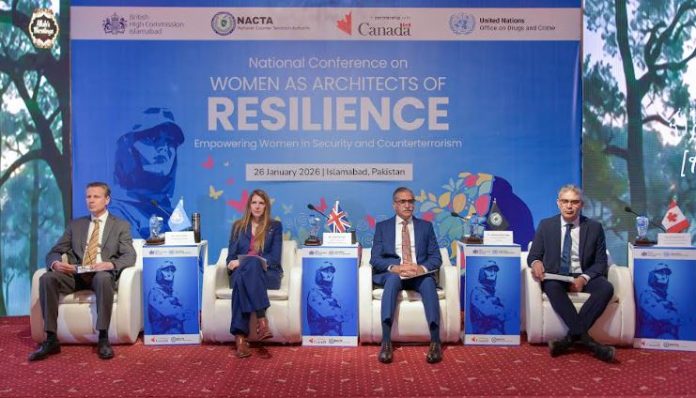
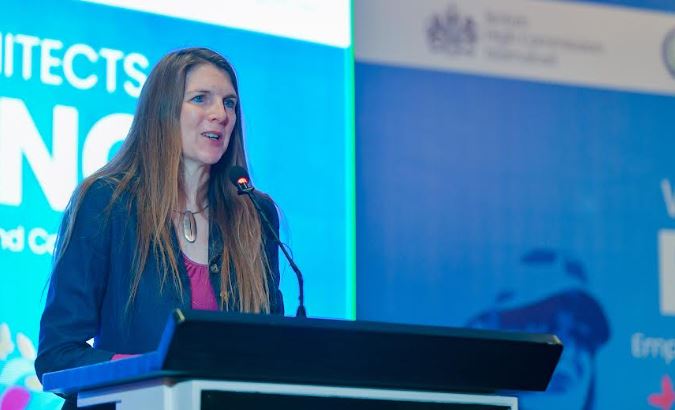
ISLAMABAD, JAN 26 /DNA/ – The British High Commission in Pakistan today reaffirmed its leadership in advancing inclusive and effective security by convening the national conference Women as Architects of Resilience: Empowering Women in Security and Counterterrorism, held in collaboration with the National Counter Terrorism Authority (NACTA), Global Affairs Canda and with support from the United Nations Office on Drugs and Crime (UNODC) Pakistan. The conference highlighted how women across Pakistan are shaping counterterrorism policy, strengthening institutions, and delivering tangible results at the community level.

“The UK is committed to supporting women who are strengthening Pakistan’s response to enhancing community safety, leading efforts to prevent violent extremism and terrorism. We are also supporting projects that improve women’s access to justice, provide better support for survivors, and empower women-led organisations working to build resilient communities,” said British High Commissioner Ms. Jane Marriott while opening the conference.

Mr. Jawad Ahmad Dogar, National Coordinator NACTA, Mr. Tarik Ali Khan, High Commissioner of Canada, and Mr. Troels Vester, UNODC Representative emphasized the importance of international cooperation and government leadership in promoting gender-responsive security frameworks.

UNODC Representative Mr. Troels Vester highlighted the progress already underway, noting that women across Pakistan are increasingly serving in leadership roles within law enforcement, financial oversight, and justice institutions, contributing directly to investigations, compliance, and terrorism financing disruption. Reaffirming the government’s commitment, Mr. Jawad Ahmad Dogar, National Coordinator NACTA, stated that integrating women’s perspectives into counterterrorism policy and practice is essential to strengthening prevention, deterring radicalization, and reinforcing community resilience.

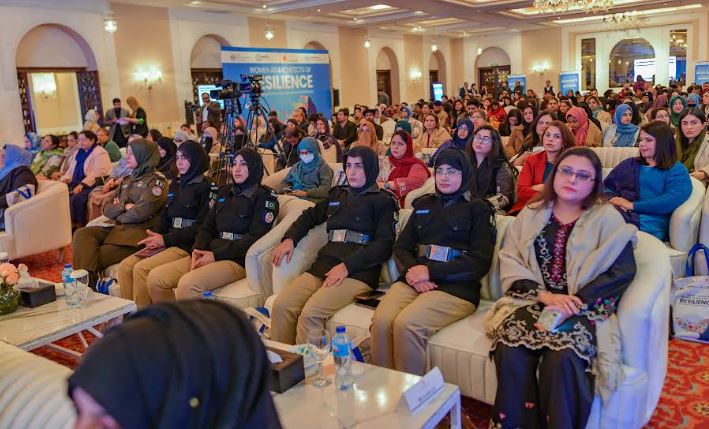
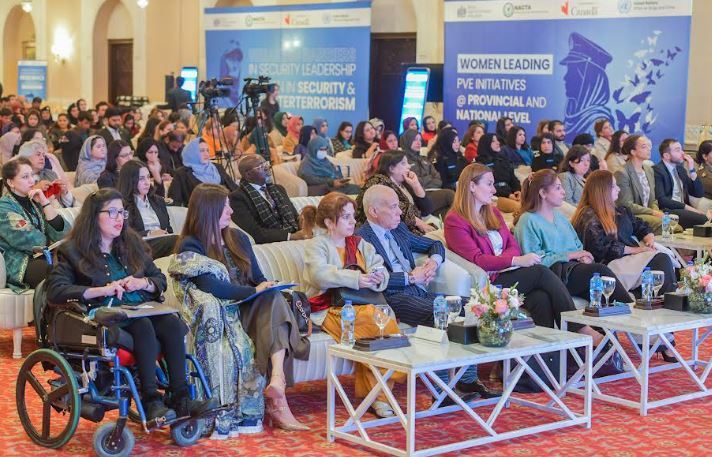
The event brought together senior policymakers, law enforcement leaders, financial regulators, international partners, and civil society to recognize the growing impact of women serving across security, justice, and prevention systems. Discussions emphasized that women are no longer peripheral to national security efforts but are central actors enhancing institutional effectiveness, accountability, and public trust.

Setting the national policy context, Ms. Humaira Mufti, Secretary, National Commission on the Status of Women (NCSW), highlighted how women’s participation in security and prevention strengthens resilience, safeguards rights, and reinforces long-term stability.

A key panel on Breaking Barriers in Security Leadership, featured senior women officers from policing and provincial administrations who shared operational experiences demonstrating how women’s leadership has improved investigations, strengthened community engagement, and increased trust in law enforcement institutions.

The international perspectives were led by Ms. Kate Wilson, Counter Terrorism Police Liaison Officer at the British High Commission, and Ms. Kate Fitzpatrick of UNODC Vienna, who shared global best practices on inclusive counterterrorism approaches linked to measurable security outcomes. Field-level leadership and dignity-centered policing initiatives were highlighted through reflections by Ms. Aisha Butt, Superintendent of Police, Punjab Police and by Ms. Beenish Fatima, Senior Superintendent of Police, Punjab.

Another session, focused on women at the forefront of emerging technologies and financial vigilance, where experts from financial intelligence units, regulatory bodies, law enforcement, and the private sector discussed how women are strengthening AML/CFT compliance, financial oversight, and early-warning systems to disrupt terrorist financing networks. Civil society leaders and academics emphasized how women-led community initiatives complement state-led security responses by addressing drivers of extremism, strengthening social cohesion, and supporting at-risk populations.

The conference concluded with a shared commitment to deepen the integration of gender perspectives within provincial Centres of Excellence on Countering Violent Extremism while advancing the establishment of a Women in Security and Counterterrorism Network to enable sustained collaboration, mentorship, and skills development across institutions and sectors.

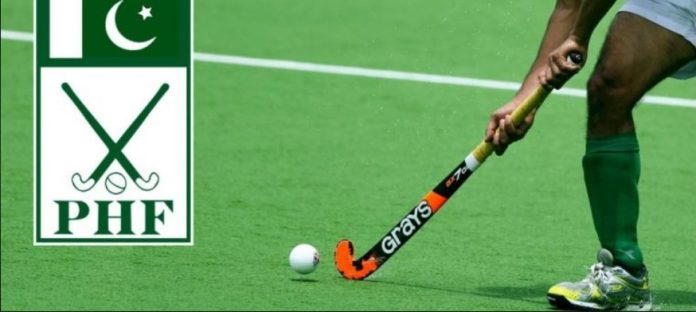
Hockey clubs scrutiny; PHF elections generate debate

Hockey clubs scrutiny; PHF elections generate debate

DNA

ISLAMABAD: The National Assembly Standing Committee on Inter-Provincial Coordination, chaired by MNA Sheikh Aftab Ahmed, convened a tense session today to address the long-standing issue of elections in the Pakistan Hockey Federation (PHF).

The meeting brought together key stakeholders, including Director General Pakistan Sports Board (PSB) Muhammad Yasir Pirzada, Secretary PHF, Olympians Shahbaz Senior, Samiullah, and Shahnaz Sheikh, amid sharp exchanges between committee members.

DG PSB Yasir Pirzada informed the committee that the PHF has registered over 1,100 hockey clubs on its portal. However, he highlighted serious irregularities in the registration process.

At the start of scrutiny, 19 districts had only five hockey clubs each, raising questions about authenticity and coverage. He further revealed that not a single hockey club in Islamabad met all required criteria and standards, underscoring systemic issues in club verification nationwide.

Pirzada added that the PSB is now formulating a proper procedure and methodology for scrutinizing hockey clubs to ensure transparency and fairness ahead of any elections.

The session witnessed heated exchanges between MNAs Khawaja Iftikhar ul Hassan and Shehla Raza. Khawaja Iftikhar accused a female member of the committee of supporting a private company involved in the dispute.

 He claimed the ongoing conflict stems from tensions between an association and this private company, with one MNA allegedly representing the company’s interests. “No MNA has the right to represent a private company,” he asserted, adding that individuals banned by the PHF are stakeholders in this company.

Shehla Raza countered by alleging irregularities under Tariq Bugti’s leadership. She claimed Bugti was previously authorized only to conduct PHF elections but instead appointed himself president. She further accused the federation of registering “favorite” hockey clubs selectively, bypassing proper rules.

Chairman Sheikh Aftab intervened, reminding members of the committee’s dignity and urging restraint, stating, “This is a committee—please show some consideration.

“The committee issued a clear mandate to the PHF and PSB to resolve the impasse. Discussions focused on expediting club scrutiny in collaboration with the PSB, forming an election commission with PSB representation, and ensuring free and fair elections. The involvement of Olympians and former players underscored the urgency of reviving Pakistan’s national game, which has faced administrative turmoil for years.

The PHF elections saga has dragged on, with previous committee directives—including orders for Bugti to hold polls within set timelines—yet to be fully implemented. Today’s meeting highlighted persistent concerns over governance, transparency, and external influences hampering the federation.

Committee members emphasized the need for immediate action to restore credibility to PHF affairs, protect the sport’s legacy, and pave the way for transparent leadership elections. Further meetings are anticipated as scrutiny procedures take shape and stakeholders work toward resolution.

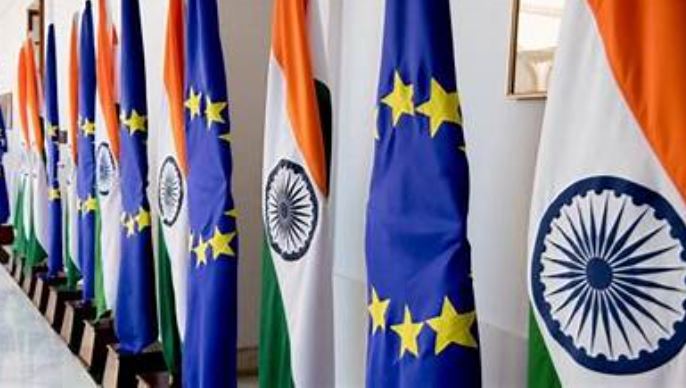
EU-India Partnership Blossoms

EU-India Partnership Blossoms

In a vibrant display of diplomatic synergy, European Union leaders Ursula von der Leyen, President of the European Commission, and António Costa, President of the European Council, graced India’s 77th Republic Day celebrations as chief guests.

Their presence at the grand parade on Kartavya Path symbolized a deepening strategic alliance between the EU and India, culminating in the anticipated signing of a long-awaited Free Trade Agreement (FTA) tomorrow at the EU-India Summit.

This milestone is poised to elevate bilateral relations to new heights, fostering economic growth and mutual prosperity in an era of global uncertainties. The FTA, negotiated over nearly two decades with renewed vigor since 2022, represents a triumph for free trade advocates. It aims to slash tariffs significantly – including India’s reduction on EU cars from up to 110% to 40% – while addressing barriers in services, investments, and digital trade.

Experts hail it as the “mother of all deals,” especially amid rising U.S. tariffs under recent administrations, positioning the EU and India as counterweights in global commerce.  The agreement is expected to boost trade volumes, create jobs, and enhance supply chain resilience, with projections of substantial cost reductions and expanded market access for both sides.

Bilateral trade between India and the EU already stands as a robust foundation for this partnership. In fiscal year 2024-25, merchandise trade reached approximately $136 billion, with EU exports to India at around $71 billion and imports at $65 billion.  Adding services, the total hovers near $200 billion annually, encompassing sectors like IT, pharmaceuticals, and engineering.

 This figure underscores India’s growing role as a key EU partner, surpassing many regional ties and reflecting a decade of steady growth. India’s proactive trade diplomacy extends beyond Europe, exemplifying its strategy to diversify partnerships and amplify exports. A prime example is the Comprehensive Economic Partnership Agreement (CEPA) with the United Arab Emirates, formalized in 2022 but invigorated through high-level visits. Prime Minister Narendra Modi’s trips to the UAE have catalyzed deals in energy, infrastructure, and fintech.

 Recently, during UAE President Sheikh Mohamed bin Zayed Al Nahyan’s visit to India, both nations inked a 10-year LNG supply agreement and set an ambitious target of $200 billion in bilateral trade by 2032.

 These moves align with India’s broader push to reduce dependence on traditional markets, mitigate geopolitical risks, and position itself as a manufacturing hub under initiatives like “Make in India.

” In stark contrast, Pakistan’s economic engagements with the EU and the United States reveal persistent challenges. EU-Pakistan trade totaled about €12 billion ($13 billion) in 2024, with a €4.6 billion deficit for the EU, primarily in textiles and apparel.

 Similarly, Pakistan-U.S. trade stood at $10.1 billion, dominated by exports like garments but showing limited growth despite historical alliances.

 These volumes pale in comparison to India-EU figures, highlighting untapped potential amid strained relations. Foreign investment in Pakistan faces formidable barriers. European companies cite rampant corruption, bureaucratic red tape, and political instability as deterrents.

The IMF and World Bank reports emphasize how these issues erode investor confidence, with corruption perceptions ranking Pakistan low globally.  Security risks, weak judicial systems, and infrastructure deficits further exacerbate the exodus of multinationals, with few American firms committing significant capital.

 U.S. investments remain minimal, reflecting broader hesitancy tied to governance concerns. Europe’s skepticism extends to Pakistan’s democratic processes. EU election observers have consistently flagged anomalies in polls, such as irregularities in vote counting and transparency lapses, straining bilateral ties.  Reports from 2024 elections highlighted “glaring irregularities,” prompting calls for reforms.

 Pakistani authorities often contest these findings, viewing them as interference, yet they underscore Europe’s emphasis on fair electoral systems as a prerequisite for deeper cooperation. Despite these hurdles, the EU has maintained Pakistan’s Generalized Scheme of Preferences Plus (GSP+) status since 2014, granting duty-free access for key exports.

 This decision, primarily political, aims to promote economic stability, human rights compliance, and good governance in vulnerable nations.  It has boosted Pakistan’s exports by 46% since inception, but ongoing scrutiny over conventions on labor and rights keeps the status under review.

The EU-India FTA and Republic Day festivities signal a pivotal shift in global trade dynamics, where strategic alignments reward stability and reform. For South Asia, this dichotomy underscores the dividends of robust governance: India’s ascent as a trade powerhouse versus Pakistan’s struggles with systemic reforms.

Pakistan’s top leadership is expected to visit the UAE to explore prospects for future business endeavors. The visit is also likely to focus on the Gaza Peace Board. Similarly, Pakistan is anticipated to play a role in defusing tensions between Saudi Arabia and the UAE, stemming from the UAE’s proximity to Israel.

As leaders toast to new beginnings, the region watches how these partnerships reshape economic landscapes.

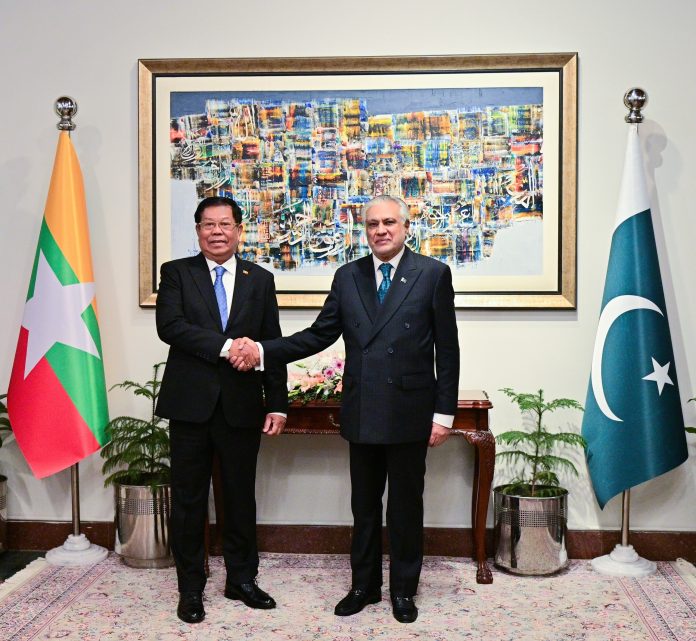
Pakistan and Myanmar Strengthen Bilateral Ties: Foreign Ministers Meet in Islamabad

ISLAMABAD, JAN 26 /DNA/: Deputy Prime Minister and Foreign Minister of Pakistan, Senator Muhammad Ishaq Dar, today received the Union Minister for Foreign Affairs of the Republic of the Union of Myanmar, H.E. Than Swe, at the Ministry of Foreign Affairs in Islamabad.The meeting marks a key highlight of H.E. Than Swe’s four-day official visit to Pakistan, which began over the weekend.

The Myanmar Foreign Minister arrived in Islamabad late on January 24, 2026, and was received at the airport by the Director General (East Asia Pacific Division) of Pakistan’s Ministry of Foreign Affairs, along with officials from the Myanmar Embassy.

This visit is described as rare, with the last high-level Myanmar delegation to Pakistan occurring in 2022.During the reception and discussions at the Ministry of Foreign Affairs, both sides reaffirmed their commitment to enhancing bilateral cooperation across areas of mutual interest. The talks focused on deepening diplomatic, economic, and regional ties between the two nations.

Pakistan and Myanmar share historical connections through shared regional forums and have expressed interest in expanding collaboration in trade, security, and people-to-people exchanges.This engagement builds on earlier diplomatic outreach. In early January 2026, Senator Ishaq Dar held a telephone conversation with H.E. U Than Swe, during which both ministers underscored the importance of bilateral relations and reviewed bilateral cooperation.

The recent visit follows preparatory meetings, including one between Pakistan’s Ambassador to Myanmar, Tariq Karim, and the Myanmar Foreign Minister in Nay Pyi Taw shortly before the trip.Analysts view the visit as part of Pakistan’s broader efforts to strengthen engagement with Southeast Asian countries and neighboring regions. It comes at a time when Pakistan seeks to diversify its diplomatic partnerships and promote constructive dialogue in Asia.

The four-day itinerary provides opportunities for further high-level interactions, potentially including meetings with other senior Pakistani officials, aimed at fostering goodwill and exploring pragmatic areas of cooperation.The meeting underscores the positive trajectory in Pakistan-Myanmar relations, with both countries expressing optimism for continued collaboration. Official statements from Pakistan’s Ministry of Foreign Affairs have highlighted the visit’s role in reinforcing longstanding ties and advancing shared objectives for regional stability and development.

As the visit progresses, further details on agreements or joint initiatives are anticipated. This diplomatic exchange reflects Pakistan’s active foreign policy in engaging with diverse partners across Asia.

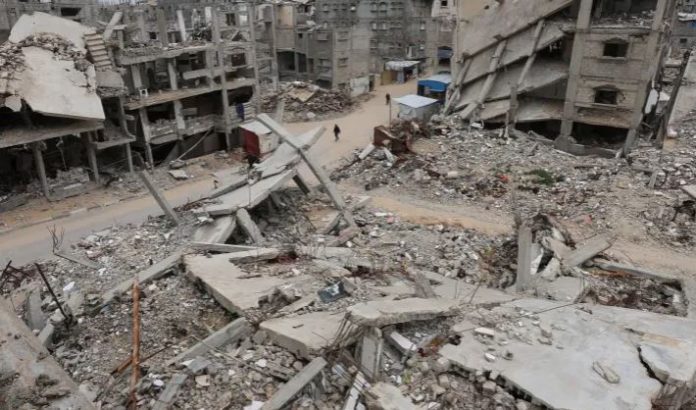
US envoys meet Netanyahu as Israel continues to bomb Gaza

US envoys meet Netanyahu as Israel continues to bomb Gaza

WASHINGTON, JAN 25: United States envoy Steve Witkoff says he and his colleague Jared Kushner have held “constructive” talks with Israeli Prime Minister Benjamin Netanyahu, as Israel continues its deadly bombardment of the besieged Gaza Strip.

In a short statement on Sunday, Witkoff said the “positive” discussion focused on “the continued progress and implementation planning for Phase 2 of President Trump’s 20-Point Plan for Gaza”, which the US and Israel are advancing in “close partnership”.

Witkoff added “broader regional issues” were also discussed in the meeting on Saturday, a likely reference to heightened tensions between the US and Iran and speculation that Washington and Tel Aviv may still yet attack Iran as they did during the 12-day June war against Tehran.

Israel, in the meantime, continues bombarding Gaza despite agreeing to a ceasefire in its genocidal war, committing near-daily violations of the October 10 agreement brokered by the US.

Reporting from Gaza City, Al Jazeera’s Hani Mahmoud said the sounds of Israeli gunfire and shelling coming from the eastern part of the Gaza Strip were almost non-stop on Sunday.

Medical sources at al-Shifa Hospital in the city said at least one person had been killed and 15 wounded throughout the day, Mahmoud added.

Further north, local sources in Jabalia refugee camp reported a drone attack on a medical facility that is located next to the so-called yellow line that separates Israeli- and Palestinian-controlled zones. Israeli military vehicles also unleashed heavy fire east of Jabalia and fired artillery shells in various areas of the town.

The extent of possible casualties was not immediately clear. “It’s a very difficult situation right now, and it’s unsafe for paramedics and Palestinian Civil Defence crew members to reach the area,” Mahmoud said.

At least 484 Palestinians have been killed and 1,321 others wounded in Israeli attacks since October 11, according to the Palestinian Health Ministry in Gaza. Israeli attacks have killed 71,657 people and wounded 171,399 others in Gaza since October 7, 2023, the ministry says.

Rafah reopening sparks hope, fear
Amid the ongoing Israeli assault on Gaza, the enclave’s Rafah border crossing with Egypt is expected to reopen in the coming days in both directions, the head of Gaza’s technocratic committee Ali Shaath said at the World Economic Forum in Davos, Switzerland on Thursday.

“Opening Rafah signals that Gaza is no longer ‌closed to the future and to ⁠the war,” Shaath said.

The reopening of Rafah would mark the fulfillment of a key tenet of US President Donald Trump’s 20-point plan, which called for allowing people to flow through Gaza’s main gateway to the outside world in both directions.

Ahmed al-JoJo, a Palestinian living in Gaza, has spent more than a year separated from his fiancee after she crossed into Egypt – unknowingly departing just days before the checkpoint closed indefinitely.

“I lived through all the stages that followed her departure – alone without her, and without any motivation for life,” he told Al Jazeera. Opening the crossing “would be a solution, but only a partial one”, he noted.

“This is the impact of the war, and what it has done to us,” al-Jojo said. “It’s separated us. The first step is for me to leave through the crossing.”

But Palestinians have previously waited out rumours of reopenings that never came to fruition. There is also widespread suspicion that Israel will use Rafah as a one-way exit that will aid in ethnic cleansing.

Israeli officials, for their part, have insisted that the full reopening be conditioned on the return of the one remaining deceased captive, as well as the disarmament of Hamas.

Stay Connected

64FansLike
60FollowersFollow

Latest Reviews

Exchange Rates

USD - United States Dollar
EUR
1.14
GBP
1.34
AUD
0.70
CAD
0.71