Home Blog Page 272

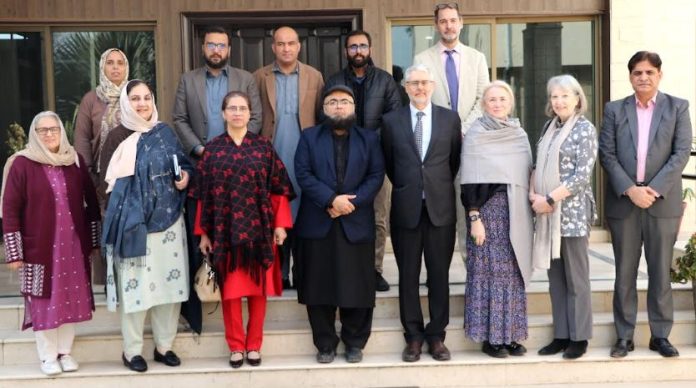
Spanish Ambassador leaves Pakistan prematurely after controversial tenure

Spanish Ambassador leaves Pakistan prematurely after controversial tenure

ISLAMABAD, JAN 30 /DNA/ – The Spanish Ambassador to Pakistan José Antonio de Ory Peral has departed nearly a year before completing his expected three-year term, leaving after just under two years in office. His early exit has raised eyebrows within diplomatic circles, though many in Islamabad’s media and political community have expressed relief at his departure. Traditionally, Spanish ambassadors in Pakistan have been regarded as approachable, warm, and popular figures, but this envoy proved to be an exception.

From the beginning of his tenure, he was perceived as unusually cynical and aloof. One incident at a reception early in his posting left a lasting impression. A senior representative of one of Pakistan’s leading daily newspapers approached him with a name card, a customary gesture of introduction. The ambassador glanced at the card and returned it to the journalist without acknowledgment. The act was seen as humiliating, and those nearby who had intended to introduce themselves quietly withdrew. That moment set the tone for his reputation in Islamabad, where many found him distant and unwelcoming.

Diplomatic insiders suggest that his demeanor often offended those who attempted to engage with him, with even a simple handshake sometimes interpreted as unwelcome. This stood in stark contrast to the easygoing nature of his predecessors, who were known for building strong ties with Pakistani society and the press. Rumors circulated early on that he would not remain in Pakistan for long, and his premature departure appears to confirm those predictions.

Interestingly, news of his exit has been met with sighs of relief among journalists and officials who had struggled to connect with him. While the reasons for his early departure remain unclear, his tenure will likely be remembered as one of the most unusual and strained in the history of Spanish diplomacy in Pakistan.

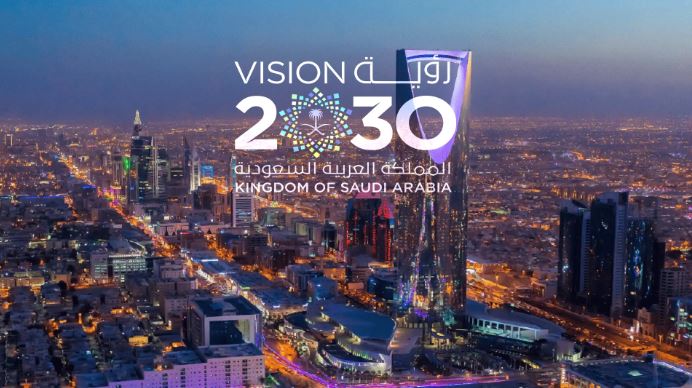
Saudi Arabia launches major privatization drive under vision 2030

Saudi Arabia launches major privatization drive under vision 2030

RIYADH, Jan. 30: Saudi Arabia has begun implementing its National Privatization Strategy following approval by the Cabinet, Saudi Minister of Finance Mohammed Al-Jadaan said on Thursday.

The minister noted that the privatization strategy seeks to strengthen the private sector’s role in sustainable development, enable the government to focus on its legislative, supervisory, and regulatory roles, and enhance fiscal sustainability, in line with the objectives of Saudi Vision 2030.

During the implementation process, the kingdom targets signing more than 220 public-private partnership contracts and increasing private-sector capital investments to more than 64 billion U.S. dollars by 2030.

The strategy also aims to build future-ready infrastructure of high quality and efficiency and improve the public services provided to the kingdom’s population, added Al-Jadaan.

He said that the strategy received Cabinet approval in November 2025.

PRCS Chairperson meets global humanitarian leaders in Geneva

PRCS Chairperson meets global humanitarian leaders in Geneva

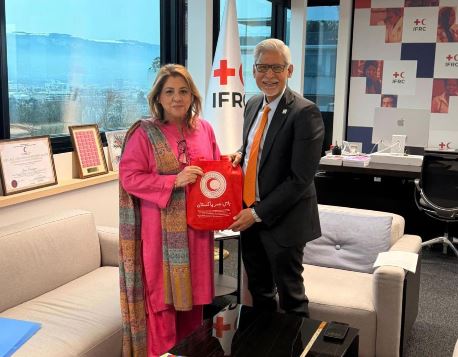
GENEVA, JAN 30 /DNA/ – The Honorable Chairperson of the Pakistan Red Crescent Society (PRCS), Mrs. Farzhana Naek, held a series of high-level meetings with the leadership of the International Federation of Red Cross and Red Crescent Societies (IFRC) and the International Committee of the Red Cross (ICRC) during her visit to their Headquarters in Geneva. This was her first official visit to Geneva after assuming office as Chairperson of PRCS.

During her visit to the IFRC Headquarters, Mrs. Farzhana Naek met with the IFRC Secretary General, Mr. Jagan Chapagain.

The meeting focused on strengthening PRCS’s institutional capacity and enhancing its ability to deliver effective humanitarian services across Pakistan.

Mr. Chapagain appreciated the positive organizational transformation taking place under the current PRCS leadership and emphasized the long-term value of these reforms for the National Society. Discussions also covered resource mobilization and practical approaches to ensure the financial sustainability of PRCS, with the IFRC Secretary General reaffirming IFRC’s continued support to PRCS in achieving its strategic objectives.

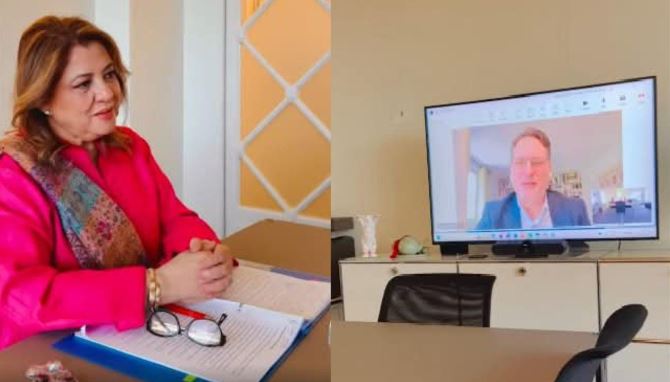
In a separate engagement, the Chairperson held a virtual meeting with the Director General of ICRC, Mr. Pierre Kraehenbuehl, during her visit to the ICRC Headquarters in Geneva. Mr. Kraehenbuehl commended the progress made by PRCS under Mrs. Naek’s leadership and acknowledged its effective humanitarian outreach across the country. The discussion focused on deepening collaboration in the Merged Areas of Khyber Pakhtunkhwa, Balochistan, and Azad Jammu and Kashmir, with particular attention to Khyber (Tehsil Tirah) and Kurram districts. The ICRC Director General also appreciated the impact and uniqueness of Pakistan’s Restoring Family Links (RFL) programme, recognizing its importance in reconnecting separated families.

Speaking on the occasion, Chairperson PRCS Mrs. Farzhana Naek said that the engagements in Geneva provided an important opportunity to align PRCS priorities with Movement partners at the global level. She noted that the discussions with IFRC and ICRC leadership reinforced the shared focus on sustainability, accountability, and practical humanitarian outcomes, and highlighted the importance of strong partnerships in enabling PRCS to respond more effectively to the needs of vulnerable communities across Pakistan.

In addition to meetings with IFRC and ICRC leadership, the Chairperson held detailed discussions with senior officials and global programme heads from both organizations. These interactions covered key thematic areas including innovative financing, climate action, migration, health, disaster response, and strengthening the auxiliary role of PRCS. The meetings also addressed digitalization, legal and governance frameworks, ethics and accountability, integrated health services, cash assistance, and resilience building, while recognizing PRCS’s strong community presence, volunteer network, and growing role within the International Red Cross and Red Crescent Movement.

The Geneva visit reflects PRCS’s continued engagement with its Movement partners to strengthen cooperation, enhance institutional capacity, and expand the reach and impact of humanitarian services for communities in need across Pakistan.

HEC set to pilot research excellence framework in varsities

HEC set to pilot research excellence framework in varsities

ISLAMABAD, JAN 30 /DNA/ – The Higher Education Commission (HEC), Pakistan, has finalised Research Excellence Framework (REF) model for Pakistan, after a detailed five-day consultative workshop to strengthen research quality, accountability, and global competitiveness.            

The policy framework – ready to pilot in 10 universities before its full-scale roll-out – has been designed to promote a transparent and internationally compatible mechanism to examine quality, environment, and real-world impact of research.    

The HEC workshop held in partnership with the British Council Pakistan under the Pak-UK Education Gateway covered a series of detailed deliberations and comprehensive consultations among senior HEC and British Council leadership, academic stakeholders, and international advisory team comprising four technical experts from the University of Sussex, United Kingdom. 

During the course of consultations, intensive discussions and stakeholder engagements took place through roundtables, briefings, and debrief sessions as well as field visits to examine institutional readiness, focusing on governance foundations and strategic roles, assessment design, ethics framework, operational processes, digital systems, and funding model. It has been ensured that the framework is in line with the international best practices while ensuring alignment with the national priorities.

The opening days of the consultations were dedicated to establishing the governance and decision-making architecture of REF. The participants reached agreement on institutional arrangements for piloting and phased national roll-out, including the legislative and regulatory pathway within HEC and the proposed role of REF Council. The following sessions brought under consideration the assessment and oversight mechanism with satiating discussions on three core dimensions of assessment – research outputs, research environment, and societal impact.

In their closing remarks, senior officials from HEC, British Council, and the UK experts emphasised that the finalisation of REF will transform Pakistan’s research ecosystem. They termed the REF finalisation as a major step forward in HEC’s efforts to align Pakistan’s research system with global standards, enhance accountability, and maximise the societal and economic impact of publicly funded research. They underlined that the framework will provide a strong foundation for piloting and future refinement. They affirmed that the outcomes of the pilot will lead to refinement of the framework for a full-scale roll-out.

The successful finalisation of REF is a testimony to strong HEC-British Council partnership, and it reflects HEC’s commitment to upgrading the research activities and maximising their socio-economic impact in the country.    

Islamabad Chamber hosts diplomats to boost trade, investment

Islamabad Chamber hosts diplomats to boost trade, investment

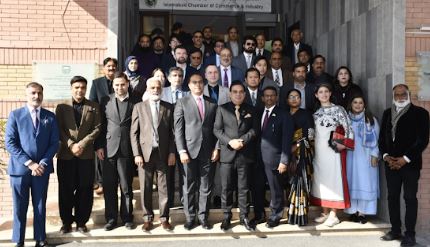
ISLAMABAD, JAN 30: The Islamabad Chamber of Commerce and Industry (ICCI) organized a Roundtable Conference of Senior Diplomats and Commercial Counsellors, aimed at strengthening economic diplomacy and enhancing trade and investment cooperation between Pakistan and the international business community.

Addressing the forum, ICCI President Sardar Tahir Mehmood highlighted Pakistan’s vast trade and investment potential by projecting an increasingly business-friendly environment driven by economic reforms, improved ease of doing business, and strong private-sector participation. He stated that Pakistan, and Islamabad in particular, offers a secure and attractive ecosystem for foreign investors, with growing opportunities across multiple sectors.

He emphasized that ICCI has been playing a proactive role in promoting exports and investment by facilitating B2B linkages, organizing international trade delegations, encouraging joint ventures, engaging policymakers for regulatory simplification, and providing market intelligence to exporters and investors. He noted that ICCI remains committed to acting as a bridge between the government, diplomatic missions, and the business community to translate opportunities into tangible economic outcomes.

Sardar Tahir Mehmood underlined the importance of Commercial Counsellors and Economic Attachés in facilitating market access, guiding businesses on regulatory frameworks, and identifying emerging opportunities. He said that structured and continuous engagement with diplomatic missions would help Pakistani businesses integrate into global value chains and diversify export markets. He briefly referred to the Islamabad Sister Cities Initiative as one of the platforms supporting ICCI’s broader economic diplomacy efforts.

 Additional Secretary, Prime Minister’s Office, Zulfiqar Ali, in his address, highlighted the Prime Minister’s initiatives for promoting trade, investment, and exports. Director General Trade Policies, Ministry of Commerce, Shafeeq Ahmed Shehzad, informed participants that comprehensive measures are being undertaken to improve ease of doing business, including tariff rationalization and policy reforms.

Ambassador of Yemen Mohammed Motahar Alshabi, Economic Counsellors Embassy of Japan, Kazakhstan, Head of Chancery Malaysian High Commission, Second Secretary Embassy of Vietnam, Deputy head of Mission Embassy of Azerbaijan, Commercial Counsellors Embassy of Belarus, Bosnia Minister Counsellor Embassy of Sri Lanka, First Secretary Embassy of Iran, Researcher from Embassy of South Korea, Deputy Head of Mission Embassy of Tunisia,  and representative from Kyrgyzstan   appreciated ICCI’s initiative and termed Pakistan a promising destination for trade and investment. They expressed their countries’ interest in joint ventures and enhancing bilateral trade volumes.

In his vote of thanks, former ICCI President and Convener ICCI Standing Committee on Diplomatic Affairs Zafar Bakhtawari emphasized the importance of connectivity and sustained institutional engagement for promoting multifaceted economic relations among countries. He also appreciated the participation of diplomatic missions and reaffirmed ICCI’s commitment to serving as a platform for economic collaboration. 

Senior Vice President ICCI Tahir Ayub  who conducted the proceedings as Master of the ceremony, provided insightful references to the historical , geographical and economic significance of the participating countries, while Convener Islamabad Cities Initiative Sajid Iqbal presented the concept note of the roundtable.

The conference was also attended by ICCI Vice President Irfan Chaudhry, Executive Committee members and a large number of representatives from the trade and industrial community, who termed the event a significant step toward strengthening Pakistan’s economic diplomacy and international business engagement.

Trump warns Britain on China ties as Starmer hails progress in Beijing

British trade department minister Chris Bryant says Trump is “wrong” to say what the UK is doing is dangerous

WASHINGTON, JAN 30: US President Donald Trump said it was dangerous for Britain to be getting into business with Beijing, as Prime Minister Keir Starmer lauded the economic benefits of resetting relations with China during a visit there on Friday.

As Western leaders reel from Trump’s unpredictability, Starmer is the latest to head to China.

In three-hour talks with President Xi Jinping on Thursday, the British leader called for a “more sophisticated relationship” with improved market access, lower tariffs and investment deals while also discussing soccer and Shakespeare.

In Washington, however, replying to questions about the closer ties, Trump said: “Well, it’s very dangerous for them to do that.” He was speaking to reporters ahead of the premiere of the film “Melania” at the Kennedy Centre.

He did not elaborate.

Trump, who plans to travel to China in April, threatened last week to impose tariffs on Canada after Prime Minister Mark Carney struck economic deals with Beijing on a recent visit.

Britains Prime Minister Keir Starmer speaks during the UK-China Business Forum at the headquarters of the Bank of China (BOC) in Beijing, China, January 30, 2026. — Reuters

Britain’s Prime Minister Keir Starmer speaks during the UK-China Business Forum at the headquarters of the Bank of China (BOC) in Beijing, China, January 30, 2026. — Reuters

While a Downing Street spokesperson and China’s foreign ministry did not immediately respond to requests for comment, British trade department minister Chris Bryant said Trump was “wrong” to say what the UK was doing was dangerous.

“Of course, we enter into our relationship with China with our eyes wide open,” he told the BBC on Friday.

Around the time of Trump’s comments, Starmer told a meeting of the UK-China Business Forum in the Chinese capital that his “very warm” meetings with Xi had provided “real progress”.

Starmer hailed deals on visa-free travel and lower whisky tariffs as “really important access, symbolic of what we’re doing with the relationship”.

“That is the way that we build the mutual trust and respect that is so important,” Starmer said.

Before heading for the financial hub of Shanghai, he met Chinese business leaders, such as Yin Tongyue, chief executive of carmaker Chery, which plans to open a research and development centre for its commercial vehicle arm in the English city of Liverpool, a city official said during Starmer’s visit.

President Ilham Aliyev accepts credentials from New Greek Ambassador

President Ilham Aliyev accepts credentials from New Greek Ambassador

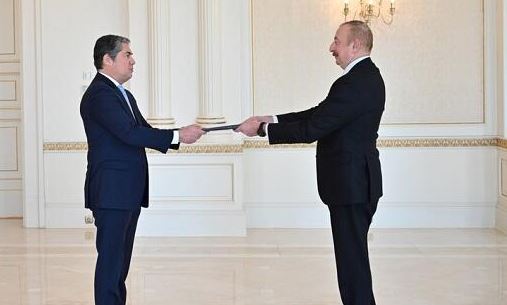
BAKU, JAN 30: President of the Republic of Azerbaijan Ilham Aliyev received the credentials of Maria K. Papakonstantinou, the incoming Extraordinary and Plenipotentiary Ambassador of the Hellenic Republic, on January 30.

41 India-backed terrorists killed in Balochistan operations: ISPR

41 India-backed terrorists killed in Balochistan operations: ISPR

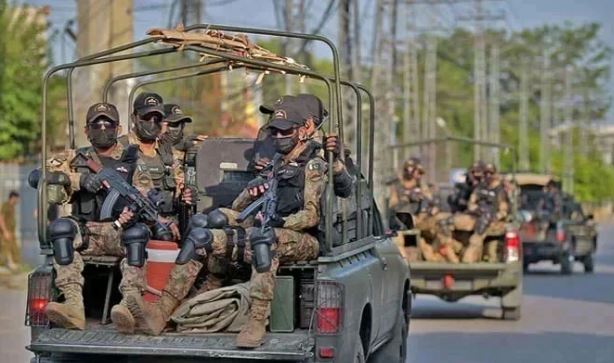
RAWALPINDI: As many as 41 Indian-backed militants were killed in two separate operations in Balochistan, the Inter-Services Public Relations (ISPR) said on Friday, as the army vowed to crush the menace of terrorism.

In a statement, the military’s media wing said that the terrorists — belonging to Indian proxy, Fitna al-Khwarij and Fitna al-Hindustan — were killed on January 29 during intelligence-based operations (IBO).

Providing details, the ISPR said that one IBO was conducted on the outskirts of Harnai District on the reported presence of Fitna al-Khwarij.

During the conduct of the operation, the security forces effectively engaged the hideout, and after an intense fire exchange, 30 Indian sponsored Khwarij “were sent to hell”.

The military’s media wing added that a large cache of ammunition and explosives was also recovered from the killed terrorists and destroyed on the spot.

Another intel-based operation was conducted in Panjgur District in which a terrorist hideout was busted, and 11 India-sponsored terrorists of Fitna al-Hindustan were neutralised.

Besides weapons and ammunition, looted money from the bank robbery in Panjgur on December 15, 2025, was also recovered from the killed terrorists. “The terrorists were involved in numerous terrorist activities in the past.”

Sanitisation operations are being conducted to eliminate any other India-sponsored terrorists found in the area.

“Relentless Counter Terrorism campaign under vision “Azm e Istehkam” […] by security forces and law enforcement agencies of Pakistan will continue at full pace to wipe out [the] menace of foreign-sponsored and supported terrorism from the country.”

Pakistan has experienced a rise in cross-border terrorist incidents since the Taliban regained control of Afghanistan in 2021. The provinces of KP and Balochistan, which border Afghanistan, have been particularly affected by these attacks.

ISPR Director General Lieutenant General Ahmed Sharif Chaudhry, in his presser on January 6, said that law enforcement agencies carried out 75,175 IBOs across the country in 2025.

Giving a breakdown, he said 14,658 IBOs were conducted in KP, 58,778 in Balochistan, while 1,739 operations took place in the rest of the country.

Lt Gen Chaudhry said that 5,397 terrorism incidents were reported nationwide during the last year. Of these, 3,811 incidents, he said, occurred in KP, 1,557 in Balochistan, and 29 incidents were reported in other parts of the country.

He said that 2,597 terrorists were killed during counterterror operations last year. While providing details of 10 major terror attacks across the country, he said that civilians and soft targets had been deliberately targeted, and Afghan militants were involved in all attacks.

PM Shehbaz announces Rs4.4 per unit cut in power tariff for industries

PM Shehbaz announces Rs4.4 per unit cut in power tariff for industries

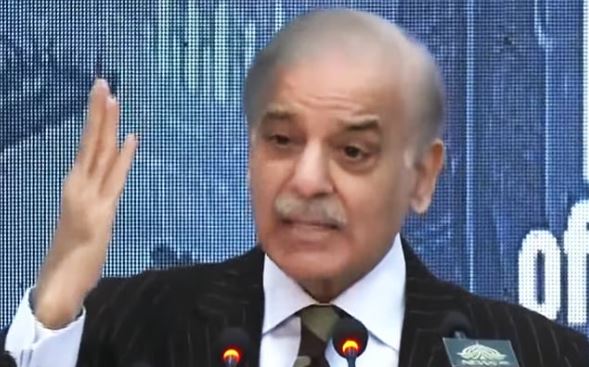
ISLAMABAD: Prime Minister Shehbaz Sharif on Thursday announced an Rs4.4 per unit reduction in electricity tariffs for industries, along with an Rs9 cut in wheeling charges, to support the business fraternity.

He made these remarks while addressing a ceremony held in honour of the country’s eminent businessmen and exporters in Islamabad. Deputy Prime Minister and Foreign Minister Ishaq Dar, federal ministers, leading businessmen, entrepreneurs and exporters also attended the ceremony.

At the ceremony, awards were distributed among exporters who made a significant contribution to the national economy, and the prime minister personally presented awards to prominent exporters and business figures from across the country, whom he also formally welcomed.

The prime minister, while addressing the ceremony, said all future economic policies would be framed in close consultation with the business community and that there was no alternative to export-driven economic growth. He also announced that traders who had received awards would be granted blue passports.

He further said the government was also reducing the tax rate for exporters from 7.5% to 4.5% to provide immediate relief to businesses and accelerate export-led growth.

PM Shehbaz said the government did not believe in running businesses itself and that the private sector must lead economic activity, while the state’s role was to provide a conducive and predictable business environment. The prime minister said Pakistan must now move decisively towards growth and welcomed proposals from the business community.

“You exporters deserve the highest praise. Great business leaders have worked day and night to bring pride to the country,” the prime minister said, adding that exporters had delivered a strong performance despite difficult conditions and had posted a notable increase in Pakistan’s exports in 2025.

He said some people had claimed that Pakistan had technically defaulted and that talk of the country’s bankruptcy had continued in the past, but saving Pakistan from default had been one of the government’s biggest challenges.

“When we assumed office, the economic situation was extremely fragile, and the common man faced severe hardships,” he said.

Referring to international engagements, the prime minister said he met the managing director of the International Monetary Fund (IMF) in Paris in 2023, and later the global lender approved an economic programme for Pakistan. He said the IMF chief had also remarked that offering a new structure at that time was difficult.

He said inflation was gradually coming down, while the policy rate had declined sharply from 22% to around 10.5%. Owing to improved economic policies, Pakistan’s foreign exchange reserves had doubled, he said, adding that government efforts had helped save the country from bankruptcy.

The prime minister said friendly countries had fully supported Pakistan during difficult times and that, together with the Chief of Army Staff and Chief of Defence Forces Field Marshal Asim Munir, he had met leaders of several countries to advance economic stabilisation. He said the results of difficult decisions were now becoming visible.

He stressed that Pakistan must move forward collectively on the path of development and that the entire nation, particularly the poor, had made sacrifices during the stabilisation phase.

He directed State Bank of Pakistan (SBP) Governor Jameel Ahmed to listen carefully to the concerns of business leaders and reiterated that economic policies would be finalised after structured consultations with traders and exporters.

On the regional and international front, Prime Minister Shehbaz said Pakistan had achieved successes on the diplomatic and defence fronts. Referring to the victory in “Marka-e-Haq”, he said Pakistan now held a unique standing in the world, and during his post-victory foreign visits, he witnessed a clear change in international attitudes.

He said that after Marka-e-Haq, heads of state personally embraced him and that the world was now ready to listen to Pakistan. He added that contacts were being made to attract fresh investment.

‘Ending corruption, cutting expenditures’
On privatisation and institutional reforms, he said the privatisation of Pakistan International Airlines had been conducted transparently and that future privatisation would also strictly follow transparency standards.

He said the Pakistan Works Department had been shut down due to poor performance after years of political controversy, utility stores had been closed because of widespread corruption, and Pasco had also been shut.

He said the government was introducing reforms and cutting expenditures worth billions of rupees. He stressed that taxes must be reduced, particularly direct taxes, and said direct taxes should be lowered immediately, not at some distant point in the future. He said indirect taxes were collected from consumers and deposited with the government.

The prime minister said petrol smuggling had almost been eliminated and credited the Field Marshal for playing a one-hundred-per-cent role in curbing smuggling. He said the government first focused on the affairs of sugar mills as part of broader corrective measures.

Highlighting priority sectors, he said the textile and leather industries were playing a vital role in the economy, and export-based growth remained the government’s central focus. He said significant initiatives were also being taken in the digital sector.

The prime minister said his entire cabinet was working tirelessly to pave the way for national development and that political and military cooperation was opening all avenues for progress. He added that politics was everyone’s right, but national dignity must come first.


Japan funds clean water projects in Punjab

Japan funds clean water projects in Punjab

Japan Funded for the Installation of Seven Water Filtration Plants in District Faisalabad, Punjab

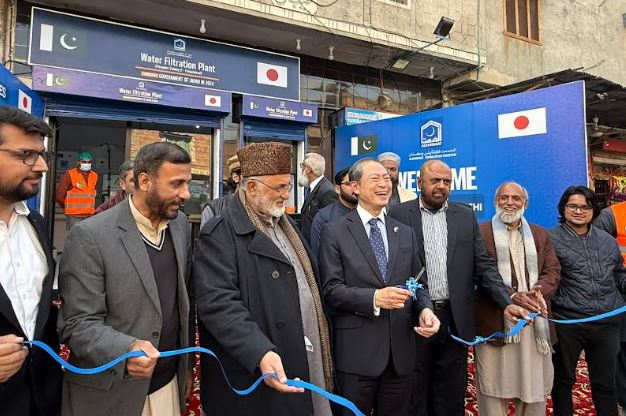
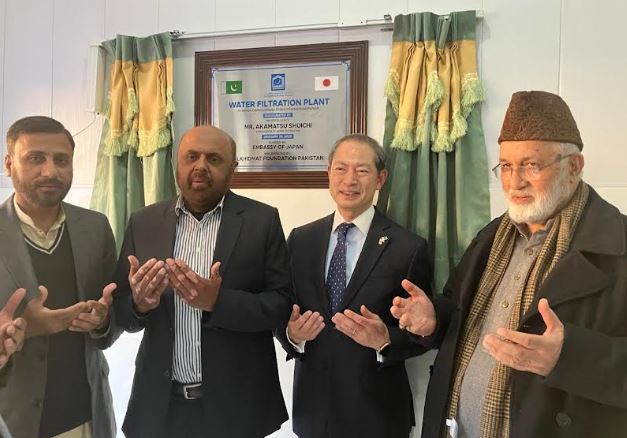
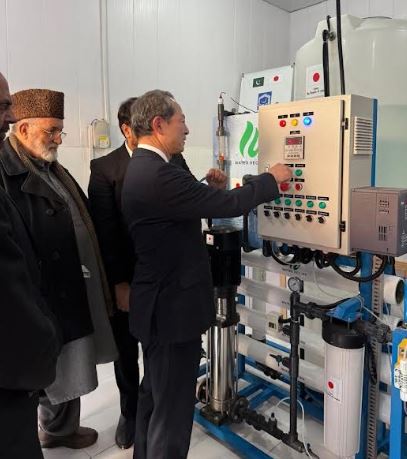
ISLAMABAD, JAN 30 /DNA/ – Akamatsu Shuichi, Ambassador of Japan to Pakistan, inaugurated a project for the installation of water filtration plants in seven communities of District Faisalabad, Punjab on Thursday. The project was implemented by Alkhidmat Foundation Pakistan, a non-governmental organization which has over three decades of experience in humanitarian and development work across Pakistan.

The Government of Japan, through its Grant Assistance for Grassroots Human Security Projects(GGP) Program, provided financial assistance of  70,201 USD to this project, for the installation of seven water filtration plants in underserved communities such as Peoples Colony 2, Badar Colony, Kuri Wala, 40 Mor Jaranwala, Chak No. 421 GB, Hussainabad in Faisalabad District, and Bamba Bola in Okara District. The inauguration ceremony was attended by officials from the Embassy of Japan, representatives of Alkhidmat Foundation Pakistan, and members of the beneficiary communities.

Alkhidmat Foundation Pakistan has implemented several successful projects in the past in collaboration with the Japanese Embassy to improve the living standard of people in Pakistan. This project, funded by the Government of Japan responds to the urgent need of safe drinking water for over 400 households (or 2,870 people) in Faisalabad where a large proportion of the population is exposed to waterborne diseases due to contaminated water sources. The availability of clean drinking water will contribute to improve people’s health and livelihoods.

While speaking at the ceremony, Ambassador Akamatsu congratulated NGO for the successful completion of the project and appreciated its role in delivering essential services to underserved communities. Ambassador Akamatsu stressed that access to safe drinking water is a fundamental human right and a key priority of Japan’s assistance policy toward Pakistan.

Ambassador Akamatsu emphasized that the Government of Japan’s commitment to continuing its support for the people of Pakistan and expressed his hope that this project would further strengthen the longstanding friendship and cooperation between Japan and Pakistan.

Stay Connected

64FansLike
60FollowersFollow

Latest Reviews

Exchange Rates

USD - United States Dollar
EUR
1.14
GBP
1.34
AUD
0.70
CAD
0.71