Home Blog Page 2678

PAKISTAN, AZERBAIJAN RELATIONS ARE DEEP ROOTED AND HISTORICAL: AMBASSADOR

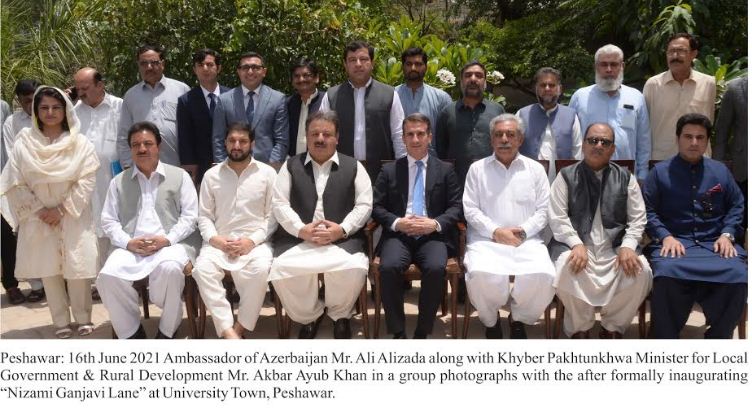
PESHAWAR, JUN 16 (DNA) – Pakistan and Azerbaijan relations are deep-rooted and historical, which are now translating into more close for socio-economic development and peoples to peoples interaction.

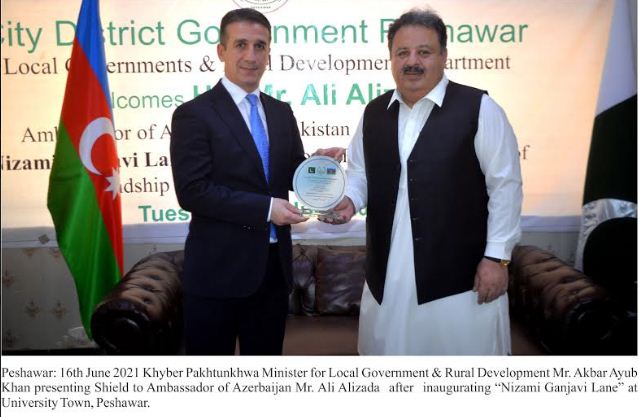
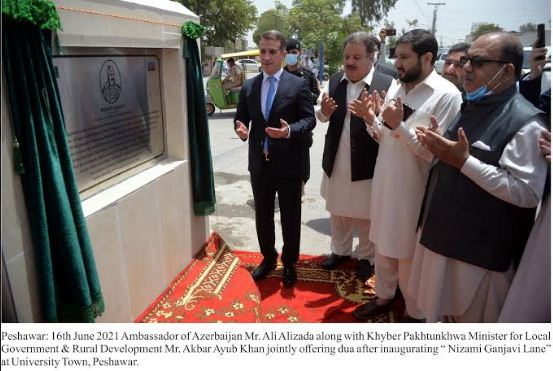
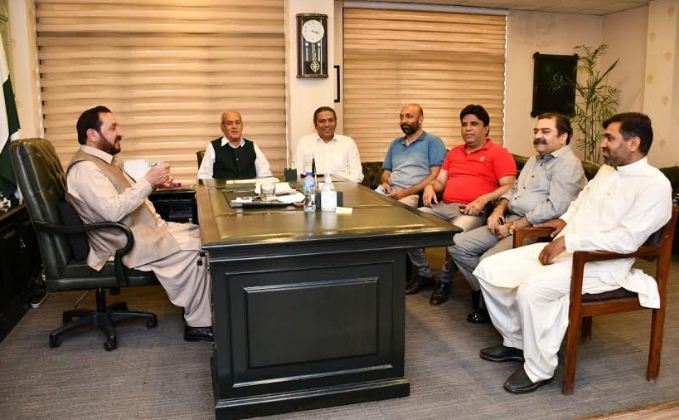
Azerbaijan Ambassador in Pakistan Ali Alizada was speaking at the special ceremony to naming the “Nizami Ganjavi” Lane at University Town, Peshawar-a capital city of Khyber Pakhtunkhwa Province of Pakistan this afternoon at a graceful ceremony.

Ambassador Ali Alizada said that the President of Azerbaijan Mr. IIham Aliyev declared this year 2021 as Year of Nizami Ganjavi in Azerbaijan and naming of this “Nizami Ganjavi” Lane will be remembered as a goodwill gesture and contribution to the existing strong Pakistan-Azerbaijan fraternal relations as well as a token of regards & respects from the Citizens of City of Peshawar who are having a historical relations with Azerbaijans nation & importance in South Asia.

Amb. Ali Alizada expresses thanks to the City District Government of Peshawar (CDGP), Local Governments & Rural Development (LG&RD) Department of Khyber Pakhtunkhwa for taking this important initiative to further strengthen the relationship and this gesture of good well is gratefully acknowledged.

Khyber Pakhtunkhwa Provincial Minister for LG&RDD Mr. Akbar Ayub Khan welcome the Azerbaijan Ambassador Ali Alizada and on behalf of Peoples & Government of Khyber Pakhtunkhwa Province and said that as Pakistan was second Country of the World who recognize in December 1991, we value our historical relations of decades with Azerbaijan and encourage the initiatives to further strengthening these brother relations.

Recently Pakistan, Turkey & Azerbaijan join hands for the economic developmental activities which will be also fruitful and a new chapter of prosperity will be began.

Minister Akbar Ayub Khan appreciate the initiative of Peshawar City District Government and express his satisfaction on this step and said that Peshawar and other Cities of Khyber Pakhtunkhwa Province should have sister city relationship with major Friendly Countries and we should learn lesson from their experiences in economic development & social prosperity.

Minister Akbar Ayub Khan said Prime Minister Imran Khan & Chief Minister Mahmood Khan are keenly interested to further enhance the trade and economic relations for the bright future of the country. We should learn from each other experiences.

Earlier Azerbaijan Ambassador Mr. Ali Alizada & Khyber Pakhtunkhwa Minister LG&RDD Mr. Akbar Ayub Khan jointly inaugurate the “Nizami Ganjavi Lane” at University Town Peshawar and pray for the betterment & strengthening of Pakistan Azerbaijan relations in all walks of life.

The ceremony was also attended by senior Politician Mr. Yousaf Ayub Khan, MPA & Member Provincial Finance Commission Mr. Arshad Ayub Khan, Secretary LG&RDD Mr. Shakeel Ahmad Senior Officer of LG&RDD Mr. Saleem Khan, Mr. Khizar Hayat Khan, Mian Shafiq-ur-Rehman Secretary General PCFA Syed Ali Nawaz Gilani apart from senior officers from Embassy of Azerbaijan in Pakistan.

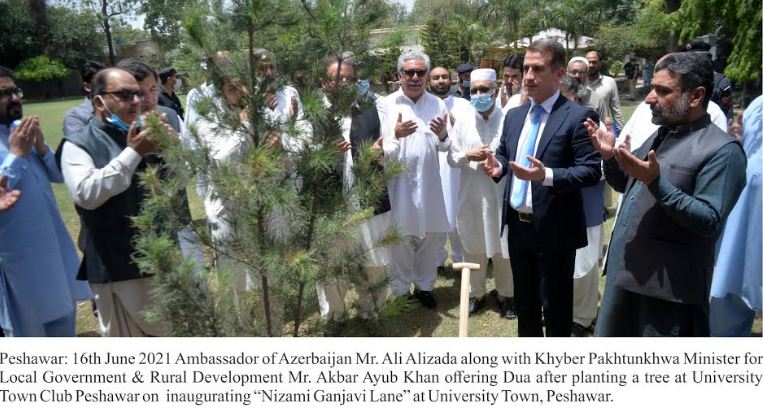
Ambassador Ali Alizada also plants a tree in University Town Club as a token of remembrance and Pak Azerbaijan everlasting friendship. Souvenirs were also exchanged on the occasion.=DNA

=========

20 YEARS ON, PAK, OTHER SCO’S MEMBERS WENT THROUGH FRUITFUL JOURNEY: ZHAO LIJIAN

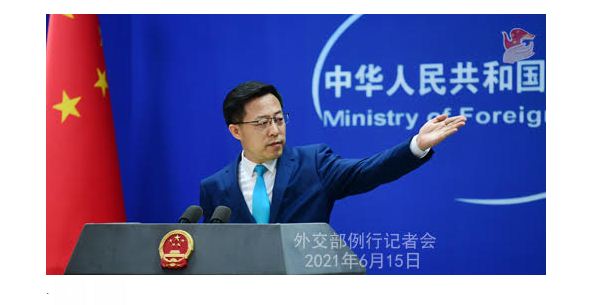
BEIJING, June 16 (DNA): “Over the past two decades, SCO has navigated the evolving international landscape, successfully blazed a path of cooperation and development under a new type of regional organization, played an important constructive role in promoting regional security, through practice for the building of a new type of international relations with a shared future for mankind,” Chinese spokesperson Zhao lijian said at a press conference.

According to China Economic Net, he stated this while responding to a question about the 20th anniversary of the establishment of SCO, which was just celebrated on June 15.

While hinting that a series of events on the topics of state governance, digital economy, traditional medicine, women, education and poverty reduction will be held to commemorate the anniversary, Zhao reviewed the achievements SCO has made in the past two decades:

First, it came up with an up-to-date vision on cooperation. Following the trend for peace and development, it put forward the innovative Shanghai Spirit featuring mutual trust, mutual benefit, equality, consultation, respect for cultural diversity and pursuit of common development and fostered a brand new cooperation model of harmonious co-existence of countries with different social systems and development paths.

Second, it strengthened bilateral relations. Member states of SCO, upholding the principle of no alliance, no confrontation and no targeting any third party, continuously enhanced political mutual trust, good neighborliness and friendship.

All sides make full use of venues like the SCO Summit to engage intensively in high-level exchange, conduct close communication and coordination on major international and regional issues, and render each other support on issues concerning respective core interests and major concerns, translating the profound connotation of a shared future through weal and woe into concrete actions.

Third, it safeguarded regional security and stability. Taking security cooperation as a priority, SCO ratified important legal instruments such as the Convention on Combating Terrorism and the Convention on Combating Extremism, stepped up cooperation in such areas as counter-terrorism, counter-narcotics, border defense and information security, held regular joint counter-terrorism exercises, and promoted the peace and reconciliation process in Afghanistan through the SCO-Afghanistan Contact Group, creating a peaceful and stable environment for the development of regional countries.

Fourth, it enhanced the shared development of all countries involved. The SCO established cooperation mechanisms in economy, trade, transportation, finance, agriculture and localities, dovetailed BRI with national development strategies and regional cooperation initiatives, launched a great number of livelihood cooperation projects in culture, education, tourism, environmental protection, youth and women, giving a strong boost to the development of rejuvenation of relevant countries.

Fifth, it has set the standard for multilateralism. SCO stands firmly for international equity and justice. It has spoken in a strong voice about defending multilateralism and rejecting unilateralism and protectionism.

It has stated its position on enhancing solidarity against the pandemic and rejecting politicization of the virus. It has put forward the SCO solution on the political settlement of regional hotspot issues. It maintains close communication and coordination with observer states and dialogue partners, engages in wide-ranging cooperation with the UN, ASEAN, the Commonwealth of Independent States and other international and regional organizations, and works for a more equitable international order.

Following the press conference, an SCO Day reception was held, where State Councilor and Foreign Minister Wang Yi delivered a video address to review the extraordinary journey of SCO over the past 20 years and envision its bright future.

According to a report of CGTN, Wang defined the two decades with two keywords “unity” and “shared development”, saying that the SCO members have supported each other on issues concerning core interests and major concerns and cooperated with each other in fighting against “three evils” and joint construction of the Belt and Road.

The Chinese Foreign Minister also presented several proposals for the organization’s future, calling on the member states to make greater contributions in promoting world peace and development.

He said SCO should unleash new drivers of win-win cooperation, he added, referring to jointly addressing data security, biosecurity, further cooperation in digital economy and artificial intelligence, and promoting trade and investment liberalization and facilitation.

SCO should shoulder new responsibilities for global governance, promote genuine multilateralism and uphold the common values of peace, development, fairness, justice, democracy and freedom for all humankind, he added.=DNA

========

Experts discuss steps to tackle the trade of illicit tobacco

DNA

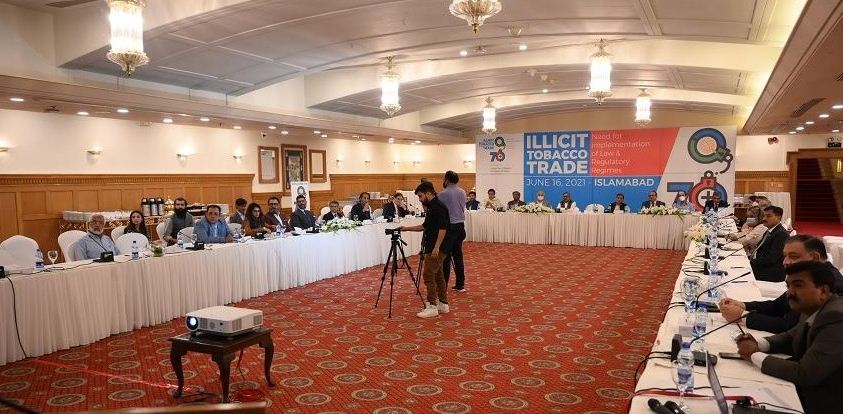
ISLAMABAD, JUN 16 – A Roundtable Discussion on “Illicit Tobacco Trade: Need for Implementation of Law & Regulatory Regimes” was organized by Center for Global and Strategic Studies (CGSS), Islamabad.

The discussion commenced with the opening remarks of Major General Hafiz Masroor Ahmed (Retd), Vice President, Center for Global and Strategic Studies (CGSS), Islamabad. He stated that today, we have gathered to discuss an important issue.

A lot of studies have been conducted on this issue and its shows that the impact of illicit tobacco trade is enormous in terms of revenue. In our current policy, many new initiatives are being incorporated to tackle this issue.

Ms. Maryam Raza, Research Associate, CGSS gave an introductory presentation on the subject.  She said that according to a report by IPSOS there are five major sectors in Pakistan due to which the tax evasion ratio is high. 65% of all tyres in Pakistan are smuggled.

Small traders who hold 40-50% market share contribute massively to tax evasion. Real estate in Pakistan is where the tax evaded/black money gets parked. Counterfeit medical drugs and illegally smuggled medicines have been the biggest challenge for law-enforcement agencies to combat.

Tax evasion is carried out through the illegal trade of tobacco and has three main strands, each having its own estimation of losses to national exchequer and additional violations of several other laws in the country.

Mohammad Jehanzeb Khan, Deputy Chairman, Planning Commission of Pakistan was the Guest of Honor at the occasion. Hecommended CGSS for organizing this timely discussion. He stated that today, we will bring to spotlight, the important public policy matters. He stated that being multidimensional, this matter is of great significance. He stated that there have been a lot ofcampaigns to highlight this issue at both national and international level.

The aim of these campaigns was to limit the use of tobacco rather to completely eliminate it. He further added that in recent times, we have not seen any significant decrease in the in the illicit tobacco trade. The key element and question is the ability to enforce and curb tax evasion and illicit tobacco availability and the enforcement structure of the country.

Other mechanisms other than pricing are also being worked out to tackle this issue. In terms of Pakistan, the policy must be relooked in a proper structured manner and must be long-term. 

Mr. Zahid Latif, Chairman, Islamabad Stock Exchange stated that only two tobacco companies pay 98 percent of total tax tobacco collection. The remaining 40 percent companies pay a meagre two percent tax. In last twenty years, nothing concrete have been done to curb this issue. This subject leads to subjects like smuggling and loss of revenue.

Dr. Ikram Ghani, Former Chairman Pakistan Tobacco Boardstated that there is no denying that in Pakistan, today illicit tobacco trade is on the rise. The price differential between the duty paid and local NDP cigarettes is leading to a further inclination towards consumption of illegally produced cigarettes. Today 40% of cigarettes sold in the country are illicit.

Prof. Dr. Saleem Mazhar, Pro-Vice Chancellor, University of the Punjab, Lahore stated that several awareness campaigns must be organized to highlight this issue at the macro level. Different workshops and sessions must be organized with maximum participation of the stakeholders. Furthermore, cooperation and collaboration amongst the stakeholders is very important in this regard.

Dr. Aman Ullah, Professor Law College, University of the Punjab, Lahorestated that tobacco is different from other trades. In future, for good governance we need to control illegal trade. We are facing issues with reference to FATA. We need to replicate success models.

Ms. Fatima Azim, Senior Vice President, Islamabad Chamber of Commerce and Industry stated that one major issue is how government is dealing with the illicit trade situation. There is need to absorb awareness and know the consequences. Discouragement should be made a key.

Mr. Tahir Alam, Former Inspector General of Police, Islamabaddiscussed in detail the Pakistan Tobacco Board Ordinance 1968. He explained the laws and implications. He stated that laws related to counterfeiting cigarettes mostly legal actions are required. Every tobacco grower should be registered and there must be strict monitoring by the Pakistan Tobacco Board. There must be intelligence squads to collect information on tac avoiders, smugglers and counterfeit of cigarettes.

Dr. MehmoodRehmani, Assistant Professor, Department of Business Administration, University of Sialkotstated that usually different reports give different statistics. We need to critically evaluate the issue and engage academia. Engaging academia will also enable us to understand the hurdles in implementation. We must have mobile applications where the complaints can be registered. We must ensure the health of the youth is being safeguarded.

Prof SohailShahzad, Former Vice Chancellor, Hazara University and Prof Law College, University of Peshawar stated that according to his researchregulation of governance must be seriously implemented keeping in view the health priority.

Mr. Tariq Bakhtawar, Former Director Anti-Money Laundering at the Securities and Exchange Commission of Pakistan stated that we need to have effective resource and implementation mechanism. We have done good work in terms of establishing the framework but implementation is also important. Our legal framework is in bits and pieces and we need a strong implementation regime.

Barrister Waqas Aziz Qureshi, Senior Law Expert & Managing Partner, Transact Advisory Service stated that in terms of Pakistan, the problem is in the implementation of the law. Radical problem needs radical solution. We need to keep check on plantation of tobacco and preharvest stage.Cigarette manufacturers must be known from grey and black markets. He stated that we need to have robust intelligence system for smuggling and taxation.

Mian Abdul Rauf, Former Advocate General Islamabad High Courtstated that there are various factors but one has to go for a more comprehensive legislation and regulatory regime. Regulatory regimes needs efficiency and implementation of laws. There is a difficulty to criminalize before going through SRO’s.

Prof. Dr. Shabbir Ahmed, Director, Area Study Center (Russia, China and Central Asia), University of Peshawarstated that it is discouraging to know that illicit trade is near 50% in Pakistan market. In Pakistan, our law enforcement agencies have 90% focus is on the counterfeit and only 10% is on the illicit trade. Therefore, from production declaration to raw material, the only solution is the rule of law.

Mr. Kamal Ud Din Tipu, Former Inspector General, Islamabad Police stated that we need to have a greater emphasis on the law enforcement. We need to understand sensitivities that cause repercussions if law is not enforced in a balanced manner. In Pakistan, we need to look into different dynamics of tobacco law enforcement and understand the cultures that regulate legal and illicit trade. For this, suitable punishment between criminalization and decriminalization should be implemented.

Mr. Ashfaq Ahmed Tola, Founder and President of Tola Associates stated we need to ponder upon the net sum of loss the country holds on account of illicit tobacco trade. He highlighted a few major reasons that have cultivated this culture in Pakistan. First is the domestic setup capacity of tobacco on local level. Second is the smuggling culture. He shared some ideas on tracing and tracking of the illegal trading. Furthermore, he emphasized that technical teams are required to be engaged.

Dr. Yusuf Zafar, Former Chairman, Pakistan Research Council (PARC)presented concluding remarks. In Pakistan, there is a dire need to focus on implementation and consumer acts.

The roundtable discussion was moderated by Ms. Palwasha Nawaz, Project Executive, CGSS, Islamabad and was attended by approximately 35 participants.

ICCI CALLS FOR WITHDRAWAL OF HIKE IN TAXES ON FLOUR MILLS

ISLAMABAD, JUN 16 (DNA) – The Islamabad Chamber of Commerce & Industry has called upon the government to withdraw the increase in taxes imposed on flour mills through budget 2021-22 as it would make flour more expensive for the common man who is already struggling to cope with the rising inflation.

Abdul Rehman Khan, Vice President, ICCI chairing a meeting of the business community said that the government in the current budget has increased the income tax rate on the turnover of flour mills from 0.25 to 1.25 percent, which is a 400 percent increase in one go and would cause sharp rise in flour prices. He urged that the government should immediately withdraw the unjustified increase in income tax rate on turnover of flour mills to save people from more troubles. He expressed these views while talking to a delegation of the business community about the rise in taxes on flour mills. Khalid Chaudhry, Naveed Malik, Saif ur Rehman Khan, Saeed Ahmed Bhatti, Ch. Mazhar and others were in the meeting.

Abdul Rehman Khan said that the sales tax on bran was abolished four years ago which was welcomed by the flour millers but in the current budget a sales tax of 17% has been imposed on bran which will also give rise to inflation. “Flour is a basic need of the people and the high cost of flour has a direct impact on the life of the common man,” he said. Finance Minister Shaukat Tareen should immediately withdraw the increase in income tax rate for flour mills and the imposition of sales tax on bran in the budget to save the people from further miseries.

The ICCI Vice President further said that wheat was not available in the market despite the government’s claim of a bumper crop of wheat while about 600,000 tonnes of wheat has been imported. He emphasized that the government should focus on controlling the hoarding and stop seizing of wheat loaded trucks along the way, otherwise the flour will become more expensive, which cannot be blamed on the flour mills.

Abdul Rehman Khan said that if this situation continued, the price of a 20 kg bag of flour would go up to Rs.1200, which would make bread more expensive in the market. He stressed that to save the people from further hardships and difficulties, the government should immediately restore the income tax rate on the turnover of flour mills to 0.25% and also withdraw 17% sales tax on bran.=DNA

============

SMES TO BE TRAINED FOR E-COMMERCE

SMEDA and Extreme Commerce to Train SMEs for E-commerce on National and International Platforms.

DNA

Islamabad, PK – 16 June – The Small and Medium Enterprises Authority SMEDA and Extreme Commerce has signed a Memorandum of Understanding to empower the local SMEs to benefit from the Ecommerce initiatives and opportunities available for the Pakistani enterprises. The partnership will also enable the local businesses to take advantage of the global ecommerce platforms by providing them necessary education and training as well.

SMEDA has been mandated to encourage SMEs to benefit from the digital transition and this partnership will enhance this effort, so more SMEs can reach out to more customers by enhancing their productivity and increase operational efficiencies.

The partnership was signed through an MOU signed at the Governor House Sindh earlier this week. In his message Governor Sindh, congratulated the Government of Pakistan for the initiative and appreciated the Ministry of Industries and Production for focusing special attention through SMEDA for enabling local SMEs to take the fullest benefits from the global trade opportunities available on Amazon. He said that SMEDA had planned to take special initiatives to develop e-commerce as a full-fledge sector.

CEO Extreme Commerce Sunny Ali, in his address, said that MOU with SMEDA would at one hand help SMEs build a better understanding of the dynamics of global market places and at other empower SMEs to get started for selling products and services on Amazon and also on other similar platforms, that is something very much needed for the Pakistani SMEs, as this will help them get skilled and open global markets for them leading to potentially a Billion Dollar economy for Pakistan by 2025.

Both the organizations have committed to conduct online and offline awareness sessions for the SMEs owners to make them aware about the binits of Ecommerce. In this regard market-oriented skills development programs/trainings/boot camps will be conducted as well.

CEO SMEDA Hashim Raza, speaking on this occasion, said that “SMEDA is planning to launch a sustainable programme for enhancing access of SMEs to world markets through Amazon and other leading platforms. He said we are going to take all leading firms supporting E-Commerce into loop to enable SMEs of Pakistan for availing the highest benefits out of the government of Pakistan’s official arrangement with Amazon”. He further said, “The first MoU signed with ‘Extreme Commerce’, is focused on skills development and capacity building of SMEs on E-Commerce”.

A journey towards digital transition can be a difficult and complicated task for the SMEs, this partnership will ensure handholding and mentorship services for SMEs to get started on their digital transitions, to enable their products and services on the available Ecommerce platforms etc. 

Pakistan has an approx. 3.2 million SMEs. SMEs constitute nearly 90% of all the enterprises in Pakistan; employ 80% of the non-agricultural labor force; and their share in the annual GDP is 40%, approximately. However, unlike large enterprises in the formal sector, a small and medium enterprise is constrained by financial and other resources. This inherent characteristic of an SME makes it imperative that there should be a mechanism through which it may get support in different functions of business including technical upgradation, marketing, financial and human resource training & development.

To build a knowledge platform, that can enable new thinking and innovation for the SME Ecommerce approach, both SMEDA and Extreme Commerce will be working with the academic and research institutions across Pakistan and beyond. This will also encourage and motivate the students and fresh graduates for Ecommerce business start-ups.

Small and Medium Enterprises Development Authority (SMEDA), is premier institution of the Government of Pakistan under Ministry of Industries & Production. SMEDA was established in October 1998 to take on the challenge of developing Small & Medium Enterprises (SMEs) in Pakistan. With a futuristic approach and professional management structure it has focus on providing an enabling environment and business development services to small and medium enterprises. SMEDA is not only an SME policy-advisory body for the government of Pakistan but also facilitates other stakeholders in addressing their SME development agendas.

Extreme Commerce is Pakistan’s first EdTech start up with a sole focus on skills development and capacity building within the ecommerce and digital arena. Founded in 2017, it is the largest community of its kind in Pakistan, with well over 735,000 members to date and with over 100+ courses and income streams to choose from. We estimate that by 2025, our community will be 1 million strong, generating well over $1 billion in inward remittance for Pakistan.

MALAYSIA SAYS CHINA TO CONTRIBUTE 500,000 DOSES OF SINOVAC VACCINES

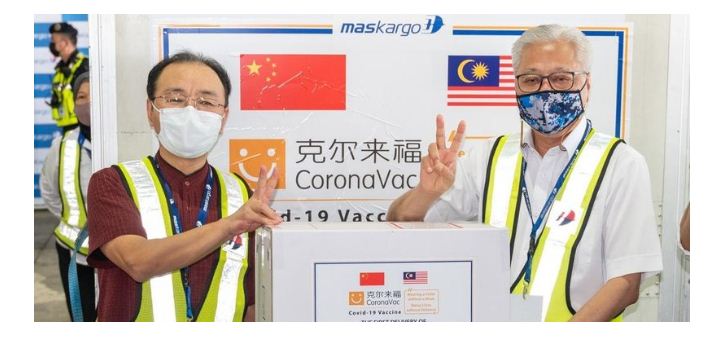
KUALA LUMPUR, JUN 16 – Malaysia’s foreign minister Hishammuddin Hussein said on Wednesday China had agreed to contribute 500,000 doses of COVID-19 vaccines made by its drugmaker Sinovac BioTech to the Southeast Asian country.

“This timely contribution will bolster the vaccination process and assist the ongoing rollout of Malaysia’s National COVID-19 Immunisation Programme,” Hishammuddin said. (Reporting by Rozanna Latiff; Editing by Martin Petty)

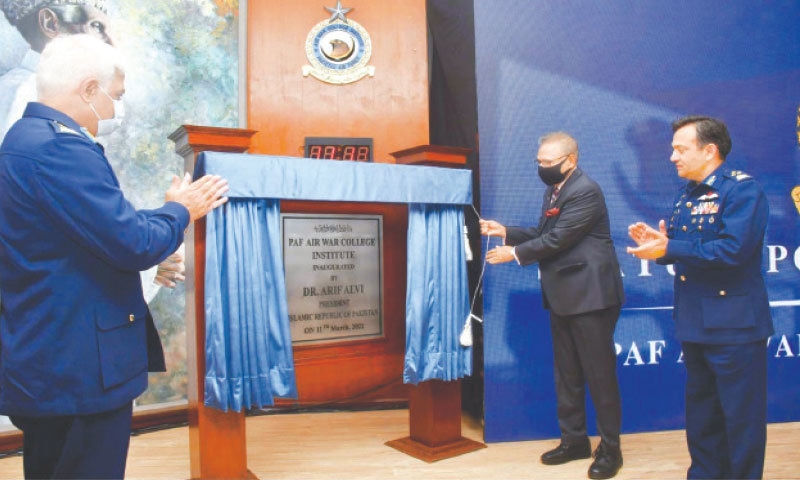
Governor Sindh hails PAF’s Air War College as prestigious, professional institute

KARACHI, Jun 16:The convocation and graduation ceremony of No 34th Air War Course was held at Air War College Institute (AWCI), Karachi where Governor Sindh Imran Ismail hailed the War College as one of the highly prestigious and professional institute.

Governor Sindh was the chief guest at the occasion, said a Pakistan Air Force (PAF) media release received.

Addressing the graduating officers, Governor Sindh said, “PAF AWCI is indeed one of the highest and the most prestigious professional training institute where selected senior military officers are prepared to lead the joint military operations”.

Imran added that the presence of Officers from Pakistan Army, Pakistan Navy and allied air forces made this course an excellent platform to benefit from mutual experiences.

Later on, the chief guest awarded certificates to the graduating officers.

Apart from the three services of Pakistan, officers from nine allied countries were amongst the graduates.

PAF Air War College Institute is a premier academic entity of Pakistan Air Force, where senior and mid-level officers are trained in air power doctrine, strategy and employment for higher Command and Staff appoint

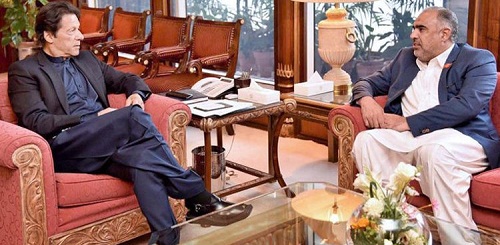
PM Imran Khan wants NA speaker Asad Qaiser to ‘act as per law’ over assembly rumpus

ISLAMABAD: Prime Minister Imran Khan has directed Speaker National Assembly Asad Qaiser to act as per law and constitution in a matter relating to rumpus during the National Assembly session on Tuesday.

The speaker during the meeting with the prime minister briefed him on the happenings during the National Assembly session that saw hand fists between the lawmakers, hurling of the budget books and use  of foul language during the speech of Opposition Leader Shehbaz Sharif.

Asad Qaiser informed the primer that lawmakers from both- opposition and treasury- were involved in the rumpus and said that he would take an across-the-board action against lawmakers irrespective of their affiliations.

“The footage of the session has been reviewed in the presence of deputy speaker and secretary of the assembly,” he said.

Prime Minister Imran Khan expressed his grief over the rumpus during the National Assembly session and according to sources directed him to act on the matter as per the law and constitution.

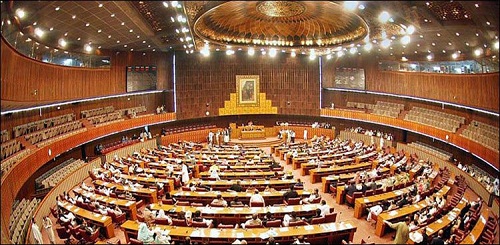
It is pertinent to mention here that the Lower House of the Parliament descended into chaos on Tuesday after the treasury and opposition members come to blows during Leader of the Opposition Shehbaz Sharif’s speech.

As soon as the PML-N president had started speech during post-budget 2021-22 NA session, the government and opposition lawmakers came face-to-face.

Special Assistant to Prime Minister Ali Nawaz Awan and PML-N MNA Rohail Asgar had exchanged heated words during the NA session.

CJP orders Pakistan Railways to retrieve illegally occupied land

KARACHI: Chief Justice of Pakistan (CJP) on Wednesday ordered Pakistan Railways to retrieve its land illegally occupied under the name of residential societies.

This he ordered while hearing a case related to occupation over Pakistan Railways land. The land given to PR for operational purposes was being used for commercial purposes, the CJP remarked.

Thousands of houses including highrise buildings have been constructed on the Pakistan Railways land, he said to Secretary PR during today’s hearing.

A railway station was supposed to be built on the land located in the city’s Gulshan-e-Iqbal, but the land was occupied. “How this all happened, who is responsible,” asked CJP.

The railways’ employees also sold out the land allotted to them, the top said.

To, this the secretary railways admitted that all the construction including on Gilani Railway Station land is illegal and the destruction in the PR started after 2009.

The CJP directed the Pakistan Railways to recover the occupied land of the department.

On Tuesday, the Supreme Court in a ruling in the encroachment case had said that not an inch of the railway land would be allowed to be sold or leased.

The Supreme Court in order restricted the sale, transfer and allotment of any of the Pakistan Railways lands.

Lawmakers involved in NA rumpus may face entry ban

ISLAMABAD : The lawmakers involved in causing rumpus during Tuesday’s session of the National Assembly may not be allowed to attend the budget session on Wednesday.

According to sources privy to the development, Speaker National Assembly Asad Qaiser has summoned footage of the entire episode that took place during the assembly session a day before.

“The speaker will identify the lawmakers involved in the entire episode,” they said adding that a ban would likely be imposed on lawmakers from entering the assembly premises.

It is pertinent to mention here that condemning an unpleasant incident that had taken place in the National Assembly earlier today, Speaker Asad Qaiser on Tuesday announced a probe into the scuffle between the members from opposition and treasury benches.

Talking to journalist, NA speaker Asad Qaiser said that the behavior of few lawmakers from opposition and treasury benches was condemnable and disappointing.

He maintained that unruly lawmakers will not be allowed to enter the Lower House of the Parliament.

The Lower House of the Parliament had been descended into chaos on Tuesday after the treasury and opposition members come to blows during Leader of the Opposition Shehbaz Sharif’s speech.

As soon as the PML-N president had started speech during post-budget 2021-22 NA session, the government and opposition lawmakers came face-to-face.

Special Assistant to Prime Minister Ali Nawaz Awan and PML-N MNA Rohail Asgar had exchanged heated words during the NA session.

Stay Connected

64FansLike
60FollowersFollow

Latest Reviews

Exchange Rates

USD - United States Dollar
EUR
1.14
GBP
1.34
AUD
0.70
CAD
0.71