Home Blog Page 2641

CDA to start tree plantation campaign in Capital

ISLAMABAD: To make the capital city greener, the Capital Development Agency (CDA) has made a comprehensive plan for a tree planting campaign before the coming monsoon. An important meeting was held on Thursday under the chairmanship of  Amir Ali Ahmed, Chairman Capital Development Authority  in which all the directors of the Environment Directorate briefed Chairman CDA regarding tree planting in monsoon.

The CDA chairman, while issuing orders, said that more than three and a half lakh saplings should be planted in the city this year, which should be 6 feet in length. Fatima Jinnah Park, Park Enclave, Diplomatic Enclave, Srinagar Highway, 9th Avenue, 10th Avenue, 11th Avenue, Margalla Road, Margalla Hills, National Park and Islamabad Highway have been selected for tree planting. The Department of Environment will plant flowers and plants in all the highways, green belts, roadside slopes, intersections of Islamabad for which a comprehensive plan has been drawn up and duties have also been distributed among the concerned staff.

In addition, the CDA Chairman while issuing special instructions said that all the educational institutions of the city should also be made a part of the tree planting campaign and free plants should be provided to the students. Flower and plant stalls should be set up at different places of the state so that the citizens can also be directly involved in the tree planting campaign.

Pakistan has no contact and coordination with Israel: Ashrafi

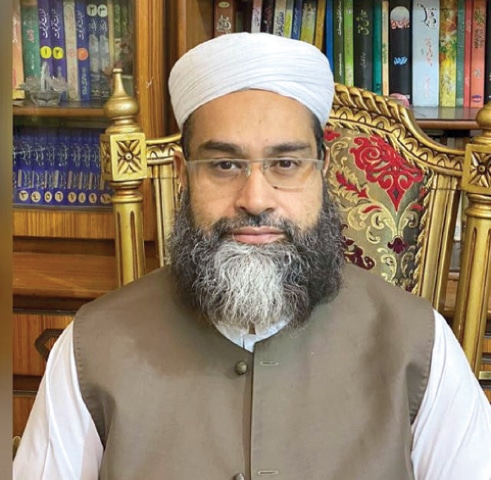
ISLAMABAD: Pakistan has no ties with Israel and propaganda is being used to put pressure on the state of Pakistan to create internal chaos, said Hafiz Muhammad Tahir Mehmood Ashrafi, Chairman Pakistan Ulema Council, Special Aide to Prime Minister on Religious Harmony and Middle East.

Talking to national and international media representatives here on Thursday, Hafiz Muhammad Tahir Mehmood Ashrafi said that neither United Arab Emirates nor Saudi Arabia has asked to recognise Israel.

Anti-Pakistan forces are worried following the improvement of Pakistan’s relations with the Arab Islamic countries, said Hafiz Muhammad Tahir Mehmood Ashrafi.
He said that Pakistan’s relations with Arab Islamic Countries including Saudi Arabia, United Arab Emirates, Kuwait, Egypt, Baharain, Amman and Iraq are improving with practical cooperation in different areas and sectors.

Contacts are underway with Saudi officials on the issue of repatriation of Pakistanis, said Hafiz Muhammad Tahir Mehmood Ashrafi.

Prime Minister Imran khan has announced Pakistan’s policy in the National Assembly that we want friendship, not slavery, said Hafiz Tahir Ashrafi adding that if there is a civil war in Afghanistan, it will affect the entire world. 

Pakistan can be facilitator for peace in Afghanistan but not for anarchy and conflict.

Afghan groups should take the path of dialogue for reconciliation, said Hafiz Tahir Ashrafi.
He said that the declaration of Pak-Afghan Ulema Conference with the cooperation of Saudi Arabia is an appeal for peace and reconciliation and not a fatwa against anyone.

 Muslim leaders should thought how long the blood of innocent Muslims will continue to flow;  Kashmir, Palestine, Syria, Iraq, Yemen, Afghanistan, there is blood everywhere and this bloody game must come to an end now, Ashrafi maintained.

Responding to a question, Hafiz Muhammad Tahir Mahmood Ashrafi said that no killing on the grounds of religion or sect has taken place in Pakistan for the last six months. 

The situation of inter-faith harmony in Pakistan is much better than many other countries in the region and world, said Tahir Ashrafi.

On the instructions of Prime Minister Imran khan, consultation process is underway with leadership of all religious schools of thought and respective security agencies and provincial governments for the establishment of law and order situation and for interfaith tolerance and harmony during the month of Muharram-ul-Haram.
 The peace committees and interfaith harmony councils in the country are being fully activated and organized ahead of Muharram-ul-Haram to promote intersect harmony and telerance in the country.

Hafiz Muhammad Tahir Mehmood Ashrafi announced that important leaders of Arab Islamic countries would visit Pakistan within the next three months and delegations from Pakistan would also visit Arab Islamic countries.

Pakistan is strengthening relations with the  Brother Islamic countries in all areas of cooperation, said Hafiz Tahir Ashrafi.

Pakistan-China all weather friendship becomes valuable asset: Spokesperson

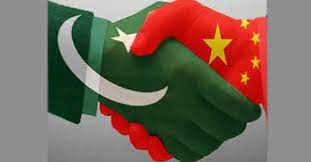
BEIJJING, July 1:China on Thursday appreciated Prime Minister Imran Khan who sent a message of felicitation to President Xi Jinping on the centenary of Communist Party of China (CPEC) and said the all weather friendship between Pakistan and China has become a valuable strategic asset.

“With all weather friendship and conduct of all round cooperation, our friendship has grown from strong to stronger and it has become a valuable strategic asset,” Chinese Foreign Ministry’s spokesperson Wang Wenbin said during his regular briefing in response to a question about Prime Minister Imran Khan’s congratulatory message on CPC’ centenary.

In his message, Prime Minister Imran Khan felicitated President Xi Jinping on CPC centenary and highlighted the CPC role and sacrifices for China’s liberation and subsequent rise. He also appreciated CPC’s role in nurturing friendship between Pakistan and China.

The spokesperson said, China has received a congratulatory letter from Prime Minister Imran Khan, adding, “We express thanks and appreciation.” He said, it is the CPC’s firm proposition to develop friendly relations with Pakistan, and it is also the consistent position of the Chinese government.

“With the care and support of our leaders and people, China and Pakistan have become all weather strategic cooperative partners,” he added.

Wang Wenbin said, this year marks the centenary of the CPC and also the 70th anniversary of the diplomatic ties between our two countries.          

“Over the past seven decades, no matter how the international landscape changes, our two countries have always respected, trusted and supported each others,” he added.

He said, going forward, the two countries will hold high banner of peace development and win win cooperation in the new type of international relations, and the community with a shared future for mankind, pursue high quality Belt and Road Initiative (BRI) development, and offer new opportunities while developing ourselves.ť        

He remarked that in this process, China will take Pakistan as a priority of its neighborhood diplomacy. “On the occasion of the 70th anniversary of our diplomatic ties, we will hold celebration activities with Pakistan, scale new heights in our bilateral relations, and deliver more benefits to our two peoples,” he added.

Saudi authorities unveil operational plan for Hajj season

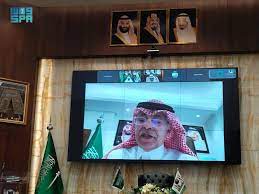
ISLAMABAD, Jul 01:Saudi Arabia’s General Presidency for the Affairs of the Two Holy Mosques launched its operational plan for this year’s Hajj season.

Acting Minister of Media Majid Al-Qasabi said the country’s leaders and people are honored to serve the Two Holy Mosques and all who come to them as pilgrims or visitors.

“The Kingdom’s government has enabled all the concerned sectors in the country to facilitate the service of pilgrims, and to harness all the security, safety and health capabilities to facilitate the services (that allow) pilgrims to perform the rituals of Hajj with ease,” he added.

Al-Qasabi said this year’s Hajj pilgrimage will be the second under the exceptional circumstances of the COVID-19 pandemic, and takes place as new variants of the coronavirus continue to emerge. He added that the decision to limit Hajj to 60,000 pilgrims, all of them from inside the Kingdom, aims to protect them and ensure their rituals can carried out as safely as possible, Arab News reported .

Abdul Rahman Al-Sudais, president of the General Presidency for the Affairs of the Two Holy Mosques, said the authority is working to put in place all possible health precautions, while also ensuring that the Hajj rituals can take place, the experience is enriched, and proper hospitality is provided in line with the Kingdom’s Vision 2030. He added that the presidency’s plans are based on a several pillars that highlight the values of generosity and hospitality in providing services to the pilgrims.

Regarding the provision of water to pilgrims, Al-Sudais said that the presidency will hand out bottles of sterilized Zamzam water. The latest artificial intelligence technology will be employed to distribute the water using robots and high-tech smart vehicles, he added, in accordance with precautionary procedures.

The presidency will provide more than 800 manual and electric vehicles to help people move around within the Grand Mosque and its courtyards, he said, and make it easier for elderly and disabled pilgrims to perform their rituals

Al-Sudais also revealed that about 5,000 workers have been recruited to sterilize the Grand Mosque, its courtyards and other facilities 10 times a day, using more than 60,000 liters of disinfectant and the latest cleaning technologies. The presidency also plans to provide gifts, including umbrellas and sterilizers, that will make it easier, safer and more comfortable for pilgrims to perform their rituals.

He added that the presidency’s plans, prepared in cooperation with the Ministry of Hajj and Umrah and other relevant authorities, include an increase in the number of paths for pilgrims to follow inside the mosque.

Over 50M corona-virus vaccine jabs administered in Turkey

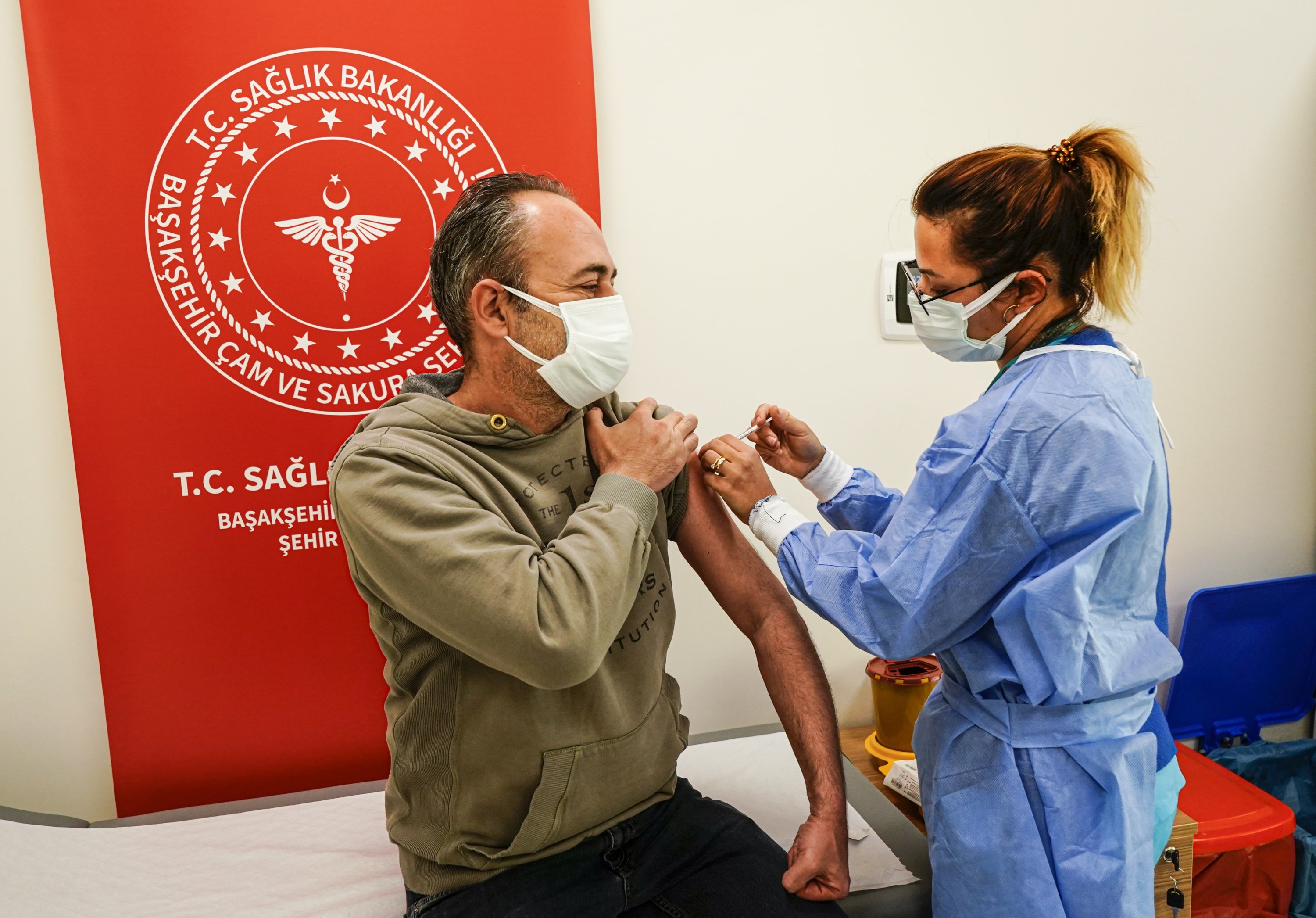
ANKARA, Jul 1:More than 50 million doses of COVID-19 vaccines have now been administered in Turkey, the country’s president announced on Thursday.

 Vaccines are “our most effective weapon in the fight against the corona-virus pandemic,” President Recep Tayyip Erdogan said on Twitter.

 He said Turkovac, the country’s homegrown corona-virus vaccine currently in Phase 3 of clinical trials, will be launched soon to boost Turkey’s efforts to overcome the pandemic.“We will carry Turkey to a healthier future,” the president vowed.

 Amid a nationwide decline in infections, Turkey has further eased COVID-19 curbs starting Thursday, with daily curfews and intercity travel restrictions lifted and offices allowed to reopen.

Cinemas will also open for business, while restaurants and cafes can serve diners with no limits on capacity.

Turkey’s overall COVID-19 tally stood at over 5.42 million as of Wednesday, including a death toll of 49,732.

FM Qureshi lauds services of Azerbaijan ambassador

DNA

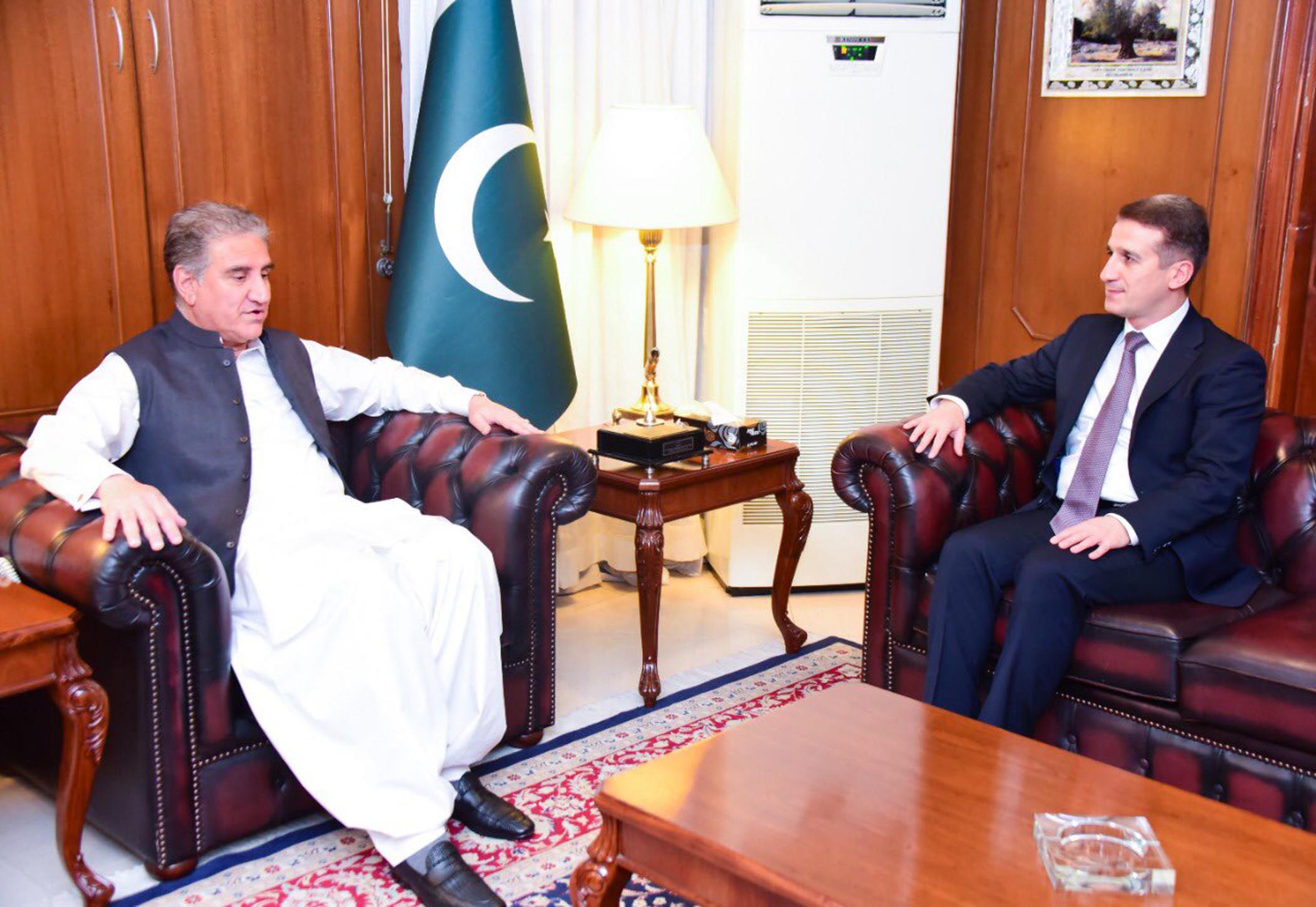
ISLAMABAD: Ambassador of Azerbaijan Ali Alizada paid for farewell call on the Foreign Minister Shah Mahmood Qureshi.

The minister noted progress in bilateral relations & enhanced momentum of bilateral interactions & high-level visits in the last few years. Minister Qureshi also appreciated services and contributions of the outgoing ambassador and wished him success in future assignments.

The Foreign Minister expressed satisfaction on the status of existing ties between the two countries and appreciated Ambassador Alizada’s contributions in further strengthening them. The Foreign Minister recalled Pakistan’s support to Azerbaijan during the recent conflict on Nagorno-Karabakh and reaffirmed cooperation in reconstruction and rehabilitation of affected areas.

The Foreign Minister recalled enhance momentum of high-level interactions and noted progress on cooperation in trade and commerce, energy, education and cultural spheres. The Foreign Minister urged that two sides continue deepening bilateral relations built on historic and religious bonds and exceptional good will in all fields of mutual interest.

Foreign Minister wished the Ambassador success for his future assignments. Ambassador Alizada arrived in Pakistan in 2016 and is leaving this month upon completion of his diplomatic assignment.

*Raza Bashir thanks compatriots on successful completion of tour of duty in Canada*

Pakistan High Commissioner to Canada Raza Bashir Tarar has said that he has completed a rewarding tour of duty in Canada and is returning to Pakistan with loads of love and affection of Canadian Pakistanis who stood by him and his team and helped in improvement of bilateral relations, trade, cultural links and enhancement of Pakistan’s image abroad.

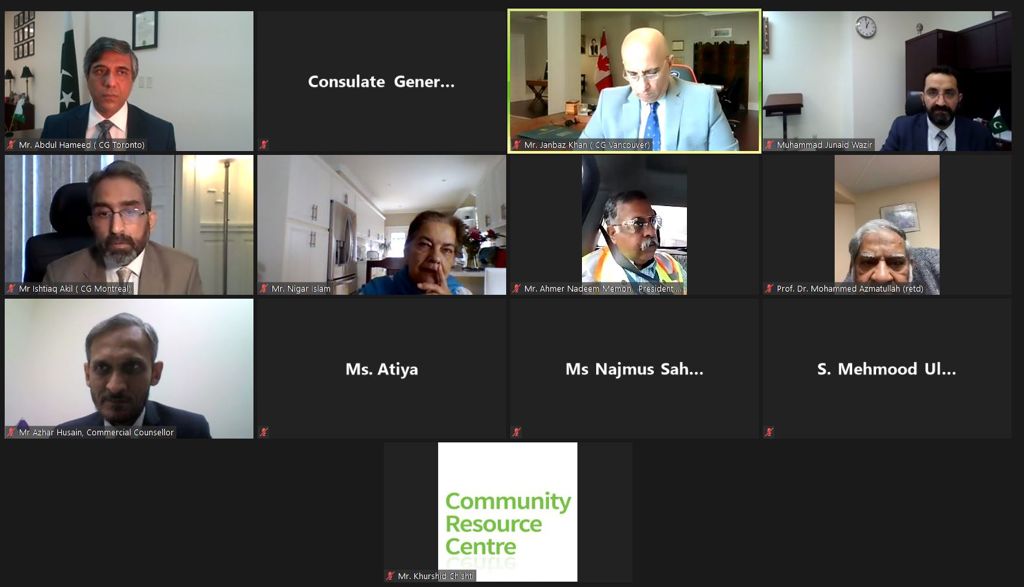
He was addressing an online monthly public forum-cum-ekatchehry arranged by the Pakistan High Commission Canada and its Consulates in Toronto, Vancouver and Montreal to receive and address queries and concerns of members of the Pakistani diaspora in Canada.

During the online forum, members of the community asked various questions which were addressed in detail by Consul General of Pakistan Toronto Abdul Hameed, Consul General of Pakistan Vancouver Janbaz Khan and Consul General of Pakistan Montreal Ishtiaq Ahmed Akil. The issues discussed during the hour-long session included shifting of Nadra related services to Online mode following instruction of Supreme Court of Pakistan; difficulties experienced by Pakistani expatriates in opening Roshan Digital Accounts; procedure for withdrawal of pensions through ATMs and without going to Pakistan by retired government employees residing in Canada; execution of power of attorney through Canadian rather than Pakistani documents; need for vaccination for Canadian Pakistanis visiting Pakistan and wanting to return to Canada, procedures for obtaining family registration or child registration certificates through Nadra; whether foreigners of Pakistani origin and their families could travel to Pakistan without Pakistani visa in emergencies; grant of voting rights to overseas Pakistanis; role of Canadian Pakistanis in promotion of bilateral trade between Pakistan and Canada; submission of paper applications for NICOP since the introduction of online facility by Nadra; government measures for construction of dams and promotion of exports; and need for visiting Consulates by community members for the purpose of finger-printing for renewal of passports.

In his opening and concluding remarks to the public forum, High Commissioner Raza Bashir Tarar paid glowing tributes to the Pakistani diaspora in Canada for a sterling role they had played in improving bilateral ties and playing active part in the welfare and socio-economic development of both Canada and Pakistan. He said he had heard first-hand various accounts of how the Canadian leadership recognised and appreciated the role of Canadian Pakistanis for their services to the Canadian society and country.

He noted that the Government of Pakistan under the leadership of Prime Minister Imran Khan was committed to serving the overseas Pakistan by ensuring their welfare and remaining connected with them on 24/7 basis for resolution of their routine issues and concerns. He said the Pakistan Missions abroad were constantly being guided and monitored by Foreign Minister Shah Mahmood Qureshi to translate the vision of Prime Minister about the overseas Pakistanis in reality.

Post pandemic Poland: crisis-proof, equitable

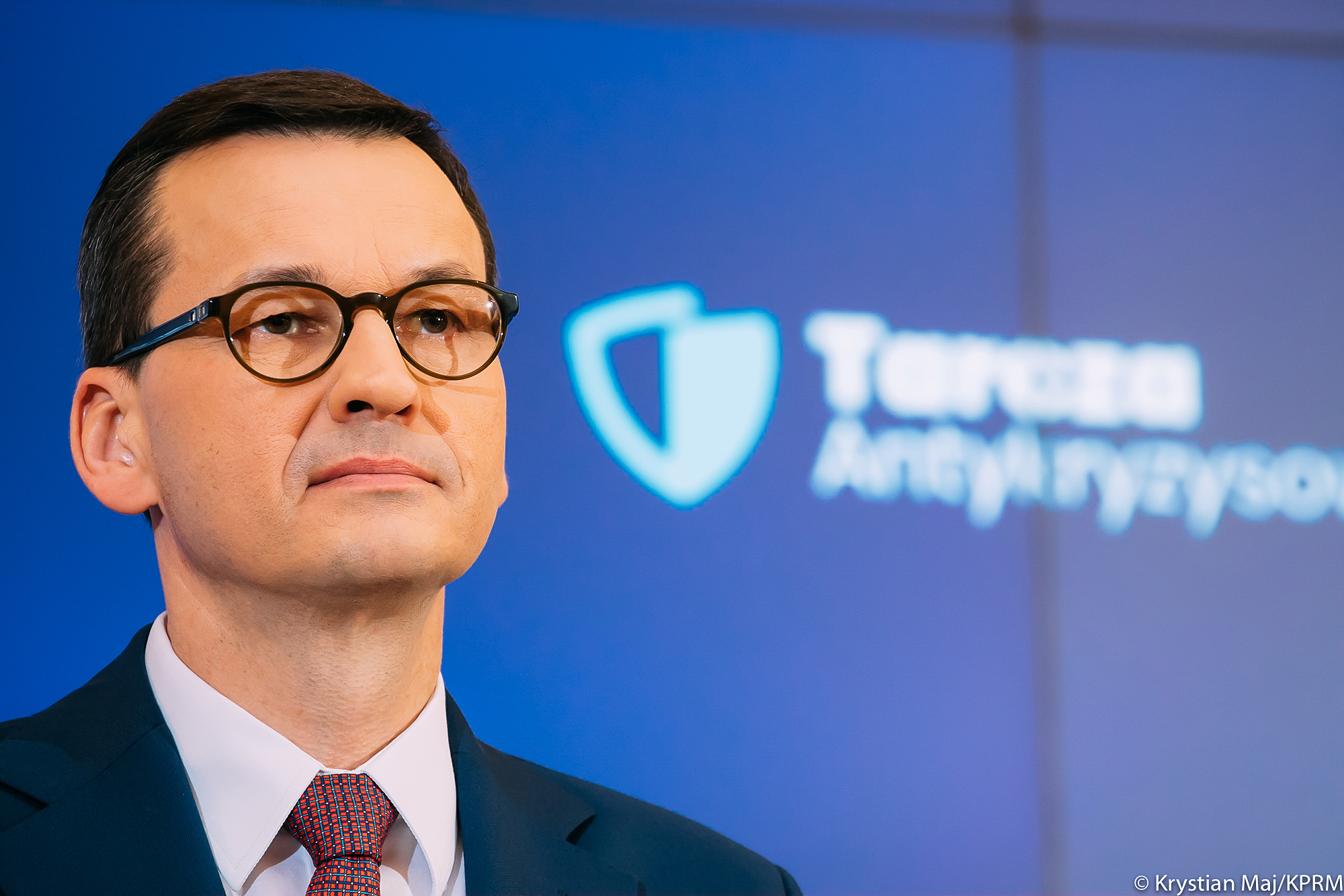
Mateusz Morawiecki

STRAPLINE: Poland will use the time after the pandemic to refashion its economic and social system so that it is more crisis-proof and equitable, setting the country on a new path of development.

We live in amazing times. The last dozen or so months have been marked by health concerns and fears about the future. A lot of Poles wondered not only whether they would be able to avoid the coronavirus, but also whether they would still have a job to provide for their families and make sure that their children would not have abandon hope of a better life.

The COVID-19 pandemic might well have taken Poland back to the 1990s. It is enough to look at the terrible economic data coming from some countries—including European ones—to understand that the worst-case scenario was not the stuff of disaster films. Fortunately, the scenario has not materialised because, as opposed to the 1990s, Poles could count on the state that got actively involved in helping all those in need. The unprecedented support offered as part of the Anti-Crisis Shield and Financial Shield enabled us to slow down the disastrous consequences of the pandemic and stop the fall in GDP for 2020 at the level of 3%, a result that was third best in Europe and unmatched in the group of large countries with a population of over 10 million. Even more impressively, like no other country in the EU, we have managed to keep the unemployment rate at around 3%.

Other data confirm that Polish economy has coped quite well during the crisis. Export figures registered an all-times record in March 2021, reaching over PLN110 bn. In May, the PMI exceeded 57 points, the best result since the index started to be measured. A few months before, the European Commission said that Poland, as one of just 4 EU member states, ensured the stability of its public finance in the short and long-term perspective. In a situation like that there is only one mistake that can be made: decide that everything is going well and stop doing anything.

Time of crisis—opportunity or disaster?

A crisis from which no lessons are learnt is a disaster. Properly recognised and understood, however, it becomes an opportunity as well as a catalyst for change. The two sentences sum up the philosophy behind the Polish Deal.

The current crisis is exceptional in that it cannot be resolved by textbook solutions. Whether we look for them in Hayek or in Lassalle, no theory of economic crisis has foreseen a situation where the economic and social activity is paralysed overnight across the globe.

Faced with the crisis of COVID-19, we must act like doctors do when they deal with the virus itself. While we do not have a specific remedy, our experience tells us to treat the symptoms. We also know from history that a crisis, whatever its nature, requires increased presence of the state as it has to be managed rather than left to itself.

In 1933, the American President Franklin D. Roosevelt announced the New Deal in response to the Great Depression. The aim of the programme was to recover the economy, boost foreign trade and make enormous public investments: at that time, 120,000 public buildings and 77,000 bridges were constructed. Over the following decade, the USA was criss-crossed by a network of motorways. This is the scenario that inspires Poland today.

Polish Deal: a new quality

The objectives of the Polish Deal focus not only on rebuilding Poland after the pandemic, but also on refashioning Polish economic and social system to make it more equitable and crisis-proof so that the country can be set on a new path of development.

A diagnosis of pandemic ailments had to start with the health care system. COVID-19 has pushed the sector to the brink of collapse even in the richest countries. Poland was no exception. Had it not been for a very firm restrictions policy and a network of makeshift hospitals built at an amazing pace, our country would have also experienced a pandemic breakdown. It is hard to image its scale and the ensuing chaos that would have happened if we had not digitalised much of the system before the crisis.

Although we have spent over PLN100 bn on health care in the last 5 years, its quality is still not up to the standard expected by the public.This is a clear signal that the current system of health care funding has reached its limit. It is high time we abandoned the philosophy of restructuring. If we want to take a qualitative leap forward to make Poland rise up to the level of Western countries, we must step up our efforts to set aside 7% of GDP for health care.

Polish taxation paradox

This requires that we change our model of health care funding and thus our taxation system. So far, Poland was the only country were part of the health care premium was tax-deductible. The structure of the entire system meant that those who earned the most could optimise their taxes relatively easily. Hence, the Polish tax system, although nominally progressive, became in fact regressive. People of lower income pay proportionally higher taxes than people who earn more.

Besides offending the sense of justice, this taxation dis-order also prevented social cohesion. It deepened inequalities that had already been exacerbated during the crisis.

Crises are like powerful sea waves. They rock large ships but can sink smaller vessels. Recent studies show clearly that the pandemic year of 2020 aggravated income disparity. The rich got richer regardless of the crisis, whilst the poorest lost precisely because of the difficult circumstances.

Towards a Poland of true solidarity

The Polish Deal addresses these challenges because it stems from the spirit of genuine solidarity which should be understood very broadly. It is horizontal in the sense of ensuring social justice, bridging income gaps and supporting those who earn the least. To that end, we increased the income tax threshold to PLN30,000, which is close to the thresholds used in Western countries: it is higher than in France and comparable to Denmark.But the Polish Deal is also about vertical or inter-generational solidarity. On the one hand, we turn towards the past by supporting old people through tax-exempt pensions. We return to the values without which it would be difficult to imagine the future of Polish and European societies. On the other hand, we want to take care of future generations and lay foundations for development that will help our children earn more, work in better conditions and, last but not least, live in an environment where they will breathe fresh air rather than read about it as a luxury for the selected few.

The early 2020s is a crucial time for Poland. We are on the cusp of civilizational changes on an unprecedented scale. Due to historical circumstance, we were only passive witnesses of such changes in the past. Now we can be their active participants. The scenario is ready. All we need to do now is put the Polish Deal in practice. We will try to win the widest possible support for the strategy as it is only with social acceptance that it can be successful.

The writer is the Prime Minister of Poland.

Amb. of Pak to Belarus attends Graduation Ceremony

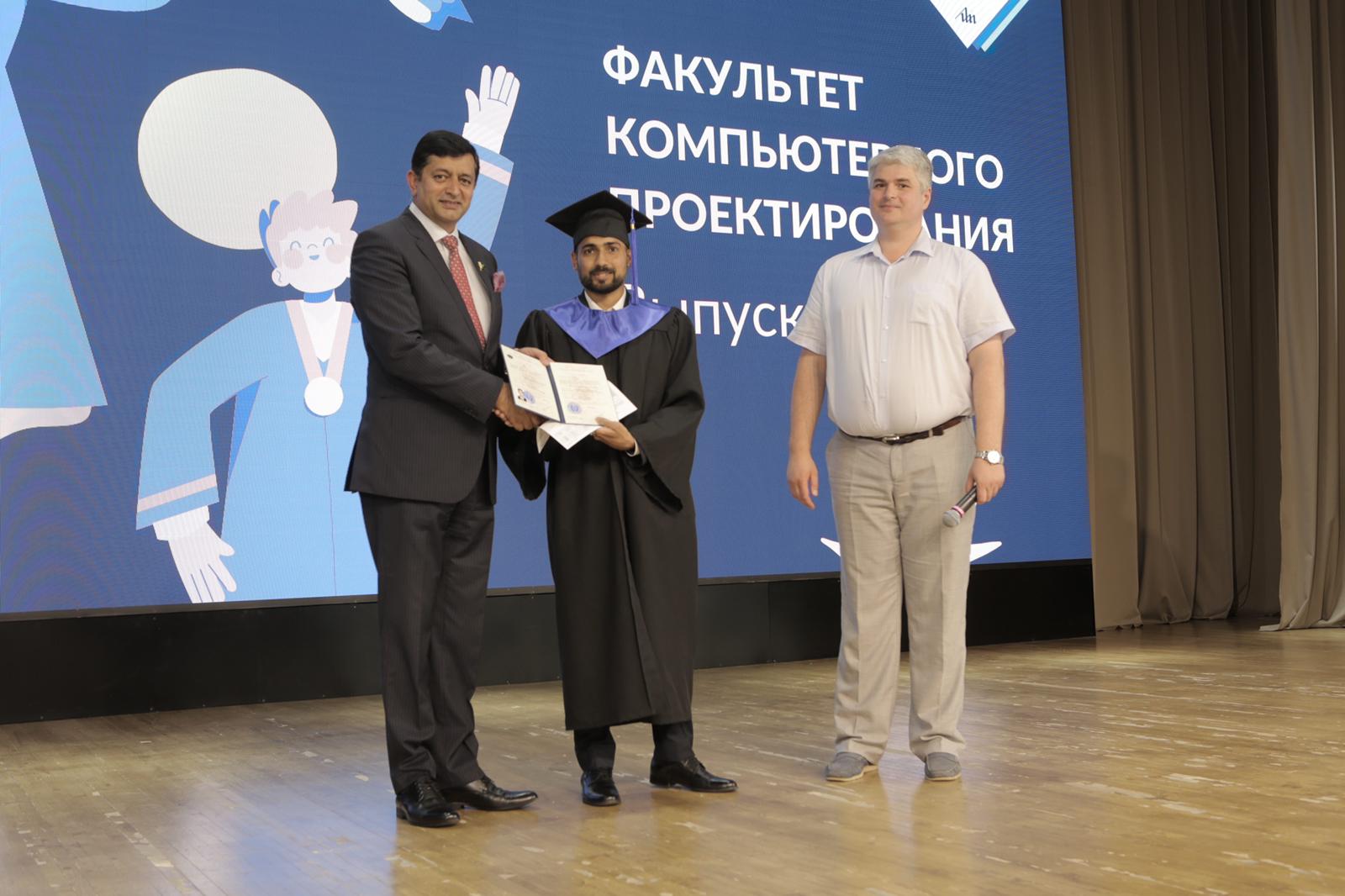
MINSK: A special ceremony was held at the Belarusian State University of Informatics and Radio electronics (BSUIR) in Minsk for students of the Faculty of Computer-Aided Design that were granted the higher diploma. Tayyab Raza, a Pakistani student was the first student to graduate as Computer Engineer from this university.

Ambassador Sajjad Haider Khan participated in the graduation ceremony and granted the diploma to the Pakistani student. Addressing the 400 plus graduating students, the Ambassador noted the high recognition of Belarusian IT specialists on the global arena and wished the students all the successes in their practical lives ahead. 

Belarusian State University of Informatics and Radio electronics is a leading IT university following the world trends in Engineering in high-tech fields and has the important role in ICT, electronics, telecommunications, micro-and Nano electronics. It’s also certified for compliance of quality management system with International standard ISO 9001.

Stay Connected

64FansLike
60FollowersFollow

Latest Reviews

Exchange Rates

USD - United States Dollar
EUR
1.14
GBP
1.34
AUD
0.70
CAD
0.71