Home Blog Page 264

Australian HC expresses “Profound Sadness” after Islamabad mosque attack

Australian HC expresses

ISLAMABAD, FEB 6 /DNA/ – Australian High Commissioner to Pakistan, Timothy Kane has issued a statement of profound sadness following a horrific attack at a mosque in Islamabad on Wednesday afternoon.

In a post on his official social media account, @AusHCPak, High Commissioner Kane stated he was “shocked and saddened by the horrific attack.” He extended his deepest sympathies to the victims, their families, and all those affected by the violence.

“My thoughts are with the victims, their loved ones, and all those affected,” the High Commissioner wrote. In a gesture of solidarity, he added, “Australia stands and mourns with Pakistan 🇵🇰 at this difficult time.”

The attack, which occurred during Friday prayer, has resulted in numerous casualties and has sent shockwaves through the capital city. Local authorities have secured the area and are conducting a full investigation. Emergency services are responding to treat the wounded.

The swift expression of condolence from the Australian High Commissioner underscores the strength of the bilateral relationship and reflects the international community’s solidarity with Pakistan in the face of terrorism. Such messages of support from foreign diplomats are a common feature in the aftermath of tragic events, highlighting shared grief and a collective condemnation of violence.

Pakistan’s strategic moment: stability, strength, and a recalibrated region

Pakistan’s strategic moment: stability, strength, and a recalibrated region

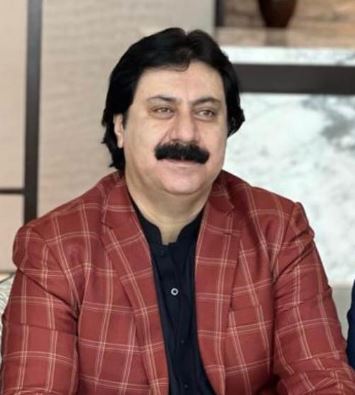
By Senator Manzoor Ahmad Khan Kakar

The events that followed the Pakistan-India War in 2025 significantly altered the strategic discourse in South Asia. Beyond the immediate military and diplomatic repercussions, the post-conflict phase has exposed a more profound reality: Pakistan is now more globally engaged, strategically mature, and geopolitically relevant than it has been in recent decades.

Wars alter perceptions rather than just redrawing lines on maps. Following the war with India in 2025, Pakistan showed institutional strength where uncertainty had previously existed, coherence where chaos was anticipated, and restraint where escalation was anticipated. Due to this combination, Pakistan is now seen by the international community as a central state influencing events rather than as a peripheral actor responding to them.

Pakistan’s ongoing geostrategic significance is at the centre of this change. Pakistan is not just a geographical bridge but also a strategic link because of its location at the intersection of South Asia, Central Asia, the Middle East, and China. Pakistan’s sphere of influence invariably crosses trade corridors, energy routes, counterterrorism frameworks, and regional stability initiatives. When combined with state capacity, geography becomes power in a world increasingly characterised by competition and connectivity.

The military of Pakistan should be commended for upholding credible deterrence without needless escalation. Both allies and adversaries were reassured that Pakistan is still a responsible nuclear state, fully aware of the serious responsibilities such a capability entails, by the professionalism, readiness, and discipline shown both during and after the conflict. It takes decades of institutional learning and strategic clarity to achieve this balance between strength and restraint.

The role of diplomatic organisations and civilian leadership in guiding Pakistan through a challenging post-war environment has been equally significant. Today, the ability to convert security into stability and stability into opportunity is a better indicator of strategic maturity than military prowess alone. Since 2025, Pakistan has engaged with regional neighbours, major international powers, and multilateral forums, demonstrating a resurgence of diplomatic confidence that is based on confidence rather than defensiveness.

The reaction around the world has been instructive. Pakistan’s importance to regional connectivity, counterterrorism cooperation, maritime security in the Arabian Sea, and peace efforts in Afghanistan has once again come to light. The expansion of economic diplomacy, defence alliances, and strategic discussions is due to the growing need for global stability rather than Pakistan’s demands.

Crucially, internal consolidation also influences Pakistan’s post-conflict course. Today, social cohesiveness, technical advancement, and economic resilience are inextricably linked to national security. The realisation that strategic power must be supported by domestic strength is seen in the increasing focus on economic reform, digital governance, energy security, and regional development.

Long seen through a narrow security lens, Balochistan is now becoming recognised as a strategic asset in and of itself, essential to regional trade, mineral development, and connectivity. It is not only morally required but also strategically necessary to incorporate historically underprivileged areas into the national development framework. Pakistan is stronger when it is inclusive and stable.

It’s also critical to understand that Pakistan’s enhanced international status is a result of its assertion of sovereign equality rather than conflict with India. Realism, communication, and respect for one another will bring to lasting peace in South Asia rather than supremacy or denial. Pakistan is positioned as a responsible participant in regional peace due to its persistent appeal for engagement, which is based on dignity rather than desperation.

Pakistan is in a unique geopolitical position as traditional alliances change and global power movements quicken. The current task is to turn credibility into long-term influence rather than to demonstrate strength. This calls for institutional transparency, civil-military cooperation, policy consistency, and most importantly, national unity. Pakistan has a chance to remake itself in the post-2025 environment, not just as a frontline state or security actor, but as a self-assured, productive, and influential country on the international scene. Pakistan’s current moment of global importance can develop into long-lasting strategic leadership if it continues to be disciplined in strategy, inclusive in development, and principled in diplomacy.—The writer is currently Member and the Parliamentary Leader of the Balochistan Awami Party in Senatore of Pakistan.

PM Shehbaz welcomes growth in Pakistan-Uzbekistan economic ties

PM Shehbaz welcomes growth in Pakistan-Uzbekistan economic ties

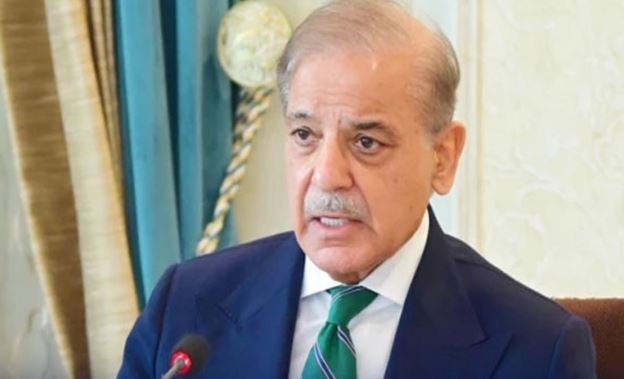
ISLAMABAD, FEB 6: Prime Minister Shehbaz Sharif said that the increase in economic relations and trade ties between Pakistan and Uzbekistan is welcome.

Addressing the Pakistan-Uzbekistan Business Forum, the prime minister said that the establishment of textile plants would benefit both countries economically. He added that Pakistani textile exporters were interested in setting up plants in Uzbekistan.

PM Shehbaz said that Uzbek companies would be provided with a secure and attractive investment environment. He said that the IT sector in Pakistan is developing.

The prime minister stated that the inflation rate has been reduced from 30 per cent to single digits, adding that agreement had been reached to enhance cooperation in science and technology, energy and agriculture.

PM Shehbaz said that both countries agreed to raise the volume of bilateral trade to $2 billion. He said there was further potential to expand bilateral trade between the two countries.

The prime minister said that the business forum is an effective platform for promoting investment. He said that trade activities worth $450 million took place during the last year.

PM Shehbaz said that the previous business forum had led to an increase in bilateral trade activities.

Imran Khan’s medical report submitted to ATC

Imran Khan's medical report submitted to ATC

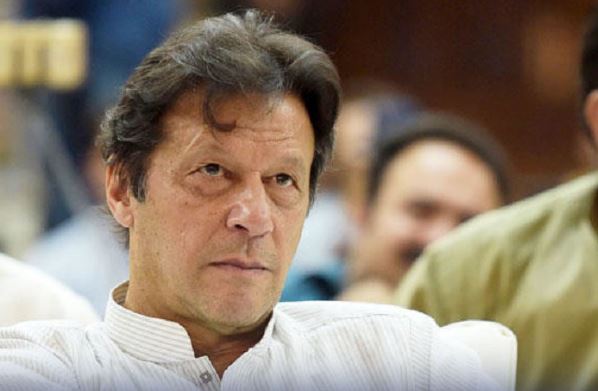
ISLAMABAD, FEB 6: Pakistan Tehreek-e-Insaf (PTI) founder Imran Khan’s medical report has been submitted to the anti-terrorism court (ATC).

A hearing was held on the petition concerning Imran Khan’s medical examination. ATC Judge Amjad Ali Shah heard the petition. Adiala jail Deputy Superintendent Jamat Ali Shah appeared in court. Imran Khan’s medical report was submitted to the ATC. The report said that Imran Khan was medically examined in accordance with jail rules. Bushra Bibi and Imran Khan are being provided with all medical facilities in accordance with jail rules.

Two days earlier, the court issued a contempt of court notice to the jail superintendent for not presenting the report. The court had requested Imran Khan’s report from Adiala jail authorities today. Imran Khan’s legal team has filed a petition seeking access for personal doctors to Adiala jail.

The hearing on the petition concerning Imran Khan’s medical examination has been adjourned until tomorrow, while the hearing on bail petitions in seven other cases has been adjourned until February 12.

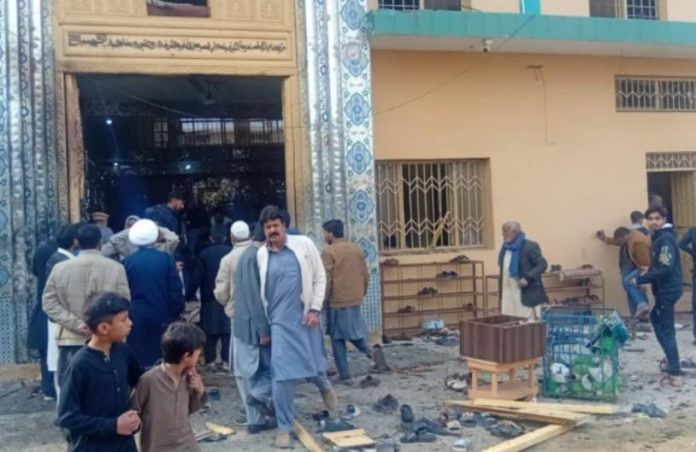
Suicide blast at Islamabad imambargah during Friday prayer martyrs 15, injures 80

Suicide blast at Islamabad imambargah during Friday prayer martyrs 15, injures 80

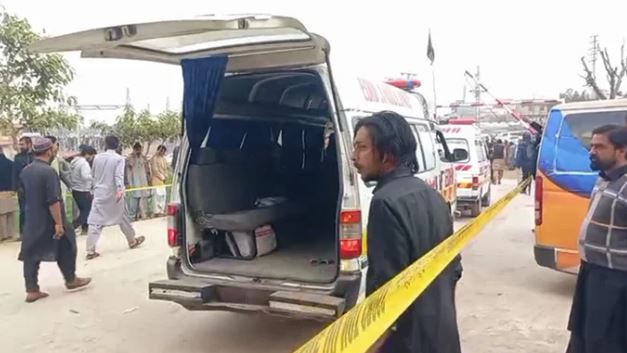
ISLAMABAD, FEB 6: At least 15 people were killed in a suicide bombing in Islamabad’s Tarlai area on Friday, police and the district administration confirmed.

The police, in a statement, said the explosion took place during Friday prayers at Imambargah Khadijat-ul-Kubra, located in the federal capital’s Tarlai area.

According to officials, the suicide bomber detonated himself after being stopped at the entrance of the mosque.

Meanwhile, Islamabad Deputy Commissioner Irfan Nawaz Memon, in a post on X, said that more than 80 people were injured in the blast in the federal capital, while 15 victims have so far been brought dead to different hospitals.

He noted that an emergency has been imposed at the Pakistan Institute of Medical Sciences (Pims), Polyclinic Hospital and the Capital Development Authority (CDA) hospital.

The statement added that assistant commissioners have been deployed at various hospitals to supervise the treatment and medical care of the injured. The site of the blast has been completely sealed, he added.

Pims authorities said that so far, 11 bodies and 60 injured persons have been brought. They added that the hospital has reached its capacity to accommodate the wounded.

Due to the pressure on facilities in the capital, the injured are also being shifted to hospitals in other parts of Islamabad and Rawalpindi.

Meanwhile, police, Pakistan Army troops and Rangers have cordoned off the area and security operations are underway in and around the site of the blast.

Condolences pour in
President of Pakistan Asif Ali Zardari expressed deep grief and sorrow over the blast and offered condolences to the families of those who lost their lives in the blast and prayed for their patience.

Meanwhile, Prime Minister Shehbaz Sharif has condemned the bombing. He expressed deep sorrow and grief over the martyrdoms in the blast and extended his sympathies to the bereaved families.

Federal Minister Tariq Fazal Chaudhry also said that he strongly condemns, in the strongest terms, the tragic explosion. “My heart is deeply grieved by the loss of precious lives in this cowardly act.”

Former finance minister Miftah Ismail termed the incident “absolutely horrendous” and wondered how can anyone bomb Friday prayers in a mosque”.

The blast comes days after Balochistan witnessed deadly attacks, carried out by the Balochistan Liberation Army (BLA), which claimed the lives of 36 innocent civilians, including women and children, along with 22 security and law enforcement personnel.

Terrorists struck civilians in Quetta, Mastung, Nushki, Dalbandin, Kharan, Panjgur, Tump, Gwadar, and Pasni on January 31.

A day earlier, the Inter-Services Public Relations (ISPR) said, security forces concluded Operation Raddul Fitna 1, eliminating at least 216 terrorists in various coordinated engagements and clearance operations.

The attacks, since then, have drawn condemnations from countries including the United States, the United Kingdom, Saudi Arabia, Qatar, Turkiye, Iran, the UAE, France, Canada, the European Union, the OIC, the UNSC and others.

Expanding on the counterterror operations, the military’s media wing said that operations were initiated in Panjgur and the outskirts of Harnai district on January 29, 2026, after credible and verified intelligence confirmed the presence of terrorist elements posing an imminent threat to the local public.

“During this phase, security forces undertook operations against identified terrorist hideouts, resulting in the elimination of 41 terrorists affiliated with Indian proxy networks.”

“Subsequently, aggressive and steadfast responses by security forces effectively thwarted the desperate attacks of Fitna al-Hindustan to destabilise the peace of Balochistan,” remarked the ISPR, adding that as a sequel to these, a broader series of intelligence-based operations were launched in multiple areas to dismantle terrorist sleeper cells through sustained combing and sanitisation operations.


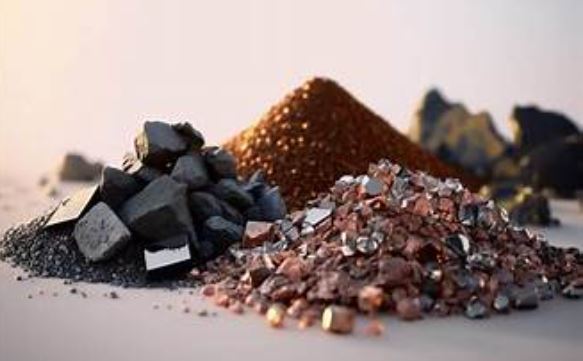
U.S. hosts global summit, unveils sweeping strategy to secure critical minerals supply chains

U.S. hosts global summit, unveils sweeping strategy to secure critical minerals supply chains

WASHINGTON, FEB 6 /DNA/ – In a decisive move to counter global supply chain vulnerabilities, the United States today convened leaders from over 50 nations and launched an ambitious suite of initiatives aimed at reshaping the world’s critical minerals market. Secretary of State Marco Rubio, alongside Vice President JD Vance and key cabinet officials, announced the formation of a new international coalition and unveiled billions in new financing, signaling an unprecedented level of state-directed industrial policy.

“The era of concentration, coercion, and vulnerability in critical minerals is over,” declared Secretary Rubio. “Today, America and its partners are forging a new path—one built on security, diversification, and resilience from the mine to the factory floor.”

The centerpiece of the 2026 Critical Minerals Ministerial was the launch of the Forum on Resource Geostrategic Engagement (FORGE), formally established as the successor to the Minerals Security Partnership. The Republic of Korea will chair the new body initially. FORGE is tasked with driving policy and project-level collaboration to build what officials termed “end-to-end” secure supply chains for minerals essential to advanced technologies, defense systems, and the clean energy transition.

In a significant display of diplomatic outreach, the U.S. signed eleven new bilateral agreements on critical minerals with countries including Argentina, the Cook Islands, Ecuador, Guinea, Morocco, Paraguay, Peru, the Philippines, the United Arab Emirates, and Uzbekistan. These frameworks, part of a broader push that has seen deals with 27 countries in recent months, are designed to spur joint development, improve market fairness, and unlock financing.

Unprecedented Financial Mobilization

The Trump Administration detailed a massive mobilization of public capital to catalyze private investment, spanning multiple agencies:

  • EXIM Bank: President Trump’s â€śProject Vault” received approval for a landmark $10 billion direct loan—more than double EXIM’s largest previous financing—to establish a U.S. Strategic Critical Minerals Reserve. This initiative aims to directly shield American manufacturers from supply shocks. EXIM’s total critical minerals portfolio now exceeds $25 billion in letters of interest and authorized transactions worldwide.
  • Department of Energy: The DOE’s Loan Programs Office is supporting a roster of major domestic projects with loans and conditional commitments totaling over $7 billion, including for Lithium Americas’ Thacker Pass mine in Nevada and recycling facilities for battery materials.
  • Department of War & DFC: The Department of War committed over $2.3 billion in debt and equity to mining and processing projects from Alaska to Australia. The U.S. International Development Finance Corporation (DFC) is exploring more than $1 billion in new deals, including a $600 million anchor investment in the Orion Critical Minerals Consortium.

Officials emphasized that this public capital is acting as a multiplier. “Our investments, driven by America First values, are mobilizing private capital many times greater than the U.S. government outlay,” a fact sheet stated, predicting “billions of dollars in new projects.”

Private Sector at the Core

Recognizing that “governments alone cannot solve this problem,” the administration highlighted its close partnership with industry through the Pax Silica framework and other ventures. The day before the ministerial, Deputy officials witnessed the signing of a major MOU between commodities giant Glencore and the U.S.-backed Orion Consortium for potential assets in the Democratic Republic of the Congo, aligning with U.S. strategic partnership goals there.

Trade and International Coordination

The Office of the U.S. Trade Representative announced a new Action Plan on Critical Minerals with Mexico to coordinate trade policies and mitigate vulnerabilities. Furthermore, USTR, in coordination with the European Commission, announced the immediate launch of a U.S.-EU Critical Minerals Task Force. This new body will work to align standards, accelerate joint projects within FORGE, and jointly address non-market policies and practices that distort the global minerals market.

“From the mine to the refinery to the assembly line, America is reclaiming its industrial sovereignty,” said Vice President Vance. “We are not just participating in the global race for strategic resources—we are setting the pace and defining the terms. This is the economic statecraft of the 21st century, and it has only just begun.”

The ministerial concluded with the formation of a government-private sector task force to advance priority projects, signaling that today’s announcements are the first step in a sustained, high-priority campaign.

Multiple casualties feared as blast hits Islamabad imambargah

Multiple casualties feared as blast hits Islamabad imambargah

ISLAMABAD, FEB 6: Multiple casualties are feared after a blast was reported at the Terlai Imam Bargah in the Shehzad Town area of Islamabad on Friday. Police and rescue teams have been dispatched to the scene.

Scenes in videos show heavy injuries; no casualties have been confirmed. Emergencies have been declared at Polyclinic, PIMS, and CDA hospitals in the federal capital following a blast at an Imam Bargah in Islamabad.

A spokesperson for PIMS said the emergency was declared on the instructions of the hospital’s Executive Director. The injured are being transferred to PIMS and Polyclinic for treatment.

Uzbek President Shavkat Mirziyoyev Visits GIDS, Explores Defence and Industrial Cooperation with Pakistan

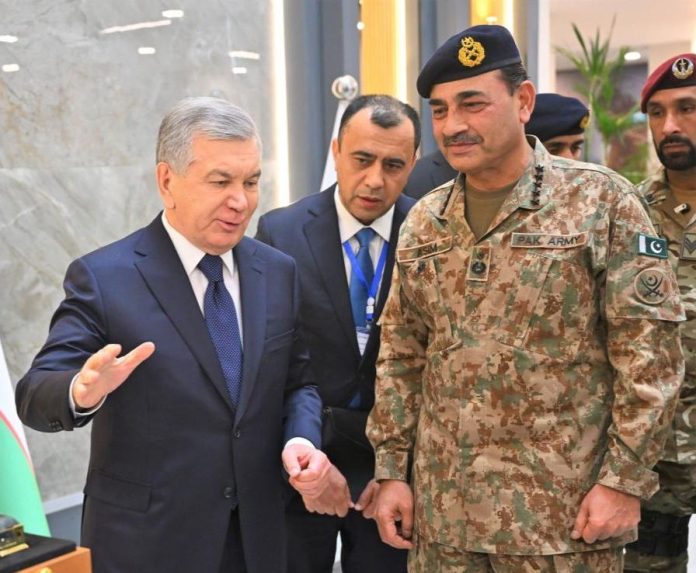
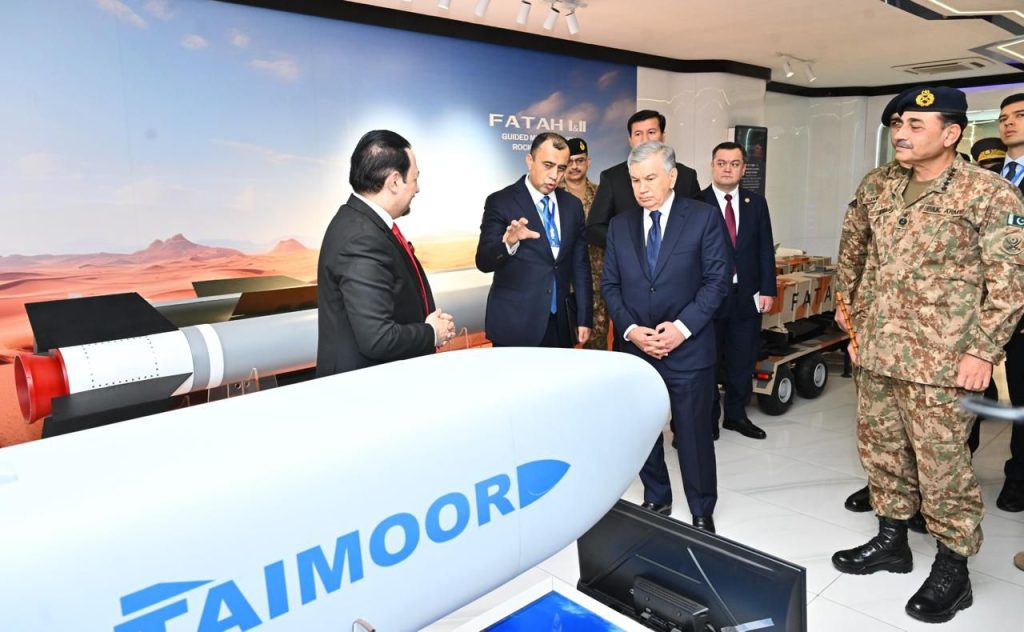
ISLAMABAD: President of Uzbekistan His Excellency Shavkat Mirziyoyev, accompanied by senior ministers, visited Global Industrial & Defence Solutions (GIDS) during his official trip to Pakistan, highlighting the growing strategic cooperation between the two countries in defence and technology sectors.

Field Marshal Syed Asim Munir, NI (M), HJ, Chief of Army Staff and Chief of Defence Staff, warmly received the Uzbek President and his delegation and accompanied them during a detailed tour of the facility. The visit reflected the importance both nations attach to strengthening bilateral ties through industrial and defence collaboration.

During the briefing, the Uzbek delegation was introduced to GIDS’ diverse portfolio, showcasing advanced defence solutions, indigenous technologies, and Pakistan’s expanding industrial capabilities. Officials highlighted the country’s progress in research, innovation, and self-reliance in defence production. The visiting dignitaries also observed various defence products and systems, demonstrating Pakistan’s growing expertise in modern military technologies.

Discussions during the visit focused on enhancing cooperation through joint ventures, technology transfer, and knowledge sharing. Both sides underscored the significance of building long-term partnerships to promote regional stability, industrial growth, and innovation-driven development.

The visit is being viewed as an important milestone in Pakistan-Uzbekistan relations, reflecting a shared vision to expand collaboration across defence, technology, and industrial domains. Observers believe the engagement could pave the way for new avenues of cooperation and strengthen strategic understanding between the two friendly countries.

Olympian Eileen Gu earns $23M per year, only $100,000 comes from skiing

With the start of the 2026 Winter Olympics, freestyle skier Eileen Gu comes back as a defending champion and a commercial success who illustrates the financial gap between winter sports athletes.

As reported by Forbes, Gu earns around $23.1 million per year. This staggering earning makes her the fourth-highest-paid female athlete in the world.Her annual earnings have surpassed superstars like Naomi Osaka and Caitlin Clark.

However, analysts revealed that only $100,000 originated from her skiing career. The rest of her earnings are from her brand endorsements.

The sports marketing experts call Gu’s marketability a “perfect storm.”

She has 2.1 million followers on Instagram and has a loyal fanbase from both the United States and China.Not only does she have a shining Olympic and modelling career, but she also excels in her academics. 

Yan received a master’s degree in chemical engineering at Peking University, where she was a member of the short-track speed skating team. 

After returning to the U.S., she attended Stanford University Graduate School of Business and worked in finance after earning her MBA.

With the start of the 2026 Winter Olympics, freestyle skier Eileen Gu comes back as a defending champion and a commercial success who illustrates the financial gap between winter sports athletes.

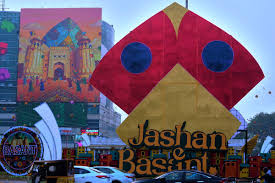
Vibrant ‘Basant festival’ makes grand comeback in Lahore after 25 years; ministers guarantee smooth & secure events

ISLAMABAD, Feb 5 Punjab Housing Minister Bilal Yasin and Punjab Information Minister Azma Bukhari on Thursday lauded the CM Punjab for setting a remarkable example by organizing a grand Basant festival in Lahore, dedicating all officials on the ground to ensure the event’s success, strictly enforcing SOPs and inviting citizens to join in celebrating 25 years of the colorful tradition without compromise.

Speaking to a local news channel, Housing Minister Bilal Yasin emphasized the dedication behind the event, stating, through marathon sessions and countless meetings with officials, we have sacrificed our time to ensure this festival is not only grand but also flawlessly managed.

He has assured the public that every precaution has been taken to guarantee smooth and secure festivities, reflecting a commitment to both tradition and safety.

Minister Yasin also lauded the leadership of CM Punjab Maryum Nawaz, saying, “This historic revival of Basant would not have been possible without the visionary guidance and tireless efforts of our Chief Minister.

Her dedication to promoting culture while prioritizing public safety has inspired all of us to go the extra mile. Under his leadership, Lahore will witness a Basant celebration that will be remembered for generations.

Punjab Information Minister Azma Bukhari also added that Basant is a cultural festival and should not be given a political colour. She stressed that such celebrations must remain non-political to preserve their traditional and inclusive spirit.

“Festivals like Basant are about heritage and enjoyment, not politics,” she said, underlining the importance of keeping the festival focused on culture and community.

She pledged that the event would proceed safely and successfully.“Both ministers concluded by assuring that the Basant festival would be secure, successful and free from political controversy.”

Stay Connected

64FansLike
60FollowersFollow

Latest Reviews

Exchange Rates

USD - United States Dollar
EUR
1.14
GBP
1.34
AUD
0.70
CAD
0.71