Home Blog Page 252

Rubio heads to Munich to heap pressure on Europeans

Rubio heads to Munich to heap pressure on Europeans

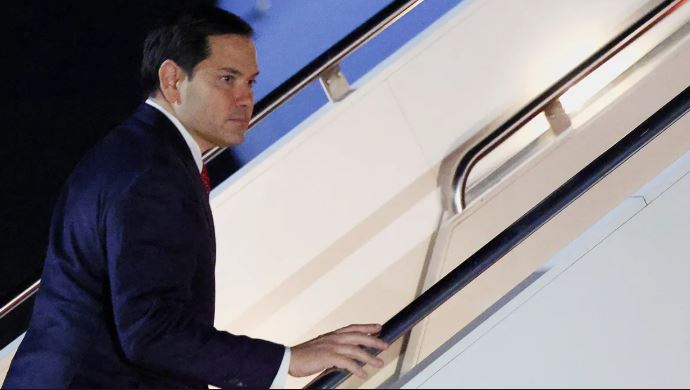
WASHINGTON, FEB 13: US Secretary of State Marco Rubio departed Thursday for the Munich Security Conference, where his aim will be to keep up pressure on Europe, though the tone is expected to be less confrontational than last year.

In 2025, President Donald Trump’s newly minted Vice President JD Vance launched a stark attack on European policies on immigration, populist parties and free speech, saying that freedom of expression was “in retreat” across the continent.

Vance also seemed to embrace the views of far-right parties such as Germany’s AfD.

But this year, the vice president — who just finished a visit to Armenia and Azerbaijan — is staying home.

Rubio, who is seen as less of an ideologue, will lead the US delegation to the annual security and defense talks, which run through Sunday in the Bavarian capital.

But even if the secretary of state is more diplomatic than Vance, the United States nevertheless intends to push its European allies, who are still reeling from the political crisis over Trump’s demands to acquire Greenland, a Danish autonomous territory.

                  “We live in a new era in geopolitics, and it’s going to require all of us to sort of re-examine what that looks like and what our role is going to be,” Rubio told reporters before boarding his plane to depart Washington.

                  – Crisis of confidence –

                  Since returning to the White House in January 2025, Trump — who has said the European Union was created to “screw” the United States — has had the continent in his sights.

                  In his new National Security Strategy, published in December, Trump slammed Europe as an over-regulated continent lacking in “self-confidence” and facing “civilizational erasure” due to immigration.

                  In Munich on Friday and Saturday, Rubio is expected to keep pushing Europe to share the burden, especially on matters of common defense.

                  But his trip comes amid a major breakdown in trust between Washington and European capitals in the wake of the Greenland drama, which rattled transatlantic relations.

                  What was once seen as inconceivable — a NATO country threatening to seize territory from an ally — became reality, forcing European nations to stand firm in protest.

                  The unpredictable Republican US president backed off his threats of seizure and tariffs at the World Economic Forum in Davos last month, instead touting a framework deal with NATO for security in the Arctic.

                  But the incident left a trail of collateral damage, several European diplomats said on condition of anonymity.

                  For Philip Gordon, an expert at the Brookings Institution think tank and veteran of former Democratic administrations, Trump “doesn’t see a unified Europe as a partner of the United States, but a threat to the United States.”

                  “The more unified it is, the more he doesn’t like it,” Gordon told journalists last week.

                  A poll conducted by Politico showed that more than 50 percent of German respondents do not see the United States as a “reliable” ally.

                  “Honestly, they want to know where we’re going, where we’d like to go, where we’d like to go with them,” Rubio said, when asked Thursday about what Europe wants out of the conference.

                  – Free speech –

                  Besides Greenland, the agenda will also include the durability of transatlantic unity, the US security umbrella and the war in Ukraine — as well as ties with Moscow.

                  French President Emmanuel Macron, who is making the trip to Germany, has said he hopes for a resumption of talks with Russia’s Vladimir Putin.

                  For now, such talks are only being held between Washington and Moscow.

                  The Munich meetings will take place just a few days before Trump convenes the inaugural session of his so-called “Board of Peace” on February 19 in Washington.

                  Trump initially set up the board to manage post-war Gaza, but it appears now that its purview may extend beyond the Palestinian territory. Some have criticized it as an apparent rival to the United Nations.

                  Even without Vance in town, the sensitive issue of free speech in Europe will be on the agenda in Munich, as Rubio will be accompanied by Sarah Rogers, his undersecretary of state for public diplomacy and a sharp critic of EU policies.

                  The United States has fought Europe on its moves to regulate Big Tech and fight disinformation, calling both a means of crippling free speech.

                  Rubio will head from Munich to Slovakia and then Hungary. Both are run by nationalist leaders who have earned Trump’s support.
PM Shehbaz praises UAE support during challenging times

PM Shehbaz praises UAE support during challenging times

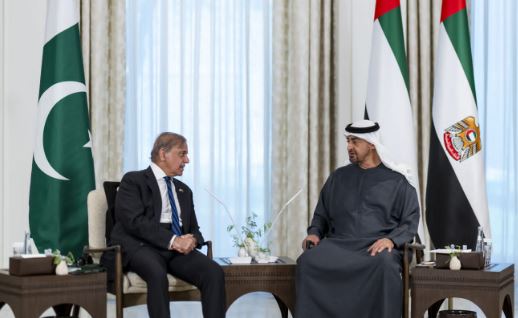
ISLAMABAD, FEB 13 /DNA/ – Prime Minister Muhammad Shehbaz Sharif held a telephone conversation today with His Highness Sheikh Mohamed bin Zayed Al Nahyan, President of the UAE and Ruler of Abu Dhabi.

During their warm and cordial conversation, the two leaders fondly recalled their recent meetings in Islamabad and Rahim Yar Khan last month, during the UAE President’s first official visit to Pakistan.

The Prime Minister lauded the UAE’s consistent and unwavering support to Pakistan, that had helped the country navigate through difficult challenges.

This support, he said, was a manifestation of the historic, fraternal bonds between the leadership and the people of both countries.

They reaffirmed their shared desire to further enhance mutually beneficial cooperation between Pakistan and the UAE.

The two leaders also exchanged views on other matters of mutual interest and agreed to remain in close contact.

Kyrgyzstan, Tajikistan to increase mutual trade volume up to $500 million

Kyrgyzstan, Tajikistan to increase mutual trade volume up to $500 million

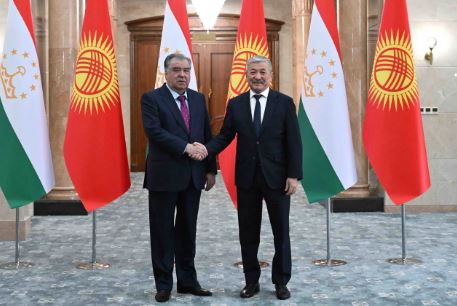
Bishkek, Feb 13: Chairman of the Cabinet of Ministers Adylbek Kasymaliev met with Tajik Prime Minister Kokhir Rasulzoda, who arrived in the country on a working visit to participate in the first meeting of the Kyrgyz-Tajik Intergovernmental Council.

“Resolving border issues is a truly historic event that creates a solid foundation for the development of friendly and good-neighborly relations between Kyrgyzstan and Tajikistan. I would like to especially emphasize that the further development and deepening of comprehensive cooperation with the Republic of Tajikistan is one of the priority areas of the Kyrgyz Republic’s foreign policy.

“In 2025, our countries’ efforts were focused on restoring and intensifying trade, economic, cultural, and humanitarian cooperation, improving the socioeconomic conditions of residents in border areas, and further developing and deepening Kyrgyz-Tajik ties in all areas of bilateral cooperation,” Cabinet head said.

Adylbek Kasymaliev continued, last year, Kyrgyzstan’s trade turnover with Tajikistan amounted to $36 million, an increase of almost 24-fold compared to the same period in 2024. He noted that the two heads of state have set a goal of increasing trade turnover to $500 million and expressed their full commitment to achieving this goal.

In turn, Tajik Prime Minister Kokhir Rasulzoda expressed his gratitude for the hospitality and warm welcome. He noted the importance of holding the first meeting of the Kyrgyz-Tajik Intergovernmental Council for the further development and strengthening of bilateral cooperation in various areas.

Kohir Rasulzoda emphasized that developing good-neighborly relations with the Kyrgyz Republic is a priority for Tajikistan’s foreign policy.He expressed the Tajik side’s readiness to implement the ambitious goals set by the leaders of the two countries.

During the meeting, the parties discussed current issues of bilateral cooperation in trade, economic, cultural, humanitarian, and other areas.

Hearing impaired girls shine at month long cricket coaching program in Islamabad

Hearing impaired girls shine at month long cricket coaching program in Islamabad

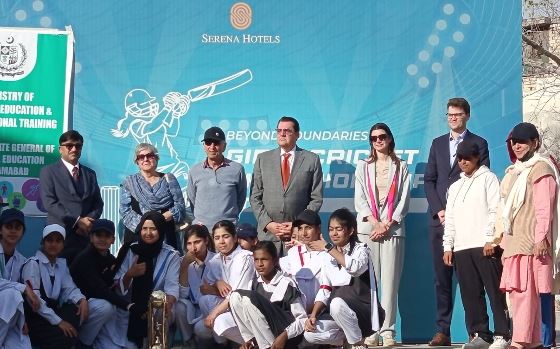
ISLAMABAD, FEB 13 /DNA/ – The Directorate General of Special Education (DGSE) organized the final match and closing ceremony of a month long Cricket Coaching Program for hearing impaired girls at the National Special Education Center for Hearing Impaired Children, H-9, Islamabad.

The coaching program, conducted with the support of the Pakistan Cricket Board (PCB), aimed to promote inclusive sports opportunities and empower girls with hearing impairment through structured cricket training. Six teams: Red, Blue, Green, Yellow, White, and Orange participated in the program and competed with great enthusiasm throughout the tournament.

Former cricket legend Majid Khan attended the closing ceremony as the chief guest. Distinguished diplomats, including representatives from the High Commission of Belgium, Gilles and Rayee Jasmine, as well as the General Manager of Serena Hotel, were also present on the occasion.

Addressing the ceremony, Director General Special Education, Captain (R) Asif Iqbal Asif, appreciated the dedication, talent, and sportsmanship demonstrated by the participating girls. He reaffirmed the Directorate’s commitment to promoting inclusive education and extracurricular development for girls with hearing impairment.

Trophies, cups, and medals were distributed among the winning teams.

The event concluded with a renewed commitment to expanding inclusive sports initiatives and fostering confidence, teamwork, and leadership among girls with hearing impairment.

Islamabad Red Zone sealed as opposition stages sit-in outside parliament over Imran’s health concerns

Islamabad Red Zone sealed as opposition stages sit-in outside parliament over Imran's health concerns

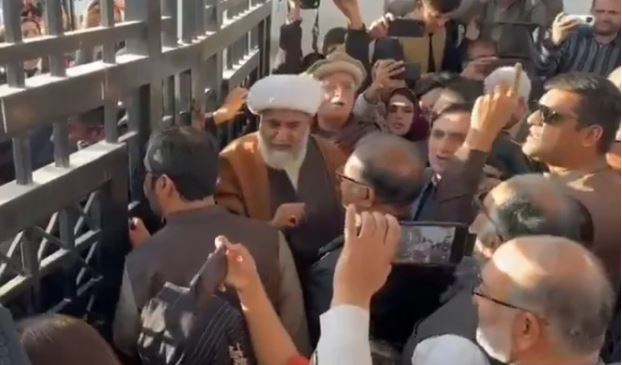
ISLAMABAD, FEB 13: Islamabad’s Red Zone was sealed on Friday, with police preventing lawmakers from approaching Parliament House amid Pakistan Tehreek-e-Insaf’s (PTI) sit-in.

The PTI had announced a sit-in outside the building in the high-security zone, protesting the alleged negligence in the treatment of jailed former prime minister and party founder Imran Khan’s eye ailment.

Police contingents have been deployed and barriers placed at Radio Pakistan Chowk to stop movement towards Shahrah-e-Dastoor and Parliament House.

The fresh protest comes following a report submitted by PTI counsel Salman Safdar before the Supreme Court regarding his visit to Adiala jail and meeting with the former premier.

The court had appointed Safdar as amicus curiae (friend of the court), directing him to visit Adiala jail and submit a report on February 11, after the former premier informed that he had been left with only 15% vision in his right eye.

Speaking to the media outside the Parliament House, PTI Chairman Barrister Gohar Ali Khan said he had “barely managed” to reach the building.

“Parliamentarians are being stopped; I somehow managed to reach parliament,” he said, adding that the party’s sit-in has begun.

Barrister Gohar warned that if the party was not allowed to hold its protest at the designated site, demonstrations would be staged across the country. “We want to steer matters in the right direction. If the situation slips from our hands, the government will not be able to control it,” he warned.

The PTI chief further said that the party founder had authorised Leader of the Opposition in the National Assembly Mehmood Khan Achakzai and Senate Opposition Leader Allama Raja Nasir Abbas to lead the protest.

Speaking to the media, Achakzai said the sit-in would remain peaceful, urging that the PTI founder’s personal physician and family should be allowed to meet him.

“Earlier, I was told that the PTI founder’s health was better. We want him to be treated by competent doctors available in the country,” Achakzai said.

Meanwhile, police shut the gates of the Parliament Lodges as PTI parliamentarians attempted to leave to participate in the sit-in.

‘Islamabad jail’
Separately, Interior Minister Mohsin Naqvi confirmed plans to shift the PTI founder to Islamabad jail once it is completed.

Speaking to the media in the federal capital, Naqvi said that the construction work for the prison facility will be completed in two months.

“The jail has all medical facilities. The PTI founder will be shifted to the Islamabad jail as he was convicted by the Islamabad High Court,” the interior minister said.

The confirmation comes two months after authorities dismissed reports suggesting that the former premier might be shifted from Adiala jail.

On December 10 last year, jail authorities stated that the PTI founder remained at the facility and was being provided full security, medical care, and proper meals.

At the time, sources termed reports of his transfer “baseless”, saying he was being treated in accordance with jail regulations and that no administrative decision had been taken regarding his relocation.

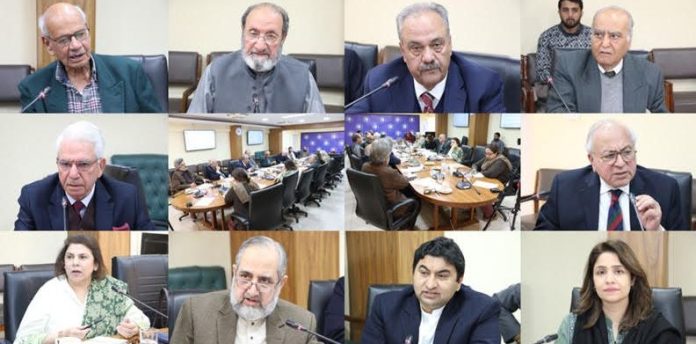
Civilizations require critical engagement with changing realities: IPS discussion

Civilizations require critical engagement with changing realities: IPS discussion

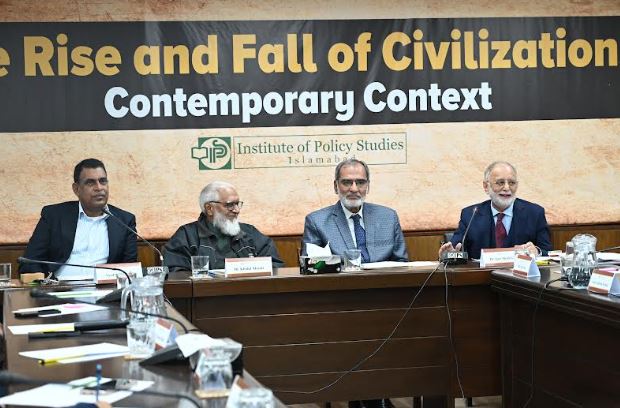
ISLAMABAD, FEB 13 /DNA/ – The rise of Western civilization, as opposed to the rest, signifies the emergence of a qualitatively new type of civilization marked by distinct cultural, scientific, and political transformations. Contemporary debates on modernity must move beyond economic metrics and address deeper moral and civilizational questions, including balance, values, and intellectual responsibility.

These reflections emerged during a discussion session titled “The Rise and Fall of Civilizations: Contemporary Context” at the Institute of Policy Studies (IPS). This discussion was organized around Syed Sardar Ali’s thesis regarding modernity, Islam, and Pakistan. The session brought together scholars, practitioners, and students for an in-depth exchange on the trajectory of Western ascendancy and the challenges confronting the Muslim world.

Presenting his thesis, Sardar Ali, founder and chairman of Pakistan Crescent Foundation, elaborated on what he termed the “Great Divergence.” He argued that until around 1800, most civilizations functioned at comparable subsistence-level productivity. Thereafter, Western societies showcased exponential growth in production and power, creating an unprecedented distinction with other societies. This transformation, he suggested, was driven by three simultaneous modernizations: a cultural shift toward philosophical rationalism, the institutionalization of the scientific method and inductive logic, and the consolidation of political authority through the Westphalian state system.

Sardar Ali contended that democracy in the West emerged as a consequence of industrialization and material transformation rather than serving as its initial cause. He maintained that Muslim civilization did not undergo an absolute decline; rather, it failed to adopt and internalize the new paradigm, for which it could have used its scientific progress. He suggested objectively identifying the underlying sources of Western prominence rather than relying solely on nostalgia for past achievements.

Participants raised a wide range of critical questions and offered thoughtful observations.

Nasir Hafeez identified the role of war, conflict, and destruction as catalysts of Western transformation. Prof Jalil Aali highlighted the legacy of inductive reasoning within the Muslim intellectual tradition, citing figures such as Allama Muhammad Iqbal, and argued that empirical inquiry predated Europe’s scientific revolution.

Sarmad Alvi noted that early modern scientists such as Isaac Newton were not necessarily antagonistic to religion, though institutional shifts gradually marginalized clerical authority in Europe. Nazir Ahmed Vaid emphasized that civilizations rise and fall on the strength of their values, warning that material advancement devoid of moral coherence leads to social fragmentation.

Prof Dr Safir Akhtar observed that civilizations have historically learned from one another, citing how early Islamic governance borrowed administrative tools such as the diwan system from the Persian Empire. Dr Taimiyyah Sabiha argued that the binary of “East versus West” is itself a colonial construct and suggested that the underlying debate may instead concern differing theological and philosophical paradigms.

Dr Yasir Riaz critiqued the reliance on productivity metrics, cautioning against adopting Western-centric frameworks that overlook the scale of ancient Eastern economies. Maulana Dr Mohammad Ghiyas proposed that the doctrine of the Finality of Prophethood placed greater intellectual responsibility upon Muslims to employ reason and scientific inquiry in managing worldly affairs.

Dr Sohaib Zafar pointed to empirical traditions in the works of Ibn Sina and Al-Razi, suggesting that the scientific journey began centuries before the 17th century. He argued that assessing civilizational success solely through economic output risks neglecting moral and metaphysical dimensions.

In his remarks, Prof Dr Khalid Masud, ad hoc judge, Shariat Appellate Bench, Supreme Court of Pakistan, observed that many Muslim societies today operate in a state of dependency, fostering a defensive posture toward knowledge. He revisited the historical tension between Ilm-ul-Kalam and philosophy, referencing debates associated with Al-Ghazali and Ibn Rushd, and suggested that prioritizing theological orthodoxy over philosophical inquiry may have had long-term intellectual consequences.

Co-chair of the session, Dr Ijaz Shafi Gilani, founder and chairperson, Gallup Pakistan, summarized the author’s emphasis on modernity as the seed of a new production process but cautioned that the “pure” pursuit of Western modernity has generated significant imbalances, including environmental degradation and demographic challenges.

In his concluding remarks, Khalid Rahman, chairman IPS, stated that the session formed part of IPS’s ongoing engagement with questions of civilizational renewal, knowledge, and contemporary global challenges. He emphasized that such discussions should be integral to think tank discourse, adding that analyzing and synthesizing observations from the event would help identify responses to prevailing challenges.

The seminar concluded with a consensus that understanding the rise and fall of civilizations requires rigorous historical inquiry, intellectual self-critique, and a balanced framework that integrates material progress with Islam’s moral and spiritual dimensions.

Air Chief calls on Indonesian President Prabowo Subianto

Air Chief calls on Indonesian President Prabowo Subianto

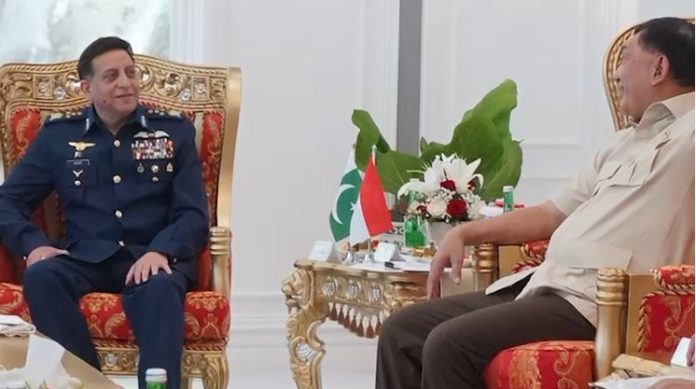
JAKARTA, FEB 13 /DNA/ – Air Chief Marshal Zaheer Ahmed Baber Sidhu, NI (M), HJ, Chief of Air Staff, Pakistan Air Force, during his official visit to Indonesia, called on President Prabowo Subianto.

During the meeting, the Air Chief underscored the shared values and longstanding brotherhood between Pakistan and Indonesia. President Prabowo expressed keen interest in leveraging PAF’s state-of-the-art training ecosystem and aerospace development infrastructure to enhance Indonesia’s defence capabilities.

Earlier, the Air Chief held separate high-level meetings with Defence Minister Lieutenant General (Retd) Sjafrie Sjamsoeddin, Commander of the Indonesian National Armed Forces and Indonesian Air Marshal. He was accorded Guard of Honour at all venues.

During discussion with the Indonesian Air Chief, both sides discussed enhanced Air Force-to-Air Force cooperation, joint training from basic to advanced levels, professional exchanges, and collaboration in emerging aerospace domains. The Indonesian Air Chief sought PAF’s support in advancing operational and flying training, acknowledging PAF’s rich combat experience. The Air Chief was conferred the Medal of Honour, the highest award of the Indonesian Air Force in recognition of his role in strengthening bilateral air power cooperation.

The Air Chief also held a joint meeting with the Indonesian Defence Minister and Chief of Defence Forces, where a wide range of defence and security matters were discussed.
The Indonesian leadership appreciated PAF’s professionalism, modernization drive, and lauded the advanced technological infrastructure of the National Aerospace Science & Technology Park.

ISSI roundtable discusses Afghanistan’s implications for Pakistan

ISSI roundtable discusses Afghanistan's implications for Pakistan

ISLAMABAD, FEB 13 /DNA/ – The Centre for Afghanistan, Middle East and Africa (CAMEA) at the Institute of Strategic Studies Islamabad (ISSI) organised a Roundtable Discussion on the “Current Situation in Afghanistan: Implications for Pakistan and the Region” on February 13, 2026. Former diplomats, leading academics and prominent practitioners joined the discussion, which focused on the current situation in Afghanistan, its implications for Pakistan and the region.

Participants observed that while Afghanistan continues to face complex challenges with regional implications, there remains a shared interest in stability and cooperation.

They emphasized the importance of sustained dialogue and constructive engagement between Pakistan and Afghanistan to address concerns and manage differences.

Recognizing the interdependent nature of the bilateral relationship, participants stressed that cooperation and mutual understanding are essential for long-term regional stability.

The meeting was held under the Chatham House Rule.

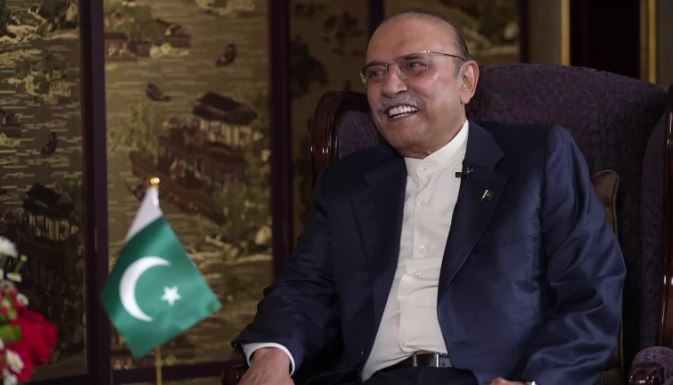
President directs to advance Pakistan, Uzbekistan cooperation in healthcare

President directs to advance Pakistan, Uzbekistan cooperation in healthcare

The meeting was chaired by Dr Asim Hussain, Personal Physician to the President.  The Uzbek side, joining virtually, was represented by Mr Babayev Alisher, First Deputy Minister of Health; Mr Alizhanov Abror; Prof Yusupalieva Gulnora; and Prof Gulyamov Surat

ISLAMABAD, FEB 13 /DNA/ – On the directions of President Asif Ali Zardari, following his meeting with the Ambassador of Uzbekistan, a meeting was convened at Aiwan-e-Sadr to deliberate on practical avenues of bilateral cooperation in healthcare, medical education and recognition of medical institutions and qualifications in both countries.

The meeting was chaired by Dr Asim Hussain, Personal Physician to the President.

The Uzbek side, joining virtually, was represented by Mr Babayev Alisher, First Deputy Minister of Health; Mr Alizhanov Abror; Prof Yusupalieva Gulnora; and Prof Gulyamov Surat.

The meeting was informed that during the recent state visit to Pakistan by the President of Uzbekistan, Shavkat Mirziyoyev, a broad set of 28 memoranda of understanding and cooperation agreements were exchanged between Pakistan and Uzbekistan across diverse sectors including health, education and pharmaceuticals, reaffirming both countries’ intent to strengthen bilateral collaboration.

Pakistan’s side included Secretary to the President, Chairman of the Higher Education Commission, the President of the Pakistan Medical and Dental Council (PMDC), and representatives of the Ministry of Foreign Affairs and the Ministry of National Health Services, Regulations and Coordination.

The meeting noted that more than 1,200 Pakistani students are currently studying in Uzbekistan in various disciplines, and that Uzbekistan has registered over 180 types of Pakistani pharmaceutical products, reflecting expanding people-to-people and commercial links.

Dr Asim Hussain emphasised the potential to further expand cooperation in medical education, scientific research and the practical training of doctors.

Uzbekistan officials provided an overview of their healthcare sector, noting the presence of approximately 9,000 private clinics, with half of surgical procedures conducted in private facilities, and expressed interest in providing job opportunities to Pakistani doctors and allied professionals.

The meeting concluded with an understanding to continue consultations and to examine modalities for moving forward in line with the President’s direction. It was agreed that a delegation of Pakistani health professionals would soon visit Uzbekistan to follow up on the discussions and decisions made today.

Natalie Baker connects U.S. companies

Natalie Baker connects U.S. companies

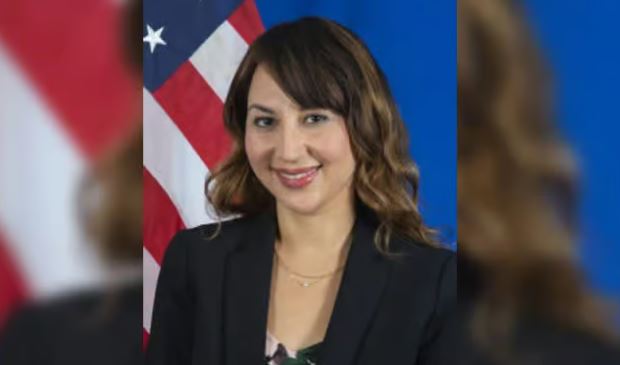
ISLAMABAD, FEB 13 /DNA/ – U.S. Chargé d’Affaires (CDA) Natalie A. Baker hosted a webinar on February 12, connecting 25 representatives from U.S. information and communication technology (ICT) companies with senior Pakistani government officials to explore commercial opportunities in Pakistan’s growing IT sector.

Federal Secretary of the Ministry of Information Technology and Telecommunication Zarar Hasham Khan, Chairman of the Special Technology Zones Authority Azfar Manzoor, and Project Director of Pakistan’s Special Investment Facilitation Council Syed Hadi joined CDA Baker to discuss investment opportunities, regulatory frameworks, and partnership potential in Pakistan’s ICT sector.

In her remarks, CDA Baker said, “The U.S. Mission in Pakistan is committed to fostering strong economic ties between our nations.”  She added, “We believe that by working together, we can unlock the full potential of Pakistan’s IT sector, create new opportunities for American businesses, and contribute to Pakistan’s economic development.”

She reinforced the U.S. Embassy and consulates are here to support American companies as they navigate the Pakistani market by connecting them with local partners and ensuring they have the resources and information needed to succeed.  “We are committed to facilitating investment, promoting trade, and advocating for policies to improve the business environment,” she said.

The webinar highlighted growth opportunities in cloud computing, data centers, cybersecurity, and artificial intelligence – important areas where U.S. companies offer proven expertise and innovation.

During the webinar, Pakistani officials outlined government initiatives to advance digital policies, expand broadband connectivity, promote technology parks, and support innovation through regulatory reforms and incentives.

CDA Baker also emphasized the timeliness of strengthening U.S.-Pakistan technology cooperation, saying, “This year in the United States, we are celebrating America’s 250th anniversary, which presents us with an opportunity to celebrate American innovation and leadership in the technology sector.”  The technology sector exemplifies U.S. ingenuity and leadership, which the Freedom 250 celebration honors.

The webinar was part of the Direct Line for American Businesses program, which provides U.S. businesses with direct access to foreign government officials and market experts, facilitating informed decision-making about international business opportunities.  This is the third in a series of Direct Line calls CDA Baker and the U.S. Mission in Pakistan have led in the last year to foster trade and investment between the United States and Pakistan.=DNA

===========

Stay Connected

64FansLike
60FollowersFollow

Latest Reviews

Exchange Rates

USD - United States Dollar
EUR
1.14
GBP
1.34
AUD
0.70
CAD
0.71