Home Blog Page 247

FPCCI, Hungary to boost economic cooperation in agri, IT, and Energy Sectors

FPCCI, Hungary to boost economic cooperation in agri, IT, and Energy Sectors

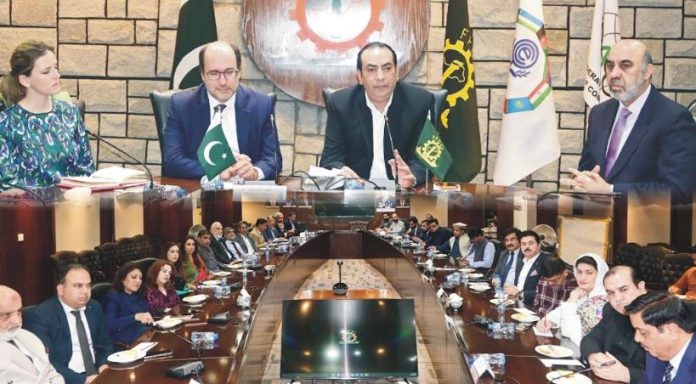
ISLAMABAD, FEB 16: /DNA/ – The Hungarian Ambassador to Pakistan, Zoltán Varga-Haszonits, visited the Federation of Pakistan Chambers of Commerce and Industry (FPCCI) to meet with President Atif Ikram Sheikh.

The meeting was also attended by FPCCI Vice Presidents Tariq Jadoon, Mr. Muhammad Raziq, Capital Office Chairman Karim Aziz Malik, Mr. Zahid Maqbool, Mr. Rashid Humayion, Mr. Badar Haroon, Mr. Dost Ali jan, Mr. Asif Javed, Ms. Aliya Agha, Ms. Rabia Raheel, Ms. Ayesha Khan and.

The discussions focused on enhancing bilateral trade, investment, and industrial cooperation between Pakistan and Hungary. Both parties discussed increasing the current trade volume and the exchange of business delegations. Exploratory talks were held regarding potential joint venture projects.

President Atif Ikram Sheikh emphasized an expanding cooperation in Agricultural Technology, Food Processing, Pharmaceuticals, and IT. He highlighted that Pakistan is offering a “One-Window” facility and a favorable environment for foreign investors. He specifically invited the Hungarian companies to explore: Energy and Infrastructure, Auto Parts Manufacturing. He invited Hungarian investors to take advantage of the vast opportunities within Pakistan’s industrial hubs. Atif Ikram Sheikh, President FPCCI further said that There is a need for effective and practical steps to increase economic cooperation. Organizing B2B meetings and joint business forums will give a new dimension to our bilateral trade relations.

Ambassador Zoltán Varga-Haszonits reaffirmed that Hungary is keen to solidify its economic ties with Pakistan. He noted that Hungarian companies possess specialized expertise in, Modern Agricultural Machinery, Water Management, Healthcare Technology.  The Ambassador assured full support for promoting investment and stated that the economic partnership between the two nations is set to enter a new phase of growth.

Minister highlights youth empowerment & cultural economy

Minister highlights youth empowerment & cultural economy

DNA
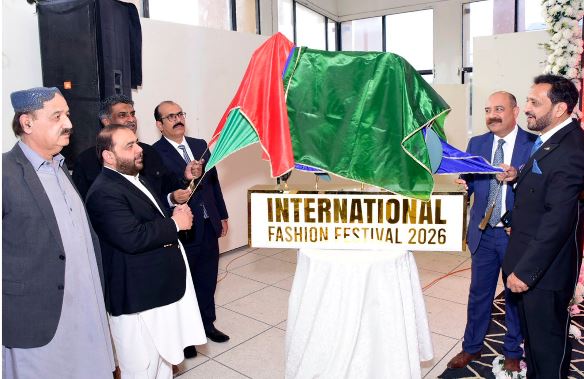
ISLAMABAD, Feb 16 – Federal Minister for National Heritage & Culture, Aurangzeb Khan Khichi, reaffirmed the government’s commitment to youth empowerment and the growth of Pakistan’s creative economy during the official logo unveiling ceremony for the ISLOO International Fashion Tourism Festival 2026.

The high-profile event, held in Islamabad and organized under the flagship of Royal Rovers, brought together diplomats, industry leaders, renowned designers, creative professionals, and stakeholders from the fashion and tourism sectors. Mr. Adnan Hafeez, Founder of Royal Rovers, hosted the ceremony, which featured senior actor, artist, and former Federal Minister for Culture Jamal Shah as the Brand Ambassador for the festival.

In his keynote address as Chief Guest, Minister Khichi praised Fashion Tourism as a vital pillar of the creative economy and a powerful instrument for cultural diplomacy and tourism promotion. He described the initiative as a scalable platform that empowers emerging talent, fosters international collaboration, and elevates Pakistan’s role in the global fashion tourism value chain.

The minister specifically lauded the creativity behind the newly unveiled logo—designed in vibrant green tones symbolizing growth, vitality, and innovation—and commended the contributions of students and faculty from the National Textile University Faisalabad, under the guidance of Dr. Zafar Javed.Organized by Royal Rovers, the ISLOO International Fashion Tourism Festival aims to promote cross-border partnerships, youth entrepreneurship, institutional participation, and innovation in textile and fashion design.

The event is poised to attract designers, creative entrepreneurs, and investors from Pakistan and abroad, positioning Islamabad as an emerging regional hub for fashion tourism.
This landmark festival underscores Pakistan’s efforts to blend cultural heritage with modern creativity, driving economic opportunities through youth-led initiatives in the fashion and tourism industries. The unveiling marks an exciting milestone ahead of the full festival program in 2026, with expectations high for its role in showcasing Pakistan’s rich artistic legacy on the international stage.

PRCS media engagement session highlights humanitarian response in Bajaur

PRCS media engagement session highlights humanitarian response in Bajaur

ISLAMABAD, FEB 16 /DNA/ – The Pakistan Red Crescent Society (PRCS), with the support of the Norwegian Red Cross and the European Union (ECHO), organized a comprehensive Media Engagement Session at its National Headquarters in Islamabad to brief print and electronic media professionals, vloggers, and bloggers on ongoing humanitarian response activities in Bajaur. The session aimed to provide an overview of relief operations, project progress, and assistance being delivered to conflict- and disaster-affected communities.

Journalists, social workers, and PRCS staff attended the event. In his opening remarks, Assistant Director Media Mr. Rehan Ali presented a detailed overview of the situation in Bajaur and highlighted the coordinated efforts of PRCS National Headquarters, facilitated by the PRCS Merged Areas Branch, and partner organizations. Mr. Amad Yousaf, Deputy Director for the Norwegian Red Cross Program, informed participants that affected families are receiving emergency relief assistance, Mobile Health Team services, access to safe drinking water, hygiene awareness support, psychosocial assistance for restoring family links, and cash assistance.

Deputy Director Media Mr. Sher Zaman, during the session provided an overview of the global Red Cross and Red Crescent Movement, including the roles of the International Federation of Red Cross and Red Crescent Societies and the International Committee of the Red Cross, along with PRCS’s ongoing humanitarian initiatives across the country.

Media representatives were briefed on project outcomes, the number of beneficiary families, and future plans. An interactive question-and-answer session allowed journalists to seek clarifications, reinforcing PRCS’s commitment to transparency, accountability, and effective communication.

In his concluding remarks, Secretary General PRCS Mr. Muhammad Abaidullah Khan appreciated the constructive role of the media, noting that timely and responsible reporting amplifies the voices of affected communities and contributes significantly to improving humanitarian response efforts. He emphasized that the media plays a vital role in highlighting the challenges faced by vulnerable populations and bringing their concerns to the attention of decision-makers.

Turkish ambassador calls on CJP ahead of Constitutional Court president’s visit

Turkish ambassador calls on CJP ahead of Constitutional Court president’s visit

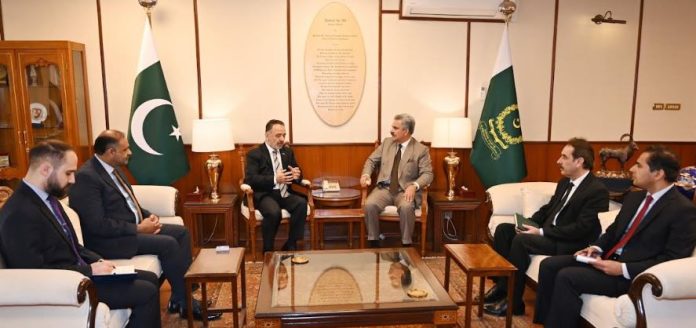
ISLAMABAD, Feb 16 (DNA): Ambassador of the Republic of Türkiye to Pakistan, Dr Irfan Neziroglu, called on Chief Justice of Pakistan Justice Yahya Afridi at the Supreme Court on Monday to discuss preparations for an upcoming high-level judicial exchange between the two countries.

The meeting was held in the context of the scheduled visit of the President of the Constitutional Court of the Republic of Türkiye to Pakistan in March 2026.

During the visit, a Memorandum of Understanding (MoU) is expected to be signed between the Supreme Court of Pakistan and the Constitutional Court of Türkiye to formalise institutional cooperation between two apex judicial bodies.

To ensure coordination at the governmental level, the meeting was also attended by the Secretary, Ministry of Law and Justice, and a representative of the Ministry of Foreign Affairs.

Justice Yahya Afridi welcomed the proposed visit and reaffirmed the Supreme Court’s commitment to extending full judicial courtesy and hospitality to the visiting dignitary, reflecting the longstanding brotherly relations between Pakistan and Türkiye.

The chief justice highlighted the historic and cordial ties between the two countries, rooted in shared legal traditions, mutual respect and enduring cultural bonds. He noted the expanding cooperation in areas such as technology integration within the judiciary, capacity building, and the exchange of best practices at various levels of the judicial system.

Both sides expressed confidence that the forthcoming visit and the signing of the MoU would provide a structured framework for enhanced collaboration, including judicial dialogue, research cooperation, training initiatives and the mutual exchange of jurisprudential developments.

The visit is being viewed as a significant step towards strengthening institutional linkages and deepening judicial cooperation between Pakistan and Türkiye.

EU balances interests and values in middle east

EU balances interests and values in middle east

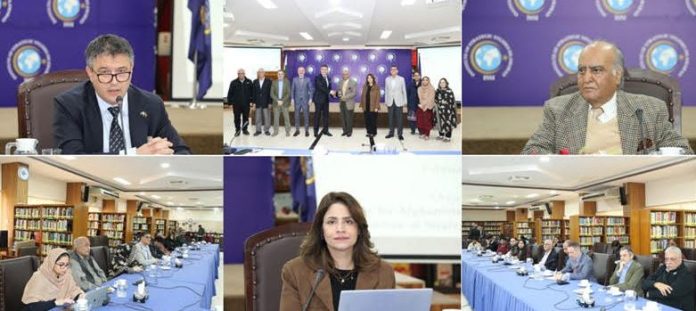
ISLAMABAD, FEB 16 /DNA/ – The Centre for Afghanistan, Middle East and Africa (CAMEA) at the Institute of Strategic Studies (ISSI) organized a public talk under its Distinguished Lecture series, titled, ‘Rethinking Europe’s Middle East Policy: Balancing Interests and Values.’ The Distinguished Speaker at the event was Dr. Flavius Caba Maria, President of the Middle East Political and Economic Institute (MEPEI), Romania,. Dr. Amina Khan, Director CAMEA and Ambassador Khalid Mahmood, Chairman, BOG, ISSI also spoke on the occasion.

Dr. Amina Khan, in her welcome remarks, highlighted three interlinked priorities shaping EU policy: engagement with the Gulf region, the evolving dynamics of the Israel–Palestine conflict amid the ongoing war in Gaza, and diplomatic management of relations with Iran. She observed that the prolonged Gaza war has influenced public opinion across Europe, increasing pressure on policymakers to reassess their positions, particularly regarding the humanitarian impact of the conflict. At the same time, she underscored that Iran remains central to EU policy considerations, with a continued emphasis on preventing nuclear proliferation and managing regional stability.

Dr. Flavius Caba Maria  argued that the European Union’s Middle East policy reflects a cautious, legally anchored, and internally fragmented approach shaped by shifting geopolitical realities. On Gaza, he noted that the EU has reinforced existing international frameworks, welcoming UN Security Council Resolution 2803 and referencing the “Board of Peace” strictly within a UN-led structure, while reaffirming its commitment to international law and the two-state solution and voicing concern over developments in the West Bank that threaten its viability. He observed that most states continue to endorse a two-state framework based on pre-1967 lines, revisiting the legacy of the Oslo Accords, the Montevideo Convention criteria for statehood, and new initiatives such as the Global Alliance for the Implementation of the Two-State Solution, while also acknowledging alternative proposals ranging from confederation models to binational arrangements.

Turning to the Gulf, he highlighted the growing strategic significance of EU–GCC cooperation, particularly following the October 2024 EU–GCC Summit and within the framework of the Joint Action Programme 2022–2027, emphasizing trade corridors, technological exchange, and sustainable energy as pillars of Europe’s diversification and resource independence agenda. On Iran, Dr. Flavius described relations as having reached a historic low, especially after the EU’s designation of the IRGC as a terrorist organization, a step that narrowed diplomatic channels and risks marginalizing Europe from U.S.–Iran negotiations, raising questions about the future of the JCPOA and broader nuclear dynamics in the region. He further underscored that internal EU divisions, reliance on the American security architecture, the decline of the E3’s mediator role after 2018, and wider geopolitical shifts, including Iran’s diversification toward eastern blocs, have constrained Europe’s influence Addressing Syria, he pointed to a recalibrated EU approach driven by security and migration concerns, involving selective engagement, counterterrorism coordination, and significant financial commitments for stabilization and humanitarian assistance

Ambassador Khalid Mahmood, in his remarks, noted that Europe’s evolving role in the Middle East reflects a balance between its stated values, human rights, humanitarian principles, and international law—and its strategic interests in regional stability and security. He observed that the EU continues to support a two-state solution, provide humanitarian assistance in Gaza, and engage diplomatically across the region, including in Lebanon and Syria. Concluding, he emphasized that Europe’s policy illustrates the enduring tension between principles and pragmatism in navigating the region’s complex dynamics.

The talk was attended by diplomats, academics, students, practitioners and members of the civil society and ended with an engaging Question and Answer session.

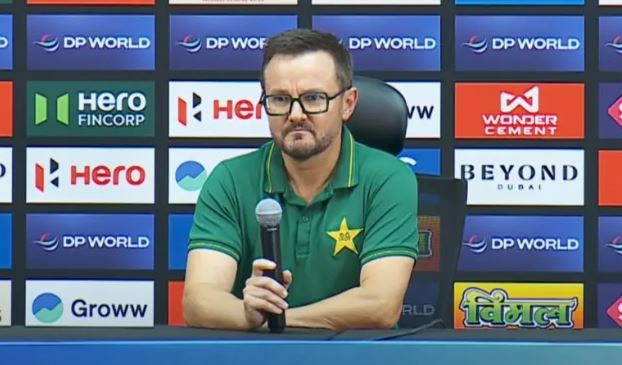
Hesson: Toss right call, batting let us down vs India

Hesson: toss right call, batting let us down vs India

COLOMBO, FEB 16 – Pakistan white-ball head coach Mike Hesson did not mince words when assessing where things went wrong for his side following Pakistan’s crushing 61-run defeat to India in the ICC Men’s T20 World Cup 2026 clash at R. Premadasa Stadium on Sunday.

The loss, which leaves Pakistan’s tournament hopes hanging by a thread, was dissected with brutal honesty by the New Zealander in the post-match press conference.

But where exactly did Pakistan lose the match? Was it at the toss when they elected to field first? Was it during overs 5-8 when Ishan Kishan plundered 52 runs? Or was it in their calamitous batting powerplay, which ended with the scoreboard reading a dismal 38 for 4?

For Hesson, the answer was clear: the batting collapse proved decisive, with his players making poor decisions and tactical errors as India’s bowlers tightened the screws.

“When the guys are putting you under pressure, are you going to stick to your basics or are you going to go away from that,” Hesson asked in response to a question at the press briefing after the game. “And that’s going to be a real challenge as the tournament progresses: we’ll be put under pressure again and that’s how we respond when you are under the pump.

The coach didn’t spare his batters from criticism. While Saim Ayub fell to a fast, swinging yorker from Jasprit Bumrah that would have troubled any batsman, the shot selection of Sahibzada Farhan, Salman Agha, and Babar Azam left Hesson searching for answers.

“All these guys are international players, they’re all good players, but when the pressure comes on are they going to trust the decision-making or are they going to probably go outside [of their plans]? And today, pressure made us go outside there and that’s something that for us to progress further in this tournament, it’s something we are going to have to get better at.”

Hesson conceded that his batters succumbed to overthinking, possibly trying to play like “Superman” to chase down a target he believed was 25 runs above par. The magnitude of an India-Pakistan contest, he suggested, may have contributed to the mental errors.

“I think they can [overthink],” he said. “When you see a score and you know that it’s probably a little bit above par, you almost feel like you’re going to play like a Superman and take the game on earlier than the conditions allow you to.

The coach was particularly critical of the shot selection that led to early wickets.

“We lost wickets early on to shots that I’m sure on that surface they were pretty tough, tough options. On a quicker surface, [like the] SSC, it might be a little bit different. So it is about adapting and we’ve been really good the last few months about adapting to different conditions. Today we probably took a little step back.”

Despite mounting questions about whether Pakistan erred by putting India in to bat, Hesson staunchly defended the decision.

“Both sides were going to bowl first because the pitch was soft and the ball spun twice as much in the first innings than the second,” he said. “The ball skidded on [in the first innings]. So there’s nothing wrong with the decision to bowl first.”

When comparisons were drawn to Australia’s defeat against Zimbabwe in a day game where the winning side batted first, Hesson dismissed the parallel. “That was a day game. This is a night game. Nothing to do with the toss – it was just execution.”

Hesson revealed the defeat had hit hard in the Pakistan dressing room, with players acutely aware of what the fixture means to their nation.

“It’s a pretty disappointed dressing room in there at the moment because they know how much it means to Pakistan,” Hesson said. “And we are really disappointed we didn’t play as well as we could, but we’re also part of the tournament and we know in tournament-play that it’s not always going to go your way. So our job is to pick ourselves up and make sure that we’re very good in two or three days.”

For the unversed, Pakistan will now face Namibia in their final group-stage fixture in Colombo on Wednesday.

Fuel price hike adds to Pakistan’s economic woes

Fuel price hike adds to Pakistan’s economic woes

The government’s recent decision to increase fuel prices has sparked widespread frustration among the masses. Petrol prices have been raised by Rs 5 per liter, while diesel has gone up by Rs 7 per liter. This move has intensified the financial burden on ordinary citizens, who are already grappling with inflation and rising living costs.

What makes the decision particularly controversial is the global context. Crude oil prices worldwide have been on a downward trend, and the Pakistani rupee has shown signs of strengthening against the US dollar. Under these circumstances, many expected fuel prices to stabilize or even decrease. Instead, the government’s move to raise prices has been seen as unjustified and insensitive to public hardship.

Officials have defended the increase by citing the need to meet tax collection targets. However, critics argue that this approach unfairly penalizes the masses. Pakistan’s tax system is plagued by inefficiencies and corruption. The wealthy elite and “big guns” often evade taxes, while ordinary citizens bear the brunt of revenue generation through indirect taxation and price hikes. This imbalance has created a sense of injustice and deepened public resentment.

Tax authorities themselves are widely perceived as corrupt, with loopholes and weak enforcement allowing large-scale evasion. Instead of broadening the tax net and ensuring that affluent individuals and corporations contribute their fair share, the government continues to rely on measures that squeeze the middle and lower classes. This vicious cycle perpetuates inequality and undermines trust in state institutions.

Fuel price hikes have a cascading effect on the economy. Transportation costs rise immediately, pushing up the prices of essential goods and services. For daily wage earners and low-income households, even a small increase in fuel prices translates into significant hardship. The ripple effect extends to agriculture, manufacturing, and logistics, making life more expensive across the board.

At the heart of Pakistan’s economic struggles lies corruption. It is the single biggest hurdle to sustainable development. Mismanagement of resources, tax evasion, and lack of accountability have crippled the country’s ability to grow. While citizens are asked to tighten their belts, billions are lost annually due to corrupt practices. Without structural reforms and genuine political will, Pakistan will continue to lag behind its potential.

The government’s decision to raise fuel prices despite favorable global and domestic economic indicators reflects deeper systemic flaws. Instead of burdening the masses, authorities must focus on tackling corruption, expanding the tax net, and ensuring that the wealthy contribute fairly. Until then, ordinary Pakistanis will continue to pay the price for a system that protects the powerful while exploiting the vulnerable.

45 Bangladeshi students arrive in Pakistan to pursue higher studies

45 Bangladeshi students arrive in Pakistan to pursue higher studies

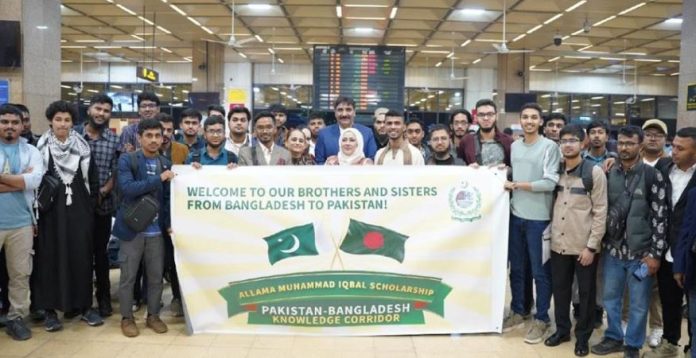
ISLAMABAD, FEB 16 /DNA/ – The first batch of 45 students from Bangladesh, selected for the Allama Muhammad Iqbal Scholarships under the Pakistan-Bangladesh Knowledge Corridor, have reached Karachi to pursue higher education at leading Pakistani universities.

Upon arrival at Jinnah International Airport, Karachi, the students were received by representatives of the Higher Education Commission (HEC), Pakistan and universities. More Bangladeshi students will reach Pakistan in the next week.

Expressing its best wishes for the students success and for their rewarding and memorable stay in Pakistan, HEC has reaffirmed its commitment to providing quality education, a supportive academic environment, and full facilitation to international students.

The Pakistan-Bangladesh Knowledge Corridor aims to strengthen academic cooperation and enhance people-to-people contacts between the two brotherly countries. The initiative is a key step towards strengthening educational links between Bangladesh and Pakistan, supporting Bangladesh’s focus on youth empowerment through education and skills training.

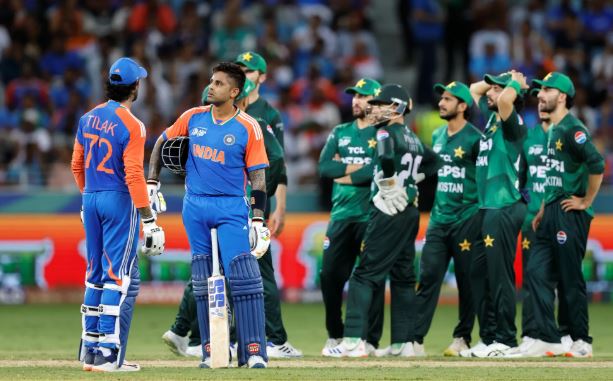
Pakistan’s disappointing defeat against India in T20 World Cup

Pakistan’s disappointing defeat against India in T20 World Cup

The much-anticipated clash between Pakistan and India in the T20 World Cup ended in heartbreak for Pakistani fans, as India secured a convincing victory. Pakistan’s batting lineup faltered badly, raising serious questions about team planning, player selection, and overall strategy.

Pakistan’s decision to bat first after winning the toss proved costly. Critics argue that this was a tactical blunder, as Pakistan historically struggles to chase totals under pressure. The top order, led by Babar Azam, failed to provide a solid foundation. Early wickets fell cheaply, leaving the middle order exposed to India’s disciplined bowling attack.

India posted a competitive total of 175 runs, which proved more than enough on a pitch that demanded calculated shot selection. Pakistan’s batters, however, looked unsettled and lacked intent. Instead of rotating strike and building partnerships, they succumbed to rash strokes and poor shot choices. The lack of a clear plan was evident, and the team never looked in control of the chase.

The defeat has reignited debates about Pakistan’s squad composition. Many experts and fans believe several players no longer justify their place in the team. Babar Azam’s captaincy and batting form are under scrutiny, while Shaheen Afridi’s inconsistent performances have raised eyebrows. Similarly, Faheem Ashraf has failed to make meaningful contributions, leading to calls for fresh talent to be introduced.

Former cricketers and analysts have been vocal in their criticism, suggesting that Pakistan needs to rethink its approach to T20 cricket altogether. The format demands aggressive batting, sharp fielding, and innovative strategies—areas where Pakistan has lagged behind. Critics argue that sticking with underperforming players has cost the team dearly, and new blood must be injected to revive Pakistan’s fortunes.

This defeat is not just about one match; it reflects deeper issues in Pakistan’s cricketing setup. Poor planning, questionable selections, and lack of adaptability have become recurring themes. India’s disciplined performance highlighted the gulf in preparation and execution between the two sides.

Pakistan’s loss to India in the T20 World Cup is a wake-up call. The team must reassess its strategies, revamp its squad, and embrace the demands of modern T20 cricket. Without bold decisions and fresh talent, Pakistan risks falling further behind in a format that thrives on innovation and fearless play.

PHF in the dock Rs 10 million for five-star stay, but team dumped in guest house

PHF announces squad for Azalan Shah Hockey Cup

The Pakistan team lost all their matches in the Australian leg of the tournament, compounding the humiliation. Fans expressed deep disappointment online, slamming the PHF for mismanagement and prioritizing appearances over player welfare

Sports Desk/DNA

ISLAMABAD: The Pakistan Hockey Federation (PHF) finds itself embroiled in fresh controversy following the national team’s disastrous campaign in the FIH Pro League in Australia.

Despite receiving substantial funding from the Pakistan Sports Board (PSB), the squad endured poor accommodations, suffered heavy defeats, and sparked widespread outrage among fans and former players.

Reports indicate that the PSB issued a cheque of Rs 10 million to the PHF specifically to arrange five-star hotel stays for the team during their Australian tour. However, players were instead housed in substandard guest houses or budget options, including last-minute low-cost Airbnbs and shared rooms.

Images of these modest accommodations quickly circulated on social media, showing cramped conditions far below international standards for a national team competing in the elite Pro League.

The Pakistan team lost all their matches in the Australian leg of the tournament, compounding the humiliation. Fans expressed deep disappointment online, slamming the PHF for mismanagement and prioritizing appearances over player welfare.

 Critics highlighted long-standing issues of corruption and administrative chaos within the federation, where “nobody knows who is truly in charge.

“The PHF has denied all allegations, insisting that arrangements were made in good faith and that any discrepancies stemmed from logistical challenges or payment delays rather than misuse of funds.

However, sources close to the team claim that disgruntled players leaked the information, frustrated with the subpar treatment despite assurances of premium facilities. In response, the PSB has launched an investigation into the matter to determine how the allocated funds were utilized and why the team faced such hardships abroad.

Hockey legends, including former captains, have described the episode as “shameful and painful,” demanding accountability and a thorough probe into the federation’s operations.

This incident underscores the deeper crisis plaguing Pakistan hockey plagued by corruption, financial irregularities, and chronic mismanagement. With the national team’s global standing in decline, calls are growing for Prime Minister intervention to take notice, overhaul the PHF leadership, and restore transparency to prevent further damage to the sport’s legacy.

Fans and stakeholders urge swift reforms, warning that without decisive action, Pakistan’s once-dominant hockey program risks irreversible decline.=DNA

Stay Connected

64FansLike
60FollowersFollow

Latest Reviews

Exchange Rates

USD - United States Dollar
EUR
1.14
GBP
1.34
AUD
0.70
CAD
0.71