Home Blog Page 245

Politics over players: PHF scandal boils over

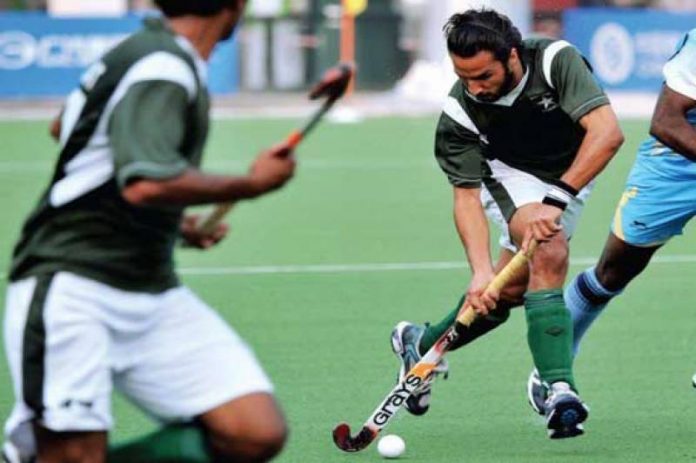
As reported by Daily Islamabad POST in its February 16, 2026 edition, the Pakistan Hockey Federation (PHF) is again at the center of an uproar after the national team’s dismal FIH Pro League campaign in Australia collided with serious allegations of mismanagement. The controversy intensified when reports emerged that the Pakistan Sports Board (PSB) had issued a cheque of Rs 10 million to the PHF for five-star hotel accommodations, yet the players found themselves in budget guest houses, cramped shared rooms, and last-minute low-cost Airbnbs. Photographs of the team’s modest lodging quickly made the rounds on social media, inflaming public sentiment and deepening anxieties about the sport’s deteriorating governance. The optics were brutal: a proud hockey nation, once synonymous with excellence, watching its players struggle on and off the field while questions swirl over where the money went and who, if anyone, is truly accountable.

The timing could not have been worse. On the pitch, Pakistan failed to secure a single win in the Australian leg, and insiders cited exhaustion, morale issues, and inadequate recovery conditions as compounding factors. Off the pitch, the revelations fed into a broader narrative of drift and dysfunction within the PHF. For months, the PSB has repeatedly written to the federation about suspected financial irregularities and the need for transparent accounting, but multiple letters have reportedly yielded little more than promises and partial responses. Those familiar with the exchanges describe a pattern of delays, incomplete documentation, and procedural stonewalling that erodes trust and invites speculation. In this climate, the accommodations scandal felt less like an isolated lapse and more like a symptom of a deeper malaise.

The PHF has firmly denied misuse of funds, insisting that all arrangements were made in good faith and that any downgrades in lodging stemmed from logistical hurdles, payment timing issues, and tight availability during a busy travel window. Officials point to last-minute venue adjustments and currency constraints as reasons bookings shifted or fell through. Yet sources close to the team recount a more worrying experience: assurances of premium facilities that failed to materialize, players squeezed into shared spaces with limited privacy, inconsistent meal arrangements that undercut nutrition plans, and transportation that did not meet professional standards. While these accounts remain to be formally verified, the disparity between official explanations and the lived reality of the touring party has widened a credibility gap that has long haunted the federation.

In response to mounting pressure, the PSB has initiated an inquiry to establish a clear trail for the Rs 10 million allocation. Investigators are expected to examine disbursement records, vendor invoices, and correspondence with accommodation providers in Australia, as well as take testimony from players and staff. The stated aim is not only to confirm whether the funds were used as intended but also to assess whether basic welfare thresholds were met for a national side competing at the sport’s elite level. Such an inquiry, if conducted with independence and urgency, could set a new standard for financial stewardship in Pakistan’s sports bodies, where governance often hinges on personalities rather than systems.

The political dimensions are impossible to ignore. Hockey insiders describe a federation mired in factional infighting, abrupt staffing changes, and a culture of shifting allegiances that prioritizes survival over strategy. The sense that “nobody knows who is truly in charge” is more than a caustic quip; it is a structural reality in which authority is diffuse, patronage is rife, and continuity is sacrificed to short-term calculations. The Prime Minister, the PHF’s chief patron, has been urged by former captains and administrators to intervene, but the demands of national governance and a crowded political agenda have left hockey low on the priority list. That vacuum of high-level attention has, in practice, licensed inertia. The result is a vicious cycle: controversies erupt, letters are written, committees form, and then little changes until the next crisis.

For the players, the cost is immediate and personal. Elite performance is a delicate compound of training, rest, nutrition, and confidence. When accommodations are subpar and routines are disrupted, the margins tilt swiftly against success. Former greats have not held back, calling the episode shameful and painful, and emphasizing that those who wear the green shirt should not bear the consequences of failed administration. Their calls have grown louder for enforceable standards: minimum grades for lodging, clearly defined per diems, reliable transport, medical coverage, and a protected channel for reporting grievances without fear of reprisal. Such measures would recognize, at last, that player welfare is not an indulgence but an essential performance variable.

The path forward will require more than a postmortem. If the inquiry confirms discrepancies, accountability must be visible and meaningful, including recoveries where appropriate and sanctions that deter repetition. If, conversely, the paper trail shows that the funds were properly allocated yet failed to translate into suitable arrangements, then the federation must overhaul its operational competence: earlier bookings, vetted vendors, contingency planning, and financial controls that withstand the chaos of international touring. Either way, a new compact is needed between funders, administrators, and athletes—one that trades opacity for transparency, expedience for professionalism, and rhetoric for measurable outcomes.

Pakistan’s hockey heritage is towering, but heritage does not win matches or shield institutions from decay. Restoring credibility will require a governance reset with independent oversight, term limits that curb entrenchment, and routine disclosures that allow supporters and sponsors to see where the money goes. It will also demand a performance pathway grounded in modern methods, consistent leadership, and a domestic calendar that prepares players for the speed and rigor of the international game. Above all, it calls for moral clarity: the recognition that when a national team travels, it represents not only a federation but a nation’s dignity. If this moment becomes a turning point—if sunlight replaces spin—Pakistan hockey can still reclaim a measure of its former authority.
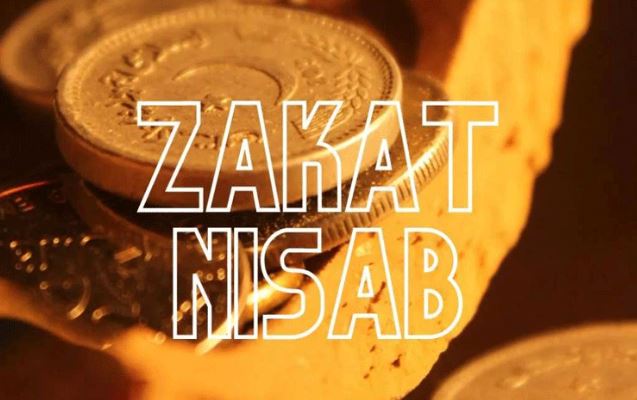
Ramazan 2026: Zakat threshold set – check here

Ramazan 2026: Zakat threshold set - check here

ISLAMABAD, FEB 17: The Ministry of Poverty Alleviation and Social Protection has officially set the Zakat threshold for the current year at Rs503,529. The announcement clarifies that on the first day of Ramazan, no Zakat will be deducted from accounts holding less than this amount.

The decision provides clarity to account holders and financial institutions ahead of the holy month.

According to the ministry’s notification, Zakat will only be deducted from balances of Rs503,529 or more. This deduction will apply to savings accounts, profit and loss sharing accounts, and other related accounts as per existing Zakat rules.

Any account balance below Rs503,529 will remain exempt from Zakat deduction on the first day of Ramazan.

The amount deducted as Zakat will be deposited into the Central Zakat Account maintained at the State Bank of Pakistan. This centralized mechanism ensures proper collection and distribution under the government’s Zakat management system.

Banks holiday
The ministry also announced that all financial institutions will remain closed for public transactions on the first day of Ramazan. The closure is in line with standard practice to facilitate the smooth deduction and transfer of Zakat funds.

The announcement aims to streamline the annual Zakat deduction process while ensuring transparency and compliance with Islamic financial obligations.

Ambassador of Portugal visits Pir Khara Sharif

Ambassador of Portugal visits Pir Khara Sharif

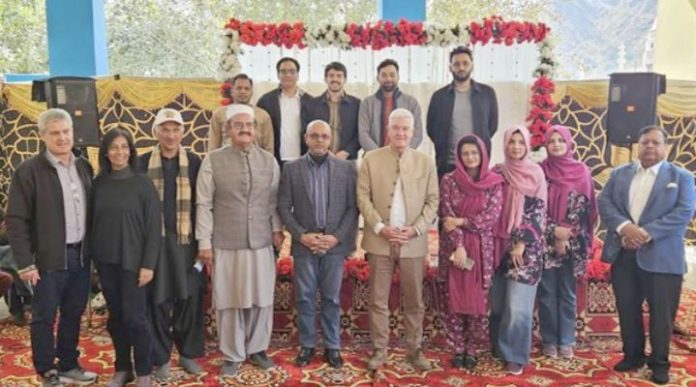
ISLAMABAD, FEB 17 /DNA/ – Ambassador Frederico Silva and Embassy team joined fellow ambassadors and senior diplomats from Malaysia, Brunei, Sri Lanka, South Africa, Nepal, and Turkmenistan on a visit to the Shrine of Hazrat Pir Muhammad Karam Shah (RA) at Pir Khara Sharif.

The delegation was warmly received by Mr. Tariq Pirzada, Custodian of the shrine and learned about the rich Sufi heritage of South Asia, rooted in the values of peace, tolerance, compassion, and service to humanity. The ambassadors also witnessed the tradition of Langar, reflecting the spirit of inclusivity and equality for all.

The visit concluded with a tour of the scenic Pir Khara Sharif valley and the Salt Range, highlighting the region’s cultural and natural beauty.

Mohsin Naqvi made most ‘serious efforts’ for Imran Khan’s release, says Gandapur

Mohsin Naqvi made most 'serious efforts' for Imran Khan's release, says Gandapur

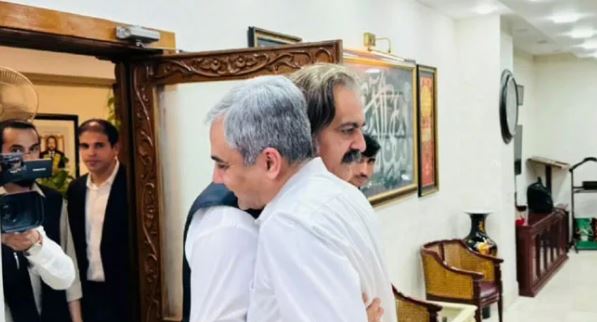
ISLAMABAD: Former Khyber Pakhtunkhwa chief minister Ali Amin Gandapur said Interior Minister Mohsin Naqvi had made more serious and sustained efforts than anyone else to secure the release of Pakistan Tehreek-e-Insaf (PTI) founder Imran Khan.

“I have said this before within the party, and now I am saying it on air: Mohsin Naqvi made vigorous efforts to resolve the issue. He made more efforts than anyone else to ensure his [Khan] release,” the former provincial chief executive said while speaking to a private news channel.

His remarks come amid heightened political tension after a medical report submitted to the Supreme Court of Pakistan by Khan’s counsel and the court’s amicus curiae, Salman Safdar, confirmed that the former prime minister was diagnosed with a serious eye condition — central retinal vein occlusion (CRVO).

CRVO is generally associated with older age and underlying cardiovascular risk factors such as high blood pressure, high cholesterol, diabetes and heart disease. The report stated that Imran Khan, who has been in jail since August 2023, had complained of losing about 85% of the vision in his right eye.

Following the report, the PTI and members of Imran Khan’s family raised an alarm over his health and demanded that he be shifted to a hospital for treatment.

Separately, sources said that a team of specialist doctors from Pakistan Institute of Medical Sciences and Al-Shifa International Hospital conducted a detailed examination of the former prime minister, expressed satisfaction over his condition and noted significant improvement in his eyesight.

Meanwhile, Gandapur — while talking to the private news channel a day earlier — claimed that Naqvi had spoken in support of the PTI founder even in front of Chief of Army Staff (COAS) and Chief of Defence Forces (CDF) Field Marshal Asim Munir, which “no one else dared to do.”

“Naqvi is the only person I have seen who can even get the Field Marshal to engage in a conversation. I have not seen anyone else do that,” he added.

He acknowledged that the PTI had previously been upset with Naqvi over his treatment of the party, including himself. “Imran was angry with him, but now I acknowledge Naqvi’s role in attempting to resolve the matter,” he remarked.

Gandapur also said that he currently had no contact with the interior minister and did not hold any official position through which he could discuss the issue.

He added that he had found it difficult to fully trust the medical reports regarding Khan, citing past experiences that had made him cautious. According to him, doubts arise when family members and senior party leaders are not allowed to meet the PTI founder.

He noted that the PTI was facing internal divisions and a lack of decision-making capacity, which he said has complicated the party’s response to ongoing developments.

US, Iran set for high-stakes nuclear talks in Geneva as threat of war looms

US, Iran set for high-stakes nuclear talks in Geneva as threat of war looms

GENEVA: The US and Iran hold indirect talks in Geneva on Tuesday aimed at resolving their long-running nuclear dispute, with little clear indication of compromise as Washington masses a battle force in the region.

US envoys Steve Witkoff and Jared Kushner will take part in the negotiations, which are being mediated by Oman, a source briefed on the matter told Reuters, alongside Iranian Foreign Minister Abbas Araqchi.

US President Donald Trump said that he would be involved “indirectly” in the Geneva talks and that he believed Tehran wanted to make a deal.

“I don’t think they want the consequences of not making a deal,” Trump told reporters aboard Air Force One on Monday. “We could have had a deal instead of sending the B-2s in to knock out their nuclear potential. And we had to send the B-2s.”

Tehran knows that a previous attempt to revive talks was underway in June last year when Washington’s ally Israel launched a bombing campaign against Iran, and was then joined by US B-2 bombers that struck nuclear targets. Tehran has since said it has halted uranium enrichment activity.

The US military is preparing for the possibility of weeks of operations against Iran if Trump orders an attack, two US officials told Reuters.

Iran itself began a military drill on Monday in the Strait of Hormuz, a vital international waterway and oil export route from Gulf Arab states, which have been appealing for diplomacy to end the dispute.

Iran-US nuclear talks under shadow of protests and war
Tehran and Washington renewed negotiations on February 6 on their decades-long dispute.

Iranian Foreign Minister Abbas Araqchi meets with International Atomic Energy Agency (IAEA) Director General Rafael Grossi in Geneva, Switzerland, February 16, 2026. — Reuters
Washington and its close ally Israel believe Iran aspires to build a nuclear weapon that could threaten Israel’s existence. Iran says its nuclear programme is purely peaceful, even though it has enriched uranium far beyond the purity needed for power generation, and close to what is required for a bomb.

Since the June strikes, Iran’s rulers have been weakened by street protests, put down at a cost of thousands of lives, against a cost-of-living crisis driven in part by international sanctions that have strangled Iran’s oil income.

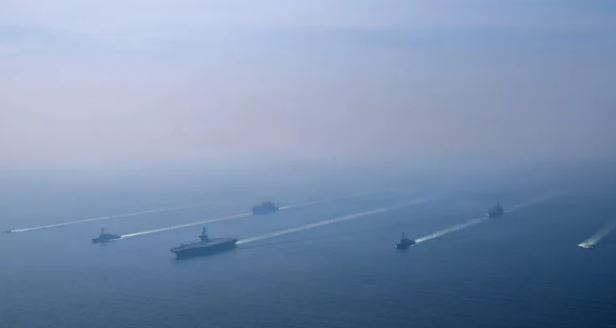
Unlike last time, the US has now placed what Trump calls a massive naval armada in the region.

Washington has sought to expand the scope of talks to non-nuclear issues such as Iran’s missile stockpile. Tehran says it is willing only to discuss curbs on its nuclear programme – in exchange for sanctions relief – and that it will not give up uranium enrichment completely or discuss its missile programme.

On Monday, US Secretary of State Marco Rubio told a news conference in Budapest that it was hard to do a deal with Iran, but the US was willing to try.

Iran’s Araqchi on Monday met Rafael Grossi, head of the International Atomic Energy Agency, in Geneva to discuss cooperation with the IAEA and technical aspects of the impending talks with the US

On Tuesday afternoon, Witkoff and Kushner will participate in three-way talks with Russia and Ukraine as Washington attempts to coax Ukraine and Russia into an agreement to end Moscow’s four-year-old invasion of Ukraine, the source said.

Weather turns pleasant as parts of Karachi receive hail, rain

Weather turns pleasant as parts of Karachi receive hail, rain

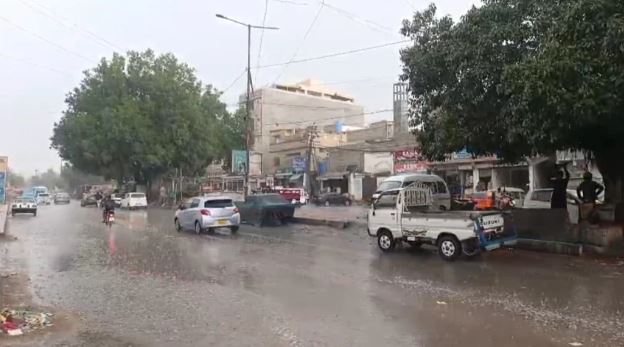
KARACHI, FEB 17: The weather took a pleasant turn in Karachi as different parts of the city received fresh spell of rain accompanied by strong winds on Tuesday.

Areas to witness moderate to light rain include Gulistan-e-Johar, Scheme 33, North Nazimabad, Orangi Town, SITE Area and Buffer zone.

Moreover, showers were reported from University Road as well.

Reports of hail pouring with rain were received from Scheme 33 and surrounding areas.

Later, it stopped raining in Nazimabad and nearby areas.

The Pakistan Meteorological Department (PMD) said that rain is likely to continue in the city till evening.

In the wake of rain and strong winds, Karachi Electric advised citizens to practice caution while using electricity.

A spokesperson of the electric supply company said illegal electricity connections and power theft through hooks can lead to fatal accidents.

The spokesperson said that the power supply has been temporarily suspended as a safety measure in low-lying areas due to accumulated rainwater.

K-Electric is monitoring the situation and field staff are on alert, he added.

The fresh spell of rain comes under the effect of a westerly wave approaching western parts of the country.

The PMD, while predicting downpours, said on Monday that a shallow westerly weather system is likely to bring rain, gusty, and dust-raining winds to parts of Sindh.

Forecasting rain, gusty winds and thunderstorms in several parts of the country, it added that possible hailstorms could hit northern Balochistan, Khyber Pakhtunkhwa’s Dera Ismail Khan, and Punjab’s Dera Ghazi Khan during the forecast period.

According to the Met Office, light to moderate rain with strong winds and thunderstorms is expected across much of Balochistan, including Quetta, Ziarat, Chaman, Pishin, Qilla Abdullah, Qilla Saifullah, Chaghi, Nokkundi, Dalbandin, Noshki, Harnai, Zhob, Kalat, Mastung, Barkhan, Sibi, Loralai, Khuzdar, Kech, Turbat, Panjgur, Gwadar, Awaran, Kharan, Pasni, Ormara and Lasbela from the evening and night of February 16 through February 17, with occasional breaks.

Isolated light rain or drizzle along with strong winds may also occur in parts of southern Punjab, including Dera Ghazi Khan, Multan, Bhakkar, Layyah and Bahawalpur and surrounding areas today.

OGDC, SNF sign deal for Pakistani Oil field revival

OGDC, SNF sign deal for Pakistani Oil field revival

Project Estimated to Generate USD 460 Million in Revenue Through Enhanced Oil and Gas Production

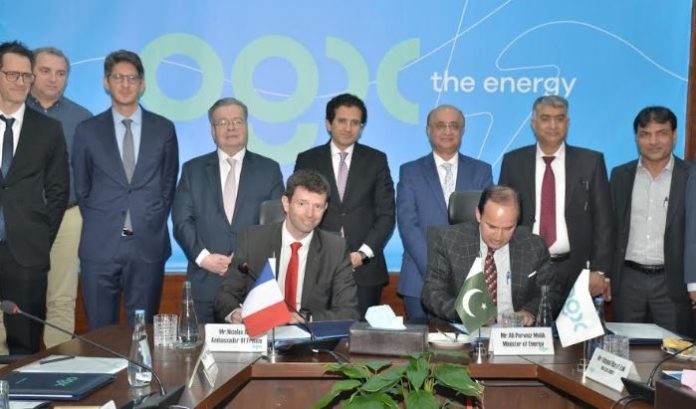
ISLAMABAD, FEB 17: /DNA/ – Oil and Gas Development Company Limited (OGDC), Pakistan’s leading exploration and production company, on Tuesday signed a landmark contract with SNF S.A., a French specialty chemical company and world leader in polyacrylamide production, for the installation and operation of advanced Water Injection Systems (WIS) at its Kunnar and Pasakhi oil fields located in Hyderabad district, Sindh. The signing ceremony was held at the OGDC Head Office in Islamabad, marking a significant milestone in the company’s efforts to enhance production performance and promote sustainable energy development. The signing ceremony was attended by Federal Minister for Energy (Petroleum Division) Ali Pervaiz Malik, MD/CEO OGDC Ahmed Hayat Lak, French Ambassador to Pakistan Nicolas Galey, along with senior officials from OGDC and SNF.

The project aims to enhance reservoir pressure, optimise oil recovery, and ensure sustainable production performance through the world’s latest water injection technology and global expertise from SNF. The project will be completed in three phases. The first phase will cover installation and commissioning over a period of nine months, including mobilisation, installation, commissioning and testing of the facilities. This will be followed by a two-year operations and maintenance phase, during which O&M services will be provided along with structured training for OGDC professionals. After the completion of the O&M period, the technology and operational control will be transferred to OGDC, allowing the company to independently operate the facilities using the expertise developed during the collaboration. The designed operational life of the installed facilities is approximately 20 years.

The project is projected to enhance oil production by approximately 9 million barrels and increase gas production by 3 billion cubic feet. It is also projected to improve the recovery factor of the fields by 8 to 10 percent. The recovery factor refers to the percentage of oil that can be extracted from a reservoir compared to the total volume originally present. With an estimated additional revenue generation of USD 460 million over the life of the fields, the project offers strong economic returns.

The initiative also carries significant environmental benefits. By reinjecting treated produced water into reservoir zones, the project ensures safe disposal and reduces environmental risks. It also aligns with sustainable operating practices and international environmental standards.

The collaboration underscores OGDC’s commitment to operational excellence, technological advancement, and long-term value creation in Pakistan’s energy sector through partnerships with world-leading service providers. The partnership reflects OGDC’s continued focus on strengthening domestic hydrocarbon production while adopting the latest, efficient, and environmentally responsible technological solutions for Pakistan’s energy sector.

12 India-backed terrorists killed, 11 security personnel martyred in Bajaur attack

12 India-backed terrorists killed, 11 security personnel martyred in Bajaur attack

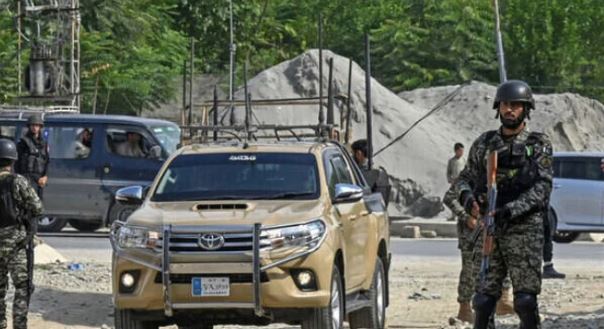
ISLAMABAD: At least 12 terrorists belonging to an India-backed proxy were killed while 11 security personnel embraced martyrdom in a terrorist attack in Khyber Pakhtunkhwa’s Bajaur district, the Inter-Services Public Relations (ISPR) said on Tuesday.

Detailing the event, the military’s media wing said that a cowardly terrorist attack was attempted on a joint checkpost of the security forces and law enforcement agencies (LEAs).

“The assailants sought to breach the checkpost security; however, their nefarious designs were swiftly and decisively foiled by the vigilant and resolute response of Pakistan’s security forces,” said the ISPR.

However, the attackers rammed an explosive-laden vehicle into the perimeter wall, resulting in severe destruction to a civilian residential building which was in close proximity and martyred one young girl and injured seven others, including women and children.

Pakistan has experienced a rise in cross-border terrorist incidents since the Taliban regained control of Afghanistan in 2021. The provinces of KP and Balochistan, which border Afghanistan, have been particularly affected by these attacks.

ISPR Director General Lieutenant General Ahmed Sharif Chaudhry, in his presser on January 6, said that law enforcement agencies carried out 75,175 IBOs across the country in 2025.

Giving a breakdown, he said 14,658 IBOs were conducted in KP, 58,778 in Balochistan, while 1,739 operations took place in the rest of the country.

Lt Gen Chaudhry said that 5,397 terrorism incidents were reported nationwide during the last year. Of these, 3,811 incidents, he said, occurred in KP, 1,557 in Balochistan, and 29 incidents were reported in other parts of the country.

He said that 2,597 terrorists were killed during counterterror operations last year. While providing details of 10 major terror attacks across the country, he said that civilians and soft targets had been deliberately targeted, and Afghan militants were involved in all attacks.

Macron eyes Rafale fighter jet deal in India

Macron eyes Rafale fighter jet deal in India

The visit follows New Delhi’s confirmation last week that it intends to place a major order for Rafale jets, as well as the signing of a landmark free trade agreement between India and the European Union in January

DNA

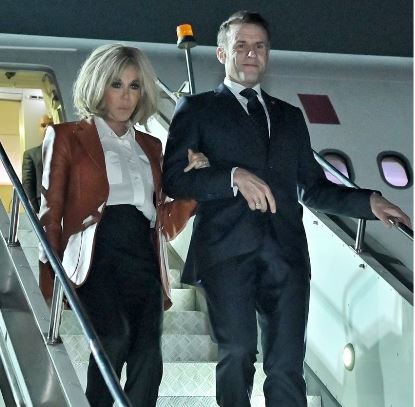
NEW DELHI: French President Emmanuel Macron began a three-day visit to India on Tuesday, with talks focused on artificial intelligence cooperation and a potential multibillion-dollar Dassault Rafale fighter jet deal.

France is seeking to expand its military partnership with New Delhi, with discussions expected on a potential contract for 114 additional French fighter jets.

Macron and his wife Brigitte arrived around midnight on Monday in Mumbai, India’s financial capital, for his fourth visit to India since taking office in 2017.

He is scheduled to meet Prime Minister Narendra Modi later on Tuesday.

Macron will then travel to New Delhi for an artificial intelligence summit on Wednesday and Thursday.

The visit follows New Delhi’s confirmation last week that it intends to place a major order for Rafale jets, as well as the signing of a landmark free trade agreement between India and the European Union in January.

‘Contract of the century’

New Delhi has sought over the past decade to reduce its dependence on Russia, its traditional main supplier of military equipment, turning to other countries while also pushing for more domestic production.

An Indian defence ministry statement last week said the proposed purchase of Rafale jets had been cleared, with “the majority” of them to be manufactured in India.

The statement did not specify the exact number of jets New Delhi would purchase, but a New Delhi defence ministry source said that 114 was likely.

Christophe Jaffrelot, an India specialist at Sciences Po Center for International Studies in Paris, described the potential $35 billion deal for 114 Rafales as the “contract of the century” and a potential “crowning achievement” for bilateral ties.

If finalised, the jets would add to the 36 Rafales India purchased for its air force in 2016 and 26 it has ordered for its navy.

Negotiations over the additional aircraft still need to be concluded with manufacturer Dassault Aviation, but the French presidency has voiced optimism that what it calls a “historic” agreement could be reached.

Modi and Macron will also inaugurate on Tuesday India’s first helicopter final assembly line via videoconference from Mumbai, a joint venture between India’s Tata Group and Airbus.

The Future of the World

The Future of the World

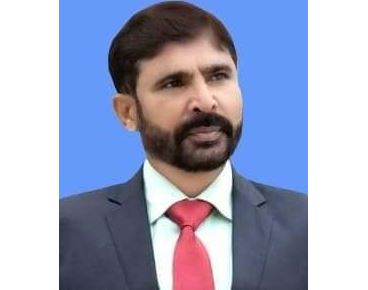
Dr. Muhammad Akram Zaheer

The world stands at a difficult crossroads. Economic growth, once taken for granted as a natural outcome of globalisation, is now uneven, fragile and deeply contested. Wars persist, supply chains are fractured, climate pressures are mounting, and trust between states is eroding. Yet history shows that moments of uncertainty often create space for new ideas. The future of the world economy depends not on restoring old models, but on building a new platform for global growth one that is inclusive, balanced and resilient. This proposal is offered as an open dialogue rather than a fixed blueprint. The challenges facing humanity are too complex to be solved by a single ideology or institution. What is required instead is a shared conversation that recognises diversity while seeking common ground.

For decades, global growth was driven by liberalisation, free trade and financial integration. While this model lifted millions out of poverty, it also produced sharp inequalities within and between countries. The backlash is now visible in the form of protectionism, economic nationalism and regional blocs. Growth is no longer a purely economic question; it is tied to social stability, political legitimacy and national security. A new platform for global growth must therefore move beyond narrow indicators such as GDP. Economic expansion should be judged by its ability to generate decent employment, reduce inequality, protect the environment and strengthen social cohesion. Growth that benefits only a few is not sustainable; it ultimately undermines the very system that produces it.

Global economic governance is struggling to keep pace with contemporary realities. Institutions created after the Second World War no longer reflect the distribution of power in the twenty-first century. Emerging economies demand greater representation, while smaller states seek protection from market shocks they did not create. Rather than abandoning multilateralism, the task should be to reform it. International financial institutions must prioritise development lending over crisis management alone. Debt relief mechanisms should be predictable and fair, especially for countries burdened by climate-related disasters. Trade regimes need flexibility so that developing economies can protect infant industries while integrating into global markets. A reformed multilateral system would not impose uniform solutions but offer adaptable frameworks that respect national contexts. This balance between global cooperation and domestic autonomy is essential for restoring trust.

While global cooperation remains vital, regional platforms can play a decisive role in promoting growth. Economic corridors, cross-border infrastructure and regional value chains reduce dependence on distant markets and lower vulnerability to global disruptions. For South Asia, Central Asia, Africa and parts of the Middle East, regional integration remains underdeveloped despite immense potential. Political disputes, security concerns and weak institutions have limited progress. Yet investment in transport, energy and digital connectivity could transform these regions into engines of growth. Regional cooperation should be framed not as a zero-sum competition but as a shared opportunity. When neighbours trade more, they reduce conflict incentives and create mutual stakes in stability.

Technology is often presented as a neutral force of progress, but its benefits are unevenly distributed. Advanced economies dominate digital platforms, artificial intelligence and data flows, while many developing countries struggle with basic connectivity. A new growth platform must address the digital divide as a development priority. Affordable internet access, digital literacy and local innovation ecosystems are essential. Technology should empower small businesses, farmers and service providers, not merely large corporations. Equally important is digital governance. Data protection, fair taxation of digital firms and ethical use of artificial intelligence require global coordination. Without common rules, technology risks becoming another source of inequality rather than a driver of shared prosperity.

Climate change is no longer a distant threat; it is a daily economic reality. Floods, droughts and heatwaves disrupt production, destroy infrastructure and deepen poverty. For many developing countries, climate vulnerability is the single greatest obstacle to growth. Yet climate action also offers opportunities. Investment in renewable energy, climate-resilient agriculture and sustainable urban development can generate jobs and reduce long-term costs. The challenge lies in financing this transition. Developed economies, having contributed most to historical emissions, bear a moral and practical responsibility to support climate adaptation and mitigation in poorer states. Climate finance should be predictable, accessible and free from excessive conditions. Growth and sustainability must be treated as complementary goals, not competing ones.

No economic model can succeed without investing in people. Education, healthcare and social protection are not welfare expenses; they are productive investments. Societies with skilled, healthy populations are better equipped to adapt to technological change and economic shocks. The future platform for growth should prioritise skills relevant to changing labour markets. Vocational training, lifelong learning and research collaboration deserve greater attention. Migration, often framed as a threat, can be managed as a source of growth if labour mobility is regulated fairly and humanely.

Economic growth cannot flourish in the absence of security. Conflicts disrupt trade, deter investment and drain public resources. From Eastern Europe to the Middle East and parts of Africa, prolonged instability continues to impose global economic costs. Preventive diplomacy, conflict resolution and post-conflict reconstruction must therefore be seen as economic imperatives, not merely political goals. International efforts should focus on addressing root causes of conflict, including economic exclusion and governance failures. The future of the world economy cannot be dictated by a single power or ideology. It must emerge from sustained dialogue between states, regions, institutions and societies. Developing countries should not be passive recipients of policies designed elsewhere; they must be equal partners in shaping the rules of growth.

This proposed platform for global growth is not a finished product. It is an invitation to rethink assumptions, challenge inequalities and imagine an economic order that serves humanity rather than divides it. The stakes are high, but so is the opportunity. In choosing cooperation over confrontation and inclusion over exclusion, the world can still chart a path towards shared and durable prosperity.

Stay Connected

64FansLike
60FollowersFollow

Latest Reviews

Exchange Rates

USD - United States Dollar
EUR
1.14
GBP
1.34
AUD
0.70
CAD
0.71