Home Blog Page 235

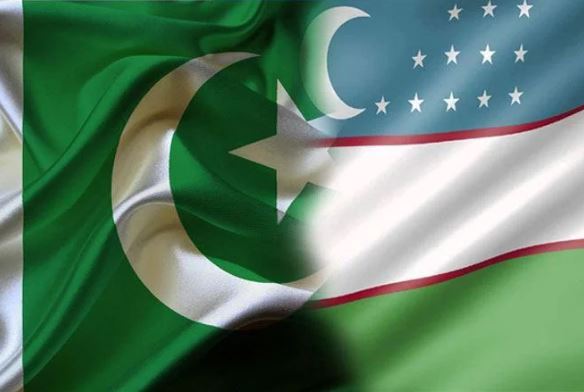
Uzbekistan and Pakistan strengthen the bridges of friendship

Uzbekistan and Pakistan strengthen the bridges of friendship

Author: Bekhzod Alimjanov

In the first days after Uzbekistan’s independence, I was deeply moved to learn that in both large and small cities across Pakistan, our Pakistani brothers welcomed this event with joy and enthusiasm. It was both heartening and somewhat surprising to see our independence so warmly received by people in a distant land.

I encountered this same sense of goodwill during my subsequent visit to Pakistan. Despite the geographical distance between our countries, I found a strong sense of spiritual closeness — a feeling that our Pakistani friends genuinely share in our joys and stand with us in times of hardship.

Over time, I came to understand that this connection had been shaped over centuries. Travelers from the lands of present-day Uzbekistan journeyed towards the Indian subcontinent for trade and pilgrimage, laying the foundations for lasting ties. Historical, cultural and spiritual links — rooted in the legacy of the Silk Road and strengthened by the influence of Sufi traditions — have helped foster a deep and enduring friendship between our peoples.

A particularly significant role in bringing our nations closer together has been played by the shared legacy of Zahiriddin Muhammad Babur — a towering historical figure whose heritage remains important to both Uzbekistan and Pakistan. This common inheritance has contributed to similarities in our traditions, languages and cultural outlook. I have sensed this closeness not only during official meetings, but also in conversations with ordinary people, which have consistently reaffirmed the depth of mutual understanding between our societies.

Over the years, these ties have been reinforced by cultural and spiritual affinity, as well as shared values, encouraging closer cooperation at both the regional and international levels.

Bilateral engagement has steadily expanded over time, reaching the level of a strategic partnership in 2021 — a reflection of the growing depth of relations, the widening scope of interaction, and the inclusion of new areas of cooperation.

In recent years, the continued strengthening of friendly ties between Uzbekistan and Pakistan has largely been driven by the strong political commitment of the two leaders — President Shavkat Mirziyoyev of Uzbekistan and Prime Minister Shehbaz Sharif of Pakistan — and the trust-based, constructive dialogue that has developed between them. This, in turn, reflects a shared desire to deepen mutual understanding and further reinforce their longstanding bonds.

Over the past decade, Uzbekistan and Pakistan have made tangible progress in advancing political dialogue, expanding trade and economic cooperation, enhancing collaboration in the fields of defense and security, and strengthening cultural and humanitarian exchanges, as well as coordination on regional and international issues.

Today, relations between Tashkent and Islamabad continue to evolve on the basis of good neighborliness, mutual trust and respect for each other’s interests. Closer institutional contacts have been established, political confidence has grown, and cooperation between government bodies and business communities in both countries has become increasingly dynamic.

With the regional climate becoming more favorable, President Shavkat Mirziyoyev has focused on strengthening ties and connectivity between Central and South Asia — including a major project to connect Uzbekistan to Pakistan’s seaports through Afghanistan.

High-level dialogue and cooperation between the respective governments and state institutions have helped facilitate mutually beneficial engagement and created new opportunities to deepen collaboration across several key areas.

In Pakistan, there is also growing attention to initiatives focused on the study of the Uzbek language, literature and history. The teaching of Uzbek at the National University of Modern Languages in Islamabad is a clear example of the interest in, and respect for, our country and its linguistic heritage.

Relations between Uzbekistan and Pakistan are entering a new phase of development based on partnership and shared interests. In a rapidly changing global environment, this cooperation has the potential to serve as a successful model of interregional engagement capable of bridging geographical and political divides.

Uzbek–Pakistani relations are continuing to develop across political, economic and cultural spheres. This not only reflects a shared commitment to strengthening friendly ties, but also opens up new opportunities for long-term and mutually beneficial partnership, contributing to stability and sustainable development across the wider region.

Author: Bekhzod Alimjanov, Chief Research Fellow at the Center for Foreign Policy Studies.
Pakistani visitors to the UK can now use eVisas

Pakistani visitors to the UK can now use eVisas

Mahnoor Ansar

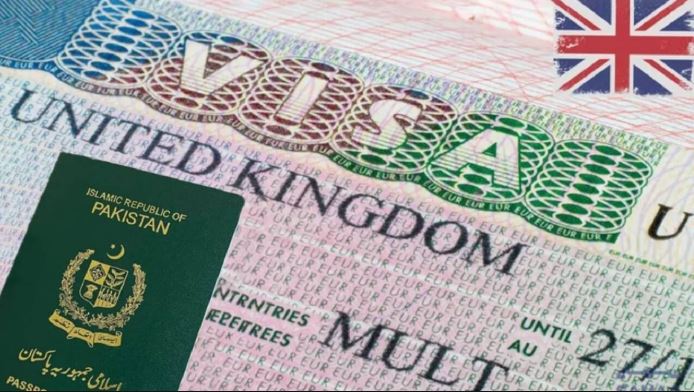
ISLAMAAD: Those travelling to the UK, including tourists, can now use a new eVisa system, receiving confirmation by email rather than stickers in passports.

Visitors will continue to submit their applications online and attend a visa application centre to provide biometrics. Successful applicants will have a digital record of their immigration status provided through an eVisa, accessible through an online UK Visas and Immigration account. It means applicants no longer need to attend a visa application centre a second time to collect their passport, instead holding on to it after their biometrics session.

eVisas provide a more secure way to manage immigration status and reduce the risk of lost or damaged documents. Applicants can generate a share code to prove their visa status at borders and elsewhere. There is no change to visa processing times, eligibility criteria or conditions.

British High Commissioner, Jane Marriott CMG OBE, said:

“This is a hugely exciting step for Pakistanis visiting the UK for tourism, visiting loved ones, or business meetings, that removes a big step from the application process. As well as being able to save time by holding on to your passport, the new share code system makes it easier than ever to demonstrate your visa status.”

UK visa applicants are strongly discouraged from using visa agents. Applicants should apply directly on gov.uk, the only source for trusted information.

Last year eVisas were successfully rolled out for students and those on work visas. Thousands of people across the globe have already used them at UK airports. Existing sticker visas are unaffected by today’s changes.

Further guidance is available at www.gov.uk/eVisa.

For updates on the British High Commission, please follow our social media channels:

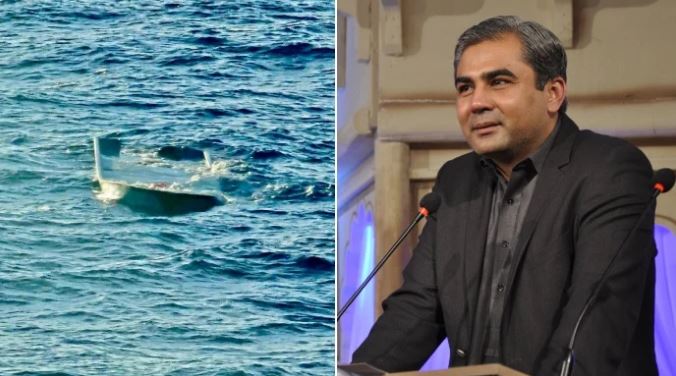
Mohsin Naqvi in Greece: Pakistan, Greece vow joint crackdown on human smuggling

Mohsin Naqvi in Greece: Pakistan, Greece vow joint crackdown on human smuggling

The ministers also reached consensus on finalizing a migration cooperation agreement that has remained pending for the past two years, paving the way for formalized collaboration

DNA

ROME: Federal Interior Minister Mohsin Naqvi held a productive meeting in Rome with Greece’s Minister for Migration and Asylum, Athanasios Plevris, as part of his high-level engagements in Italy focused on addressing irregular migration flows and strengthening bilateral ties.

The discussions centered on concerted efforts to combat illegal immigration and human smuggling networks operating between the two regions. Both ministers expressed strong commitment to joint actions aimed at dismantling these criminal operations and agreed to enhance coordination in the future.

They emphasized the importance of promoting legal migration channels as a practical alternative to irregular routes. In this regard, the two sides decided to increase the issuance of work visas to facilitate orderly and legal mobility for Pakistani workers seeking opportunities in Greece.

The ministers also reached consensus on finalizing a migration cooperation agreement that has remained pending for the past two years, paving the way for formalized collaboration.

To ensure sustained dialogue and implementation, both parties agreed to establish a Joint Working Group dedicated to migration-related matters between Pakistan and Greece.

Minister Plevris commended Pakistan’s ongoing crackdown on human smuggling syndicates and illegal migration attempts, highlighting the effectiveness of measures taken by Pakistani authorities. Minister Naqvi, in turn, welcomed Greece’s readiness to support capacity-building initiatives for Pakistan’s police and paramilitary forces, including professional training and technology-driven operations to better secure borders and disrupt smuggling networks.

Naqvi reiterated Pakistan’s zero-tolerance policy toward illegal immigration and human smuggling, stating that expanding avenues for legal migration represents a key demand of the time and a shared responsibility. He stressed that stronger mutual cooperation at all levels is essential to encourage legal pathways while effectively curbing irregular movements.

The Greek minister affirmed his country’s willingness to deepen engagement with Pakistan across various platforms to advance legal migration opportunities.

During the meeting, senior Punjab Police officers delivered a detailed briefing on the Police Service Centers Global initiative, which drew appreciation from Minister Plevris for its innovative approach to service delivery and public facilitation.

The session was also attended by Pakistan’s Ambassador to Italy Ali Javed, Director General FIA Dr. Usman Anwar, Managing Director Punjab Safe Cities Authority Ahsan Younis, and senior police officers Sohail Chaudhry and Abid Khan.

This meeting forms part of Interior Minister Naqvi’s broader visit to Rome, where he is engaging with counterparts from Italy, Greece, and Spain to discuss regional strategies against illegal migration, build on Pakistan’s recent successes in reducing such outflows, and explore expanded legal mobility options for skilled Pakistani workers.

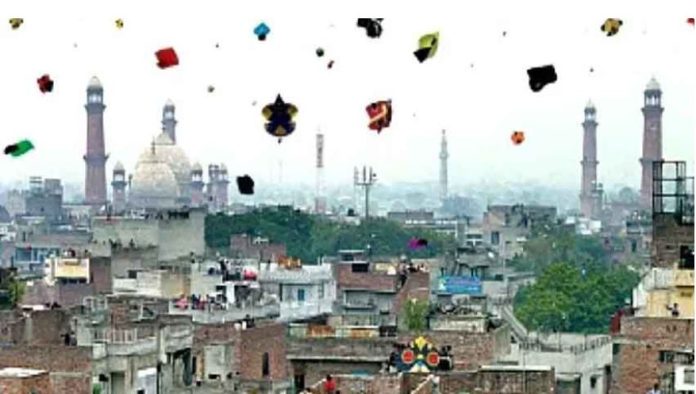
17 deaths reported during Lahore Basant, LHC told

17 deaths reported during Lahore Basant, LHC told

ISLAMABAD, FEB 25: Court seeks details of injured; petitions highlight fatalities, injuries during festival. At least 17 people lost their lives during Basant celebrations in Lahore, according to a report submitted by the Home Department to the Lahore High Court (LHC).

The court has now sought detailed information about those injured during the festival, particularly in incidents involving kite strings.

The matter came up during a hearing on various petitions seeking details of deaths and other incidents linked to Basant in the provincial capital. The case was heard by Justice Owais Khalid on petitions filed by the Judicial Activism Panel and others.

During the proceedings, the Home Department submitted a detailed report on Basant-related fatalities in Lahore. The court also directed authorities to provide complete data about individuals injured during the celebrations.

17 deaths confirmed
According to the report submitted to the court, a total of 17 deaths occurred during Basant in Lahore. The breakdown of fatalities reveals that three people died due to electrocution. Two individuals lost their lives after falling from a tree. Twelve people died after falling from rooftops while participating in kite-flying activities.

Court seeks data on injured
During the hearing, Advocate Azhar Siddique pointed out that data regarding those injured during Basant had not been provided. Taking notice of the omission, the Lahore High Court sought comprehensive details of individuals injured during Basant, including those harmed by kite string incidents.

The court has directed the relevant authorities to submit the required information, as concerns continue over the safety risks associated with the traditional kite-flying festival.

Gilani recalls Turkmenistan visit, pushes for TAPI pipeline

Gilani recalls Turkmenistan visit, pushes for TAPI pipeline

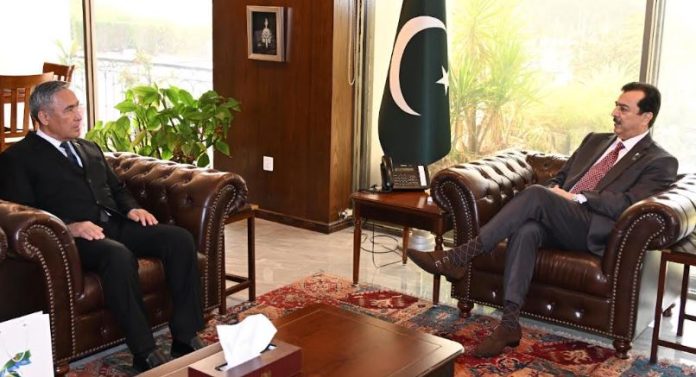
ISLAMABAD, FEB 25 /DNA/ – Chairman Senate of Pakistan, Syed Yousaf Raza Gilani, received His Excellency Atadjan Movlamov, Ambassador of Turkmenistan to Pakistan, during a call-on meeting at the Parliament House, Islamabad.

Welcoming the Ambassador, the Chairman Senate reaffirmed that Pakistan and Turkmenistan enjoy cordial and brotherly relations anchored in mutual respect, shared values, common history, culture, and a longstanding tradition of cooperation. He fondly recalled his official visit to Turkmenistan in May last year, during which he held productive meetings with the leadership of Turkmenistan, including President Serdar Berdimuhamedow. He noted that these engagements further strengthened mutual understanding and opened new avenues for bilateral collaboration.

Highlighting the historical foundations of bilateral ties, the Chairman Senate observed that Pakistan was among the first countries to recognize Turkmenistan’s independence in 1991, with diplomatic relations formally established in May 1992. He reiterated Pakistan’s consistent support for Turkmenistan’s policy of permanent neutrality and recalled Pakistan’s role as co-sponsor of the United Nations General Assembly Resolution recognizing Turkmenistan’s neutrality.

Referring to recent high-level engagements, the Chairman Senate highlighted the visits of Pakistan’s President, Prime Minister, and Deputy Prime Minister to Turkmenistan, including the Prime Minister’s participation in the United Nations International Forum of Peace and Trust in December 2025, commemorating the 30th Anniversary of Turkmenistan’s Neutrality. On the sidelines of the Forum, the Prime Minister held a substantive bilateral meeting with President Serdar Berdimuhamedow, where both sides emphasized enhancing economic cooperation and expanding bilateral engagement. An invitation was also extended to the President of Turkmenistan to undertake an official visit to Pakistan in 2026. The Chairman Senate expressed confidence that the forthcoming visit would further strengthen bilateral ties and deepen people-to-people contacts.

Underscoring the strategic importance of Turkmenistan for Pakistan, Chairman Senate Syed Yousaf Raza Gilani highlighted the vast potential for collaboration in energy, LPG, trade, and investment. He emphasized the significance of advancing regional connectivity, including railway linkages and the Turkmenistan–Afghanistan–Pakistan–India (TAPI) gas pipeline project, as well as expanding economic cooperation through trade and investment opportunities. He also apprised the Ambassador of Pakistan’s Special Investment Facilitation Council (SIFC), which offers a one-window operation to facilitate foreign investment, and invited Turkmenistan to explore investment opportunities in IT, infrastructure, pharmaceuticals, and other priority sectors.

Highlighting the importance of parliamentary diplomacy, the Chairman Senate referred to the successful convening of the 1st Inter-Parliamentary Speakers’ Conference (ISC) in Islamabad under the theme “Peace, Security and Development.” He underscored that the theme remains highly relevant in the contemporary global context. Recalling his visit to Turkmenistan at the invitation of the Speaker of the Milli Majlis, he extended invitations to the President of Turkmenistan and the Speaker of the Milli Majlis to visit Pakistan, expressing confidence that such exchanges would further solidify bilateral relations. He also invited participation in the forthcoming ISC scheduled to be held in Cambodia.

The Chairman Senate further noted that Parliamentary Friendship Groups in both countries continue to serve as effective platforms for dialogue and legislative cooperation. Following the general elections in Pakistan in February 2024, new Parliamentary Friendship Groups with Turkmenistan were constituted in both Houses of Parliament. He emphasized that regular exchanges of parliamentary delegations, joint meetings, and seminars are vital for strengthening mutual trust and promoting cooperation on regional and global issues.

The Ambassador of Turkmenistan appreciated Pakistan’s continued support and reaffirmed his country’s commitment to expanding cooperation across political, economic, cultural, and parliamentary domains. He expressed strong optimism regarding enhanced collaboration in energy and railway connectivity, transit trade, and regional connectivity, including through Gwadar Port.

Concluding the meeting, the Chairman Senate reiterated that Pakistan attaches high importance to its friendly relations with Turkmenistan and remains committed to translating longstanding goodwill and institutional engagement into tangible and mutually beneficial outcomes for the peoples of both countries. He conveyed his best wishes to President Serdar Berdimuhamedow and the Speaker of the Milli Majlis, and expressed Pakistan’s keen anticipation of their forthcoming visits.

Colombo eyes Islamabad partnerships to boost bilateral trade

Colombo eyes Islamabad partnerships to boost bilateral trade

ISLAMABAD, FEB 25 /DNA/ – Rear Admiral Fred Senevirathne (Retd.), High Commissioner of Sri Lanka to Pakistan, visited the Islamabad Chamber of Commerce and Industry (ICCI) along with Deputy Head of Mission Mr. Christy Ruban and Minister Counsellor Mrs. K.H.C. Sankpali to explore new avenues for strengthening bilateral trade and investment cooperation.

Addressing the business community, the High Commissioner underscored that Sri Lanka and Pakistan share a longstanding friendship rooted in trust, mutual understanding, and regional cooperation. He described ICCI as a premier business platform committed to advancing trade, industry, and services, and expressed the Sri Lankan High Commission’s keen interest in building a close, structured, and result-oriented partnership with the Chamber.

Highlighting Sri Lanka’s strategic advantages, he stated that the island nation’s geographic position at the crossroads of major maritime trade routes connecting the Far East, Middle East, Africa, Europe, Australia, and America provides unmatched global connectivity. He noted that the Port of Colombo serves as a major container transshipment hub in the Indian Ocean with modern terminals and advanced infrastructure, while Hambantota International Port, Galle Port, and Trincomalee Port further enhance maritime capacity. He also emphasized Sri Lanka’s strong air connectivity and improving economic outlook, particularly mentioning the 12 Export Processing Zones operating under the Board of Investment, offering dedicated facilities and attractive incentives for export-oriented industries.

The High Commissioner shared that Sri Lanka has regained macroeconomic stability under the guidance of the IMF, with stabilized exchange rates, improved foreign reserves, and rising export earnings. Inviting Pakistani investors, he identified priority sectors including textiles and apparel, electronics, pharmaceuticals, IT and IT-enabled services, tourism, agriculture and food processing, construction and infrastructure, as well as automobile and light engineering, encouraging investment through independent ventures and joint collaborations.

Earlier, in his welcome address, Sardar Tahir Mehmood, President ICCI, stated that Pakistan and Sri Lanka enjoy cordial and brotherly relations founded on mutual respect and shared regional aspirations. He observed that the existing bilateral trade volume of approximately USD 400–500 million does not reflect the true potential between the two friendly nations and stressed the need to diversify export portfolios, enhance market access, and promote stronger investment linkages.

He highlighted Pakistan’s competitive strengths in textiles and garments, pharmaceuticals, surgical instruments, sports goods, rice, cement, and IT services, while acknowledging Sri Lanka’s global recognition in tea, rubber and rubber-based products, coconut products, gems and jewelry, tourism, and maritime services. By leveraging these complementarities, he said, both countries can substantially expand two-way trade and develop sustainable joint ventures.

The ICCI President emphasized that regular exchange of trade delegations, single-country exhibitions, and structured B2B forums would serve as practical mechanisms to deepen commercial engagement. He assured full cooperation to the Sri Lankan High Commission in facilitating business networking, promoting joint ventures, and maximizing the benefits of the Free Trade Agreement framework to elevate bilateral trade to new heights.

Senior Vice President Tahir Ayub, former President Mian Shaukat Masood, and Chairman Inter-Regional Coordination Committee Kashif Zahir also highlighted the vast untapped trade and investment potential between the two countries.

The meeting was attended by Vice President Irfan Chaudhry, Executive Members Zulqurnain Abbasi, Imran Minhas, Mirza Mohammad Ali, Ishaq Sial, Ms. Fatima Azim, Ms. Shumaila Siddiqui, former Senior Vice President Khalid Chaudhry, ICCI member Sajid Iqbal, Chairman Pakistan Association of Exhibition Industry, (PAEI) Khursheed Barlas, and a large number of representatives from the trade and industrial sectors.

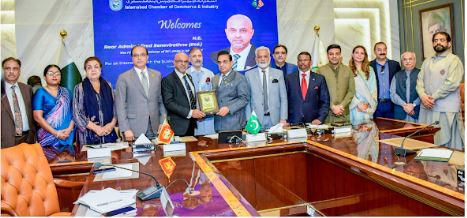
Islamabad: Sardar Tahir Mehmood, President Islamabad Chamber of Commerce and Industry presents shield to Rear Admiral Fred Senevirathne (Retd.), High Commissioner of Sri Lanka. DHM Christy Ruban, Minister Counsellor Mrs. K.H.C. Sankpali, Senior Vice President Tahir Ayub, Vice President Irfan Chaudhry, Executive Members Zulqurnain Abbasi, Imran Minhas, Mirza Mohammad Ali, Ms. Fatima Azim, Ms. Shumaila Siddiqui, Chairman (PAEI) Khursheed Barlas, Chairman Inter-Regional Coordination Committee Kashif Zahir and other are also present.

Serena Hotels celebrates the Spirit of Ramadan

Serena Hotels celebrates the Spirit of Ramadan

DNA

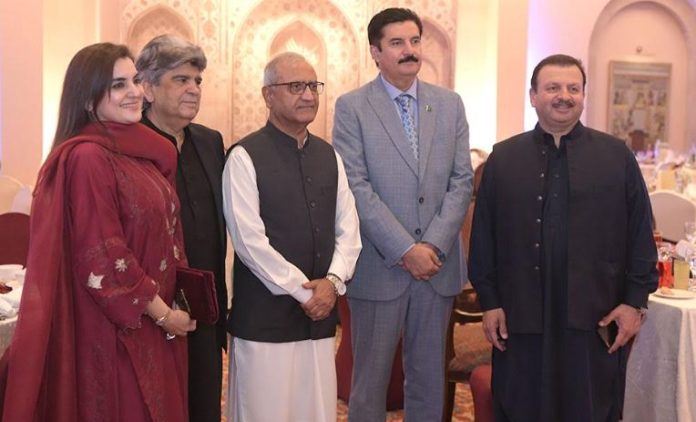
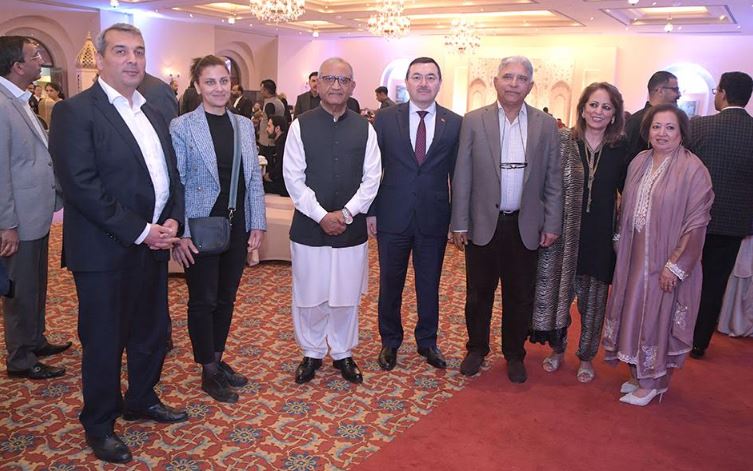
ISLAMABAD: Serena Hotels marked the holy month of Ramadan with its Annual Corporate Iftar Dinner, a distinguished evening celebrating togetherness, reflection, and hospitality. Hosted under the gracious hospitality of the CEO of Serena Hotels, Mr. Aziz Boolani, and Mrs. Wiqar Boolani, the event continued a cherished tradition that brings esteemed guests together in the spirit of unity.

The evening welcomed a gathering of Government Officials, senior members of the Armed Forces, Diplomats, Heads of International Organizations, Corporate Leaders, and representatives from the media personnel. Guests were treated to an extensive and thoughtfully curated culinary experience, featuring traditional Pakistani cuisine from each province alongside Middle Eastern specialties, East Asian selections, and classic continental offerings.

The ambiance of the evening was further enhanced by soulful live folk music, adding a cultural impact to the celebration and creating a warm, memorable environment. As the event unfolded, it highlighted Serena Hotels legacy of impeccable service and commitment to excellence, reaffirming its role as a leader in hospitality.

Serena Hotels continues to create meaningful experiences that unite people, foster lasting connections, and offer a warm and inviting environment for its esteemed guests.

India’s Modi visits Israel as US-Iran tensions mount

India's Modi visits Israel as US-Iran tensions mount

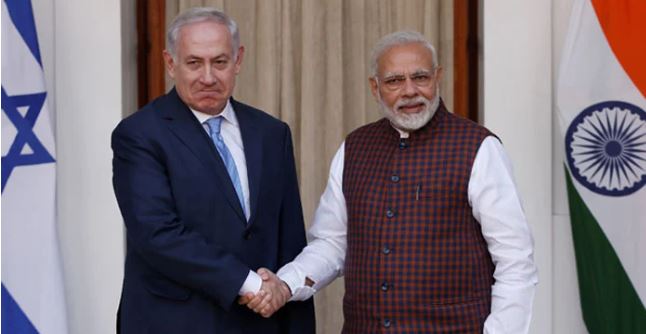
TEL AVIV, Feb 25: India’s Prime Minister Narendra Modi arrives in Israel on Wednesday for a two-day visit that both countries have cast as a chance to deepen relations, as regional concerns mount over the risk of military conflict between the United States and Iran.

Modi, a Hindu nationalist, became the first prime minister in India’s history to visit Israel in 2017, during which he and right-wing Prime Minister Benjamin Netanyahu took a barefoot stroll on a beach in the northern port city of Haifa.

Both still in power nearly nine years later, the two leaders, who describe one another as friends, are expected to hold talks on artificial intelligence as well as defence at a time when Israel is seeking to increase its military exports.

An Israeli government official said the visit would “pave the way for new partnerships and collaborations across many fields.” Bilateral ties were on the cusp of a significant upgrade, an Israeli foreign ministry official said.

Modi is expected to deliver remarks to Israel’s Knesset, or parliament, and lay a wreath at Yad Vashem, Israel’s official Holocaust memorial.

US military buildup near Iran
Modi’s visit comes as the US deploys a vast naval force near Iran’s coast ahead of possible strikes on the Islamic Republic, with the two countries at an impasse in talks over Tehran’s nuclear programme. The Pentagon has also deployed an aircraft carrier to the Mediterranean, bound for Israel’s coast.

A US attack on Iran could draw Iranian retaliation targeting Israel as well as US military facilities in Gulf Arab countries, where millions of Indians live and work and send home billions of dollars of remittances each year.

Kabir Taneja, of the Observer Research Foundation, an Indian think-tank, said that New Delhi did not want to see conflict in the region.

“I’m sure those kind of messages have been delivered in the past and will be delivered during this visit as well,” he said.

The Israeli foreign ministry official said discussions with a “regional aspect” would likely take place during the visit.

Speaking at a cabinet meeting this week, Netanyahu described India as being part of a future “axis” of like-minded nations.

“(Our) cooperation can yield great results and, of course, ensure our resilience and our future,” Netanyahu said.

Taneja said that, while India was interested in buying Israeli military equipment, New Delhi would hesitate at joining any formal alliance given its history of non-alignment in international affairs.

Government urged to reconsider trade organisation amendments

Government urged to reconsider trade organisation amendments

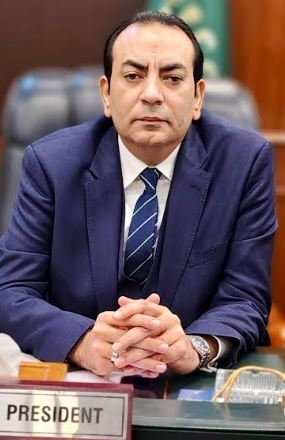
KARACHI, FEB 25 /DNA/ – Atif Ikram Sheikh, President  Federation of Pakistan Chambers of Commerce and Industry (FPCCI), has expressed grave concern over the proposed legislation to amend the Trade Organization Rules, stating that it has sent shockwaves through the business community nationwide.

In a statement, He said that the business community has serious reservations about the Trade Organization Rules 2013 Amendment Bill. “The business environment is already shaky due to internal and external trade barriers and pressures. Chambers of Commerce are the last resort for the business community to raise their voice. The proposed legislation will eliminate district-level chambers, destroy institutional structures, and devastate district economies.

President FPCCI emphasized that district chambers play a vital role in shaping local economies and contributing to the country’s economic growth. “Any restriction on trade organizations could exclude export-oriented businesses from representation. The amendment will demoralize the business community and discourage SMEs and women-led businesses.”

He urged the parliament to reject the bill and allow district chambers to continue their operations. “This move will have far-reaching consequences for the economy and the business community. We request the authorities to reconsider the proposed legislation and ensure that the district chambers are allowed to function effectively.”

Al-Shifa intervention prevents blindness in premature twins

Al-Shifa intervention prevents blindness in premature twins

RAWALPINDI, FEB 25 /DNA/ – Around every year, one million babies are born prematurely in Pakistan, with up to 45 percent at risk of developing Retinopathy of Prematurity (ROP), a retinal disorder that can lead to permanent blindness if not treated within weeks of birth, said the Al-Shifa Trust on Wednesday.

Since launching a dedicated ROP programme in March 2013, the Al-Shifa Trust Eye Hospital has treated around 19,000 premature infants, offering specialised expertise and equipment to manage the condition.

According to the Department of Paediatric Ophthalmology and Strabismus, improving neonatal survival rates has increased the number of infants vulnerable to ROP. Retinal blood vessels start forming about three months after conception and complete development at full-term birth. Premature delivery disrupts this process, potentially triggering abnormal vessel growth that can damage the retina.

Dr Amjad, a paediatric ophthalmology expert, stated that infants weighing less than 1.5 kilograms at birth are at the highest risk. Lowering oxygen saturation levels in premature babies can reduce the risk of advanced ROP.

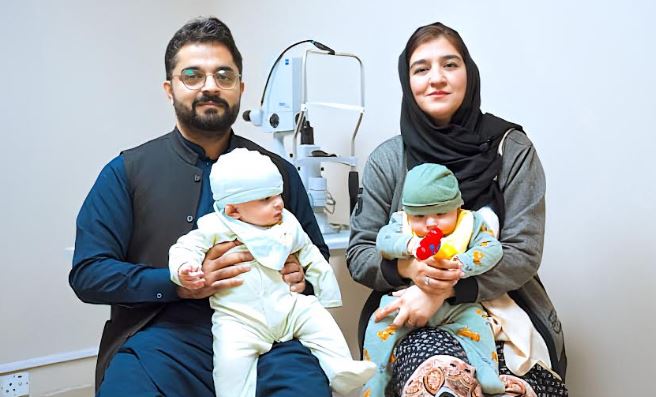
Recently, seven-month-old twins Ibrahim and Ismail, born prematurely, were diagnosed with ROP. Doctors commenced immediate treatment, managing the disease before it could cause irreversible damage. Their condition has improved, and their mother expressed that early intervention prevented potential blindness and provided reassurance during a stressful period. The twins now undergo regular follow-ups and are recovering well.

The trust has arrangements with multiple hospitals to facilitate screening, transportation, and surgery for high-risk newborns. Tele-ophthalmology services connect remote units, including some abroad, to enable early diagnosis and guidance at no cost.

Dr Amjad called on health authorities to make retinal screening mandatory for all preterm infants and to expand ROP-capable facilities beyond the currently limited number of centres.

Stay Connected

64FansLike
60FollowersFollow

Latest Reviews

Exchange Rates

USD - United States Dollar
EUR
1.14
GBP
1.34
AUD
0.70
CAD
0.71