Home Blog Page 229

FPCCI warns middle east conflict threatens Pakistan economy

FPCCI warns middle east conflict threatens Pakistan economy

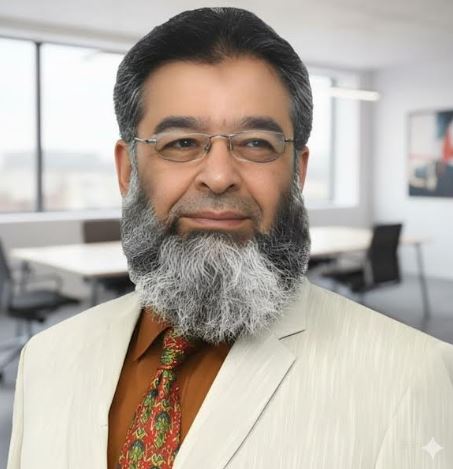
KARACHI, MAR 2: /DNA/ – Atif Ikram Sheikh, President of the Federation of Pakistan Chambers of Commerce and Industry (FPCCI), has called for the announcement of emergent measures aimed at insulating trade and industry of Pakistan to protect country’s economy and its people from the debilitating and burgeoning conflict in the Middle East.

Mr. Atif Ikram Sheikh warned that ongoing geopolitical volatility – particularly the disruptions in the Red Sea and the Strait of Hormuz – poses a severe threat to Pakistan’s fragile economic recovery, energy security and export competitiveness.

FPCCI Chief explained that Pakistan’s trade and industry cannot afford to be the collateral damage in this regional conflict; with nearly 30% of global petroleum consumption passing through the Strait of Hormuz; any prolonged blockage or disruption will trigger massive supply chain shocks. We must proactively shield our economy; secure our energy lifelines and protect our exporters from skyrocketing logistics costs, he added.

Mr. Atif Ikram Sheikh elaborated the country’s vulnerability vis-à-vis Middle Eastern supply chains – and, highlighted several alarming data points that necessitate immediate government intervention. The country has heavy reliance on Gulf energy as Pakistan imports over $5.7 billion in crude petroleum annually, primarily sourced from Saudi Arabia (approx. $3.2 billion) and the United Arab Emirates (approx. $2.3 billion) – and, when refined petroleum products are added, this amounted to $10.71 billion in FY25.

FPCCI President stressed that skyrocketing freight and insurance costs can pose a huge challenge due to the Red Sea crisis as commercial shipping lines are being forced to reroute. This massive detour will add 15 to 20 days to transit times for Pakistani exports destined for our largest export markets; i.e. EU, UK and U.S.

Mr. Atif Ikram Sheikh maintained that freight costs on key shipping routes – which may surge by up to 300% – and marine insurance premiums have spiked due to war-risk classifications. This threatens to severely inflate the cost of imported raw materials and erode the price competitiveness of Pakistani textiles and manufacturing exports, he added.

Mr. Atif Ikram Sheikh has proposed that, to safeguard the national economy, the federal government shall immediately implement the protective measures and build petroleum reserves – and, prepare a backup plan through finalizing contingency agreements for backup oil supplies and deferred payment facilities with key allies like Saudi Arabia to ensure an uninterrupted flow of crude oil and diesel.

Mr. Saquib Fayyaz Magoon, SVP FPCCI, stated that freight and insurance relief through the ministry of commerce and the State Bank of Pakistan (SBP) must be introduced – and, a targeted relief package to subsidize the exorbitant marine insurance premiums and freight hikes should be planned; which will cripple the country’s export earnings, if remained unaddressed.

SVP FPCCI emphasized that Pakistan needs to maximize indigenous refining; and, domestic refineries must be supported to operate at their enhanced capacities. We need a localized, resilient strategy that protects our energy supplies and keeps our export engines running. The FPCCI stands ready to work with the government to navigate through this geopolitical storm, he added.

Trump claims Iran’s new leaders want to negotiate

Trump claims Iran's new leaders want to negotiate

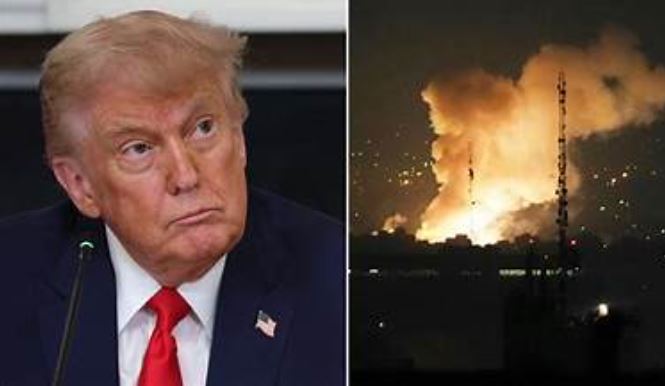
MAR-A-LAGO, FL: MAR 1 /DNA/ – In a dramatic escalation of diplomatic rhetoric amid a volatile military conflict, President Donald Trump announced on Sunday that he has agreed to engage in talks with Iran’s transitional leadership, claiming they have reached out for negotiations following the death of the country’s longtime Supreme Leader.

In a phone interview with The Atlantic magazine, Trump revealed that the new power structure in Tehran—hastily assembled after Ayatollah Ali Khamenei was killed in recent U.S.-Israeli strikes—has expressed a readiness to open a direct line of communication.

“They want to talk, and I have agreed to talk, so I will be talking to them,” Trump stated from his Mar-a-Lago residence.

The former President’s remarks come just one day after joint U.S.-Israeli military operations, referred to by some defense analysts as “Operation Epic Fury,” targeted Iranian military and leadership infrastructure. The strikes, launched amid the collapse of nuclear negotiations, resulted in the death of Khamenei and decimated a significant portion of the country’s top leadership, creating a power vacuum now being filled by an interim council that includes President Masoud Pezeshkian.

Trump characterized the potential talks as long overdue, suggesting the dramatic shift in Tehran’s power dynamics was necessary to bring them to the table. “They should have done it sooner. They waited too long,” he said, alluding to the failed diplomatic efforts that preceded the military escalation. “They could have had a deal a long time ago.”

When pressed for details on when the discussions might take place, Trump was non-committal, stating only, “I can’t tell you that.” He hinted that the composition of the Iranian side had changed so drastically that the calculus for negotiation had fundamentally shifted, noting that “many” of the regime’s former negotiators and leaders are “no longer available” due to the recent strikes, which he described as a “big hit.”

The former President’s claim of imminent talks could not be immediately verified. Official Iranian state media has yet to confirm any outreach to Trump or the Trump administration, and the transitional council in Tehran has been largely focused on consolidating control and responding to the ongoing military pressure.

The announcement introduces a volatile new element to an already chaotic situation. While Trump framed the potential dialogue as a path toward de-escalation, his criticism of the Iranian side for delaying negotiations is likely to be met with deep skepticism in Tehran, where the wounds from the strikes remain fresh. The region remains on high alert as the military operations continue and the world watches to see if the reported backchannel interest will materialize into formal talks.

Samson seals India’s biggest WC chase to make semis

Samson seals India's biggest WC chase to make semis

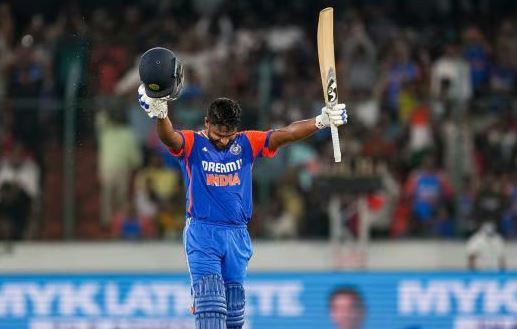
KOLKOTA, MAR 1: Sanju Samson’s sparkling unbeaten 97 took India to a five-wicket win over the West Indies in Kolkata on Sunday to set up a T20 World Cup semi-final against England.

Samson hit 14 fours and four sixes in his brilliant 50-ball knock in the winner-takes-all last Super Eights match to thrill 67,000 fans at a pulsating Eden Gardens.

The victory, which marked India’s second in the stage, propelled them into the semi-finals alongside South Africa, who topped Group 1 by winning each of their three fixtures.

Set to chase a daunting 196-run target, the home side comfortably knocked the winning runs for the loss of five wickets and four balls to spare, courtesy of Samson’s sensible knock.

The right-handed opener oversaw India’s successful pursuit with an unbeaten half-century, top-scoring with 97 off 50 deliveries, studded with 12 fours and four sixes.

He was supported by middle-order batter Tilak Varma, who remained the second-best run getter with a 15-ball 27, while captain Suryakumar Yadav and all-rounder Hardik Pandya chipped in with 18 and 17, respectively.

For West Indies, Shamar Joseph and Jason Holder bagged two wickets each, while Akeal Hosein made one scalp.

India captain Suryakumar Yadav’s decision to field first backfired as the Caribbean side accumulated 195/4 in their 20 overs.

West Indies got off to a solid start to their innings, with captain Shai Hope and experienced Roston Chase putting together 68 runs until the former fell victim to Varun Chakravarthy on the fifth delivery of the ninth over.

Hope walked back after scoring a scratchy 32 off 33 deliveries with the help of three fours and a six.

Chase was then joined by in-form Shimron Hetmyer in the middle for a brief 34-run partnership for the second wicket before both fell victim to Jasprit Bumrah in the same over.

The right-handed opener remained the top-scorer for West Indies with a 25-ball 40, studded with five fours and a six, while Hetmyer made 27 off 12 deliveries with the help of two sixes and a four.

West Indies then suffered another setback to their innings in the 15th over when Hardik Pandya got Sherfane Rutherford (24) caught behind and consequently slipped to 119/4.

Following the brief collapse, Rovman Powell and experienced all-rounder Jason Holder took the reins of West Indies’ batting charge and ensured a strong finish by registering an unbeaten 76-run partnership for the fifth wicket off just 35 deliveries.

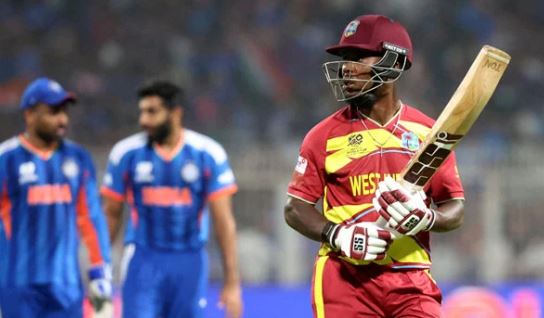
Holder made an unbeaten 37 off 21 deliveries, laced with three sixes and two fours, while Powell struck three fours and two sixes on his way to 34 not out from 19 balls.

Bumrah was the standout bowler for India, taking two wickets for 36 runs in his four overs, while Chakravarthy and Pandya bagged one apiece.

T20 World Cup 2026: West Indies set India challenging target in high-stakes clash

T20 World Cup 2026: West Indies set India challenging target in high-stakes clash

KOLKATA, MAR 1: A strong all-round batting display powered West Indies to an imposing total against co-hosts and defending champions India in the ICC Men’s T20 World Cup 2026 Super Eights clash at Eden Gardens on Sunday.

India captain Suryakumar Yadav’s decision to field first backfired as the Caribbean side accumulated 195/4 in their 20 overs.

West Indies got off to a solid start to their innings, with captain Shai Hope and experienced Roston Chase putting together 68 runs until the former fell victim to Varun Chakravarthy on the fifth delivery of the ninth over.

Hope walked back after scoring a scratchy 32 off 33 deliveries with the help of three fours and a six.

Chase was then joined by in-form Shimron Hetmyer in the middle for a brief 34-run partnership for the second wicket before both fell victim to Jasprit Bumrah in the same over.

The right-handed opener remained the top-scorer for West Indies with a 25-ball 40, studded with five fours and a six, while Hetmyer made 27 off 12 deliveries with the help of two sixes and a four.

West Indies then suffered another setback to their innings in the 15th over when Hardik Pandya got Sherfane Rutherford (24) caught behind and consequently slipped to 119/4.

Following the brief collapse, Rovman Powell and experienced all-rounder Jason Holder took the reins of West Indies’ batting charge and ensured a strong finish by registering an unbeaten 76-run partnership for the fifth wicket off just 35 deliveries.

Holder made an unbeaten 37 off 21 deliveries, laced with three sixes and two fours, while Powell struck three fours and two sixes on his way to 34 not out from 19 balls.

Bumrah was the standout bowler for India, taking two wickets for 36 runs in his four overs, while Chakravarthy and Pandya bagged one apiece.

Prime Minister Shehbaz Sharif engages Gulf and Jordanian leaders

Prime Minister Shehbaz Sharif engages Gulf and Jordanian leaders

Ansar M Bhatti

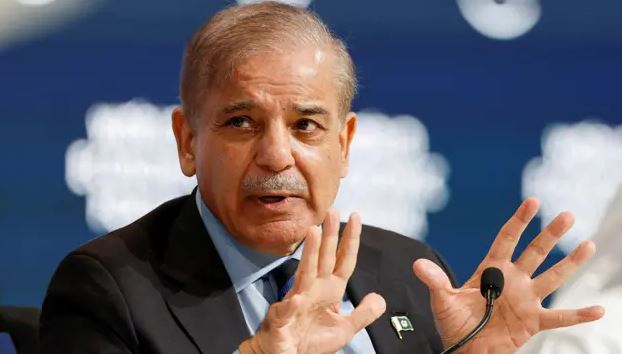
ISLAMABAD, MAR 1 /DNA/ – Prime Minister Muhammad Shehbaz Sharif held separate telephone conversations with Bahrain’s King Hamad bin Isa Al Khalifa and Jordan’s King Abdullah II to address the rapidly deteriorating situation in the Middle East, triggered by recent hostilities involving Israel, the United States, Iran, and retaliatory strikes across the region.

In his call with His Majesty King Hamad bin Isa Al Khalifa, the Prime Minister conveyed Pakistan’s unwavering solidarity with the brotherly people of Bahrain amid the ongoing crisis. He prayed for the safety and security of Bahrain’s citizens following Iran’s retaliatory missile attacks on several Gulf countries, including Bahrain, which hosts the U.S. Navy’s Fifth Fleet. PM Sharif emphasized the need for restraint, strict respect for international law, and an urgent push toward dialogue and diplomacy to de-escalate tensions and restore peace and stability.

Similarly, in discussions with his brother His Majesty King Abdullah II of Jordan, the Prime Minister expressed Pakistan’s deep concern over the escalation sparked by Israeli attacks on Iran, followed by Iran’s counterstrikes targeting Jordan and other brotherly nations. The leaders exchanged views on the evolving regional dynamics, with Pakistan highlighting the risks of broader conflict and advocating for immediate diplomatic efforts to prevent further violence.

The telephonic engagements come against the backdrop of a severe regional flare-up, including U.S.-Israeli strikes on Iran that reportedly resulted in significant casualties, including the death of Iran’s Supreme Leader, prompting widespread Iranian missile and drone retaliations on U.S. assets and allies in the Gulf—such as Bahrain, UAE, Qatar, Kuwait—and Jordan.

These high-level contacts underscore Pakistan’s proactive diplomacy in supporting Muslim nations affected by the turmoil, calling for de-escalation and peaceful resolution through international mechanisms. The Prime Minister’s outreach reflects Islamabad’s commitment to regional stability and solidarity with affected countries during this critical period.

Pakistan beat China in hockey world cup qualifier

Pakistan beat China in hockey world cup qualifier

DNA

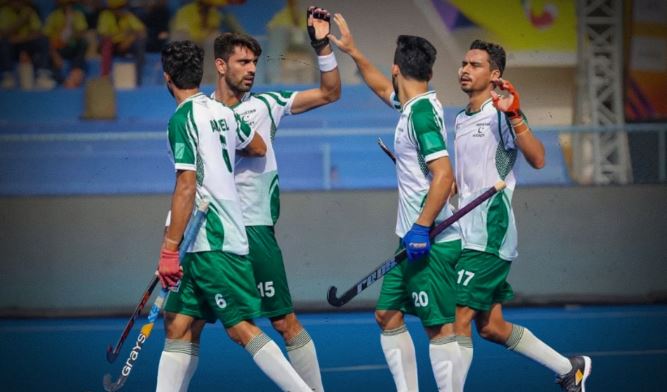
CAIRO, MAR 1: In a thrilling opening match of the FIH Hockey World Cup 2026 Qualifiers in Ismailia, Egypt, Pakistan’s men’s national hockey team secured a hard-fought 5-4 victory over China on March 1, 2026. The high-scoring encounter showcased intense action from both sides, with Pakistan edging out their opponents in a nail-biting finish.

The Green Shirts displayed strong determination and skill throughout the game. Both teams performed admirably, engaging in end-to-end play that kept spectators on the edge. Pakistan’s players excelled in key moments, converting opportunities effectively while defending resiliently against China’s aggressive attacks. The match highlighted the team’s improved coordination and fighting spirit.

This win marks a promising start for Pakistan under the leadership of head coach Khawaja Junaid, in what is the first major international tournament following recent changes in the national hockey management. Junaid’s tactical approach and motivational guidance appeared effective right from the outset, helping the team overcome a competitive Chinese side.

The qualifiers in Ismailia feature tough competition, with Pool B including Pakistan, China, Malaysia, and Austria. The top four teams from the overall tournament will earn qualification spots for the 2026 FIH Hockey World Cup, co-hosted by Belgium and the Netherlands. With this opening triumph, Pakistan has boosted its position significantly and demonstrated bright chances of advancing further.

The victory not only provides crucial points but also builds momentum for upcoming matches against Malaysia and Austria. Fans back home celebrated the result as a sign of revival for Pakistan hockey, a nation with a storied legacy in the sport. The team will aim to maintain this form to secure one of the coveted World Cup berths.

PM Shehbaz, Jordan’s King discuss Middle East tensions

PM Shehbaz, Jordan’s King discuss Middle East tensions

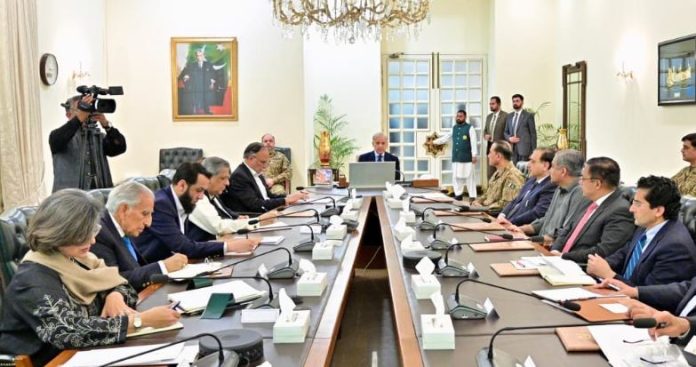
ISLAMABAD, MAR 1 /DNA/ – Prime Minister Shehbaz Sharif held a telephone conversation with his brother, King Abdullah II of Jordan to discuss the rapidly evolving situation in the Middle East.

During the call, the Prime Minister conveyed Pakistan’s deep concern over the recent escalation in regional hostilities. He specifically pointed to the heightened tensions following Israeli attacks on Iran and the subsequent retaliatory strikes targeting Jordan and other brotherly countries.

Expressing alarm over the deteriorating security landscape, PM Shehbaz emphasized the urgent need for all parties to exercise restraint. He stressed the importance of resuming dialogue and prioritizing de-escalation to preserve regional peace and stability.

Reaffirming Pakistan’s commitment to the Hashemite Kingdom, the Prime Minister stated that Pakistan stands in full solidarity with the brotherly people of Jordan. He further assured King Abdullah II that Pakistan remains ready to support all efforts aimed at restoring calm and preventing further bloodshed in the region.

T20 World Cup 2026: India win toss, opt to bowl against West Indies

T20 World Cup 2026: India win toss, opt to bowl against West Indies

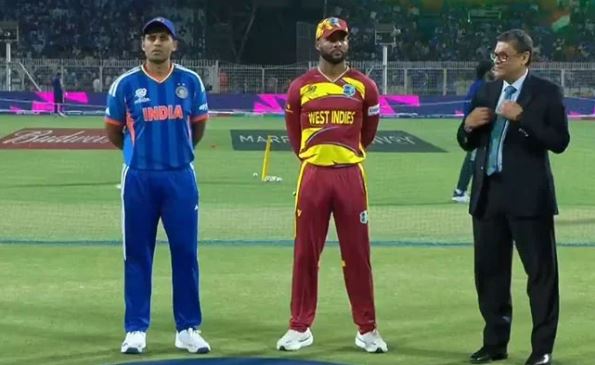
KOLKATA: India on Sunday won the toss and opted to bowl first against West Indies in the high-stakes ICC Men’s T20 World Cup 2026 Super Eights match here at the Eden Gardens on Sunday.

Squads
India: Suryakumar Yadav (c), Abhishek Sharma, Tilak Varma, Sanju Samson, Shivam Dube, Ishan Kishan, Hardik Pandya, Arshdeep Singh, Jasprit Bumrah, Mohammed Siraj, Varun Chakaravarthy, Kuldeep Yadav, Axar Patel, Washington Sundar and Rinku Singh.

West Indies: Shai Hope (c), Shimron Hetmyer, Johnson Charles, Roston Chase, Matthew Forde, Jason Holder, Akeal Hosein, Shamar Joseph, Brandon King, Gudakesh Motie, Rovman Powell, Sherfane Rutherford, Quentin Sampson, Jayden Seales and Romario Shepherd.

Operation Epic Fury: America’s Strategic Gamble

Qamar Bashir

Qamar Bashir

The past twenty-four hours have altered the geopolitical landscape in ways few anticipated, yet many feared. After weeks of military buildup in the Persian Gulf and Arabian Sea, the United States and Israel launched what officials described as a coordinated offensive targeting Iranian leadership and military infrastructure. The reported confirmation by Iranian state media of the death of Supreme Leader Ayatollah Ali Khamenei marks a turning point not only for Iran but for the broader Middle East.

Images from inside Iran reflect a nation divided and shaken. Smoke rose above Tehran as airstrikes struck command centers and security compounds. Civilians were seen fleeing neighborhoods, rescuers searching through rubble, and families heading north from the capital amid uncertainty. In contrast, some pockets of the country witnessed celebrations following reports of Khamenei’s death—evidence of deep internal fractures that have long existed beneath the surface of the Islamic Republic.

Israeli officials have described the operation as one of the largest regime-decapitation strikes in modern warfare, claiming dozens of senior security and military figures were eliminated. Among those reported killed were high-ranking officials within the Revolutionary Guard, defense establishment, and intelligence apparatus. Whether every detail withstands independent verification remains to be seen, but the scale of the strike signals a deliberate attempt to dismantle the core of Iran’s command structure.

The central question is not simply what has happened—but why now.

For months, negotiations over Iran’s nuclear program had fluctuated between tension and cautious optimism. Technical discussions were reportedly scheduled to continue in Vienna. Yet amid those diplomatic channels, Washington and Tel Aviv appear to have concluded that the risks of waiting outweighed the risks of acting. Official statements emphasize preventing nuclear weaponization, degrading missile capabilities, and neutralizing what they call imminent threats. Critics, however, argue that the abrupt transition from negotiation to bombardment raises doubts about whether diplomacy was ever given sufficient space to succeed.

Beneath the surface of nuclear rhetoric lies a deeper strategic reality: energy leverage and global power competition.

Iran sits at the crossroads of one of the most vital arteries of global commerce—the Strait of Hormuz. Roughly one-fifth of the world’s oil and gas supply transits this narrow corridor. Any serious disruption there sends immediate shockwaves through global markets. Energy prices spike, supply chains tighten, shipping insurance costs rise, and inflationary pressures intensify worldwide.

China, in particular, relies heavily on Gulf energy flows. Even as Beijing invests aggressively in renewable energy and alternative supply chains, oil remains central to industrial continuity and economic growth. If the United States and its allies consolidate influence over major energy producers across the Gulf, they acquire a powerful instrument of geopolitical leverage. In an era defined by U.S.–China rivalry, control over energy corridors is not merely economic—it is strategic.

This broader context helps explain why Iran’s position extends beyond its borders. The confrontation is not solely about enrichment levels or centrifuge counts; it intersects with global power balances, trade routes, and long-term strategic containment.

At the same time, regime decapitation does not automatically produce stability. History offers multiple examples where eliminating leadership structures created power vacuums that fueled prolonged instability rather than swift transition. Within hours of the reported strike, the National Council of Resistance of Iran (NCRI) reintroduced its 10-point democratic plan, led by president-elect Maryam Rajavi. The proposal calls for universal suffrage, separation of religion and state, abolition of the death penalty, gender equality, dismantling of the IRGC, and a non-nuclear Iran aligned with international norms.

On paper, the plan outlines a comprehensive democratic transformation. In practice, implementing such reforms requires security guarantees, institutional continuity, and broad domestic consensus—conditions rarely present amid aerial bombardment and political shock.

International reactions have reflected caution rather than celebration. European leaders have urged restraint and a return to negotiations. Russia condemned the strikes as destabilizing. China expressed concern and called for de-escalation. Gulf states fear maritime disruption and regional spillover. The United Nations has warned that continued escalation risks undermining international peace and security.

Perhaps the most immediate economic concern remains the Strait of Hormuz. Iran’s parliament reportedly approved a motion to close the corridor, though final authority rests with its Supreme National Security Council. Analysts note that a full blockade would also harm Iran’s own economy and risk military confrontation with U.S. naval forces. Nonetheless, even partial interference could disrupt approximately 20 million barrels of oil per day—an amount sufficient to destabilize markets globally.

Markets have already responded with volatility. Aviation disruptions across the region have stranded travelers. Shipping routes are being recalculated. Energy futures have fluctuated sharply. For import-dependent nations in Asia, the stakes are profound.

Inside Iran, public sentiment appears complex and layered. Years of economic hardship, political repression, and protest crackdowns have eroded confidence in the clerical establishment for many citizens. Yet external military strikes can rapidly transform internal grievances into nationalist solidarity. Civilian casualties, if confirmed and sustained, may intensify anti-foreign sentiment rather than facilitate internal reform.

Israel, for its part, calculates that neutralizing Iran’s senior command reduces long-term threats from missile arsenals and proxy networks. The United States frames the action as defensive and preventive. However, military planners must now consider retaliation—whether through missile exchanges, cyber operations, or asymmetric tactics targeting U.S. assets in the region.

Russia and China, meanwhile, observe carefully. Both powers may seek to avoid direct confrontation while allowing geopolitical dynamics to weaken American influence if escalation becomes prolonged. A drawn-out conflict risks draining U.S. resources, complicating alliances, and eroding soft power credibility.

In this environment, the probability of swift resolution appears low. Decapitation strikes often initiate new phases of contestation rather than closure. Leadership succession struggles, regional retaliation, and diplomatic fragmentation can extend instability for months—or longer.

The humanitarian dimension must not be overlooked. Images of collapsed buildings and fleeing civilians underscore the human cost. Infrastructure damage, potential refugee flows, and economic paralysis could follow if hostilities persist.

Ultimately, this moment represents more than a bilateral confrontation. It is a strategic inflection point involving energy security, nuclear proliferation, regime legitimacy, and global power competition. The intersection of these forces makes the trajectory unpredictable and potentially prolonged.

The world must therefore prepare—not for a brief shock—but for sustained volatility. Energy markets, diplomatic channels, and regional security architectures will remain under strain. Whether the coming weeks produce negotiations, containment, or escalation will depend on decisions made in Tehran, Washington, Tel Aviv, Beijing, and Moscow.

What is clear is that the consequences of this operation will extend far beyond the initial strike. The Middle East has entered a new phase of uncertainty, and the global community must brace for economic, political, and strategic reverberations that may reshape the region for years to come.

When examined through this lens, the United States’ decision reflects calculated confidence in its strengths, yet it is shadowed by significant structural risks. Military superiority provides tactical advantage, but the strategic outcome will depend on political evolution inside Iran, the resilience of global markets, and the restraint—or escalation—of regional actors.

The war is unlikely to conclude swiftly. Leadership strikes may change faces, but they rarely end confrontations overnight. Economic volatility, diplomatic recalibration, and security tensions will likely persist for an extended period.

The world must prepare for sustained turbulence. Whether this moment becomes a gateway to negotiated transformation or a prolonged cycle of retaliation depends not only on battlefield capability but on strategic wisdom in the days ahead.

The World as a Wrestling Ring

The World as a Wrestling Ring

By Muhammad Mohsin Iqbal

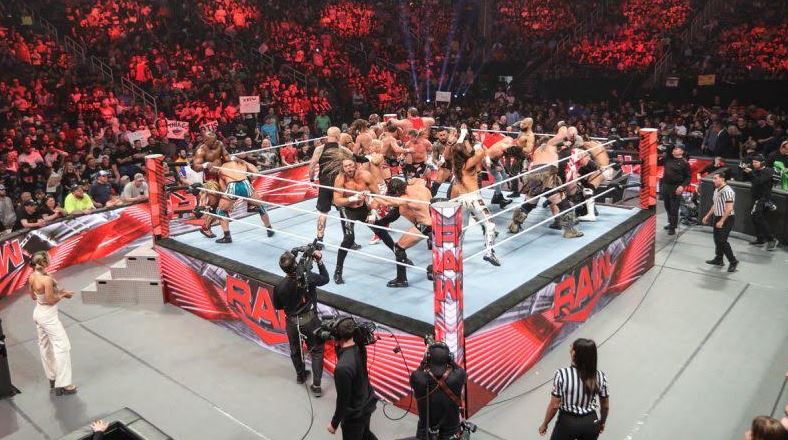
In the chronicles of antiquity, wrestling was not merely a contest of strength but a disciplined art, governed by rules that were honoured as sacred law. Its tournaments were conducted with splendour and ceremony; the arena was a place where courage met character. The defeated wrestler would concede with dignity, acknowledging the superior skill of his opponent, while the victor celebrated not with arrogance but in accordance with time-honoured tradition. It was a spectacle of rivalry, yet also of restraint. Honour defined its spirit, and the contest ended when one party admitted defeat with grace.

With the passage of time, however, this noble sport declined into a spectacle of unrestrained theatrics. What was once governed by principle descended into what is now called freestyle wrestling. As defeat loomed, stratagems alien to the sport’s ethos were shamelessly employed. A manager, coach, or confederate would intrude into the arena, striking the one who stood on the brink of triumph, sometimes with a chair or an iron object, transforming certain victory into orchestrated defeat. The audience was left to cheer a manufactured outcome while the essence of fair competition lay bruised upon the canvas. The rules became pliable; spectacle replaced sport; power supplanted principle.

In 2007, television screens displayed such scenes involving the billionaire and wrestling enthusiast Donald Trump, who appeared as a manager in the ring, relishing the drama of interference and reversal. At the time, it seemed little more than theatrical entertainment. Yet history often blurs the line between spectacle and statecraft. Time turned, and the same figure ascended to the presidency of the United States. Analysts have since observed that he appeared to regard politics and power as another arena—one in which surprise manoeuvres, public theatrics, and the art of domination overshadowed quiet diplomacy.

In pursuit of the Nobel Peace Prize, claims were made of having halted wars and brokered historic reconciliations. When such aspirations faltered or recognition did not materialise, the posture seemed to harden. Economic sanctions became instruments of coercion; tariffs were deployed as political signals; alliances were weighed against transactional gain. Sovereignty, in this climate, appeared negotiable. When a government resisted alignment, pressure intensified.

Discover more

Video news clips

In some cases, leaders were removed under dramatic circumstances, extracted from their seats of authority. Some were even taken from their homes without any hesitation. Where persuasion failed, the language of regime change emerged; where compliance was not forthcoming, the rumble of military intervention followed. Strategic regions rich in energy resources became arenas in which dominance was asserted and redrawn.

The recent attack on Iran has been cited by many observers as a striking illustration of this doctrine. Simultaneously, the re-emergence of Reza Pahlavi, son of the late Shah, in political discourse has revived speculation about designs for regime transformation. Such developments evoke uneasy memories of interventions past, where the stated objectives of stability and security masked deeper strategic calculations. Oil routes, maritime chokepoints, and geopolitical alignments form the invisible architecture of these confrontations. It is widely assumed that before hostilities commenced, precautionary measures were taken to evacuate essential personnel and assets. Yet the flames of retaliation burn not in distant corridors of power but in the lands where ordinary people dwell.

Beyond Iran, the strategic chessboard extends across South Asia. In Pakistan, concerns have arisen that shifting alignments among Israel and India—highlighted during the visit of the Indian Prime Minister to Israel. Through the unsettled corridors of Afghanistan, new pressures and proxy rivalries threaten to complicate an already fragile landscape. Some analysts argue that understandings reached in diplomatic meetings have signalled broader strategic cooperation, with implications not only for Iran but also for Pakistan’s security environment. Under this grand strategic contest—this modern “Great Game”—the air of the region has grown heavy with suspicion, and the scent of gunpowder lingers ominously.

Pakistan health news

The Gulf has become a theatre of escalating retaliation. American military installations across its littoral states now stand as potential flashpoints. As Iran responds by targeting these bases, the danger of a wider conflagration intensifies. A direct clash between Iran and those Gulf states hosting foreign bases could transform a calculated strike into a regional inferno. In such a scenario, Muslim nations risk finding themselves drawn into fratricidal conflict, their cities reduced to battlegrounds, their youth sacrificed to a contest shaped by ambitions beyond their own making. Muslims would be pitted against Muslims, while the architects of confrontation watch from afar.

History offers sobering precedents. Iraq was once accused of harbouring weapons of mass destruction. A devastating war ensued, dismantling state institutions and fracturing society. In the aftermath, the world was informed that the alleged arsenal did not exist. The scars of that intervention remain visible to this day. Iran now confronts accusations and hostilities that echo that earlier narrative, raising the haunting question of whether lessons have truly been learned—or whether the script is merely being revised for a new stage.

The tragedy of our era lies in the transformation of international relations into a degraded wrestling ring—where interference replaces fair contest, economic pressure substitutes for dialogue, and theatrical gestures overshadow genuine statesmanship. Powerful nations often behave as though the globe were an arena in which dominance must be publicly displayed. If this trajectory persists, every state, regardless of size, may one day find itself dragged into the vortex, unable to escape the consequences of a contest it never sought.

Muslim countries, bound by shared history and faith, face a moment of profound introspection. Division renders them vulnerable to manipulation; unity could provide resilience. Awakening does not necessitate hostility toward others but demands clarity of vision, strategic prudence, and solidarity in safeguarding sovereignty. They must resist becoming instruments in contests that do not serve their peoples’ welfare.

The world stands at a crossroads. It may continue along the path where might is mistaken for right and politics becomes performance, or it may rediscover the older ethic of honourable contest—where restraint tempers ambition and justice anchors power. Let the earth not be reduced to a wrestling arena in which surprise blows determine destiny and regime change becomes a recurring spectacle. Let it instead become a cradle of peace, where nations compete in progress rather than destruction, and where victory is measured not by conquest but by concord. For in the final reckoning, dominance achieved through coercion fades, but the yearning for peace endures in every human heart.

Stay Connected

64FansLike
60FollowersFollow

Latest Reviews

Exchange Rates

USD - United States Dollar
EUR
1.14
GBP
1.34
AUD
0.70
CAD
0.71