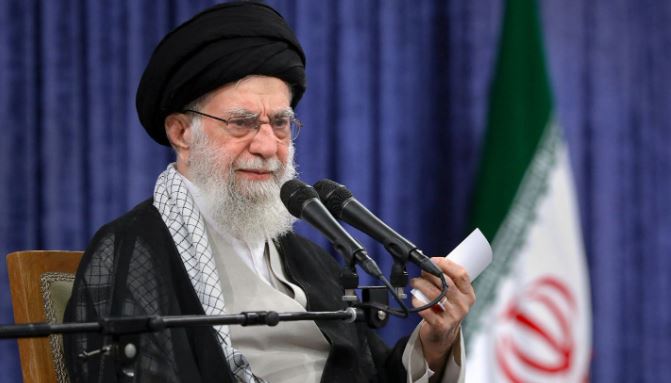
The martyrdom of Syed Ali Khamenei (1939-2026) along with his family including his wife, daughter, grandchildren and Commanders, in the holy month of Ramadan has struck Muslims across the world with profound grief and reflection. His life exemplified courage, resilience, and moral clarity, a living example of bravery akin to Imam Ali as, and a willingness to sacrifice for principles reminiscent of Imam Hussein as. He navigated decades of political, social, and spiritual challenges with unwavering faith, standing firmly against pressure, coercion, and threats to justice. Yet, while he upheld the highest standards of leadership, many of the 56 Muslim countries watched silently, hesitant, or preoccupied with their own interests. His life and martyrdom serve as a powerful reminder: true leadership is measured not by titles or numbers, but by steadfastness, moral courage, and an unyielding commitment to justice and faith. The grief over his loss is not merely political; it is spiritual, historical, and deeply symbolic, a mirror reflecting the moral responsibilities of the entire Muslim Ummah.
The story of Karbala remains a timeless moral reflection for every age. When power demands submission and conscience refuses, history repeats its deepest lessons. Hussain ibn Ali was asked to pledge allegiance to Yazid ibne Muawiya, who had sized power through force and bribe. Hussain ibn Ali refused to bow before a tyrant and chose martyrdom over surrender, embraced Shahadat with his family and his seventy-two companions on the burning sands of Karbala. Their stand was not a political act alone, but a declaration that dignity, faith, and moral truth can never be surrendered, even when survival demands it. Similarly, in the eyes of many observers, the United States and Israel sought compliance from Iran, yet Iran refused to bow. In this narrative, the stance of Ali Khamenei is seen as mirroring the spirit of Karbala, choosing steadfastness over surrender, and sacrifice over submission.
قتلِ حسین اصل میں مرگِ یزید ہے
اسلام زندہ ہوتا ہے ہر کربلا کے بعد
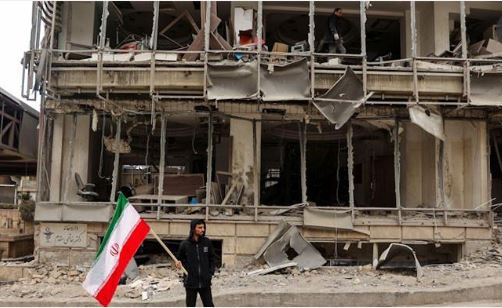
In every era, the spirit of Karbala reappears wherever authority demands obedience without justice, and wherever people refuse to bow before anything but the Divine. The enduring lesson is not about loss, but about moral victory, that oppression never truly triumphs, and that faith, courage, and principled resistance continue to revive truth again and again. What Karbala teaches humanity is simple yet eternal: sacrifice may silence voices for a moment, but it gives life to a legacy that no force on earth can erase. Similarly, in the modern era, innocent lives continue to bear the cost of geopolitical conflicts. Gaza has endured repeated airstrikes, leaving thousands of children and families dead. Most recently, a U.S. and Israeli airstrike struck a girls’ school in Minab, Iran, killing 180 young girls, who are mourned as martyrs. These children, entirely innocent, were victims of calculated aggression. This atrocity raises urgent ethical questions: How can the deaths of children ever be justified? What accountability exists for those responsible? Global organizations, humanitarian NGOs, and institutions that advocate for the rights of children must urgently focus on these tragedies. Innocent lives cannot and must not be sacrificed for political or military objectives. The world must recognize that children have no role in war, and protecting them is a moral, legal, and ethical imperative.
This is a critical moment in history, and the Muslim Ummah must recognize the seriousness of the time it is living through. The suffering of Muslim countries, the loss of leaders and scientists, and the instability spreading by Israel and America, across regions are not isolated events, they are warnings that demand awareness, unity, and long-term planning. Muslim leaders must come together at one table, set aside internal disputes, and develop a shared strategy before external pressures reach even deeper into their homes and institutions because the enemies are ruling the World economies, going fast in the fields of technology and research. This is not a time for symbolic statements, but for thoughtful dialogue, coordinated policy, and moral clarity. Muslim governments must speak firmly for peace, justice, and the protection of civilian life on World Forums, and they must reject any political framework that rewards war, displacement, or domination. No person whose decisions contribute to the deaths of innocent civilians, especially children, should ever be honored in the name of peace, should not be nominated for Nobel Prize at all.
Many observers and critics across the world argue that the policies and strategic positions associated with Donald Trump have actively enabled and strengthened the regional ambitions of Israel, particularly visions often described as the expansionist idea of “Greater Israel.” This perception that powerful global actors are politically, diplomatically, and militarily supporting such ambitions is something the Muslim Ummah specially Arabs must examine with seriousness and realism. Whether through military alignment, diplomatic cover, or geopolitical pressure, such developments demand careful thought and a unified response. Muslim nations cannot afford denial, silence, or fragmentation while strategic regional transformations unfold around them such as Modi’s alliance and recent alarming visit to Israel. Instead of blaming one another or reacting in isolation, they must develop collective awareness and shared policy grounded in sovereignty, stability, and justice.
Recent history provides painful lessons that cannot be ignored. The poor conditions witnessed in Libya, Yemen, Iraq, Syria, Sudan, Afghanistan, Palestine, Somalia, and now Iran reveal what happens when external geopolitical interests reshape the destiny of nations. These experiences should not divide Muslim countries further they should push them toward cooperation, consultation, and mutual protection. Territories must not be used against one another, and rivalries must not weaken collective security. Islam teaches that believers are like one body, when one part suffers, the whole body feels the pain. That teaching is not symbolic; it is a
To conclude, the flawed initiatives of global powers, such as the Trump’s “Board of Peace” which excluded Gaza’s nomination and implicitly fed the agenda of Greater Israel, reveal the urgent need for independent moral clarity and decisive action. The assassination of Syed Ali Khamenei by Israel and the United States, intended to weaken Iran, has instead highlighted the resilience and unity of the Iranian people. Iran, with its deep-rooted civilization and rich history, has demonstrated that courage, faith, and moral principles, not blind adherence to biased international systems must guide action. Far from provoking collapse, this act has strengthened the solidarity of the Iranian community, uniting them more than ever against external interference. The Muslim Ummah must seize this moment to come together, protect its children, honor the sacrifices of its leaders, and ensure that justice, faith, and moral responsibility remain the foundation of collective action. By embracing courage, unity, and unwavering principles, Muslims can rise as a powerful, unified force capable of confronting oppression, safeguarding the innocent, and asserting their rightful place as defenders of justice in the world. The blood of Syed Ali Khamenei will one day surely bear fruit, and Islam will shine across the globe until the arrival of the Imam Mehdi AS and Hazrat Issa AS as said by the last messenger of Allah, Prophet Muhammad SAW.
Deputy premier says Pakistan backs Iran’s peaceful nuclear rights while pushing sustained regional diplomacy
DNA
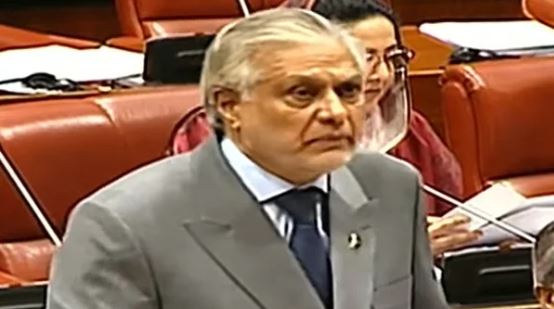
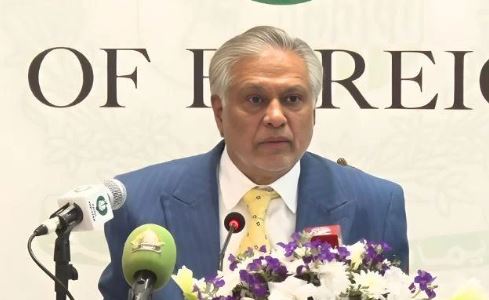
ISLAMABAD: Deputy Prime Minister and Foreign Minister Ishaq Dar on Tuesday said that Iran had agreed not to acquire nuclear weapons, while the United States was seeking the complete dismantling of Tehran’s nuclear programme.
“I held a meeting with US Secretary of State Marco Rubio and disclosed that Iran had agreed not to build nuclear weapons, but the US wanted Iran’s entire nuclear programme to be completely dismantled,” he said while briefing the Senate on Pakistan’s diplomatic efforts following the recent attack on Iran.
The Middle East conflict expanded with no end in sight, with Israel attacking Iran and Tehran firing missiles and drones at the “US interests and bases” across the Gulf states.
During the four-day conflict, a number of Iranian senior leaders, including Supreme Leader Ayatollah Ali Khamenei, embraced martyrdom in the “unprovoked and unwarranted” airstrikes by Israel and the United States.
Iranian officials warned that Khamenei’s martyrdom would mark a turning point, with the Revolutionary Guard vowing retaliation and declaring that “this great crime will not go unpunished”.
Speaking on the floor of the upper house of parliament, the deputy premier said Pakistan ensured that Iran’s right to continue a peaceful nuclear programme was accepted.
He told parliamentarians that Pakistan was prepared to facilitate mediation between the United States and Iran in Islamabad, saying that Prime Minister Shehbaz Sharif and Field Marshal Asim Munir played a “very active and positive role in diplomatic and defence-level engagements”.
Dar said he had immediately contacted the Iranian foreign minister after the attack and strongly condemned the strikes on Iran. He said the prime minister, on behalf of the government and people of Pakistan, also conveyed condolences on the martyrdom of Ayatollah Ali Khamenei.
He informed the upper house that after the attack on Iran, he spoke to the foreign ministers of many countries, including Turkiye, Maldives, Bangladesh, Iran, Uzbekistan, Saudi Arabia, United Arab Emirates, Qatar and Oman.
Dar said the Omani foreign minister informed him that positive progress was being made in the Iran-US talks and that negotiations had been moving in the right direction, despite which Iran was attacked.
He said Iran is a brotherly and neighbouring country, and Pakistan has made full-scale diplomatic efforts to resolve the matter. He added that Pakistan also worked through back-channel diplomacy to find a peaceful solution, and that the Iranian leadership was fully aware of Islamabad’s efforts.
Dar said Pakistan supported Iran’s right to the peaceful use of nuclear energy and recalled that when Pakistan held the presidency of the UN Security Council, it convened several debates on the issue.
He said that the recent attack resembled last year’s June incident, adding that in June, when Chief of Army Staff (COAS) Asim Munir was returning to Pakistan from the United States via the United Kingdom, Iran’s Foreign Minister Abbas Araqchi invited him to Istanbul, where meetings were held, and Iran was urged to resolve the issue through diplomacy and negotiations.
Dar said people who protested should know that Pakistan stood with Iran. He said some parties insisted that Iran must remain under monitoring and that Pakistan was also asked to be included among the three countries in this framework.
He said Field Marshal Munir made significant efforts within defence circles to defuse tensions. He said attacks were also carried out on Gulf countries and Iran announced strikes on US bases. He said airports were hit and stressed that Pakistan should not be dragged into the conflict.
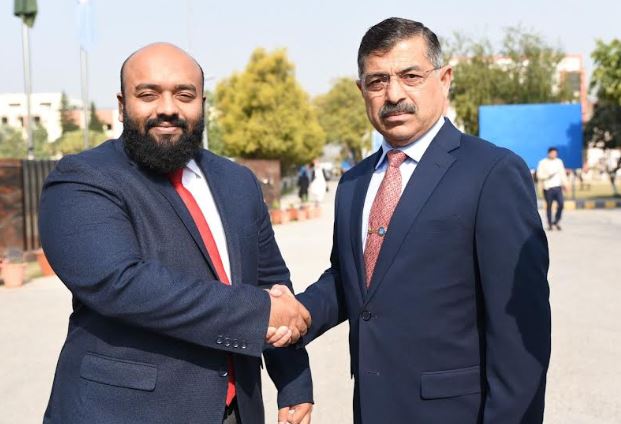
ISLAMABAD, MAR 3: Mohamed Thoha, High Commissioner of the Republic of Maldives to Pakistan, paid a courtesy call on the Rector NUML.
During the meeting, the Rector underscored the importance of strengthening academic and cultural ties between Pakistan and the Maldives. He briefed the visiting dignitary on NUML’s academic profile, highlighting its strong focus on modern languages alongside expanding programs in computing and other emerging disciplines.
The High Commissioner appreciated NUML’s contribution to higher education and its role in promoting linguistic and cultural understanding. The Rector shared that NUML offers student exchange opportunities, remains among the most affordable public-sector universities in Pakistan, and can design customized academic programs, including scholarship options for Maldivian students. The High Commissioner welcomed the initiative and noted strong interest from Maldivian students in language and IT-related programs.
Given the Maldives’ tourism-driven economy, the Rector emphasized the importance of language proficiency and proposed the launch of synchronized (live interactive) online language programs as an initial step. The proposal was well received by the High Commissioner.
The High Commissioner invited the Rector and NUML’s senior management to visit the Maldives to further explore institutional partnerships. The meeting concluded on an optimistic note, with mutual interest in advancing cooperation in language education, computing programs, customized academic offerings, and student exchanges.
The specter of a widening regional war has brought the world perilously close to fears of a third world war, as declared by the Russian administration on March 3, 2026. The reported elimination of much of Iran’s senior military leadership and the claimed assassination of Supreme Leader Ali Khamenei have triggered urgent geopolitical recalculations from Tehran to Islamabad, and from Washington to Moscow and Beijing.
This moment starkly reveals a core misreading in many regime-change fantasies: the assumption that systems rooted in ideology, institutional continuity, and deep social foundations can be toppled by decapitation strikes and external coercion. A central miscalculation is the belief that Iran’s leadership can be reduced to one individual. The idea that assassinating the supreme leader would trigger spontaneous collapse misunderstands the Islamic Republic’s design after more than four decades. Its political theology, parallel institutions, layered clerical and security bureaucracies, and Revolutionary Guard networks form a resilient lattice built to withstand shocks.
Khamenei embodies not just a person but a mindset, a socialized ideology that has become a lived identity for millions of Iranians across classes, regions, and generations. During periods of acute strain economic sanctions, protest waves, elite rivalries this architecture holds firm by design. The Assembly of Experts, Guardian Council, and overlapping security organs are structured to prevent fissures at existential moments. Western expectations of immediate public fury erupting against the regime after a leadership strike have repeatedly proven naïve in historical context.
Beyond Iran’s internal resilience, the broader region shows limited appetite for a US- or Israel-engineered power transition in Tehran. Pakistan, sharing a long border and intertwined religious, commercial, and energy ties, perceives any externally imposed shift as a direct threat to its internal stability and strategic autonomy. A pro-US or pro-Israel government in Tehran could reorder regional alignments, endangering Pakistan’s security, energy corridors, and delicate sectarian balance. China and Russia harbor parallel concerns. For Beijing, Iran is a key node in Belt and Road energy logistics and a hedge against maritime chokepoints. For Moscow, it is a partner in Syria, a sanctions-busting collaborator, and a counterweight to NATO influence. Neither has incentive to accept a Western-aligned Tehran that could disrupt energy markets, undermine Eurasian integration, or fracture carefully cultivated power balances.
If widespread protests in Pakistan followed the reported assassination including deadly clashes and an attack on the US Consulate in Karachi these events raise serious questions about security preparedness and the political economy of unrest. How did crowds breach the cordon around one of Karachi’s most fortified sites? Was it an operational failure, or did certain elements, state-linked or otherwise allow the anger to escalate for tactical messaging, domestically or regionally?
Tehran’s reported strikes on US bases in the Gulf, calibrated to impose disruption without inviting uncontrolled escalation, reflect strategic calculation rather than emotional reaction. By spreading economic and operational costs to host states, Iran signals that any prolonged confrontation will not remain confined to its territory.
On Pakistan’s western flank, Afghanistan remains a flashpoint where shifts reverberate directly into Pakistani security and politics. If the Taliban have denied US basing rights, history suggests pressure for political re-engineering may follow, a transactional logic of building a more accommodating government if one cannot be rented. Renewed American presence would clash with objections from China, Russia, Iran, and cautious Central Asian states, who see US basing as an entry point for broader influence.
For Pakistan, this is an existential issue. Recognition debates, sanctions, and counterterrorism pressures echo in Khyber Pakhtunkhwa and Balochistan, fueling militancy and straining border control. Perceived complicity in regime-change efforts in Kabul would invite cross-border violence, refugee flows, and diplomatic isolation from neighbors. Yet outright refusal carries costs while Pakistan’s economy remains externally dependent.
This captures Islamabad’s strategic bind: navigating cascading crises while defending core red lines. Pakistan’s nuclear capability, professionally managed under tight command-and-control remains a focal point of US anxiety whenever domestic unrest or external entanglements rise. A retired US Navy officer in a his recenter interview categorially declared Pakistan a most dangerous country as compared with Iran. US political volatility heightens the danger. An administration may align with Pakistan’s choices one day, only to pivot under congressional or domestic pressure the next, leaving Pakistan exposed and bearing reputational costs with neighbors. Basing strategy on assumed US consistency is wishful thinking, not prudence.
The surest path to reduced vulnerability lies in economic empowerment. Dependence on IMF financing and politically conditioned market access constrains diplomatic freedom. Credible, sustained domestic reforms rebuilding fiscal capacity and resilience would diminish foreign leverage. This is not isolationism but a call for self-strengthening. In today’s escalatory climate, Pakistan would benefit from publicly stating clear guiding principles for crisis statecraft: reject participation in externally driven regime change in neighboring states; ensure inviolable protection of diplomatic premises to avoid Karachi-style breaches; contain sectarian spillover through community engagement, early warning, and rights-respecting crowd management; and strategically hedge with all major powers while maintaining clear transactional boundaries on alignment.
For Washington and Tel Aviv, the temptation to exploit perceived Iranian weakness is strong, yet regional realities persist. Energy markets, global supply chains, and Gulf investor confidence punish prolonged uncertainty, taxing allies whose stability supports American power projection. Extended crises shrink coalitions and inflate costs, undermining the leverage escalation seeks.
Pakistan occupies the hinge of these forces, close enough to feel tremors from Tehran and Kabul, yet with narrow room for error. Its strategic thinkers recognize that alignment with a superpower can quickly become a liability when policies shift with electoral cycles.
Prudence here is not passivity; it is strategy. Iran’s ideological durability and institutional depth make forced regime change unlikely to succeed and far more likely to ignite cycles of violence the region and global economy cannot sustain. Pakistan, for its part, must resist the seduction of tactical wins in Afghanistan or symbolic gestures in Gaza.
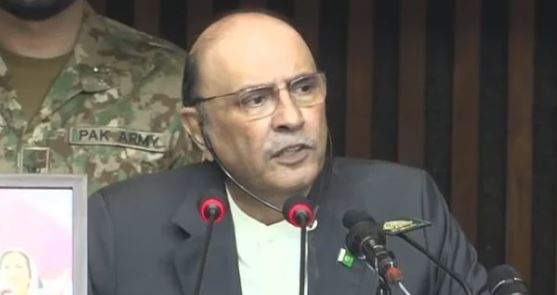
ISLAMABAD, MAR 2: President Asif Ali Zardari on Monday calling the war a last resort, urged India to shift from war theatres to meaningful negotiations — or face another humiliating defeat — and warned that Pakistan had already shown both India and Afghanistan only a fraction of its capabilities.
“Make no mistake. We are ready for you,” the president said in his annual address to the joint sitting of parliament.
“My message to them is to move away from war theatres to meaningful negotiating tables because that is the only path for regional security… India must listen to us attentively: Pakistan will continue to give its fullest diplomatic and moral support to the just cause of the people of Jammu and Kashmir,” he said.
Co-chaired by Senate Chairman Syed Yousuf Raza Gilani and National Assembly Speaker Sardar Ayaz Sadiq, the session was attended by Prime Minister Shehbaz Sharif and members of the National Assembly and Senate, while in the galleries were First Lady Aseefa Bhutto Zardari, provincial governors and chief ministers, and diplomats.
Opposition lawmakers staged a protest during the president’s address, chanting, “Go, Zardari, go” slogans.
The president, who addressed the parliament for the ninth time at the beginning of the new parliamentary year, deliberated on all national, regional, and international matters, including the Kashmir and Palestine issues, ongoing tension in the Gulf region, Marka-e-Haq and Ghazab lil-Haq operations, Indian violation of the Indus Waters Treaty, economy, provincial autonomy, and poverty.
The president said that nobody in South Asia would be free and safe until Kashmiris win their freedom from Indian occupation.
Middle East crisis The president condemned the war waged on Iran and reaffirmed Pakistan’s support for its sovereignty and territorial integrity, besides condoling the martyrdom of the Supreme Leader Ayatollah Khamenei.
He also condemned the subsequent attacks launched on Saudi Arabia, the United Arab Emirates (UAE), Bahrain, Jordan, Kuwait, and Qatar, calling for negotiated solutions to choose peace and restraint and save the region from a deepening crisis.
“The sooner stability returns to the region, the sooner the world can go back to the business of rebuilding lives and fractured trust. I urge the need to exercise maximum restraint, to uphold international law, and to respect the territorial integrity of all brotherly nations,” the president said.
Regarding Marka-e-Haq, he said that Pakistan initially showed restraint amid Indian violation of Pakistan’s sovereignty, but later its armed forces acted with outstanding professionalism and discipline, turning India’s attack into a landmark strategic victory.
Similarly, responding to the attacks by the Afghan Taliban regime on the night of February 26, the armed forces acted decisively.
“The political leadership stood united. The people stood resolute,” he said, and expressed gratitude to the security forces, including army, air force, navy, Rangers, Frontier Corps, police services and intelligence agencies for both the successful military encounters.
He said that while visiting the families of the martyred soldiers, he felt the same pain as he did at the time of the martyrdom of his wife Shaheed Mohtarma Benazir Bhutto.
“This was not just a military victory; it was an expression of our national resolve in crisis… We bravely repulsed India’s aggression and emerged victorious, both militarily and diplomatically. Our decisive and principled response was acknowledged by world capitals, beyond a shadow of any doubt.”
Responding to the statements by Indian leaders of preparing for another war, he said that, being a lifelong advocate for regional peace, he would not recommend that.
“At the same time, I would also say that any aggressor should prepare for another humiliating defeat…Pakistan is a responsible nuclear state…At the same time, we are a state that defends itself decisively when required.”
Operation Ghazab lil-Haq Deliberating on the Ghazab lil-Haq operation, President Zardari said that Pakistan had tried every possible form of diplomacy to prevent an outbreak of military responses to terrorist incursions from Afghanistan.
“For us, war is always the last option. No state accepts serial attacks on its soil… We have let both India and Afghanistan see a fraction of our capabilities,” he commented.
“Let me be clear: the soil of Pakistan is sacred. We will not allow any entity — domestic or foreign — to use neighbouring territory to destabilise our peace.”
The president said that despite multiple diplomatic engagements by Pakistan and friendly countries, the Afghan Taliban regime continued to provide safe sanctuaries to a variety of terrorist groups, including Al-Qaeda, BLA and TTP, in violation of all the promises made in Doha.
“They must choose to dismantle the terror groups that survive on conflict and its war economy. None of this will feed Afghanistan’s children or create opportunities for national cohesion… I would urge them to stop being used by another country as a battlefield for their ambitions,” the president remarked, saying that Pakistan always treated the Afghan people as kith and kin and never walked away from dialogue.
Pakistan’s foreign policy Coming to the Pakistan-United States ties, the president appreciated the efforts of the countries to de-escalate the recent Pakistan-India conflict.
He added that during the last year, Pakistan and the US had opened new avenues for strategic cooperation, investment and economic partnerships, with the coming year expected to be more productive.
Similarly, he said the ironclad relationship with China had ascended to new heights in all areas as China-Pakistan Economic Corridor (CPEC) 2.0 would revolutionise Pakistan’s infrastructure.
He said the entire nation was thankful to China for its solidarity with Pakistan during Marka-e-Haq and President Xi Jinping for advancing the shared objectives of security and connectivity.
Besides appreciating the deepened ties with the Gulf countries, Azerbaijan and Turkiye, the president said that the Pakistan-Saudi Strategic Mutual Defence Agreement was a new milestone in the region.
Highlighting the sufferings of the Palestinian people and the destruction of Gaza, he reiterated Pakistan’s unchanged principled stance of supporting the creation of an independent and undivided state of Palestine with borders as before 1967 and with Al-Quds Al Sharif as its capital.
President Zardari congratulated the people of Bangladesh on holding elections and forming a new government, saying that the bilateral relations were poised to become steadier and stronger.
President Zardari said that India’s attempts to manipulate river flows and its unilateral actions placing the Indus Waters Treaty in abeyance were blatant hydro-terrorism, which weaponised vital water resources to exert political leverage, jeopardising Pakistan’s agricultural economy and violating international and humanitarian law.
He said that the unilateral blockage was impermissible under international law and vowed that Pakistan would defend its water rights with unwavering unity, resolve, strength, and legal clarity to safeguard regional stability.
President Zardari said that the provincial autonomy had strengthened participatory governance as a strong Federation required coordination, not centralisation, and constitutional forums like the Council of Common Interests must function effectively.
He also called for resolving the issues relating to natural resources, fiscal distribution, energy coordination and water management through consultation, and that he looked forward to a just and equitable National Finance Commission Award in the coming year.
Emphasising special attention for Balochistan province, he said that amidst efforts to dismantle insurgencies fueled by foreign proxies, the genuine social and economic grievances of the Baloch people were also being addressed. The people of Balochistan are and must remain full partners in Pakistan’s progress, he added.
Highlighting the country’s economic outlook, he commended the government for steering the economy out of a virtual collapse, citing improved indicators.
“But this is a first step on a journey to sustained, people-centric growth. Our salaried classes, pensioners, labourers and small traders have endured a long night of hardship. The next phase must therefore focus on inclusive growth, jobs, and direct relief,” he said, calling for transparency in taxation and expenditure, widening of tax base and adoption of technology and innovation to reshape the economy.
Emphasising the energy reforms as a precondition for industrial revival, he said the climate-resilient agriculture, water management and coordinated policy were strategic imperatives.
President Zardari also stressed the need to grow the Benazir Income Support Programme (BISP) to empower the poor, besides dismantling barriers to women’s progress, ensuring their safety, digital access, and financial independence.
He said that Quaid-e-Azam Muhammad Ali Jinnah envisioned a democratic state rooted in constitutionalism and the rule of law while Shaheed Zulfikar Ali Bhutto gave this nation its unanimous Constitution and Shaheed Mohtarma Benazir Bhutto strengthened the democratic process through sacrifice and exemplary leadership.
He also highlighted that while being the president, he unilaterally returned the Presidency’s powers to the Houses of Parliament as envisioned in the 1973 Constitution.
“Through the historic 18th Amendment, today the Presidency stands as the symbol of the unity of the federation — a bridge between the federating units and a guardian of the constitutional laws that bind us all,” he added.
He said that with the start of the new parliamentary year, our priorities must be to protect sovereignty, eliminate terrorism, build on economic stability.
“Let us preserve the unity displayed in moments of trial. Let us institutionalise reform. Let us ensure that macro-economic gains translate into household relief. Let us safeguard our borders while creating opportunities within,” President Zardari urged.
“Make no mistake. We are ready for you,” the president said in his annual address to the joint sitting of parliament.
“My message to them is to move away from war theatres to meaningful negotiating tables because that is the only path for regional security… India must listen to us attentively: Pakistan will continue to give its fullest diplomatic and moral support to the just cause of the people of Jammu and Kashmir,” he said.
Co-chaired by Senate Chairman Syed Yousuf Raza Gilani and National Assembly Speaker Sardar Ayaz Sadiq, the session was attended by Prime Minister Shehbaz Sharif and members of the National Assembly and Senate, while in the galleries were First Lady Aseefa Bhutto Zardari, provincial governors and chief ministers, and diplomats.
Opposition lawmakers staged a protest during the president’s address, chanting, “Go, Zardari, go” slogans.
The president, who addressed the parliament for the ninth time at the beginning of the new parliamentary year, deliberated on all national, regional, and international matters, including the Kashmir and Palestine issues, ongoing tension in the Gulf region, Marka-e-Haq and Ghazab lil-Haq operations, Indian violation of the Indus Waters Treaty, economy, provincial autonomy, and poverty.
The president said that nobody in South Asia would be free and safe until Kashmiris win their freedom from Indian occupation.
Middle East crisis
The president condemned the war waged on Iran and reaffirmed Pakistan’s support for its sovereignty and territorial integrity, besides condoling the martyrdom of the Supreme Leader Ayatollah Khamenei.
He also condemned the subsequent attacks launched on Saudi Arabia, the United Arab Emirates (UAE), Bahrain, Jordan, Kuwait, and Qatar, calling for negotiated solutions to choose peace and restraint and save the region from a deepening crisis.
“The sooner stability returns to the region, the sooner the world can go back to the business of rebuilding lives and fractured trust. I urge the need to exercise maximum restraint, to uphold international law, and to respect the territorial integrity of all brotherly nations,” the president said.
Regarding Marka-e-Haq, he said that Pakistan initially showed restraint amid Indian violation of Pakistan’s sovereignty, but later its armed forces acted with outstanding professionalism and discipline, turning India’s attack into a landmark strategic victory.
Similarly, responding to the attacks by the Afghan Taliban regime on the night of February 26, the armed forces acted decisively.
“The political leadership stood united. The people stood resolute,” he said, and expressed gratitude to the security forces, including army, air force, navy, Rangers, Frontier Corps, police services and intelligence agencies for both the successful military encounters.
He said that while visiting the families of the martyred soldiers, he felt the same pain as he did at the time of the martyrdom of his wife Shaheed Mohtarma Benazir Bhutto.
“This was not just a military victory; it was an expression of our national resolve in crisis… We bravely repulsed India’s aggression and emerged victorious, both militarily and diplomatically. Our decisive and principled response was acknowledged by world capitals, beyond a shadow of any doubt.”
Responding to the statements by Indian leaders of preparing for another war, he said that, being a lifelong advocate for regional peace, he would not recommend that.
“At the same time, I would also say that any aggressor should prepare for another humiliating defeat…Pakistan is a responsible nuclear state…At the same time, we are a state that defends itself decisively when required.”
Operation Ghazab lil-Haq
Deliberating on the Ghazab lil-Haq operation, President Zardari said that Pakistan had tried every possible form of diplomacy to prevent an outbreak of military responses to terrorist incursions from Afghanistan.
“For us, war is always the last option. No state accepts serial attacks on its soil… We have let both India and Afghanistan see a fraction of our capabilities,” he commented.
“Let me be clear: the soil of Pakistan is sacred. We will not allow any entity — domestic or foreign — to use neighbouring territory to destabilise our peace.”
The president said that despite multiple diplomatic engagements by Pakistan and friendly countries, the Afghan Taliban regime continued to provide safe sanctuaries to a variety of terrorist groups, including Al-Qaeda, BLA and TTP, in violation of all the promises made in Doha.
“They must choose to dismantle the terror groups that survive on conflict and its war economy. None of this will feed Afghanistan’s children or create opportunities for national cohesion… I would urge them to stop being used by another country as a battlefield for their ambitions,” the president remarked, saying that Pakistan always treated the Afghan people as kith and kin and never walked away from dialogue.
Pakistan’s foreign policy
Coming to the Pakistan-United States ties, the president appreciated the efforts of the countries to de-escalate the recent Pakistan-India conflict.
He added that during the last year, Pakistan and the US had opened new avenues for strategic cooperation, investment and economic partnerships, with the coming year expected to be more productive.
Similarly, he said the ironclad relationship with China had ascended to new heights in all areas as China-Pakistan Economic Corridor (CPEC) 2.0 would revolutionise Pakistan’s infrastructure.
He said the entire nation was thankful to China for its solidarity with Pakistan during Marka-e-Haq and President Xi Jinping for advancing the shared objectives of security and connectivity.
Besides appreciating the deepened ties with the Gulf countries, Azerbaijan and Turkiye, the president said that the Pakistan-Saudi Strategic Mutual Defence Agreement was a new milestone in the region.
Highlighting the sufferings of the Palestinian people and the destruction of Gaza, he reiterated Pakistan’s unchanged principled stance of supporting the creation of an independent and undivided state of Palestine with borders as before 1967 and with Al-Quds Al Sharif as its capital.
President Zardari congratulated the people of Bangladesh on holding elections and forming a new government, saying that the bilateral relations were poised to become steadier and stronger.
President Zardari said that India’s attempts to manipulate river flows and its unilateral actions placing the Indus Waters Treaty in abeyance were blatant hydro-terrorism, which weaponised vital water resources to exert political leverage, jeopardising Pakistan’s agricultural economy and violating international and humanitarian law.
He said that the unilateral blockage was impermissible under international law and vowed that Pakistan would defend its water rights with unwavering unity, resolve, strength, and legal clarity to safeguard regional stability.
President Zardari said that the provincial autonomy had strengthened participatory governance as a strong Federation required coordination, not centralisation, and constitutional forums like the Council of Common Interests must function effectively.
He also called for resolving the issues relating to natural resources, fiscal distribution, energy coordination and water management through consultation, and that he looked forward to a just and equitable National Finance Commission Award in the coming year.
Emphasising special attention for Balochistan province, he said that amidst efforts to dismantle insurgencies fueled by foreign proxies, the genuine social and economic grievances of the Baloch people were also being addressed. The people of Balochistan are and must remain full partners in Pakistan’s progress, he added.
Highlighting the country’s economic outlook, he commended the government for steering the economy out of a virtual collapse, citing improved indicators.
“But this is a first step on a journey to sustained, people-centric growth. Our salaried classes, pensioners, labourers and small traders have endured a long night of hardship. The next phase must therefore focus on inclusive growth, jobs, and direct relief,” he said, calling for transparency in taxation and expenditure, widening of tax base and adoption of technology and innovation to reshape the economy.
Emphasising the energy reforms as a precondition for industrial revival, he said the climate-resilient agriculture, water management and coordinated policy were strategic imperatives.
President Zardari also stressed the need to grow the Benazir Income Support Programme (BISP) to empower the poor, besides dismantling barriers to women’s progress, ensuring their safety, digital access, and financial independence.
He said that Quaid-e-Azam Muhammad Ali Jinnah envisioned a democratic state rooted in constitutionalism and the rule of law while Shaheed Zulfikar Ali Bhutto gave this nation its unanimous Constitution and Shaheed Mohtarma Benazir Bhutto strengthened the democratic process through sacrifice and exemplary leadership.
He also highlighted that while being the president, he unilaterally returned the Presidency’s powers to the Houses of Parliament as envisioned in the 1973 Constitution.
“Through the historic 18th Amendment, today the Presidency stands as the symbol of the unity of the federation — a bridge between the federating units and a guardian of the constitutional laws that bind us all,” he added.
He said that with the start of the new parliamentary year, our priorities must be to protect sovereignty, eliminate terrorism, build on economic stability.
“Let us preserve the unity displayed in moments of trial. Let us institutionalise reform. Let us ensure that macro-economic gains translate into household relief. Let us safeguard our borders while creating opportunities within,” President Zardari urged.
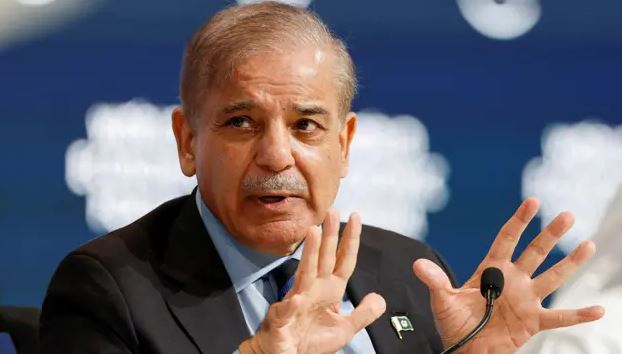
ISLAMABAD, MAR 2 /DNA/ – Prime Minister Muhammad Shehbaz Sharif spoke with His Highness Sheikh Sabah Al-Khaled Al-Sabah, the Crown Prince of Kuwait, this evening, in the wake of the ongoing hostilities in the Middle East.
During their conversation, the Prime Minister expressed condolences over the loss of lives as a result of the attacks on Kuwait during the ongoing crisis in the Middle East.
He affirmed Pakistan’s solidarity and support for the leadership and people of Kuwait at this critical time.
The two leaders stressed on the urgent need for de-escalation amid heightened tensions that had been aggravated following Israel’s attack on Iran and Iran’s retaliatory strikes against various brotherly Gulf nations, including Kuwait.
While condemning the violation of sovereignty and territorial integrity of these brotherly countries, as well as the loss of valuable lives in the ongoing conflict, the Prime Minister reiterated that Pakistan continued to call for diplomacy and urged all parties to refrain from any further actions that could exacerbate tensions and undermine the peace and security of the region.
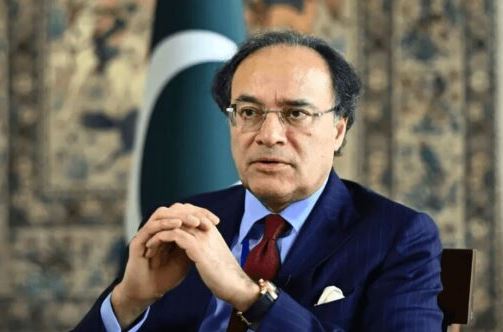
ISLAMABAD, MAR 2 /DNA/ – Federal Minister for Finance and Revenue, Senator Muhammad Aurangzeb, today met the International Monetary Fund (IMF) mission, led by Ms. Iva Petrova, at the kick-off meeting for the third review of Pakistan’s Extended Fund Facility (EFF) arrangement and the second review of the Resilience and Sustainability Facility (RSF).
In his remarks, the Finance Minister underscored that since the successful completion of the previous review, Pakistan has continued to consolidate the hard-earned gains in macroeconomic stability achieved under the EFF supported program and RSF programmes . He emphasized the Government’s firm resolve to maintain fiscal discipline and safeguard macroeconomic stability, terming these achievements as the result of sustained and difficult reforms.
The Minister highlighted that structural reforms, particularly in taxation and the energy sector, remain central to the Government’s reform agenda. He noted that comprehensive transformation efforts in tax administration, encompassing improvements in people, processes and technology, are underway with strong leadership at the highest level. He further shared that steps have been taken to fully operationalize the Tax Policy Office to ensure that future taxation policy is guided by economic principles aimed at supporting sustainable growth.
On the privatization and state-owned enterprise reform agenda, the Minister reaffirmed the Government’s commitment to advancing key transactions and restructuring initiatives during the year. He observed that recent developments have demonstrated growing investor confidence and a renewed appetite among domestic investors, reflecting trust in the economy’s direction and reform trajectory. He added that the privatization and restructuring process would continue in a transparent and orderly manner.
The Minister also outlined progress on right-sizing the federal government, including the merger of ministries and closure of certain entities, as part of broader public sector reforms aimed at improving efficiency and governance. He reiterated the Government’s commitment to an export-led growth strategy, supported by trade facilitation measures and tariff rationalization to enhance competitiveness and reduce import dependency over time.
The Finance Minister further apprised the mission of the Government’s response to flood-related challenges during the fiscal year, noting that the availability of fiscal buffers enabled timely rescue and relief efforts. He observed that maintaining macroeconomic stability has strengthened the country’s resilience to external and climate-related shocks.
On economic performance, the Minister shared that recent indicators point toward gradual recovery, with positive trends in growth and key sectors. However, he acknowledged emerging global headwinds, including evolving geopolitical developments and volatility in international energy markets, which pose potential risks. He informed the IMF mission that a high-level committee has been constituted to closely monitor the evolving situation and ensure coordinated policy responses.
The Minister also emphasized that while stabilization efforts were necessary to restore macroeconomic balance, the Government remains mindful of the social impact and would continue to pursue policies aimed at enhancing social spending to protect the vulnerable population.
Ms. Iva Petrova thanked the Minister for the comprehensive briefing and shared insights, including from the mission’s discussions with authorities in Karachi on the ongoing reviews under the EFF and RSF. Both sides agreed to continue further discussions virtually in the coming days.
The meeting was attended by Governor State Bank of Pakistan Mr. Jameel Ahmad, Secretary Finance, Chairman Federal Board of Revenue (FBR), and senior officials of the Finance Division.
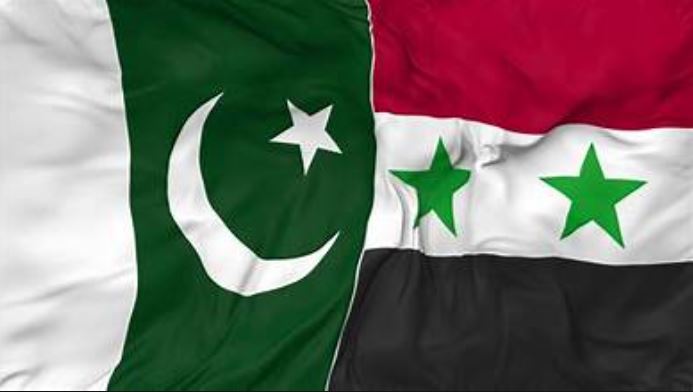
ISLAMABAD, MAR 2 /DNA/ – Prime Minister Muhammad Shehbaz Sharif held a telephonic conversation with the President of the Syrian Arab Republic, H.E. Mr. Ahmed al-Sharaa, on Monday evening to discuss the rapidly deteriorating security situation in the Middle East.
The conversation between the two leaders focused on the dangerous regional escalation triggered by Israel’s recent attack on Iran and the subsequent retaliatory strikes in the Gulf region. Both leaders expressed deep concern over the widening conflict and its implications for international peace and security.
Emphasizing the critical need for immediate restraint, the Prime Minister and President al-Sharaa called upon all parties to prioritize dialogue and de-escalation. They underscored the urgency of diplomatic engagement to preserve regional peace and stability and prevent further loss of life.
During the call, Prime Minister Sharif briefed the Syrian President on Pakistan’s ongoing diplomatic outreach in the wake of the current crisis. He reaffirmed that Pakistan stands ready to play a constructive role in promoting the restoration of peace and stability in the region. Beyond the situation in the Middle East, the two leaders also exchanged views on recent developments in neighboring Afghanistan.
On the bilateral front, the conversation was marked by mutual satisfaction regarding the longstanding and fraternal ties between Pakistan and Syria. Both leaders agreed to enhance cooperation in various areas of mutual interest and emphasized the importance of maintaining close coordination on regional developments moving forward.
He regretted that despite repeated assurances, the Afghan regime never fulfilled its commitment and instead the terrorist attacks with evidenced involvement of Afghanistan increased manifold across Pakistan
Ansar M Bhatti/DNA
ISLAMABAD: Deputy Prime Minister Ishaq Dar has said Pakistan remains a strong proponent of regional peace and stability but it will make no compromise on its sovereignty and safety of its people.
He was briefing members of diplomatic corps in Islamabad this afternoon about Pakistan’s position on regional situation and its ongoing response against the unprovoked aggression of Afghan Taliban regime.
Ishaq Dar said Pakistan did everything it could for peace and stability in Afghanistan, whether through humanitarian relief assistance, hosting refugees, or providing scholarships to Afghan students. He said Pakistan’s only demand from Afghanistan was to take action against the TTP and other terrorist outfits operating from their soil.
He regretted that despite repeated assurances, the Afghan regime never fulfilled its commitment and instead the terrorist attacks with evidenced involvement of Afghanistan increased manifold across Pakistan. He said these attacks even targeted civilians and places of worships.
Ishaq Dar said it is in this backdrop and following Afghanistan’s provocative actions on Thursday last, that Pakistan launched Operation Ghazab lil Haq.
He, however, made it clear that all attacks by Pakistan’s security forces under this Operation are very precise, proportionate and measured based on intelligence and it is being ensured that no civilian is targeted in these attacks.
He said Pakistan is acting in self-defence and exercising maximum restraint in accordance with the international law and UN Charter.
Ishaq Dar said Pakistan expects the international community to condemn the terrorist threat which is emanating from Afghanistan and is destabilizing the whole region.
He expressed the hope that the international community will urge the Taliban regime to uphold its commitment to not allow its soil to be used for terrorism against the neighboring countries.
On the regional situation, Ishaq Dar said Pakistan is in contact with all brotherly countries in the region and all its efforts are focused on de-escalation and resumption of dialogue and diplomacy.
He further said that UN charter and diplomatic norms does not allow anybody to target head of states. He regretted the supreme leader of Iran was targeted and assassinated.