Home Blog Page 22

A Defining Year for Pakistan

A Defining Year for Pakistan

by Muhammad Mohsin Iqbal

As the final days of 2025 quietly recede and the first light of 2026 prepares to dawn, the moment demands more than ritual optimism. It invites reflection upon a year that altered the course of a nation. Calendars change every year, but only rarely does history pause to redraw its lines. For Pakistan, the year now ending proved to be one such moment, where destiny, resolve, and divine grace converged with unmistakable force.
Until the first decade of May 2025, the national atmosphere was weighed down by uncertainty and apprehension. Daily life continued, yet beneath its surface lay fear, panic, and a persistent sense that decisions were shaped more by expediency and elite comfort than by justice or public welfare. Economic strain tightened its grip, institutional confidence waned, and hope survived largely through patience rather than assurance.
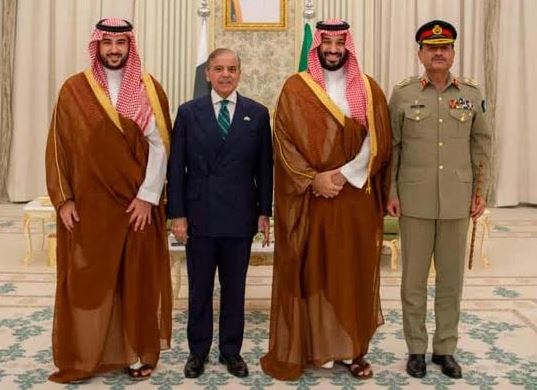
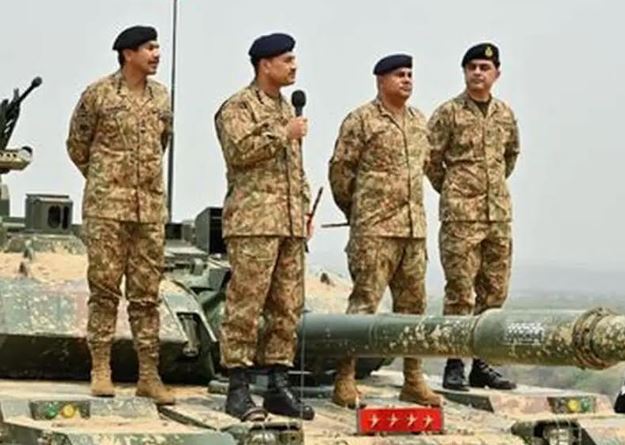
Then history intervened abruptly. India, acting in accordance with a long-standing pattern of arrogance and miscalculation, committed a folly that proved transformational. What followed defied many expectations. In those critical hours, the involvement of Allah was evident in the timing, clarity, and outcome of events. Pakistan’s response was swift, measured, and resolute, and within moments the strategic landscape was altered. The world watched as restraint combined with preparedness produced an outcome that changed perceptions overnight.
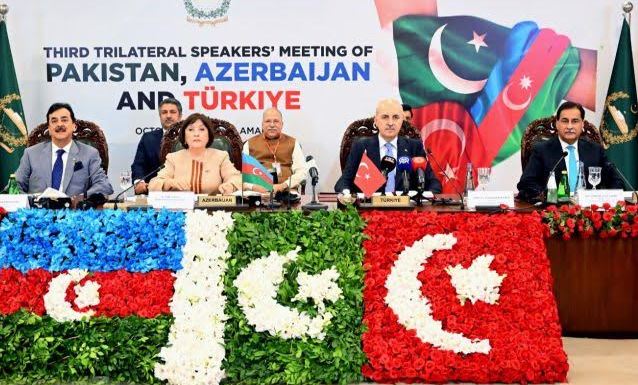
The days following May 9 marked a decisive watershed. Pakistan emerged as a country redefined—not merely in military or strategic terms, but in confidence and standing. Globally, the narrative shifted. Diplomatically, Islamabad became a focal point of renewed engagement. From the weeks after May 9 till the closing months of 2025, a steady stream of heads of state, heads of government, and high-powered delegations made their way to the federal capital. Leaders from friendly and influential countries, senior ministers, national security advisers, economic envoys, and defense officials arrived to reaffirm ties, explore cooperation, and signal confidence in Pakistan’s stability and relevance.
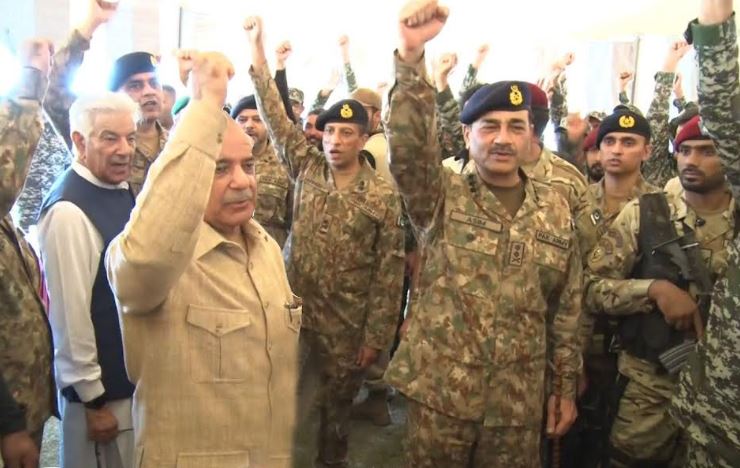
These visits were not symbolic courtesies alone. They reflected a recalibration of global attitudes. Strategic dialogues were revived, defense cooperation expanded, and economic partnerships revisited with seriousness. Investment-focused delegations discussed energy, infrastructure, minerals, and technology. Parliamentary and diplomatic exchanges gained momentum, while regional and extra-regional actors alike acknowledged Pakistan’s renewed role as a stabilizing and responsible state. Islamabad, once perceived as defensive and reactive, was now engaging from a position of assurance and dignity.
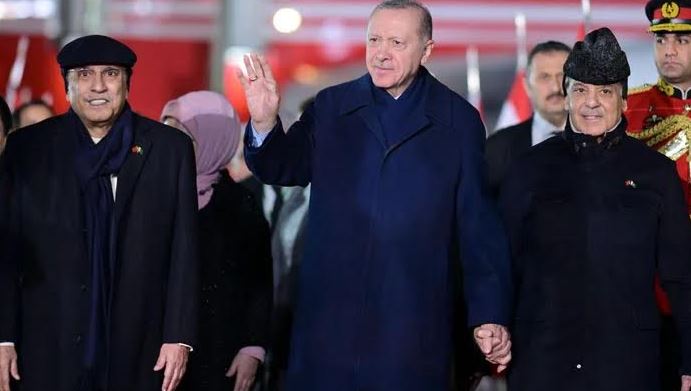
Internally, this diplomatic resurgence reinforced national morale. The psychological burden of isolation and underestimation began to lift. Institutions rediscovered coherence, and the people sensed that their country had regained a voice that commanded attention rather than sympathy. Pakistan was no longer viewed through a prism of perpetual crisis, but as a state capable of decisive action and mature diplomacy.

History reminds us, however, that such turning points are both gifts and tests. They demand perseverance and moral clarity. Nations that mistake moments of renewal for moments of rest often forfeit their gains. Those that endure are the ones that convert confidence into reform and opportunity into responsibility.

As 2026 approaches, there is legitimate hope that this remarkable change will not fade. By the will of Allah, the momentum achieved in 2025 can be preserved and strengthened. Yet divine favor carries with it further trials—tests of love for the nation, sincerity of intent, and willingness to sacrifice comfort for collective good.

Foremost among the challenges ahead is the urgent task of pulling Pakistan out of the suffocating swamp of debt. Economic dependence has long constrained sovereignty and distorted priorities. True independence cannot coexist with endless borrowing. Fiscal discipline, productive growth, and equitable contribution must therefore replace short-term fixes and cosmetic adjustments.

Equally destructive is corruption, a silent termite infestation eating away at the foundations of the state. Its consequences extend beyond financial loss; it corrodes trust, mocks merit, and alienates citizens from their institutions. Eradicating it requires unwavering accountability, transparent governance, and the application of law without discrimination.

Justice must stand as the cornerstone of national renewal—justice that does not recognize wealth, status, or influence. A society divided by selective accountability cannot remain stable. Only when the weak and the powerful face the same law can unity become more than a slogan.

Beyond institutions lies the deeper task of shaping the citizen. Tolerance, forbearance, and respect for human dignity must be cultivated deliberately. A responsible individual is one who respects law, values humanity, and understands that rights are inseparable from duties.

As the first sunrise of 2026 breaks over the land, Pakistan stands at a rare juncture of promise. The events after May 9 demonstrated what faith, unity, and preparedness can achieve. The year ahead will determine whether that promise matures into permanence. If gratitude is expressed through reform, strength guided by justice, and faith reflected in ethical conduct, then the coming year may well mark not merely the continuation of change, but the consolidation of a national rebirth—by the grace of Allah and the steadfast will of the people.

Security forces kill four ‘Indian proxy’ militants in Balochistan: ISPR

Security forces kill four terrorists in D.I.Khan

RAWALPINDI, DEC 28 /DNA/ – Security forces conducted an intelligence based operation in Kalat District of Balochistan, on reported presence of terrorists belonging to Indian proxy, Fitna al Hindustan.

During the conduct of operation, own forces effectively engaged the terrorists’ location, and after an intense fire exchange, four Indian sponsored terrorists were sent to hell.

Weapons, ammunition and explosives were also recovered from the terrorists, who remained actively involved in numerous terrorist activities in the area.

Sanitization operations are being conducted to eliminate any other Indian sponsored terrorist found in the area. Relentless Counter Terrorism campaign under vision “Azm e Istehkam” (as approved by Federal Apex Committee on National Action Plan) by Security Forces and Law Enforcement Agencies of Pakistan will continue at full pace to wipe out menace of foreign sponsored and supported terrorism from the country.

Pakistan reaffirms support for Somalia’s sovereignty

Pakistan backs Saudi Arabia, UAE's efforts for peace, stability in Yemen

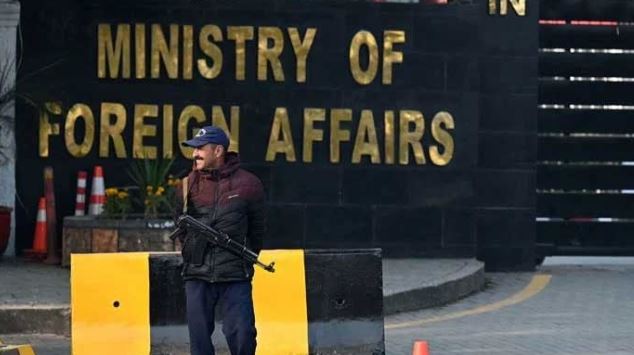
ISLAMABAD, DEC 28 /DNA/ – Deputy Prime Minister and Foreign Minister Senator Muhammad Ishaq Dar received a call from Somalia’s Minister of Foreign Affairs, H.E. Abdisalam Abdi Ali.

During the conversation, Ishaq Dar reaffirmed Pakistan’s full support for Somalia’s sovereignty and territorial integrity, condemning any actions aimed at undermining it. The Somali Foreign Minister expressed gratitude for Pakistan’s continued and sustained support, and requested Islamabad’s assistance in raising Somalia’s concerns at the United Nations Security Council.

Dar assured that Pakistan will stand by Somalia at the UN and other multilateral fora.

Stop waiting until exams to help struggling students

Stop waiting until exams to help struggling students

BY: Sabahat Ali

Every year, many private schools face the same quiet challenge: some students fail repeatedly, while others “pass” but still struggle with basic reading, writing, or problem-solving. Parents complain, teachers feel frustrated, and school leadership often feels embarrassed.

The common solution, extra classes before exams, last-minute revisions, or crash courses, is not a real solution. It is emergency firefighting. If students only get support weeks before exams, the problem isn’t solved; it’s postponed.

Why Students Struggle

Most struggling students are not weak, they are often under-taught, under-supported, or poorly assessed. Labeling children as weak only after exams is reactive, not proactive.

 Mistakes Schools Make Shaming students: Public comparisons and harsh remarks destroy confidence.

Overloading without guidance: Extra worksheets or homework without support overwhelm students.

One-size-fits-all remediation: Each student struggles for different reasons—conceptual gaps, language barriers, slow writing, or attention issues.

Leaving parents in the dark: Vague advice like “practice at home” shifts responsibility without guidance.

A Better Approach

Early Identification: Conduct short diagnostic tests in the first few weeks to identify students who need support. Categorize them as on track, needs monitoring, or needs structured help.

Weekly Targeted Support: Dedicate remedial sessions to reinforce basics with simple explanations, visuals, and hands-on methods.

Set Micro-Goals: Break learning into small, achievable tasks, such as reading sentences independently or solving basic sums. Small wins boost confidence and motivation.

Track Progress: Maintain a simple weekly record of each student’s goals and progress, reviewed by coordinators or teachers regularly.

Engage Parents: Provide clear, actionable instructions for practice at home.

Role of Leadership

School leaders must formalize weak student support, protect remedial periods, train teachers in differentiated instruction, and celebrate incremental progress. This changes the mindset from “weak students are a problem” to “weak students are a responsibility we care about.”

The Outcome

A consistent support system reduces repeat failures, strengthens fundamentals, builds confidence, and earns trust from parents and pride from teachers. Struggling students, when properly supported, become proof of a school’s commitment to real education.

Final Thought

Waiting until exams to address learning gaps protects reputation, not learning. Identify early, support weekly, track progress, involve parents, and celebrate growth. This is how schools turn struggling students into success stories.

Pakistan, Egypt reaffirm commitment to regional peace

Pakistan, Egypt reaffirm commitment to regional peace

Saifullah Ansar

ISLAMABAD, DEC 28 /DNA/ – Pakistan and Egypt have reaffirmed their shared commitment to promoting regional peace, stability, and development. The affirmation came during a telephonic conversation between Deputy Prime Minister and Foreign Minister Ishaq Dar and Egypt’s Foreign Minister Badr Ahmed Mohamed Abdelatty.

Both leaders expressed satisfaction over the positive momentum in bilateral relations and agreed to further strengthen cooperation across diverse sectors. They also exchanged views on key regional and global developments, with particular focus on the situations in Somalia and Yemen, underscoring the importance of collaborative efforts for peace and stability.

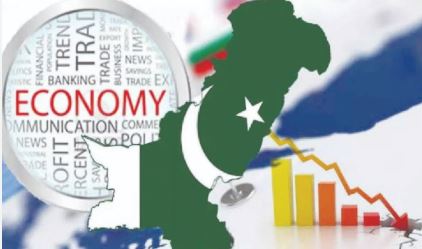
Pakistan’s Crisis Is Not Just A Economic: It Is The Crisis Of Decision Making

Pakistan’s Crisis Is Not Just A Economic: It Is The Crisis Of Decision Making

By Amna Zafar

Economic ills are known to return often via familiar indicators:inflation rises, debt increases, and foreign exchange reserves dwindle. These are the figures highlighted by headlines and that dominate public debate, and by most yardsticks, it is reasonable to conclude that the problem with Pakistan is a fiscal one. This, however, is basically a superficial assessment, failing to capture a more prime and persistent predicament: it is not economic scarcity but chronic defects in decision-making that create the recurring cycle of economic crises in Pakistan.

For years, the leadership has been conscious of various key structural vulnerabilities in the economy-from narrow tax bases and energy problems to state-owned enterprises in distress. In spite of this recognition, effective reforms have been slow, uneven, or even reversed under social and political pressures. The governments increasingly resort to short-term palliatives such as price controls, emergency subsidies, or temporary borrowing. Such remedies can alleviate the hardships people face but do nothing to help strengthen the economy over time. Given this pattern of reactive policies and quick fixes, deep-seated systemic issues have been successfully circumvented.

This is the pattern in the history of Pakistan’s reforms. Whenever met with resistance from special interests or unpopular public opinion, governments roll back their intended adjustments. The fiscal deficits remain large, energy crises persist, and institutional inefficiencies show no significant sign of dispersing. Incoherent policy erodes public confidence and dampens foreign and local investment. Effective planning and sustained growth can hardly be achieved in this environment.

But political instability worsens these problems: all too short electoral cycles; the struggle of instituted conflicts among themselves; and chronic changes in government result in hesitation in decisions being taken. Economic governance is essentially reactive because in the best scenario, it would be concerned with the long-term interests of the nation. With the absence of political continuity, reformist efforts cannot surge ahead, no matter how well-intentioned. Instead of structural changes engineered over time, what results is a vicious circle of crisis management.

Weak decision-making also bears considerable social consequences. For many, economic hardship has become the new normal, easing the pressure on the government to pursue genuine reforms. As opportunities and living standards decline, so do the public’s expectations of governance. This gradual accommodation to the crisis clearly diminishes accountability, perpetuating the possibility of inertia in policymaking and maintaining a status quo of unresolved systemic problems.

The decisionmaking dilemma in Pakistan is also underscored by the pattern of its dealings with foreign financial institutions. The support from abroad is perceived as an expedient rather than an opportunity for genuine reform. Once short-term relief is attained, commitments agreed to in international pressure often lose momentum, thus maintaining the vicious circle of vulnerability and dependency. Even reforms that have some backing from outside sources generally cannot result in long-lasting effects without adequate persistent domestic leadership and clear long-term plans.

Economic challenges include an excessive reliance on short-term solutions. Temporary borrowings, price controls, and emergency subsidies may bring about immediate relief, but they also distort market signals and undermine the solid bases of a sound economy. Long-term projects, essential infrastructure investments, and structural adjustments are usually sacrificed and replaced with continuous shortages, financial disequilibria, and increasing social unrest.

Ultimately, the economic crisis in Pakistan is one of lacking political will rather than resources or knowledge. Everything needed for reform is available to the country, including frameworks, expertise, and resources; what is persistently missing is governance with a resolve to address the situation. The prioritization of long-term national interests over short-term political gains remains key but is absent. Without it, economic stability will remain uncertain. A sustained recovery has to be based on policy continuity, strategic planning, and the political courage to take difficult but essential decisions, even when they might not enjoy immediate popularity.

Bangladesh police say student leader Osman Hadi’s killers fled to India

Bangladesh police say student leader Osman Hadi's killers fled to India

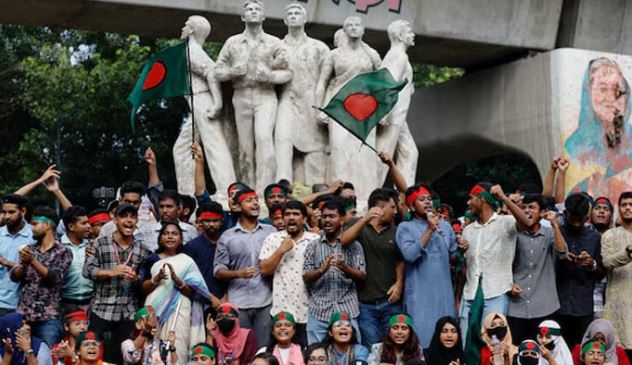
DHAKA: Bangladesh police on Sunday said the alleged killers of popular student leader Sharif Osman Hadi had fled to India, in comments likely to further strain relations with its neighbour.

Hadi, a vocal Indian critic who took part in last year’s mass uprising, was shot by masked assailants in Dhaka earlier this month and later succumbed to his injuries at a hospital in Singapore.

His death set off violent protests with angry mobs torching several buildings, including two major newspapers deemed to favour India, as well as a prominent cultural institution.

With protests being held across the country almost daily, pressure has been growing on Bangladesh’s interim government to arrest the killers of Hadi, who was set to contest the general elections in February next year.

“The killing was premeditated. Those behind it have been identified,” SN Nazrul Islam, a senior Dhaka Metropolitan Police officer, said at a news conference.

Suspects Faisal Karim Masud and Alamgir Sheikh left Bangladesh through the Haluaghat border with India shortly after attacking Hadi on December 12, Islam said.

They were received at the border by two Indian citizens, who escorted them into the northeastern state of Meghalaya before handing them over to two accomplices.

Bangladeshi investigators were in contact with their Indian counterparts who had arrested the two suspected accomplices, Islam said.

“We are communicating with Meghalaya police, who have confirmed the arrest of two Indian nationals,” he added.

Two senior Meghalaya police officers, however, did not comment when contacted by AFP.

The Indian foreign ministry had earlier said it rejects “false narratives” about New Delhi´s involvement in Hadi´s killing.

Ties between the neighbours have deteriorated since the ousted prime minister, Sheikh Hasina, fled the pro-democracy uprising and sought refuge in India.

India says it is still considering Dhaka’s requests to extradite Hasina, who was sentenced to death in absentia for orchestrating a deadly crackdown on the uprising.

The lynching of a Hindu garment worker by a mob on December 18 has also hit ties.

Amid the deteriorating security situation in the Muslim-majority country, Khuda Baksh Chowdhury, special assistant to interim leader Muhammad Yunus, overseeing the home department, stepped down on Wednesday.

The Martian Trailblazer: How a Modest Desert Moss Could Revolutionize Space Colonization and Restore Pakistan’s Dry Mountains

The Martian Trailblazer: How a Modest Desert Moss Could Revolutionize Space Colonization and Restore Pakistan’s Dry Mountains

By: Aysal Elham

Syntrichia caninervis, a tiny desert moss long overlooked by popular imagination, has suddenly become a symbol of possibility: researchers have decoded the genetic and physiological tricks that let it survive near‑total desiccation, intense ultraviolet exposure and extreme cold, and experiments show dried samples can fully regenerate after exposure to simulated Martian stresses. That resilience matters not only for far‑off dreams of greening Mars but for urgent, practical work at home in Pakistan, where mountains and plains from Balochistan to Punjab are drying and communities face worsening erosion, reduced water infiltration and collapsing livelihoods. The same traits that make this moss a model for extraterrestrial survival rapid rehydration recovery, capacity to photosynthesize in marginal conditions, and the ability to form stabilizing biological soil crusts also make it a low‑cost, low‑tech tool for restoring degraded soils, reducing dust storms and improving microclimates in arid and semi‑arid districts. 

Turning laboratory insight into field impact begins with small, well‑designed pilots that respect local conditions. Start by mapping priority sites in each province wind‑scoured slopes and gullies in DG Khan and Chaghi, overgrazed rangelands around Quetta, saline and eroded tracts in Sindh, and drying uplands in Khyber Pakhtunkhwa and Muzaffarabad then select sheltered microplots with community support for initial trials. Ex‑situ propagation is straightforward and inexpensive: shaded trays or shallow beds, controlled wetting and drying cycles to harden the moss, and co‑culturing with native cyanobacteria or beneficial soil microbes to speed crust formation. Producing concentrated inoculum in small local nurseries creates jobs, builds local ownership and reduces transport costs compared with importing exotic materials. 

Field application should combine biological inoculation with simple physical measures that are already familiar to many rural communities. Light surface roughening, temporary straw or jute mulch, and short‑term shading nets reduce wind and UV stress during the first months of establishment. Pair moss inoculation with low‑cost water‑harvesting features contour bunds, micro‑check dams, and stone lines to capture episodic rains in DG Khan, Balochistan, Muzafarabad and Chaghi, increasing soil moisture pulses that the moss can exploit. In saline‑affected areas of Sindh, prioritize salt‑tolerant companion species and test inoculum on raised beds or amended microsites to avoid immediate salt stress. In pastoral zones near Quetta and KPK, use seasonal grazing exclusion and community‑managed protective fencing until crusts are established. 

Monitoring and adaptive management are essential. Track simple, repeatable metrics percent surface cover, runoff after storms, sediment loss, soil organic matter and infiltration rates—on a monthly cadence during the first year and seasonally thereafter. Use genetic marker assays to screen propagated strains for stress‑tolerance traits analogous to ScATG8 and ScALDH21 so nurseries can preferentially multiply the hardiest local ecotypes rather than relying on a single source. Multi‑year monitoring will reveal whether initial gains persist through drought cycles and grazing pressure and will guide decisions about scaling or modifying techniques for different microclimates. 

Community engagement and capacity building determine long‑term success. Train local extension workers, school groups and pastoral associations in low‑cost propagation, application and protection techniques; link pilots to provincial research centers, agricultural universities and PARC for technical backup and to ensure alignment with existing land‑restoration programs. Offer short demonstration workshops that combine hands‑on propagation with simple hydrology lessons so villagers can see how moss crusts reduce erosion and improve seedbeds for native grasses and shrubs. Where possible, integrate moss restoration with livelihood activities nursery work, seed collection, and construction of water‑harvesting structures to create incentives for stewardship. 

Be realistic about limits and risks. Short‑term lab results do not guarantee long‑term persistence in every field setting; sand movement, intense grazing, salinity and extreme heat spikes can undermine establishment. Prioritize locally adapted strains and conservative scaling: begin with microplots and expand only after two to three successful seasons. Avoid genetic modification or transgenic approaches unless there is clear regulatory approval, transparent community consent and rigorous ecological risk assessment; for most restoration goals, selecting and propagating resilient local ecotypes will be faster, cheaper and socially acceptable. 

Policy and funding pathways can accelerate adoption. Provincial forestry and rangeland departments, climate adaptation funds, and international restoration grants can underwrite pilot costs for nursery setup, monitoring equipment and community training. Framing projects as both climate adaptation and dust‑mitigation interventions helps unlock diverse funding streams, while partnerships with universities provide low‑cost laboratory support for genetic screening and long‑term ecological monitoring. Documenting early wins reduced runoff, visible crust cover, and improved seedling establishment will help build political and community momentum for larger landscape programs. 

The broader lesson is hopeful and practical: nature’s quiet survivors often hold scalable solutions for human problems. Syntrichia caninervis offers a biological blueprint that can be adapted to Pakistan’s dry mountains and plains, stabilizing soils, improving water retention and creating microhabitats that allow native grasses and shrubs to return. With modest investment in local nurseries, simple water‑harvesting structures, community training and careful monitoring, pilot projects in Quetta, Chaghi, DG Khan, Muzaffarabad, Sindh and KPK can demonstrate measurable benefits within two to three seasons and provide a replicable model for wider restoration.

By: Aysal Elham

Climate Governance Analyst 

MPhil Media Studies 

[email protected] 

PIAF urges government action as short-term inflation pressure continues

PIAF urges government action as short-term inflation pressure continues

LAHORE, DEC 28 /DNA/ — The Pakistan Industrial & Traders Association Front (PIAF) has called for urgent policy measures to mitigate rising costs for businesses and consumers, as the country continues to face short-term inflationary pressures.

PIAF Chairman Faheemur Rehman Saigol, along with Senior Vice Chairman Nasrullah Mughal and Vice Chairman Tahir Manzoor Chaudhary, emphasized that industry-friendly policies are critical to support economic growth while keeping essential commodity prices under control.

Speaking at a press briefing, Fahee Saigol noted that rising energy and staple food costs are putting pressure on both consumers and traders. “Short-term inflation, driven by gas, wheat flour, and sugar, is a concern for households and businesses alike. Collaborative government-private sector strategies are needed to protect livelihoods and stabilize markets,” he said.

Nasrullah Mughal added that the PIAF proposals, developed in consultation with chambers of commerce and industrial forums, focus on tax rationalization, energy cost management, and investment facilitation. Chaudhary stressed that without coordinated policy action, the rising cost of production and utilities could dampen industrial activity and employment prospects.

Data from the Pakistan Bureau of Statistics (PBS) shows that the Sensitive Price Indicator (SPI) increased 2.83% year-on-year (YoY) for the week ending December 24, 2025. On a week-on-week (WoW) basis, the SPI decreased slightly by 0.09%, indicating marginal relief in the cost of essential goods. Out of 51 monitored items, 13 prices rose, 11 declined, and 27 remained stable, reflecting a broadly balanced weekly movement. However, sharp increases in gas charges (up 29.85%), wheat flour (22.56%), sugar (16.32%), beef (13.01%), gur (12.46%), and bananas (11.24%) contributed to overall inflationary pressure.

Conversely, perishable vegetables provided some respite, with tomatoes plunging 74.92%, potatoes 49.79%, garlic 38.17%, and onions 29.23% YoY. Similarly, declines were observed in tea, pulse mash, pulse masoor, electricity charges, and LPG, helping to moderate overall price pressures.

Analysis across consumption quintiles shows that the YoY increase ranged from 1.35% for the lowest-income group to 2.56% for the highest, indicating that while inflationary effects are moderate, they are still felt by all segments. It is estimated that CPI inflation for December 2025 could reach around 6%, with food inflation at 4.4% YoY, largely influenced by falling vegetable prices. Housing, gas, and electricity costs are projected to rise 1.4% month-on-month, which could bring headline inflation closer to 5.7% if these components remain stable.

Faheem Saigol stressed the need for policy measures targeting both short-term relief and structural reforms. He highlighted that energy and utility costs remain a key concern for manufacturers and traders. “Reducing production costs through better energy management and regulatory coordination will protect both consumers and businesses,” he said.

Tahir Manzoor Ch pointed out that small and medium enterprises (SMEs), which are the backbone of the economy, are particularly vulnerable to fluctuating commodity and energy prices. Chaudhary noted that without decisive action, these pressures could limit investment, reduce exports, and slow economic recovery.

Economists say that while weekly moderation in vegetable prices provides temporary relief, persistent increases in wheat, sugar, and gas mean that short-term inflation pressures are unlikely to vanish without proactive policy intervention. PIAF’s engagement with the government is expected to continue in the coming weeks, aiming to align fiscal measures with market realities.

As Pakistan heads into 2026, businesses and consumers will closely watch whether government action can balance cost containment, growth stimulation, and industrial competitiveness, echoing PIAF’s call for a cooperative approach to inflation management.

IoBM athletes shine at the 35th National Games

IoBM athletes shine at the 35th National Games

KARACHI, DEC 28 /DNA/ – Athletes from the Institute of Business Management (IoBM) proudly represented their respective provincial teams at the 35th National Games, held in Karachi from December 6 to 13, 2025, delivering commendable performances across multiple sporting disciplines.

In Karate, Samra Ejaz represented Sindh with distinction, earning a gold medal in the −45 kg category, along with a silver medal in Team Kumite and a bronze medal in Team Kata.

In Throwball, Muhammad Ali Shoaib and Mustansir Ali Asgher, competing for Sindh, secured the gold medal in the team event. Rameen Merchant, representing Gilgit-Baltistan, finished fourth in the team event, while Fatima Wali Ashrafi (Sindh) competed up to the group stage.

In Netball, IoBM graduates Hamna Muddasar and Haya Gul, representing Sindh, clinched the gold medal in the team event, further strengthening the province’s overall medal tally.

IoBM is honored to celebrate the remarkable achievements of its athletes, whose dedication, discipline, and sporting excellence continue to bring pride to the institute on the national stage.=DNA

=====

Stay Connected

64FansLike
60FollowersFollow

Latest Reviews

Exchange Rates

USD - United States Dollar
EUR
1.16
GBP
1.34
AUD
0.67
CAD
0.72