Home Blog Page 218

Azam Tarar urges media caution on foreign policy

Azam Tarar urges media caution on foreign policy

He added that the analyses coming out of Pakistan had caused “unease on diplomatic fronts from at least a friendly country or some other corner”.

Saifullah Ansar

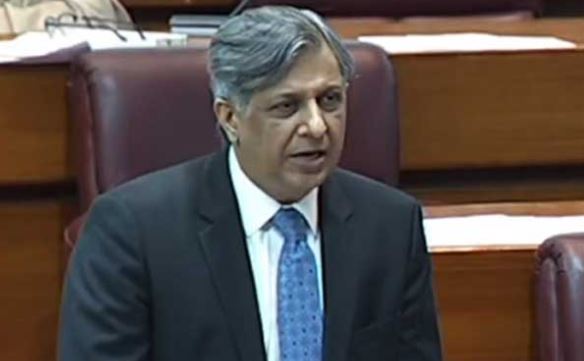
ISLAMABAD: Law Minister Azam Nazeer Tarar on Tuesday called on the media to exercise caution when discussing matters related to Pakistan’s foreign policy amid escalating tensions in the Middle East, citing “unease” voiced by “friendly countries”.

He made the remarks while addressing a press conference alongside Information Minister Ataullah Tarar and Minister of State for Interior Tallal Chaudry.

Taking note of the recent escalation in the Middle East following US-Israeli attacks on Iran, the minister stressed the need for caution in the “narrative on these matters on social media, electronic media, and print media”.

“As a nation, we must keep in mind that when expressing our views, we have to keep the constitution and Pakistan’s foreign policy under consideration,” he said.

He added that the analyses coming out of Pakistan had caused “unease on diplomatic fronts from at least a friendly country or some other corner”.

“We have been asked if this was Pakistan’s stance or an individual one,” he added.

At the outset of the press conference, the minister reiterated Pakistan’s stance on the tensions in the Middle East, stating that the country had been pushing for efforts to “find a diplomatic solution” to the conflict.

In light of the prevailing situation, the minister urged the need to be careful in the “narratives coming from media as well as social media”.

“Pakistan is a responsible state and a nuclear state. Pakistan has an essential role in the region; it has its own identity and its own stance in terms of its defence and foreign policy,” the minister said.

He noted that Article 19 of the Constitution guaranteed freedom of expression and read it aloud, stressing that there would be “reasonable restrictions” on it under the law.

“You have the fundamental right to freedom of expression, but you must be careful when it comes to the glory of Islam, the integrity, security and defence of Pakistan or any part thereof, and friendly relations with foreign states.”

The law minister held that while it was the right of every Pakistani to “express their opinion, we must not abandon the limits laid out in the constitution”.

“As far as Pakistan’s foreign policy is concerned and its relations with the Gulf […] we can not speculate if Pakistan is with Iran, then what could it mean for its relations with Saudi Arabia […] or if we are with the UAE, then what does that mean for our relations with Saudi Arabia.”

“Leave that to the state to decide,” the minister said, urging people to have “faith” in the state’s decisions.

He reiterated that “such analyses must be made with utmost caution”. He further maintained that “such discussions did not fall under freedom of expression”.
Ramadan and the Rhythm of Prices

Ramadan and the Rhythm of Prices

Usama Abdul Rauf

Ramadan is both a month of prayer and self-denial. It is supposed to train the lust and streamline the consumption. But once in a year, as the sacred month nears, families starts adjusting grocery lists, wholesalers are on the move, and market prices are also starting to shift. The paradox is familiar. A time of an austerity policy is usually accompanied by quantifiable strain on key commodities.

Think of the time before Ramadan towards the end of 2024. Weekly inflation in November 2024 was 0.67 percent. Some of the basic commodities were stable and even slightly decreasing. These were slight declines in sugar and wheat flour. The situation in the market was relatively stable, there were no significant peaks in perishables or protein products.

Compare that now to the week ending 13 March 2025, when it is the Ramadan period. Inflation was significantly stronger on a weekly basis. There was an increase of 36 percent in tomatoes in one week. The price of chicken rose by 6.4 percent. Sugar, that hitherto had been stable, increased by approximately 6 percent. These were not fringe benefits. They were focused initiatives on accurately those items that prevail in Ramadan consumption baskets.

The same rhythm was also present in the next cycle. The weekly rate of price growth was quite low at a humble 0.31 percent in the week ending 13 August 2025, which is well before Ramadan. A number of necessary commodities were not very volatile. However, now the weekly inflation grew accelerated to 1.16 percent. In one week bananas increased by 16 percent. Again upwards pressure was demonstrated in chicken and tomatoes. There is consistency in this rhythm, and this indicates that it must be something structural and not accidental.

The former is due to the concentration of demand. Ramadan does not just augment the consumption. It synchronises it. There is a huge purchase of similar commodities by homes in the nation at approximately the same period. Demand of items such as sugar, cooking oil, flour, dates, poultry and fruits are clustered in a narrow range. Even a stable supply annually may experience short term pressure when the demand is not evenly distributed.

This is enhanced by behaviour. In case the consumers expect prices to rise, they start to purchase earlier or more. This is a sensible anticipatory purchasing on an individual level. When, however, a large number of millions of households respond to the same expectations, the outcome may be expectations driven inflation. The prices not only increase due to tight supply, but because the market participants are convinced that it will be tight. The expectations make themselves true.

The results are also determined by wholesale market structure. Mandi networks have an imbalanced distribution of information. Big traders usually have insight into the volume of incoming supplies as compared to small-scale retailers. Retailers react by changing prices when the cues of the tighter availability before replacement costs are fully realised. Competition at the top is thin which makes inventory holding a strategic move. A few days delay in releasing stock at the time of high demand can increase margins. Downstream retailers react.

These pressures are aggravated by energy volatility. Moving perishables have a moderate impact on transportation costs due to even slight alterations in the cost of fuel. Cold storage and cold distribution are affected by electricity charges. When all these elements of cost are flowing in a time of increased demand, their aggregate impact can be increased in the retail level.

The cyclical nature of the seasons indicates that reactive measures might not be adequate. Much of the policy emphasis will tend to kick into operation when the prices are already in motion. A more preventative intervention would be based on an enhanced real time monitoring of inventory, deliveries, and interprovincial traffic.

Better coordination of data collection and market oversight mechanism is also important. Demand changes seasonally are predictable. It is not a case of heavy intervention but the goal is to be better anticipated. When the wholesale arrivals, storage capacity and the transportation bottlenecks are digitally monitored, uncertainty can be minimized before it becomes reflected in price spikes. Finally, the Ramadan price trend provides more structural characteristics of food markets. The supply chains are still divided. There is limited storage capacity of perishable goods.

Ramadan will always reshape consumption behaviour. That is part of its social character. The difficulty lies in making sure that the expected seasonal demand does not turn out again into preventable instability. The economic rhythm of the month could be more stable by means of enhancing the transparency, coordination of the supply chains and promotion of competitive practices in the marketplace. In doing so, the marketplace can better reflect the spirit of balance that Ramadan seeks to promote.

Serena Hotels Celebrate International Women’s Day

Islamabad, Pakistan — 8th March 2026

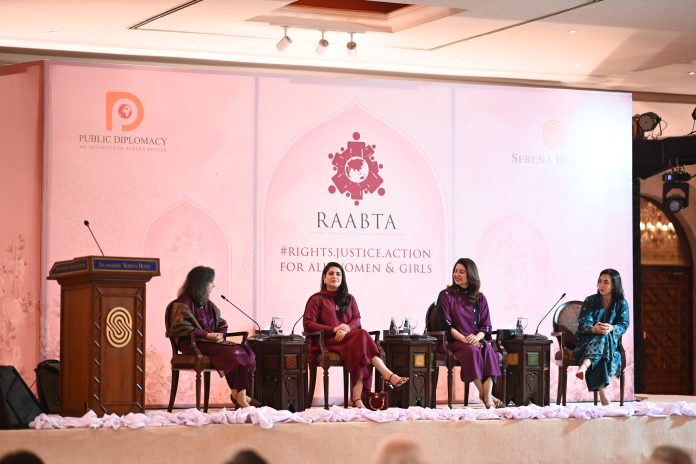
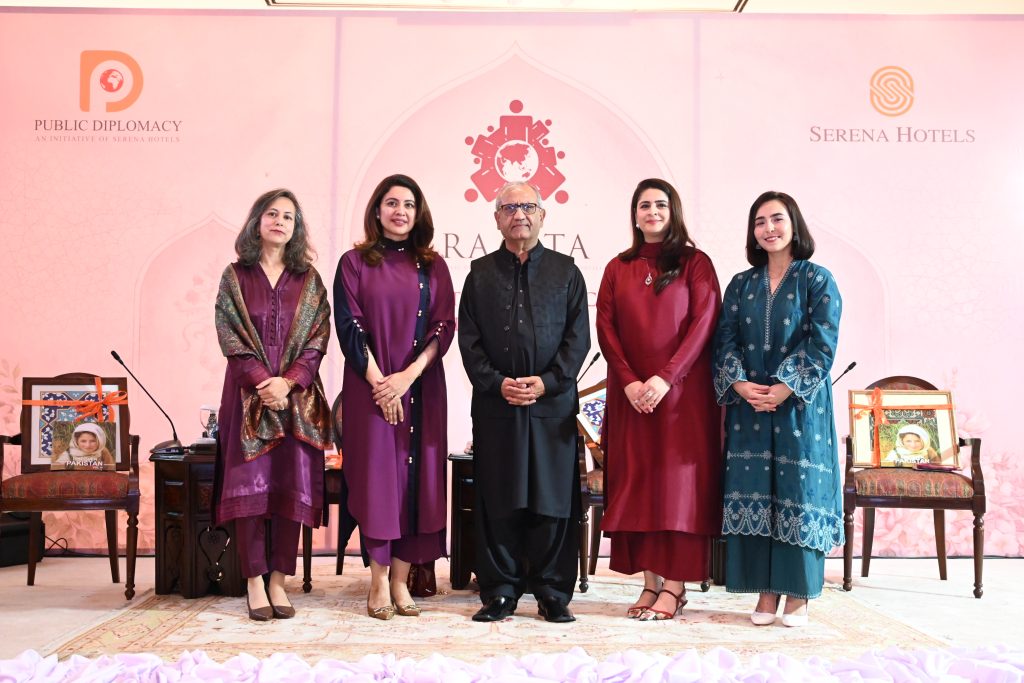
Serena Hotels, under its Public Diplomacy initiative Raabta, hosted a special panel discussion to mark International Women’s Day, bringing together accomplished women from diverse fields to share their journeys, achievements, and perspectives on women’s empowerment. The dialogue highlighted the importance of resilience, leadership, and creating opportunities for women to thrive across all sectors of society.

The panel featured three distinguished women whose work has created meaningful impact in their respective fields: renowned Pakistani singer Natasha Baig; Ms. Summiya Andrabi, Vice President of PFOWA; and Ms. Sarah Ahmad (Tamgha-e-Imtiaz), Chairperson of the Child Protection and Welfare Bureau Punjab and a leading child rights advocate.

The conversation was moderated by Sidra Iqbal, a renowned television anchor and global speaker, who also serves as the curator of Serena Hotels’ Raabta platform under its Public Diplomacy initiative. Guiding the discussion, she encouraged reflections on women’s leadership, perseverance, and the transformative role women continue to play in shaping inclusive and progressive societies.

During the session, the panelists encouraged young women to pursue their ambitions with confidence and determination, emphasizing that perseverance, passion, and purpose remain key drivers of success.

To conclude the International Women’s Day programme, the evening also featured a soulful Qawwali performance by Imran Aziz Mian, held in the spirit of Ramadan, bringing guests together in an atmosphere of reflection, cultural harmony, and the timeless tradition of Sufi music.

Turkish embassy hosts event for Int’l Women’s Day

Turkish embassy hosts event for Int'l Women’s Day

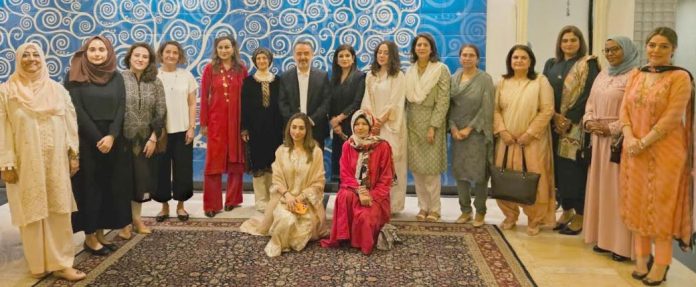
ISLAMABAD, MAR 9 /DNA/ – The Ambassador of Türkiye to Pakistan, Dr. Irfan Neziroglu, and his wife hosted a special and dignified reception in the federal capital to commemorate International Women’s Day, bringing together a distinguished cross-section of Pakistani female leadership and members of the diplomatic corps.

The event, held at the Turkish Embassy, served as a celebration of women’s achievements and a testament to the strong socio-cultural bonds between Türkiye and Pakistan. The atmosphere was one of camaraderie and mutual respect as prominent figures from the world of politics, media, and social welfare gathered on the occasion.

Among the notable Pakistani attendees were Chairman of the Pakistan Electronic Media Regulatory Authority (PEMRA), Ambreen Jan; Chairman of the Benazir Income Support Programme (BISP), Samina Khalid; and senior Pakistan Peoples Party (PPP) leader and Senator, Sherry Rehman. Ms. Misbah Khar was also present at the gathering.

The diplomatic community was well-represented, with the Ambassador of Rwanda and the Representative of the Turkish Republic of Northern Cyprus (TRNC) also in attendance, highlighting the international significance of the day.

The hosts, Ambassador Dr. Neziroglu and his wife, personally welcomed the guests, underscoring the importance Türkiye places on the role of women in society. The evening provided a platform for meaningful dialogue on women’s empowerment and their pivotal role in national development, set against the backdrop of the enduring friendship between Pakistan and Türkiye.

IMF warns Middle East conflict could fuel global inflation

IMF warns Middle East conflict could fuel global inflation

Her warning comes as the International Energy Agency (IEA) urged member states to consider a joint release of emergency oil stocks to stabilize energy markets

DNA

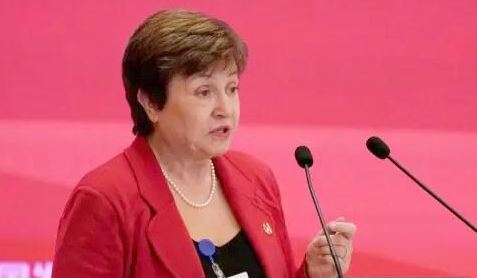
LONDON — International Monetary Fund (IMF) Managing Director Kristalina Georgieva has cautioned that escalating conflict in the Middle East could drive global inflation higher, threatening fragile economic recoveries worldwide.

Her warning comes as the International Energy Agency (IEA) urged member states to consider a joint release of emergency oil stocks to stabilize energy markets. The agency stressed that coordinated action may be necessary to offset supply disruptions and prevent further price spikes.

Meanwhile, reports from Bahrain confirmed multiple explosions overnight, heightening concerns about regional instability and its impact on critical energy infrastructure.

Analysts note that with oil prices already volatile, any prolonged disruption in Middle Eastern supply routes could ripple across global markets, raising costs for households and businesses alike.

The IMF has called for vigilance and cooperation among governments to mitigate risks, while the IEA continues to monitor energy flows and prepare contingency measures.

Austerity measures announced No immunity for elites in tough  times, says PM

Austerity measures announced No immunity for elites in tough  times, says PM

For the next two months, the fuel provided to vehicles of government departments will be reduced by 50%,” 60% of vehicles in all government departments would remain off the roads for two months to help conserve fuel; two weeks holidays announced for all schools

Ansar Mahmood Bhatti

ISLAMABAD: Prime Minister Shehbaz Sharif on Monday announced a wide-ranging austerity and savings plan, saying the measures were necessary to deal with the prevailing global fuel crisis triggered by the ongoing US-Israel-Iran conflict.

Addressing the nation, the premier said the entire region had been gripped by conflict and stressed that Pakistan was pursuing diplomatic efforts to help defuse the crisis.

“The entire region is currently in a state of war,” the PM said, adding that Pakistan was making every effort through diplomatic channels to help resolve the situation.

The prime minister also highlighted the security challenges faced by Pakistan on its western borders, saying the country continued to confront terrorism.

“Pakistan is also facing terrorism on its western borders, and our armed forces are dealing with the situation effectively,” he said, adding that the military was responding under the leadership of Chief of Defence Staff (CDF) Field Marshal Asim Munir.

The PM also condemned the attacks on Iran, which he said resulted in the assassination of Iran’s Supreme Leader Ayatollah Ali Khamenei. At the same time, he also condemned the retaliatory attacks on friendly Gulf countries

The prime minister said he had spoken with leaders of friendly countries to discuss the evolving situation. “I have held detailed discussions with the leaders of brotherly countries and conveyed that Pakistan stands shoulder to shoulder with them in this difficult time,” he said.

He said the global oil market had reacted sharply to the conflict.

“The price of crude oil in the international market has suddenly jumped from around $60 to more than $100 per barrel,” he said, adding that daily life in Pakistan depended heavily on oil and gas supplies coming from the Gulf region.

The prime minister said the government had taken difficult economic and administrative decisions to manage the situation and reduce the impact of the energy crisis.

“We have taken difficult decisions to reduce the energy crisis and stabilise the economy despite challenging circumstances,” he said.

The premier acknowledged that the recent increase in fuel prices was a tough decision. “The increase in petroleum prices was a difficult decision taken with a heavy heart,” he said.

“My mind told me that there was no option but to increase fuel prices, while my heart worried that it could place a burden on the poor,” the prime minister added.

In the same addresses, the prime minister said both the federal and provincial governments had decided to adopt austerity and simplicity to reduce expenditures and conserve energy during the challenging economic situation.

Under the new measures, the government will reduce fuel allocations for vehicles used by government departments by 50% for the next two months.

“For the next two months, the fuel provided to vehicles of government departments will be reduced by 50%,” he said.

The premier added that 60% of vehicles in all government departments would remain off the roads for two months to help conserve fuel.

He also announced that members of the federal cabinet, advisers and special assistants would not draw salaries for the next two months, while members of parliament would face a 25% salary cut during the same period.

“All government departments will reduce their expenditures by 20%,” he said.

The prime minister further announced a ban on foreign visits by federal and provincial ministers, advisers, special assistants and government officials, except for those deemed essential for the country.

“Only extremely necessary visits for national interest will be allowed,” he said, adding that teleconferencing and online meetings would be prioritised.

PM Shehbaz also announced a complete ban on official dinners and iftar parties, while seminars and official events would be held only at government venues to reduce costs.

He said that 50% of staff in both public and private sectors would work from home, except in essential services.

The prime minister also announced that government offices would operate four days a week, though the decision would not apply to banks.

He added that all schools would be closed for two weeks starting at the end of the current week as part of the energy conservation measures. He also warned traders against hoarding essential commodities to exploit the situation.

“I want to warn hoarders not to take unfair advantage of the current situation,” he said.

“Today the world is facing new challenges and the balance of power is changing,” he said, adding that new global alliances were also emerging.

He urged the nation to demonstrate unity and responsibility in dealing with the crisis. “Our nation needs unity and a strong sense of responsibility,” he said.

FG Polo lift National Open Polo Championship Title

FG Polo lift National Open Polo Championship Title

By our correspondent

ISLAMABAD: FG Polo clinched the 63rd Allied Bank National Open Polo Championship for the Quaid-e-Azam Gold Cup, defeating Master Paints/Diamond Paints 10–8 to lift the prestigious title.

The final match was witnessed by a large gathering of spectators, families, polo enthusiasts and former players who filled the stands at the Lahore Polo Club to watch the high-profile contest.

Federal Minister for Law and Justice Azam Nazeer Tarar was the chief guest at the closing ceremony. Allied Bank Limited Group Head CRBG Hasnain Raza Mirza, President Lahore Polo Club Malik Azam Hayat Noon, Club Secretary Maj (R) Amjad Ghafoor, along with executive committee members Feroz Gulzar and Raja Amir, also attended the ceremony.

In the final, both teams displayed exceptional skill and determination throughout the game. The match remained closely contested until the final chukker, when FG Polo delivered an outstanding performance to seal victory with a 10–8 scoreline.

For FG Polo, Raja Mikayial Sami emerged as the top scorer with five superb goals, while teammates Raul Laplacette struck three goals, and Marcos Rivarola and Amin Rahman Fazal added one goal each.

For Master Paints/Diamond Paints, Facundo Retamar Carnero scored four goals, Amirreza Behbudi added three, and Raja Temur Nadeem contributed one goal.

At the end of the match, several individual honours were presented. Raja Mikayial Sami was named the Best Pakistani Player, while Facundo Retamar received both the Best Foreign Player and Top Scorer of the Tournament awards. The Best Pony of the Final award went to a mare owned by Abbas Mukhtar (Mandi Bola). Cash awards and trophies were presented to Admin Manager Muhammad Faisal, Polo Manager Muhammad Imran, Accounts Manager Muhammad Irfan, Club Secretary Maj (R) Amjad Ghafoor, Security In-Charge Muhammad Arif, Veterinary Doctor Dr. Hassan Siddiq, Head Groundsman Muhammad Khalid, Deputy Head Groundsman Muhammad Ali, Riding School Instructor Munawar Iqbal, Head Office Boy Muhammad Iqbal, and Caretaker Khizar Hayat during ceremony.

Colin Batch shortlisted for Pakistan Hockey Head Coach

Colin Batch shortlisted for Pakistan Hockey Head Coach

ISLAMABAD, MAR 9 /DNA/ – Another major step is being taken to revive Pakistan hockey! According to sources, Australia’s former world champion and famous coach Colin Batch is being considered for the role of new head coach of the national team.

Who is Colin Batch?

  • A former forward for Australia, he has an impressive record of 175 international matches and 100 goals.
  • He was named the FIH World Coach of the Year in 2019. Under his coaching, Australia won a Silver medal at the Tokyo Olympics and a Gold medal at the Commonwealth Games.
  • He has vast experience in strengthening teams like Belgium and New Zealand at the international level.

Waseem Ahmed to Join Him?
According to sources, it is also proposed to include legendary midfielder Waseem Ahmed, who holds the record for the most international caps (410) for Pakistan, as an assistant coach. This duo could be a perfect blend of modern technique and traditional skill for Pakistan hockey.

What do hockey fans think? Do you think the inclusion of a world-class foreign coach can bring back the golden era of Pakistan hockey? Be sure to give your opinion in the comments.

Pakistan Navy escorts merchant vessels to secure maritime trade

Pakistan Navy escorts merchant vessels to secure maritime trade

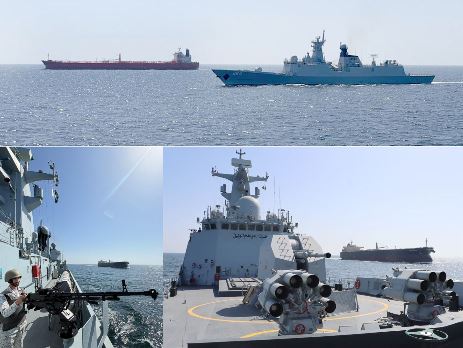
RAWALPINDI, MAR 9 /DNA/ – In view of the evolving regional maritime security environment and potential disruptions to critical sea lanes, Pakistan Navy has launched Operation Muhafiz-ul-Bahr to counter multidimensional threats to national shipping and maritime trade. The initiative has been undertaken to ensure the uninterrupted flow of national energy supplies and the security of Sea Lines of Communication (SLOCs).

PN Escort operations are being conducted in close coordination with Pakistan National Shipping Corporation (PNSC). Pakistan Navy is fully cognizant of the prevailing maritime situation and is actively monitoring and controlling the movement of merchant vessels to ensure their safe and secure transit.

With approximately 90% of Pakistan’s trade conducted via sea, the operation aims to ensure that vital sea routes remain safe, secure, and uninterrupted. Currently, PN ships are escorting 2 x Merchant Vessels, one of which is scheduled to arrive Karachi today.

Pakistan Navy remains fully prepared to respond emerging maritime security challenges and is committed to ensuring the safety of national shipping and regional maritime security.

Stay Connected

64FansLike
60FollowersFollow

Latest Reviews

Exchange Rates

USD - United States Dollar
EUR
1.14
GBP
1.34
AUD
0.70
CAD
0.71